What That Means for Doors
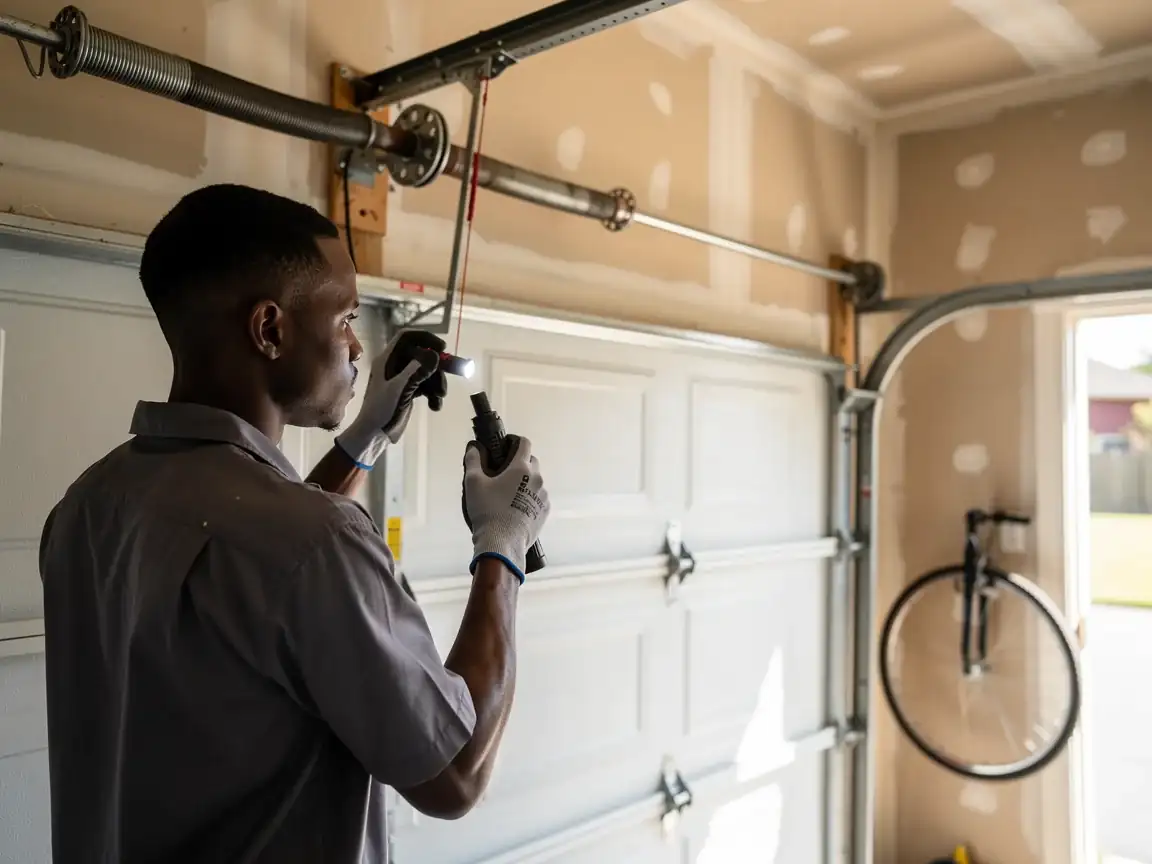
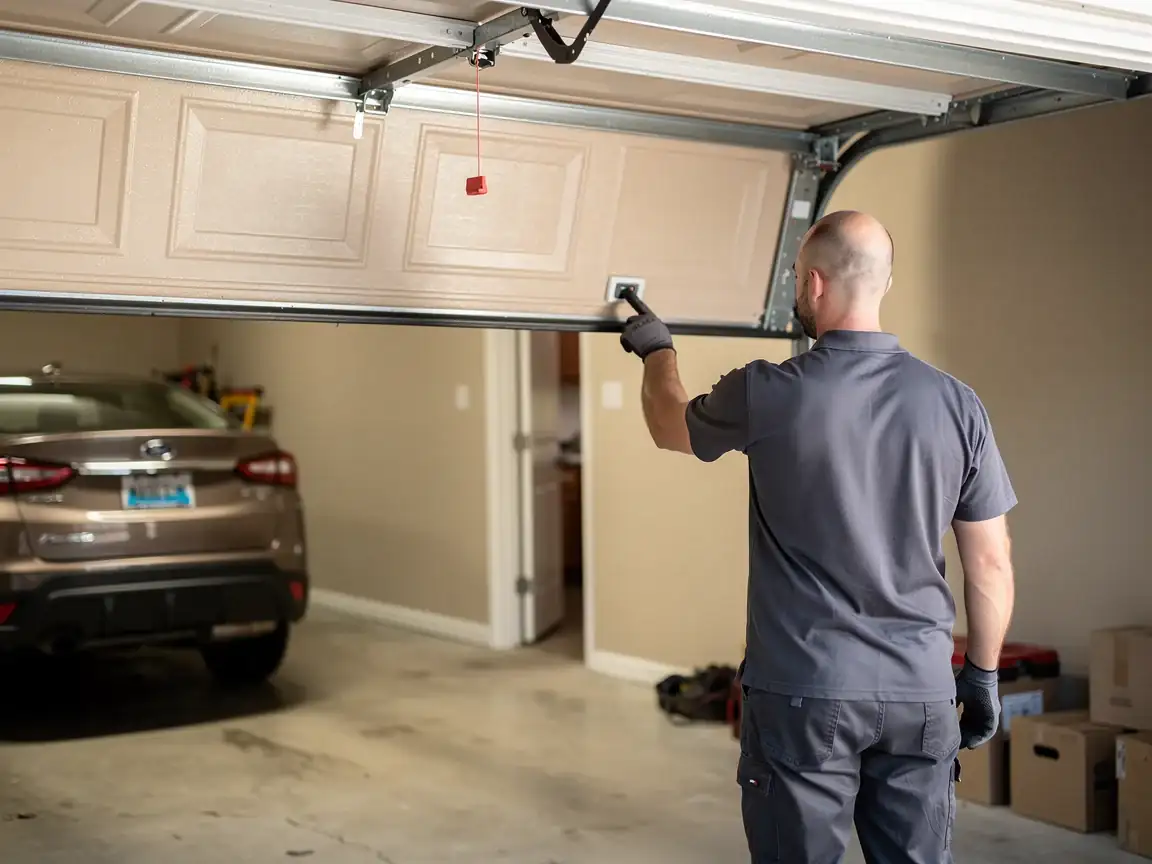
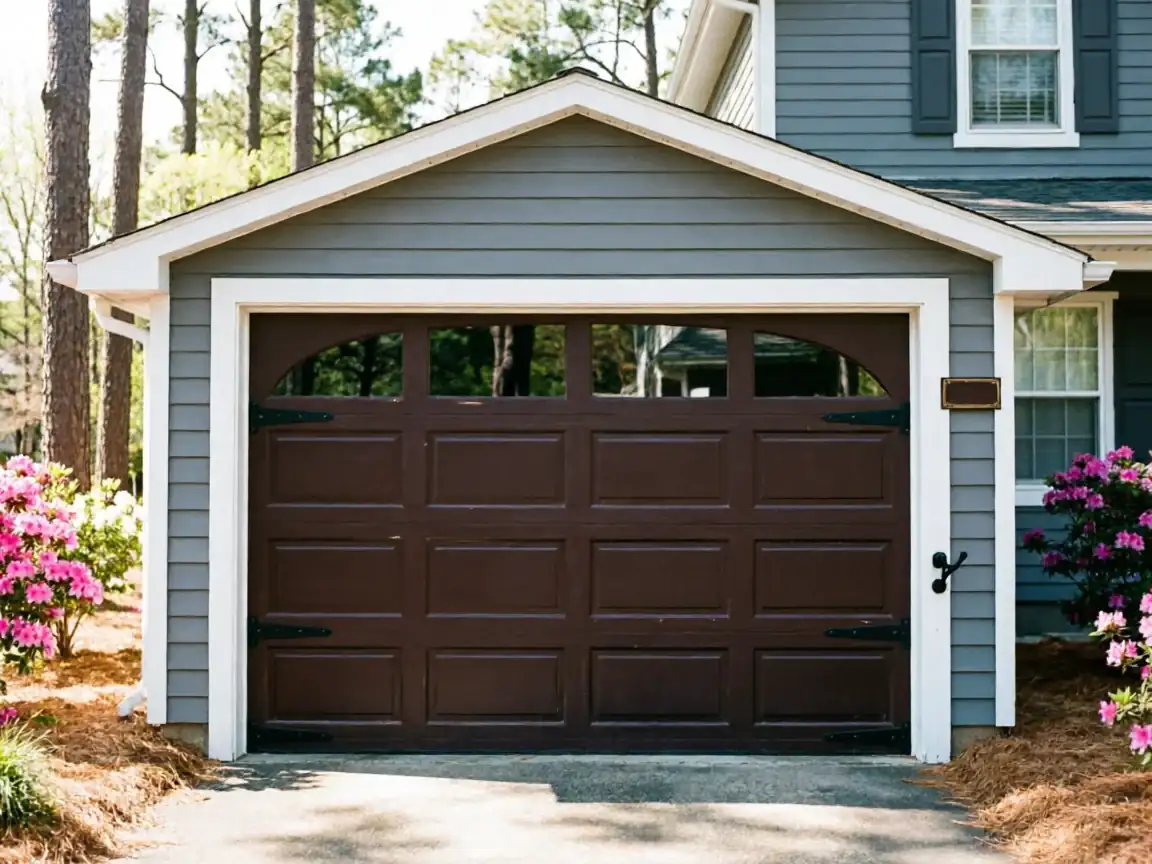
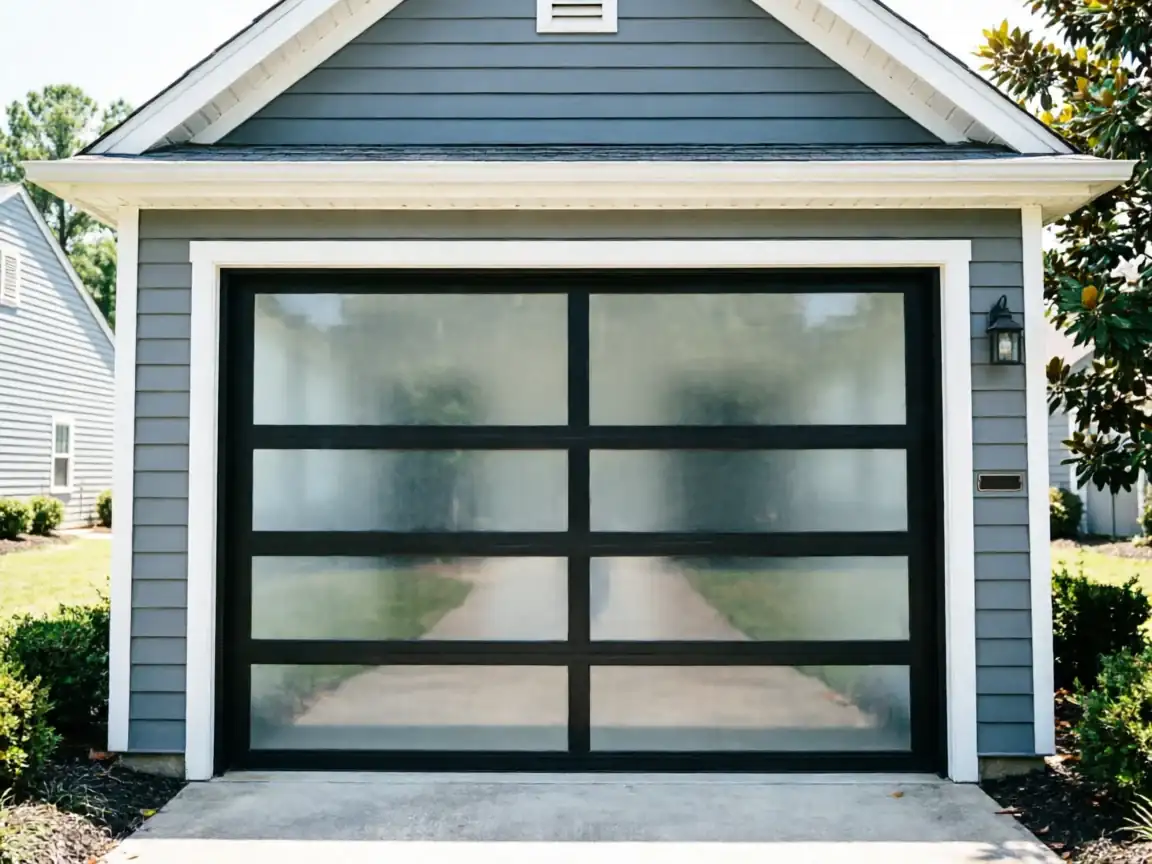
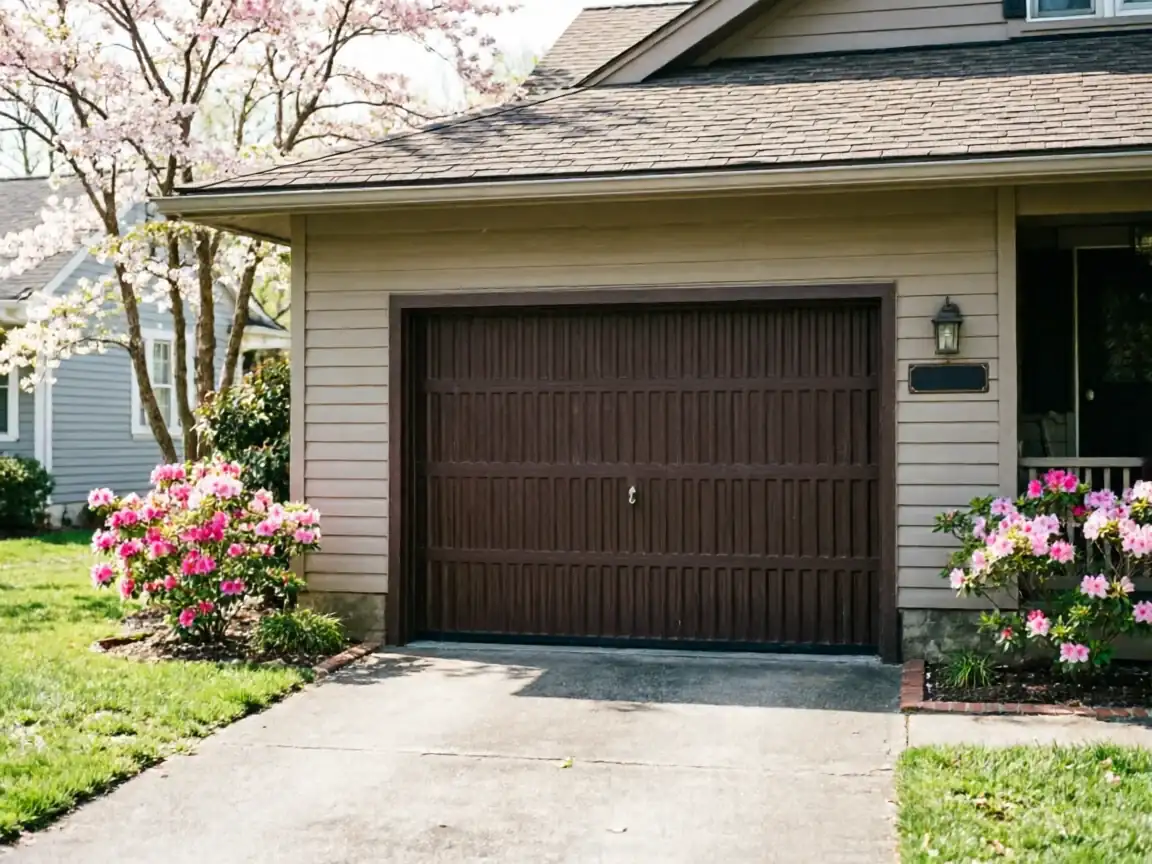
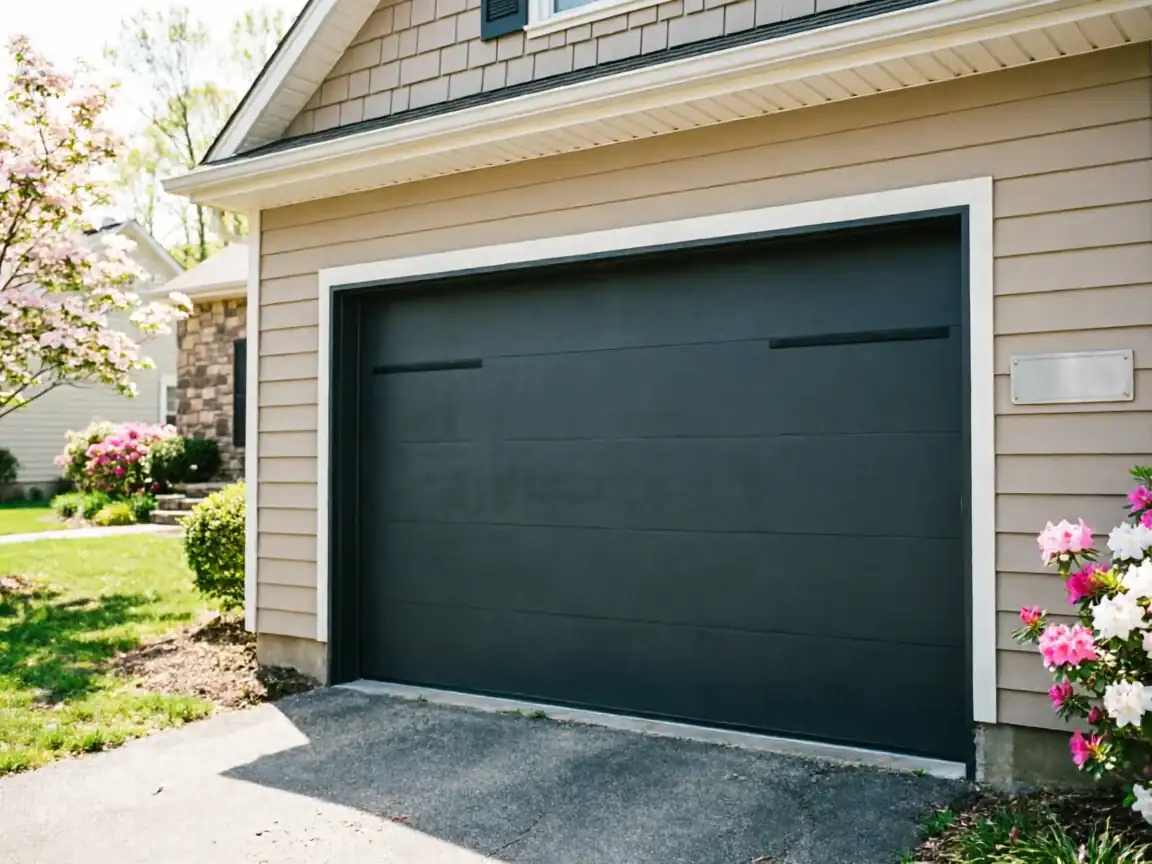
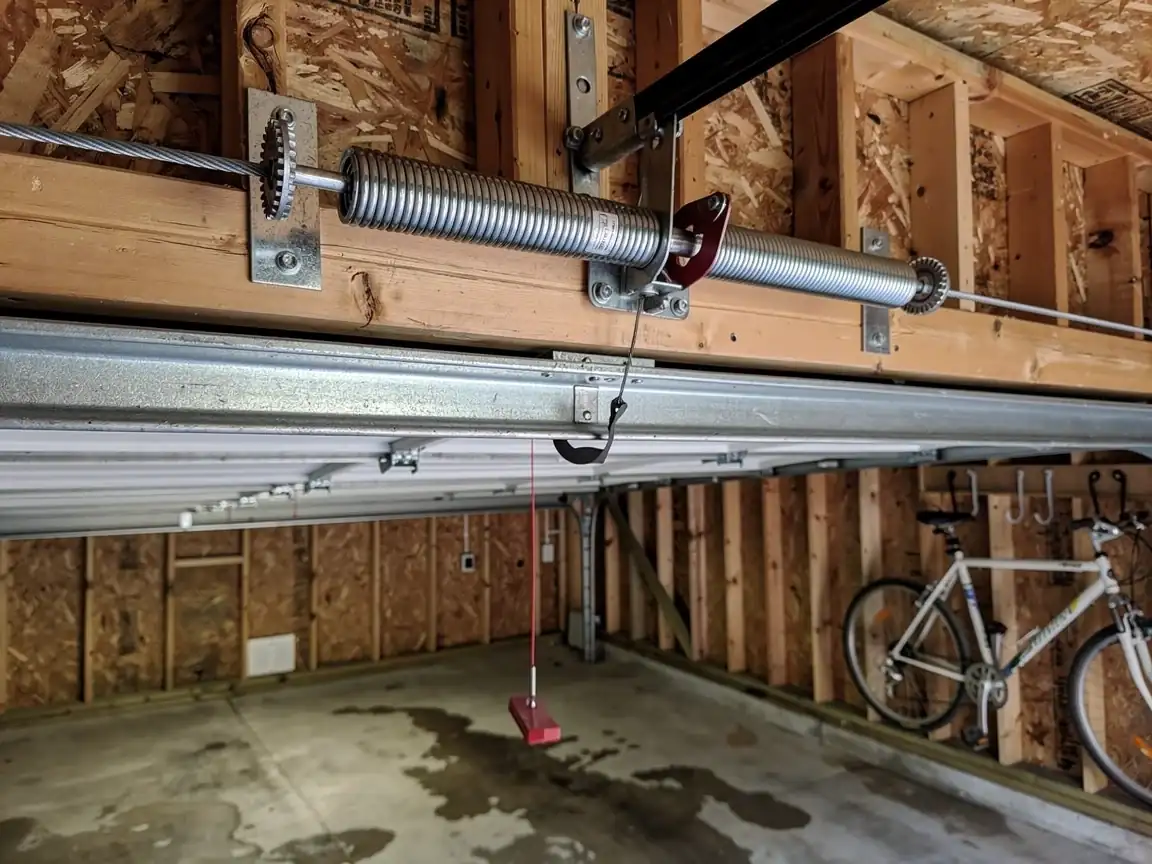
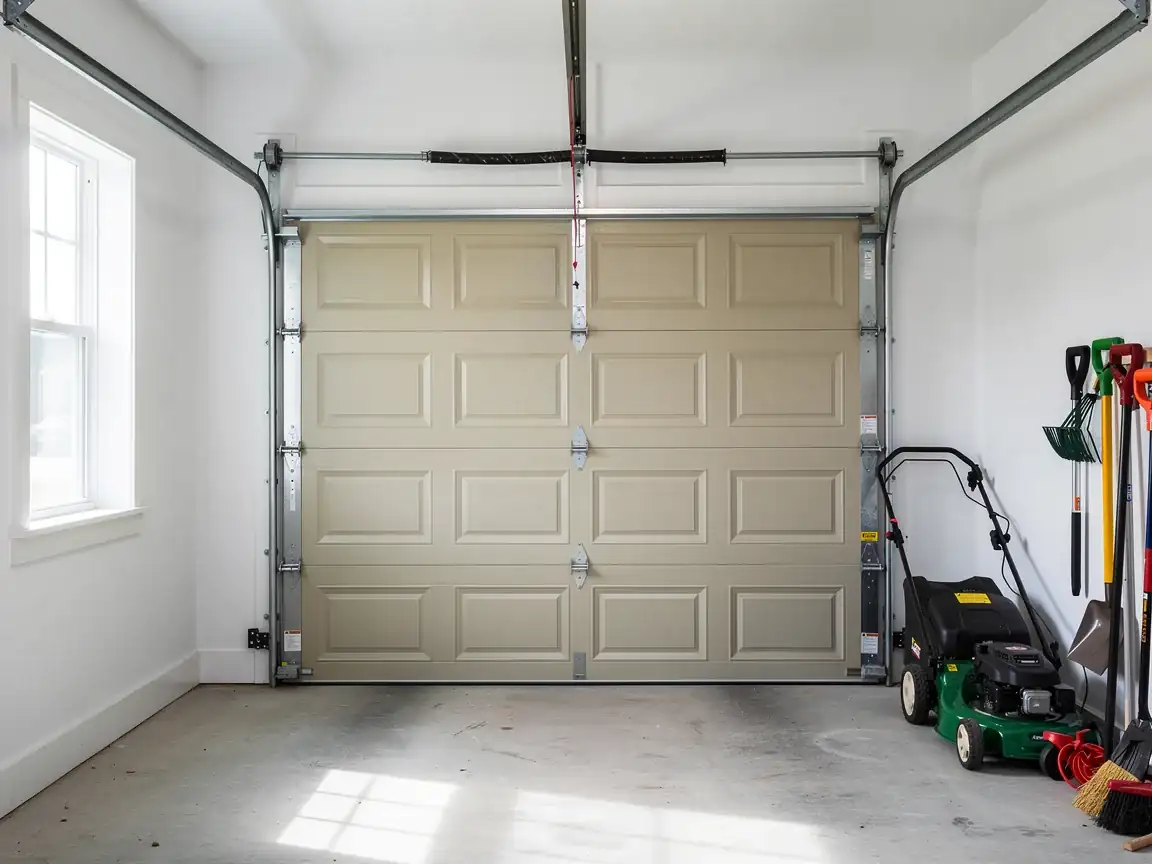
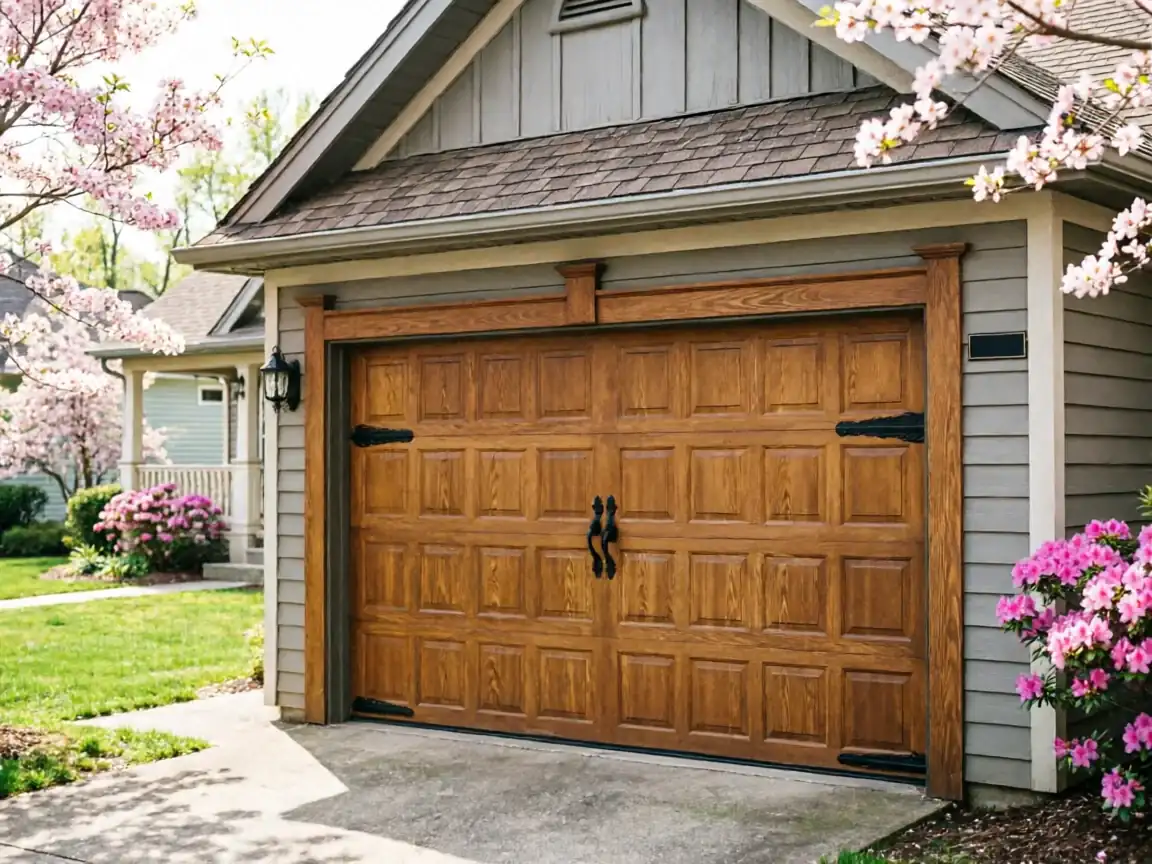
King's housing stock centers on 1986, which is a different era than the mix closer to the city. Doors from the mid-80s were usually steel, often single-layer, hung on torsion springs that have had close to forty years to fatigue even if nobody's touched them. By now a lot of those original springs have been swapped once already, sometimes with a spring sized for the wrong door weight because somebody grabbed what was on the truck. We see openers from that build era that are on their second or third logic board, chain-drive units that have gotten loud, and track that's been knocked out of alignment by a car bumper once or twice over the decades. None of that is unique to King, but it's the specific set of problems a mid-80s door produces, and it's what we expect to find before we even get there.
What Was Built Here
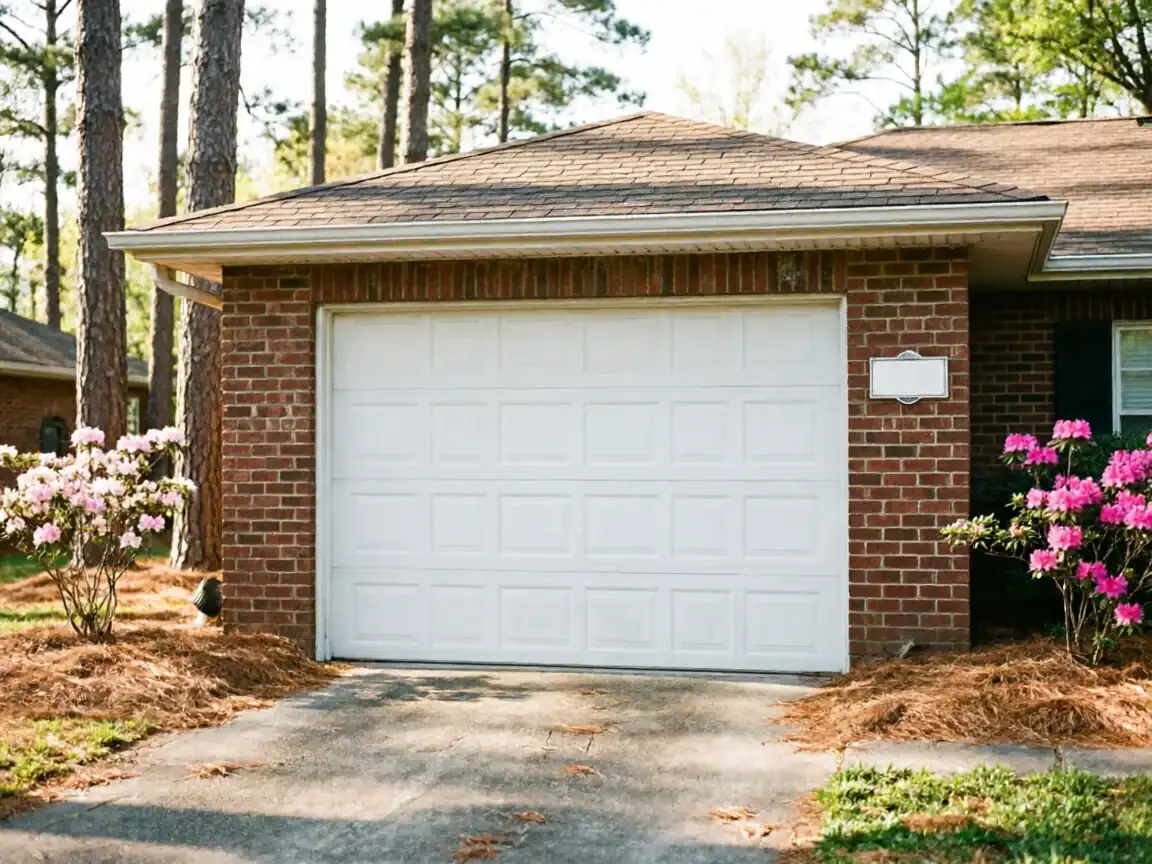
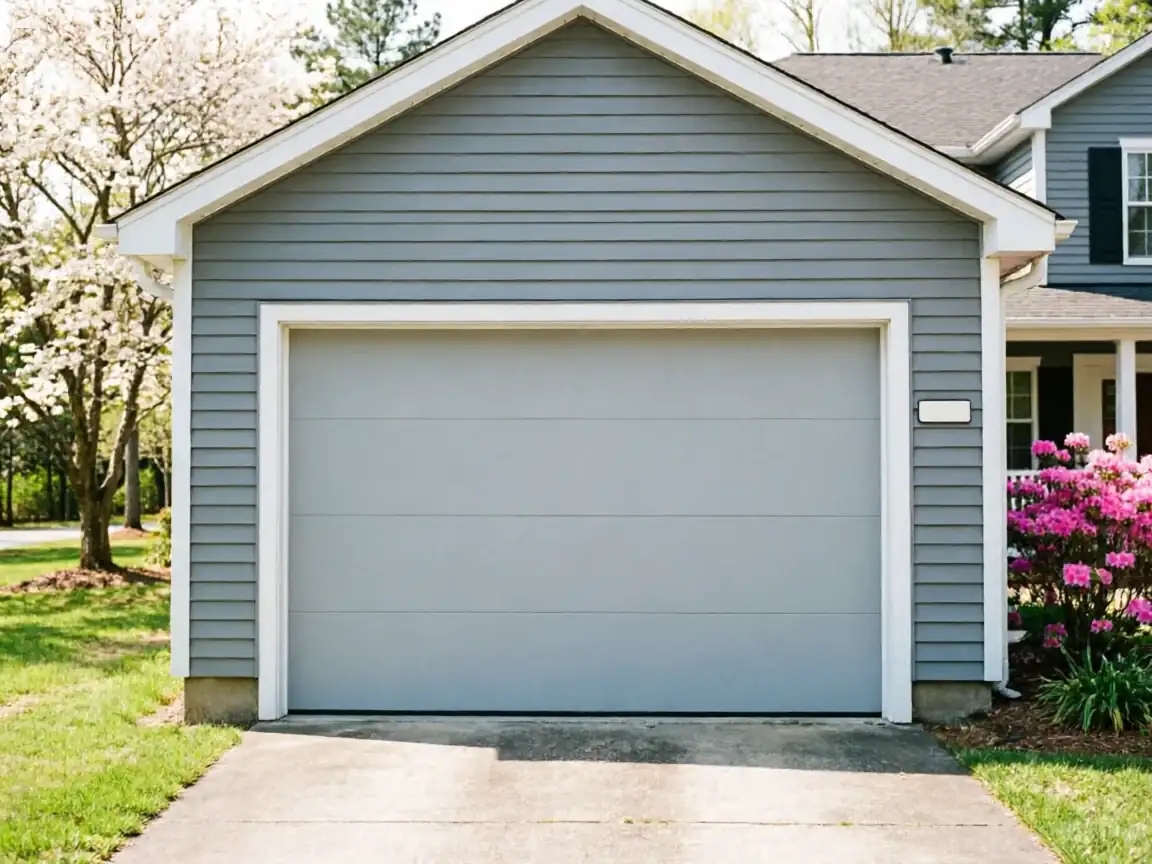
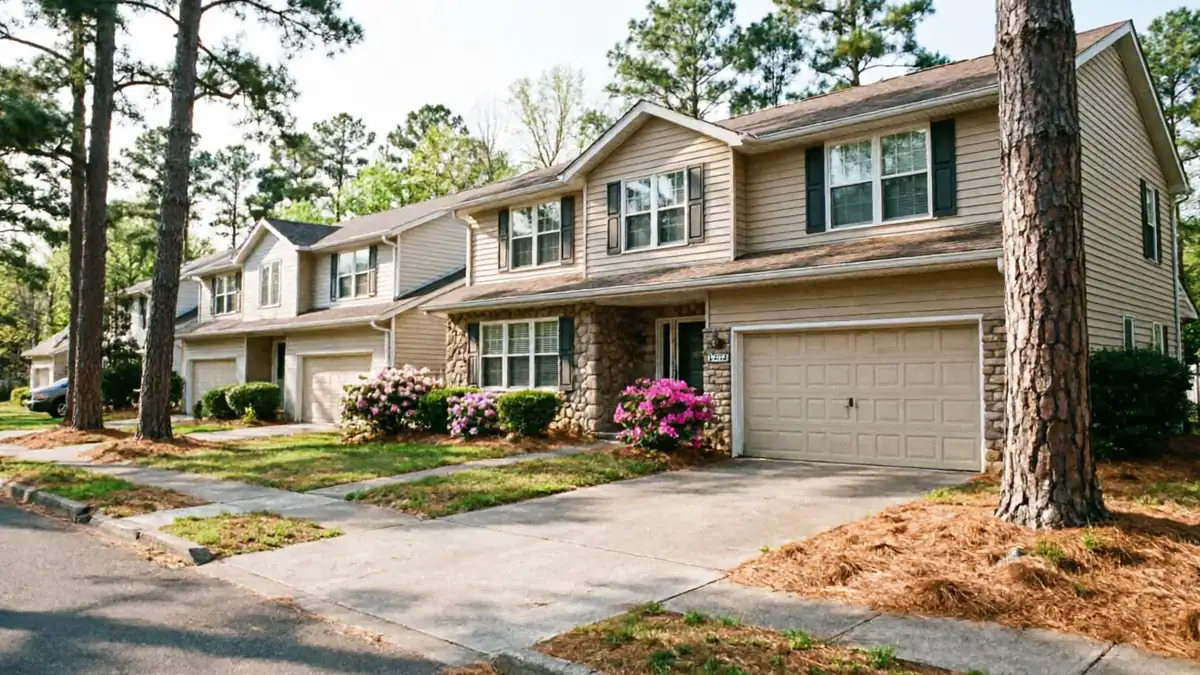
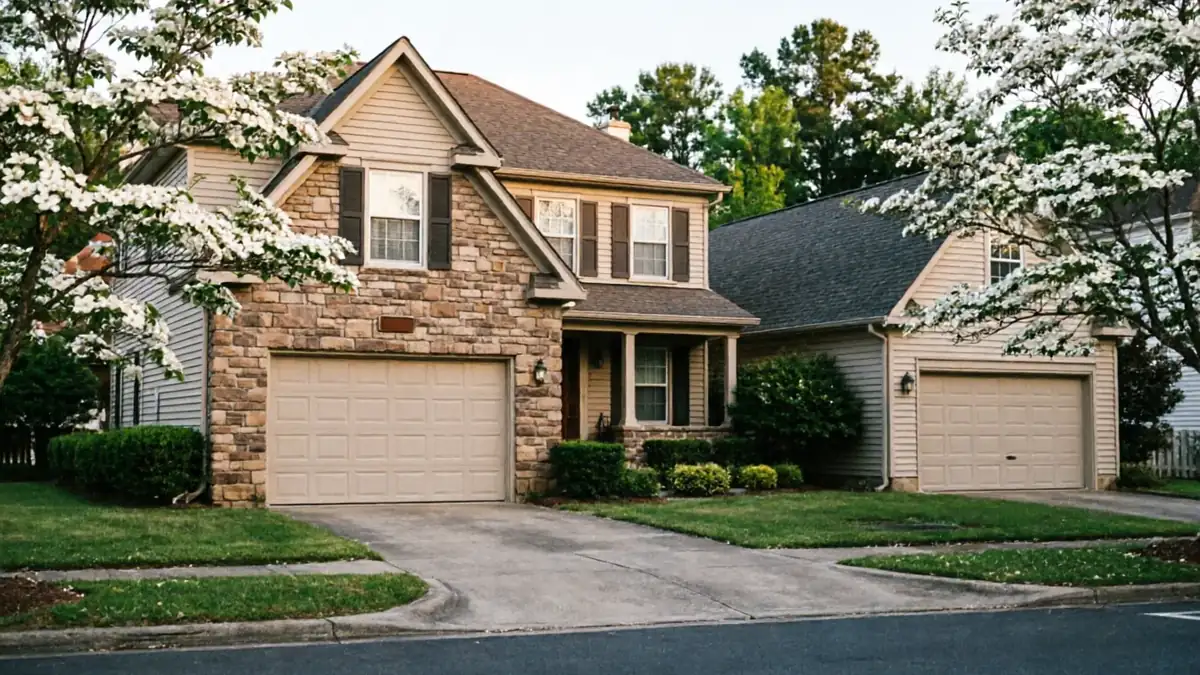
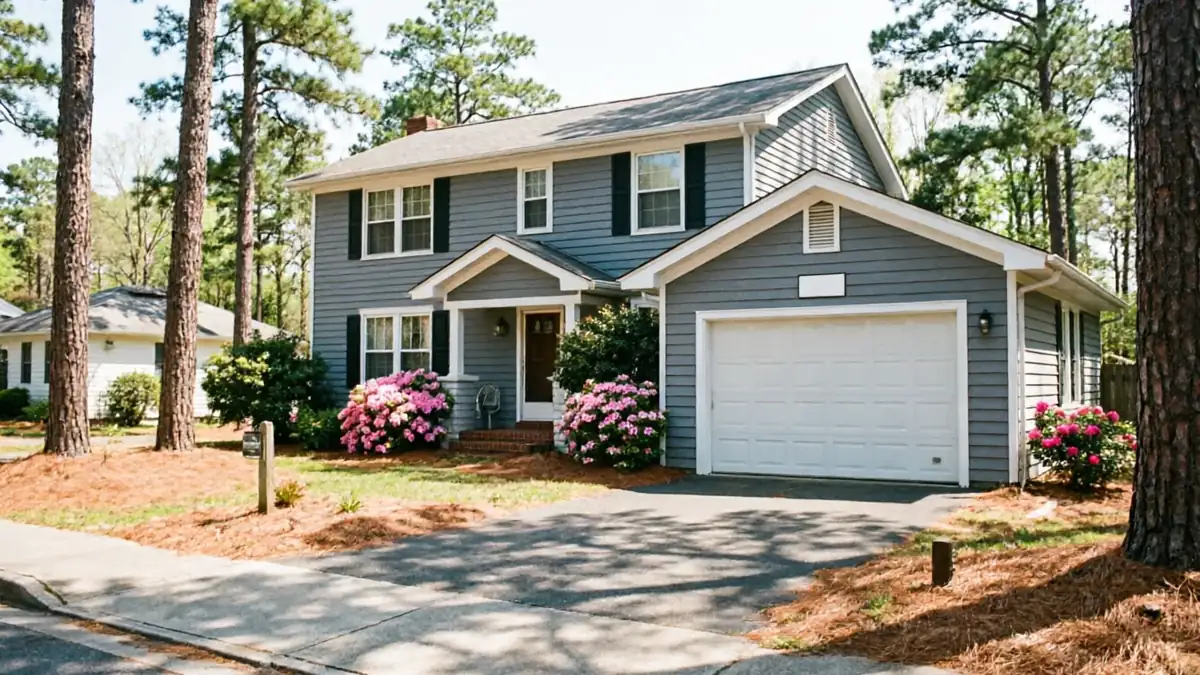
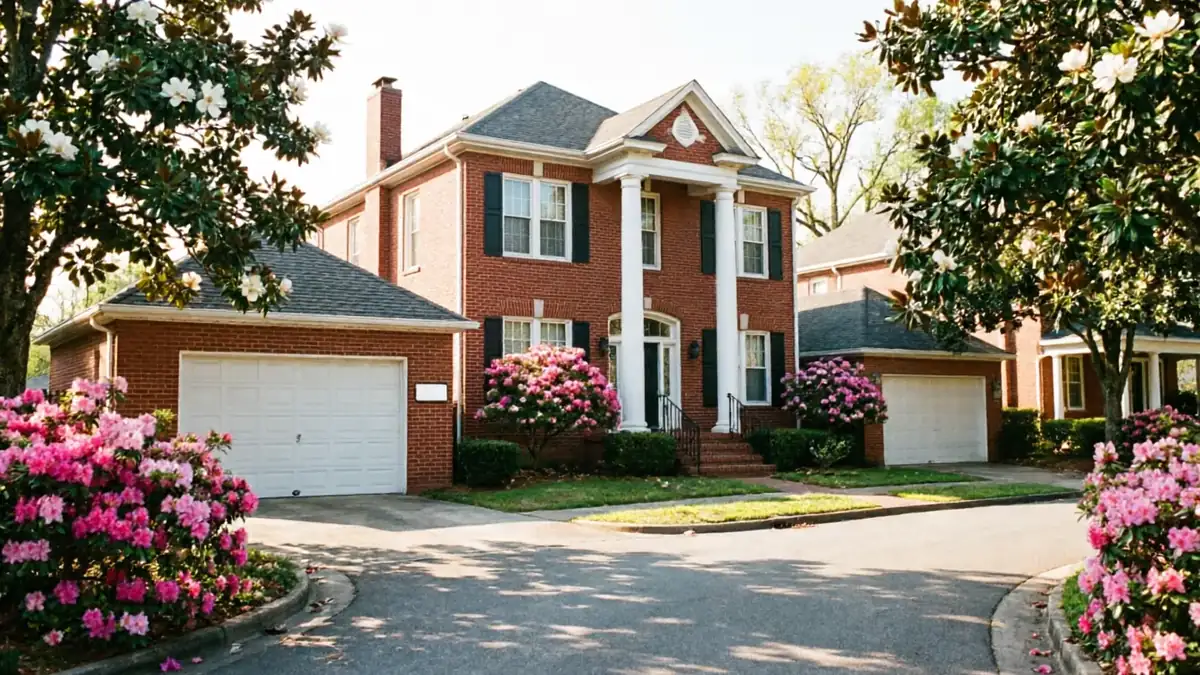
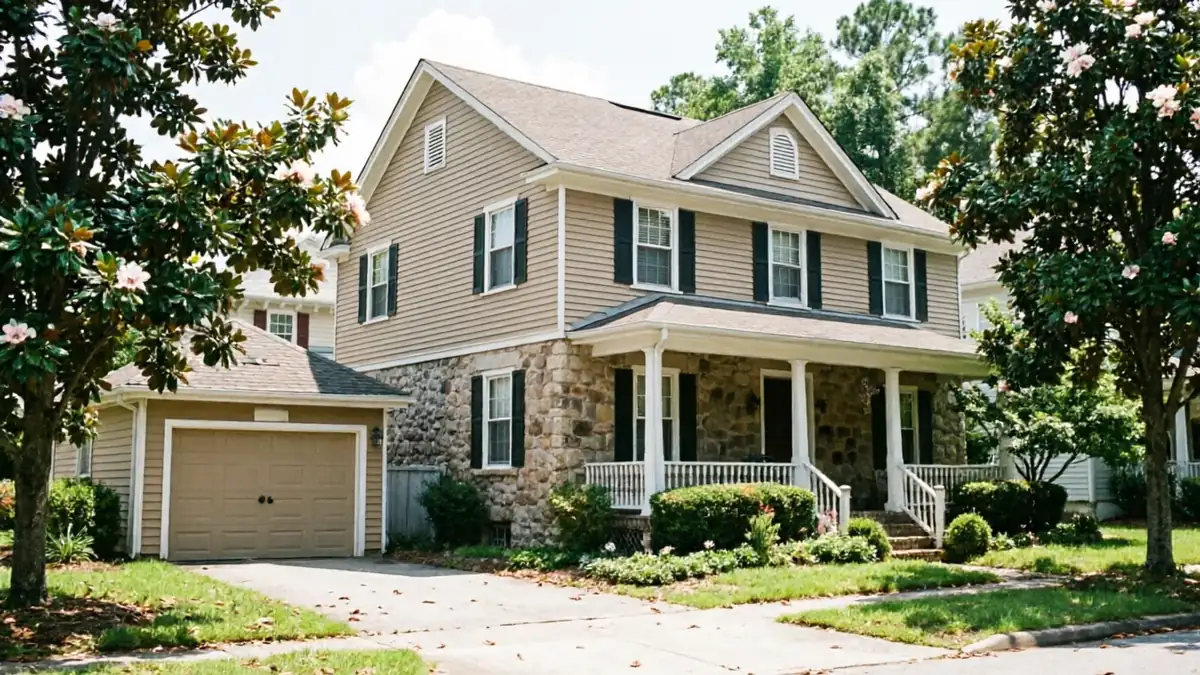
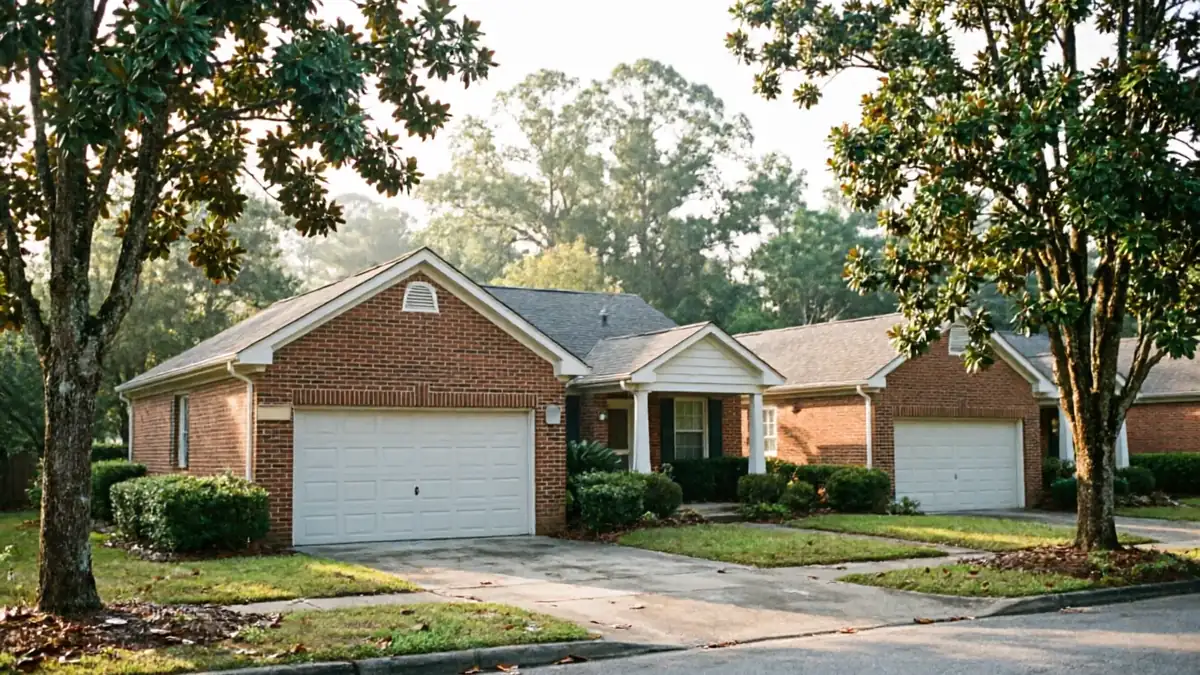
King has roughly 3,074 households, smaller than the denser parts of the service area, and the homes going up in the mid-1980s tended to be single-family with attached garages rather than the townhome clusters you see in some of the newer subdivisions closer to Winston-Salem. Median household income here runs around $60,451, lower than the area-wide figure, and that shows up in the kind of calls we get - more repair requests to keep an existing door running, fewer full replacements done just for looks. The climate here is the same cold-moderate band as the rest of the region, so winter stiffness in springs and the occasional frozen track aren't a King-specific problem, but combined with 1980s hardware that's already near the end of its service life, cold mornings are when a marginal spring finally lets go.