Getting It Booked In
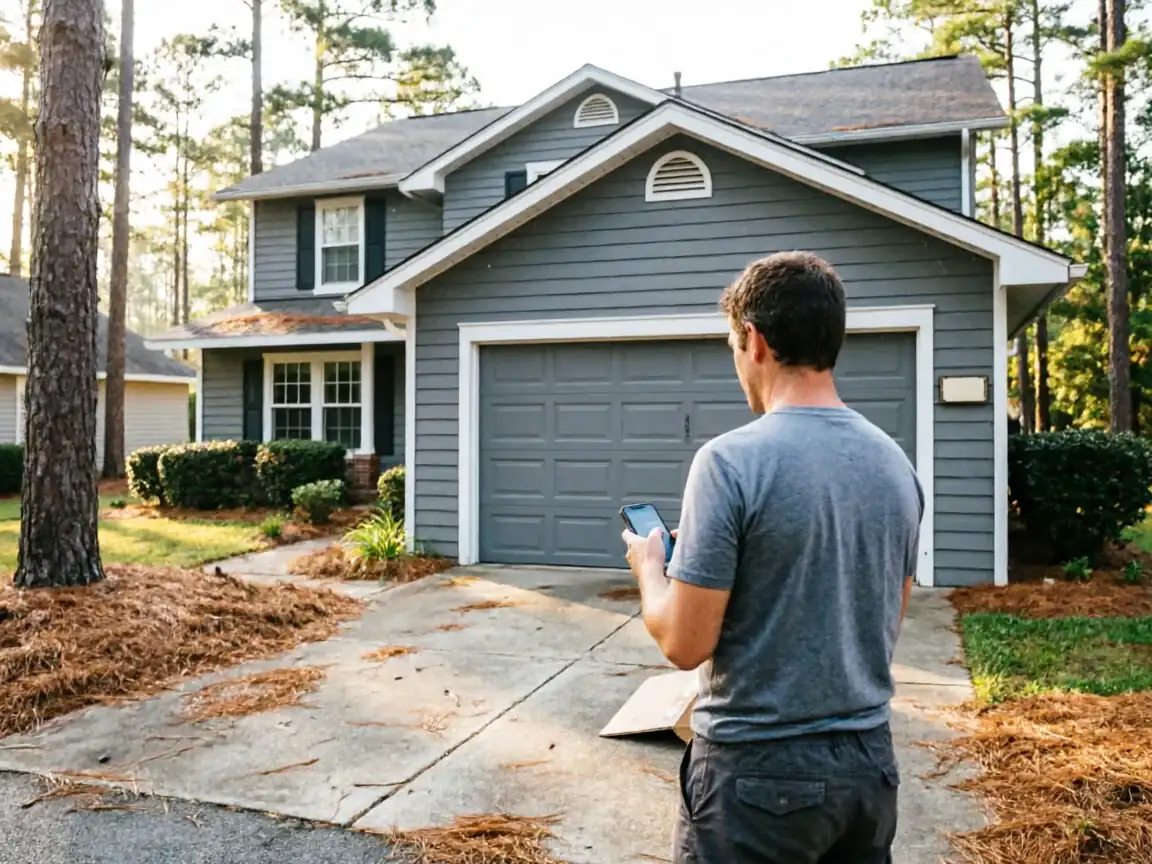
King sits about 13 miles out from our Winston-Salem shop
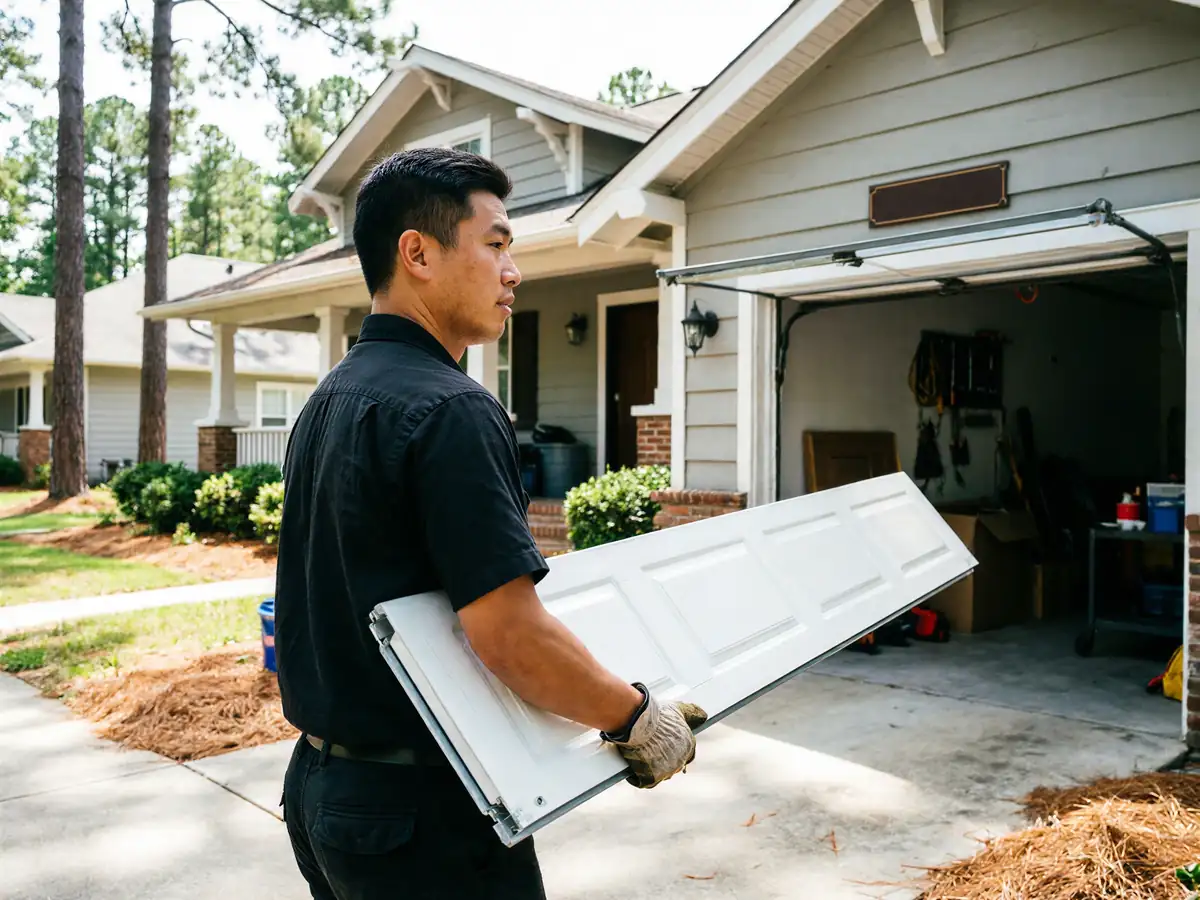
So an install here isn't a same-day walk-in job - we schedule it, load the door and hardware onto the truck, and come out for the appointment. That distance matters for one practical reason: if you're waiting on a specific size or a custom color, we need the lead time to get it right the first trip, because we're not running back and forth across town the way a company with a King depot might.
- 13 miles
Most of the homes we quote in King were built around 1986
Which is a tighter, more consistent build window than you'll find in some of the larger towns we cover. That makes measuring straightforward - openings from that era tend to run standard sizes - but it also means a lot of original track and jamb hardware is still in place, and we check that before we quote, not after we show up with a door that doesn't fit the frame as-is.
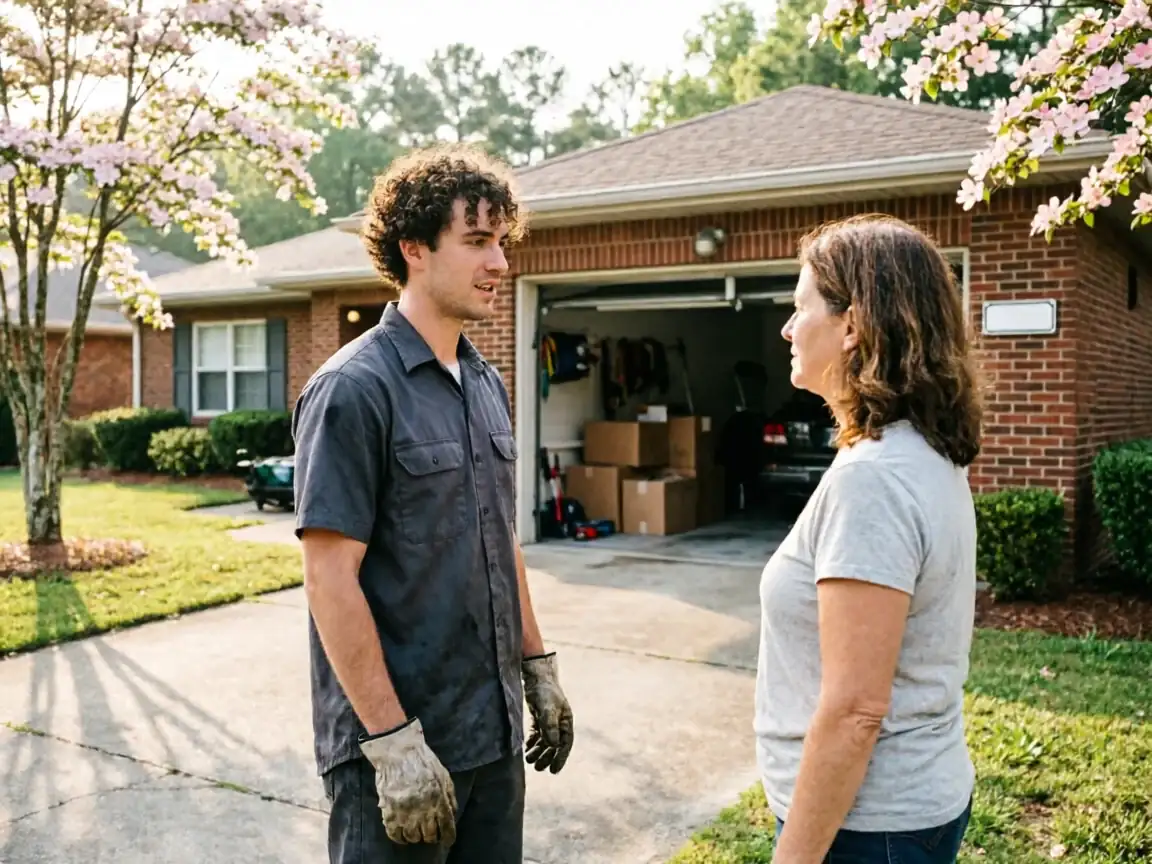
We'll ask for your opening width and height, the direction the driveway slopes if you know it
And whether you want insulated panels. Giving us that up front keeps the first visit a real install instead of a second measuring trip.
Can You Do This Yourself
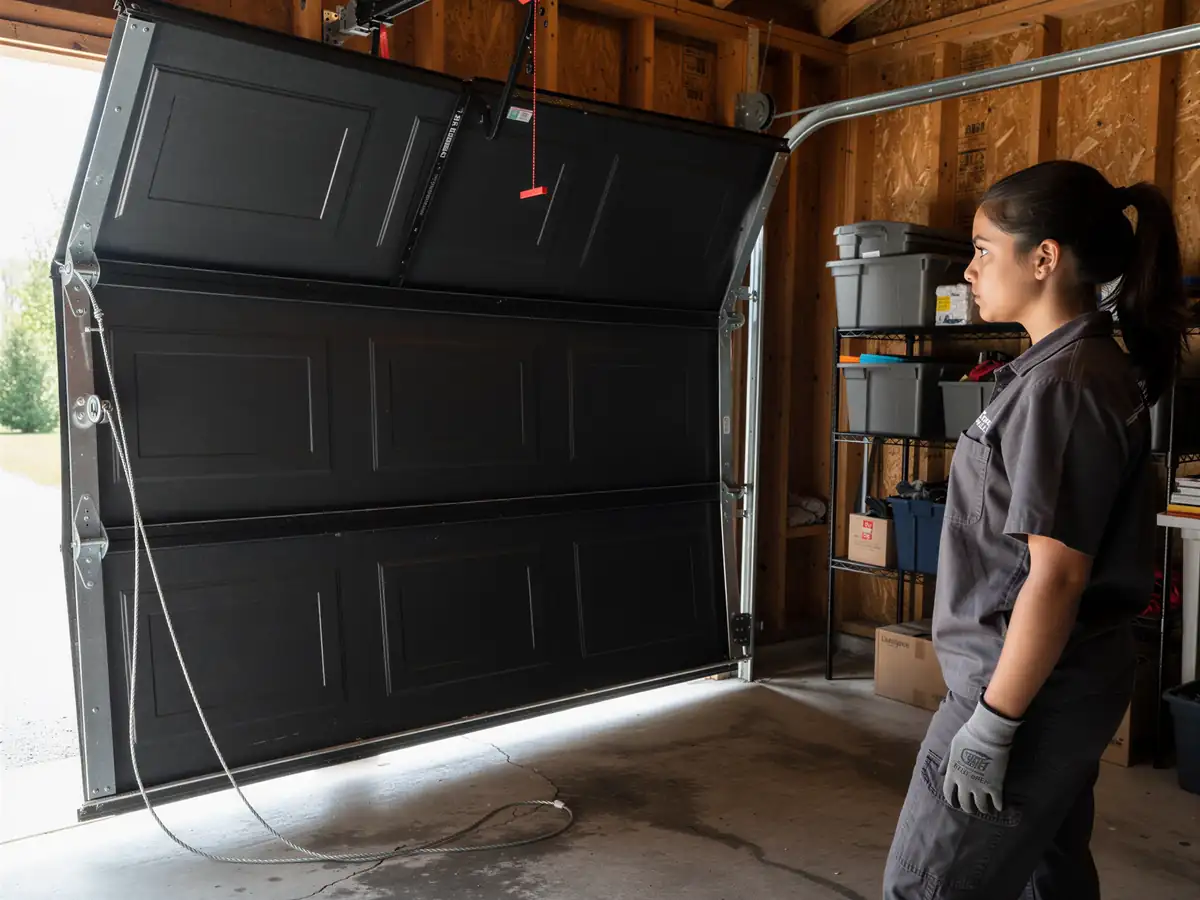
A new garage door kit from a box store is a one-day job on paper, and plenty of people manage it. Where it goes wrong is the spring system - a double door on torsion springs stores enough force to break a hand or worse if the bars slip, and that risk doesn't change because the house is in King instead of anywhere else.
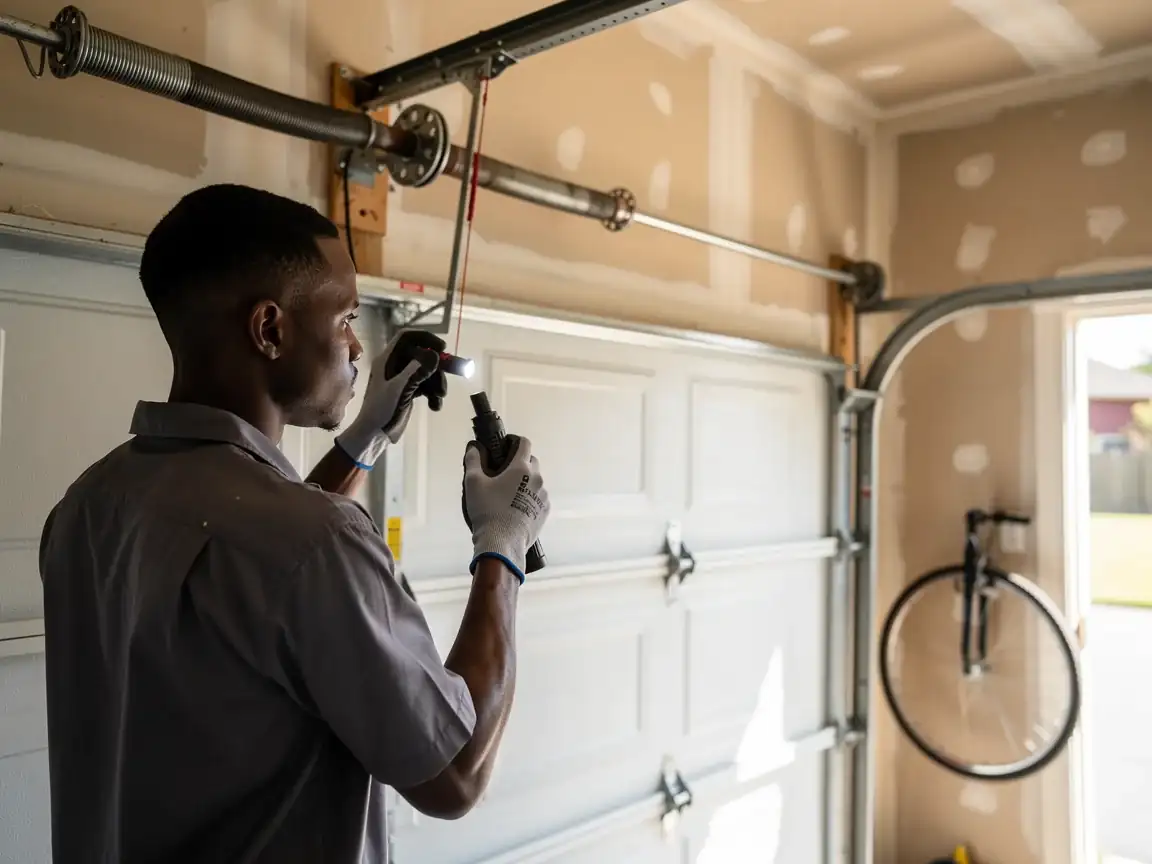
The other wrinkle specific to houses from the mid-1980s: the track and header bracket on the house may not match the mounting pattern on a current door, even though both are called "standard." We've seen owners get a door hung and then find the opener arm doesn't line up with the factory bracket because the framing shifted slightly over three-plus decades. That's a half-day fix for us and a frustrating return trip for a DIYer who already boxed up the packaging.
If you're comfortable with a single lightweight door and have a second set of hands for the panels, that part is reasonable to do yourself. Springs, cables, and anything attached to the opener's lift mechanism - leave that to someone who does it daily. We won't talk you out of the panel work, but we will tell you plainly where the real risk sits.
How We Fix It
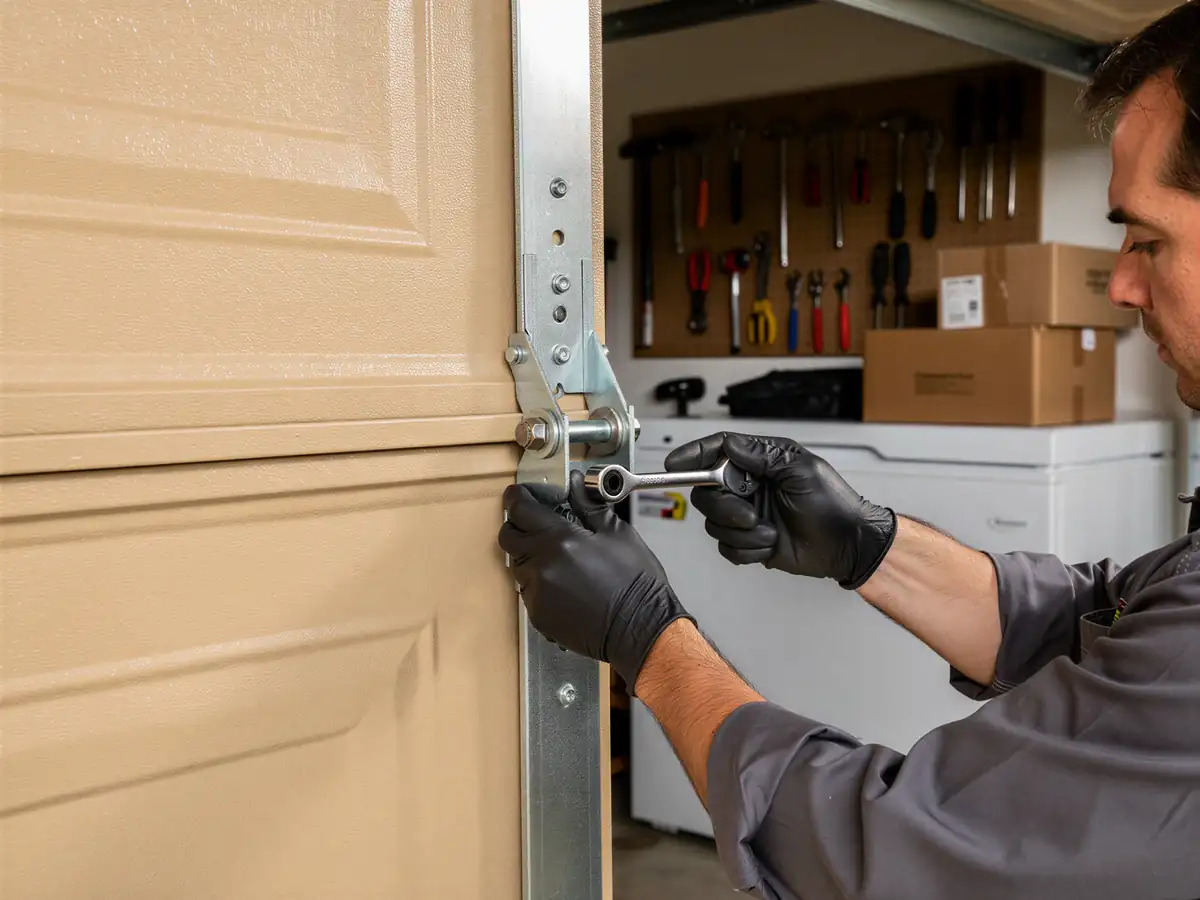
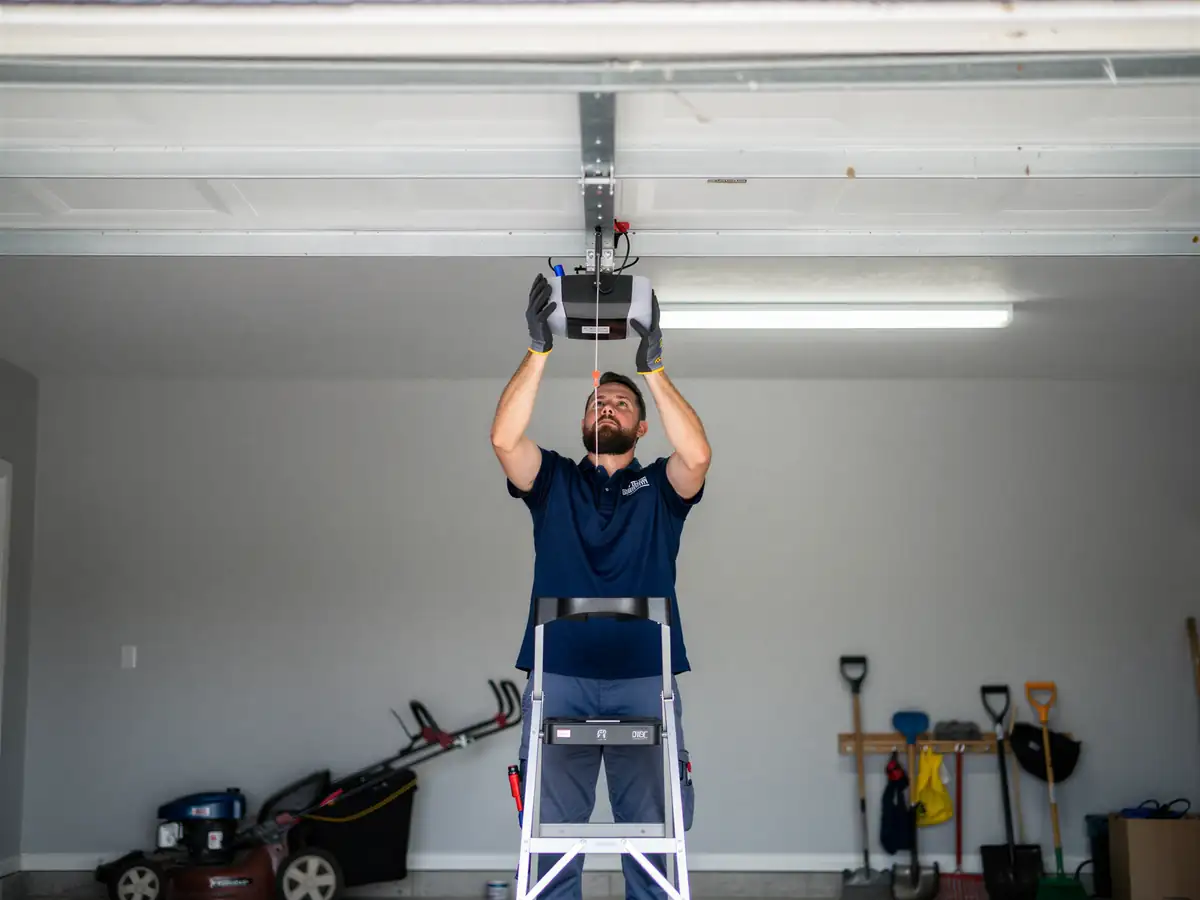
Install starts with pulling the old door off its track and checking the jamb for square, which matters more on a house from 1986 than on new construction - framing settles over that many years, and a door hung dead level on an out-of-square jamb will bind within a season. We shim where it's needed rather than forcing the new track to the old line.
For insulation, our service area sits in a cold-moderate climate band, so we talk through panel R-value with every King customer rather than defaulting to whatever's cheapest. A single-layer steel door was fine when the house was built; it's not doing much for a garage that shares a wall with living space now, and we'll say so if that's the case.
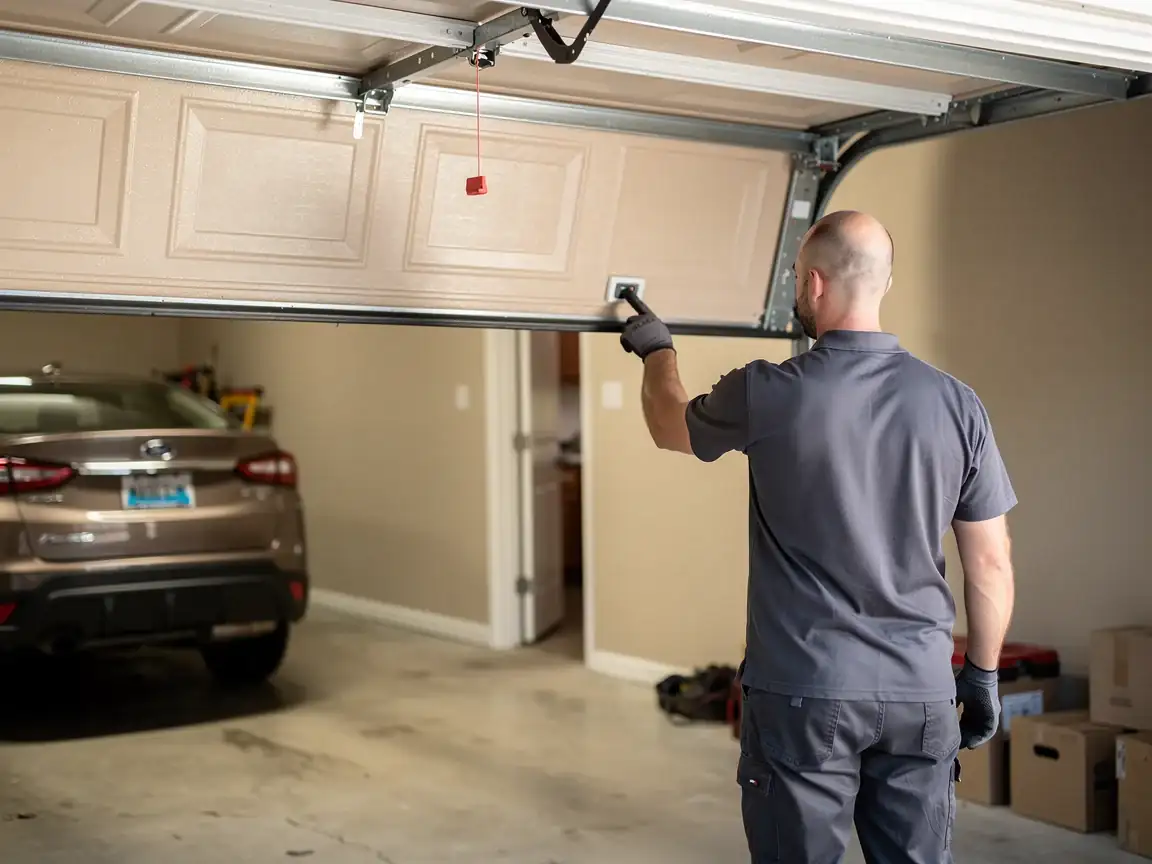
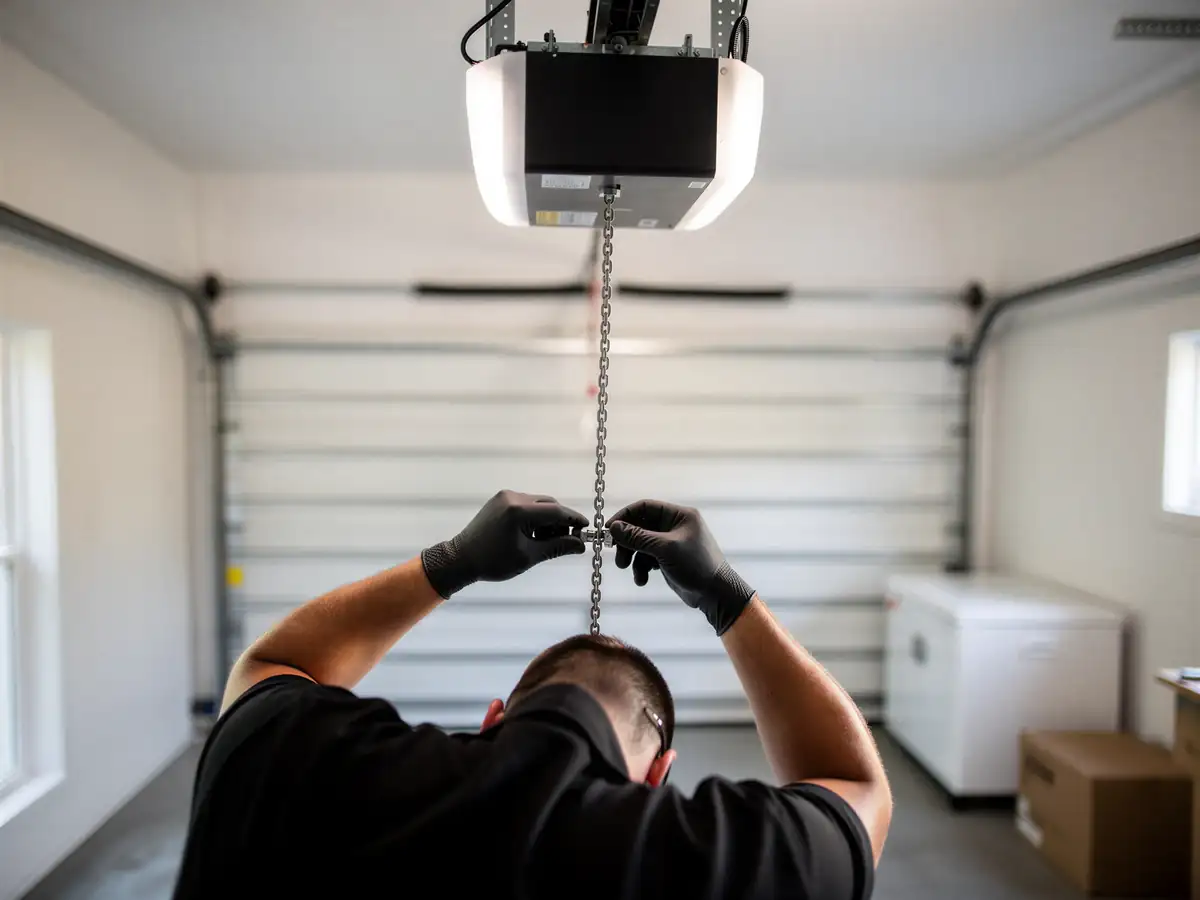
Once the new door's hung, we set spring tension to the door's actual weight, not a generic chart number, and run the opener through a full open-close cycle checking travel limits and auto-reverse. We test the auto-reverse with a real obstruction, not just a visual check, before we call the job done. That's the one step we won't skip to save time, even on a straightforward swap.
What You Are Seeing
If your house in King dates from around the mid-1980s build era
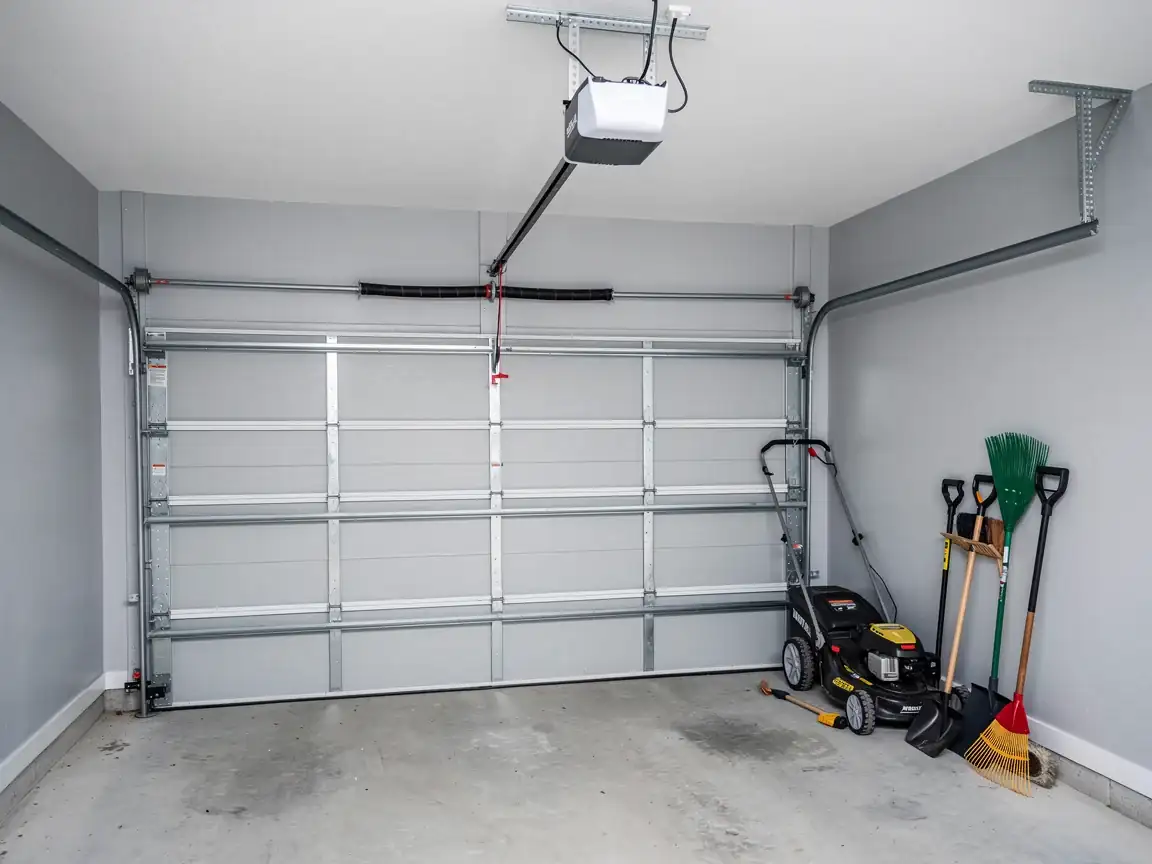
The door itself has likely been replaced at some point, but the track, the header bracket, and sometimes the springs are original - nobody routinely swaps those unless something fails outright, so a lot of 1986-era hardware is still doing its job thirty-plus years later. That's not automatically a problem, but it's worth knowing what you're looking at before you call for a quote versus a repair.
Common signs the door itself (not just the opener) needs replacing rather than patching
Panels that flex visibly in the middle when the door's partway up, rust-through at the bottom panel seams, or a door that's noticeably heavier to lift by hand than it used to be - a sign the springs are fatigued and the door's structure is carrying load it wasn't built for anymore.
If it's just noisy rollers or a slow opener, that's a repair call, not a replacement
We'd rather tell you that over the phone and save you the cost of a new door than sell you one you don't need yet.