How We Get to You
We run out of Winston-Salem, about 10 miles west of Kernersville
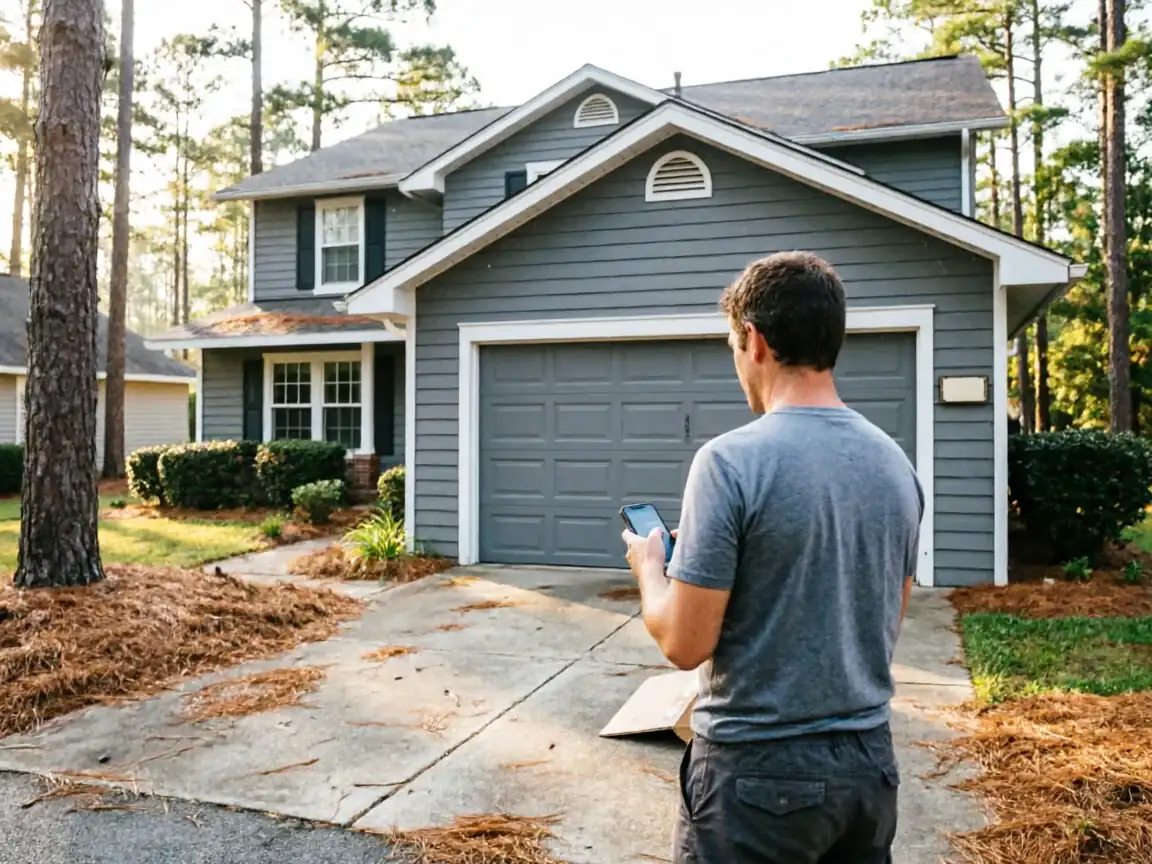
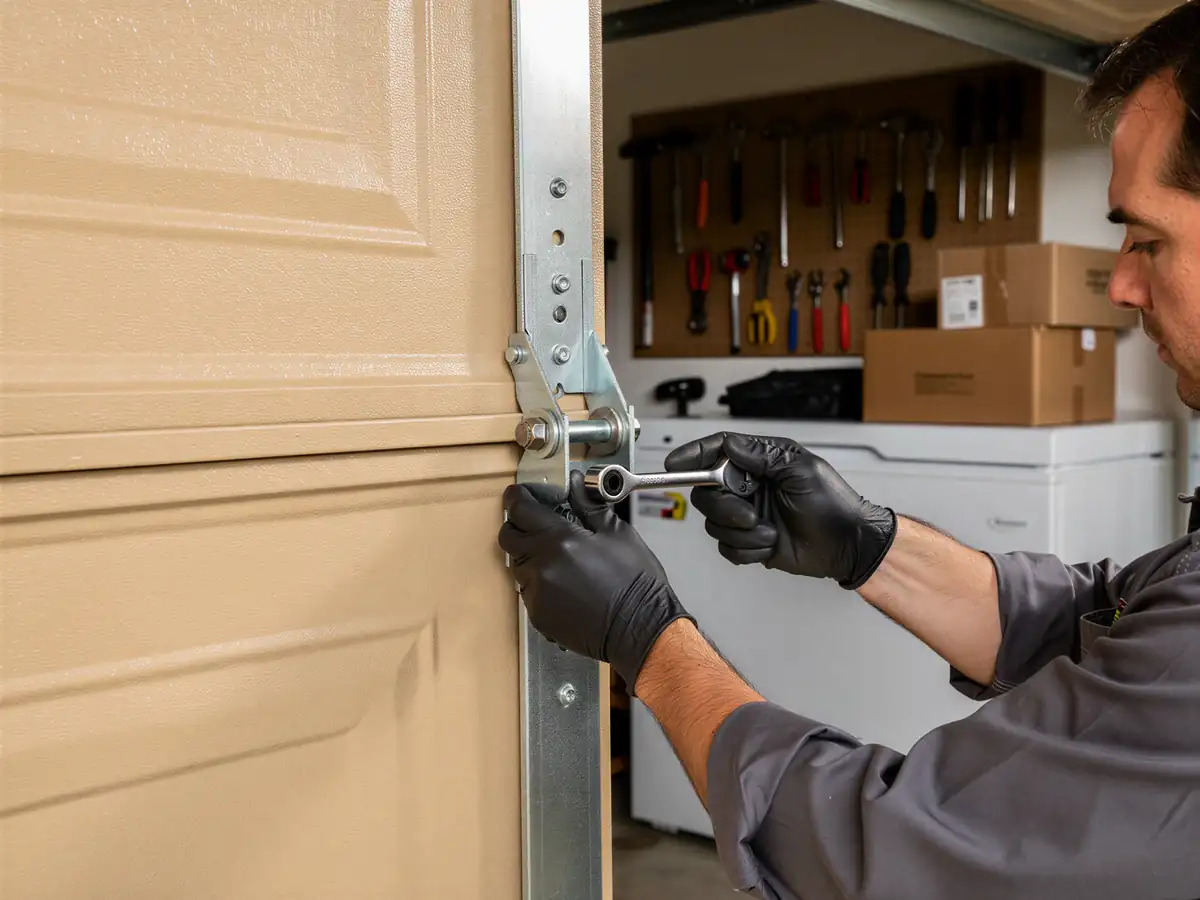
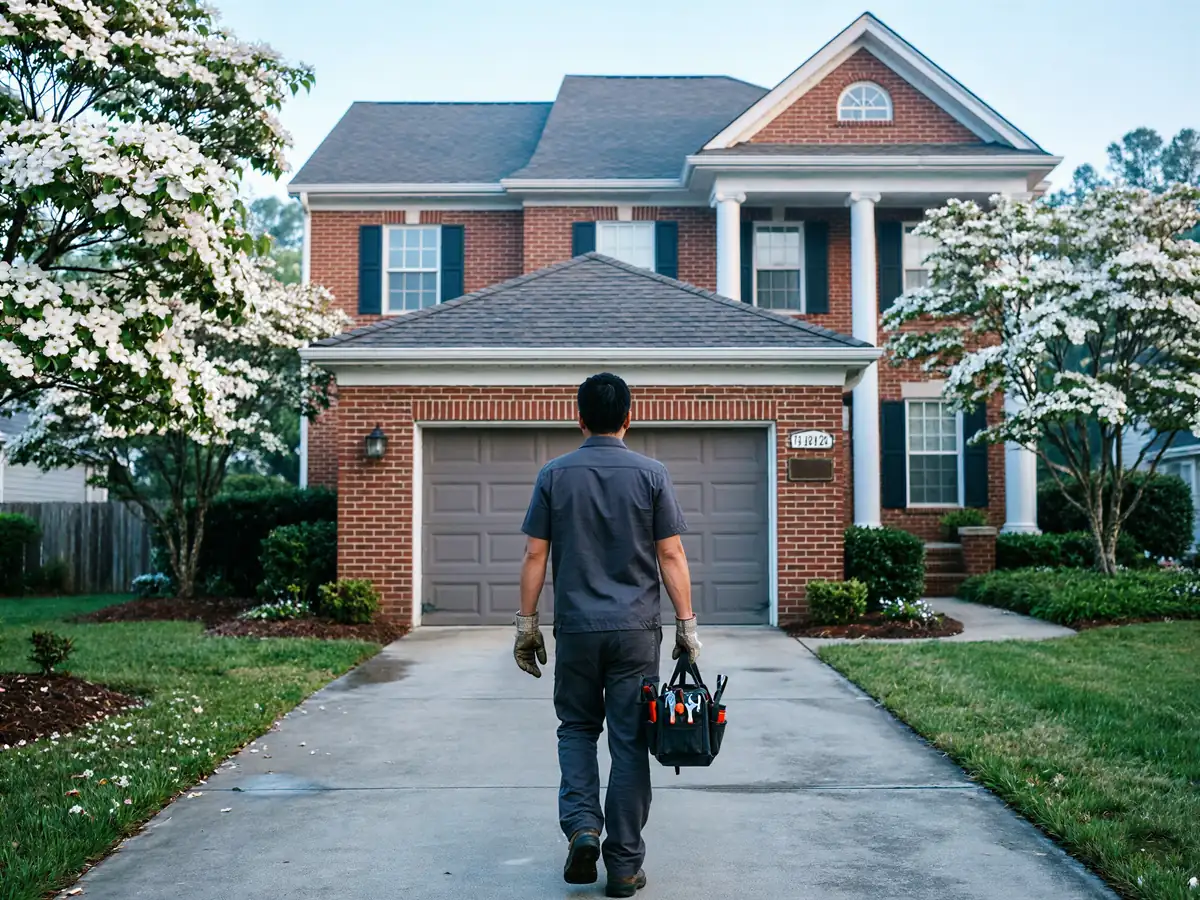
And we don't keep a separate crew or depot on this side of the county. That's worth saying plainly: when you call, the truck is coming from Winston-Salem, not sitting around the corner. We don't promise a same-hour window because we're not already parked here. What we do is schedule the drive and show up with the parts a 1990s-built door in this area actually needs, because we've pulled the torsion springs and rollers off enough of them to know what's in the opening before we knock on the door.
- 10 miles
Kernersville sits far enough out that it's not an afterthought stop on a route
It's a planned trip. If your spring breaks on a Tuesday morning, tell us that when you call so we can route the day sensibly. We're not going to pretend we're down the street, and we're not going to make you wait for a truck that was never close to begin with. We'd rather be straight about the drive than oversell the timeline.
What That Means for Doors
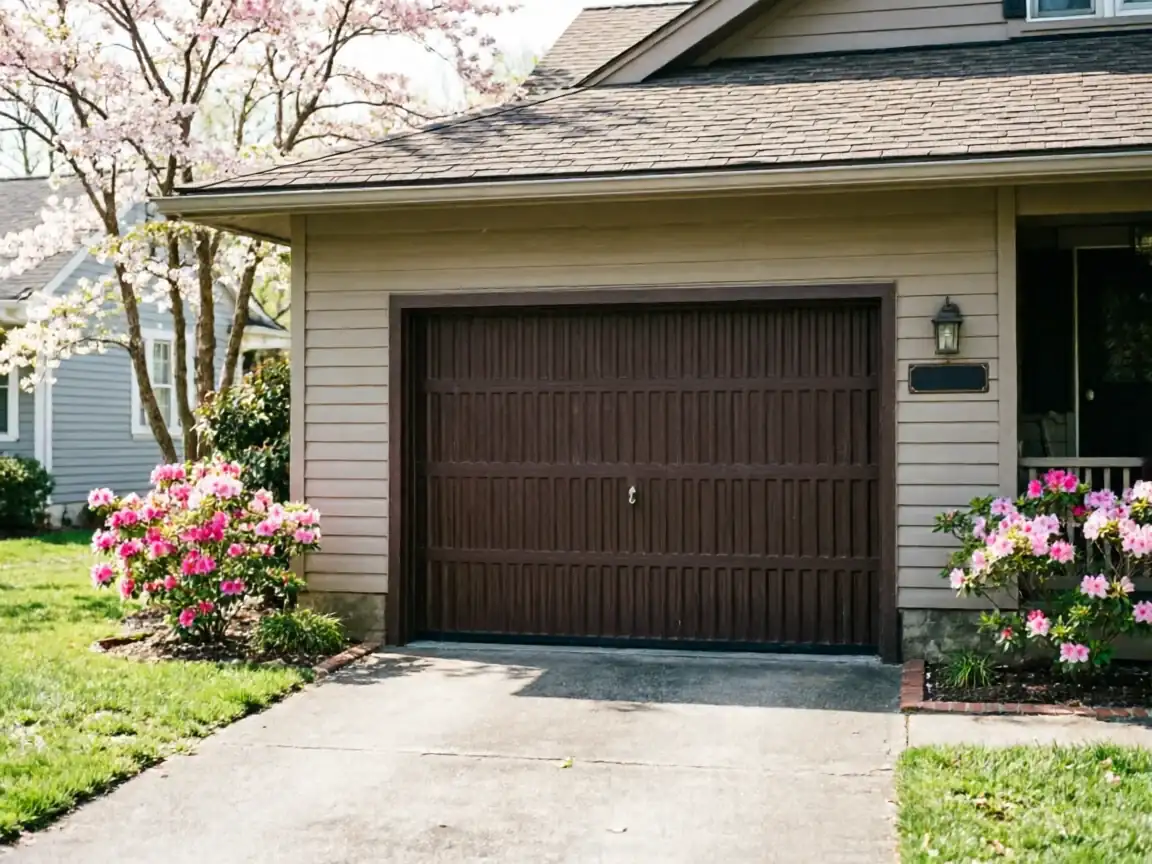
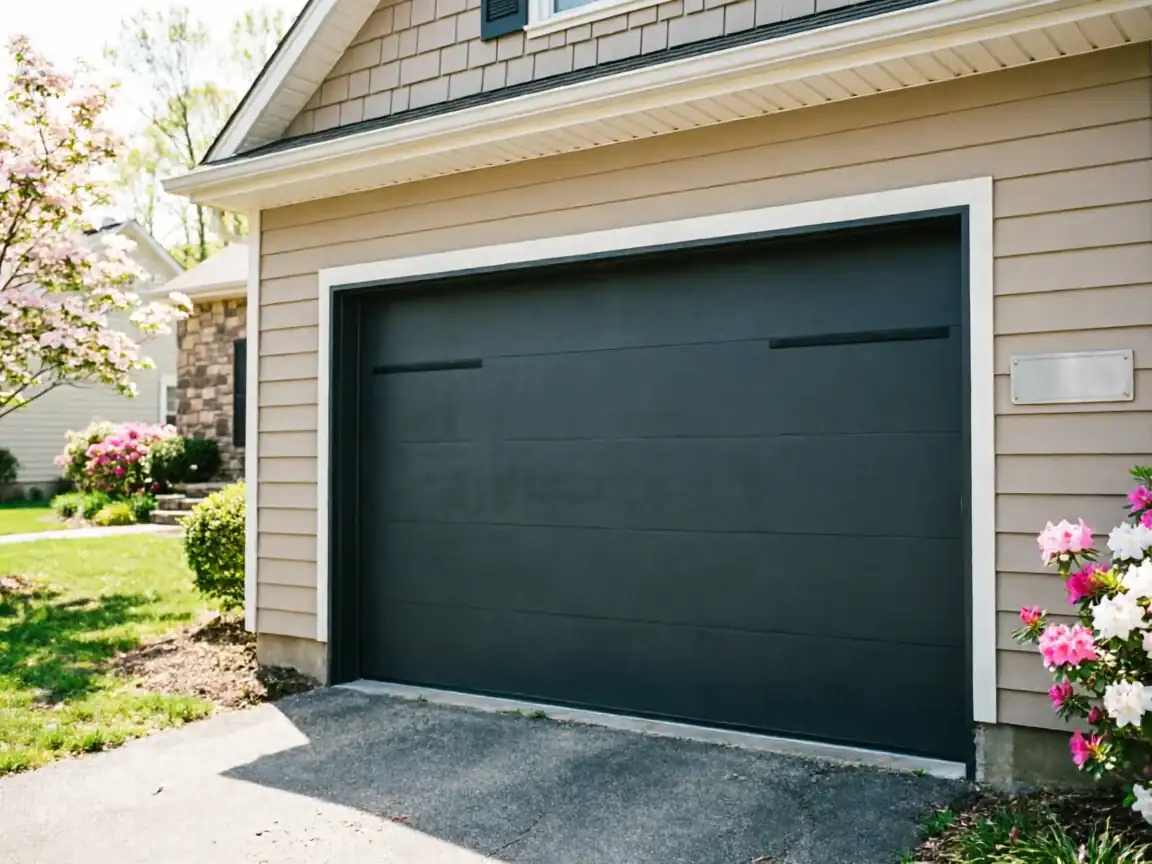
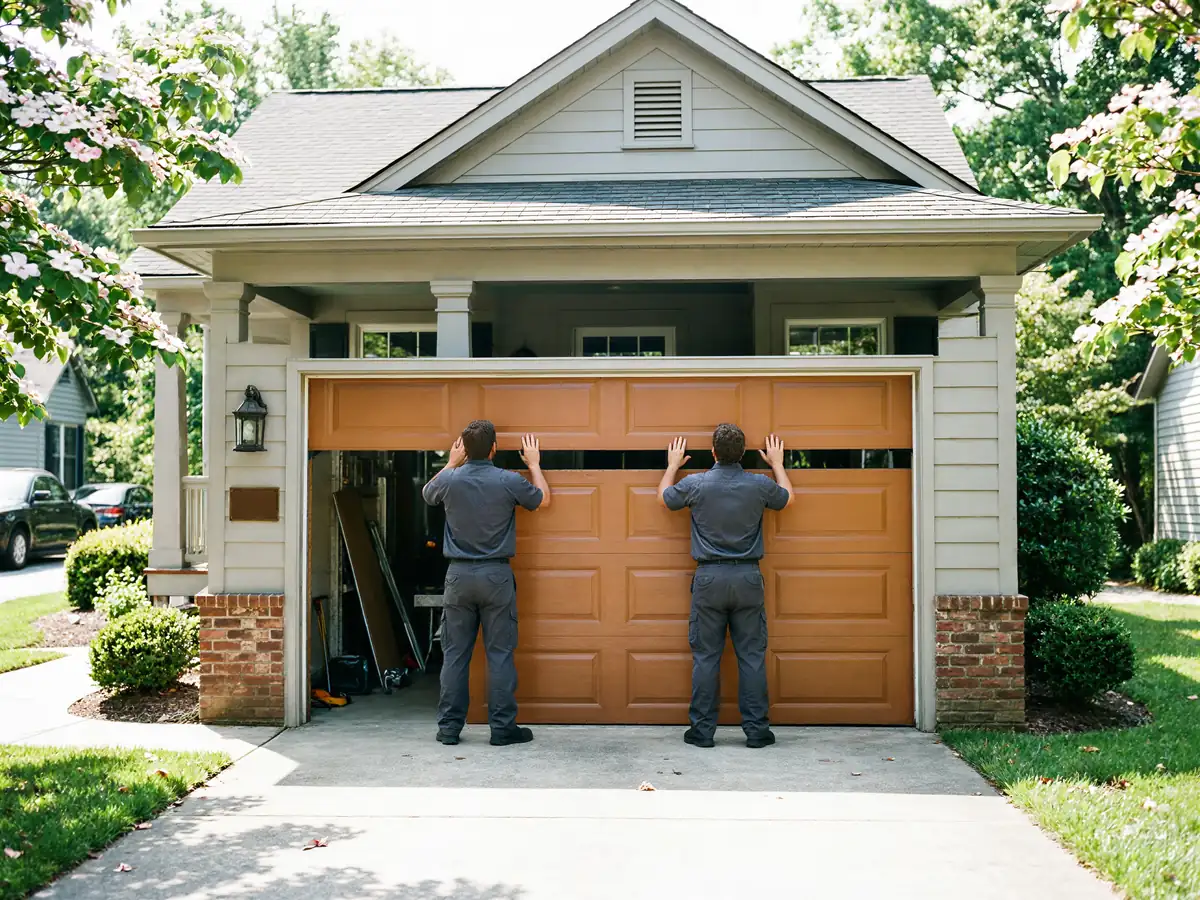
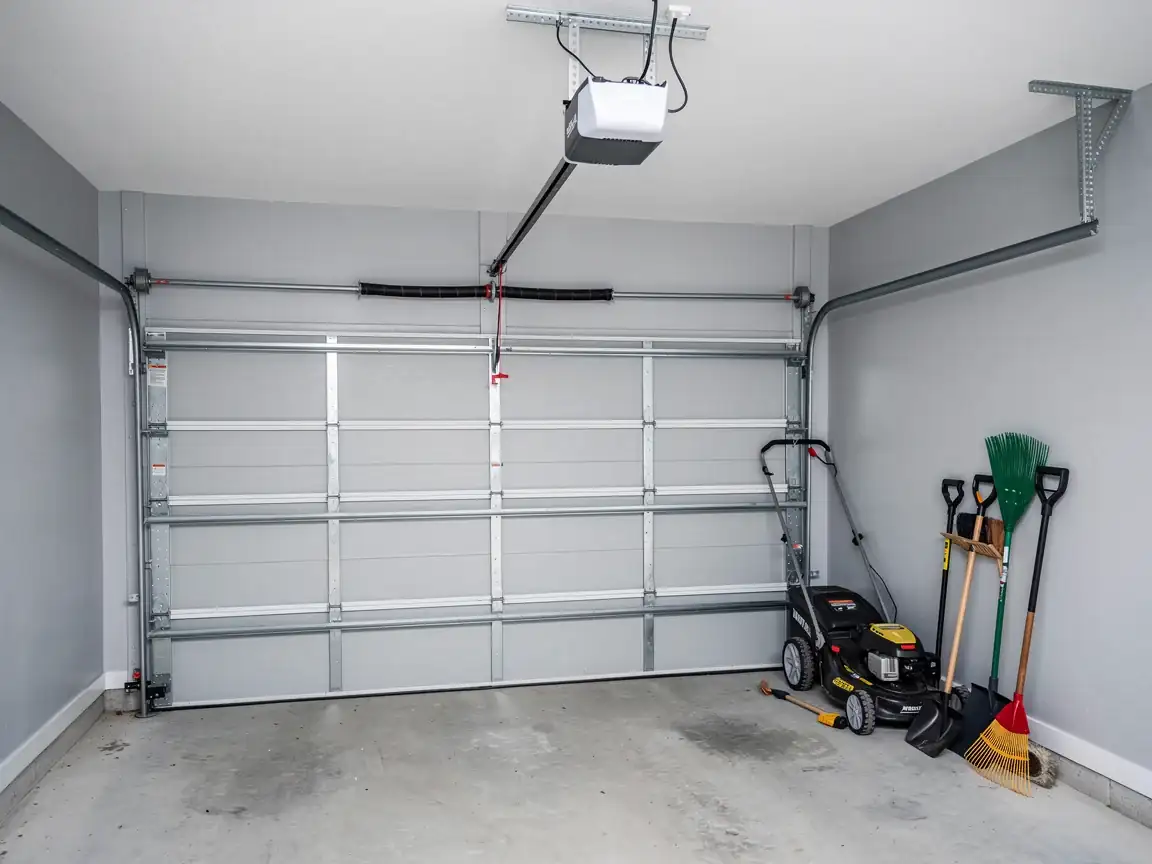
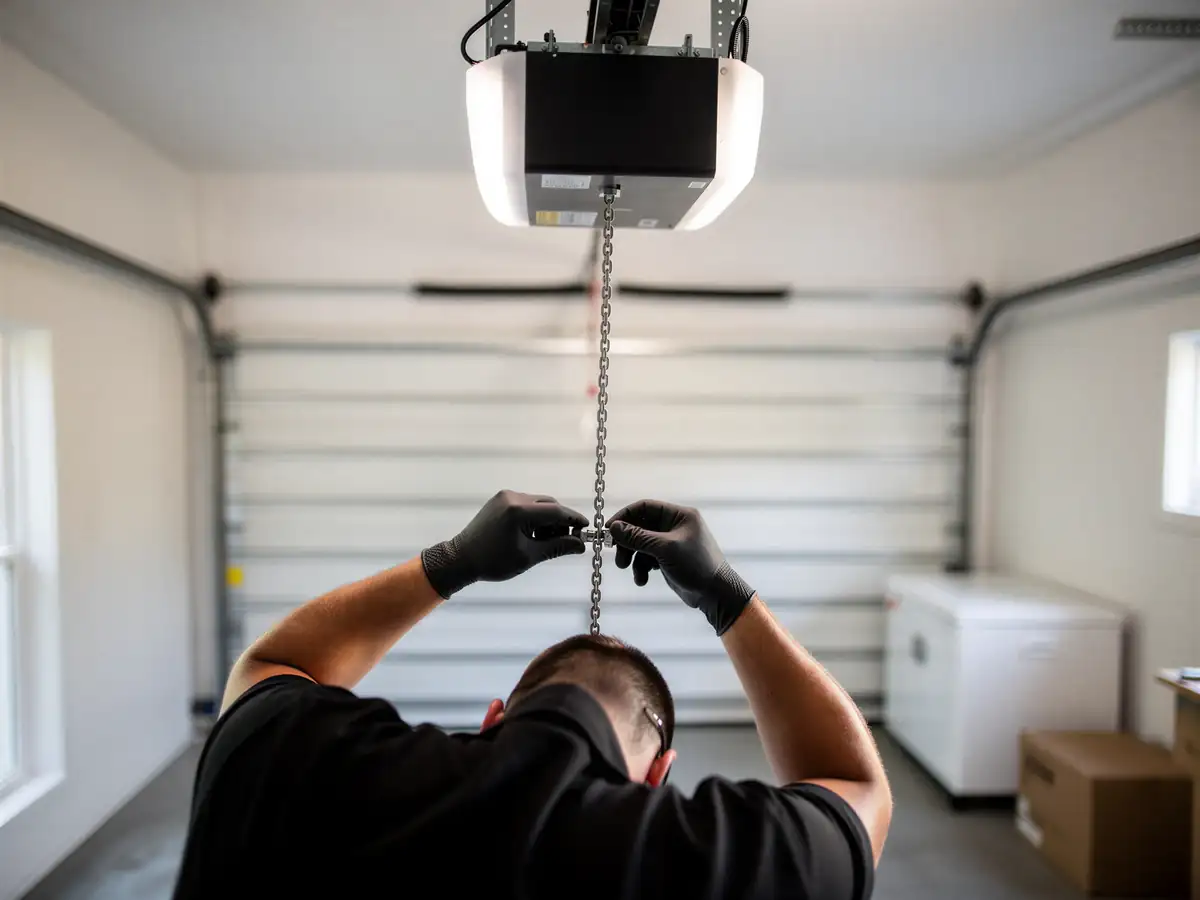
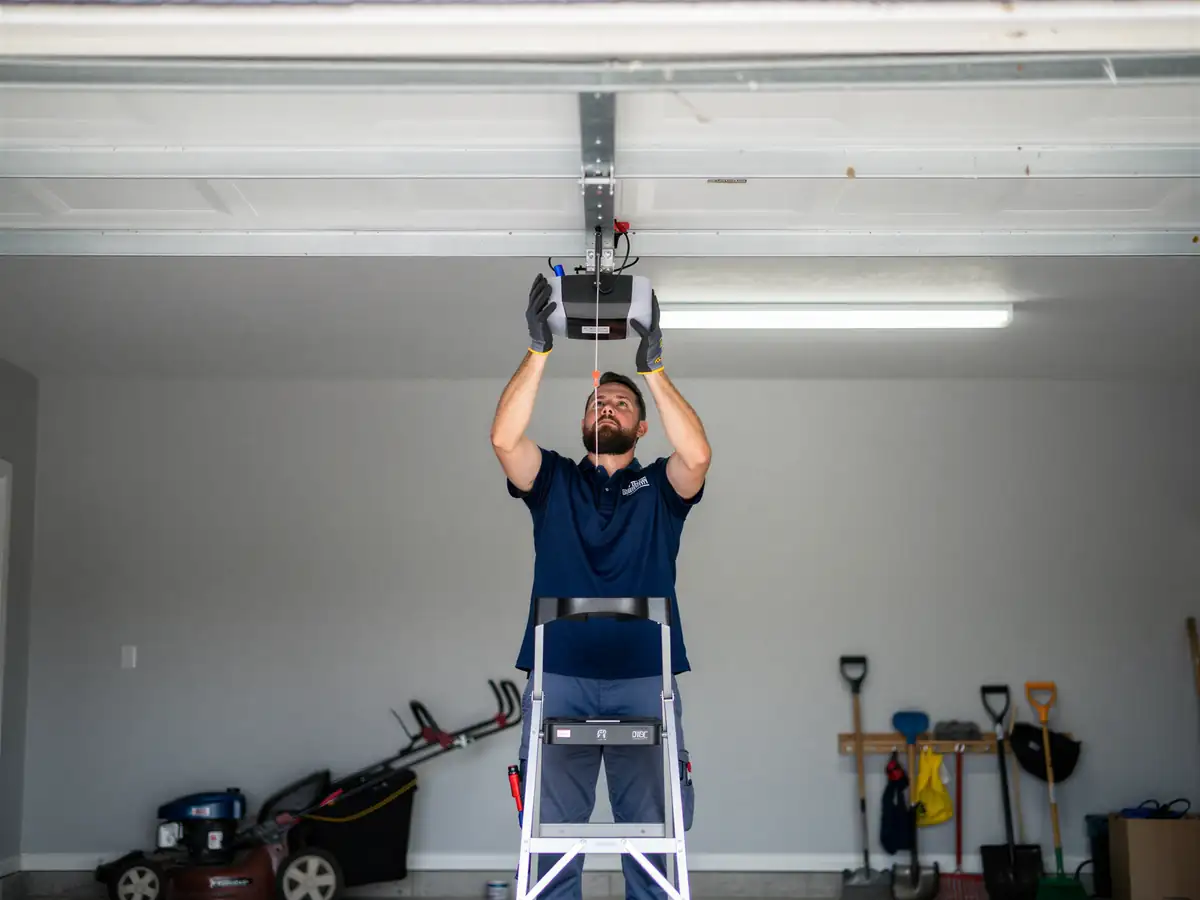
The median home here was built around 1993, which puts most Kernersville garage doors a good decade newer than what you'll find in the older pockets closer to Winston-Salem. That matters for the hardware. Early-90s construction mostly moved to steel sectional doors with extension or torsion springs rated for lighter panels than the old one-piece slab doors from the 70s. The openers from that era are usually chain-drive units that have been replaced once already, sometimes twice, and the second-generation opener is often where the trouble actually lives - a worn gear set, a logic board that won't hold a code, a safety sensor pair that's been bumped out of alignment by a snow blower or a bike.
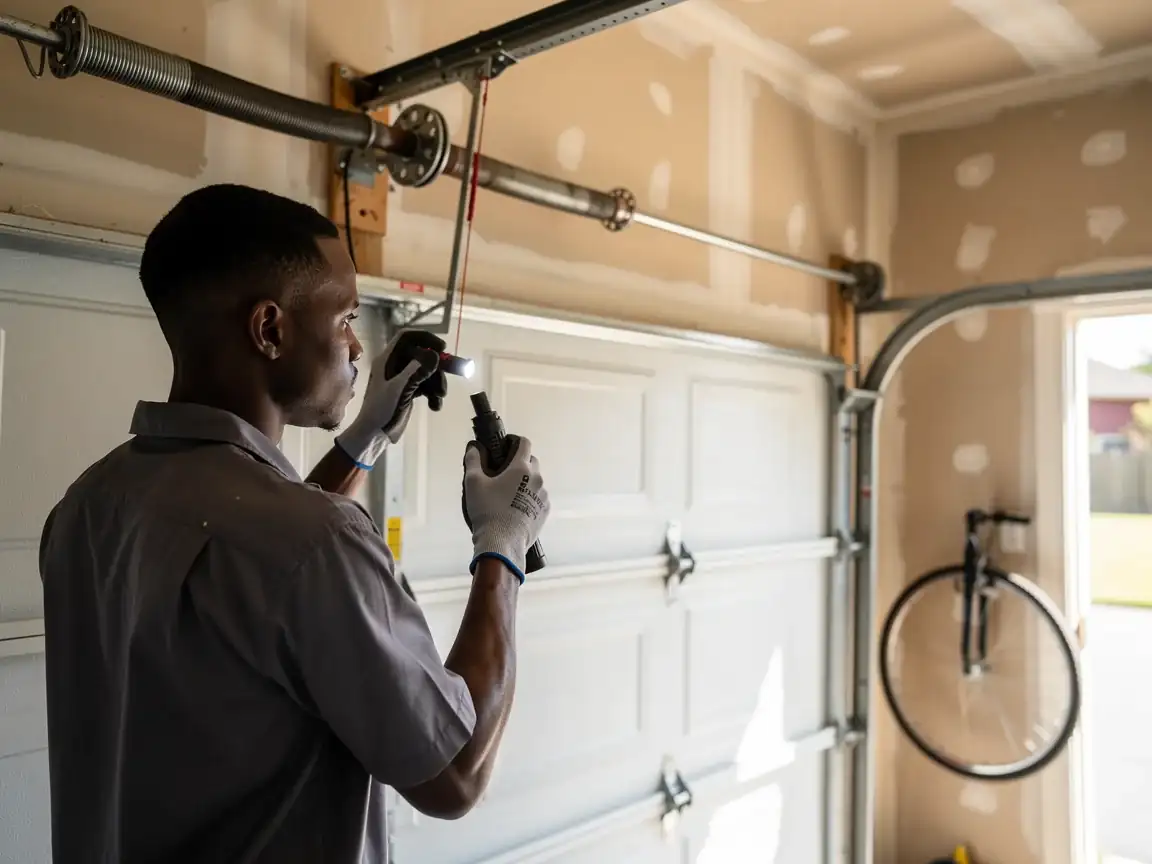
We're not finding a lot of the oddball side-mounted torsion setups you see on older housing stock. What we do find on these doors is standard torsion springs that have simply worn out their cycle count, and galvanized track that's taken 30 years of cold-season condensation without ever being lubed. None of that is dramatic. It's just maintenance that got skipped because nobody thought about the door until it stopped working.
What Was Built Here
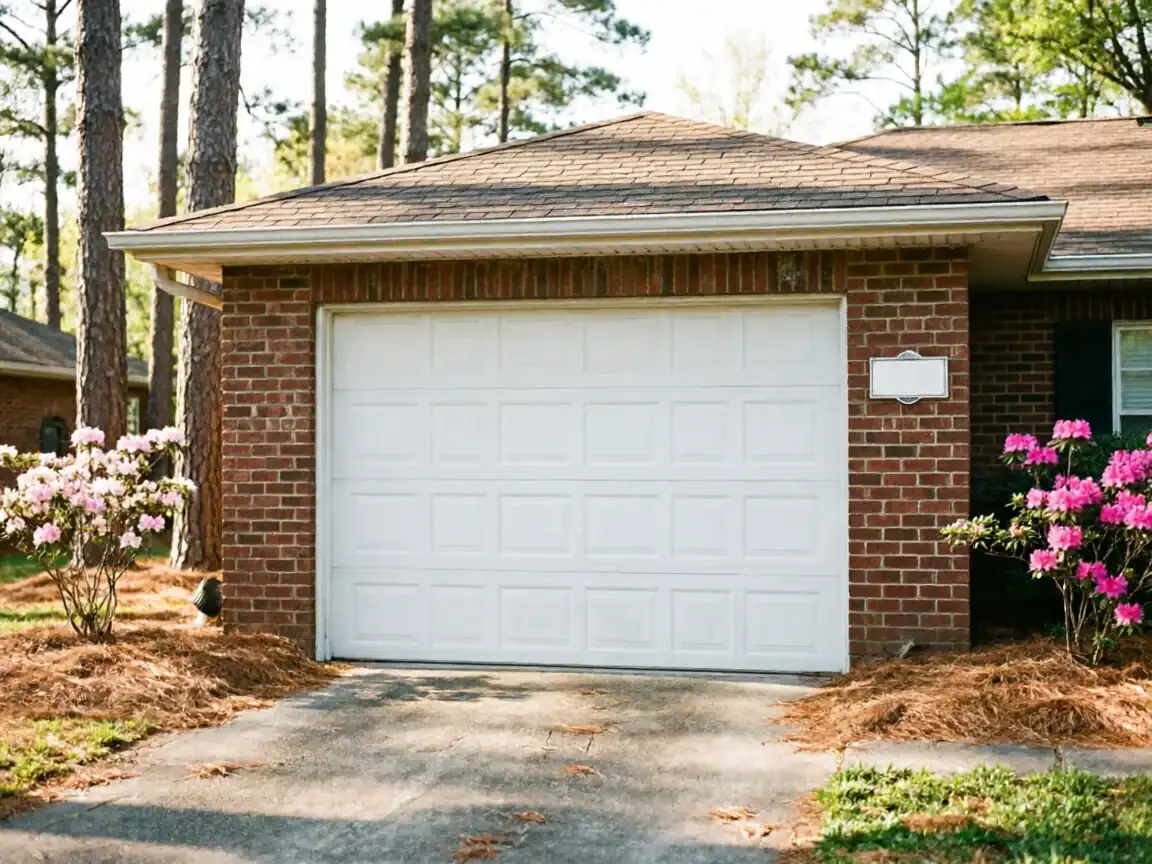
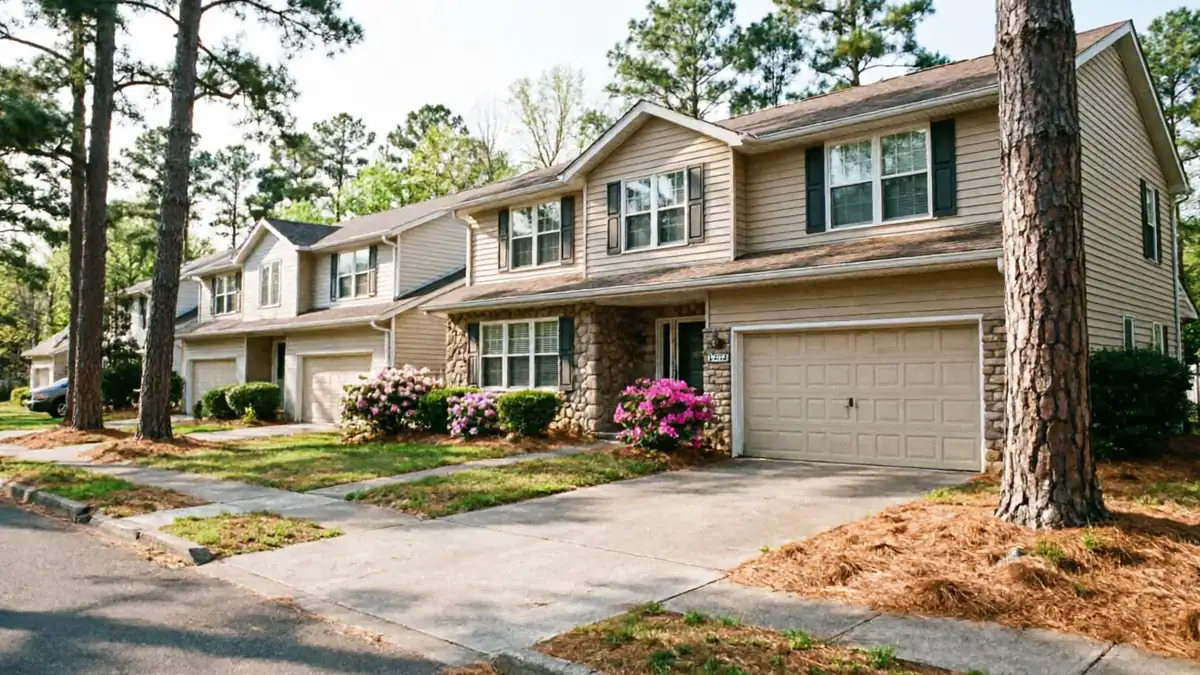
Kernersville's housing dates mostly from the 1980s and 90s build-out, with the area median landing around 1993 - a bit later than some of the older in-town sections closer to Winston-Salem, which skew toward the 1970s. With roughly 12,074 households in the area and a median income near $69,923, this isn't a neighborhood of high-end custom doors; it's mostly standard two-car steel sectional garage doors on production-built homes, installed once at construction and maybe touched once since.
That consistency actually makes diagnosis faster. A door built to late-80s or 90s code specs, in a cold-moderate climate zone, wears in predictable ways: the spring finish cycle gives out somewhere in year 15 to 25, the nylon idler pulleys on extension-spring setups crack from cold, and the bottom seal hardens and stops sealing out wind-driven rain. We're not guessing at what's behind the panel before we open the truck - we're confirming it.
What People Here Ring About
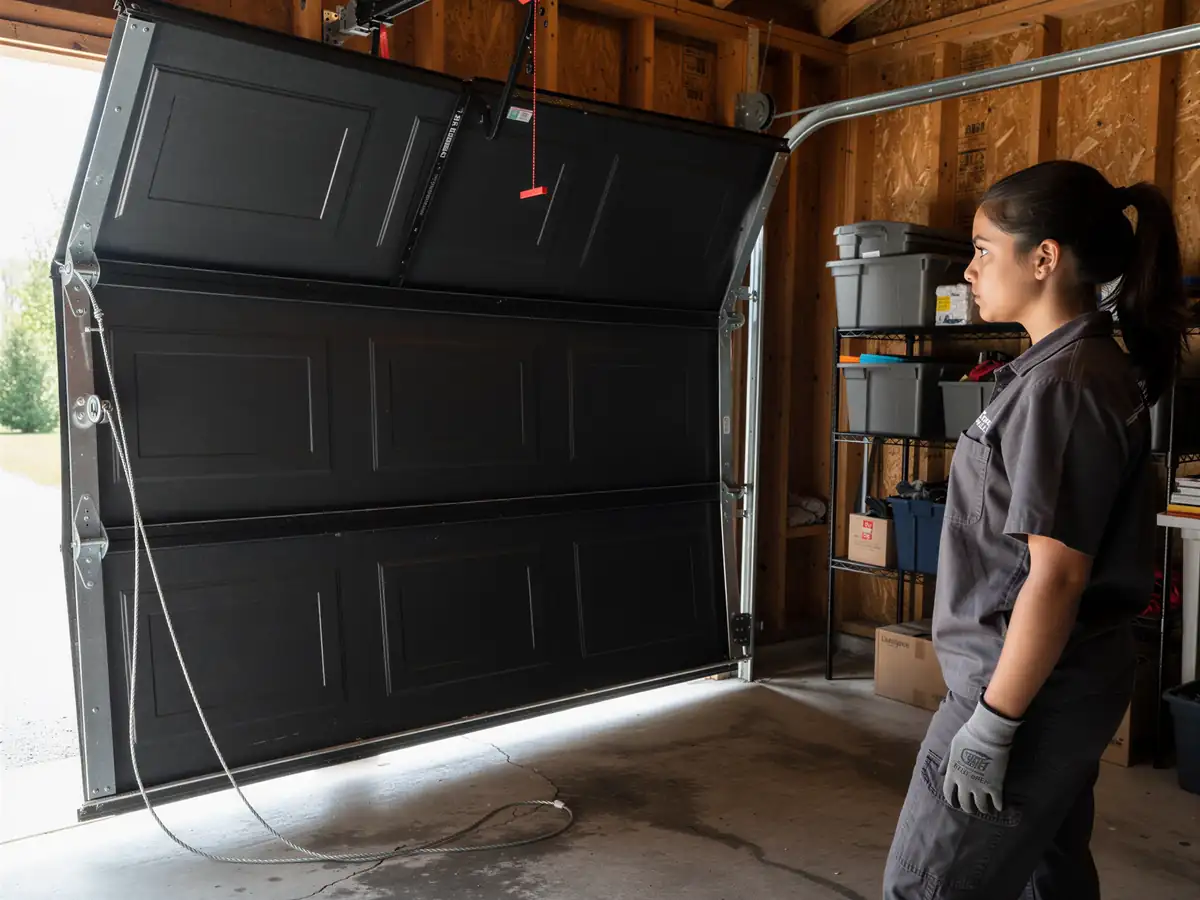
The call we get most from this area is a torsion spring that let go overnight
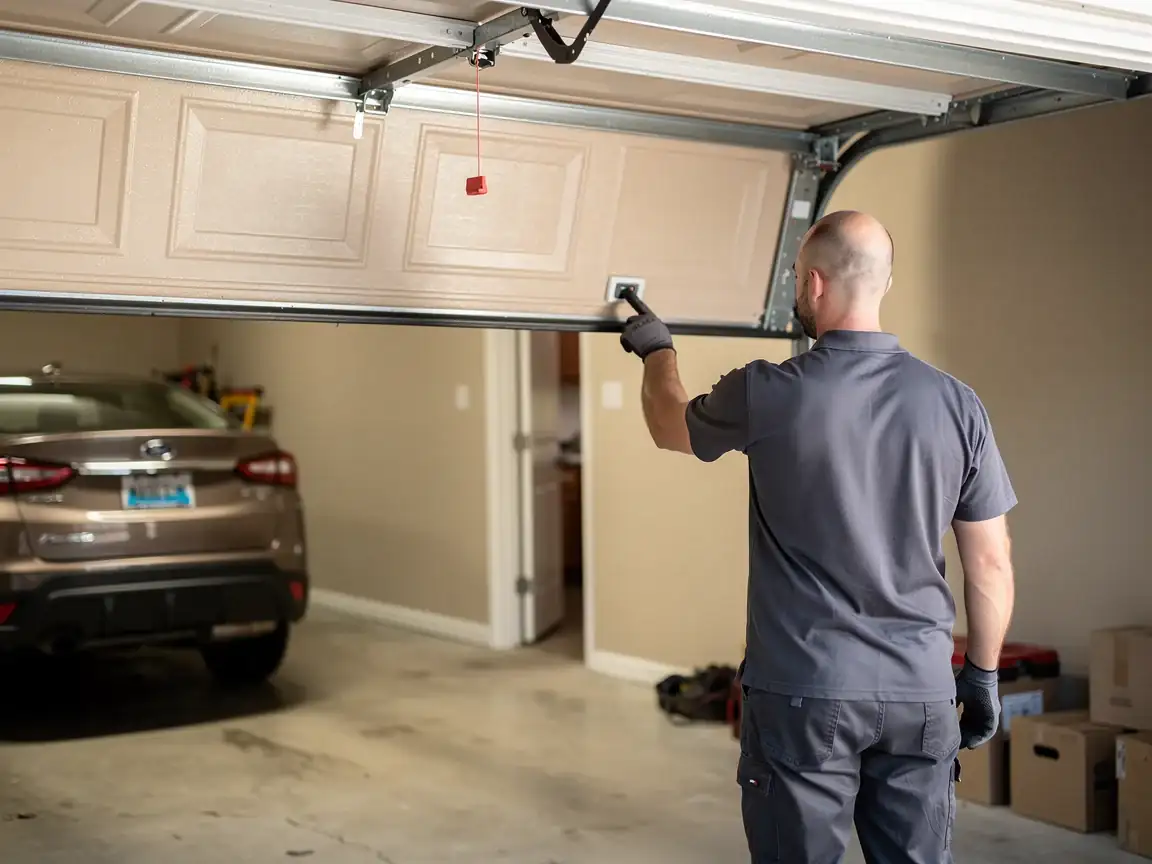
Usually a loud bang, then a door that won't budge or that an opener strains to lift. Second most common is an opener that's started reversing on its own or refusing to close all the way, which on a house this age is often the safety sensors drifting out of alignment rather than the motor itself.
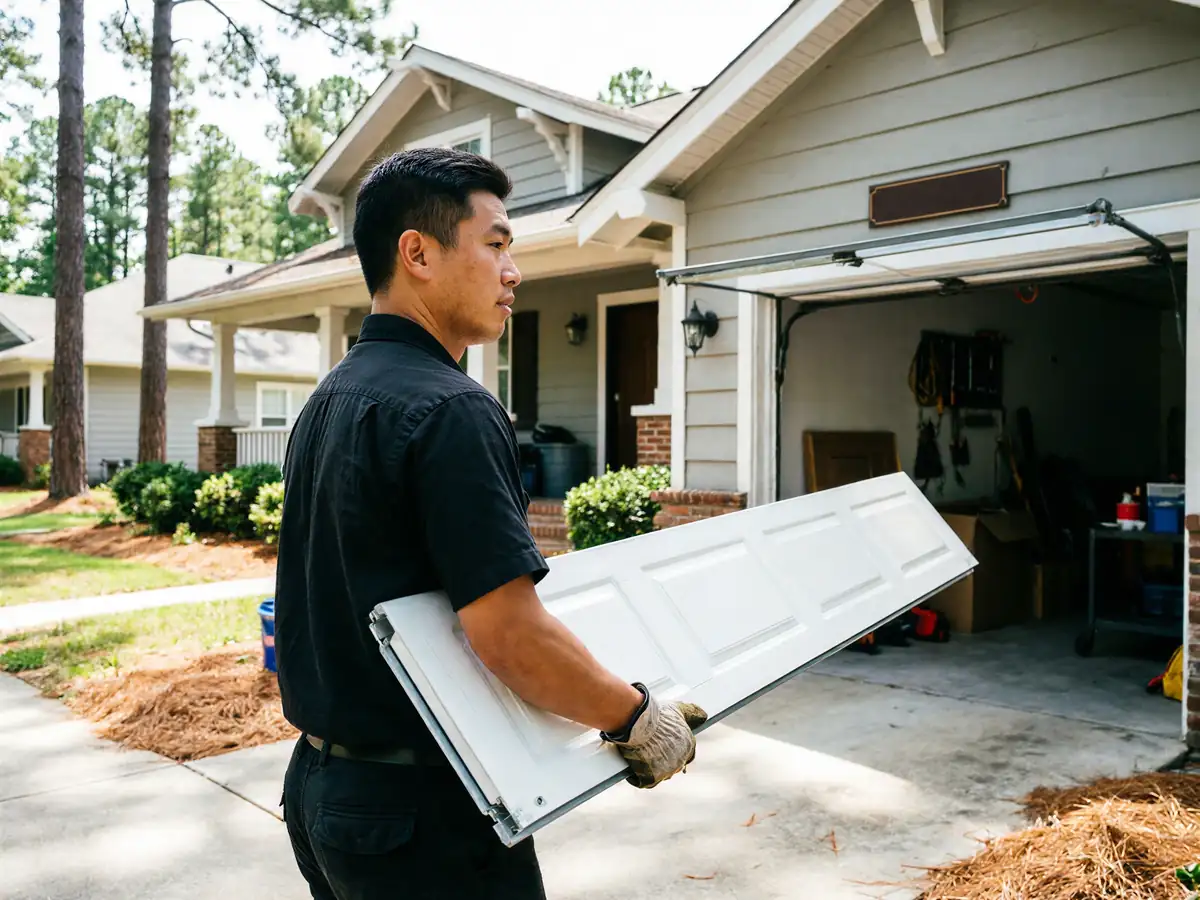
We also hear from people who want to replace a door rather than keep patching it
Especially once a steel panel from the original 90s build has dented or rusted at the bottom corner where water sits. Replacement makes sense when the door's structure is compromised or the opener is original and failing outright; it doesn't make sense just because a door is noisy. A noisy door is usually a lube-and-adjust job, not a tear-out. One honest limit: we don't carry every obscure panel size on the truck, so if your door is an odd width or a discontinued profile, matching a single replacement panel can mean a parts order and a second trip rather than a same-visit fix.