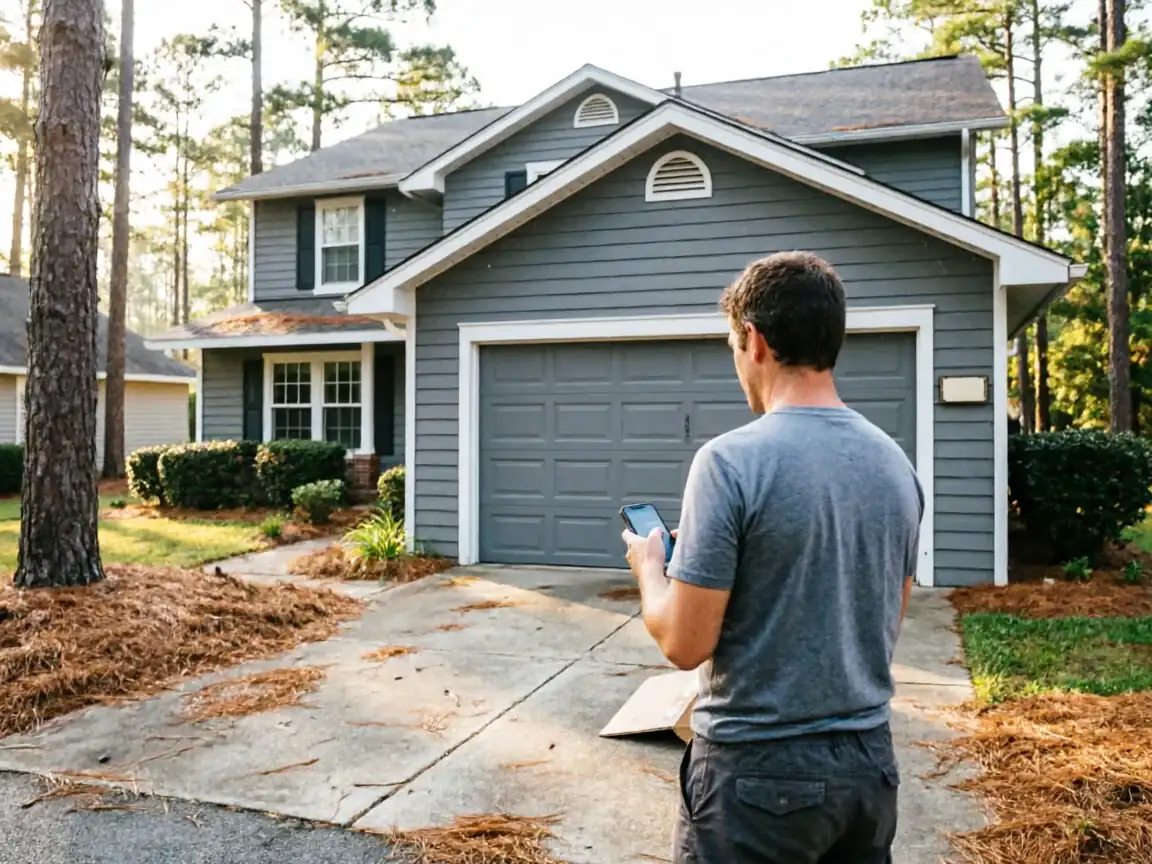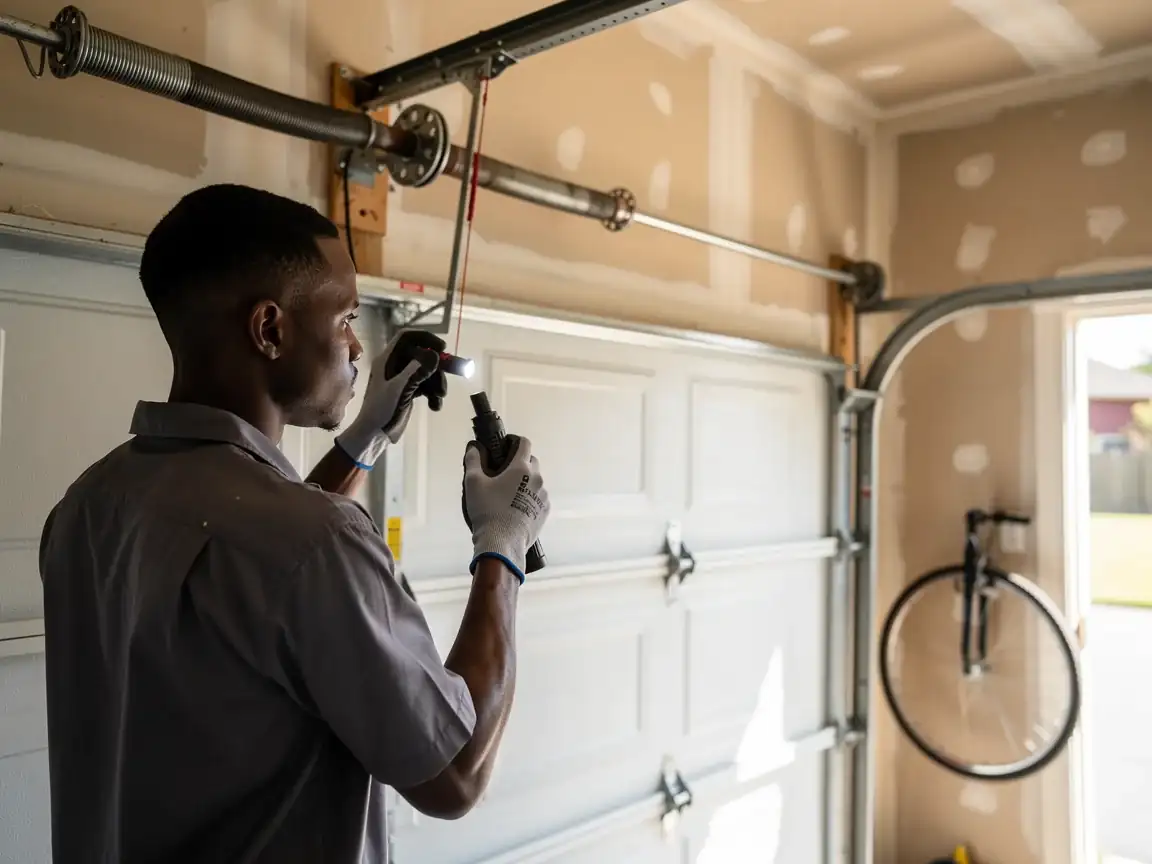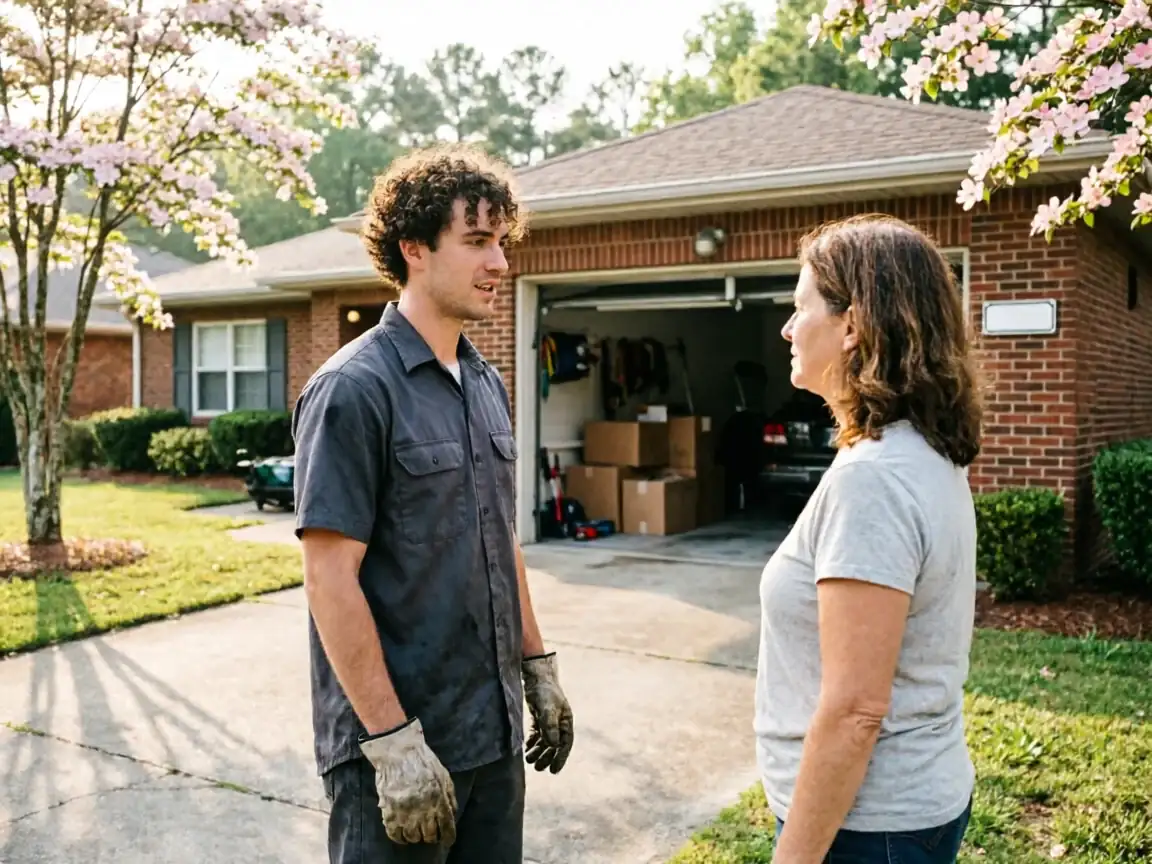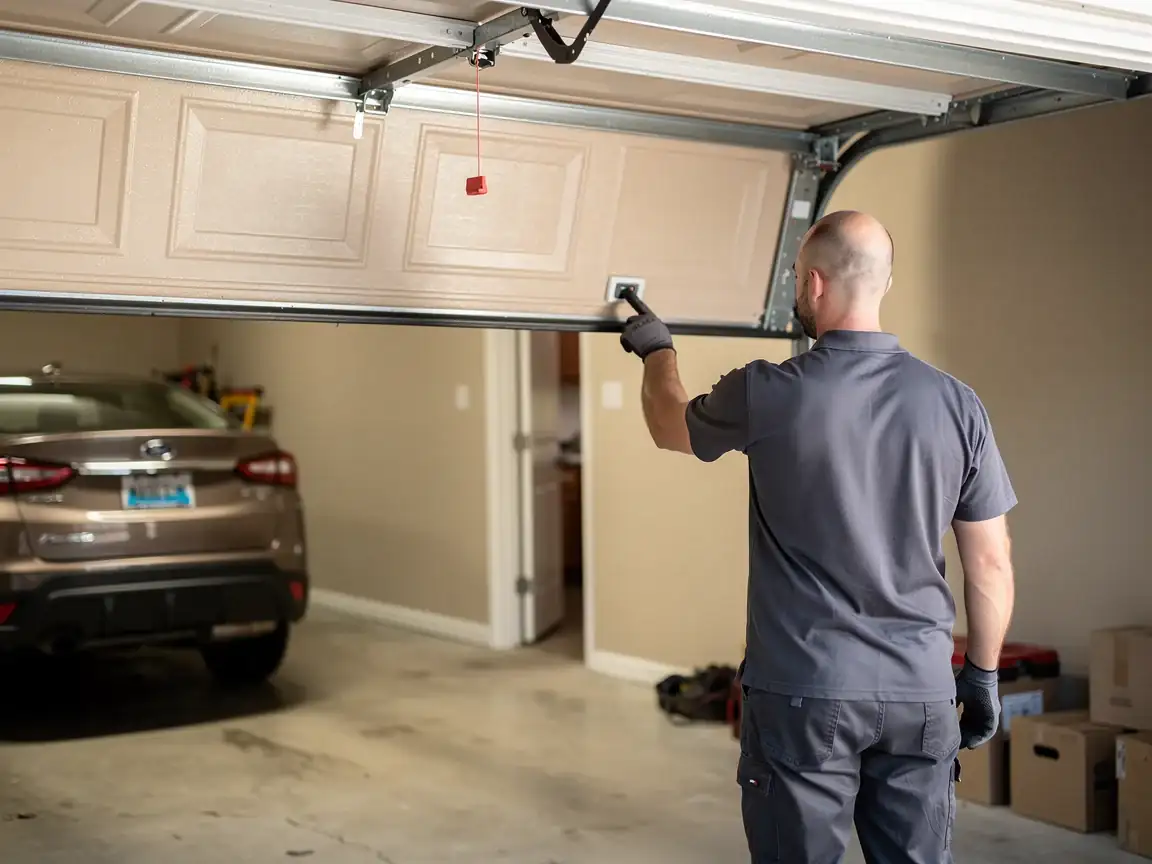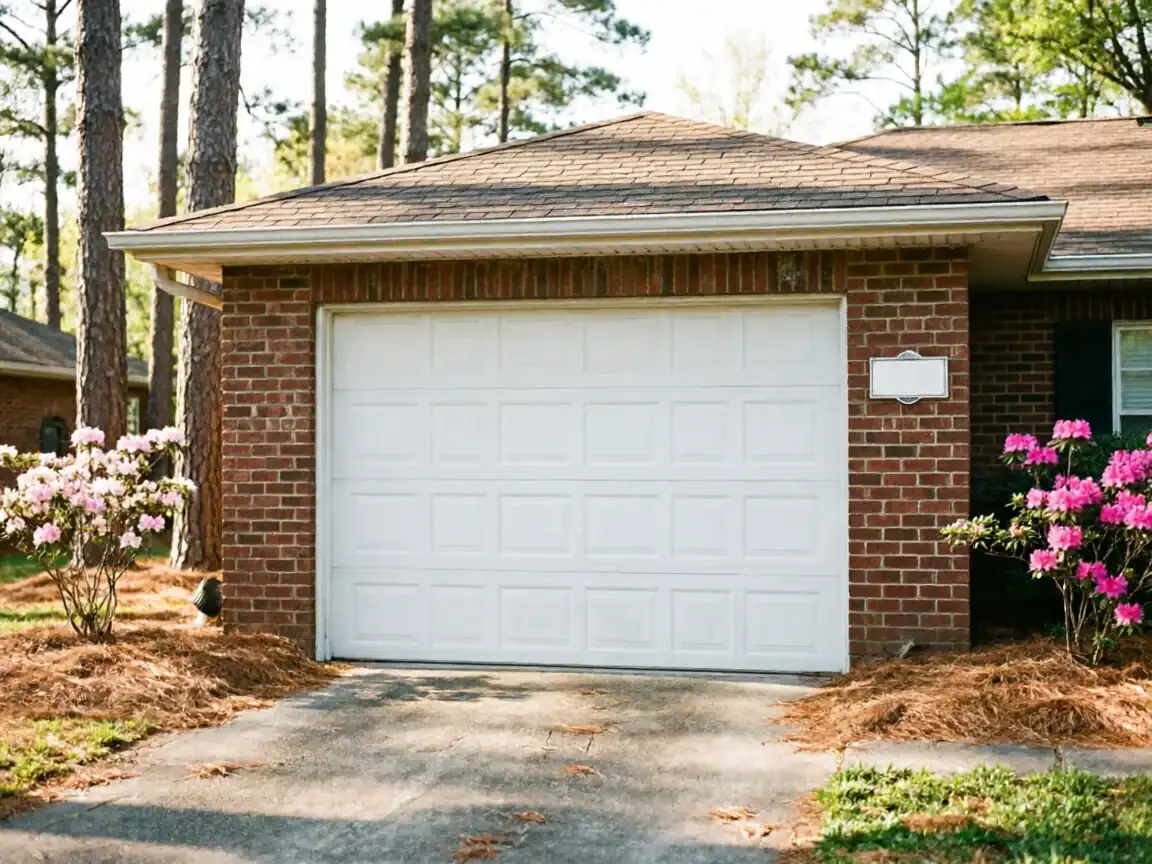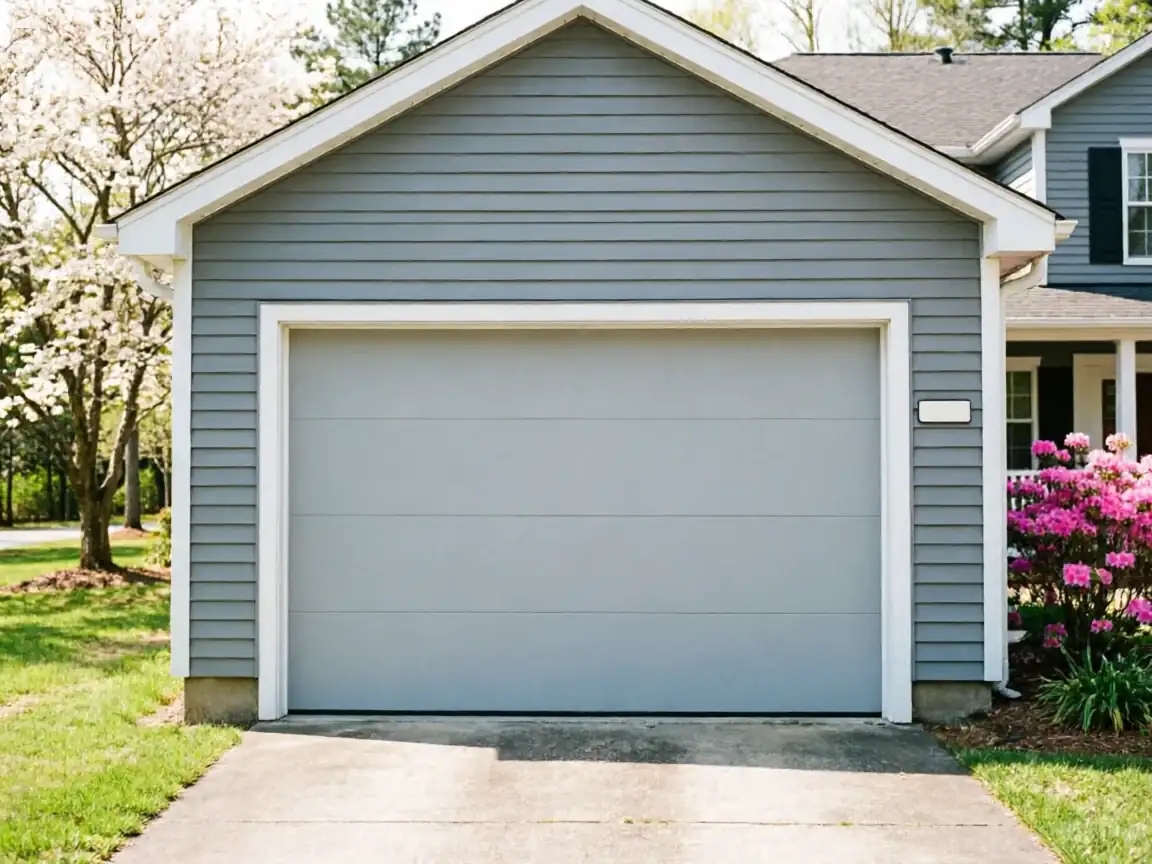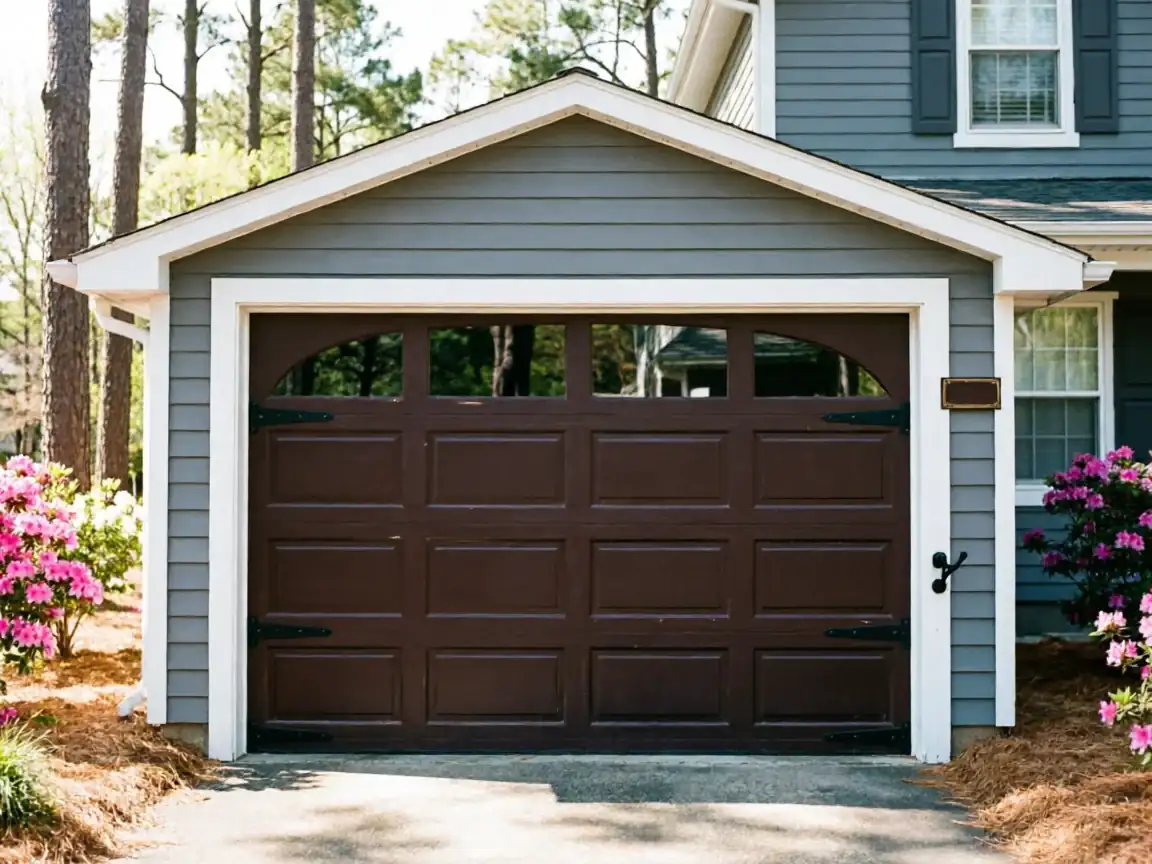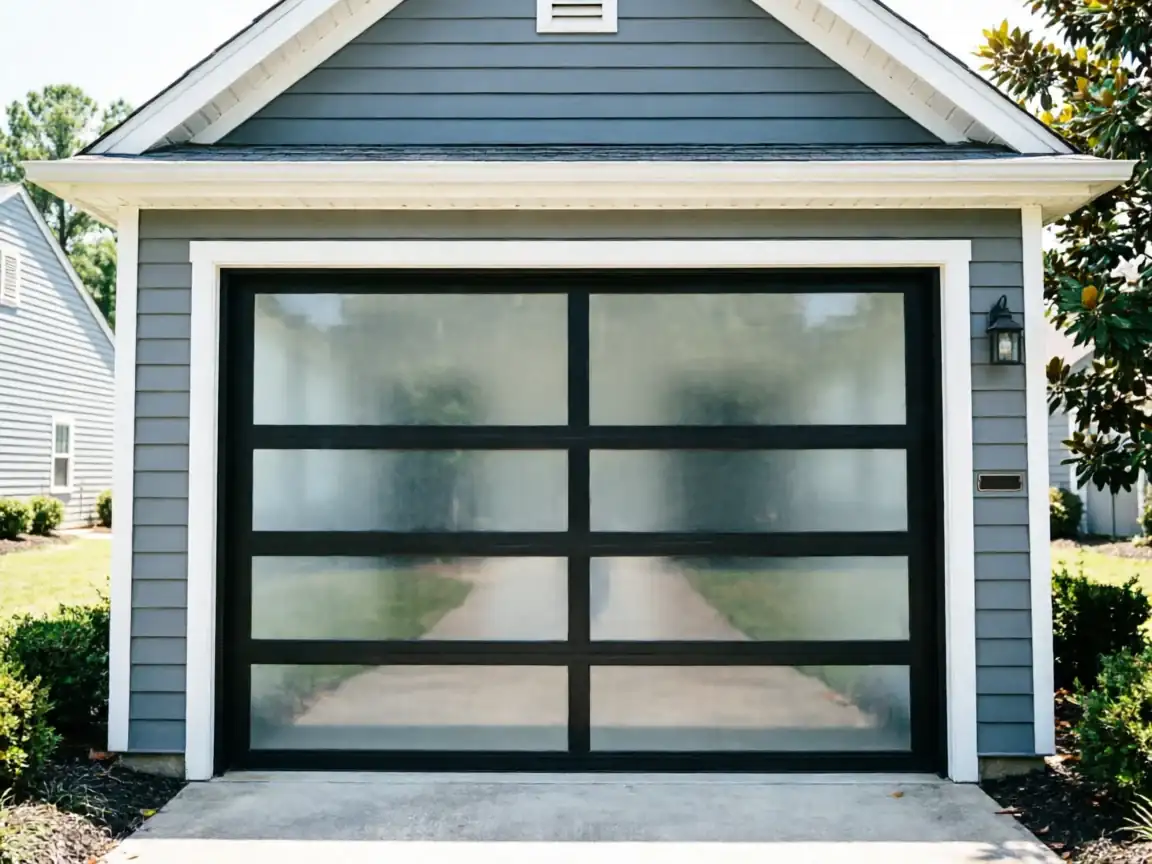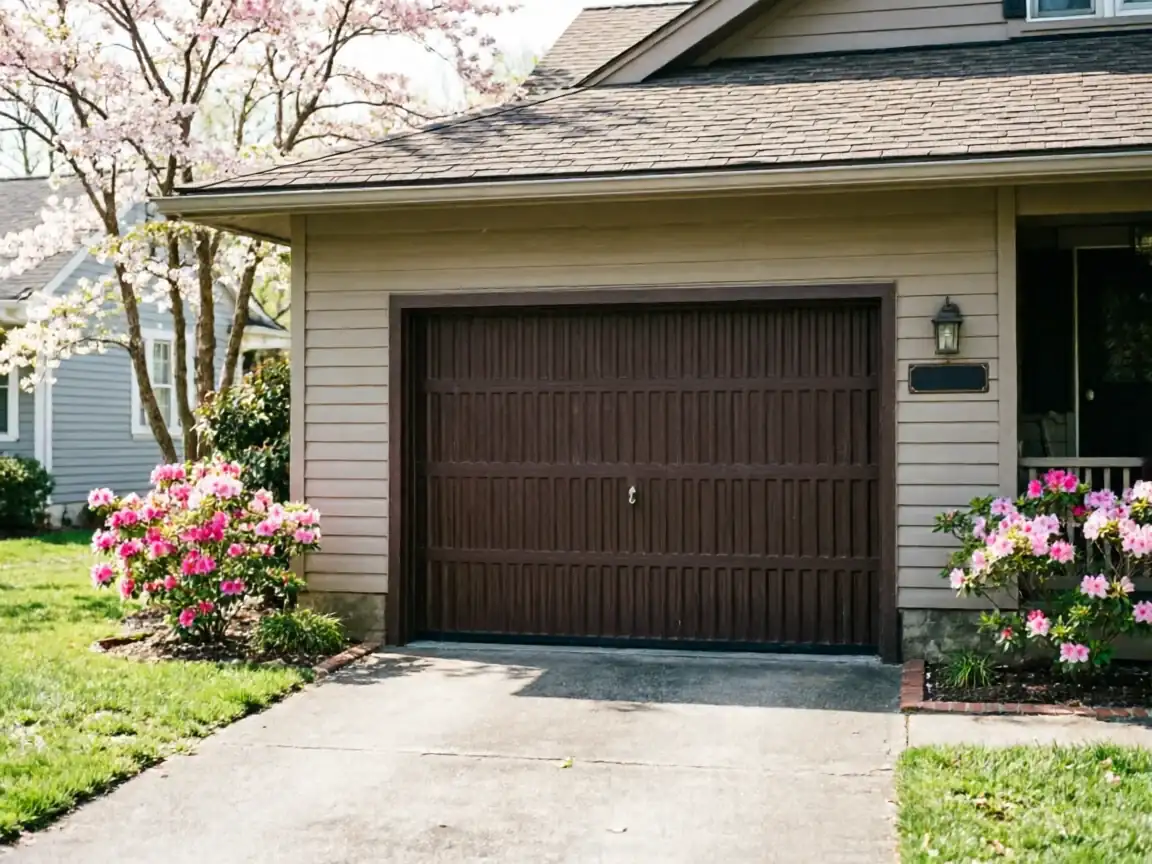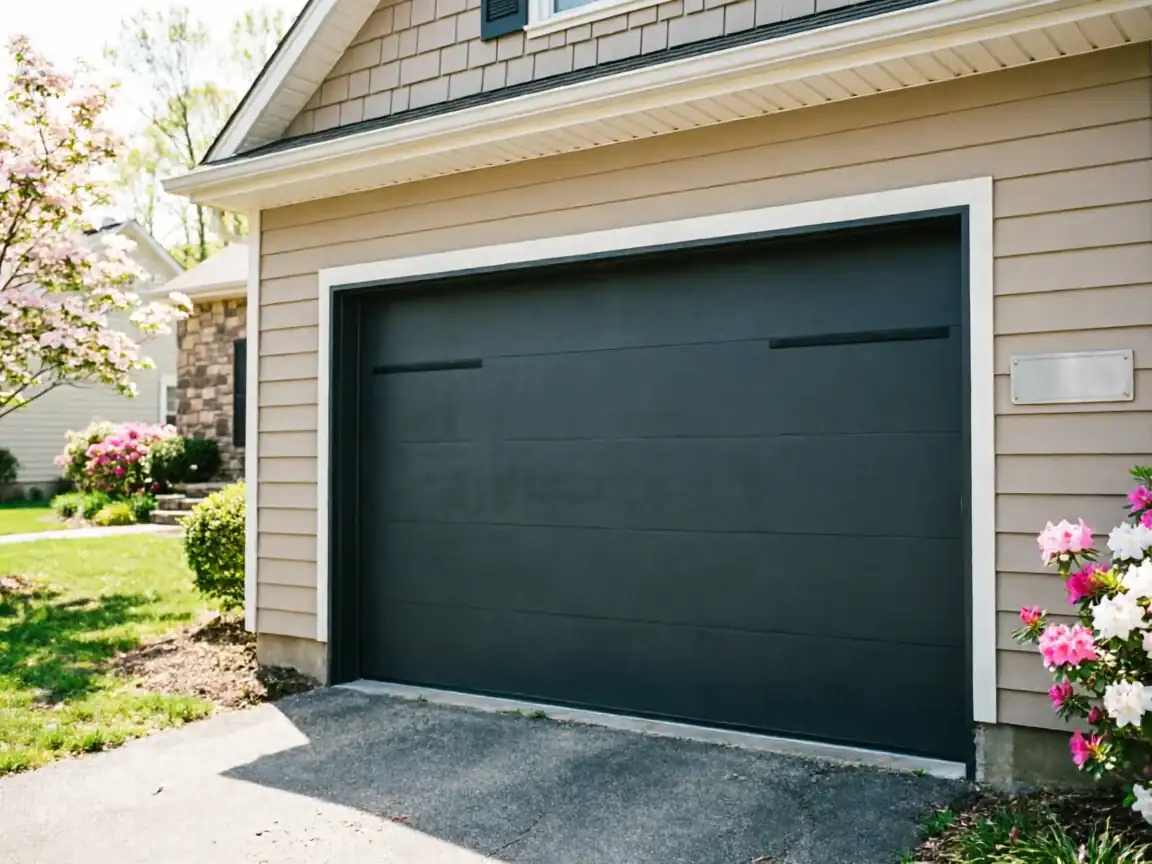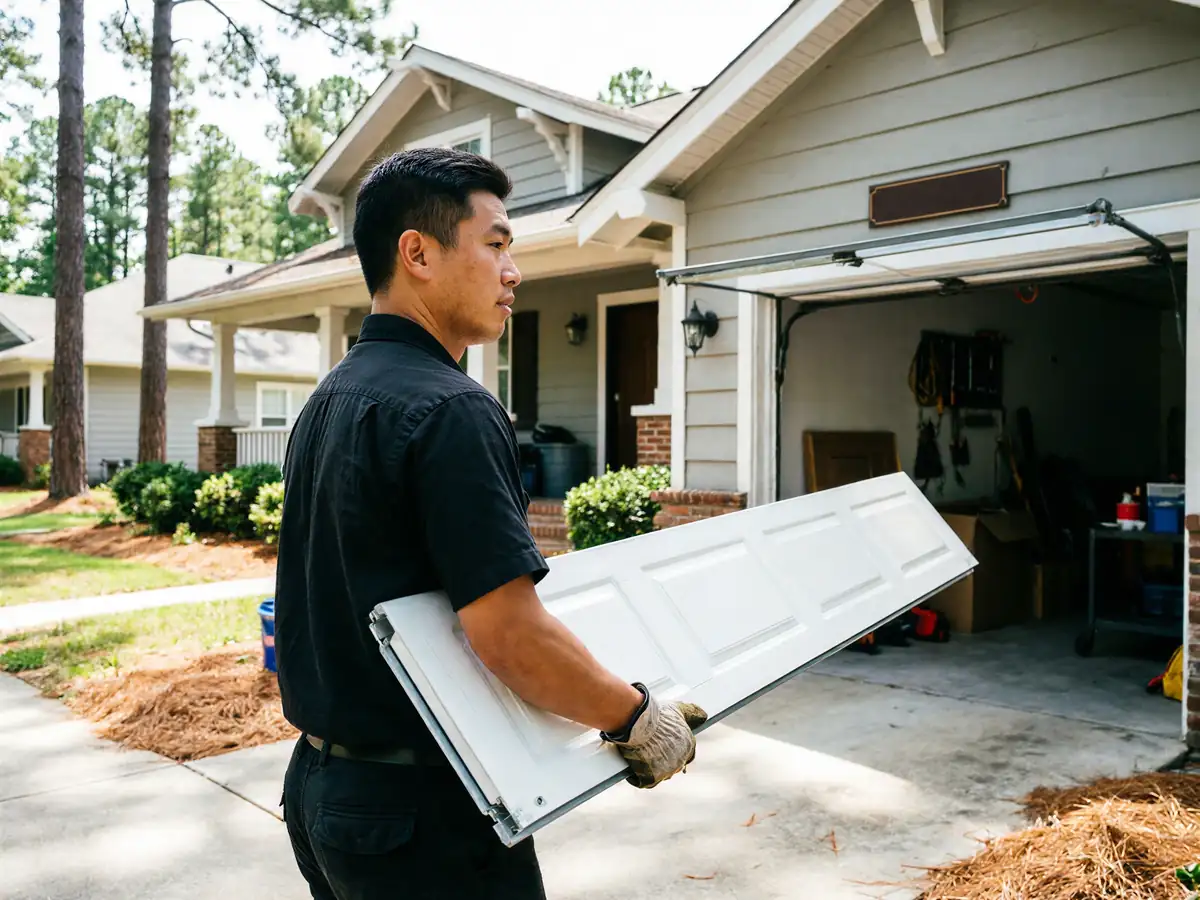
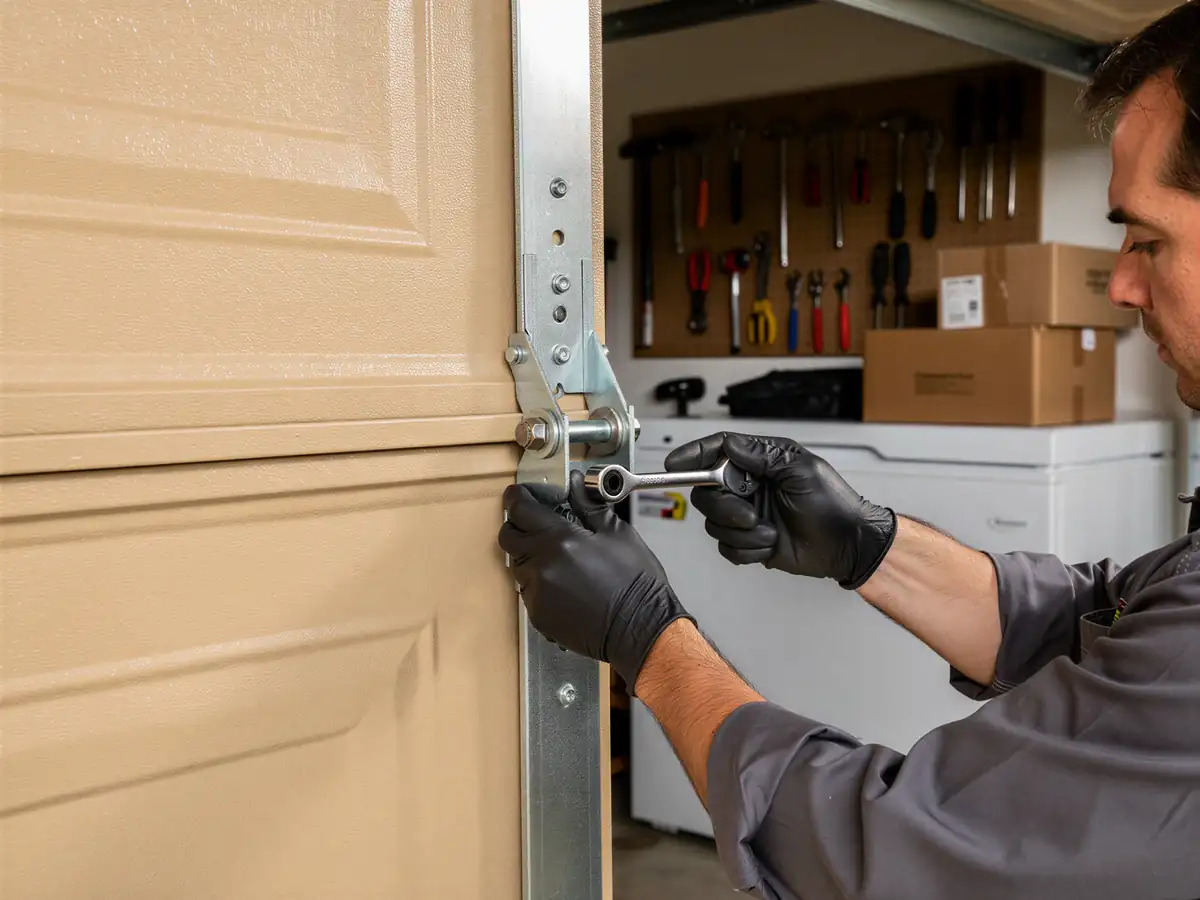
What You Are Seeing
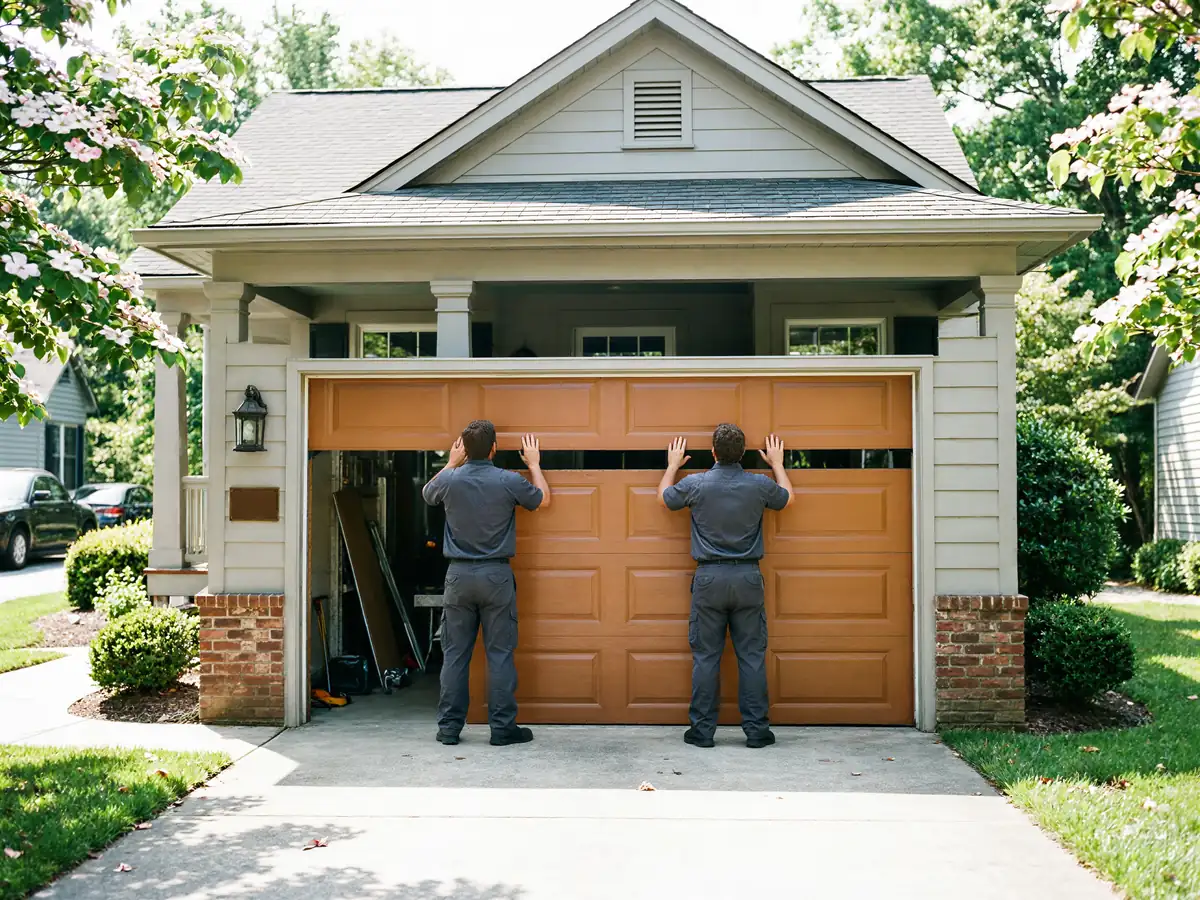
If your door won't lift, slams down the last foot of travel
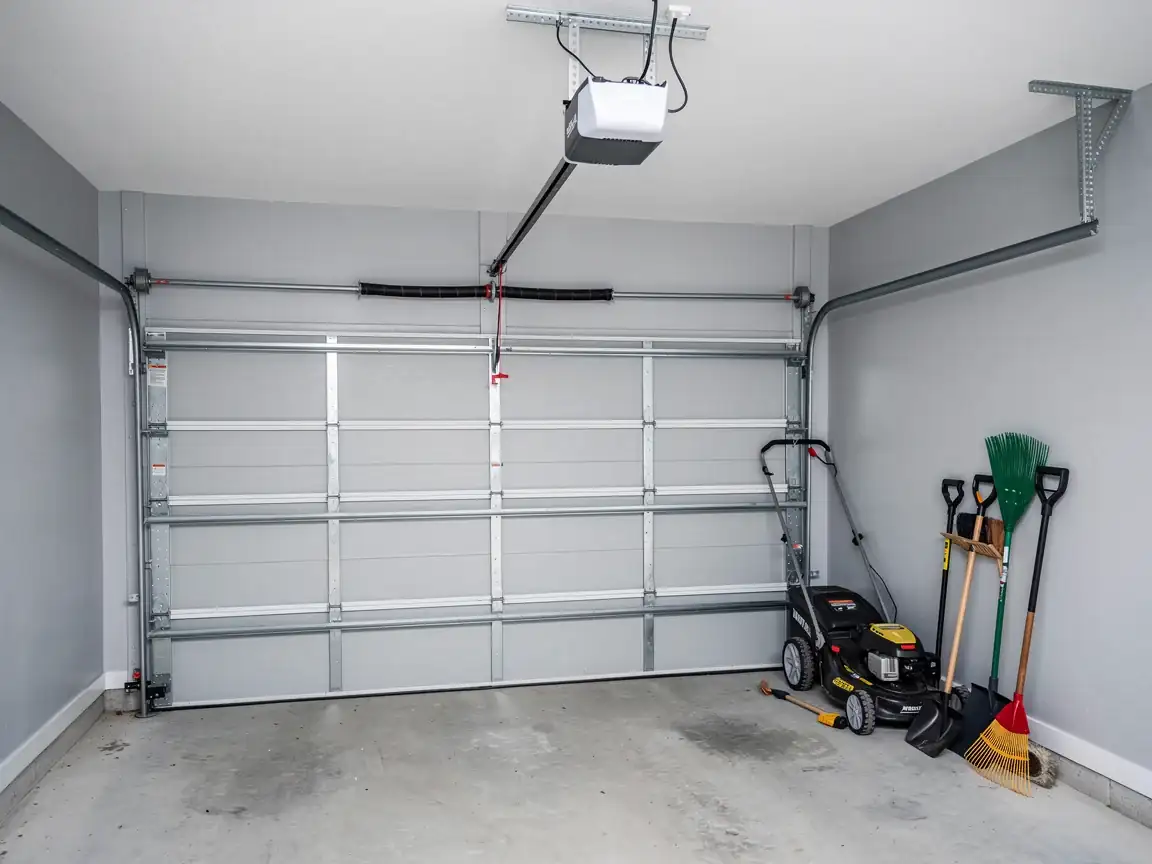
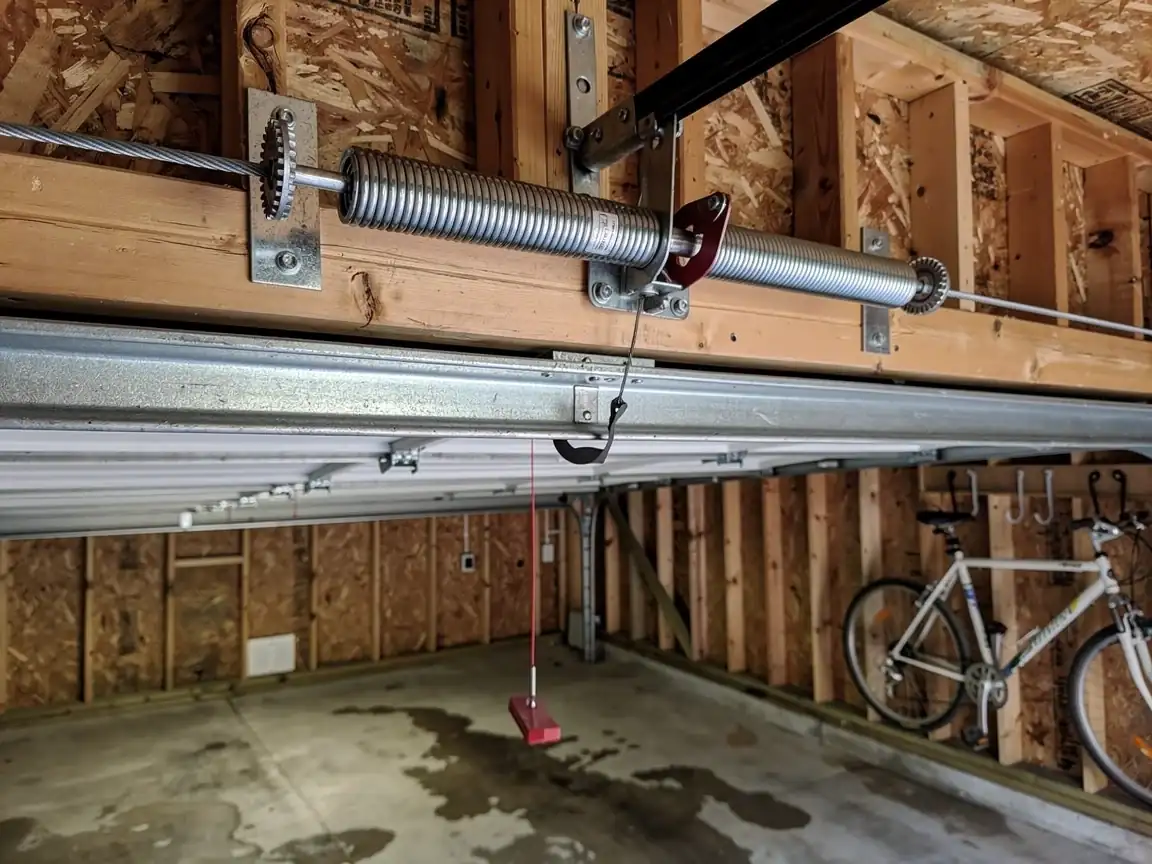
Or the opener grinds without the door moving, you're probably dealing with a torsion spring that's given out. Most of the houses we get called to here were built between 1973 and 2002, which means original torsion springs and openers are now 20 to 50 years past their rated cycle count. A spring rated for 10,000 cycles doesn't know what year it is, it just wears out, and a lot of these homes are closing in on two or three times that number of open-close cycles.
- 50 years
Other common calls
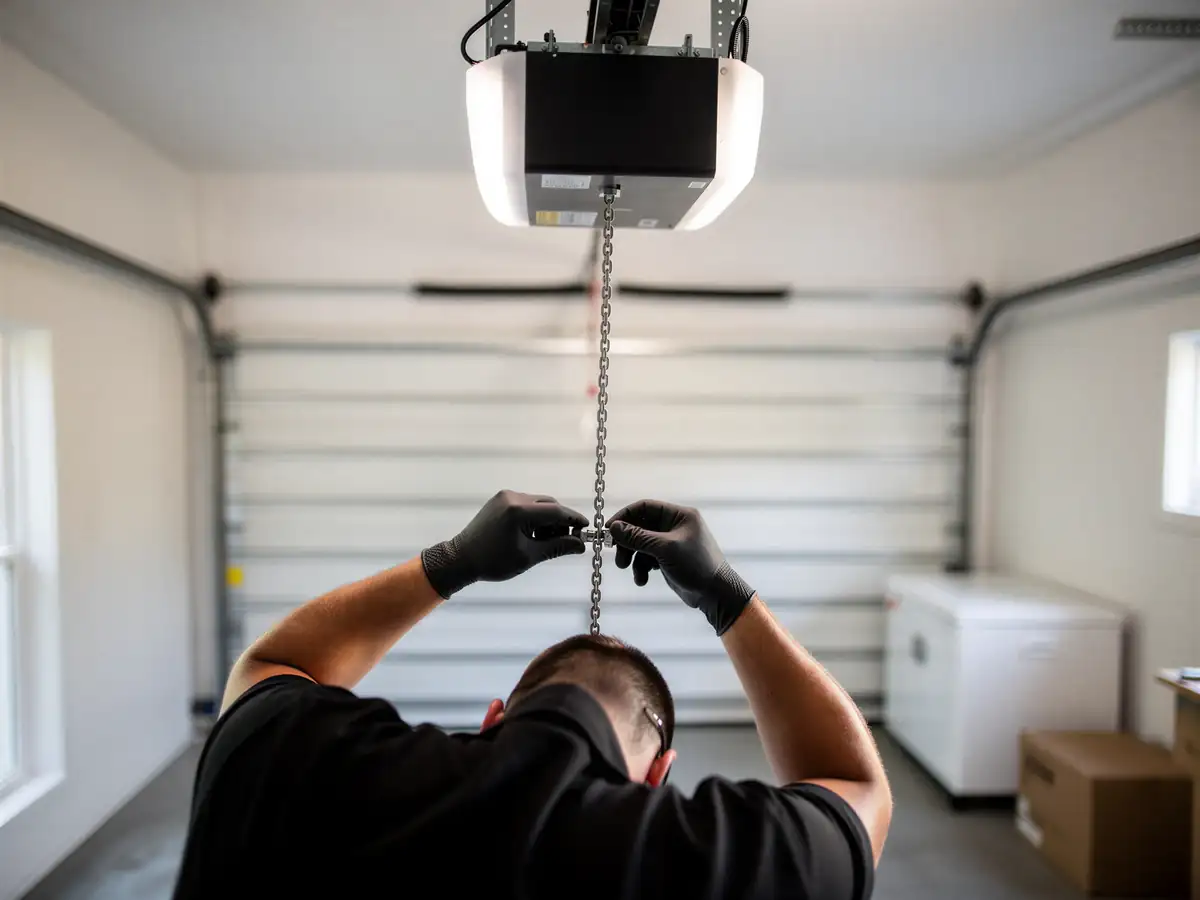
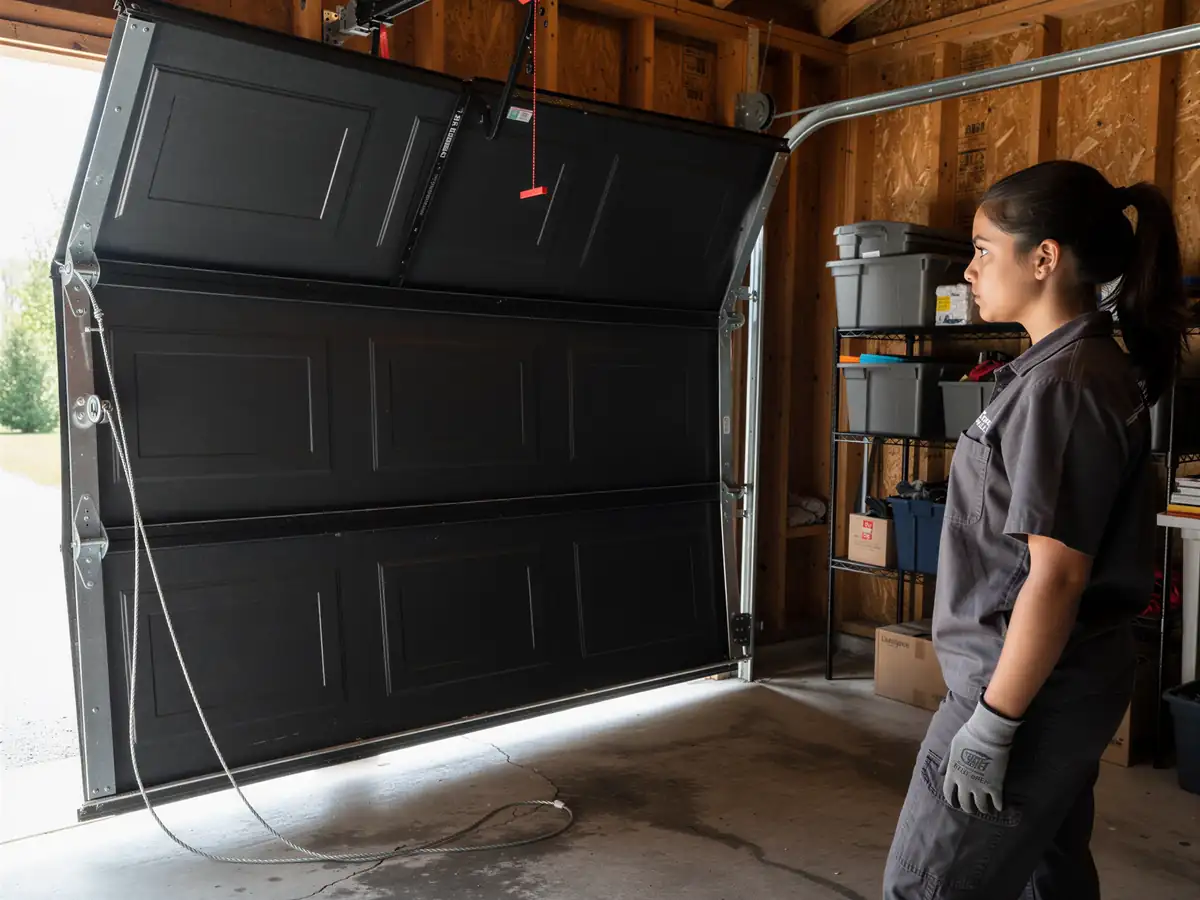
A door that's come off one track after a cable frays, an opener that runs but the door barely clears the floor (usually a spring losing tension, not the motor), or a panel that's visibly bowed from age rather than impact. Less often, we see openers original to the house that have simply stopped taking a signal - the circuit boards in units from the 80s and 90s don't last forever either.
What you're seeing almost always traces back to age and cycle count, not a single bad part
That's the pattern across this stock, and it's worth knowing before you spend money chasing the wrong fix.
Getting It Booked In
Call it in, tell us what the door is doing (or not doing), and we'll get a truck out to look at it. We run calls across this service area, including Walkertown, Wallburg, Clemmons, Rural Hall, Lewisville, Kernersville, Tobaccoville, Bermuda Run, King, Advance, Welcome, Walnut Cove, Oak Ridge, East Bend, Stokesdale, Thomasville, and Jamestown, so if you're anywhere in that stretch, we can reach you.
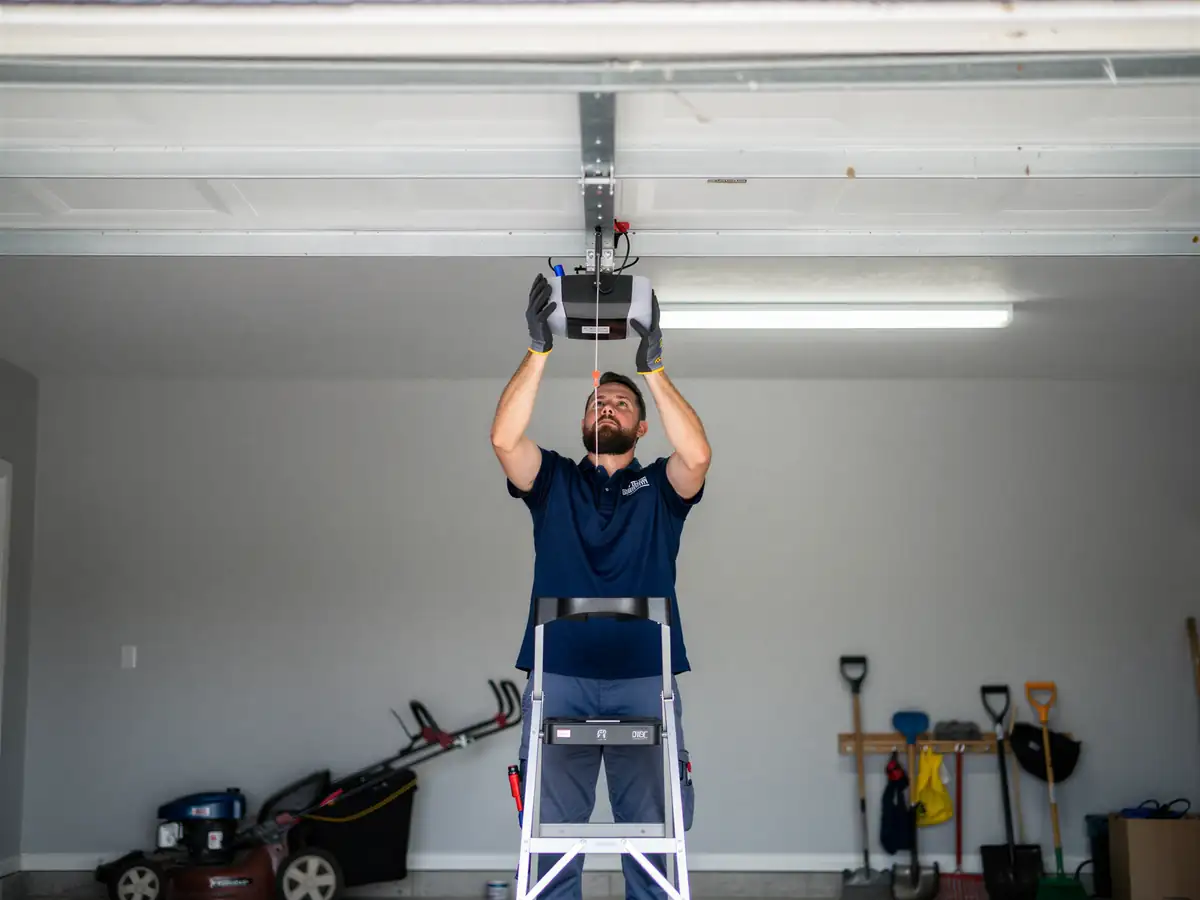
Most spring and cable jobs get diagnosed and fixed in the same visit, since those parts are common enough that we carry them. Opener boards and some older hardware are a different story - if your opener is original to a house from the 70s or 80s, the exact replacement part may not exist anymore, and we'll tell you that up front rather than stringing out a repair that won't hold.
We don't quote a fix over the phone without seeing the door. Spring count, door weight, track condition, and what opener you've got all change the job, and guessing at any of those leads to a wrong number and a second trip. One look tells us what we're actually dealing with.
Why This Fails Locally
This area's housing mostly dates from the 1973-2002 build-out, with the bulk of it going up in the 1980s and 90s across the seventeen named communities that make up this market. That means a huge share of garage doors are running on hardware from the same era and the same handful of manufacturers, which is why the same failure shows up on different streets within the same month.
Winston-Salem sits in a cold-moderate climate band, not the deep freeze of the mountains but cold enough that springs go through a real seasonal swing - steel contracts in winter, expands again in summer, and that cycling fatigues the wire faster than it would in a place that stays warm year-round. A spring that might limp along another five years in a mild climate snaps here on a cold morning instead.
With roughly 31,728 owner-occupied houses spread across this service area, most of them raised during that same building boom, the failure pattern repeats block after block: original spring, original opener, same age, same wear. It's not bad luck. It's the stock we have.
What You Pay
We're not going to list a number here
Because spring count, door weight, track type, and opener age all move the price, and quoting one figure for every door in a service area this size would be guessing. A single door with one spring costs less to fix than a double door running two, and an opener replacement is a different job entirely from a cable repair.
Median household income across this area runs around $78,821
And most of the jobs we do are repairs, not full replacements - fixing the spring or cable on an otherwise sound door, rather than swapping the whole unit. That said, if a door is old enough that the track is bent, the panels are rusted through, or the opener parts aren't made anymore, repair stops making sense and we'll say so instead of patching something that'll fail again in six months.
The honest limit here: we can't price a job sight unseen, and we won't pretend otherwise
What we can tell you is that most of what we see on doors from this era is a spring or cable, not a motor, and those are the cheaper half of the job.