What You Are Seeing
A garage door cable rarely fails without warning signs first
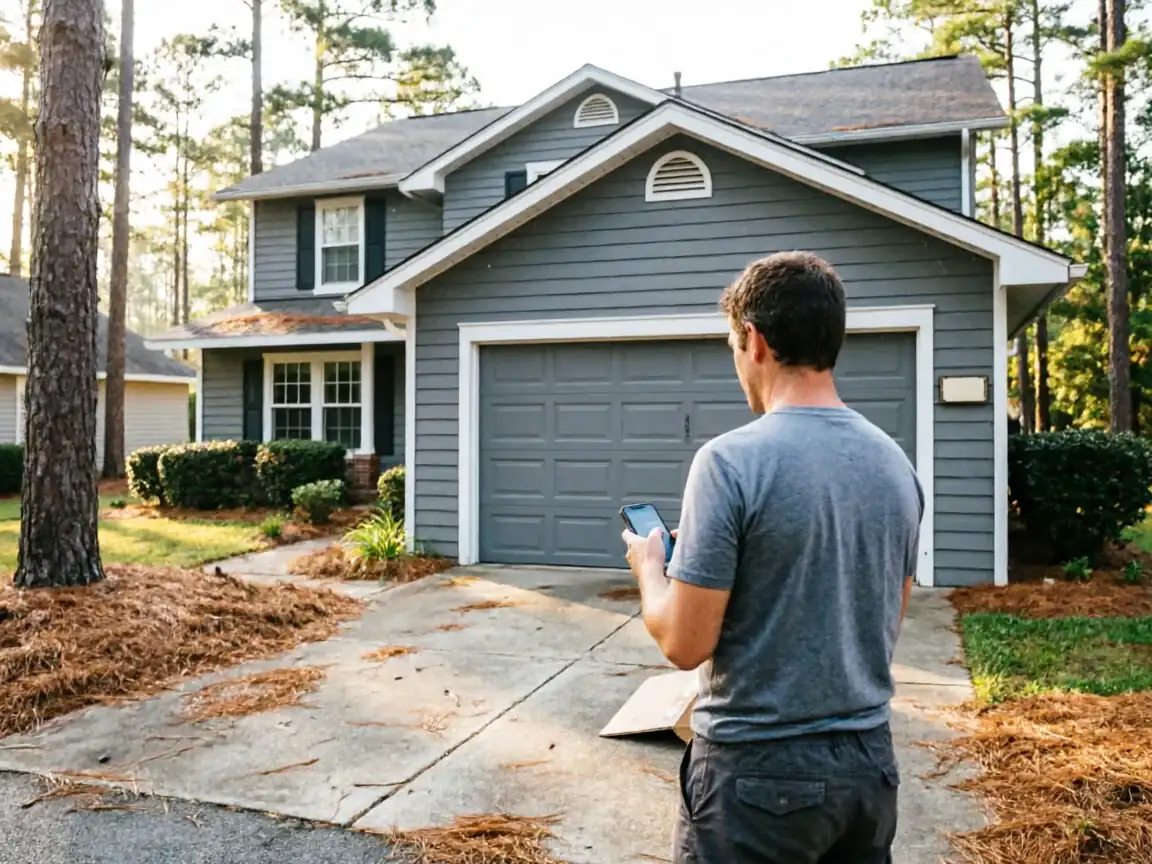
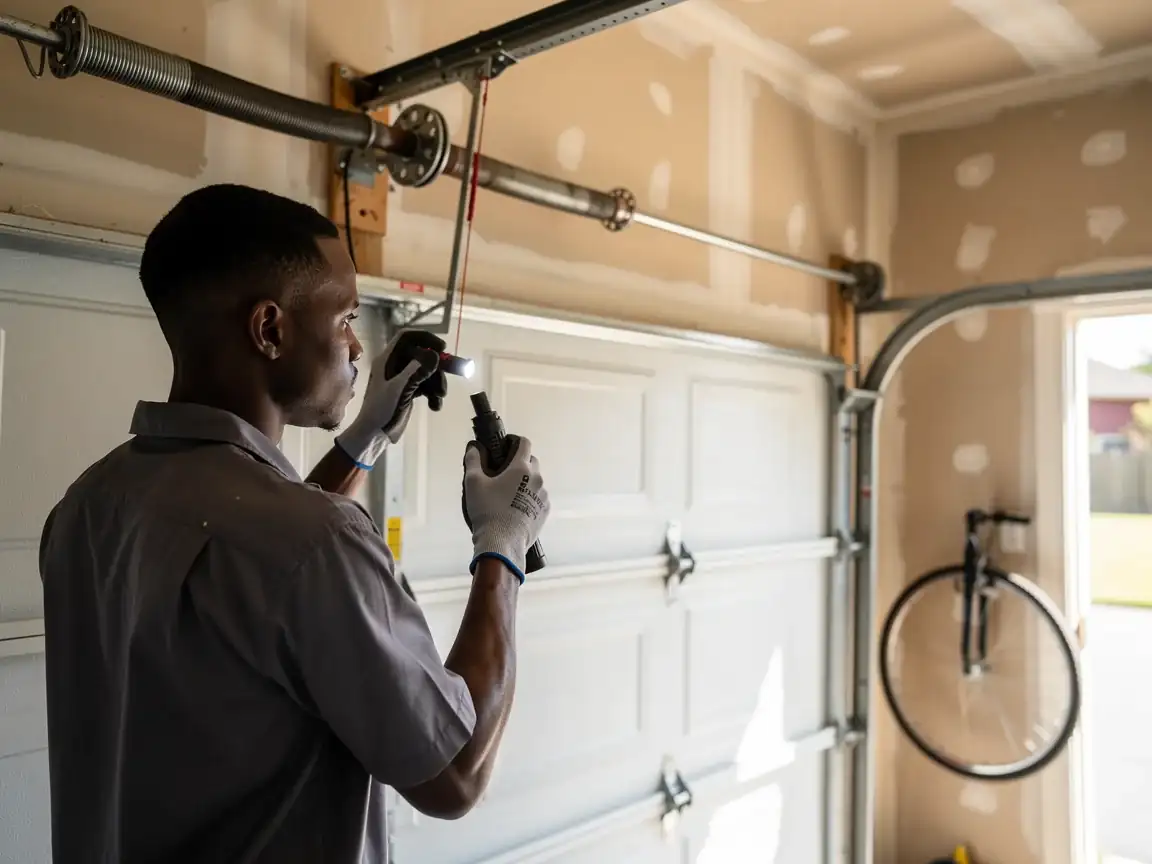
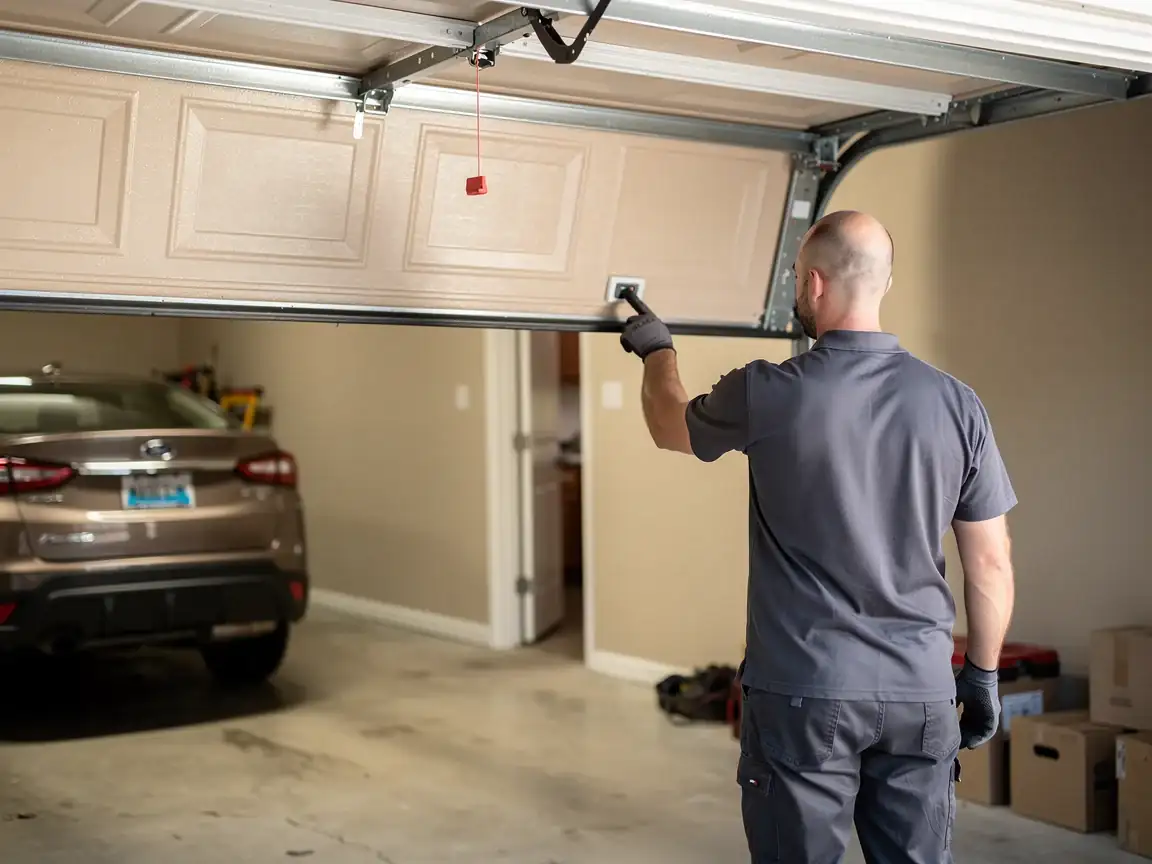
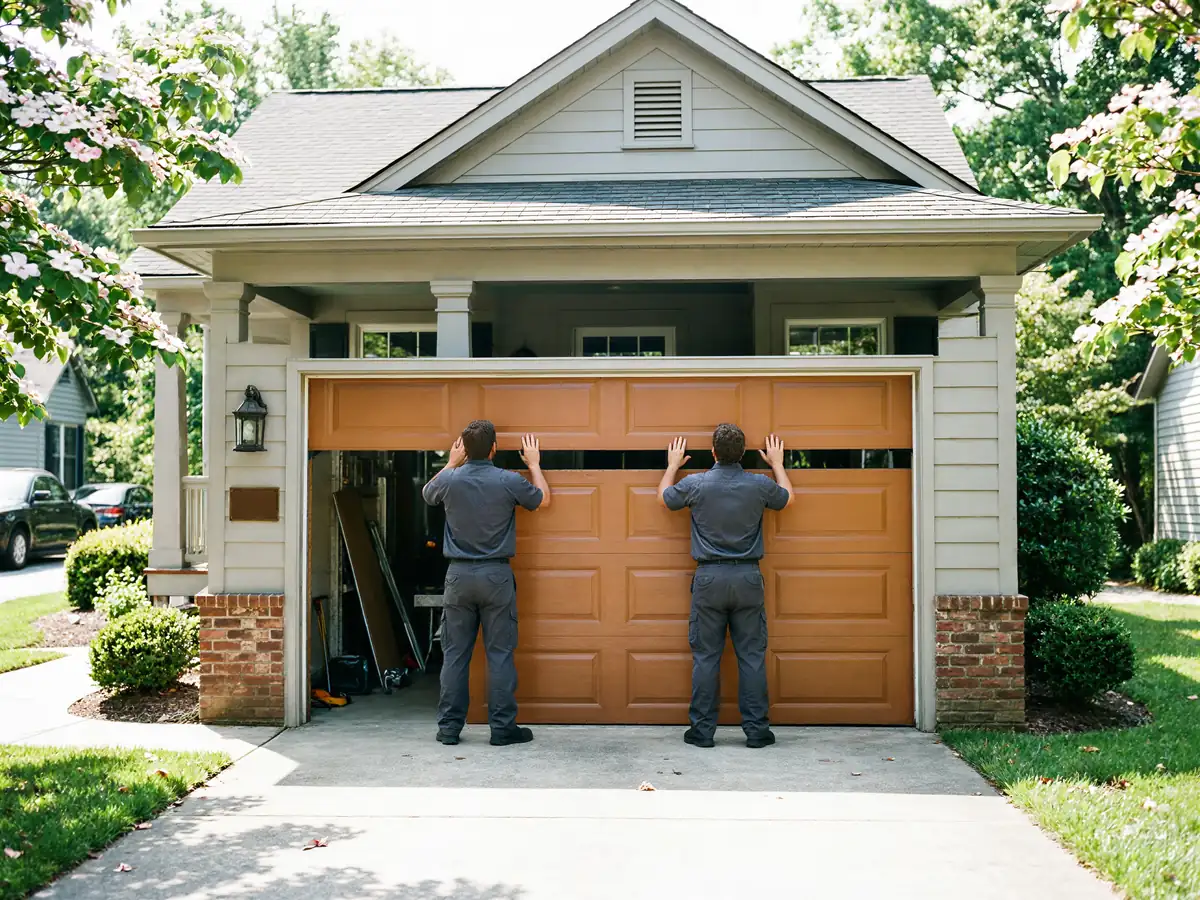
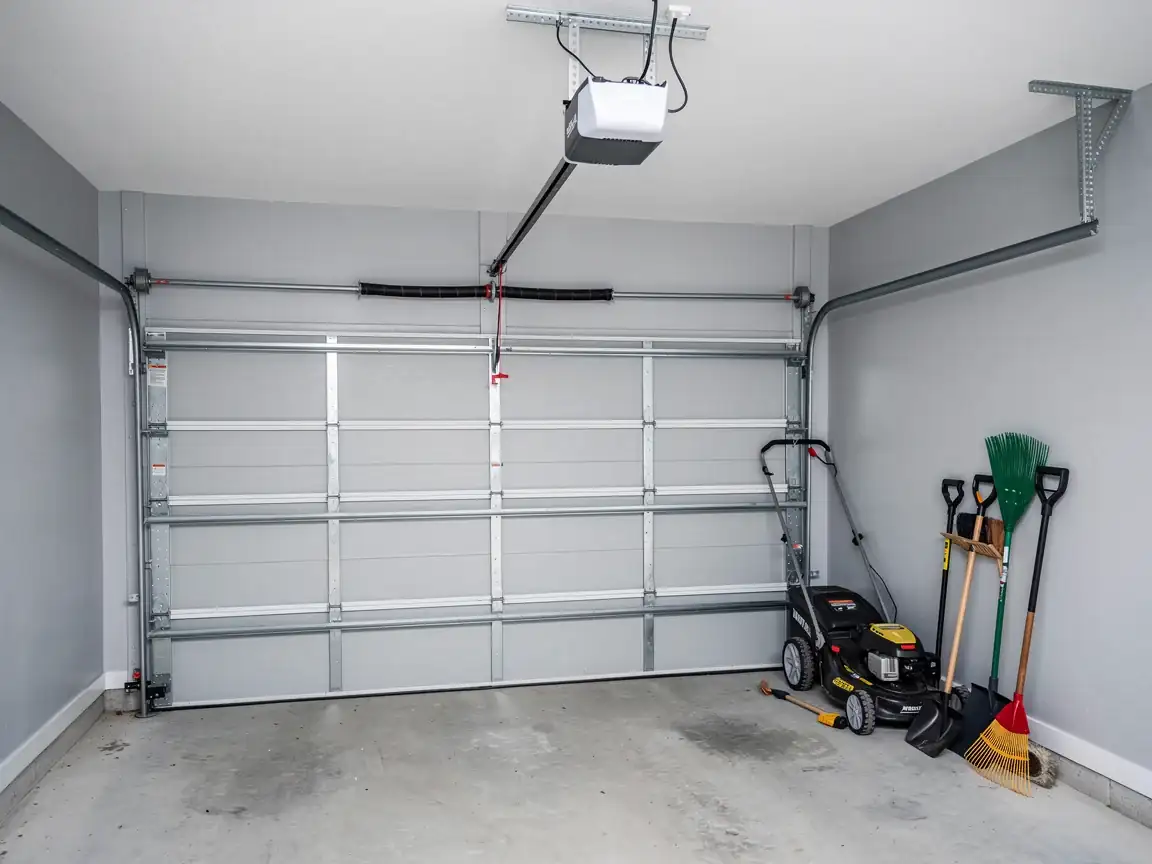
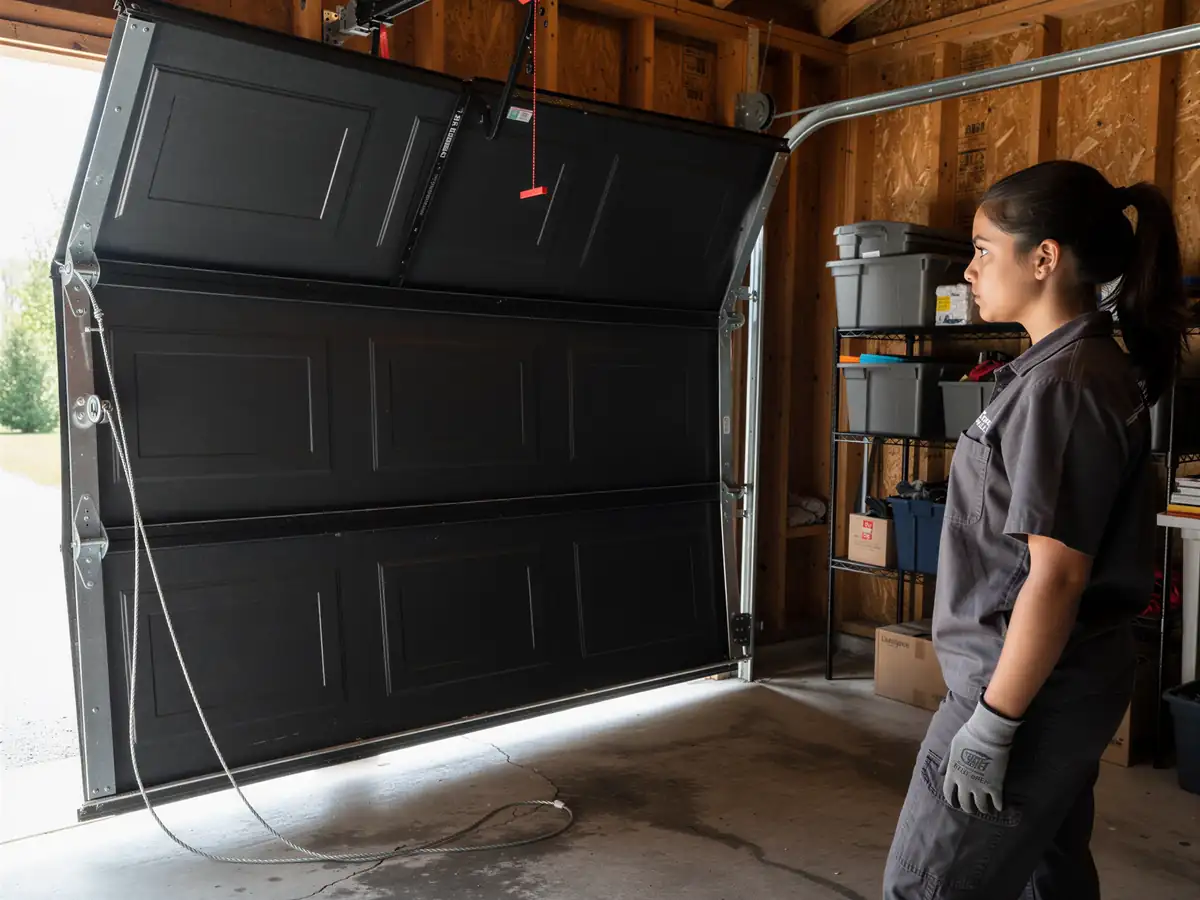
You'll usually notice the door hanging crooked, one side dropping lower than the other, or a cable visibly unspooled from the drum at the top corner of the track. Sometimes it's frayed strands sticking out like a broom head before it lets go completely. Other times the first sign is a loud bang and the door won't budge, or it slams down hard because the cable that was controlling its descent just gave out.
Across this service area, most houses were built between 1973 and 2002
With the median landing around 1987. That means a lot of original or first-replacement cable setups are now thirty-plus years old, running on drums and pulleys that were never upgraded. The 17 named communities we cover share this same stock almost universally - 1980s and 90s construction dominates, not a scattered mix of eras.
A snapped cable is not the same repair as a broken spring
Even though homeowners often confuse the two. The cable is what keeps the door tracking straight once the spring is doing the lifting work. When it goes, the door can come off its rollers entirely, which is why we don't recommend running the opener again once you notice slack or fraying - that's how a cable job turns into a cable-and-track job.
Getting It Booked In
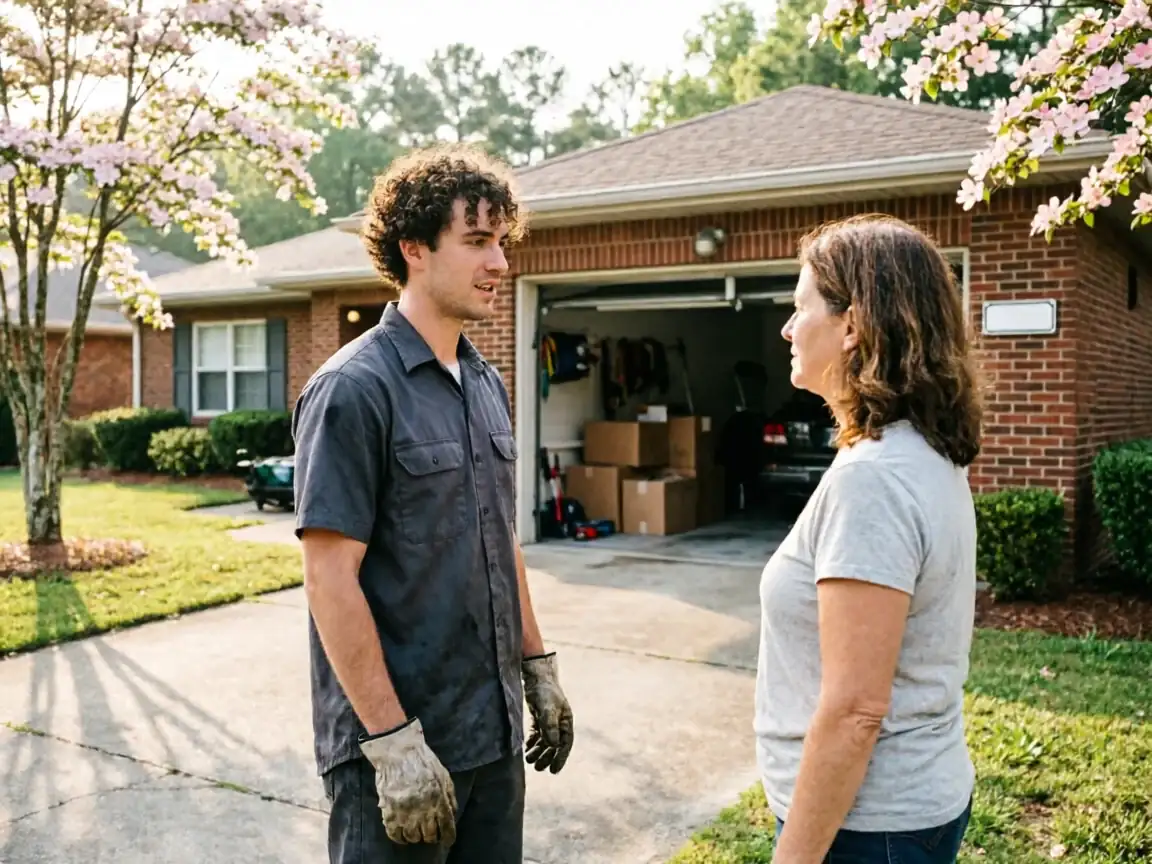
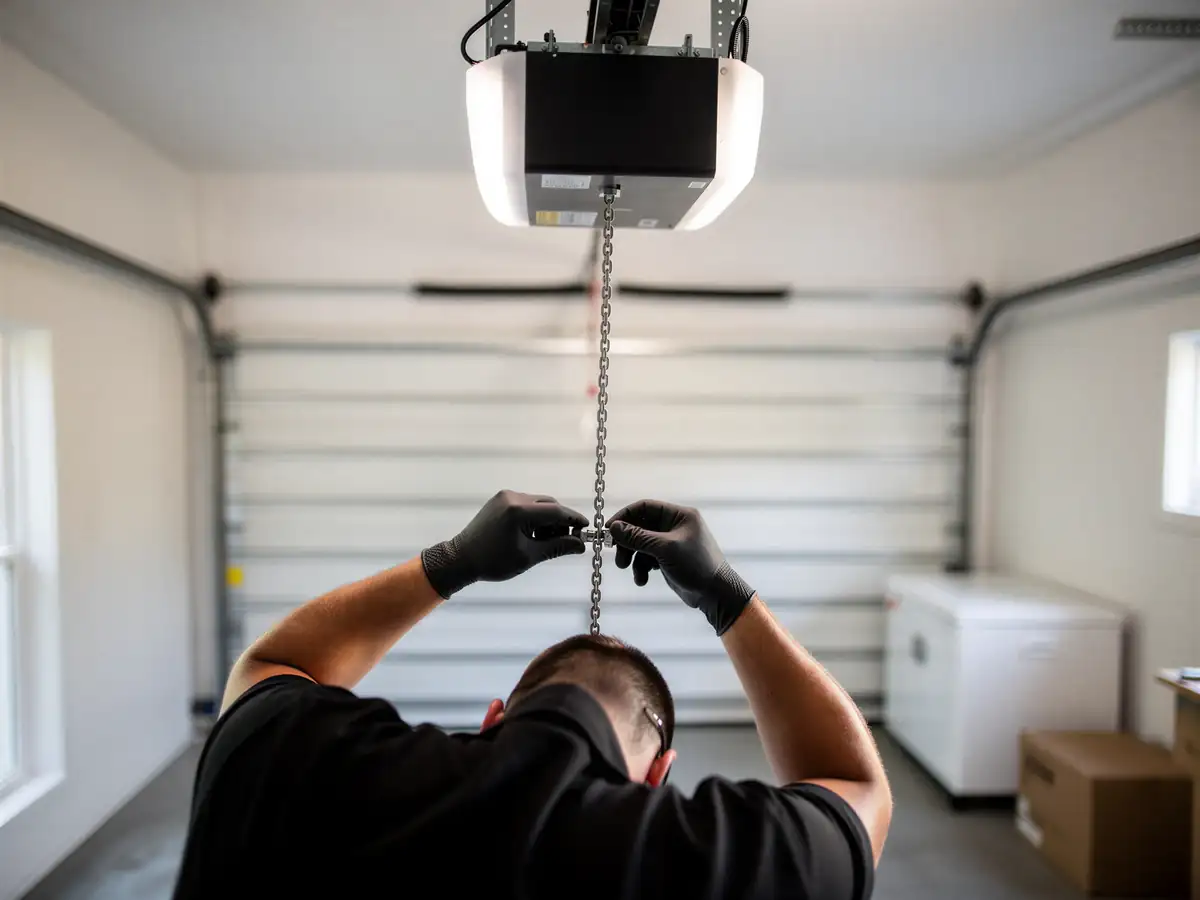
Tell us what you're seeing - a door sitting crooked, a cable hanging loose, a bang followed by a dead stop - and we can usually tell you over the phone whether it's a same-day cable swap or something that needs a look first. A door that's come fully off-track on one side needs hands-on, not a guess.
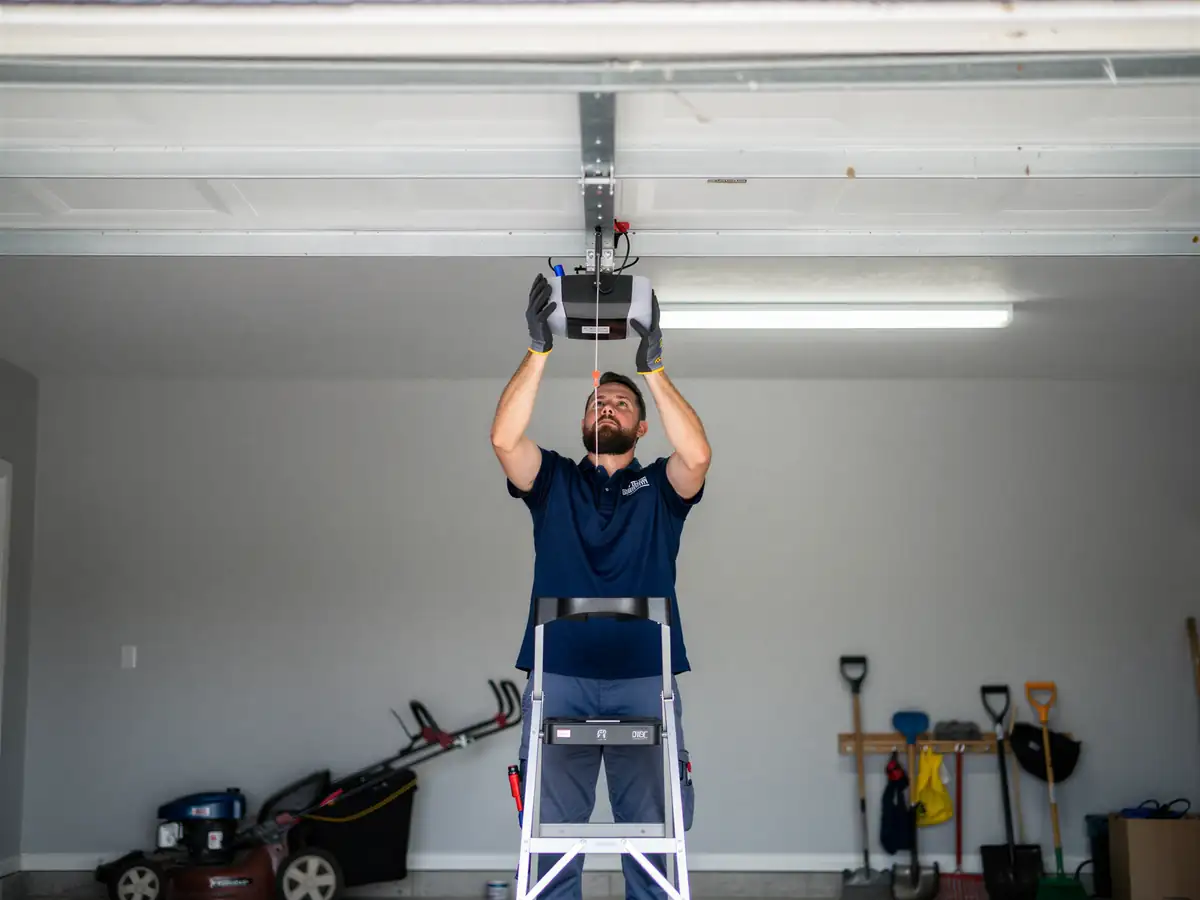
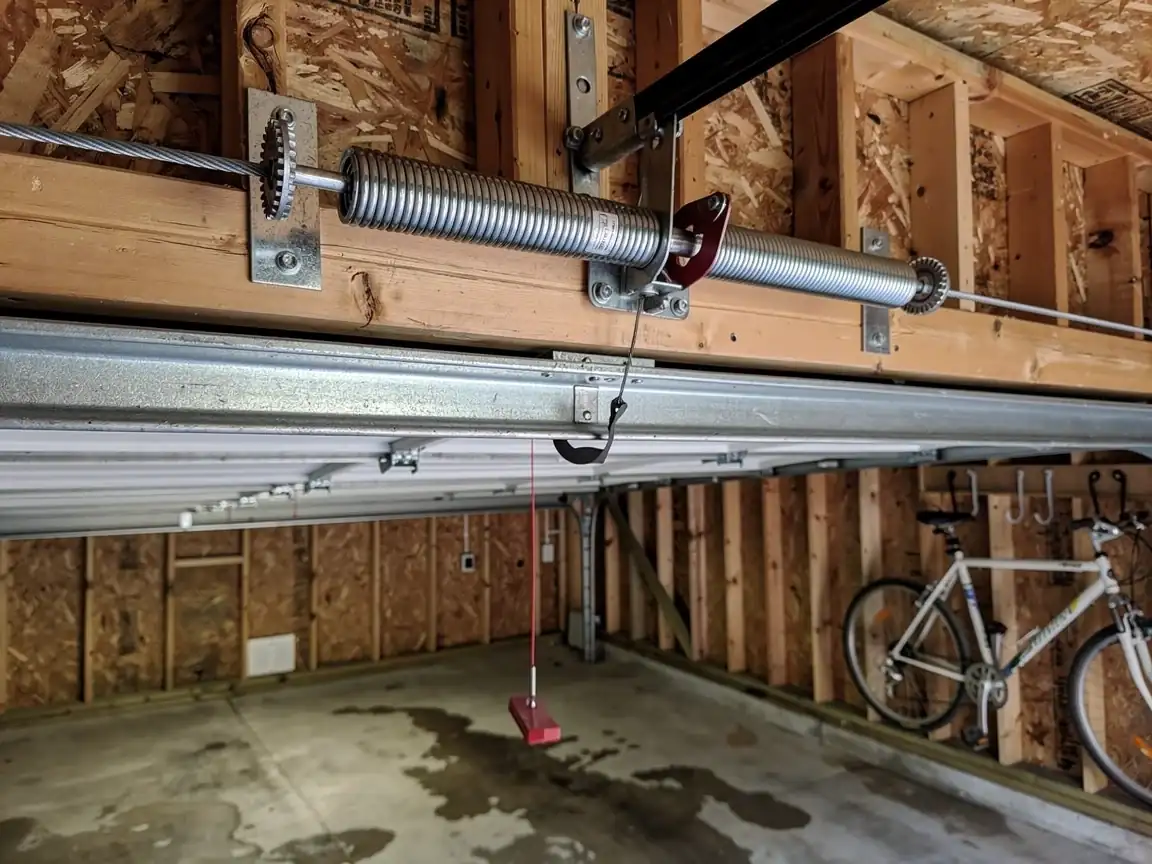
We ask a few quick questions before the truck rolls: single door or double, torsion springs overhead or side-mounted, and whether the opener still tries to run. None of that requires you to know garage door terminology - just describe what you see and we'll sort the rest.
One limitation worth saying plainly: if both cables are original and one has already gone, we're going to recommend replacing both rather than just the failed side. Cables age as a pair, and coming back out in six months for the second one costs you more than doing it once.
Why This Fails Locally
Cable failure isn't random - it's a function of age, cycle count, and climate, and all three line up badly across this part of North Carolina. The region sits in a cold-moderate climate band, which means cables go through repeated freeze-thaw cycling every winter rather than a steady cold or a steady mild stretch. That cycling stiffens galvanized cable strands and accelerates corrosion at the drum end, where moisture collects and doesn't fully evaporate between cold snaps.
Pair that with the housing age: a door installed when a house went up in the late 1980s is well past the service life any cable manufacturer rates for, especially on doors that get opened multiple times a day. Across the service area's 56,928 households, 31,728 are owner-occupied houses - the group actually responsible for catching this before it fails, since nobody else is scheduling the maintenance for them.
This pattern holds across the towns we reach from here - Walkertown six miles out, Wallburg and Clemmons at eight, out through Kernersville, Jamestown, and the rest of the 17 areas on our list. Same era of construction, same climate exposure, same aging cable problem showing up on the same rough timeline.
What You Pay
We don't post a flat number for cable repair here because the honest range depends on a few things
Whether it's one cable or two, whether the drums or pulleys also need replacing, and whether the door came off the rollers when the cable let go. A straightforward single-cable swap on a door that's still sitting in its track is a different job than one where the door's hanging crooked and the track took damage too.
What we can tell you is what drives the number up or down
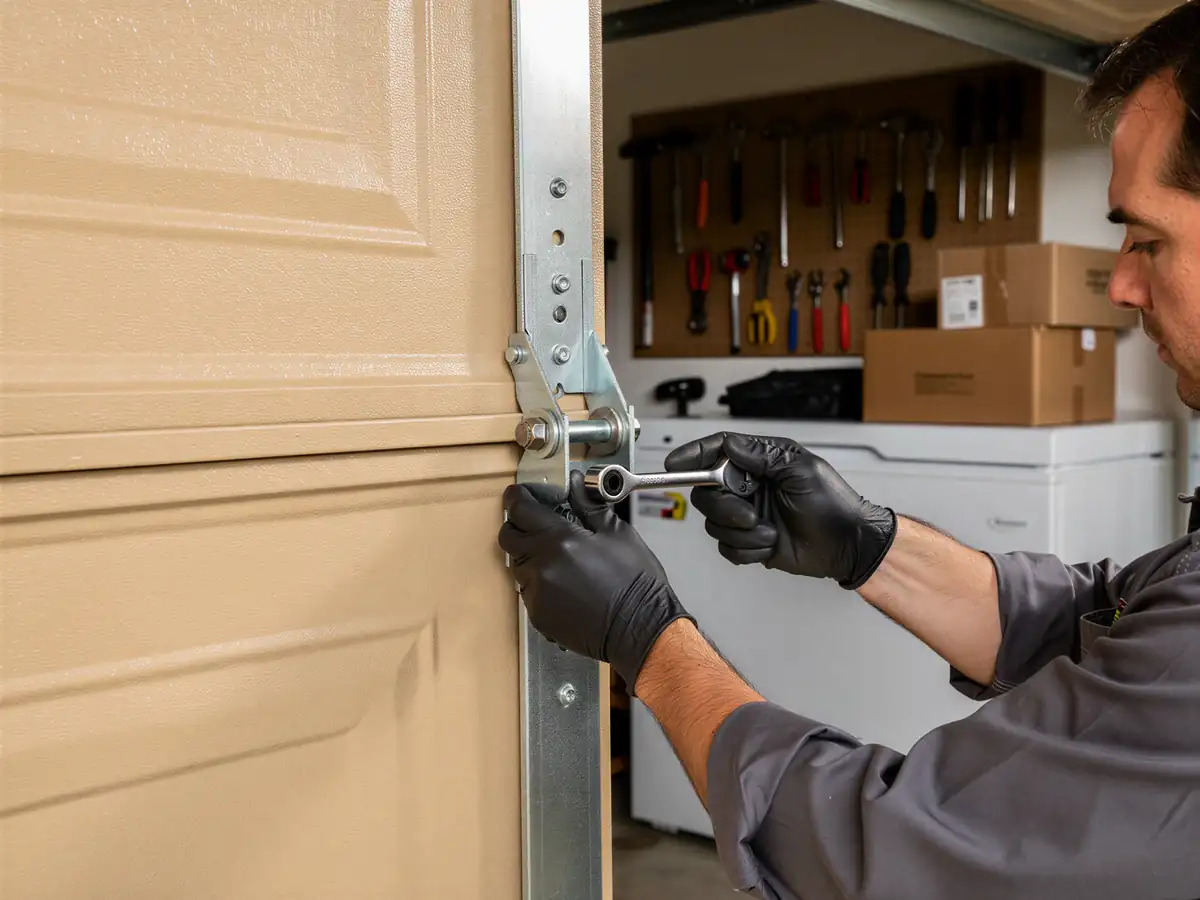
Cable-only work is the cheapest version of this repair; needing new drums, pulleys, or a torsion spring replacement alongside it raises the cost; and any damage to the track or panel from a door that jumped its rollers adds labor on top. We'll give you the actual number before any work starts, not an estimate that changes once we're under the door.
Across a median household income of $78,821 in this area
Most of what we see are routine cable jobs rather than full door replacements - the fix is usually smaller than homeowners expect once they call.
- $78,821 median household income