How We Get to You
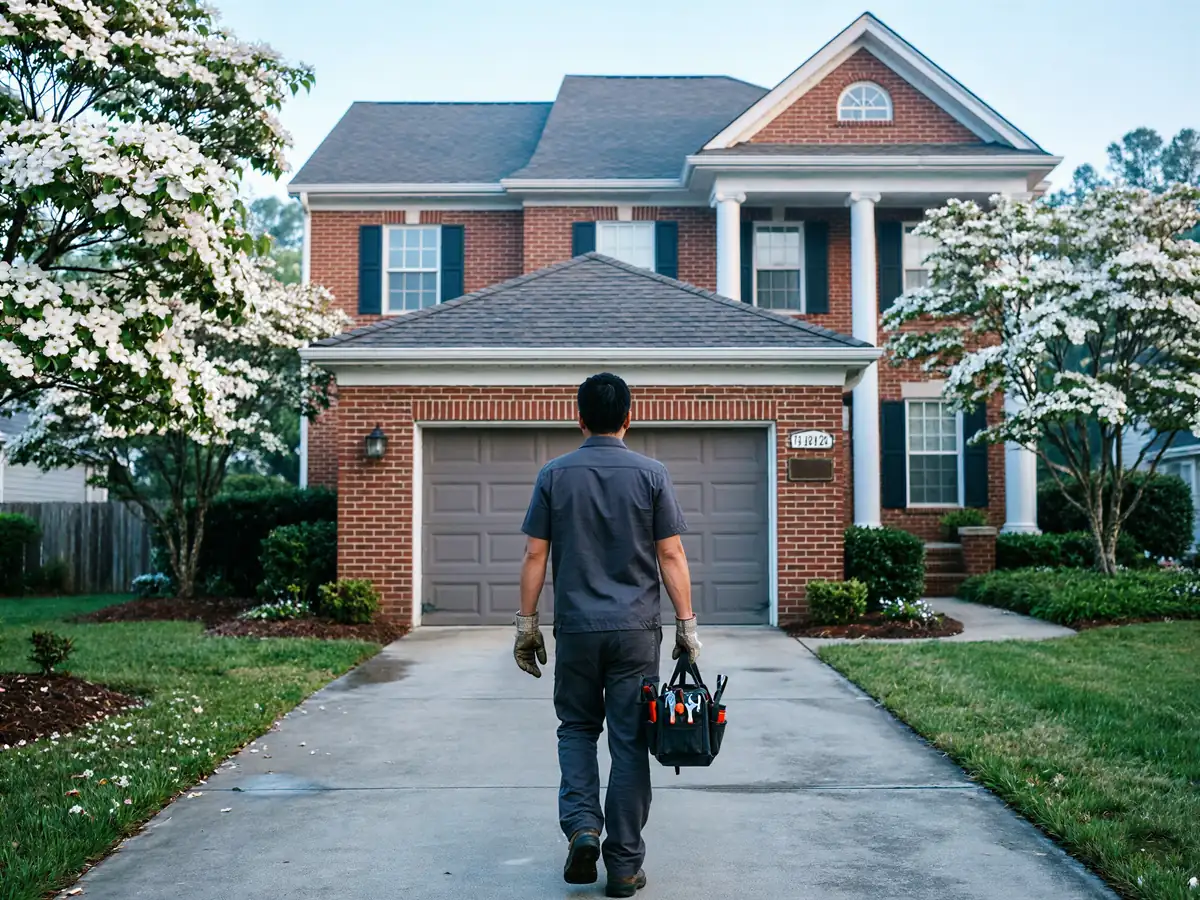
Bermuda Run sits about 12 miles out from our shop in Winston-Salem
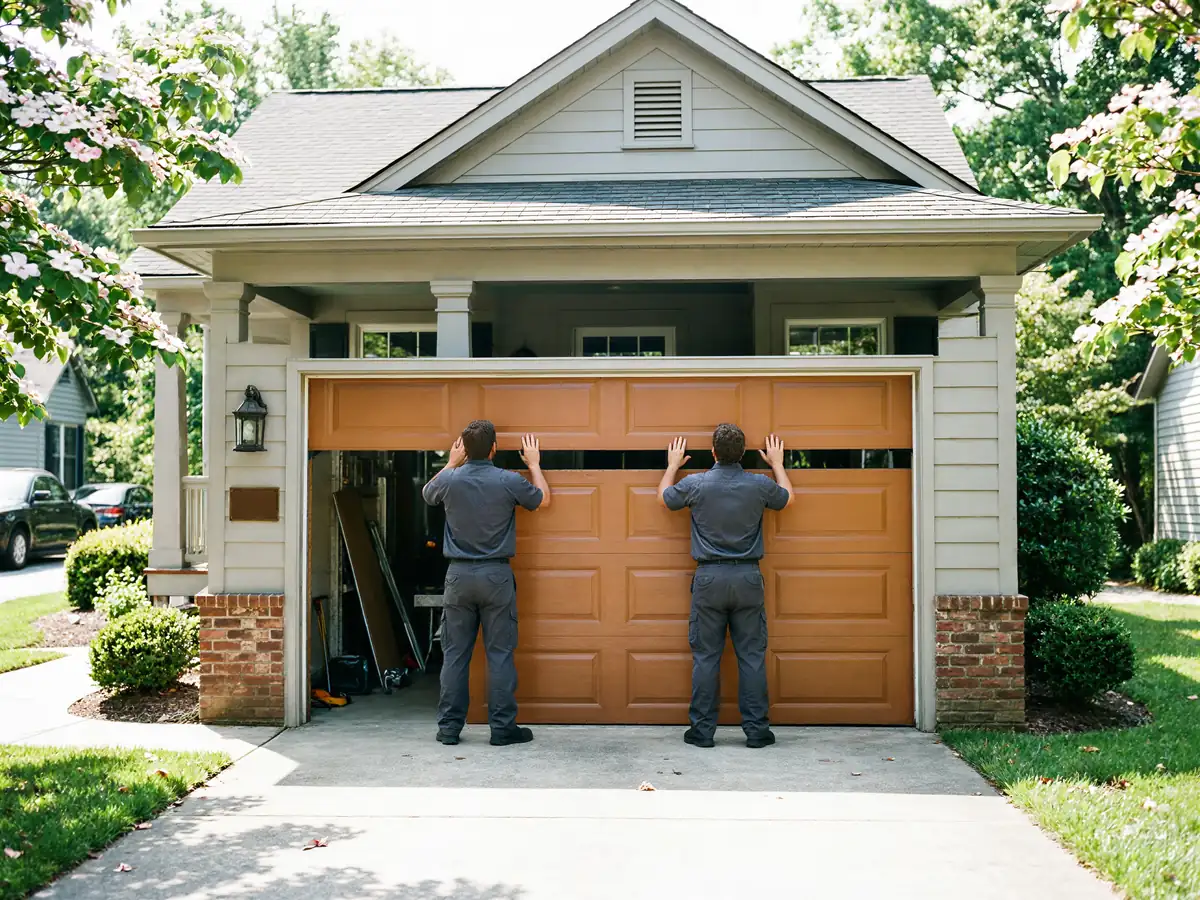
And that drive is part of how we schedule the day rather than something we hide from you. We don't keep a crew or a truck parked in Bermuda Run itself - every job here is a trip out, which means we batch calls when we can and give you a real arrival window instead of a vague promise. If your spring lets go on a Tuesday morning, we're not going to pretend we're around the corner. We're coming from across town, and we tell you that up front so you can plan your morning instead of standing in the driveway guessing.
- 12 miles
What that drive buys you is a crew that sees a wide mix of garage doors across the whole service area
Not just one subdivision's worth of the same builder-grade door. We've worked on torsion setups from a lot of different eras and climates within a short radius of Winston-Salem, and Bermuda Run's stock tells its own story once you look at when most of it went up.
What That Means for Doors
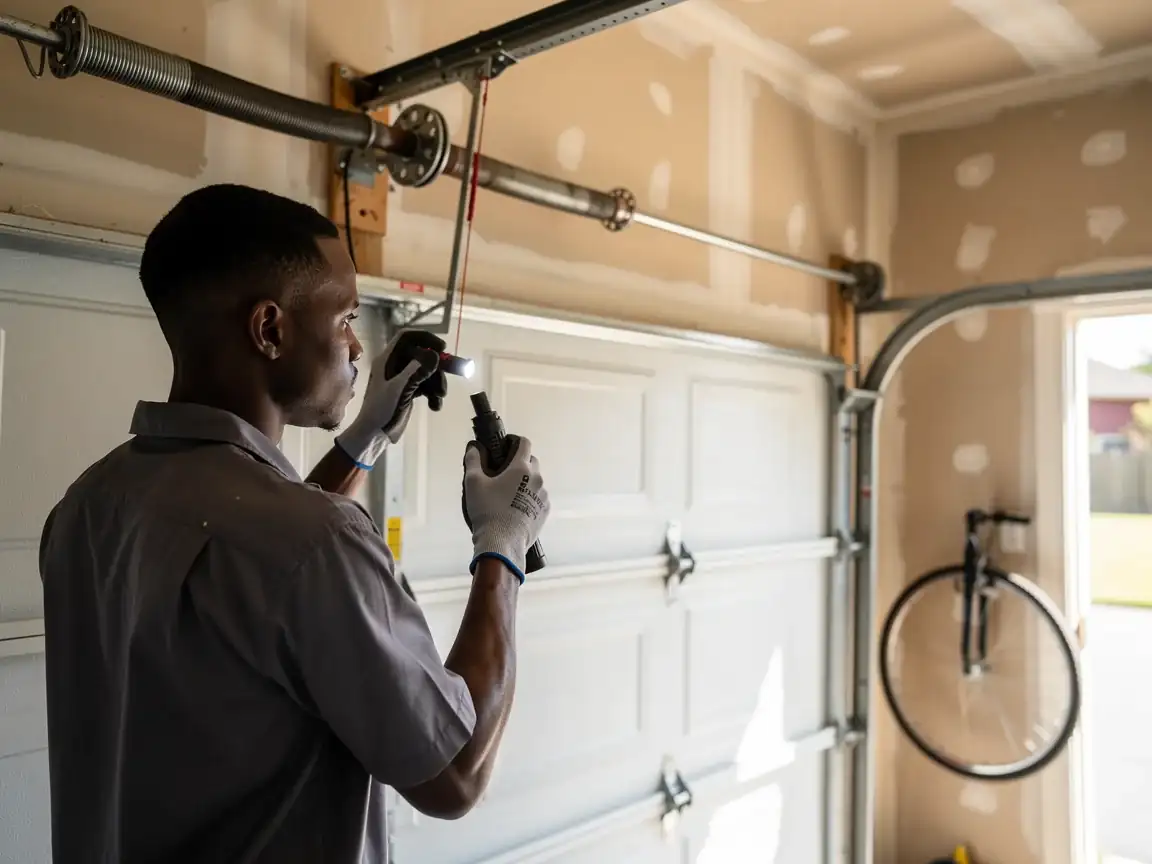
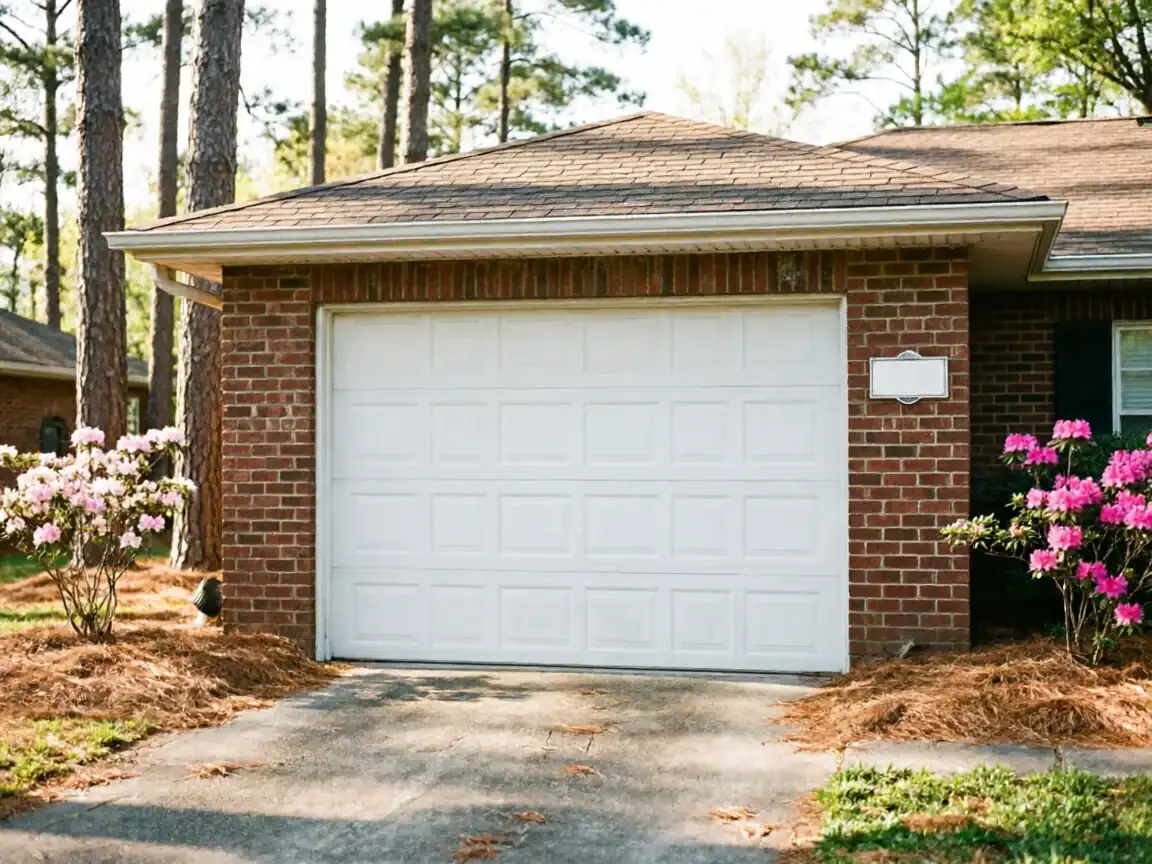
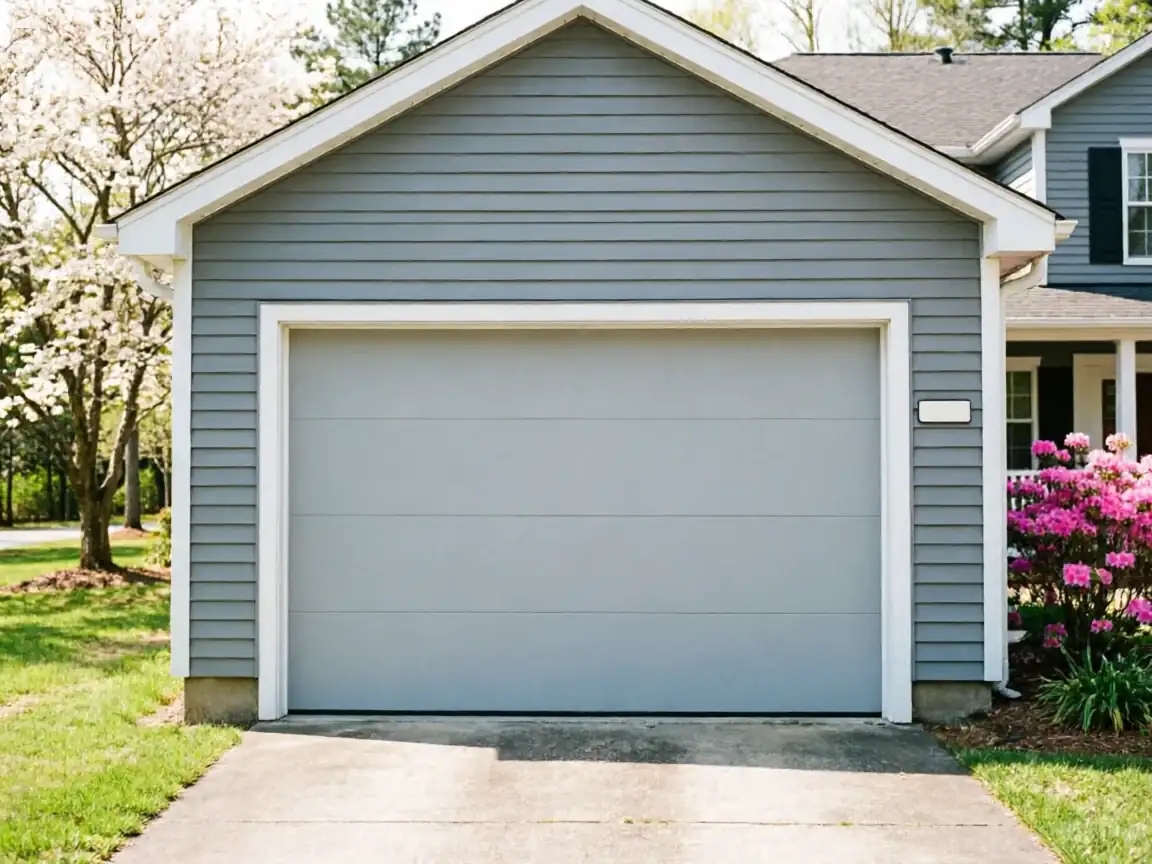
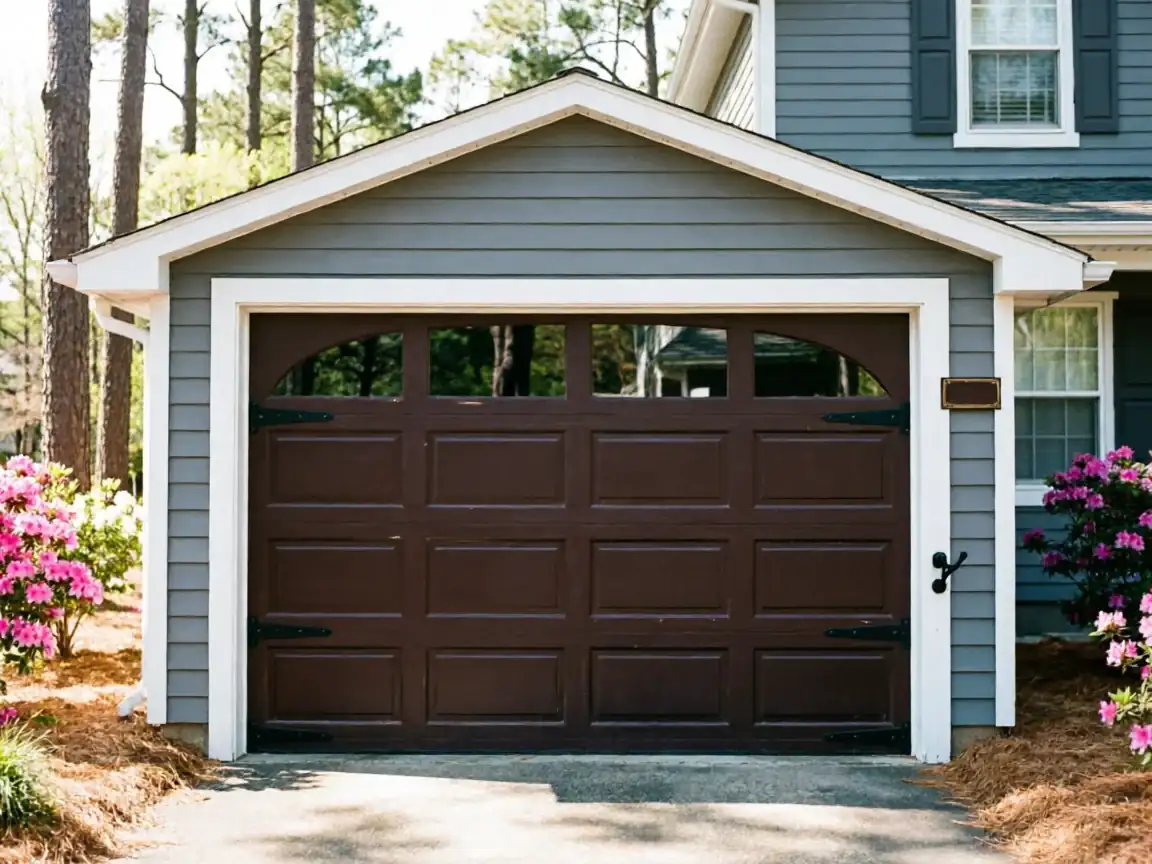
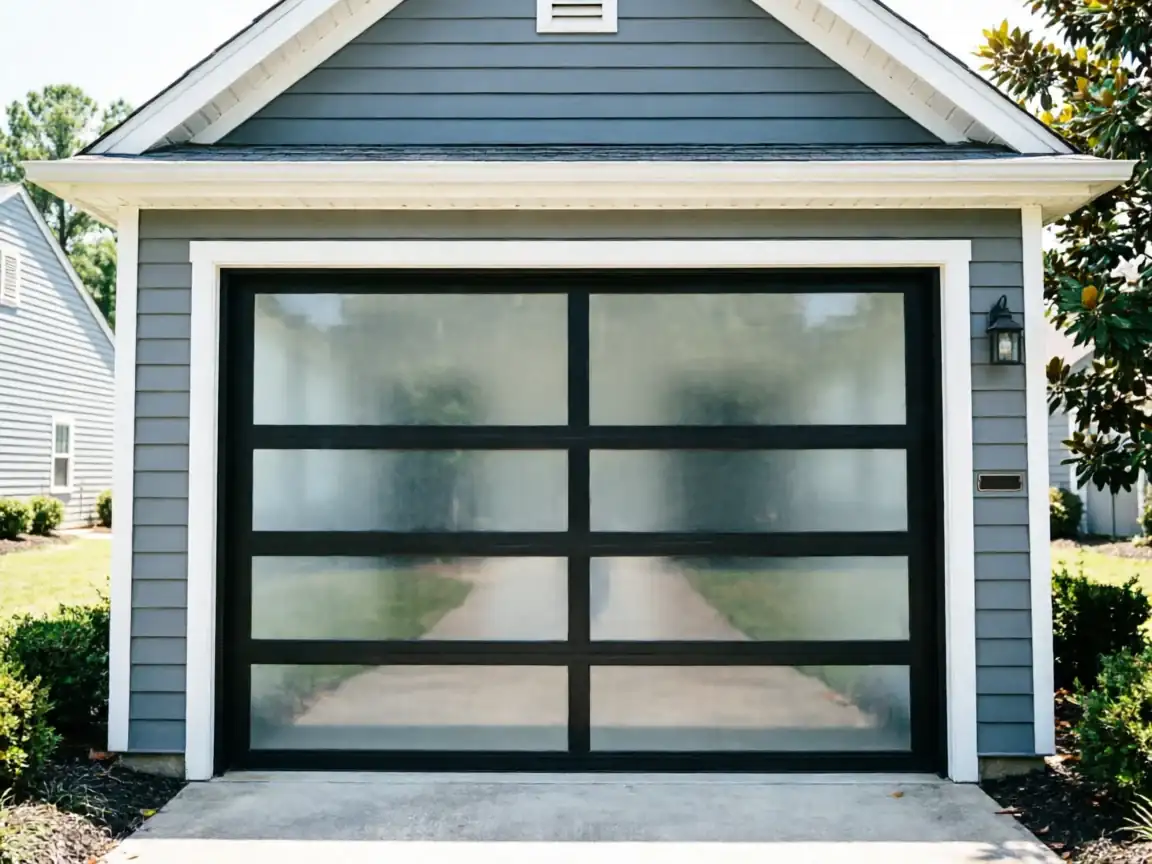
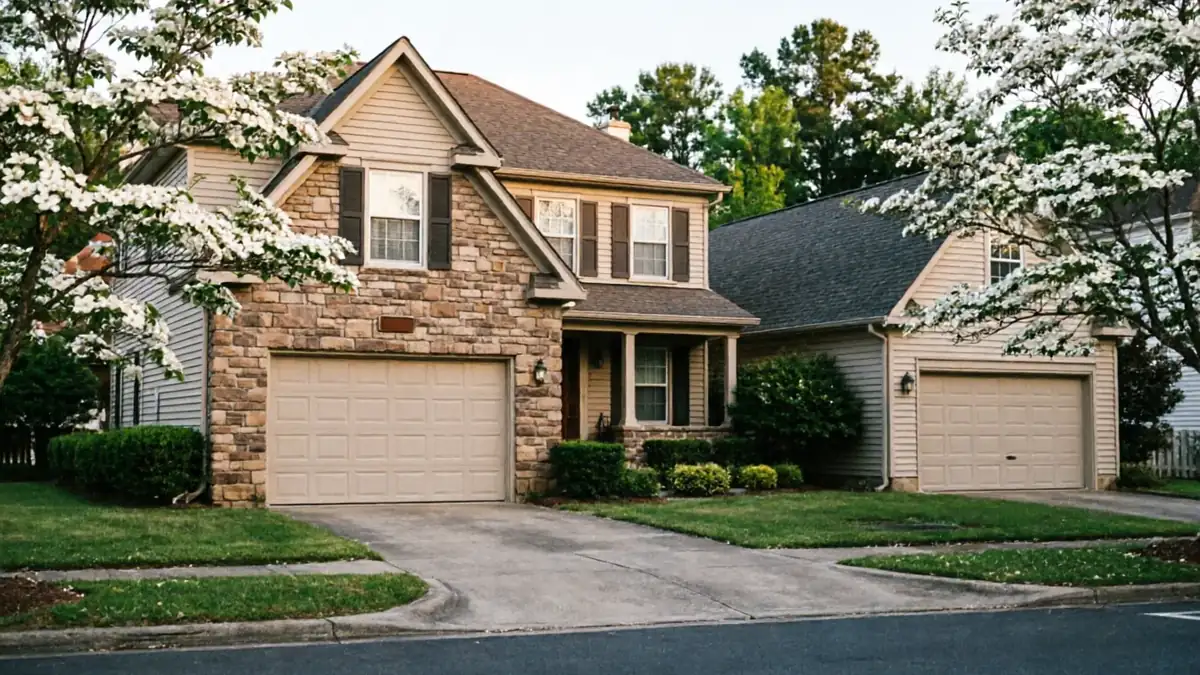
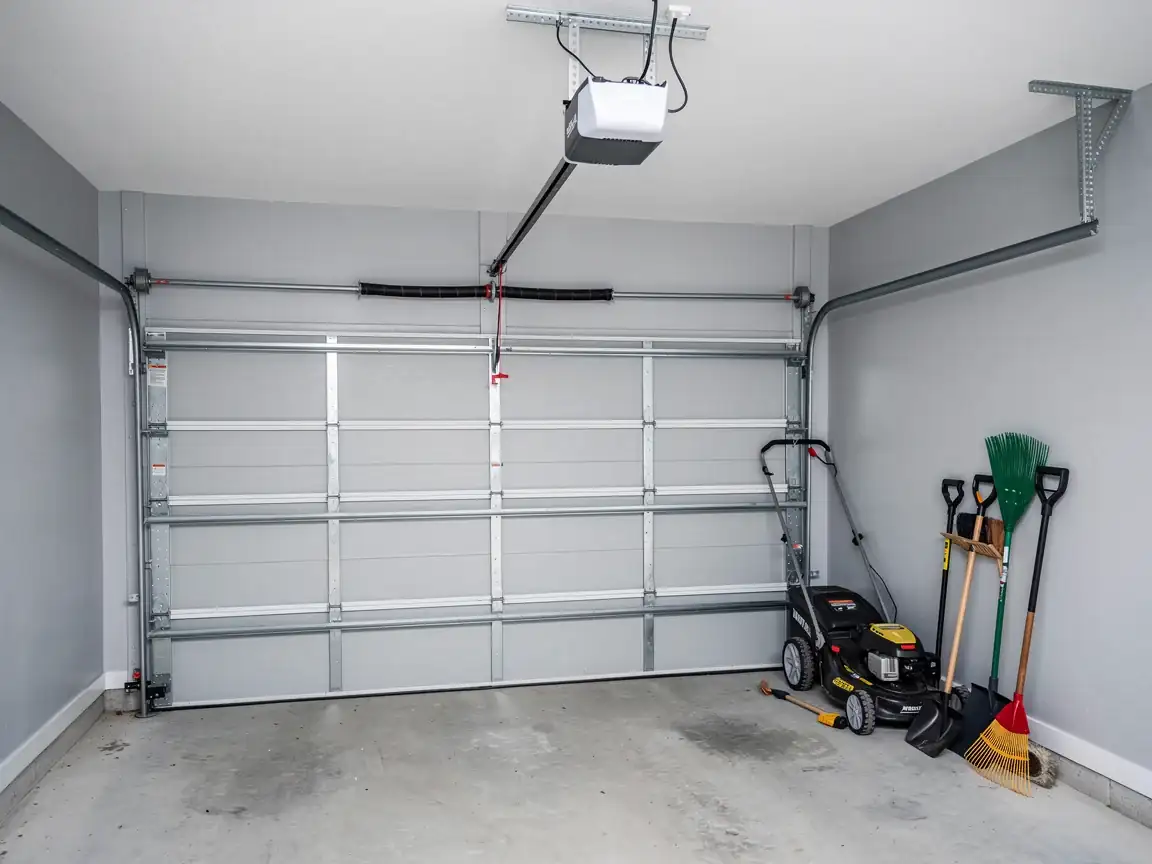
Bermuda Run's housing runs newer than a lot of what we see closer to Winston-Salem proper - the median build year here lands around 1998, roughly a decade past the broader service area's 1987 median. That decade matters more than it sounds like it should. Doors and openers installed in the late 1990s are far more likely to have factory torsion springs rated for the door's actual weight, a sectional steel panel door rather than a one-piece tilt-up, and an opener on a rail drive instead of the chain-and-sprocket units common in older stock. You still get wear, but you're less likely to be fighting original single-spring setups on a double-wide door - a problem we see constantly in houses built before 1980.
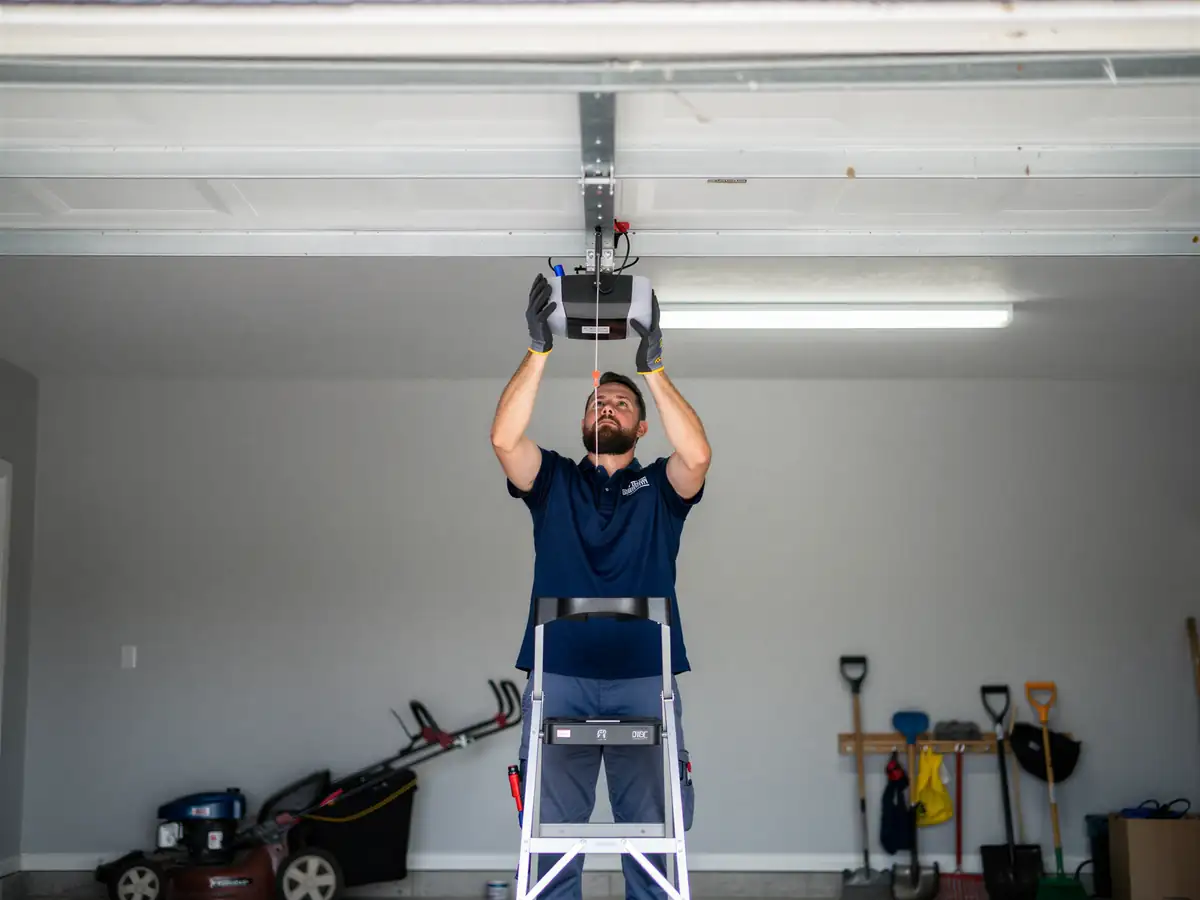
The honest limitation: newer doesn't mean problem-free. Nylon rollers and plastic idler pulleys from that era are now pushing 25-plus years, and we do find openers from the late '90s where the logic board is the actual failure point, not the door itself. Replacing a dead circuit board on a 1998-era opener can cost close to a new unit, and we'll tell you that straight rather than chase a part that's hard to source.
What Was Built Here
With roughly 1,560 households in Bermuda Run and a median household income near $66,800, this is a smaller, more consistent pocket than the wider Winston-Salem service area - fewer total doors to cover, but a tighter band of ages and materials since so much of it went up around the same late-1990s wave. That consistency actually makes diagnosis faster: when we know a neighborhood's doors share a build era, we walk in already knowing roughly what hinge spacing, track gauge, and spring type to expect before we even open the panel.
The region overall sits in a cold-moderate climate band, and houses from the late '90s in this band were typically built with steel doors that have held up reasonably well against temperature swings, though weatherstripping and bottom seals from that period are well past their service life on most doors we open up. That's a cheap fix compared to what we see on much older doors, where the whole section needs replacing.
What People Here Ring About
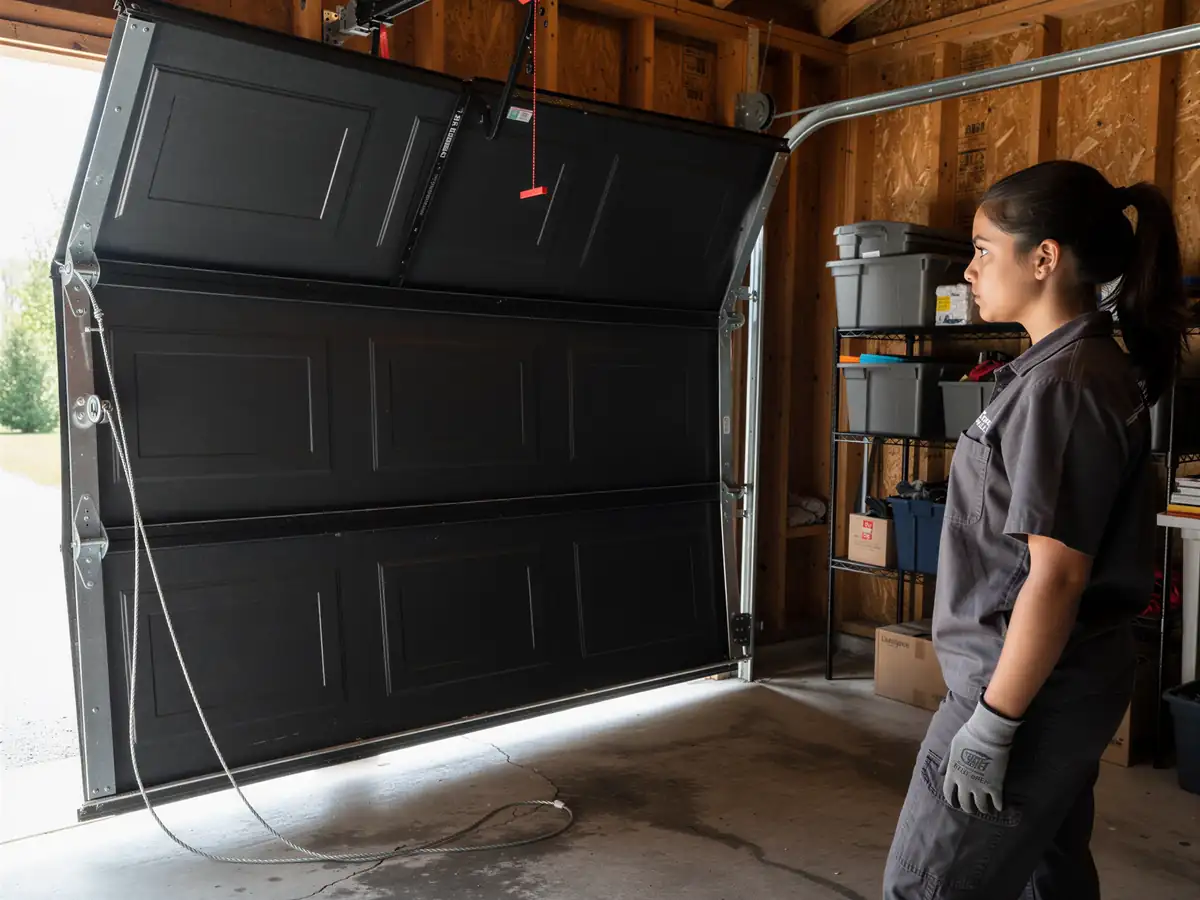
The calls we get from Bermuda Run skew toward opener failures and spring fatigue rather than full door replacement
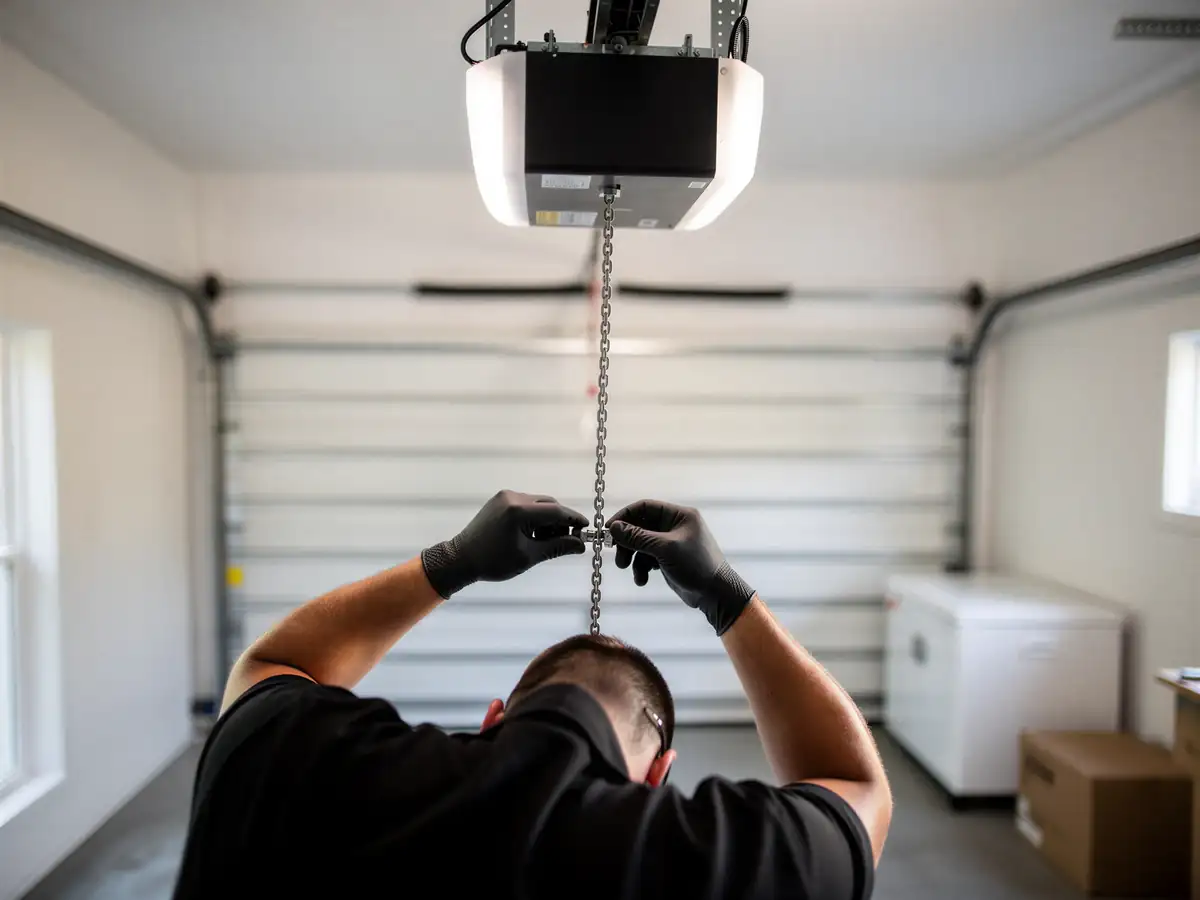
Which tracks with a housing stock that's mostly 25 to 30 years old rather than 40-plus. A torsion spring rated for a few thousand cycles back in 1998 is well within the range where it's due to snap, especially on a double door that gets used daily. We also hear from folks dealing with a rail-drive opener that's started grinding or slipping - common once the drive gear wears down on units from that generation.
- 30 years
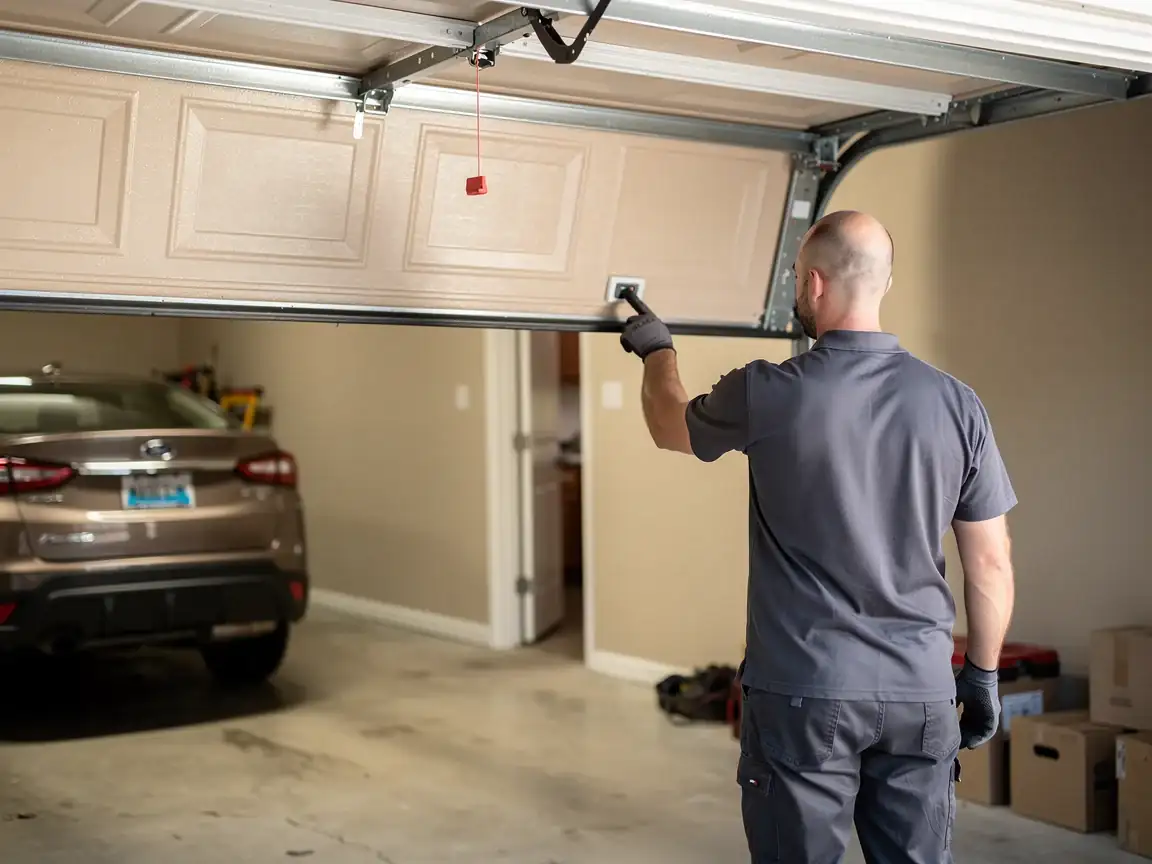
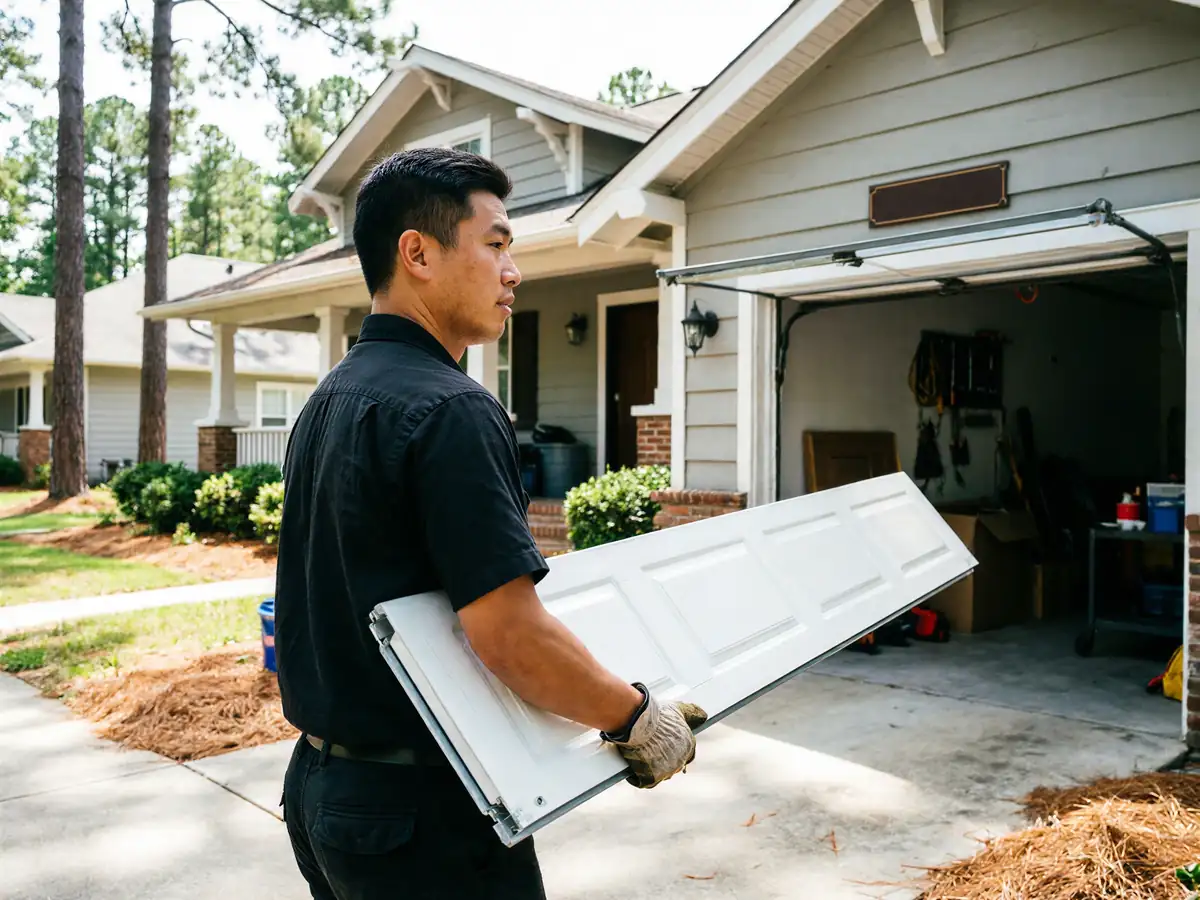
We don't do cosmetic refinishing or touch-up painting on doors
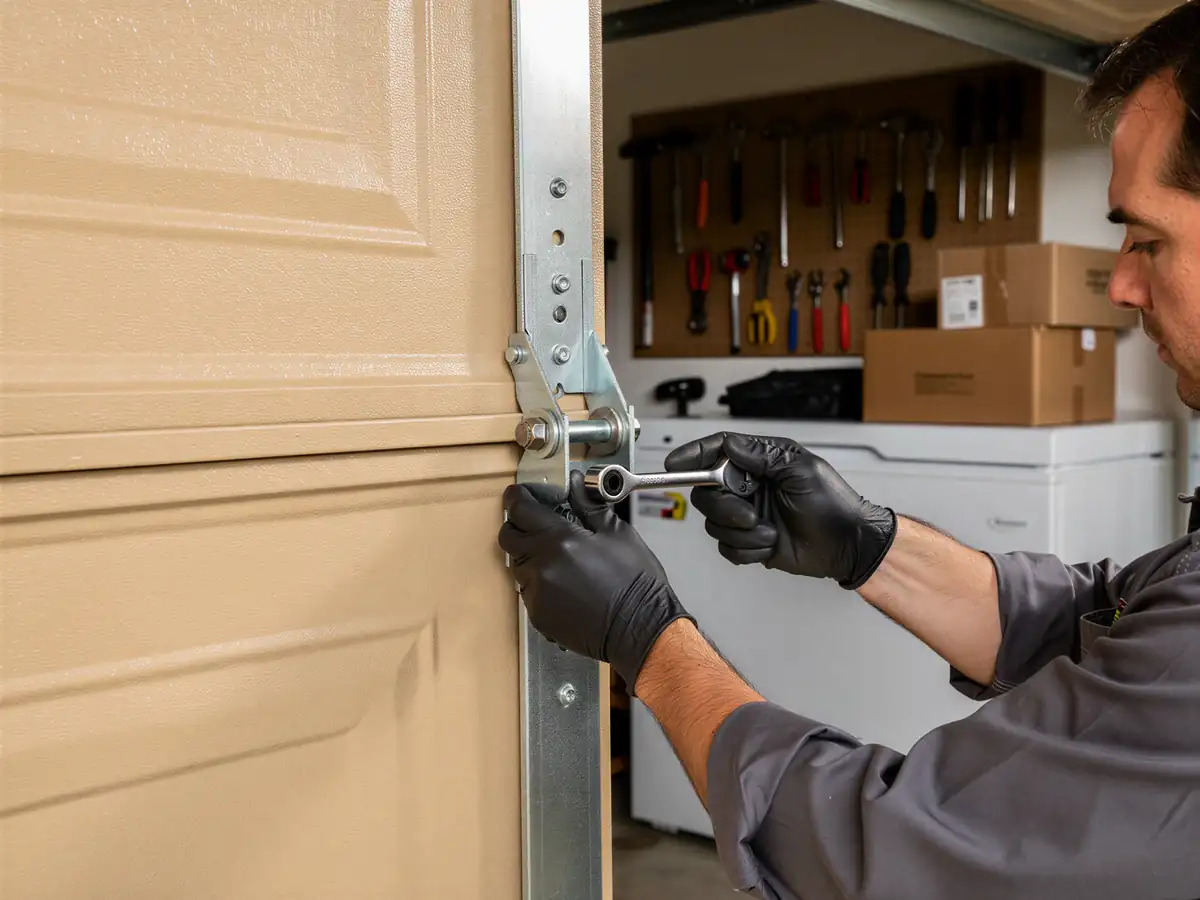
So if your panel's structurally sound but faded, that's outside what we handle. For anything mechanical - spring, cable, track alignment, opener swap - that's the work we come out for.