How We Fix It
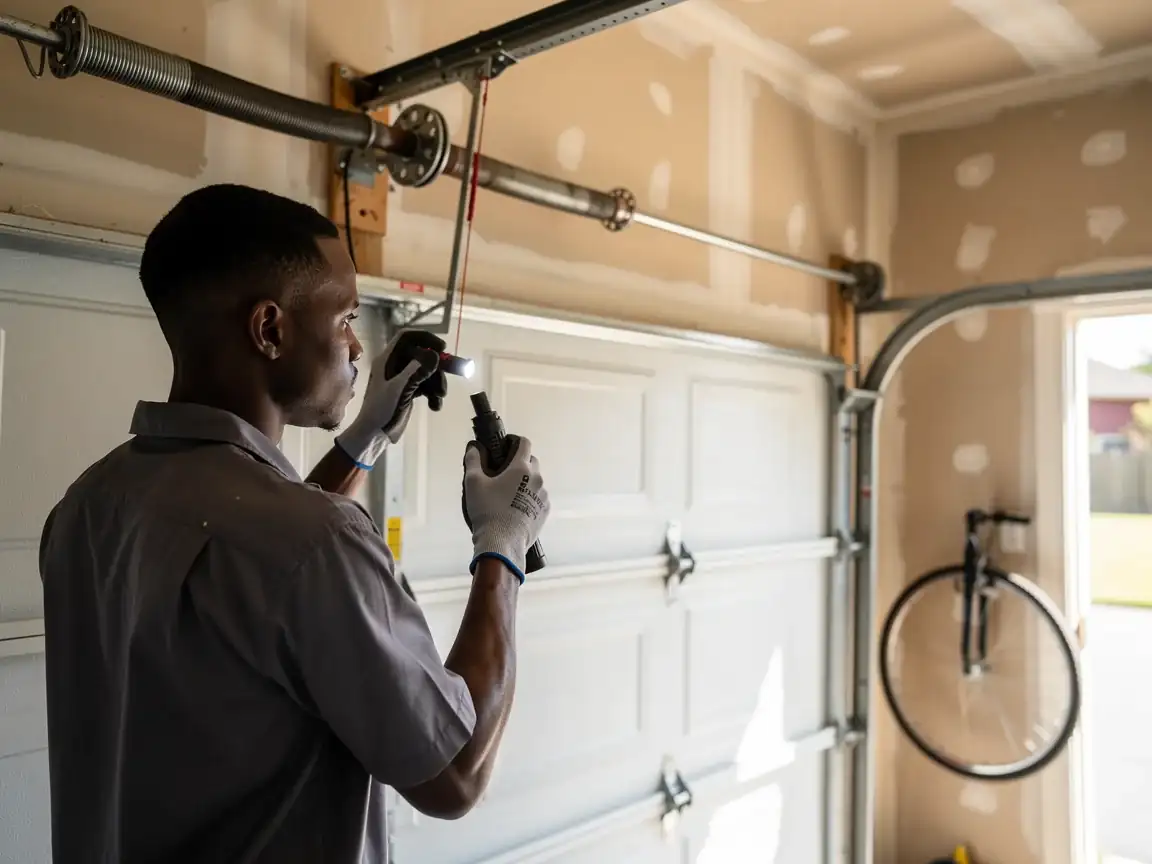
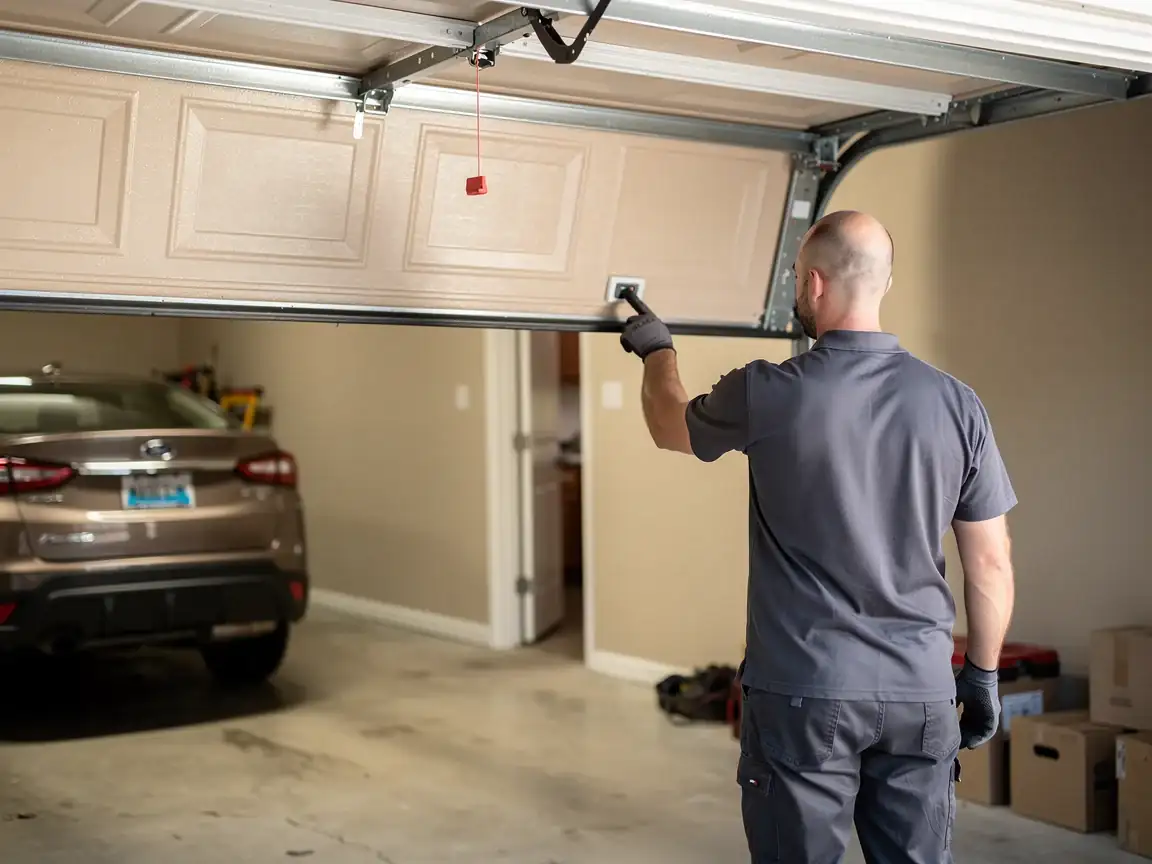
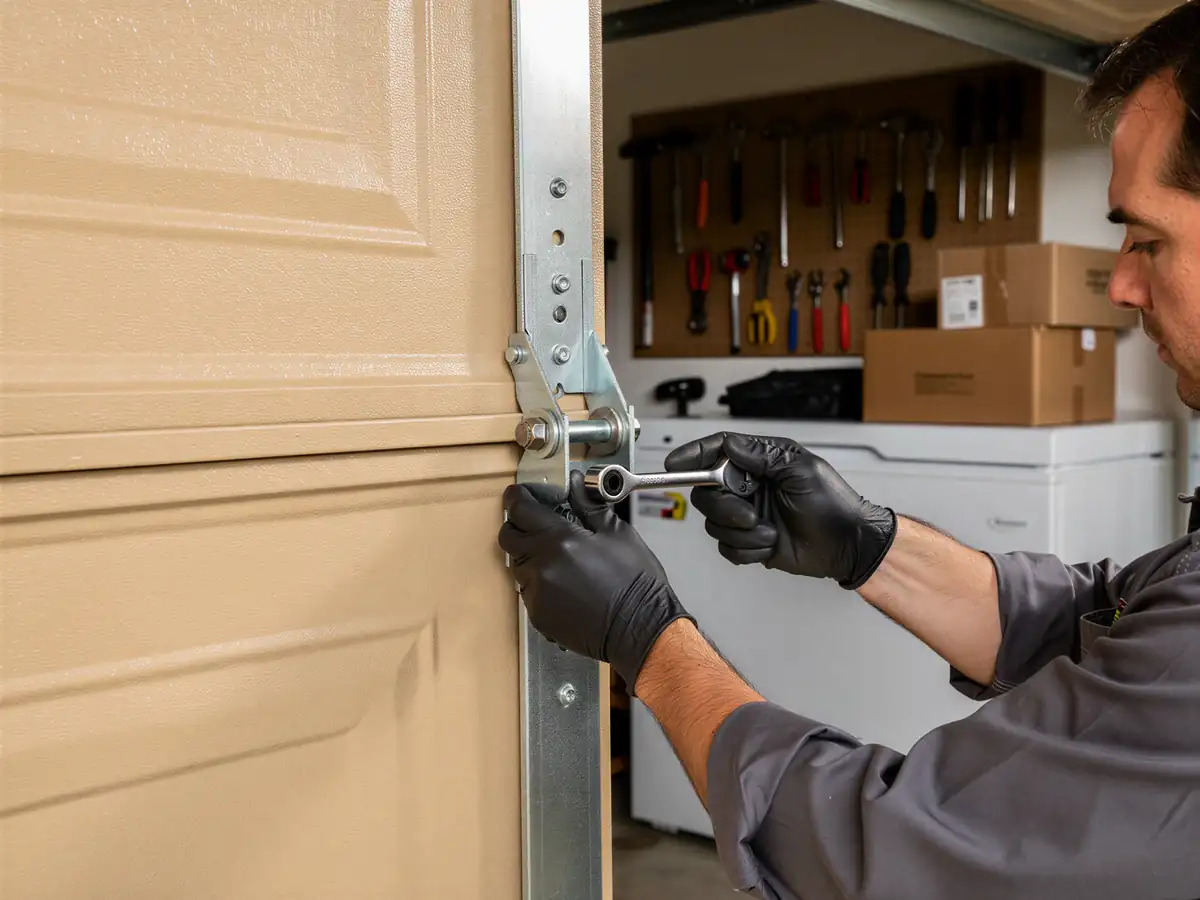
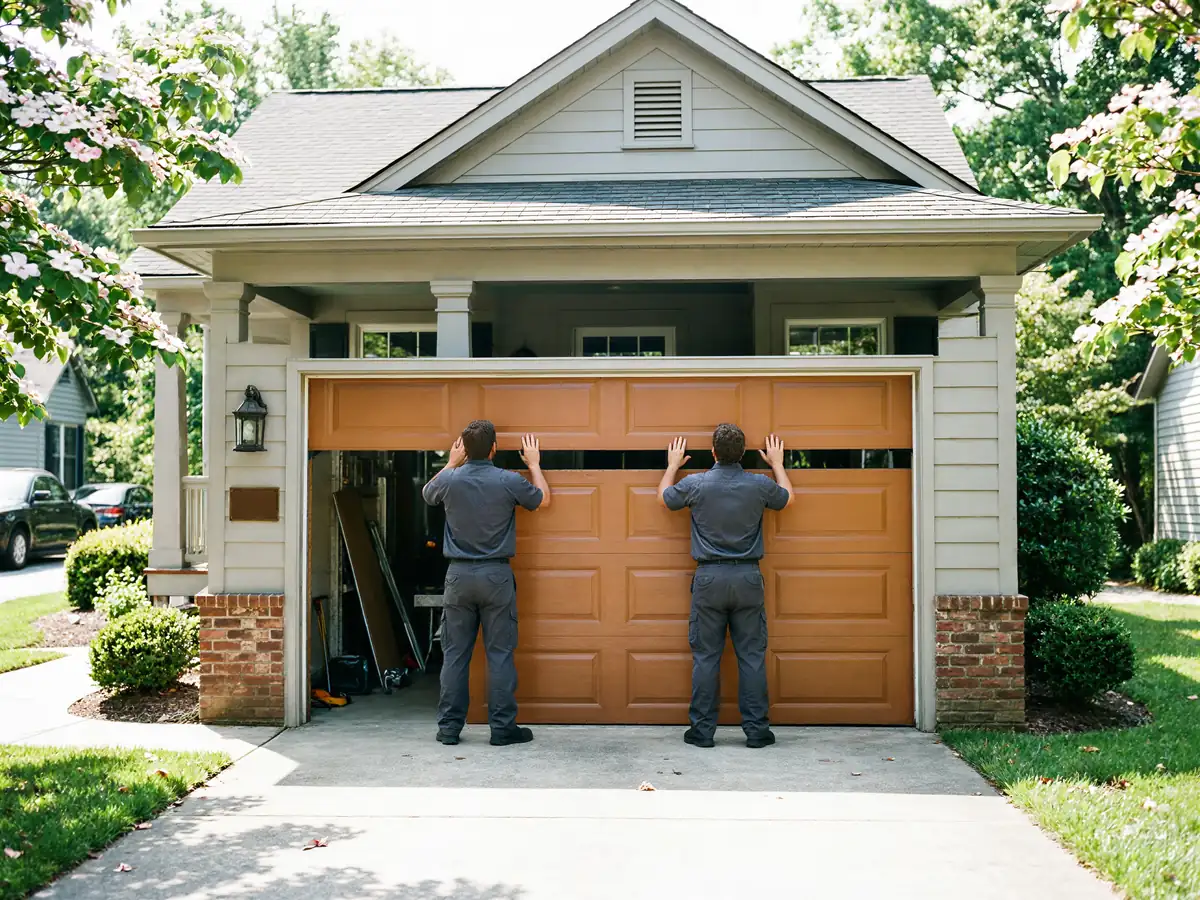
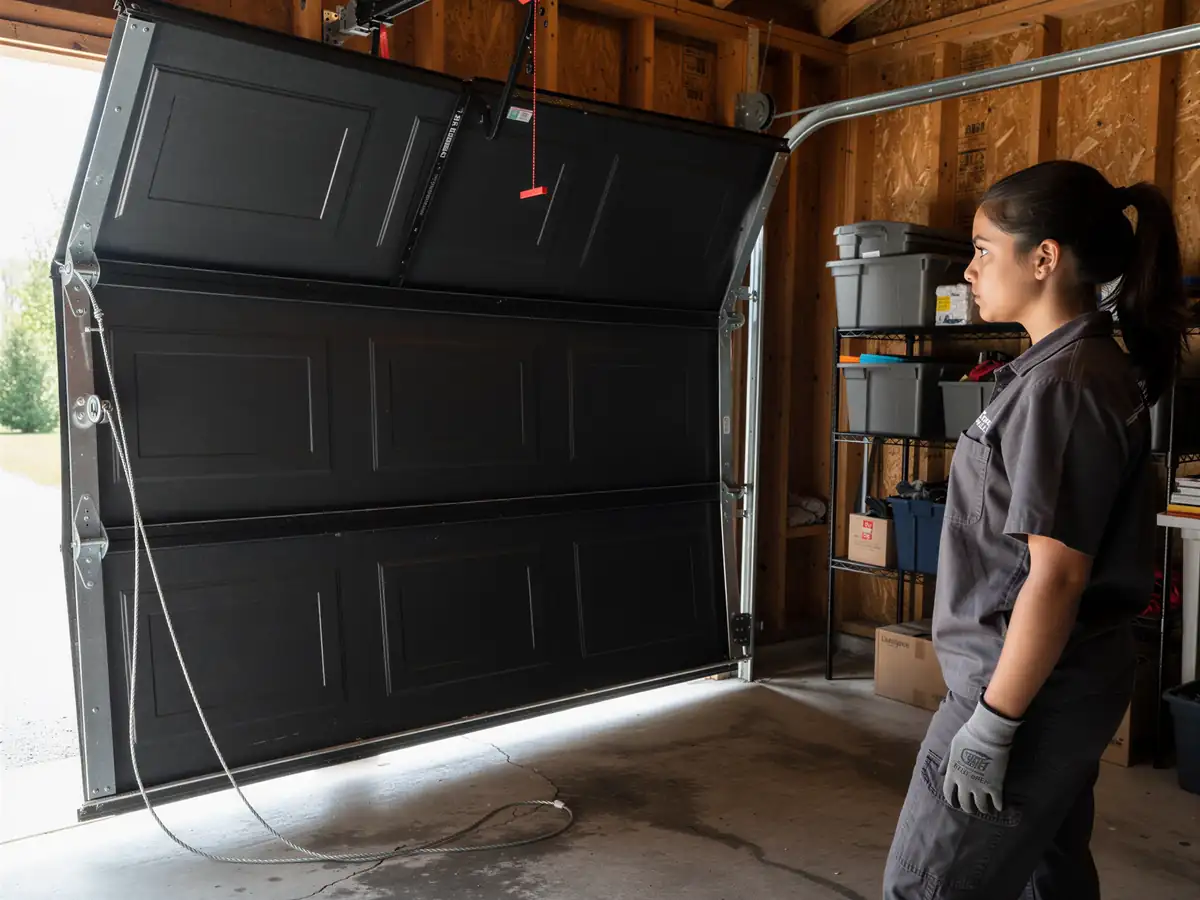
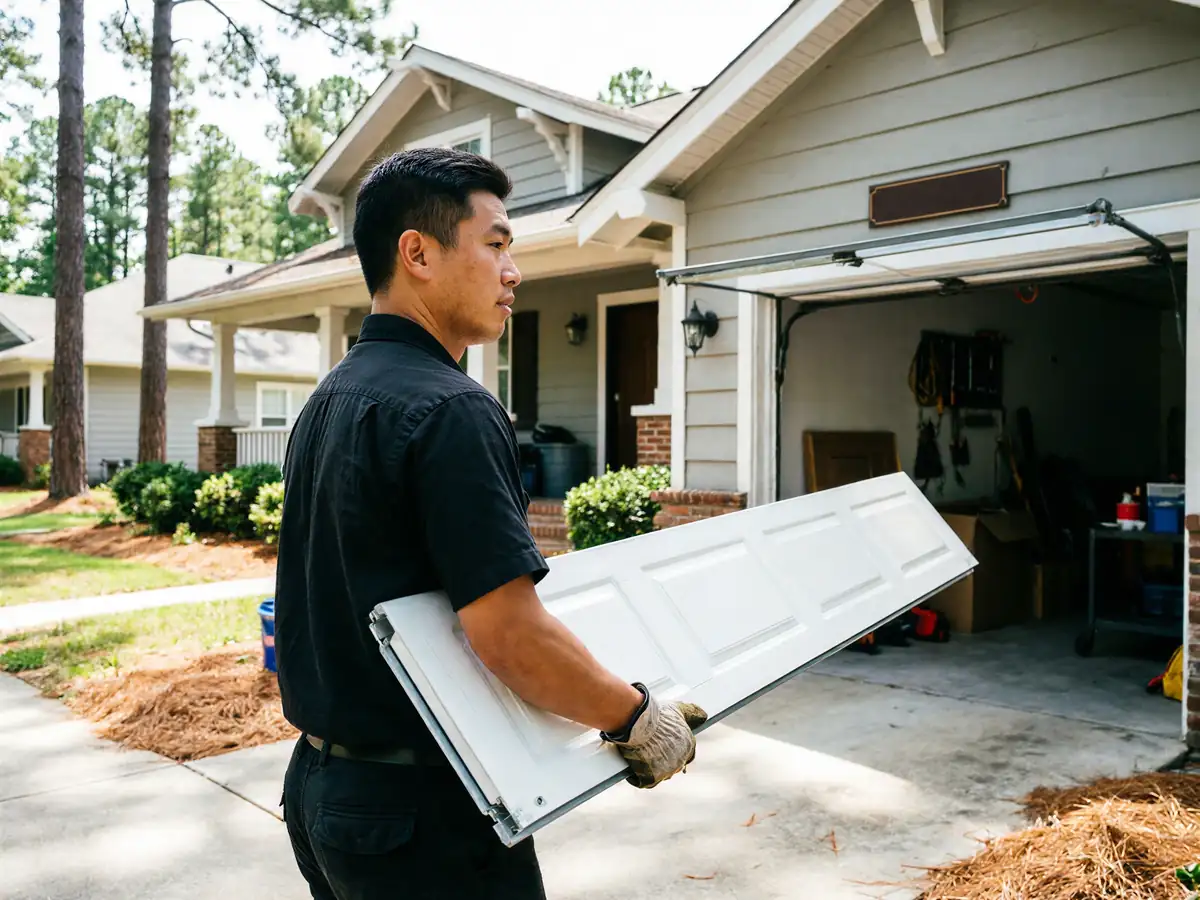
We pull the damaged section, check the hinges and rollers it was carrying, and order a matching panel by brand and profile rather than by eyeball. On doors from the 1998 build wave, that profile is sometimes out of production, so we look for a close match in size and insulation rating rather than promising an exact color or texture match - we'll tell you straight if that's the situation before we order anything. Once the new panel's in, we re-hang it on the existing track and torsion spring, check the door balances the way it should, and run it a dozen cycles to make sure the new section seats the same as the old ones. We don't repaint panels on site; if the finish doesn't match close enough for you, that's a conversation to have before we place the order, not after.
Why This Fails Locally
This part of the service area sits in a cold, moderate climate band, and that combination is hard on insulated steel panels specifically. Winter freeze-thaw cycles work moisture into any seam where the foam core meets the steel skin, and once water's inside a panel that's been there since 1998, it doesn't dry out - it just keeps expanding and contracting with the temperature until the skin bows outward or the seam splits. A single-skin door from decades earlier doesn't have this failure mode at all; it just dents. Bermuda Run's newer insulated stock fails differently, and a lot of homeowners mistake a bowed panel for a dent and ask for a dent repair, when the fix is a full section swap. We check for this before we quote, because treating a bowed panel like a cosmetic dent means it's back to bowing again within a season.
How Long You Are Without the Door
A single panel swap, once we have the right part in hand, usually takes us a couple of hours on site. The part is the bottleneck, not the labor - if your door's panel profile is one of the discontinued 1990s runs, we may need to source it before we can book the install, and we'll tell you that lead time up front rather than guess at it. In the meantime the door still operates on its remaining panels; a damaged section slows the door down and strains the opener, but it won't usually leave your garage unusable while you wait on the part.