How We Get to You
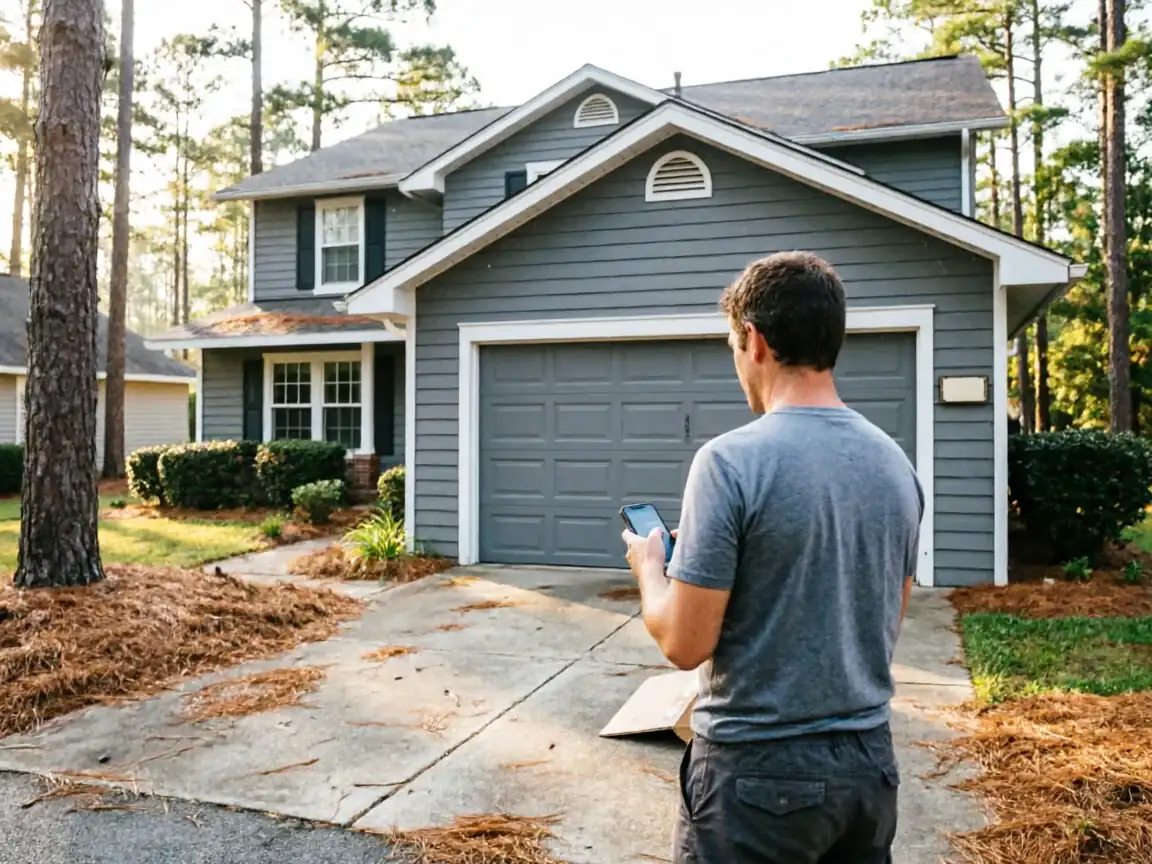
We run out of Winston-Salem
And Walkertown sits about 6 miles out, which puts it near the front of the truck's route most days. We don't keep a depot in Walkertown itself - nobody local does, as far as we've found - so every job here is a drive-out call, same as it would be for Rural Hall or Tobaccoville. That's worth saying plainly: we're not down the street, we're a short trip away, and we schedule accordingly rather than pretending otherwise.
- 6 miles
What that drive buys you is a crew that sees a lot of doors in one morning across a cluster of towns at similar distances
Walkertown, Rural Hall, Kernersville, all inside a 6 to 10 mile ring. We're not guessing at what a Walkertown garage looks like when we show up; we've usually just come from one that's built the same way.
- 10 mile
The honest limit here
If a spring lets go at 6am on a Tuesday, we're not already parked outside. We'll get there, but we're coming from Winston-Salem like we do for every stop on this list, and that drive is part of the job, not an inconvenience we hide from you.
What That Means for Doors
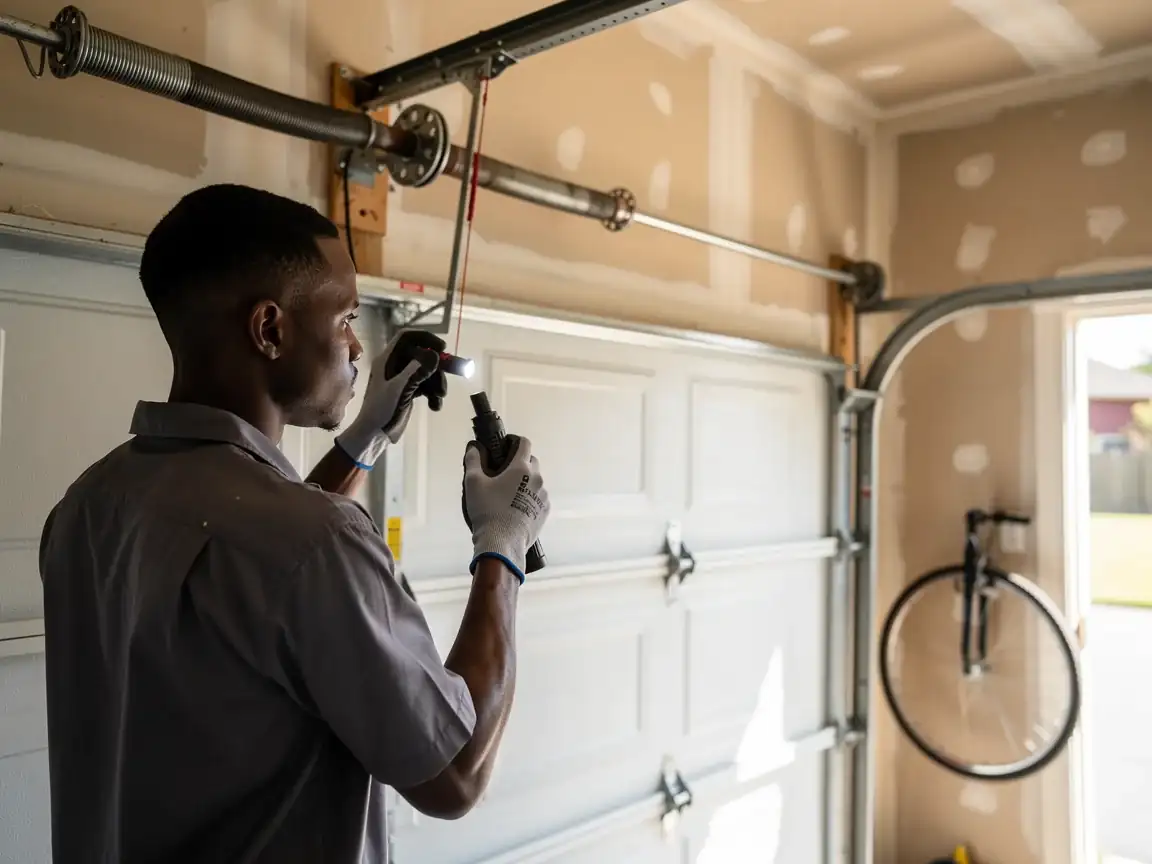
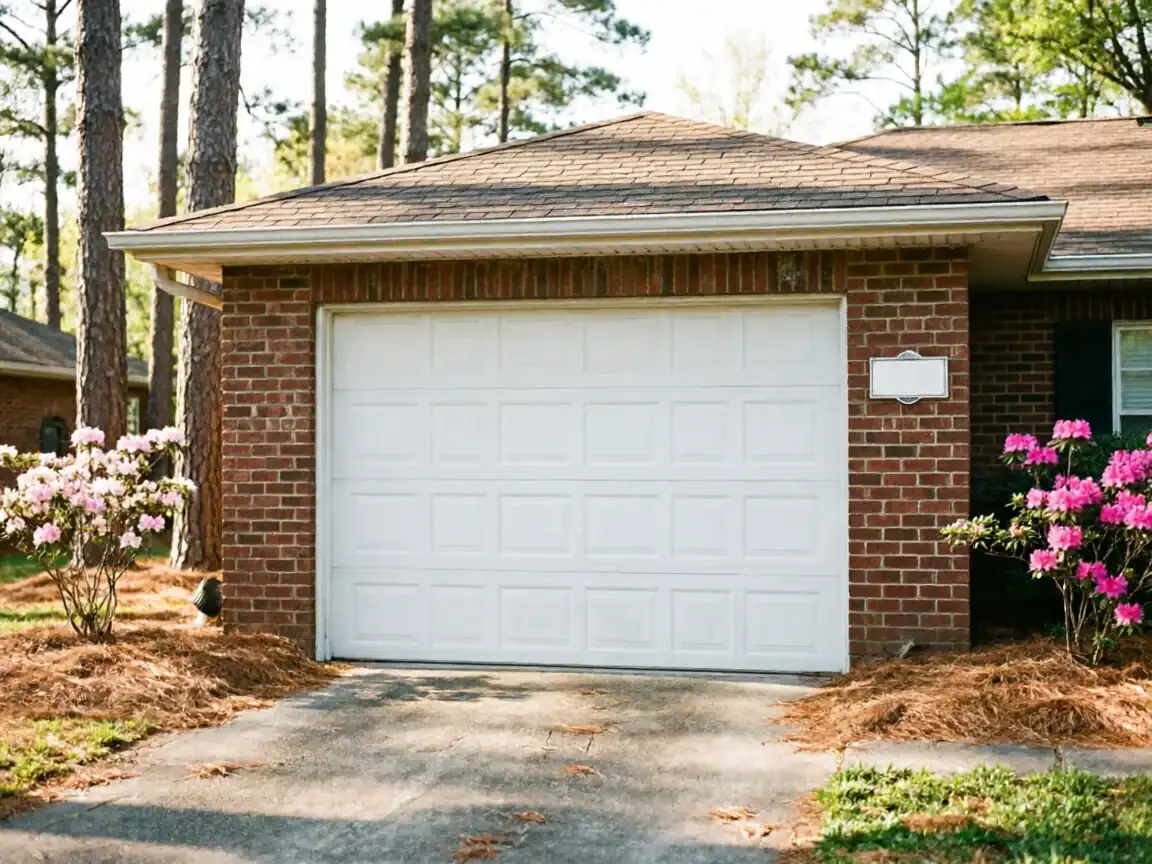
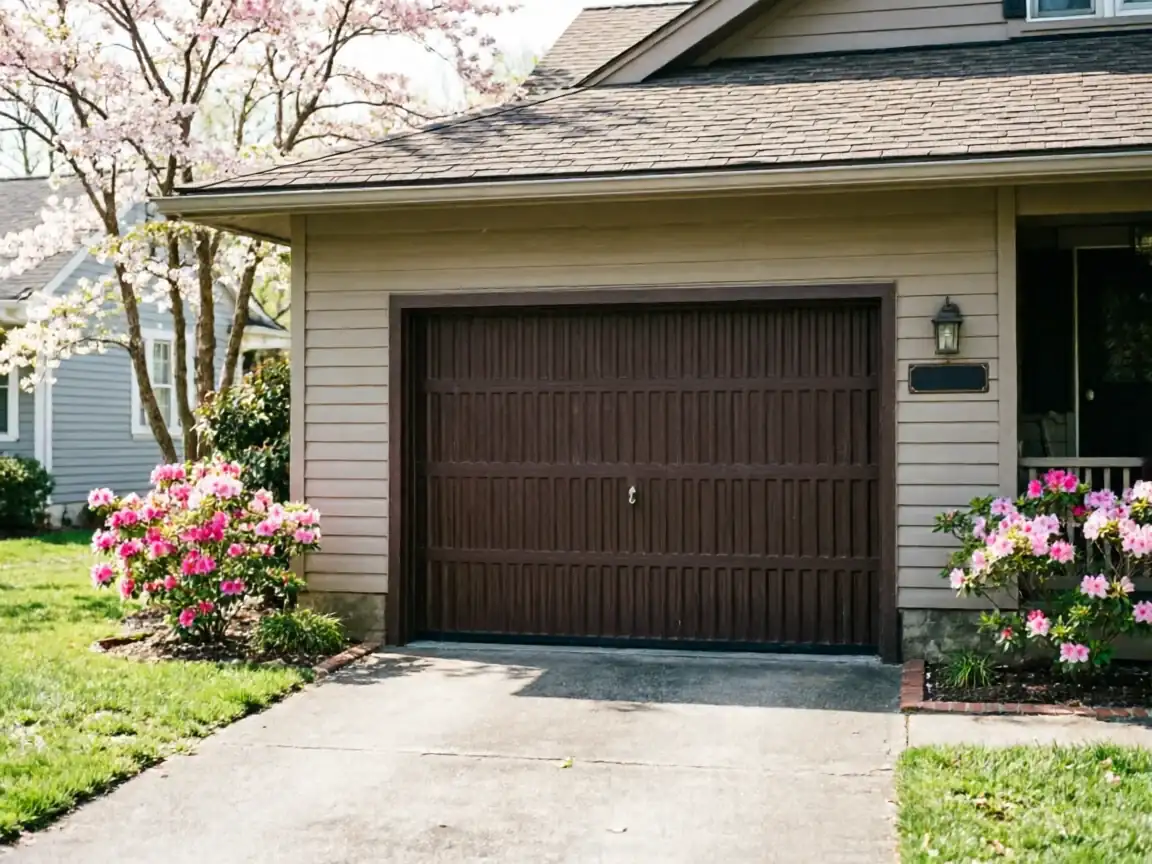
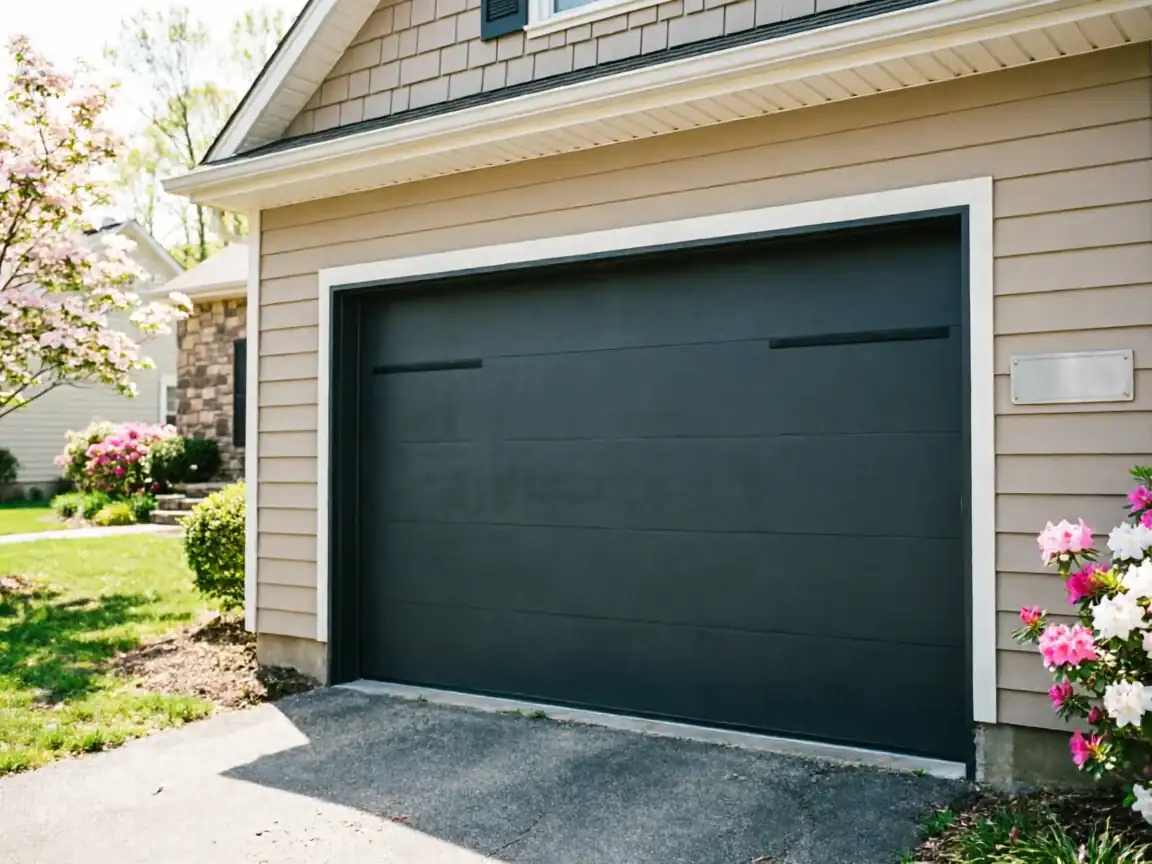
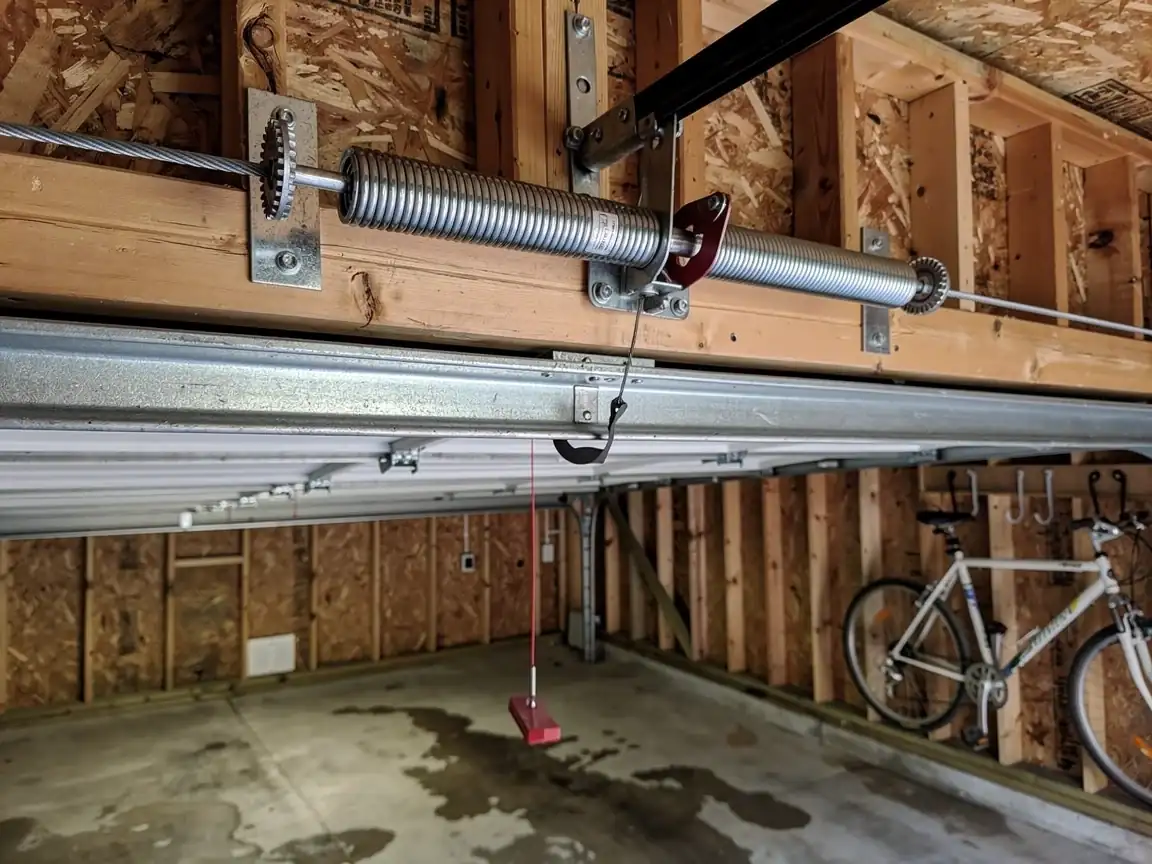
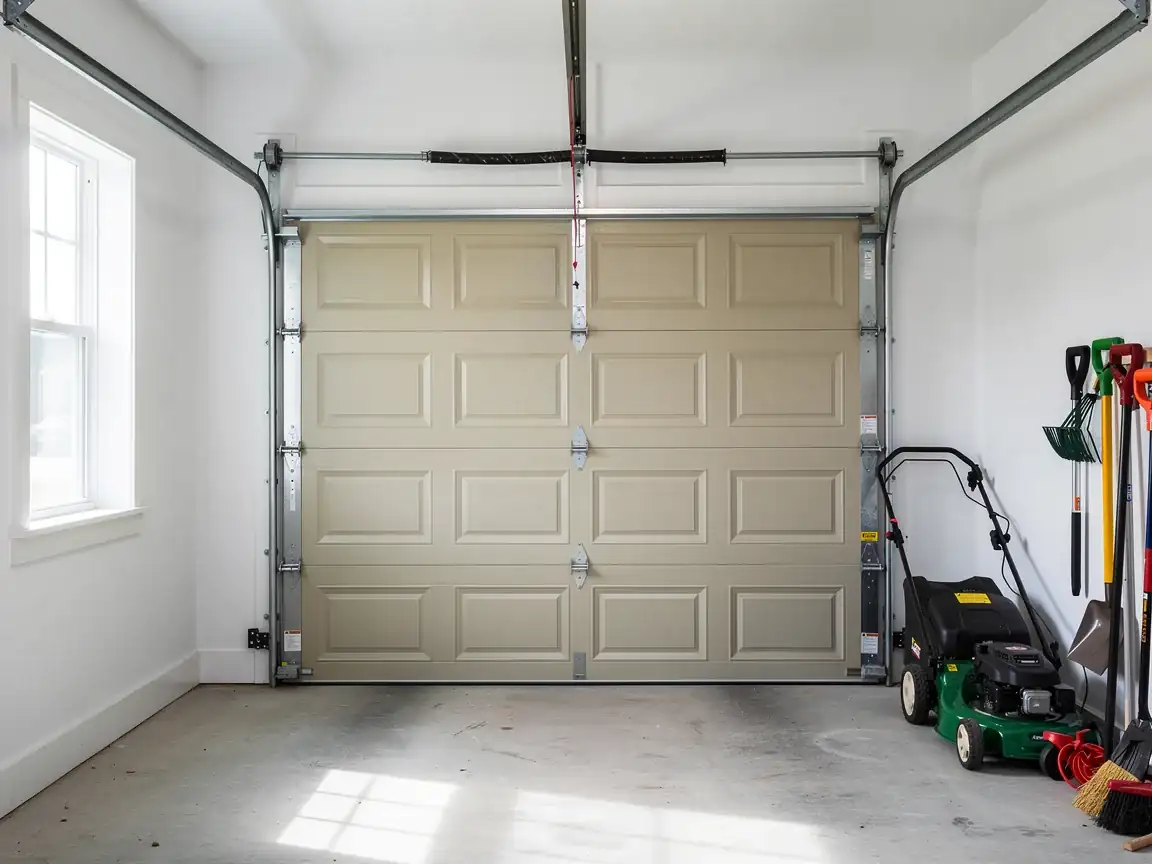
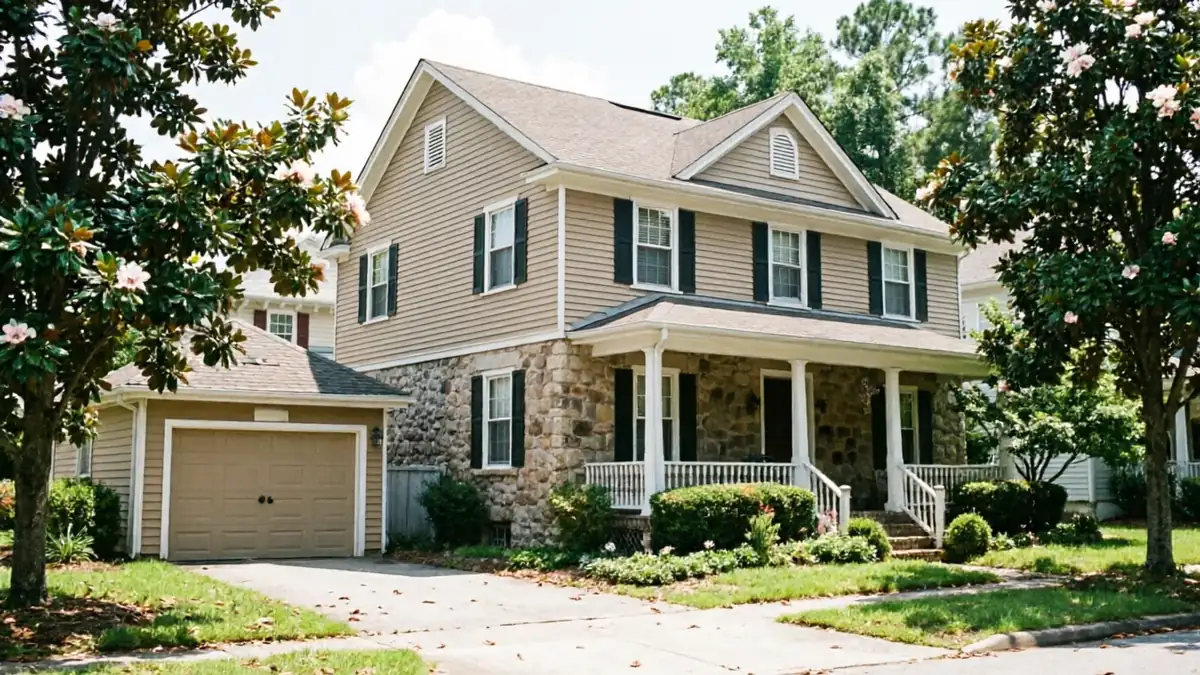
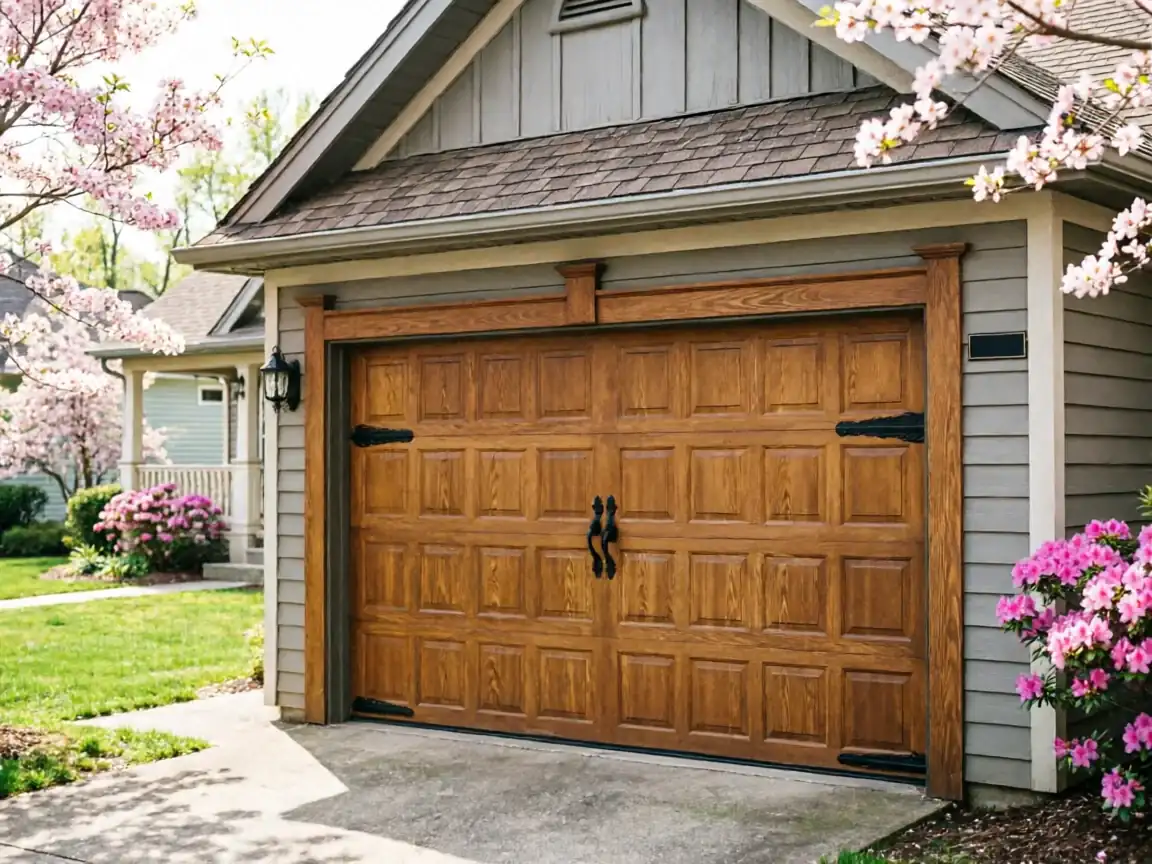
Walkertown's housing stock centers on 1993, which puts it a little newer than the wider service area's median build year of 1987. That six-year gap matters more than it sounds like. Doors going up in the early-to-mid 90s were mostly steel sectional panels on torsion springs with center-mounted hardware - a real step up from the one-piece and extension-spring setups common in the 1970s stock nearby. If your opener is original to the house, it's more likely a chain-drive unit from that era, which is noisy by design, not because something's wrong.
What we see less of in a Walkertown house than in an older neighborhood: side-mounted torsion springs, flimsy single-layer panels, and openers with no safety reversal at all. What we see more of: springs that are now 30-plus years old and due, regardless of how good the hardware was when it went in, and rollers that have worn out two or three times over without anyone upgrading the track they run on.
The region sits in a cold-moderate climate band, which doesn't batter doors the way true winter cold does, but it does mean steel contracts and expands enough over three decades to loosen fasteners and stiffen old lubricant - a slow problem, not a dramatic one.
What Was Built Here
Walkertown has around 2,292 households, a smaller, tighter base than some of the other towns we cover, and a median household income of $80,761 - above the wider service area's $78,821. That income level tends to show up in the work: more owners replacing a door outright rather than patching it repeatedly, more interest in insulated steel over bare panels, more openers with battery backup added after the fact rather than left out.
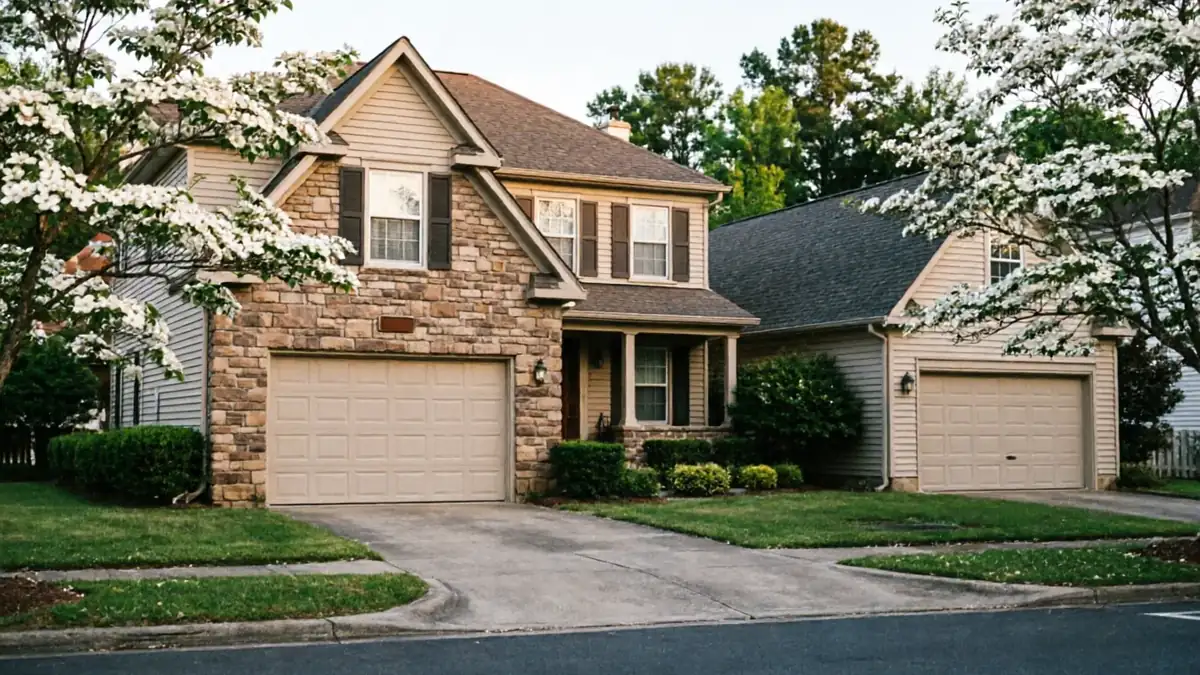
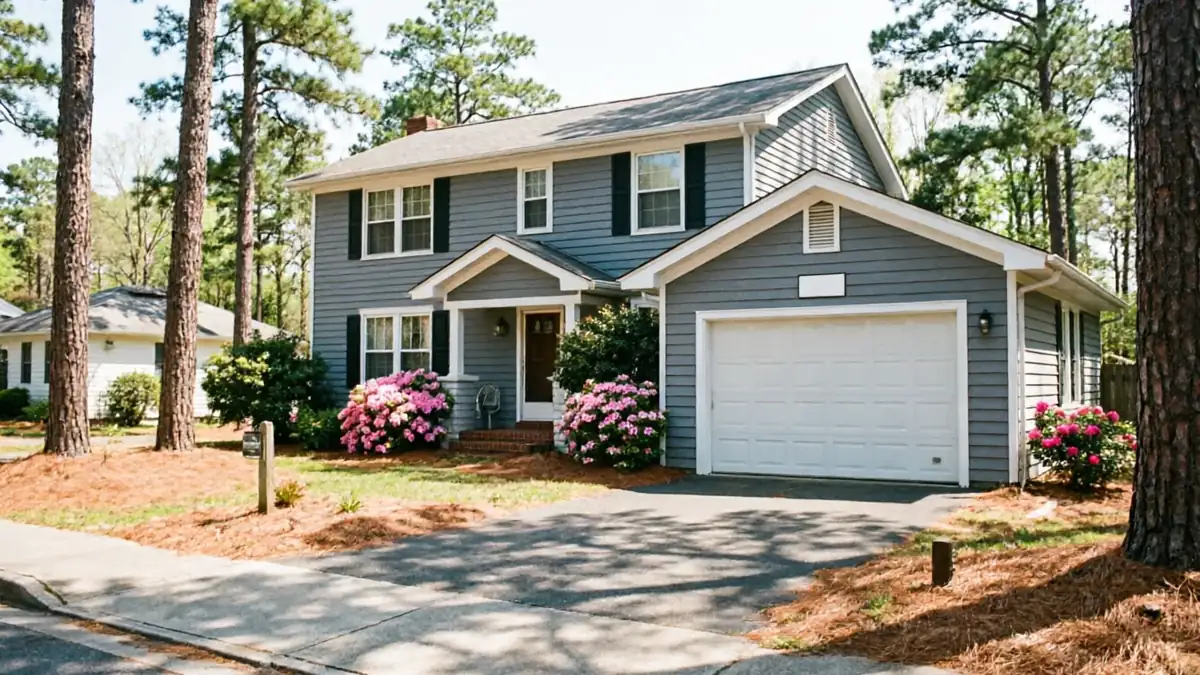
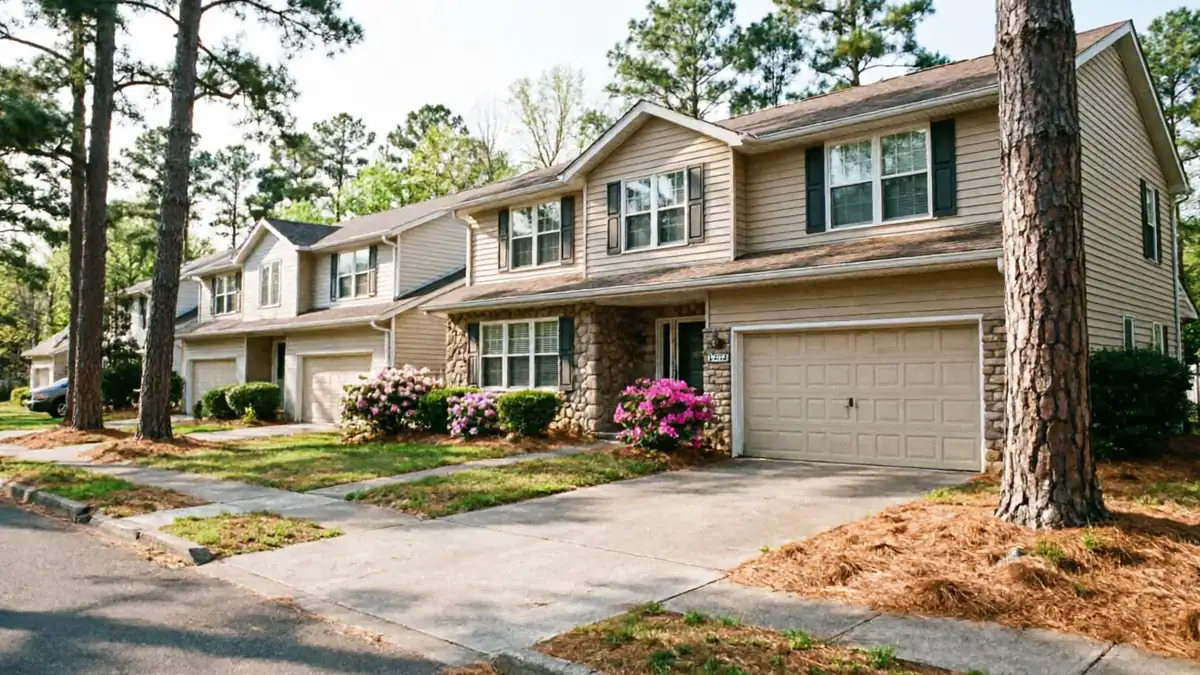
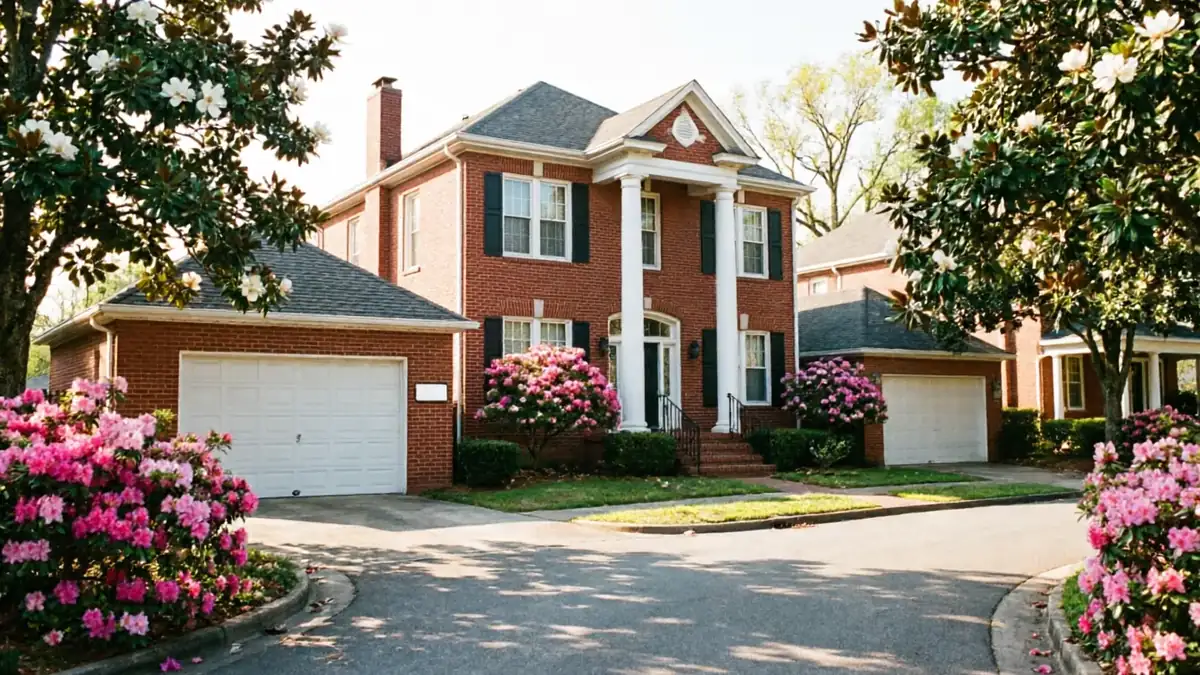
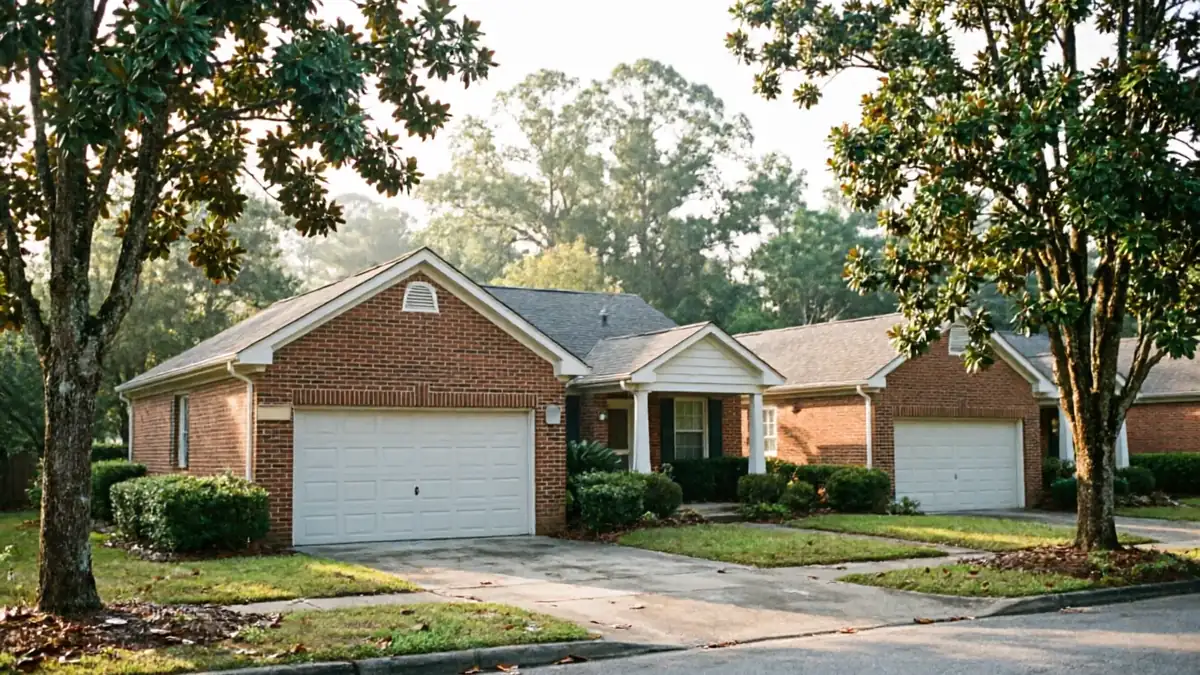
Across the broader service area, housing generally dates from 1973 to 2002, and Walkertown's 1993 median sits comfortably inside that run, closer to the newer end. That means fewer of the oddball doors we find in the oldest pockets of the region - no wood-frame one-piece panels needing custom track - but it also means a lot of original torsion springs are now entering the age where fatigue failure, not damage, is the likely cause of a sudden snap.
We don't have data on specific neighborhoods or streets inside Walkertown, so we won't pretend to name them. What we can say is the town's build era puts it in a fairly consistent bracket, which makes diagnosing a call here more predictable than in a town with a wider spread of ages.
What People Here Ring About
Given the 1993-era stock, the calls we'd expect from Walkertown lean toward torsion spring failure on doors that have simply aged out
Worn rollers on steel tracks original to the house, and chain-drive openers that have gotten loud or slow to respond after 30 years of use. Panel damage from a backed-into door shows up everywhere regardless of build year, so that's not specific to this town, but the spring and opener age-out pattern is tied directly to when the house went up.
- 30 years
We also expect a fair number of opener replacement calls rather than repair calls
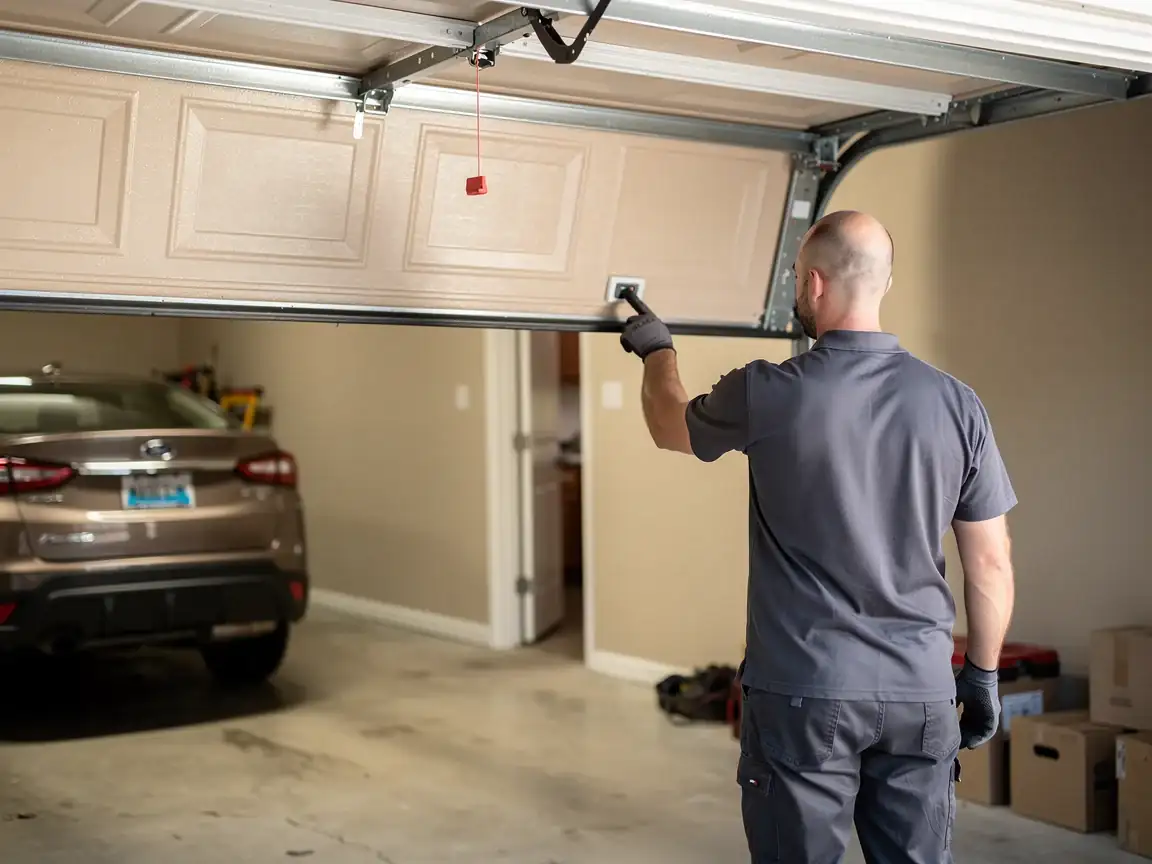
Since a chain-drive unit from the early 90s has likely outlived its working life even if it still runs - the logic board and safety sensors on those units weren't built to today's standard. If yours still has the manual-only reversal test and no photo-eye sensors at the bottom of the track, that's worth bringing up when you call.
One limitation worth naming here
If a spring has been painted over or welded by a previous repair, we may need to see it in person before quoting, rather than over the phone, because that changes what the fix actually involves.