What That Means for Doors
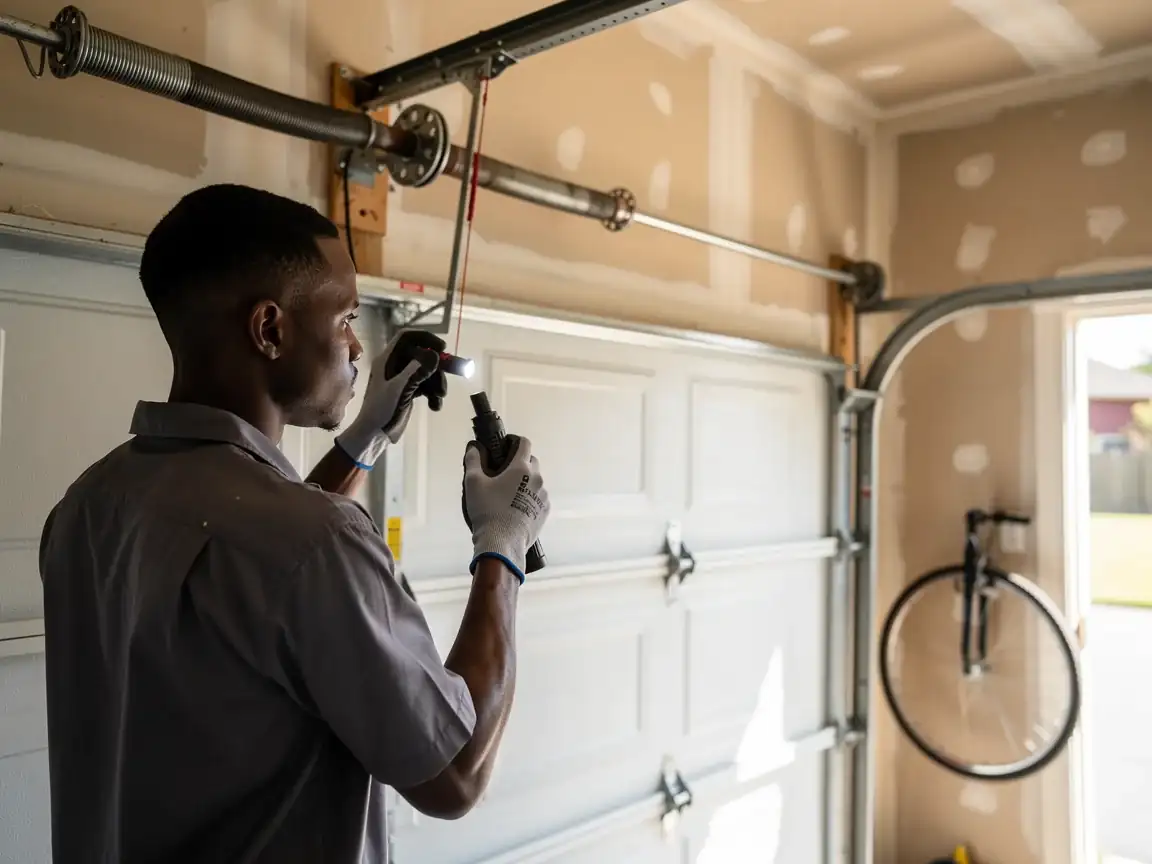
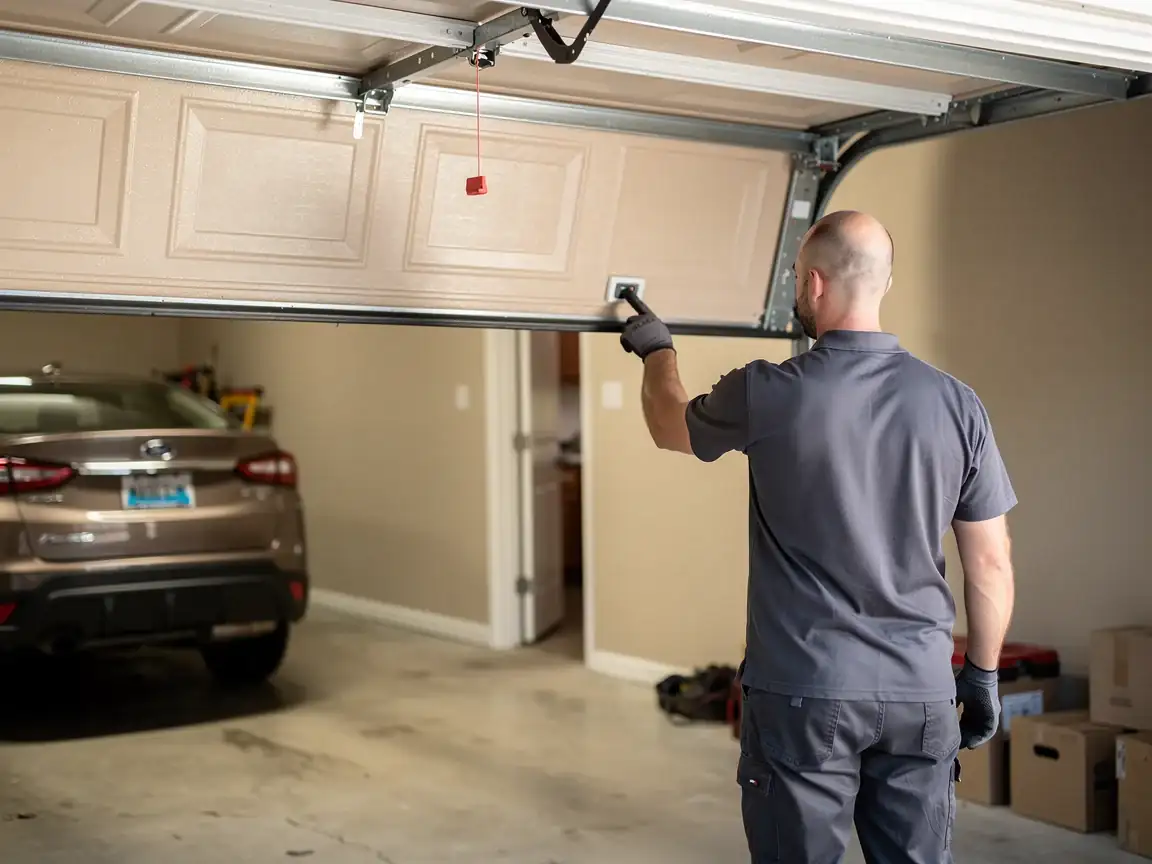
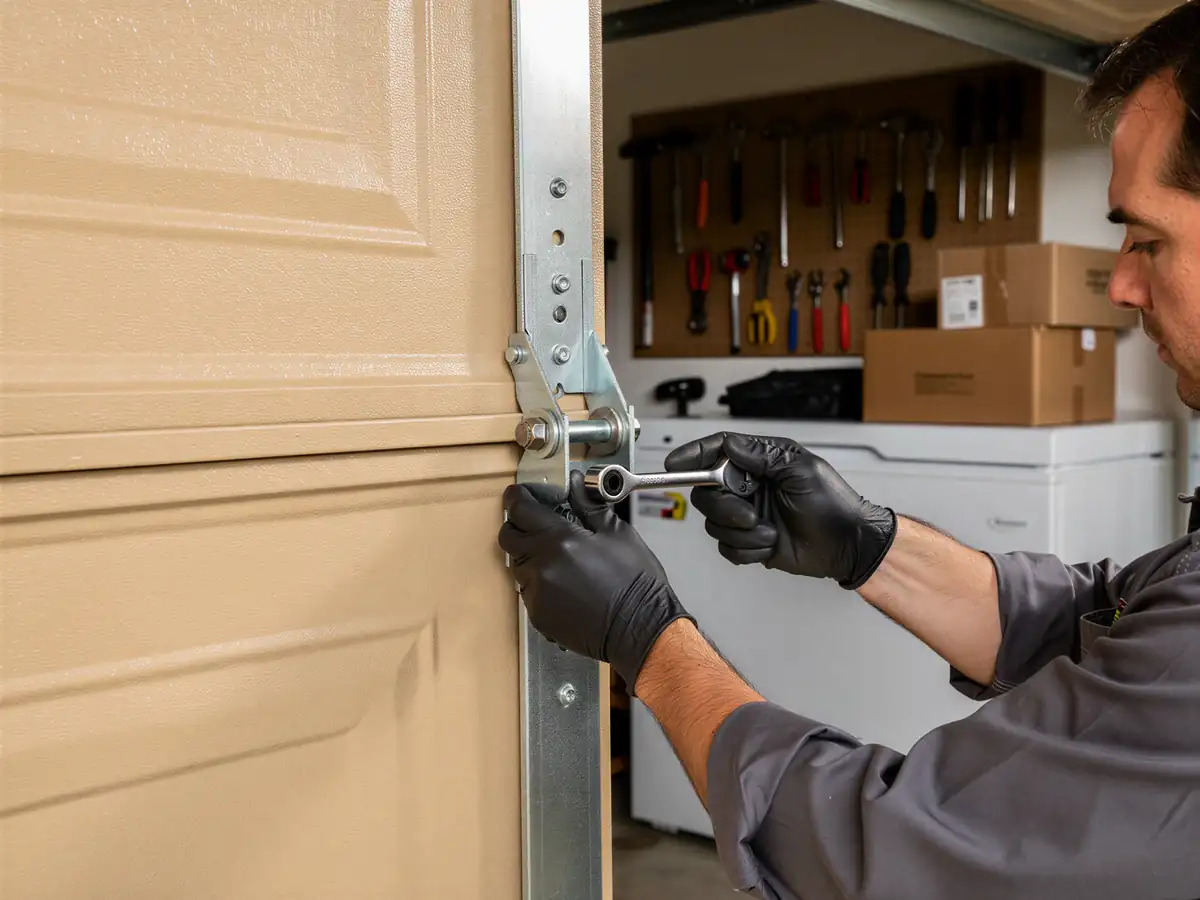
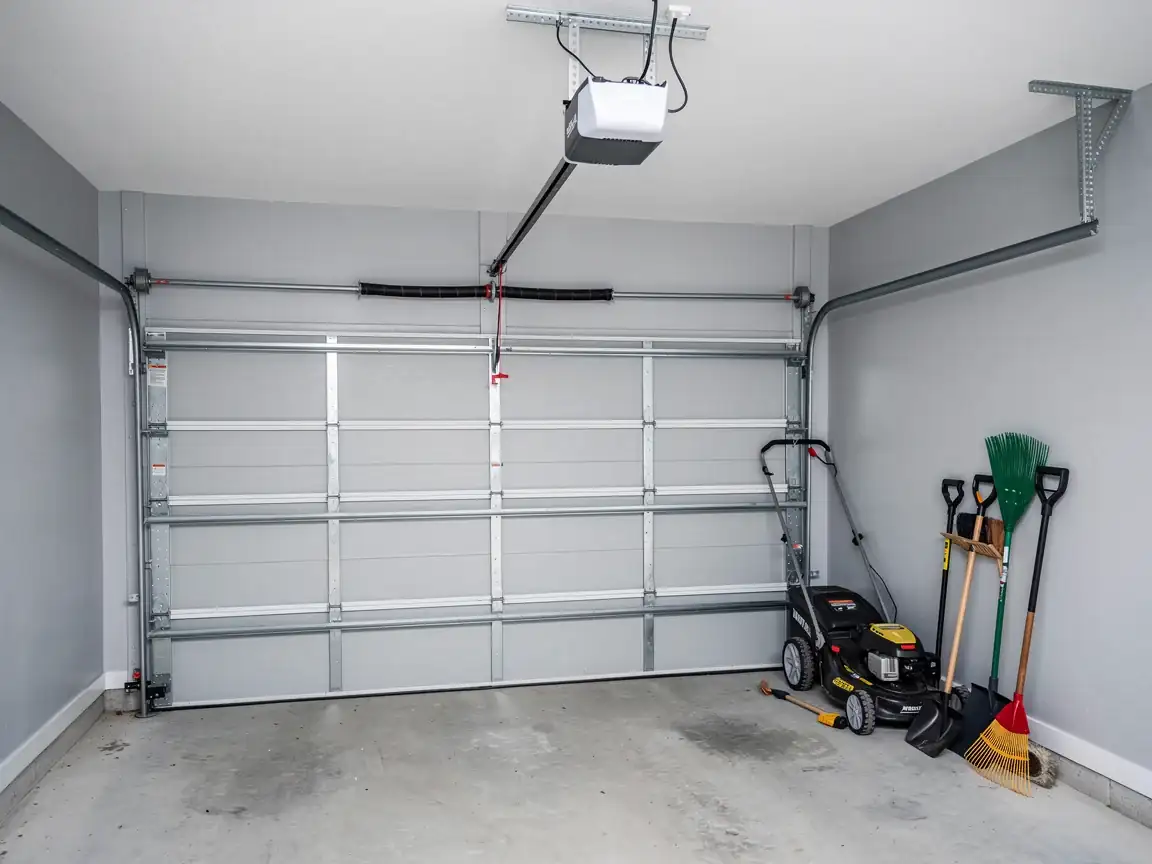
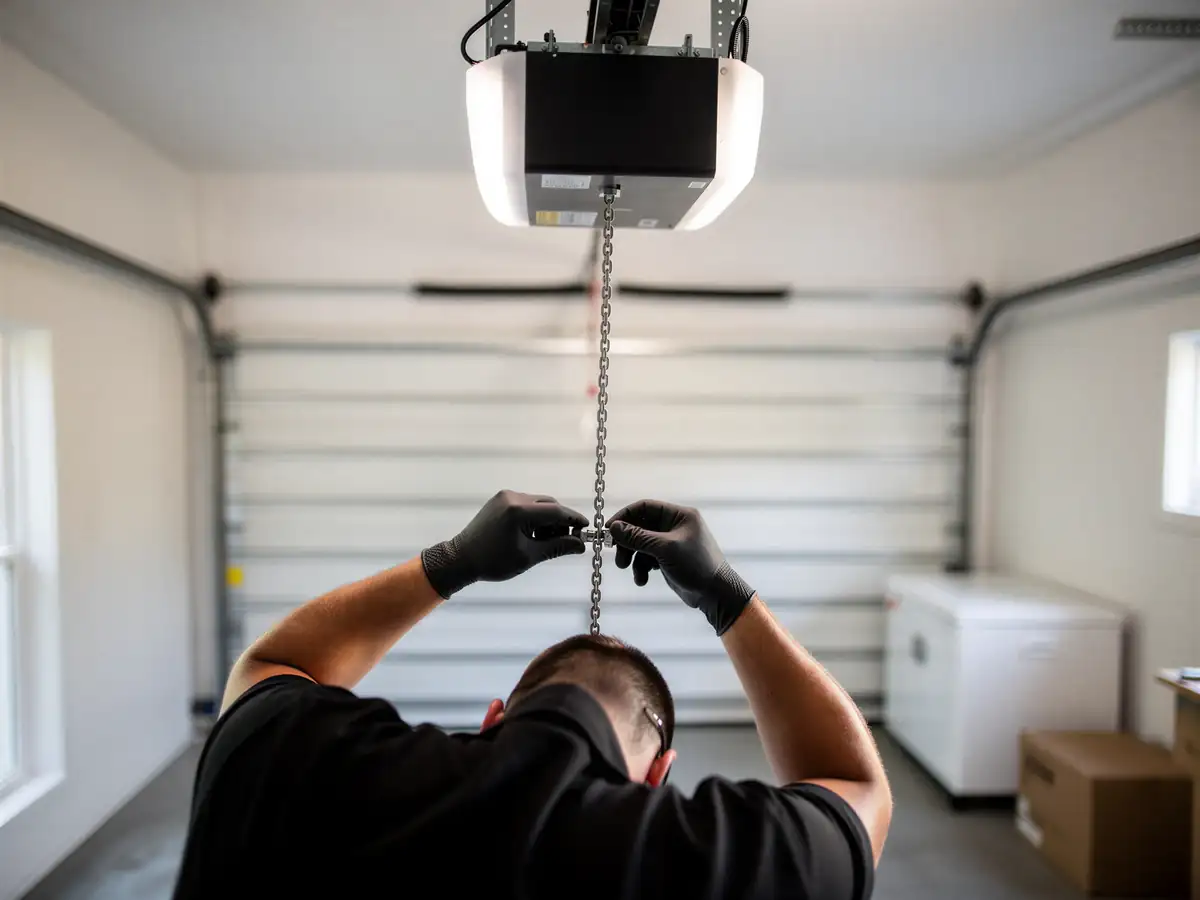
Tobaccoville's housing is a touch older than the service area as a whole - median year built here runs around 1980, versus 1987 across the broader footprint we cover. Seven years doesn't sound like much until you're standing in front of the hardware. Doors from that earlier stretch were more often installed with single-spring torsion setups rated lighter than what's standard now, and openers from that era (where they haven't already been swapped once) are chain-drive units without the safety-reversal sensors that became standard later. We see more originals-still-in-service here than in the newer pockets of the area. That's not a knock on the houses - it just means when something finally gives, it's often original equipment at 40-plus years, not a 15-year-old replacement. Parts for that vintage aren't always on the shelf; some brackets and drums take a day or two to source. We'll tell you straight if a repair is worth it or if the door's age means replacement is the better dollar.
What Was Built Here
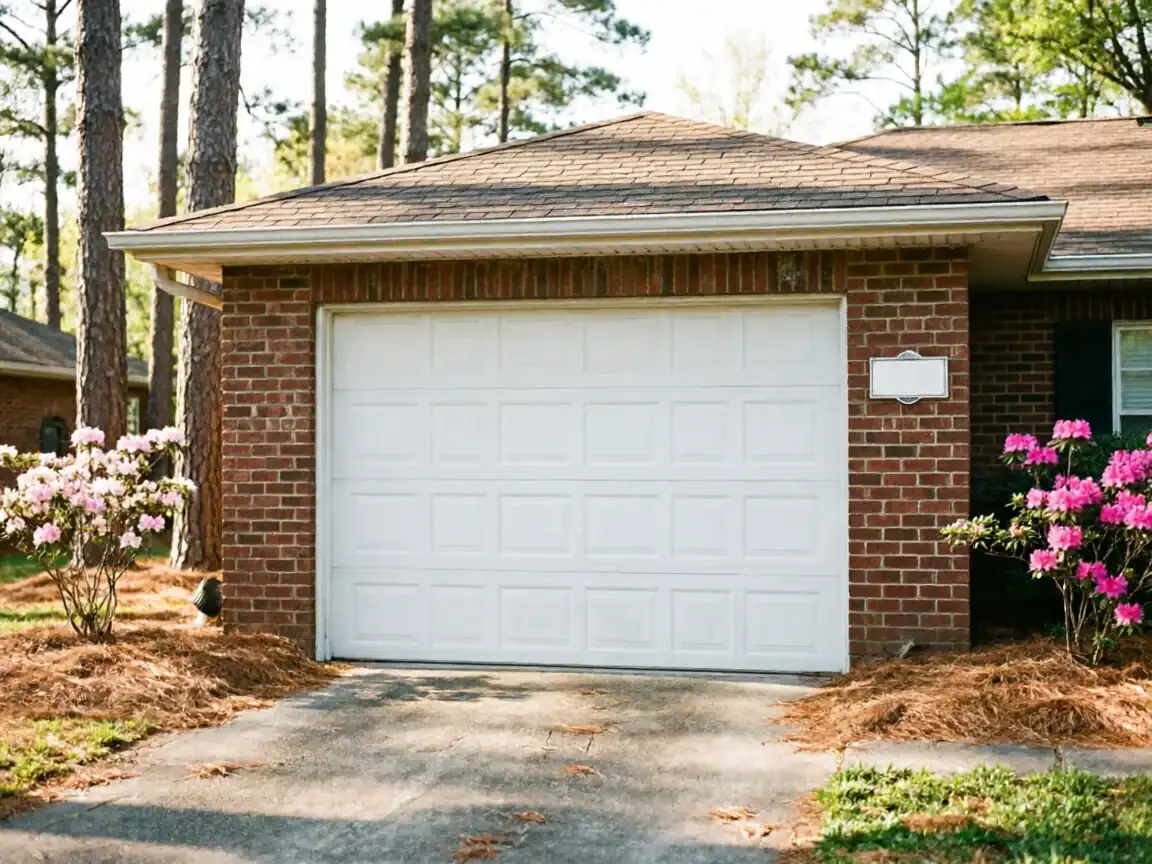
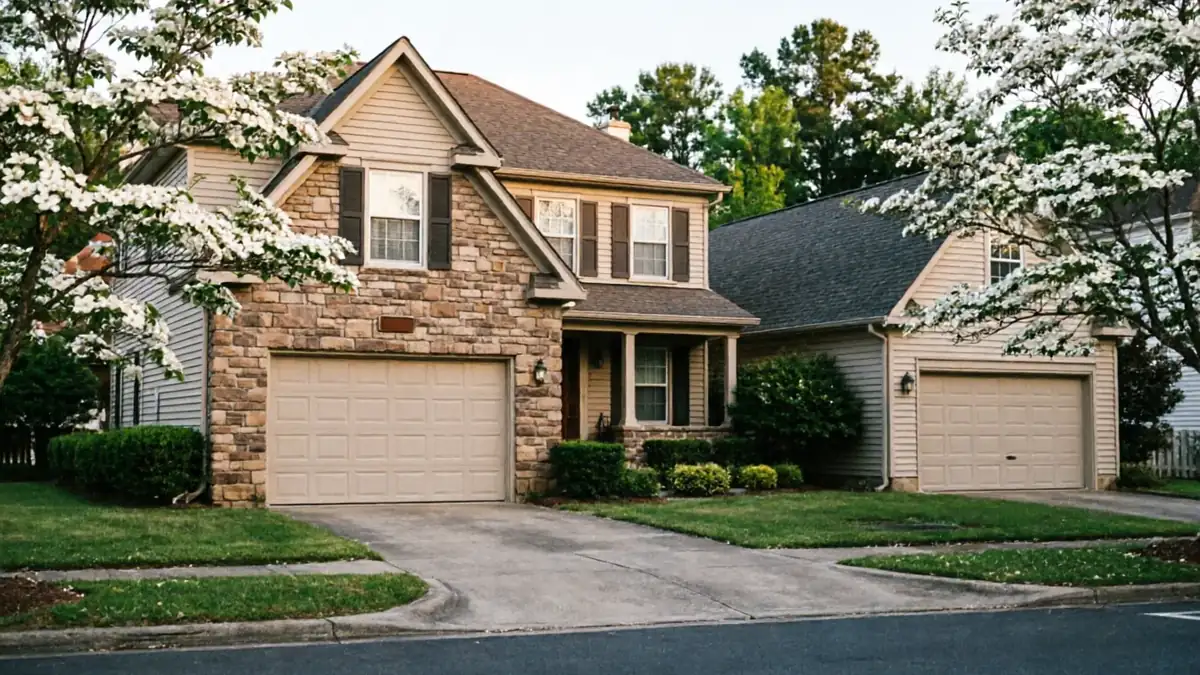
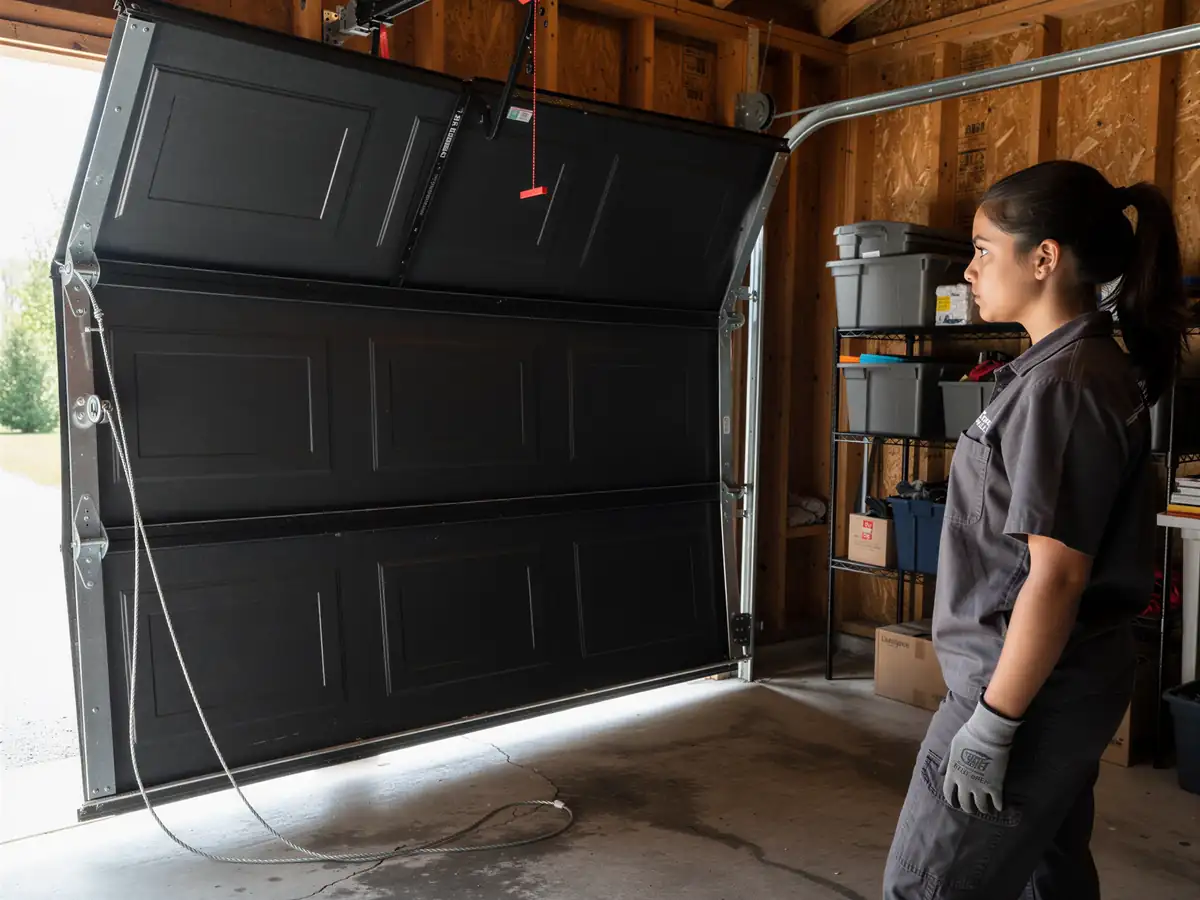
Tobaccoville is a smaller slice of the area we cover - around 978 households, against roughly 56,928 across the full service footprint. Median household income here sits at about $78,591, close to the broader area's $78,821, so the housing itself, not income, is what drives the pattern of calls. A smaller, older town like this tends to have less churn - fewer new builds, fewer first-time opener installs, more houses where the original door has simply been running since the 1980s. That's consistent with what we see on calls out this way: more wear-pattern failures (cables, rollers, worn torsion springs) and fewer brand-new-opener glitches. We cover the area under a cold-moderate climate band, which matters less for the door itself and more for the opener's gears and the weatherstripping, both of which stiffen up and fail more often in winter than in July.