What Is on the Truck
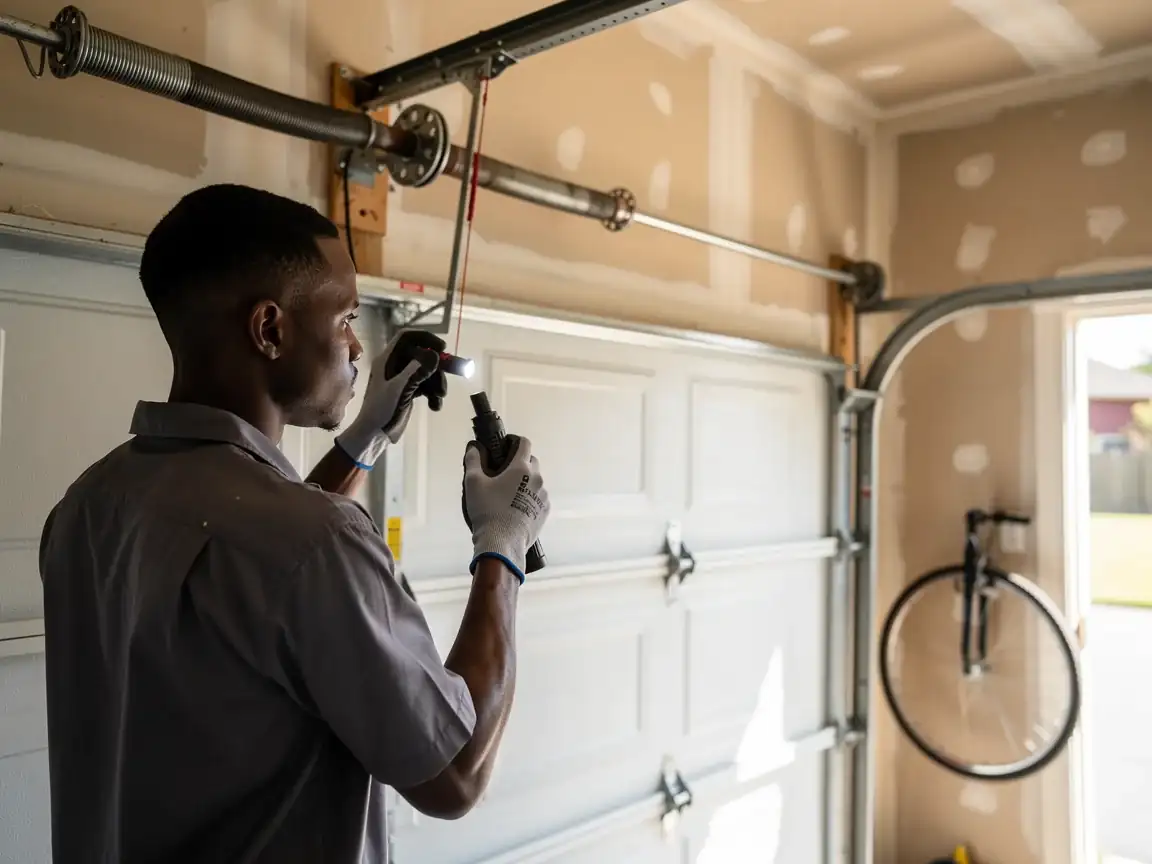
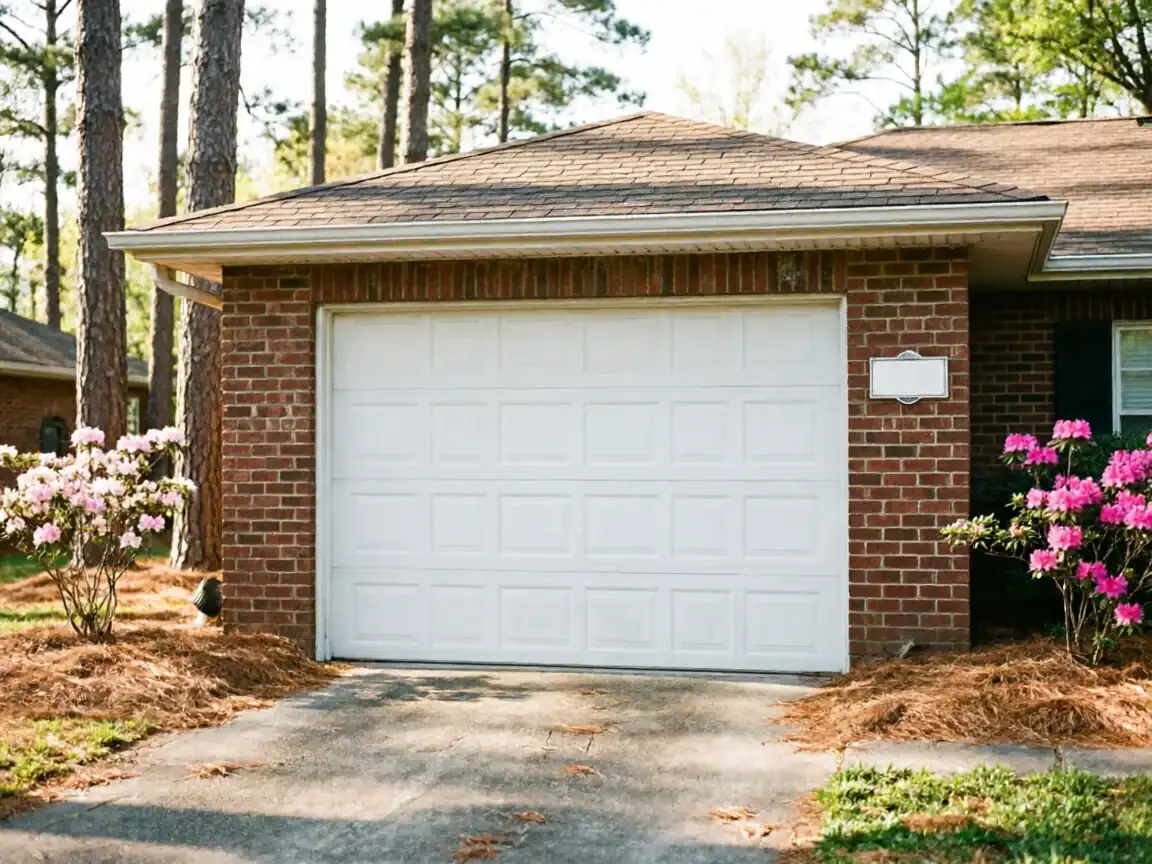
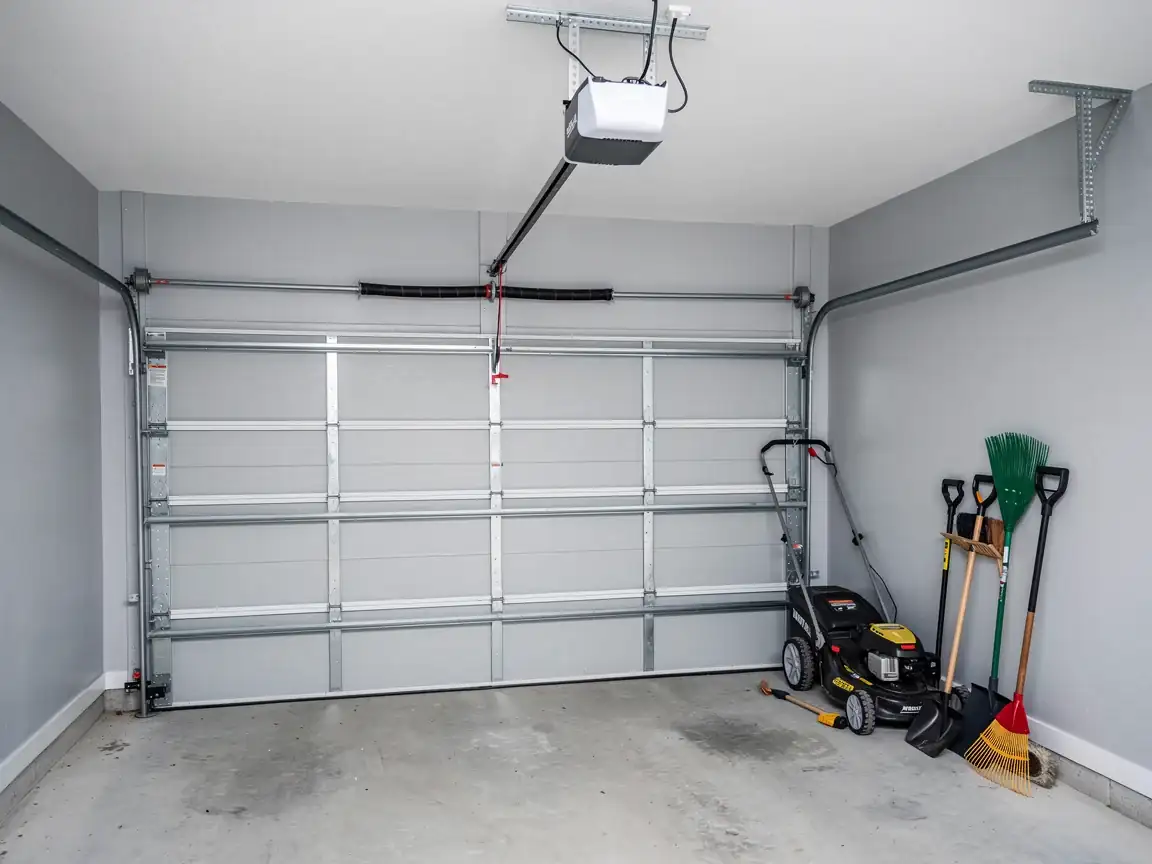
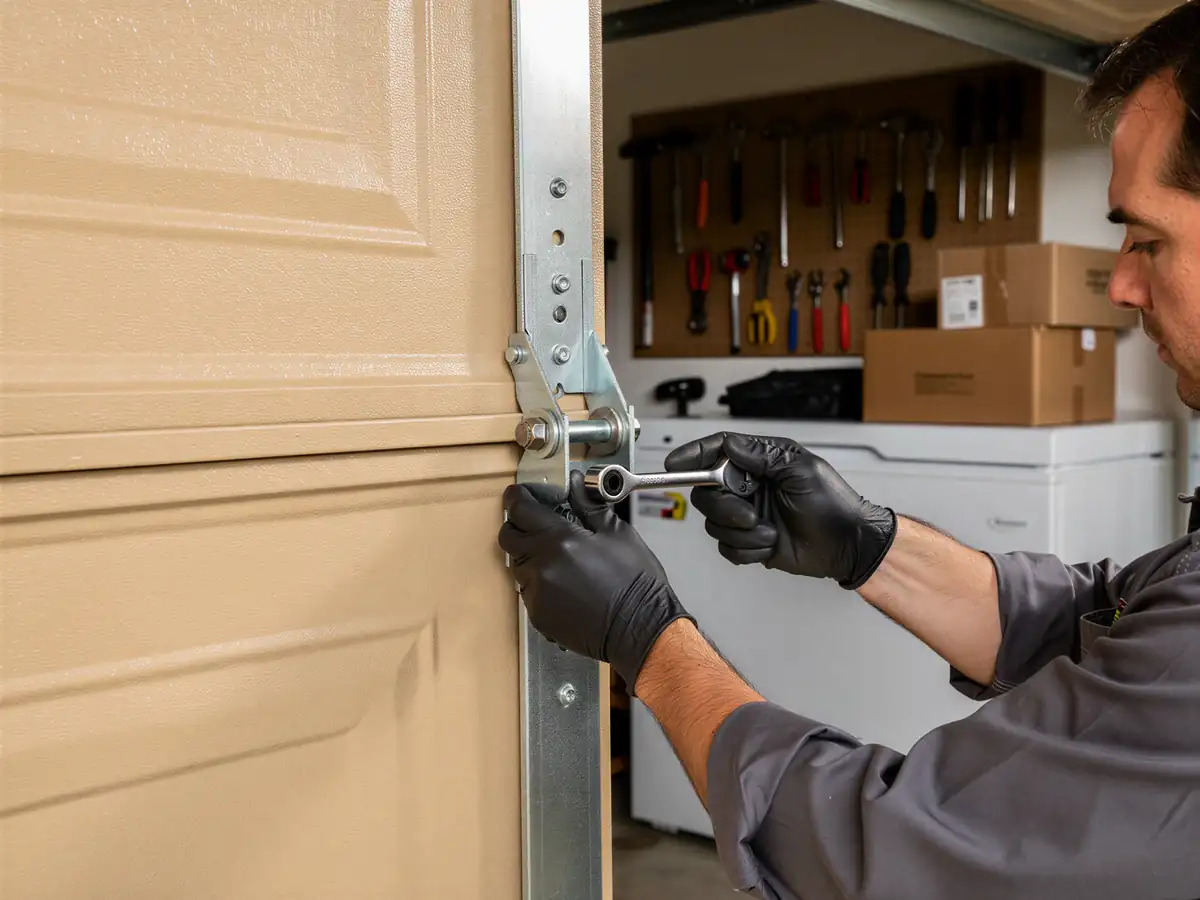
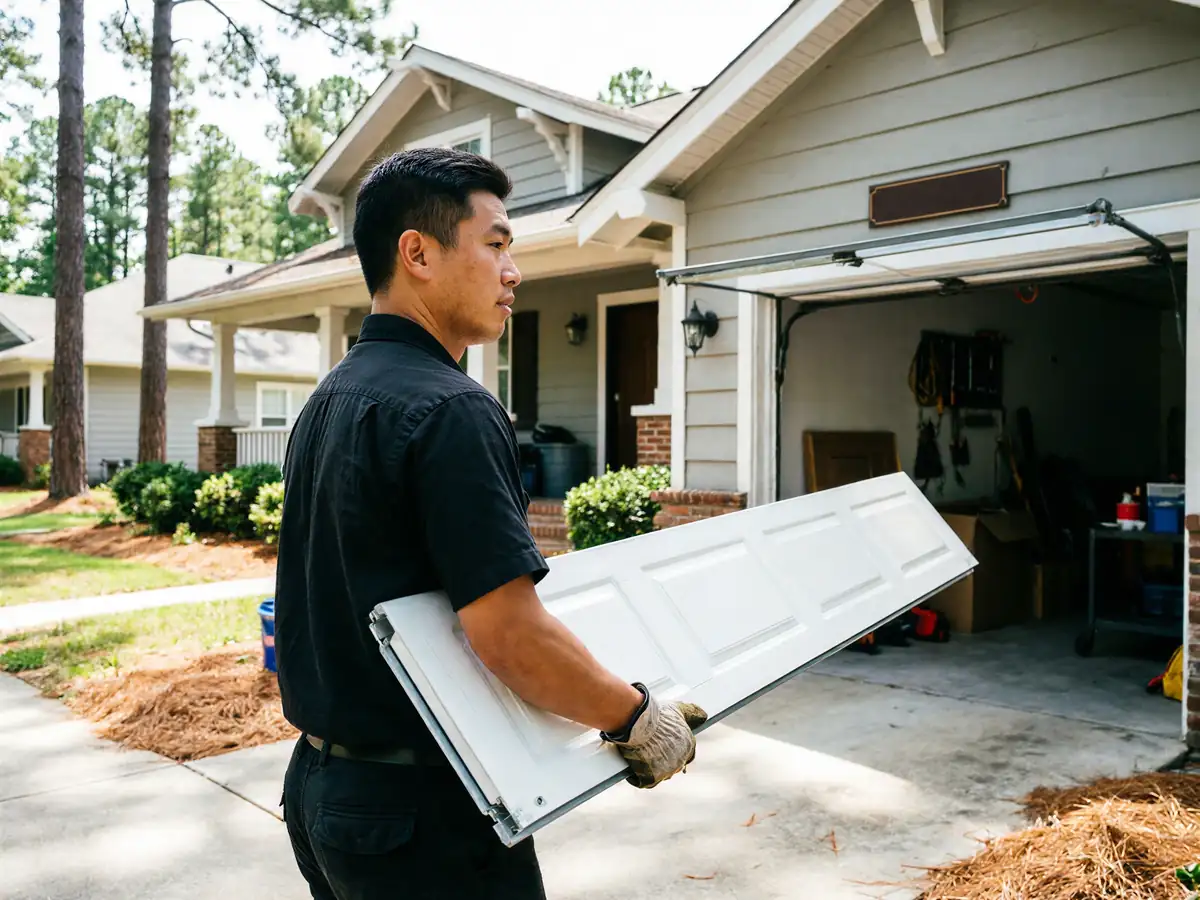
Most Tobaccoville houses went up around 1980, which puts the original door hardware squarely in extension-spring territory - two springs, a pulley and cable on each side of the track, not the single torsion bar that came standard a decade or so later. We carry both setups because this suburb's stock skews older than a lot of the rest of the service area, where the median build year runs closer to 1987. On a steel single-car or double door from that era, the rollers are usually plain steel on a track gauge that doesn't match newer nylon rollers without an adapter bracket, so we keep those on hand too. What we don't stock heavy is anything custom - wood carriage doors or oversized openings aren't common on 1980s construction here, so if your door isn't standard steel, tell us the size when you call.
Can You Do This Yourself
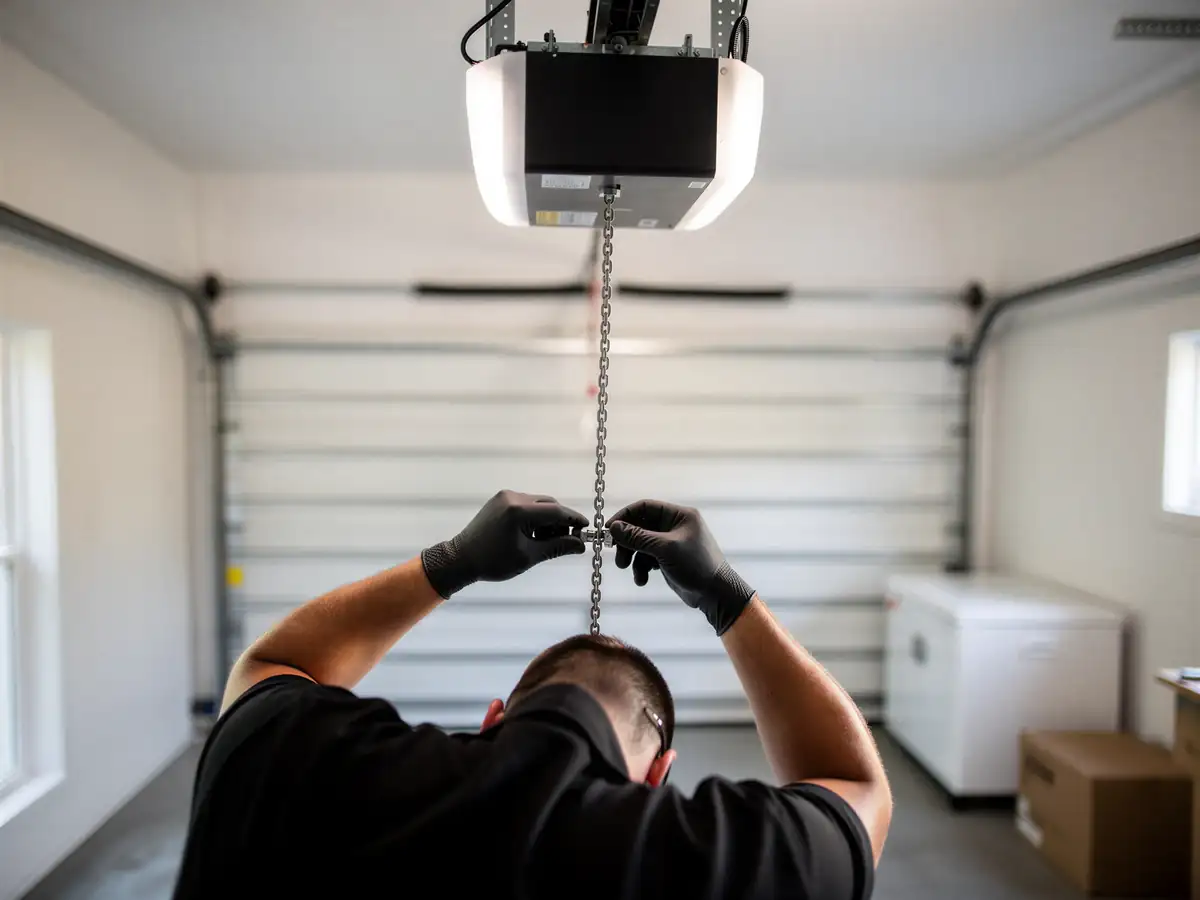
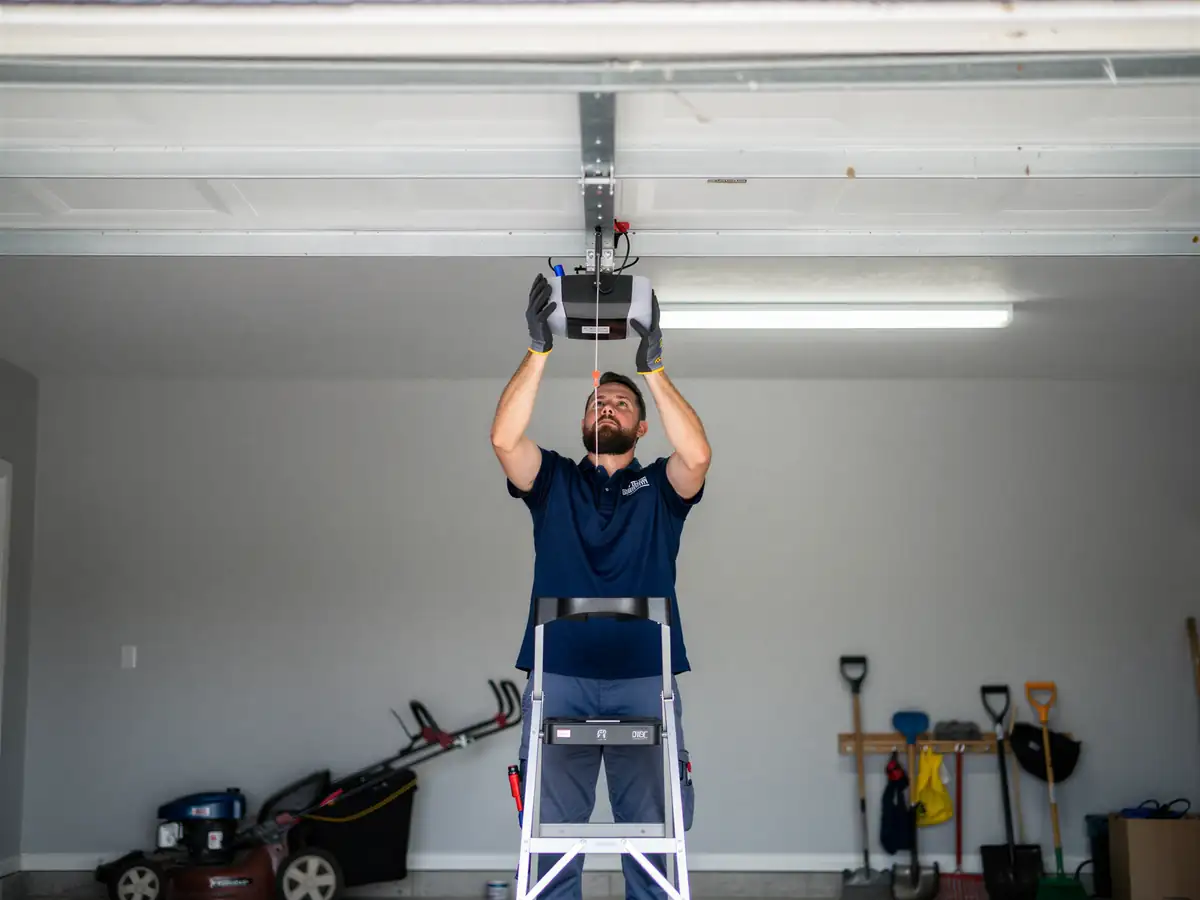
Unwinding or installing an extension spring under tension is the one job on this list we'll tell you flatly not to try. Torsion springs get a lot of warning press, but extension springs that let go send a hook and cable snapping across the garage at head height, and there's no safety cable retrofit on most of the 1980-era brackets we see out here. Lubricating hinges, tightening loose track bolts, or swapping a remote battery - fine, do that yourself. Replacing the spring, the cable, or the pulley on a door this age, with hardware that may not match anything currently sold, isn't a weekend job. If the opener is original to a 1980-built house, it's also past any realistic parts-availability window, and that's worth knowing before you spend an afternoon trying to fix a motor nobody stocks boards for anymore.
Where This Job Goes Sideways
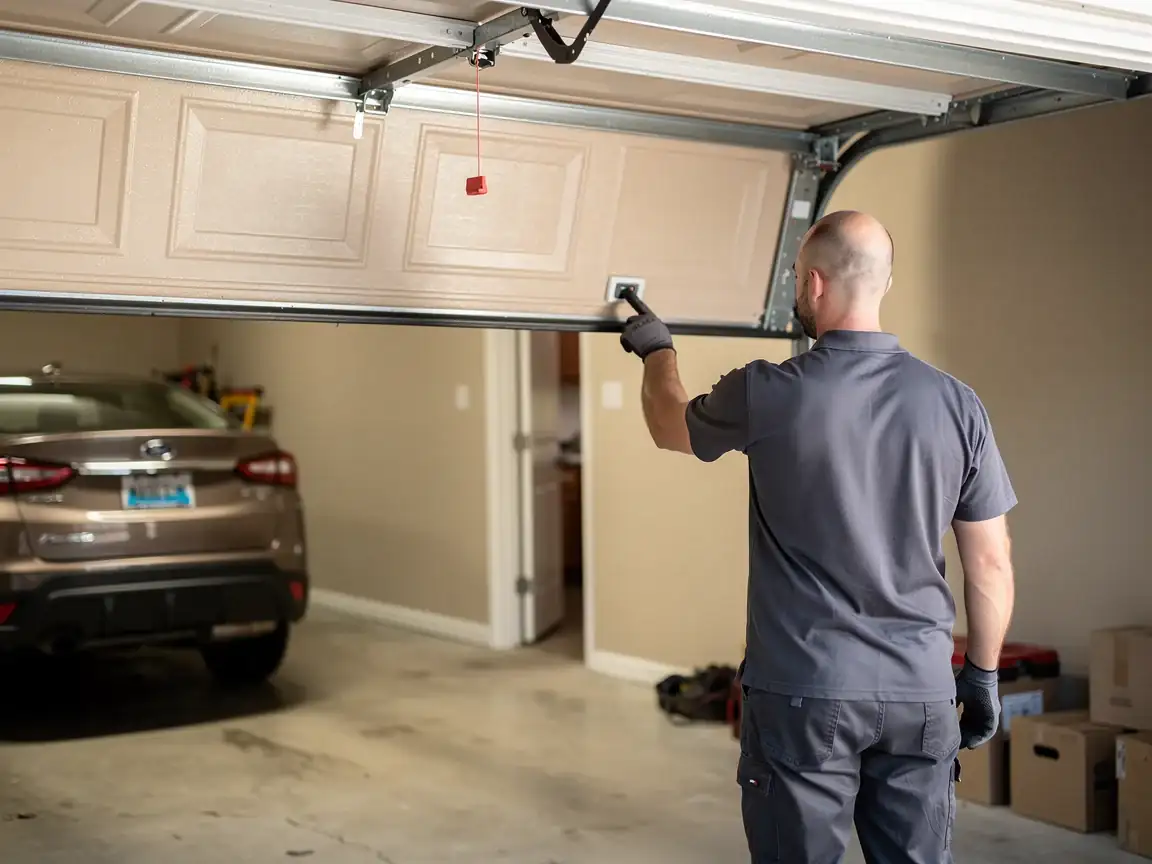
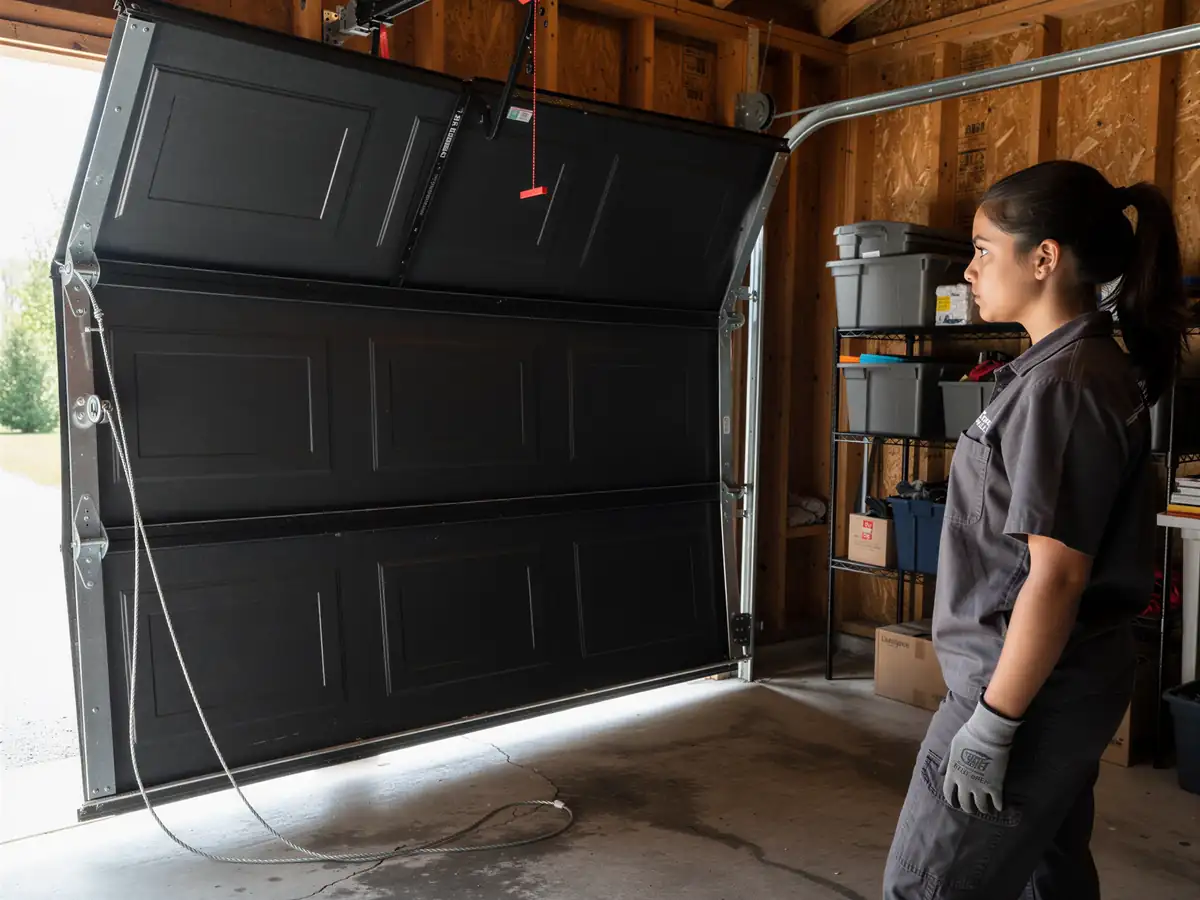
The failure point we see most on Tobaccoville's older stock is a cable that's frayed against a misaligned pulley bracket for months before it finally snaps, taking the door down hard on one side. If that's happened, don't force the door up with the opener - you can bend the track further and turn a $200 repair into a full track and panel replacement. Another one: homeowners sometimes try to re-tension an extension spring themselves after it slips off a hook, not realizing the opposite side has stretched unevenly, which throws the door off balance and strains the opener motor on every cycle after. Call before running the opener again if a cable or spring has visibly failed - that's the one honest limitation we'll flag every time, because running it even once more can turn a repair into a replacement.