How Long You Are Without the Door
We don't keep a branch in Tobaccoville
The truck comes out of Winston-Salem, about 10 miles south. That drive isn't the bottleneck. The bottleneck is the panel itself. Most houses here went up around 1980, which puts a lot of doors squarely in a window where steel sectional panels hadn't fully replaced aluminum and fiberglass. If your door is original to the house, we're not grabbing a panel off a shelf that matches it. We have to pull measurements on site - panel height, section count, track width - before we can even order the right piece.
- 10 miles
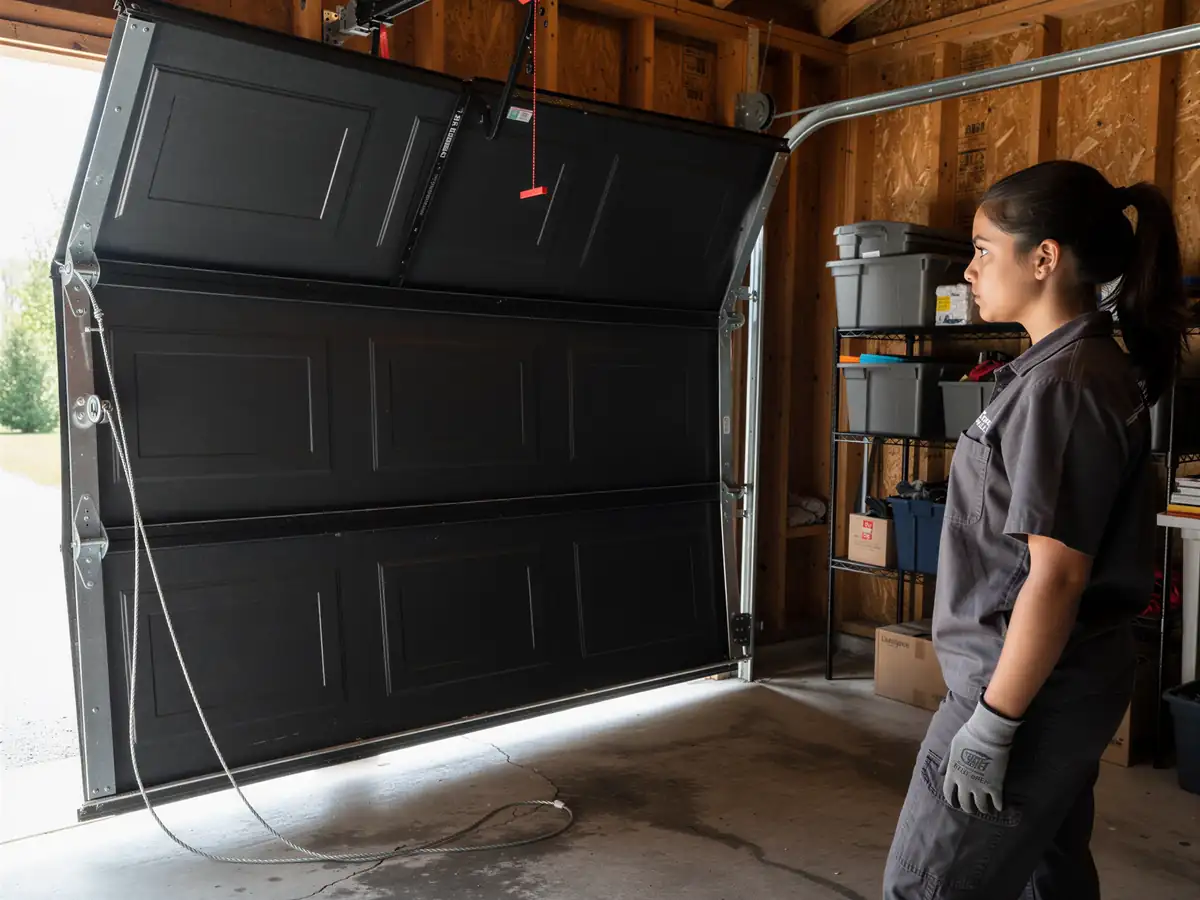
That means a cracked or caved-in panel on a house this age is rarely a same-visit fix
We'll board it or brace it so the door still runs and the opening is secure, then come back once the panel's in hand. Newer doors, from houses built in the 1990s or later across this same stretch, usually move faster because the panel sizing lines up with what's still made today.
What Is on the Truck
We carry common panel sizes and the fasteners, hinges, and end stiles that go with them, but we don't stock replacement panels sized for doors from 1980 on the truck - there isn't enough call for them to make that practical. What we do carry is the measuring and matching know-how to figure out fast whether your existing door is a standard width we can source same-week, or an older run that needs a custom cut.
We also carry rollers, hinges, and torsion hardware, since a panel swap on a door this old almost always means touching worn hardware at the same time. If one panel's gone, the rollers and hinges around it have usually logged the same 40-plus years and are due regardless. We'd rather replace those while the section's off than send you a bill for a second truck visit in six months.
Can You Do This Yourself
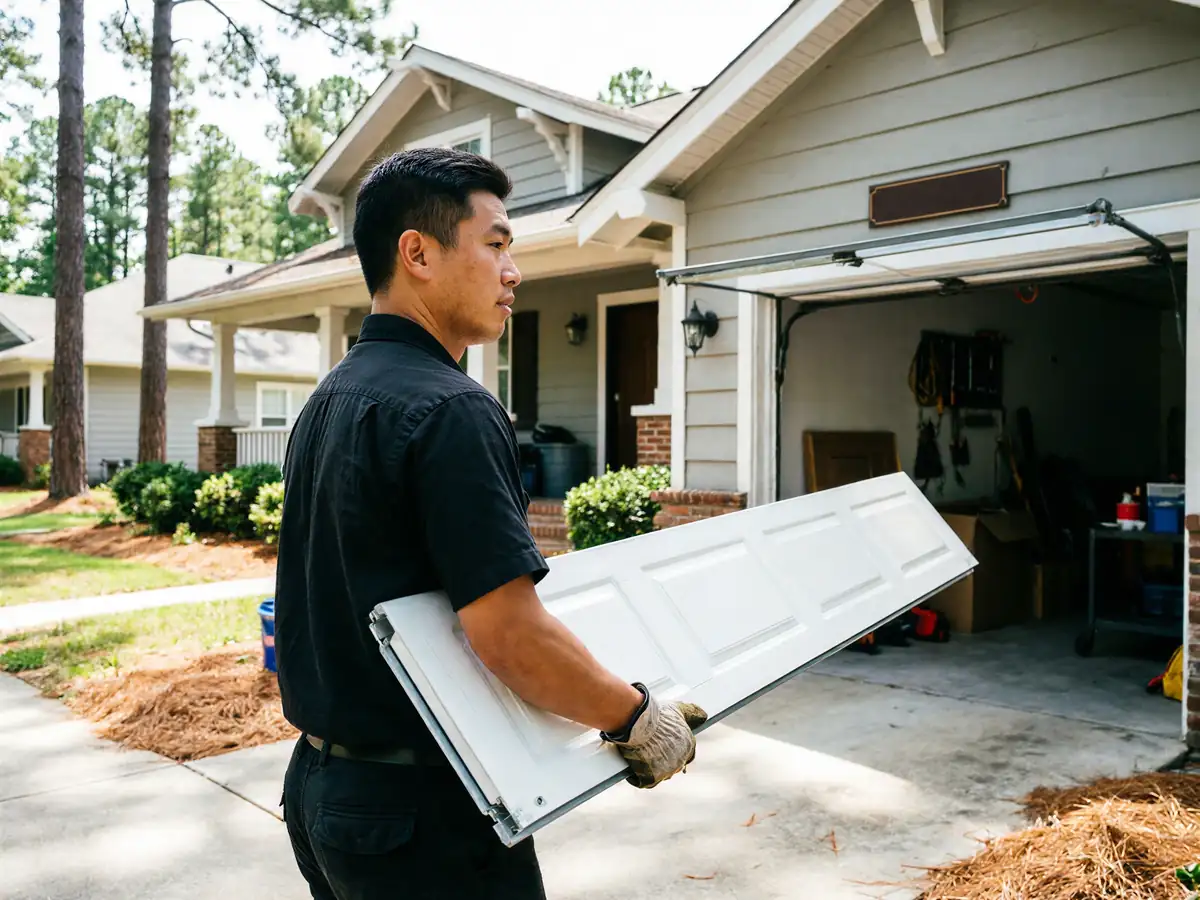
A single dented or cracked panel on a newer sectional door is a reasonable DIY job if you can find the exact match - order it, unbolt the old section, bolt in the new one. On a door built around 1980 in Tobaccoville, that's the part that gets homeowners stuck. Panel widths and section heights from that era don't always match what big-box stores carry now, and ordering the wrong size means a panel that bolts on but doesn't sit flush, which throws off the whole door's balance.
The honest limit here: if your door is original and badly rusted at the panel seams, a straight panel swap may not be worth doing at all. Fighting rust on 40-plus-year-old steel to fit a new section often costs more in labor than replacing the full door. We'll tell you that up front rather than sell you a panel that won't hold.
How We Fix It
We start by measuring the existing door
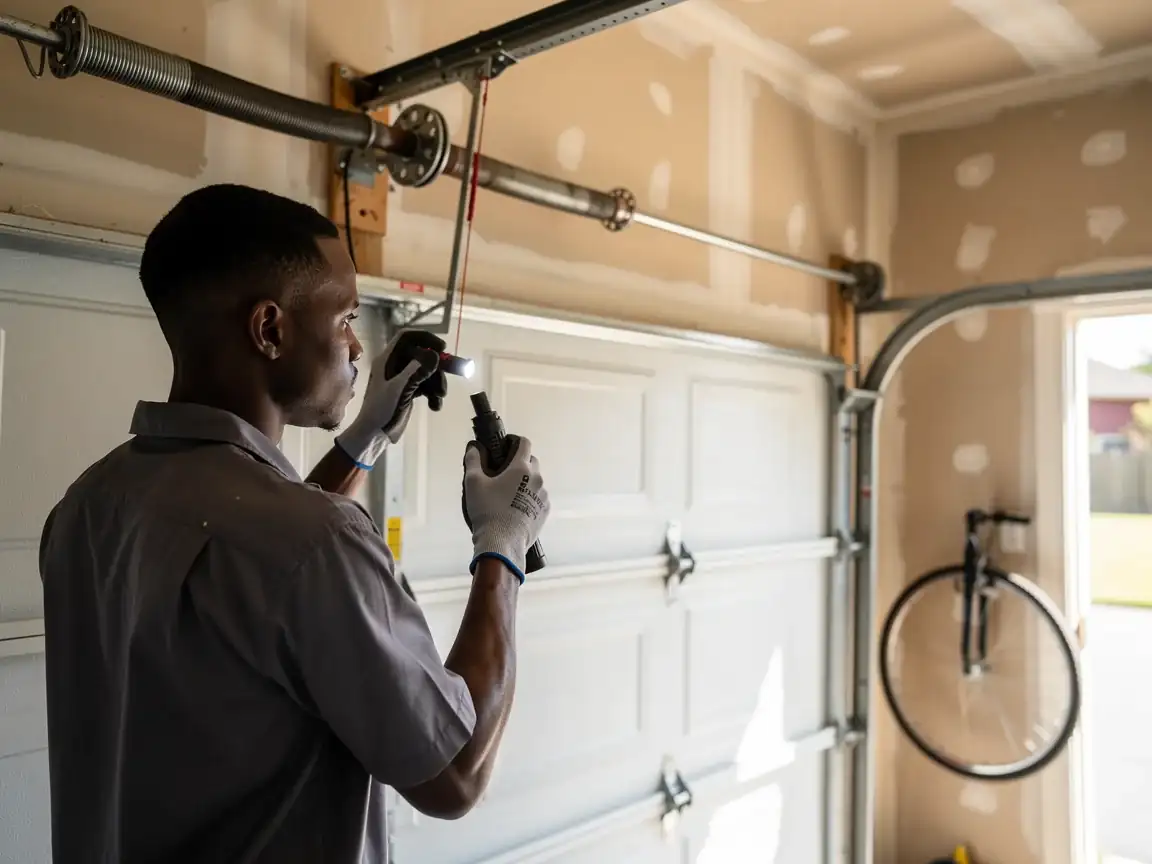
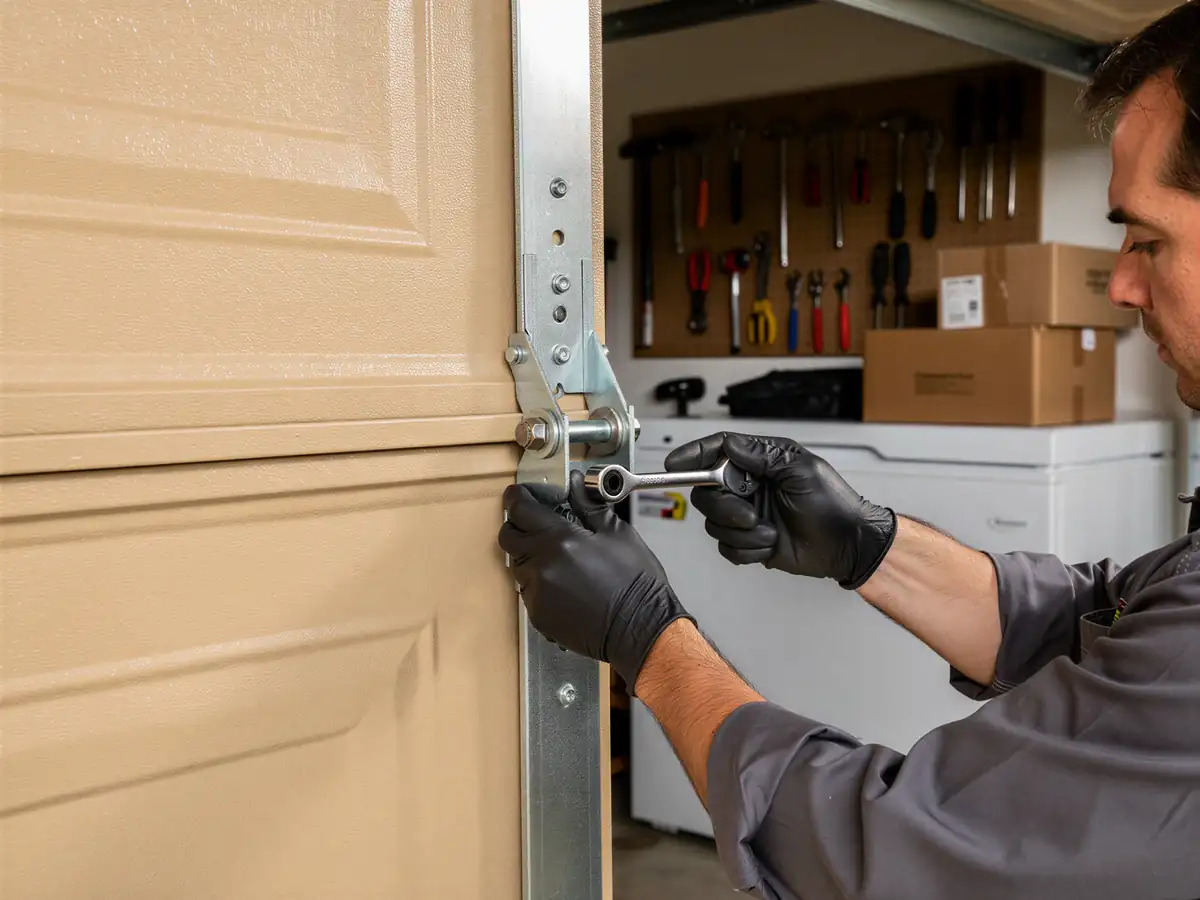
Width, section height, track gauge - and checking how the panel attaches to the hinges and track rollers. On houses from the 1980 era, we're often dealing with heavier steel-and-wood composite panels or lighter-gauge aluminum, and the fix depends on which one you've got. If a match is available, we order it, disconnect the spring tension, pull the damaged section, and set the new one without pulling the whole door apart.
If no exact match exists, the other option is replacing just that section with the closest compatible size and shimming the hardware to keep the door tracking straight
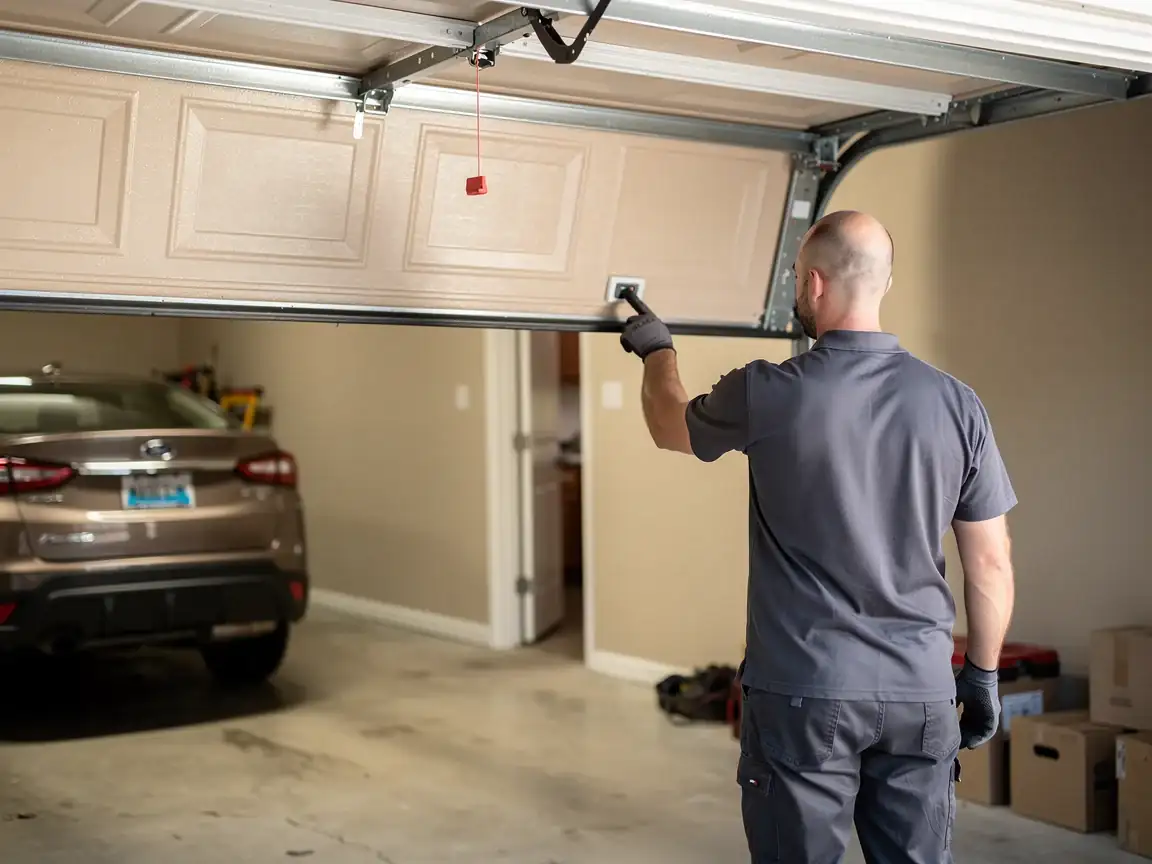
Or replacing the full door if the mismatch would throw off the balance long term. We test the spring tension and run the door through a full cycle before we leave, since a new panel changes the door's weight distribution even by a few pounds.
Where This Job Goes Sideways
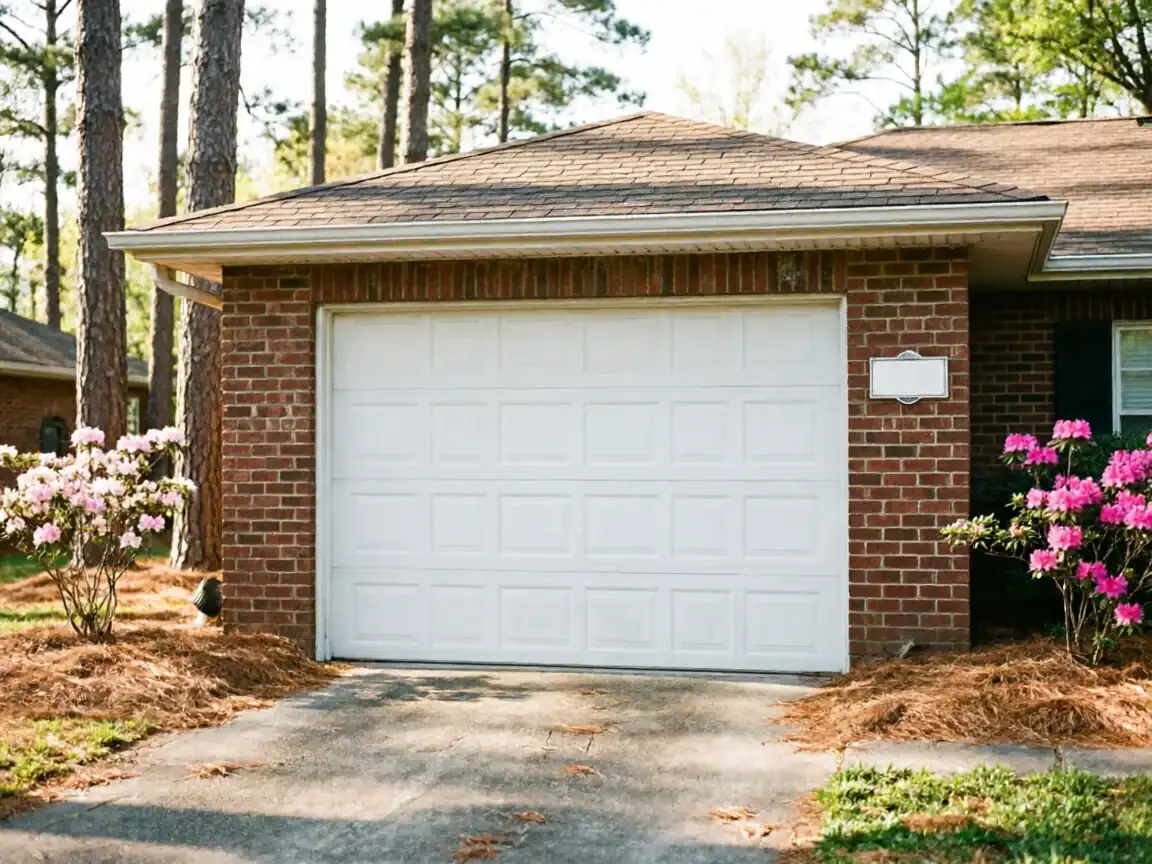
The trouble spot on Tobaccoville's older stock is color and texture match. Doors from 1980 often carry a baked-on finish or wood-grain texture that current manufacturers don't replicate, so a new panel next to 40-year-old siding paint can look noticeably different even when the size is right. We'll flag that before ordering so it's not a surprise.
The other spot: rust bleeding from the panel into the track. If the bottom section has been rusting against a concrete slab for years, pulling it sometimes reveals track rust we didn't see from outside. That can turn a one-panel job into a track replacement, and we'd rather catch it mid-job and call you than quietly charge for extra parts. Cold snaps make this worse - a borderline panel that's been flexing all winter is more likely to crack fully once we start working it loose.