What That Means for Doors
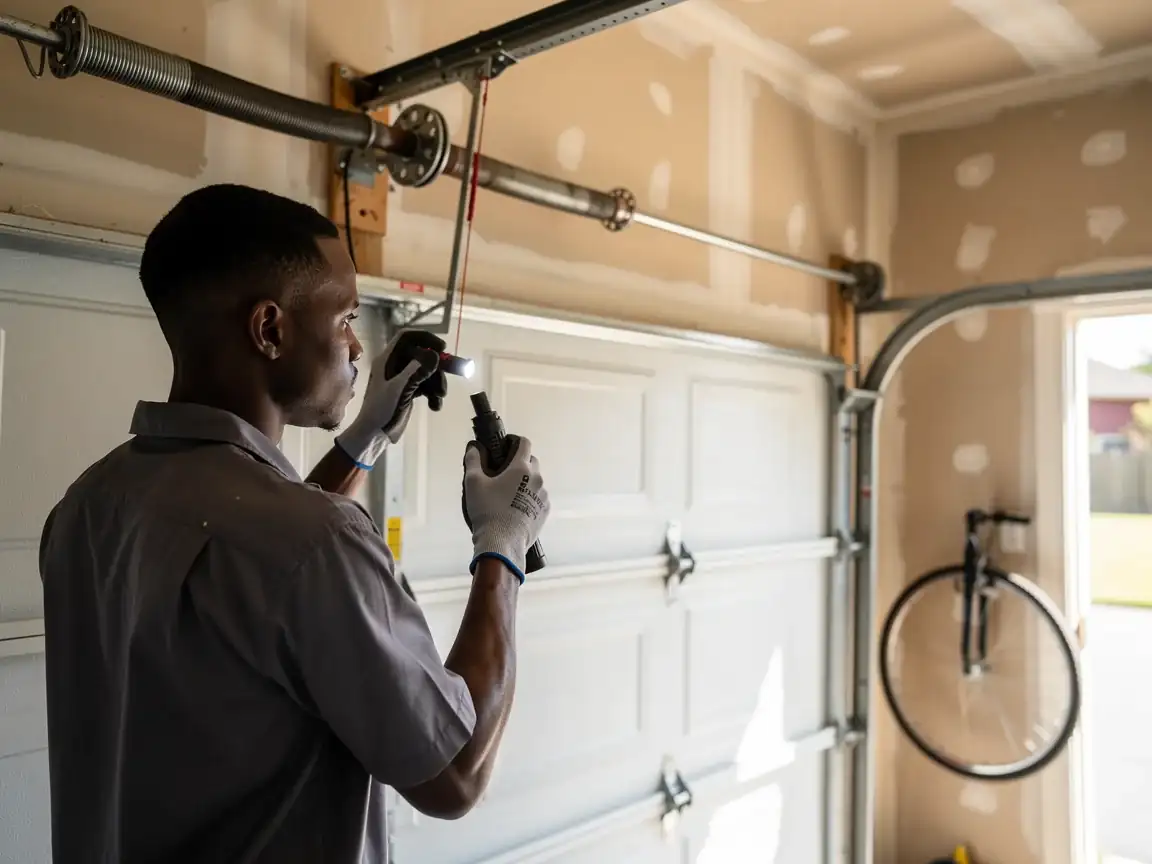
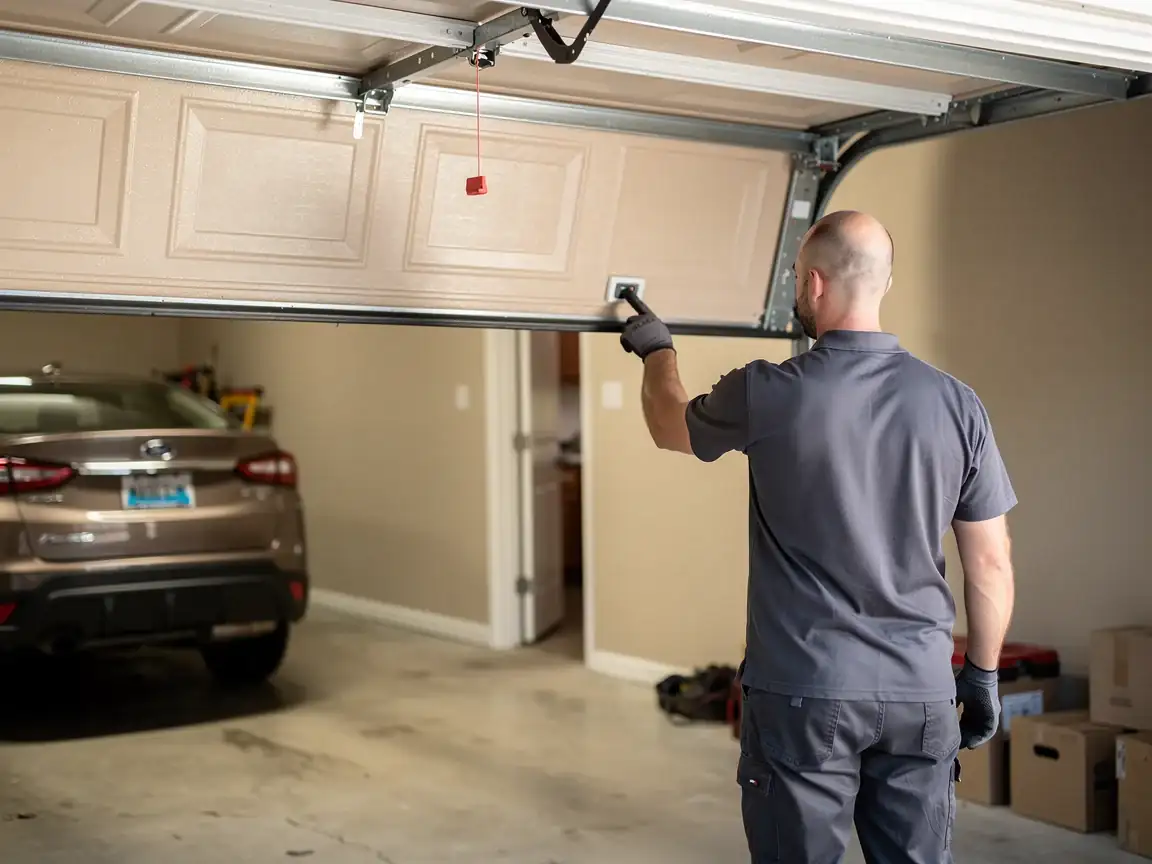
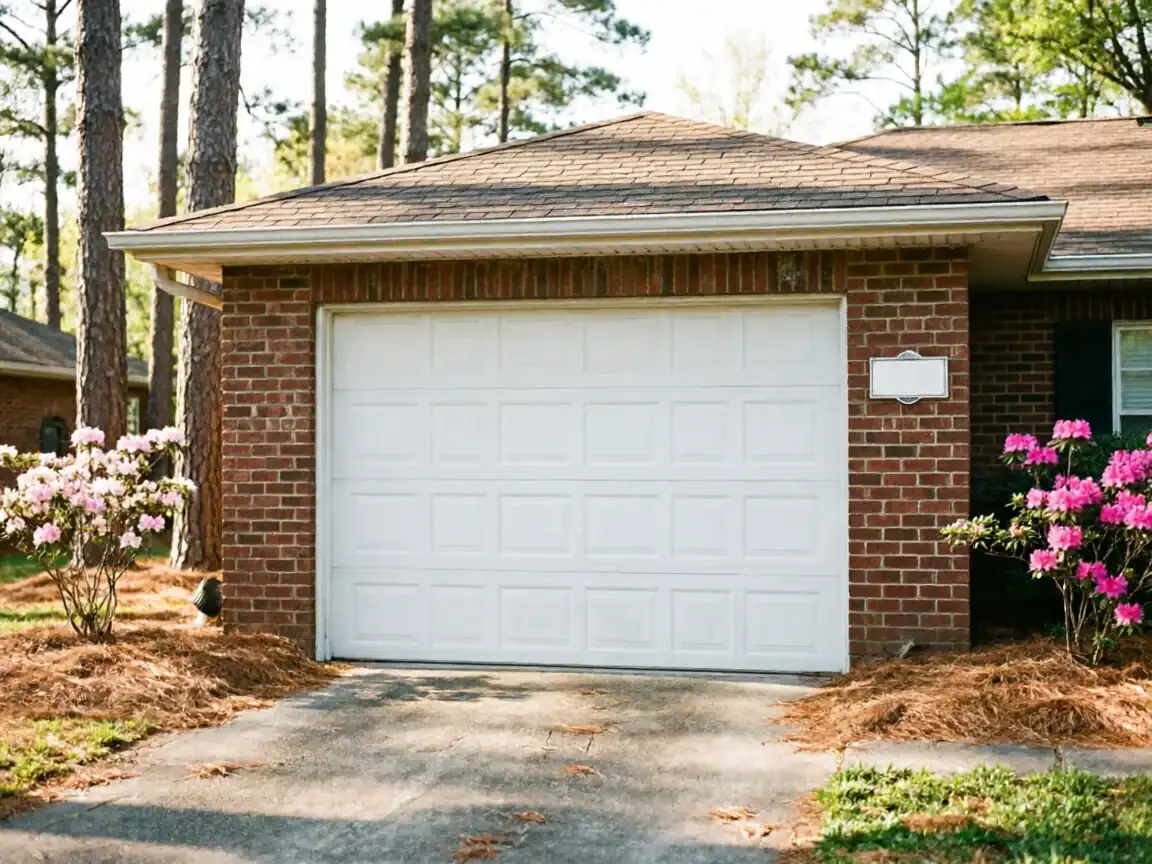
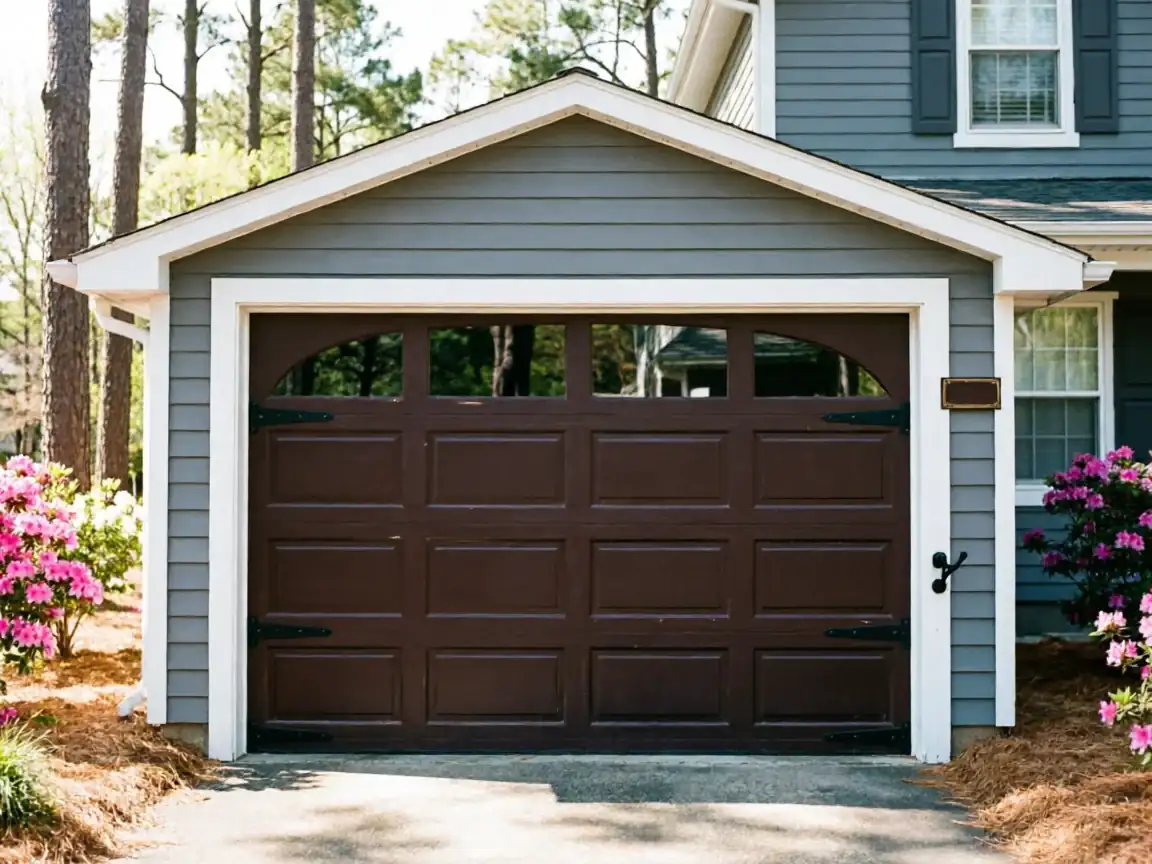
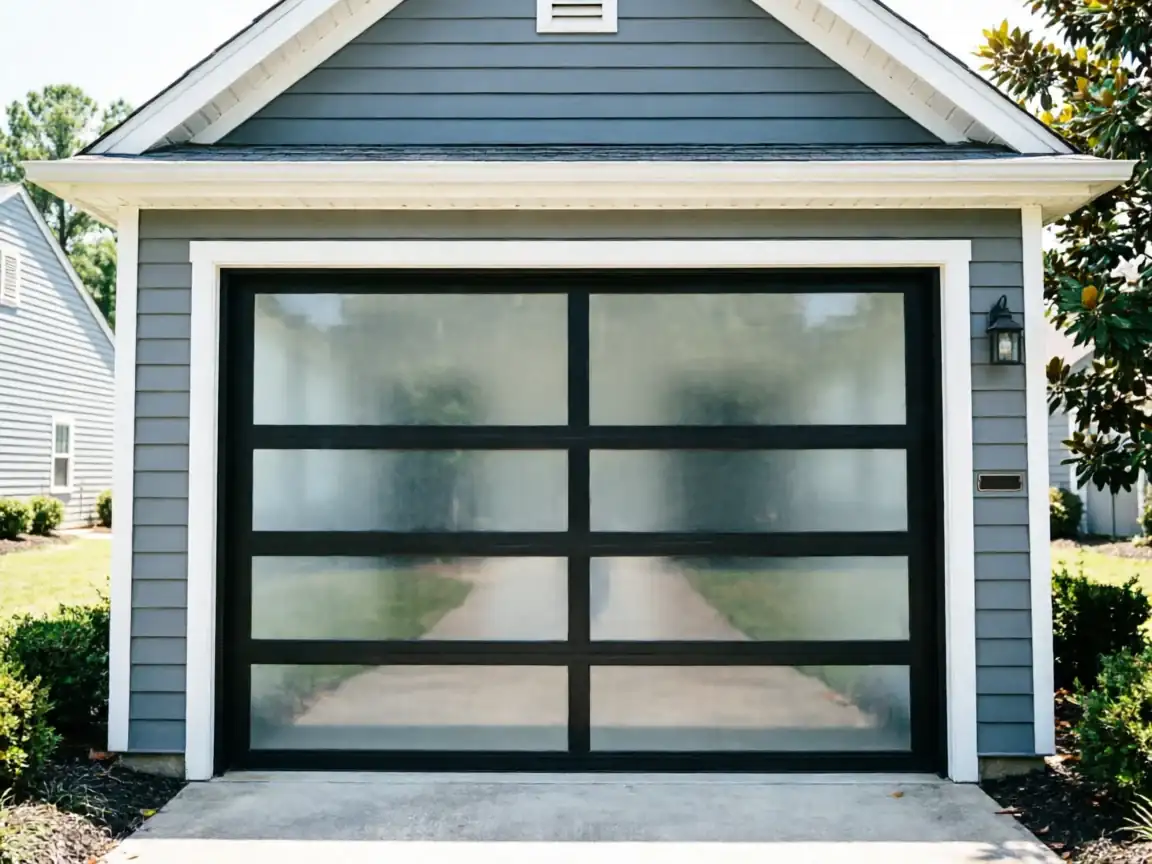
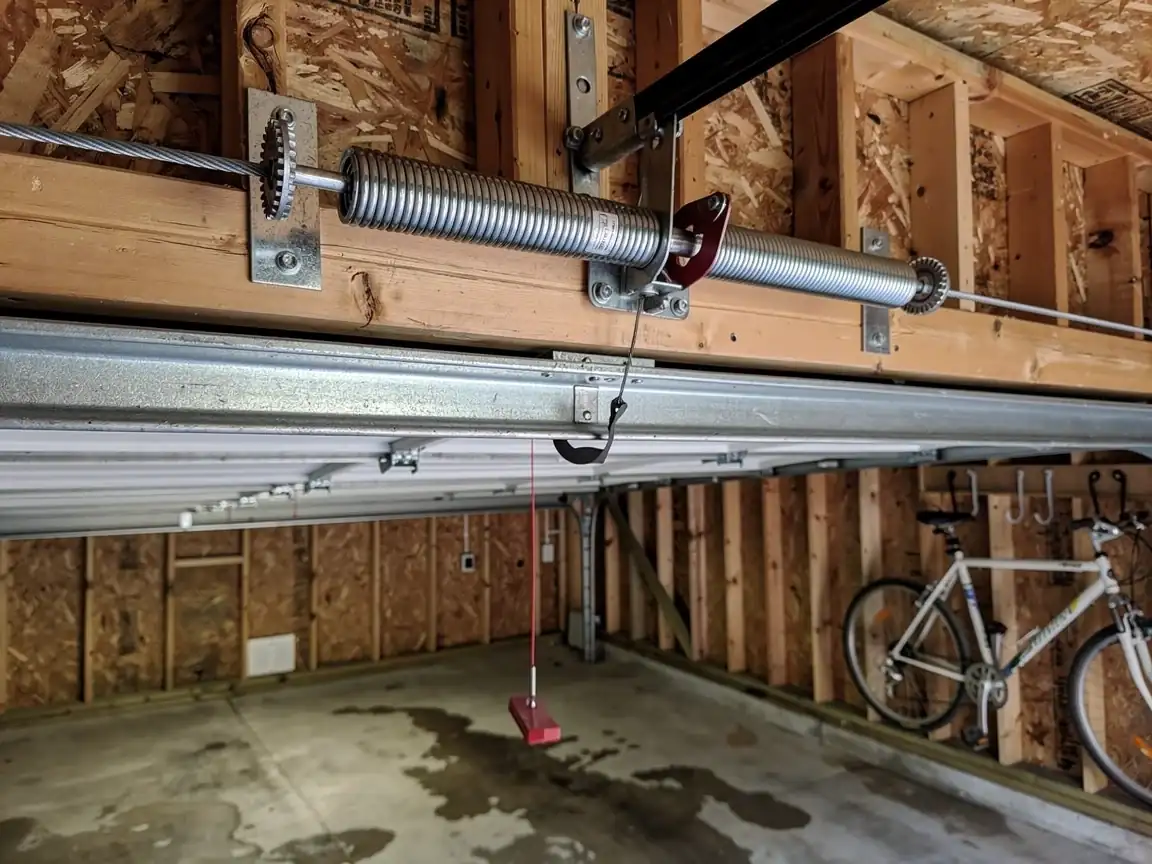
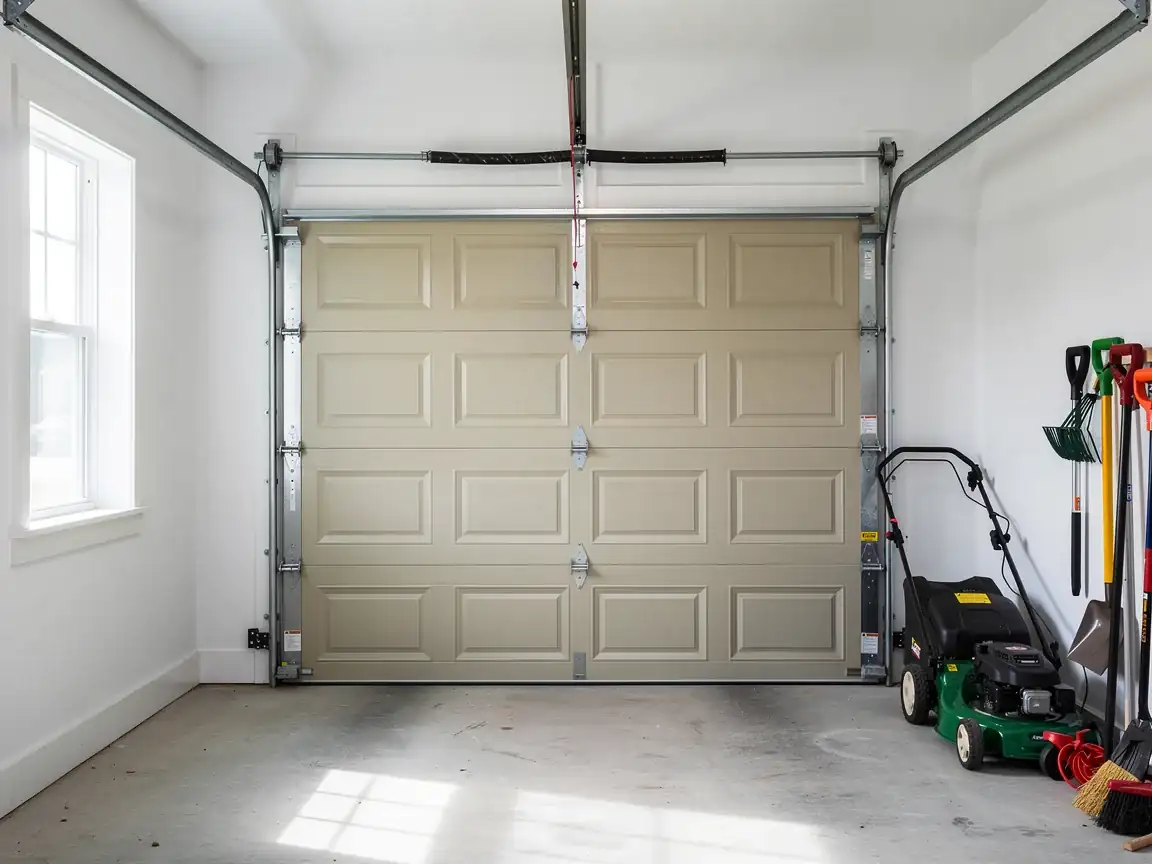
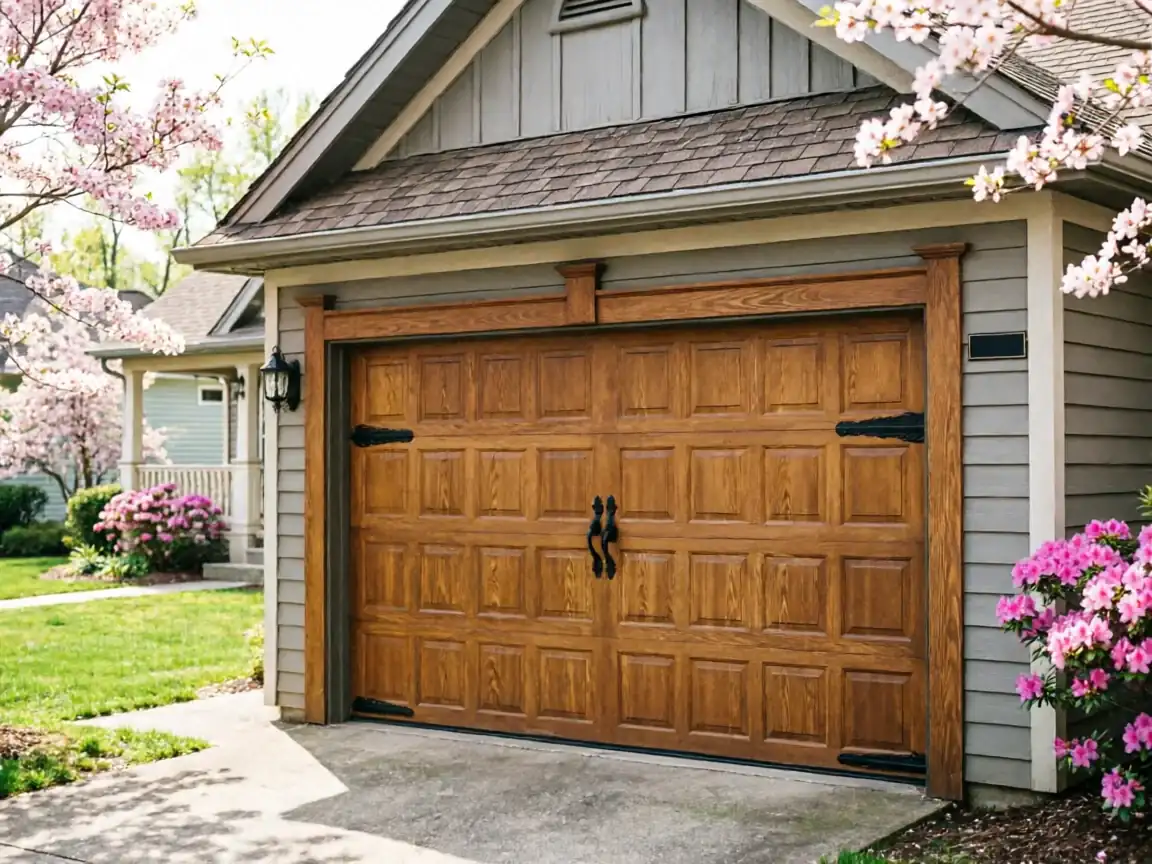
Rural Hall's housing runs older than a lot of what we see closer to Winston-Salem - the median build year out here is 1979, versus 1987 across the wider service area. That eight-year gap matters more than it sounds. Doors and openers installed in the late 1970s predate the safety-reversal sensors that became standard after 1993, and the torsion spring setups from that era are often sized for heavier, single-layer steel panels that aren't made anymore. When a spring breaks on one of these, we're not always pulling an off-the-shelf replacement - sometimes it's a closer match we have to source, and that can add a day to the job. We tell you that up front rather than after we've already opened the garage. If your door still has the pull-cord emergency release style common to that period, that's usually your clearest sign you're dealing with original equipment, not a later replacement.
What Was Built Here
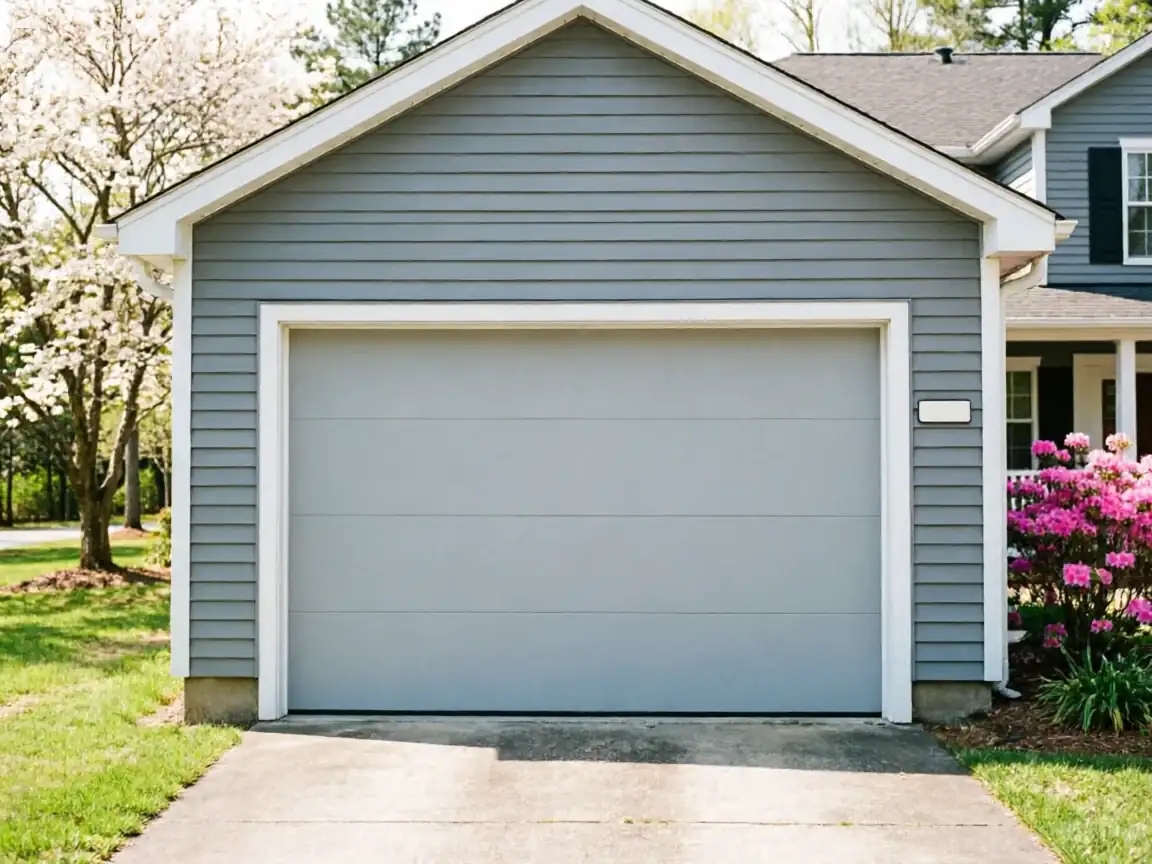
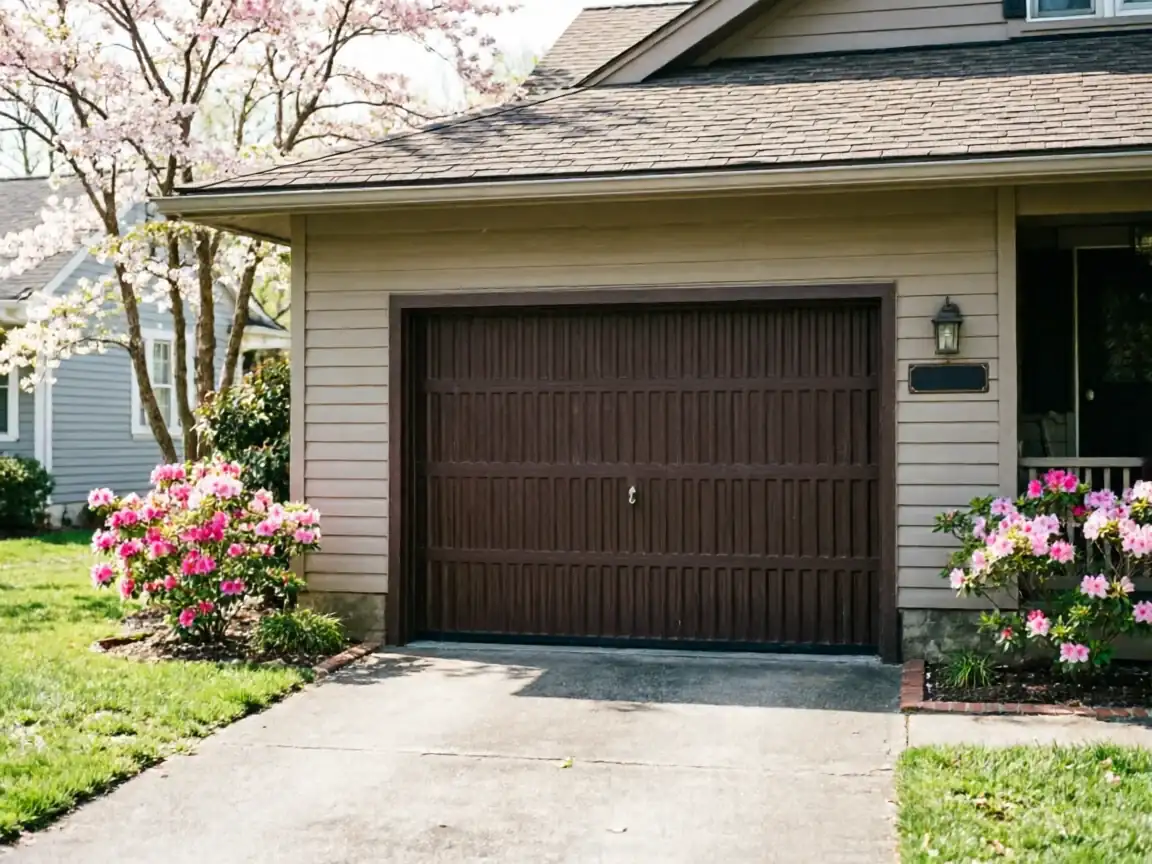
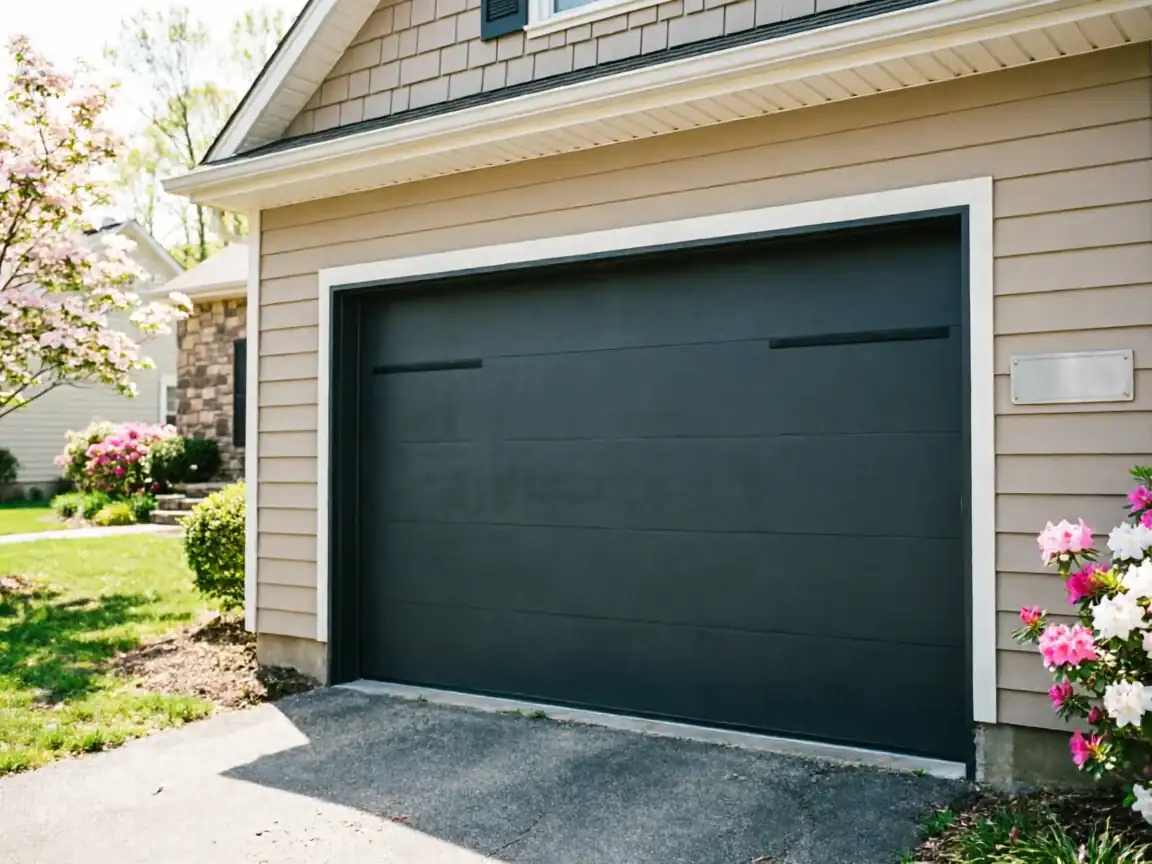
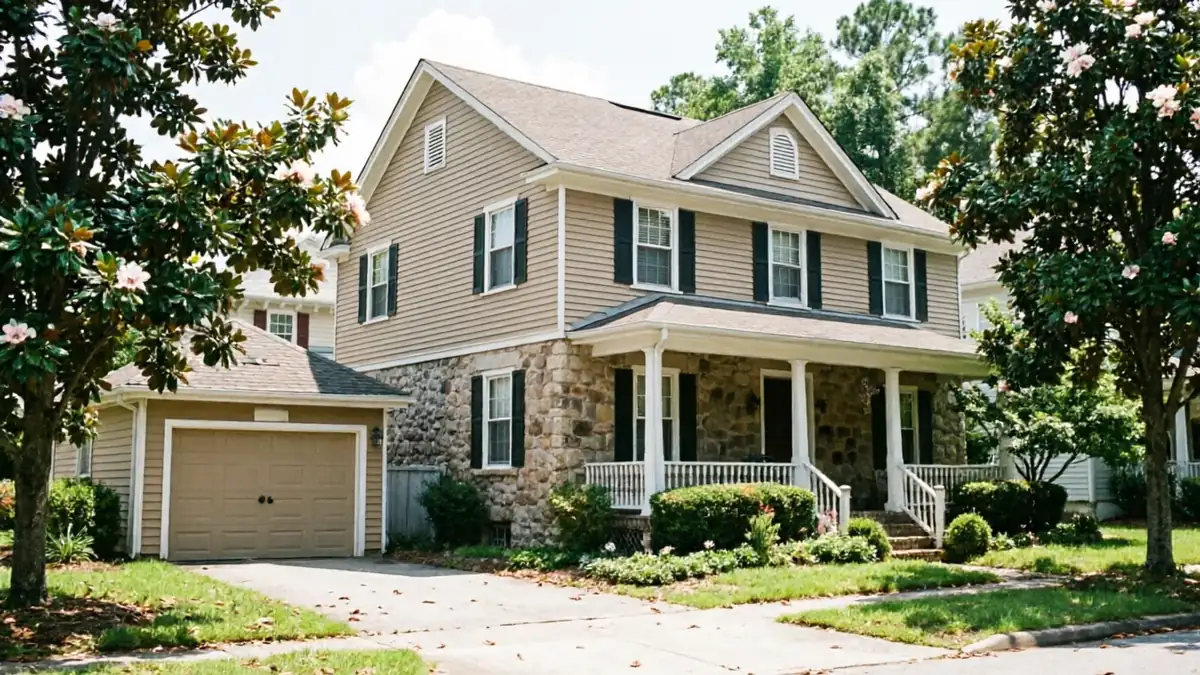
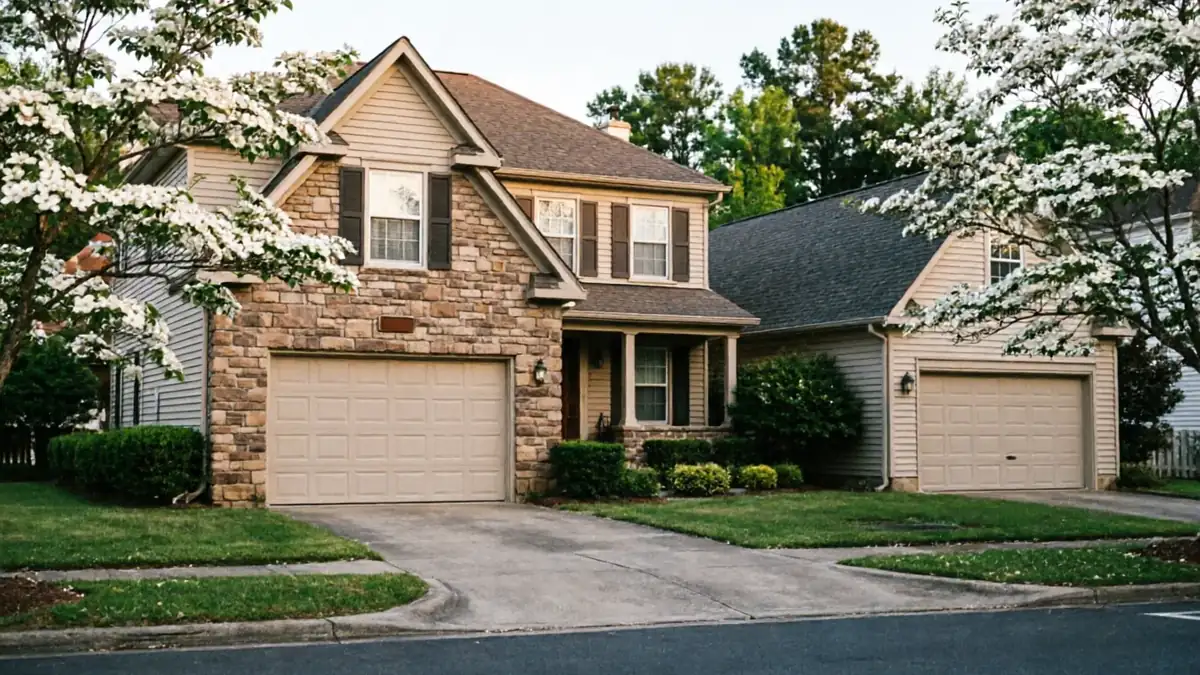
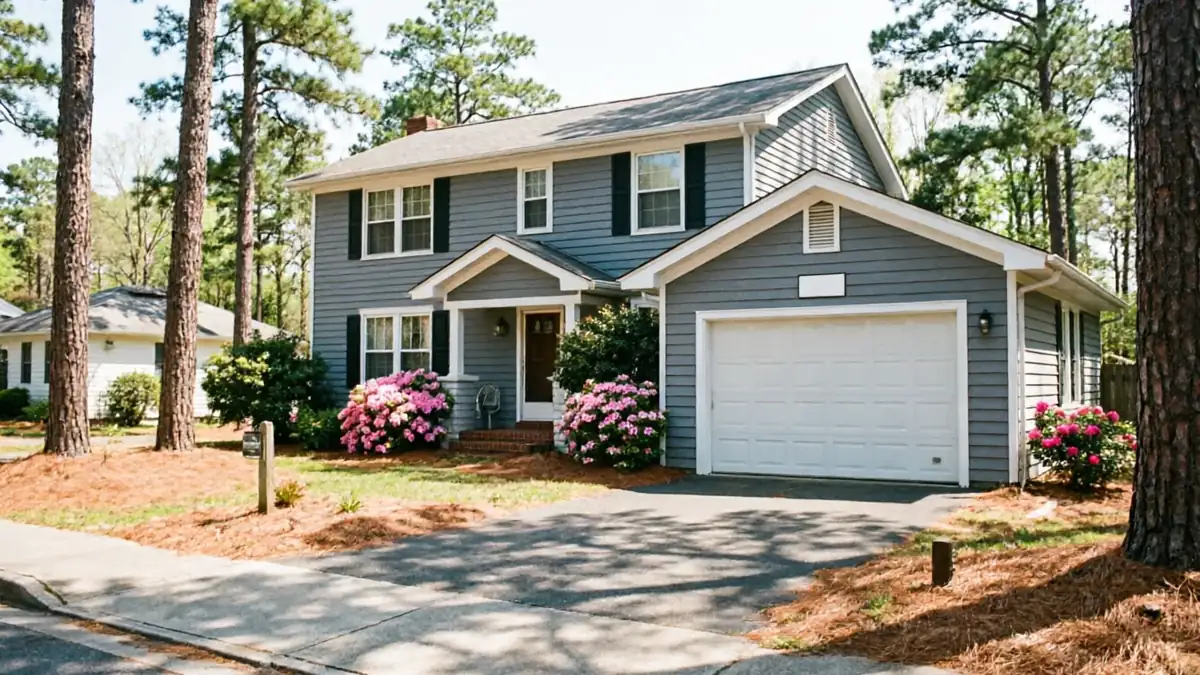
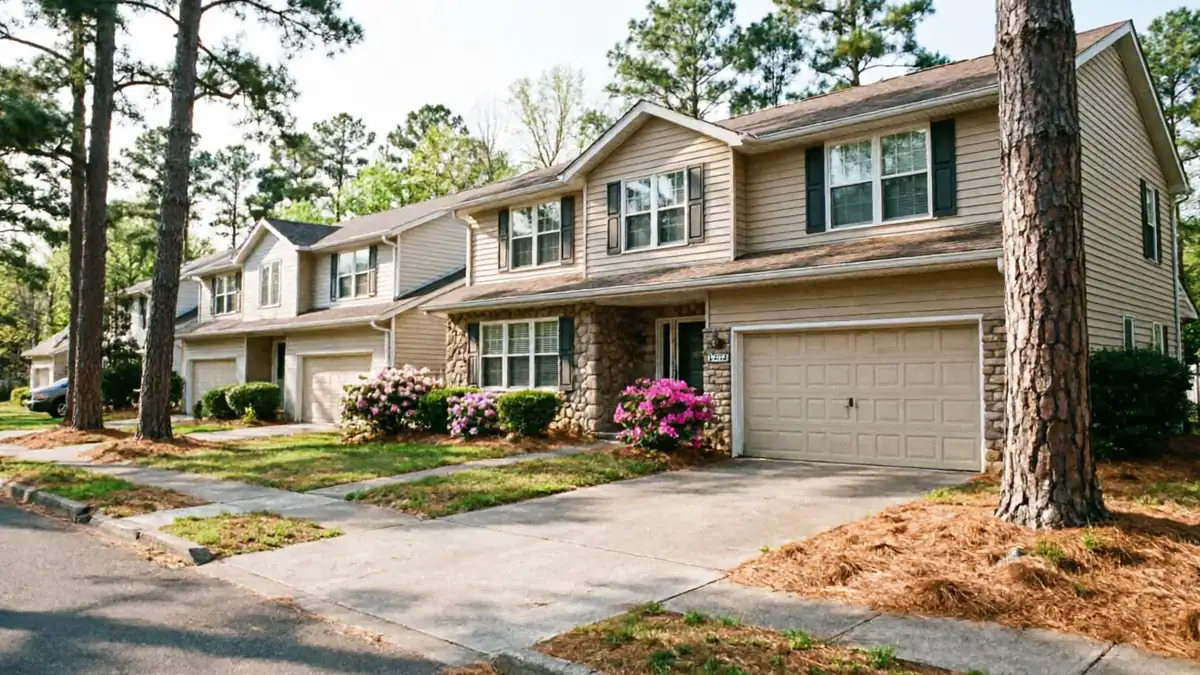
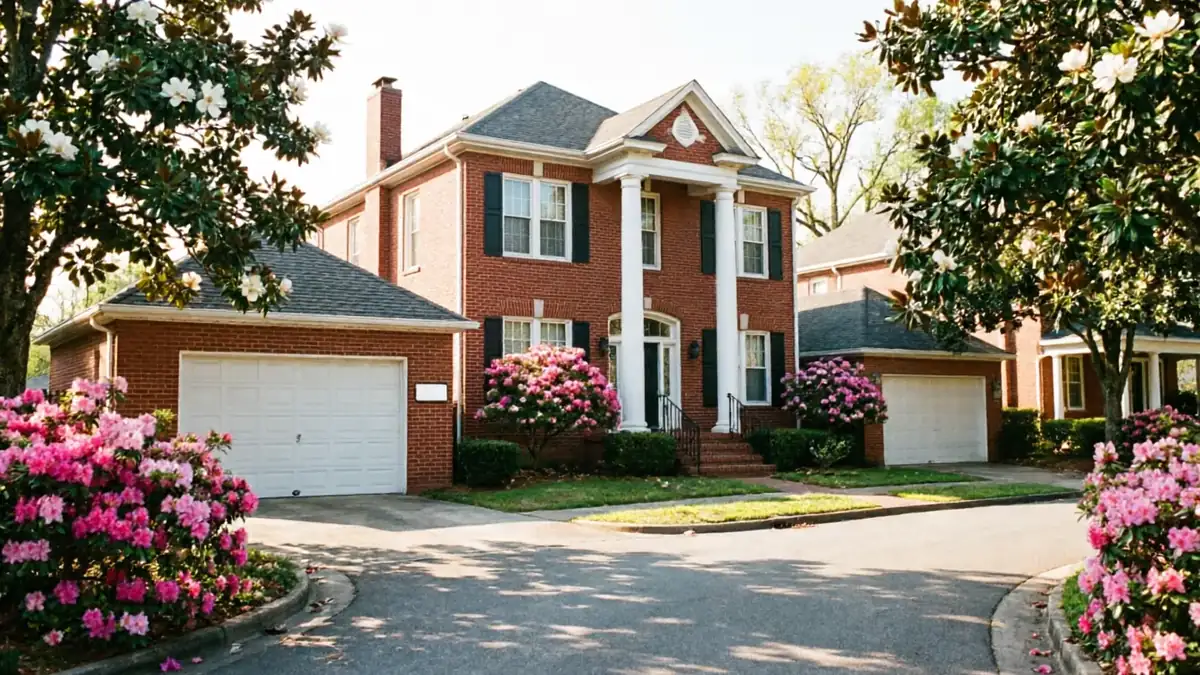
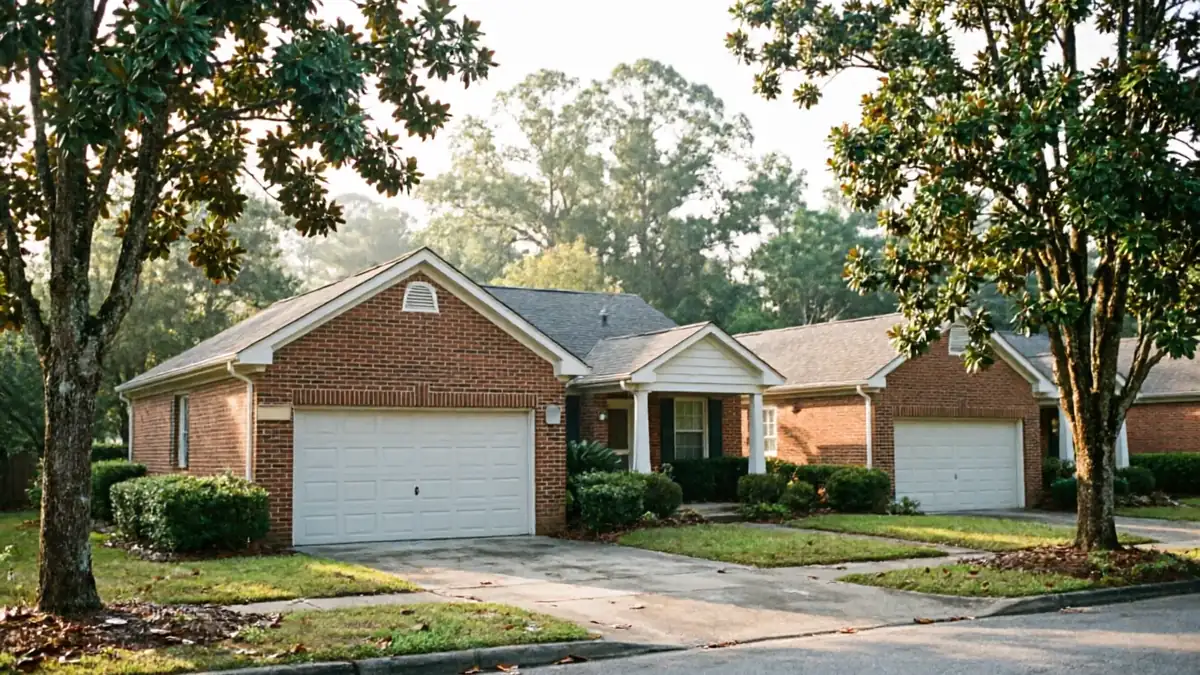
With roughly 1,543 households in Rural Hall and a median income of $50,665, this isn't a town of big new subdivisions - it's smaller, older homes where garages were often added or retrofitted rather than built in with the house. That shows up in how doors were hung: shorter tracks, lower headroom, and sometimes hardware mounted for a door size that's since been swapped without updating the bracket spacing. We see this pattern across the region's 1970s-80s housing, but it's more concentrated here given the earlier median build year. The winters here fall into a cold-moderate band, which means steel panels see real temperature swings season to season - enough to stiffen grease in old rollers and make a sluggish door feel like a dead opener when it's really just cold hardware that needs service, not replacement.