What Is on the Truck
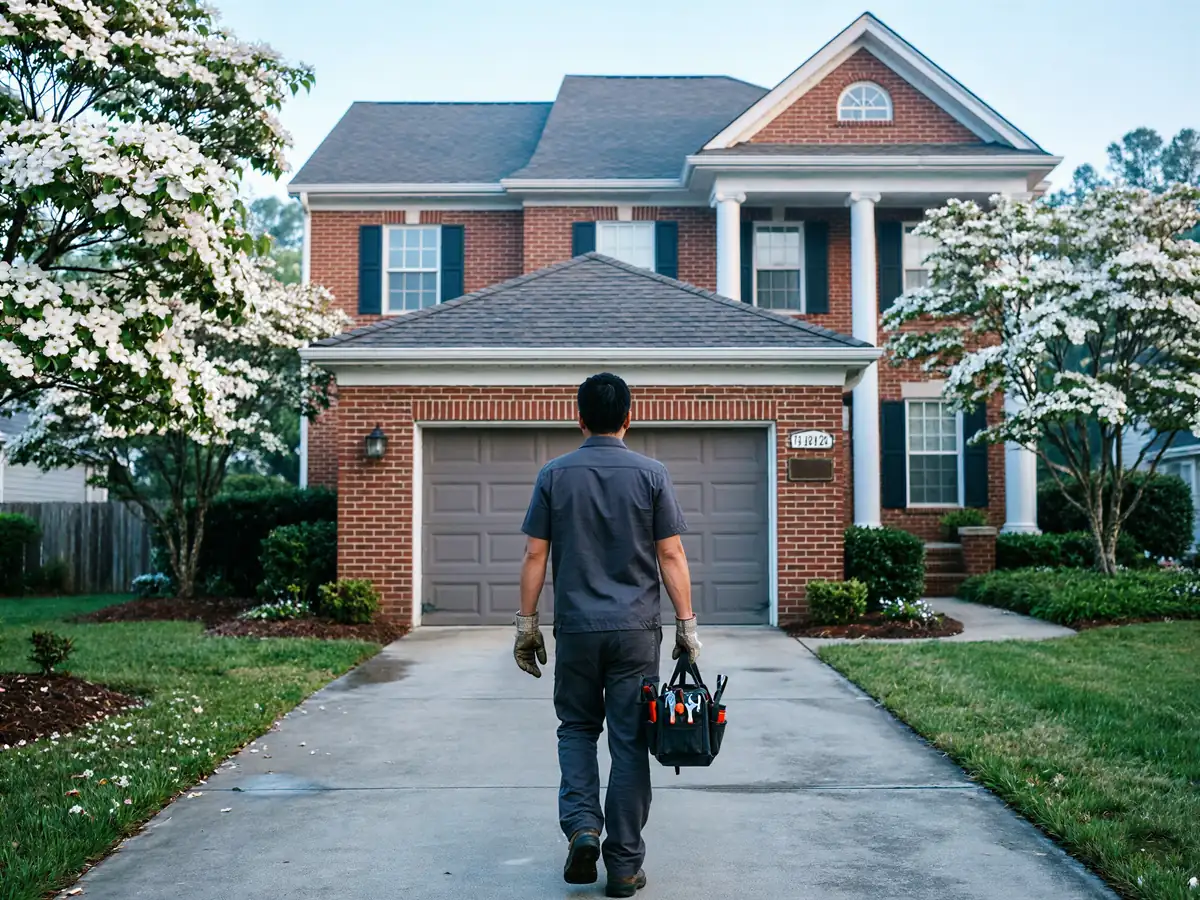
When we head out to Rural Hall, we load the truck differently than we would for a job closer to town
The houses here mostly went up around 1979, a few years ahead of the 1987 median for the wider Winston-Salem service area, so the doors and openers we find skew older too. That means we bring extension spring sets in the older gauge sizes, replacement drums for the narrower track doors common to that era, and a stock of standard-reversal opener units rather than the newer safety-sensor models that came later.
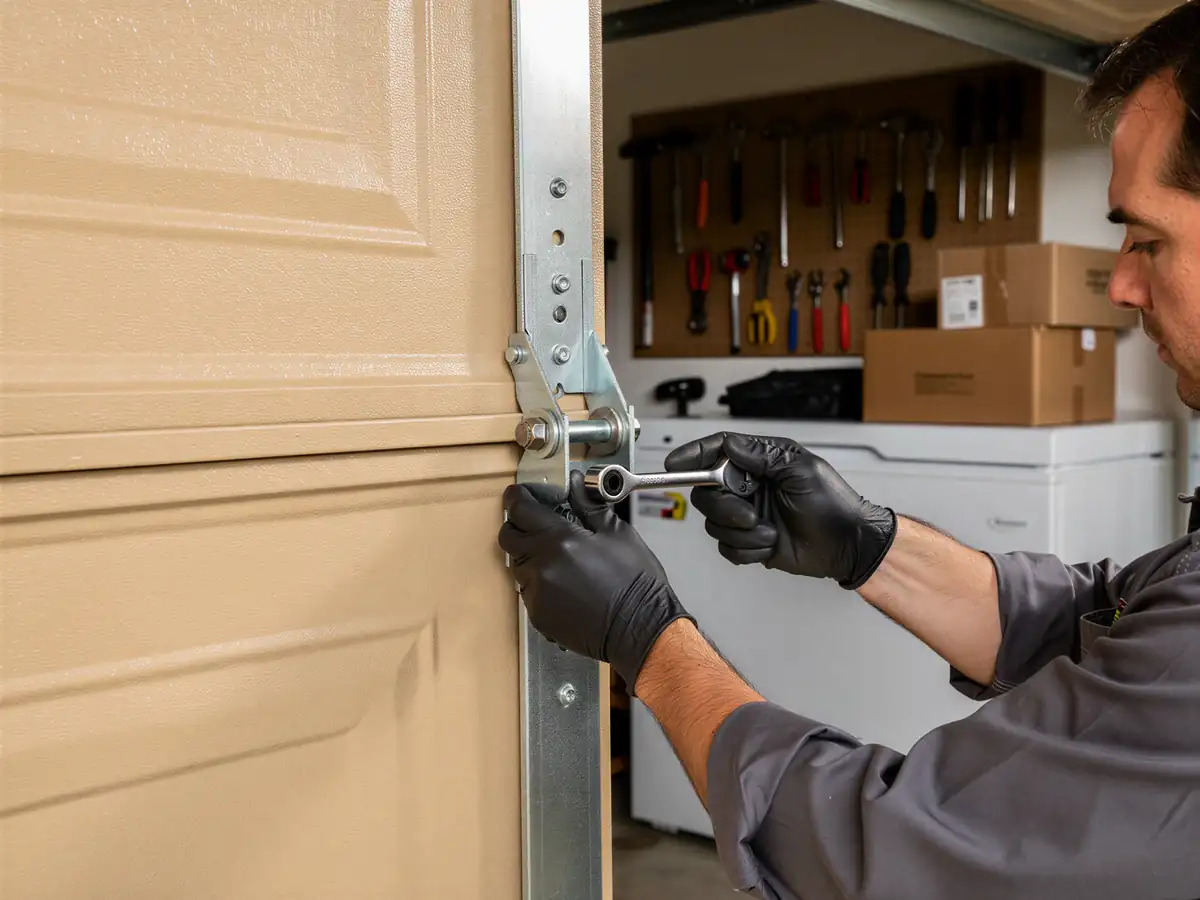
We also carry rust-stage hardware
Galvanized hinges and rollers to swap in when the originals have pitted from decades of freeze-thaw cycling, which this area gets plenty of in a cold-moderate climate band. If a job calls for a torsion conversion on a door that's run on extension springs since it was hung, we carry the center bearing plate and cable drums for that too, since it's a common upgrade once the original hardware finally gives out. What we don't load up on is odd-ball parts for doors built after 2000 - Rural Hall just doesn't have much of that stock to service.
Why This Fails Locally
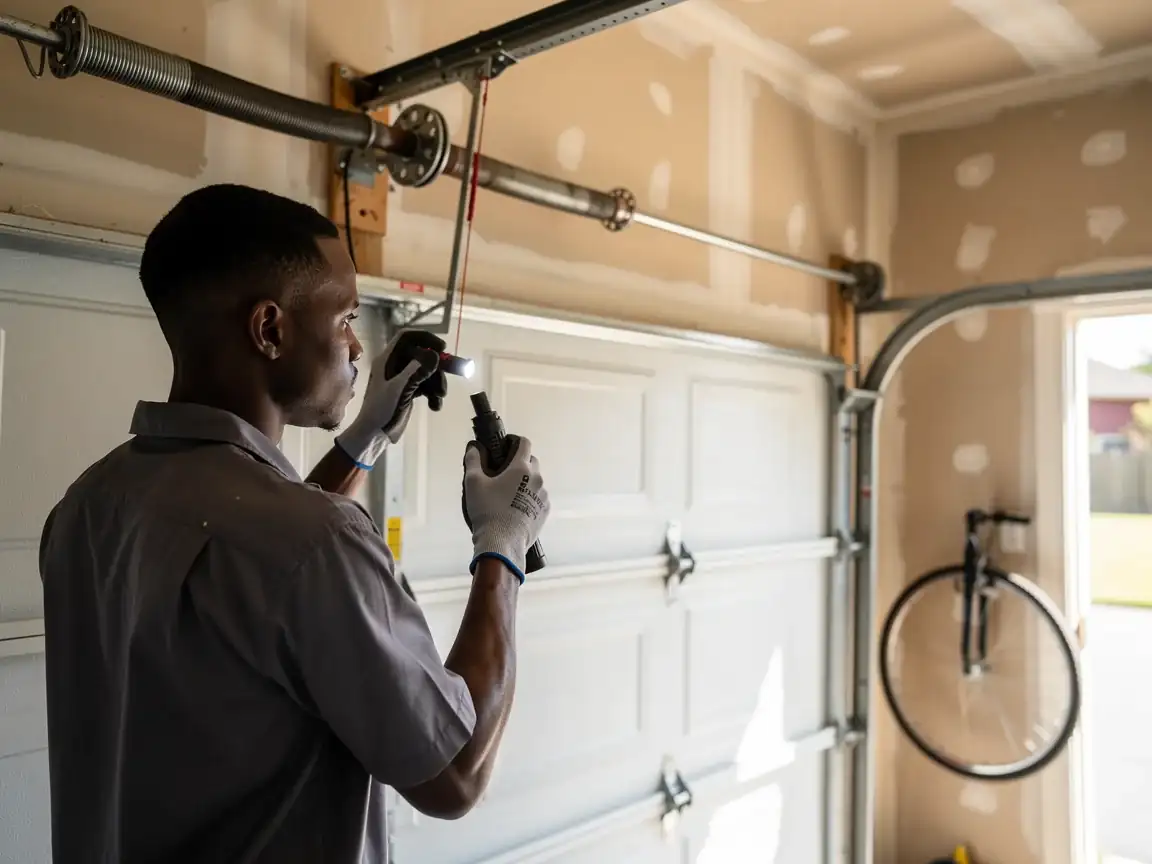
The fault here starts with the build year. A door hung in 1979 has had roughly four and a half decades of spring cycles, and most of those original units were never designed to be serviced past the twenty-year mark. Extension springs stretch and lose tension unevenly, which throws the door off-balance long before anyone notices a sound or a jam - the opener just quietly works harder every month until the day it doesn't.
Income plays into this too. Median household income in Rural Hall runs lower than the broader service area figure of $78,821, closer to $50,665, and we see that reflected in maintenance patterns: more owners ride a failing door until it actually fails rather than replacing hardware proactively. That's not a criticism - it's just the math of a fixed budget - but it means by the time we get the call, the spring has usually already snapped, or the cable has frayed through, rather than us catching early fatigue.
Where This Job Goes Sideways
The usual trap in a Rural Hall job is treating it like a simple spring swap when the real problem is the track. Extension spring doors from this era often ride on tracks that have shifted slightly out of plumb over forty-plus years of settling, and if you replace the spring without correcting the track angle, the new spring wears unevenly and fails again inside a year.
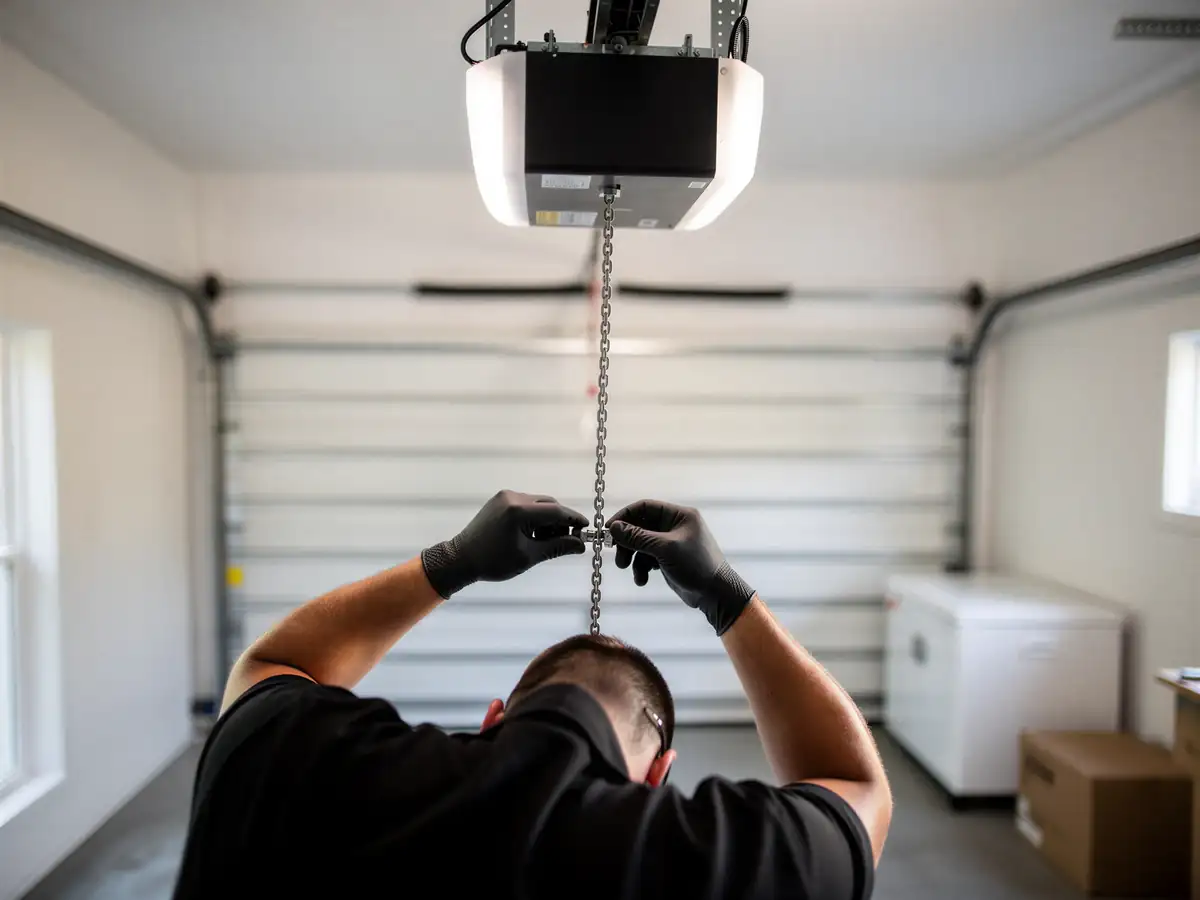
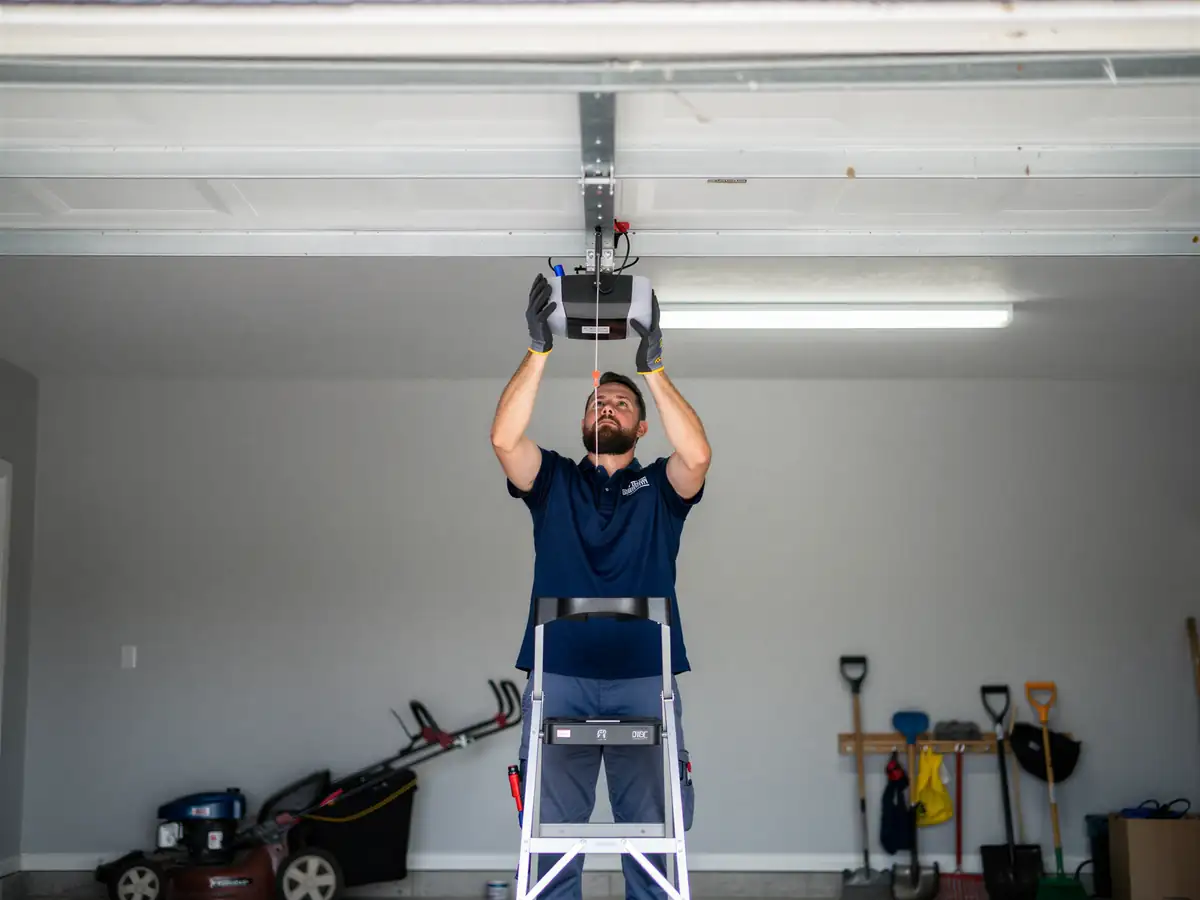
The other place this goes sideways: openers. A lot of these houses still run the original chain-drive unit, and once the gears strip or the logic board dies, the temptation is to just bolt on a new opener and call it done. But if the door itself is out of balance - which it usually is after this many years - the new opener will strain against that imbalance and burn out early too. We won't install a new opener on a door we haven't checked for balance first; that's a shortcut that costs the homeowner twice.
How We Fix It
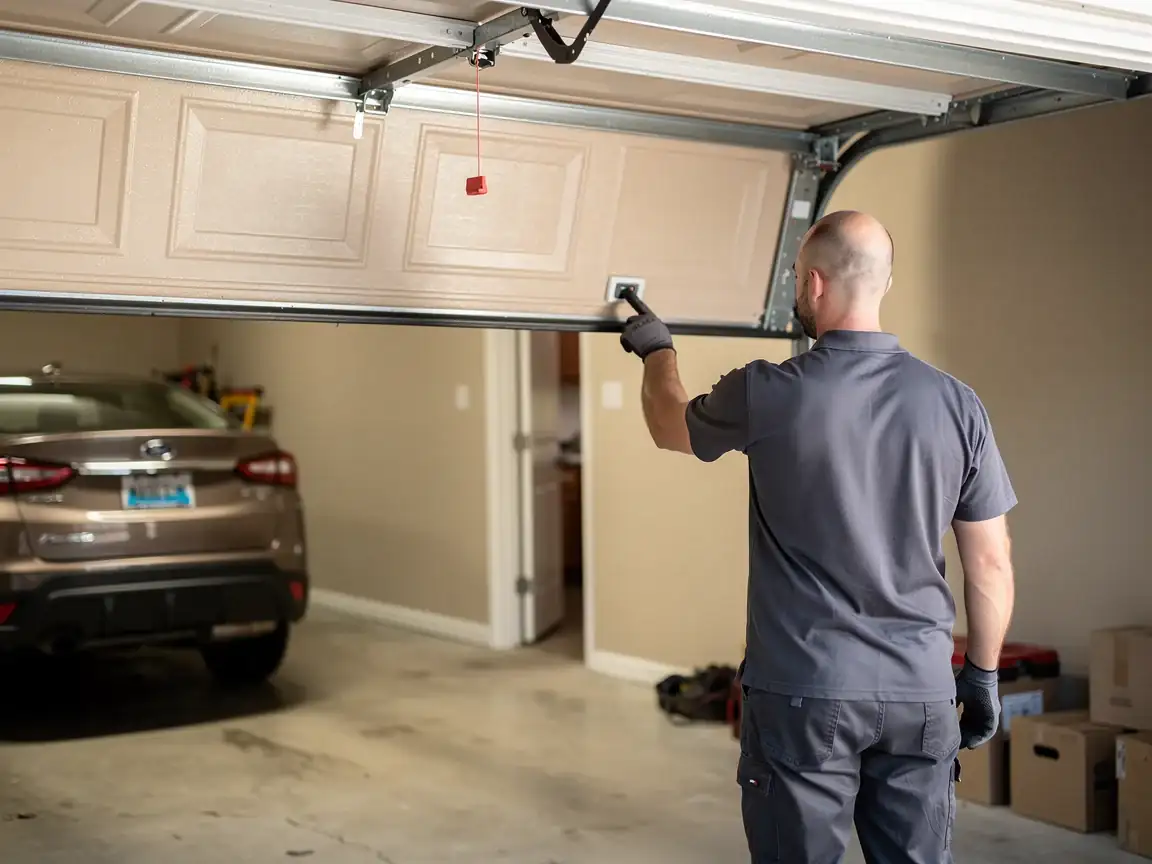
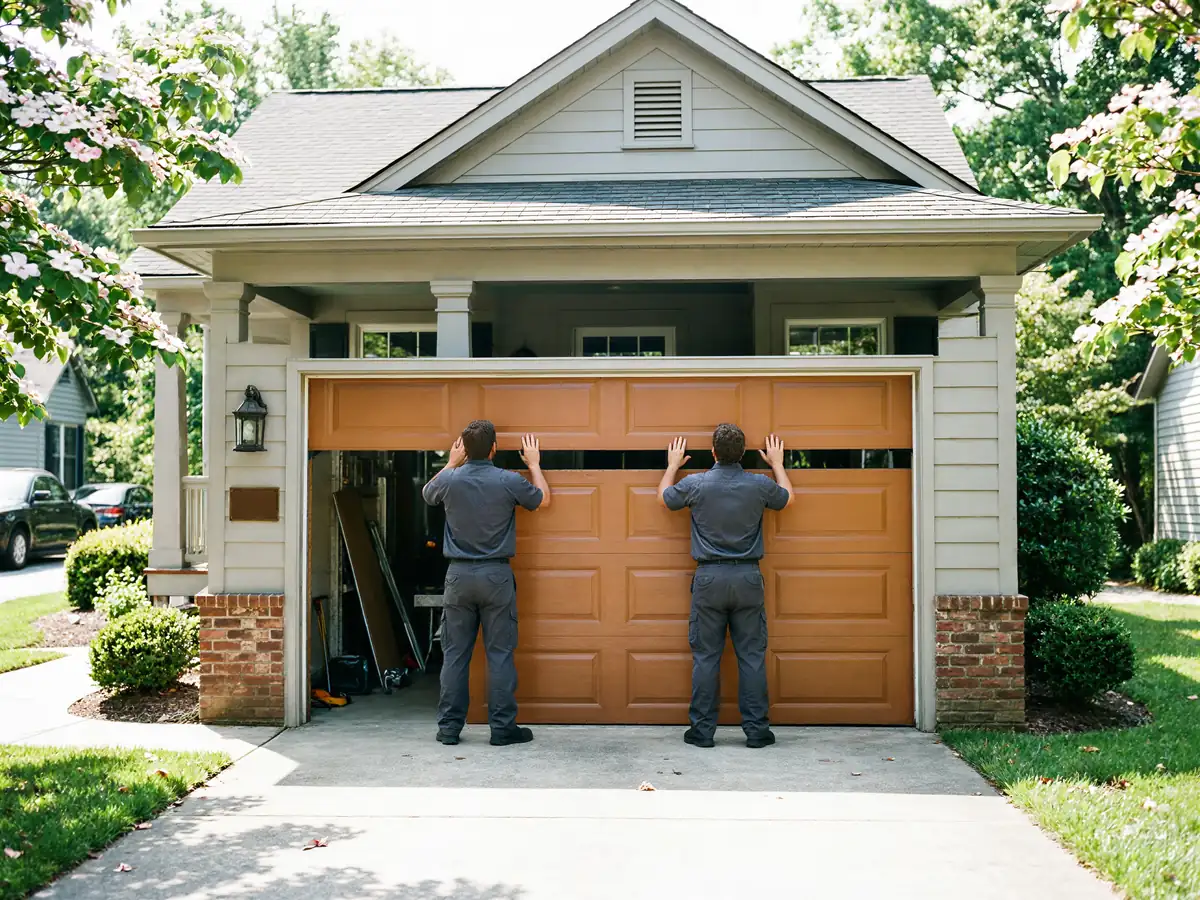
We start every Rural Hall call with a balance check, not a parts swap
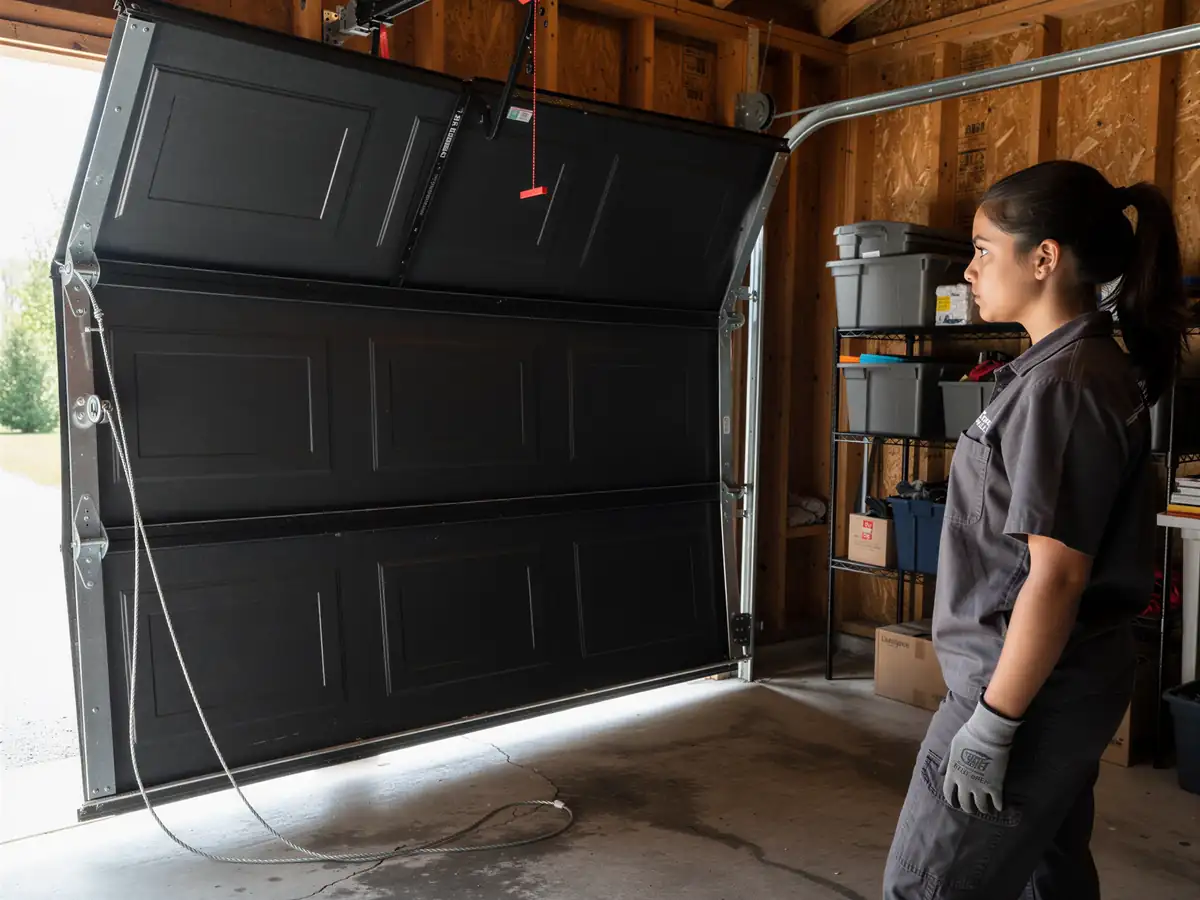
Disconnect the opener, lift the door by hand, and see where it stops. If it won't hold position on its own, the spring tension is off, and that's the root issue regardless of what else looks worn.
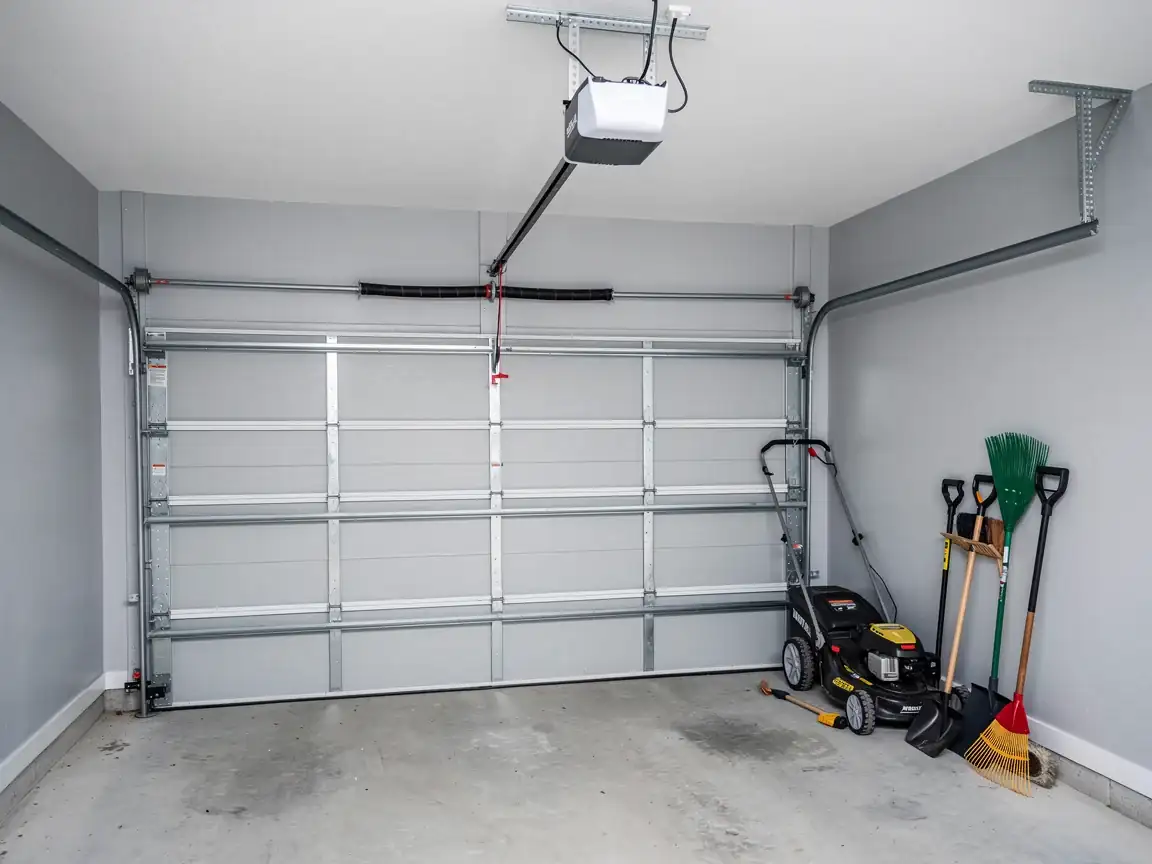
From there, if the door is on extension springs original to a 1979-era build
We usually recommend the torsion conversion rather than a like-for-like replacement - it holds tension more evenly over the long run and it's less likely to call us back out in five years for the same fix. Track alignment gets corrected at the same visit if it's off, since leaving it crooked undoes the spring work.
One limitation worth saying plainly
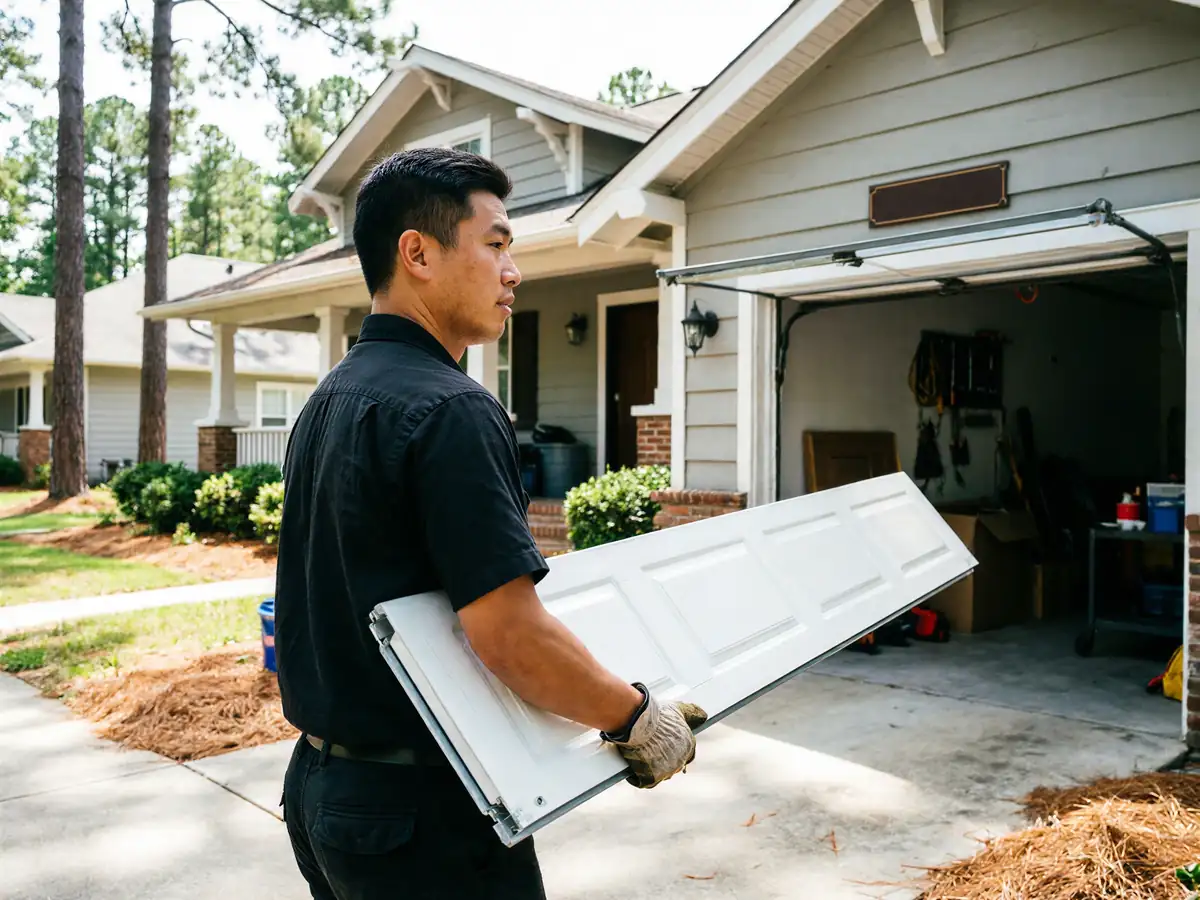
If the door panels themselves are rusted through or the steel has delaminated, which happens on some of the oldest stock in this area, we'll tell you straight that replacement makes more sense than another repair. Patching a panel that's structurally gone just means another service call in a year.
What You Pay
We don't have a flat number to quote here - every job depends on what we find once the door's open. What we can say is that for the roughly 1,543 households in Rural Hall, the jobs we run most often are torsion conversions and opener replacements tied to original-era hardware, and that tends to price differently than a routine spring swap on a newer door closer to town. We travel the 9 miles out from Winston-Salem for every call, so there's no local branch markup or discount either way - it's the same crew and the same truck stock whether the job's in Rural Hall or elsewhere in the service area.