Why This Fails Locally
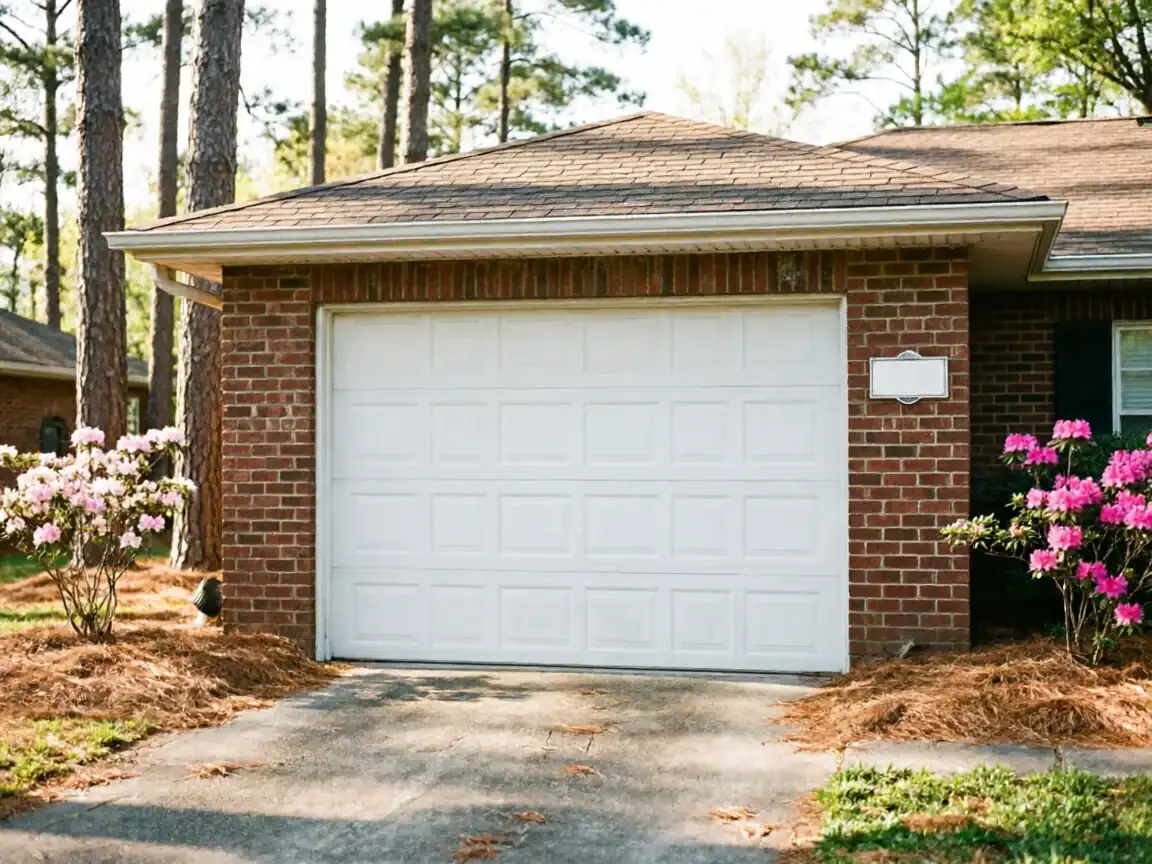
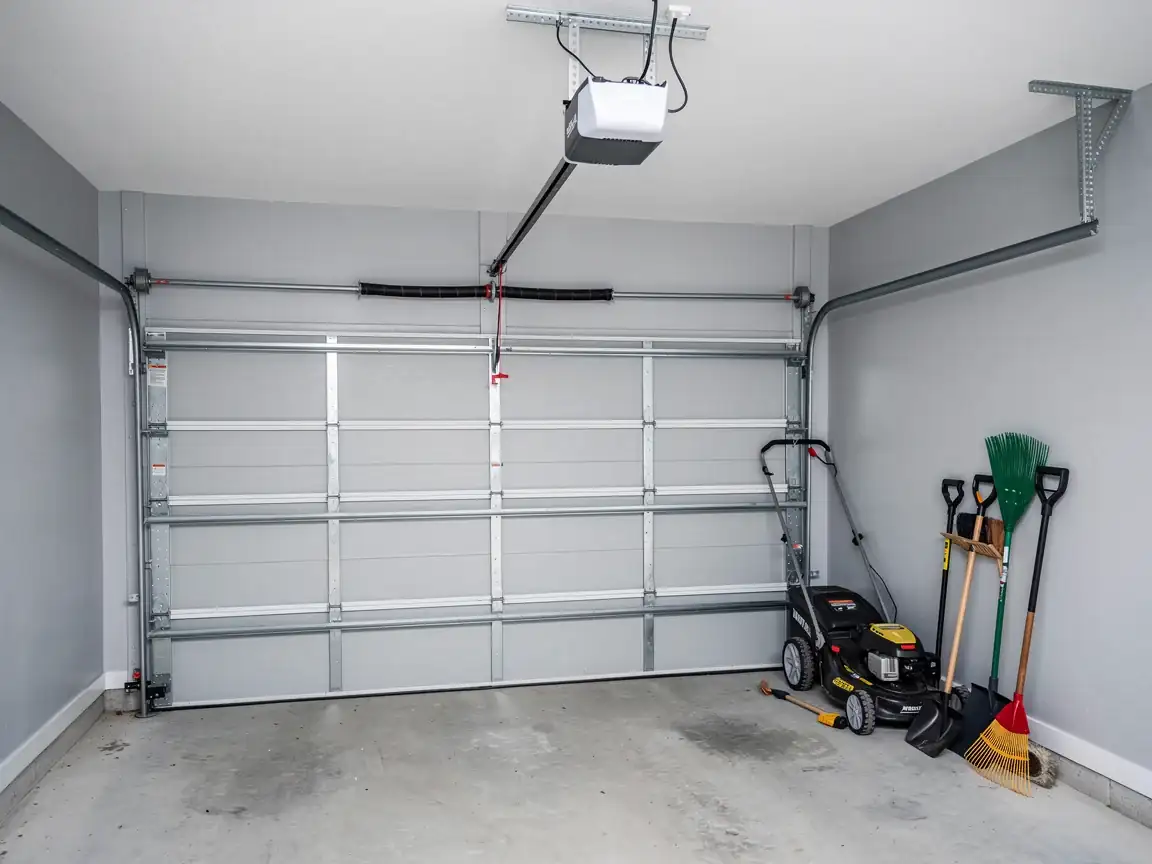
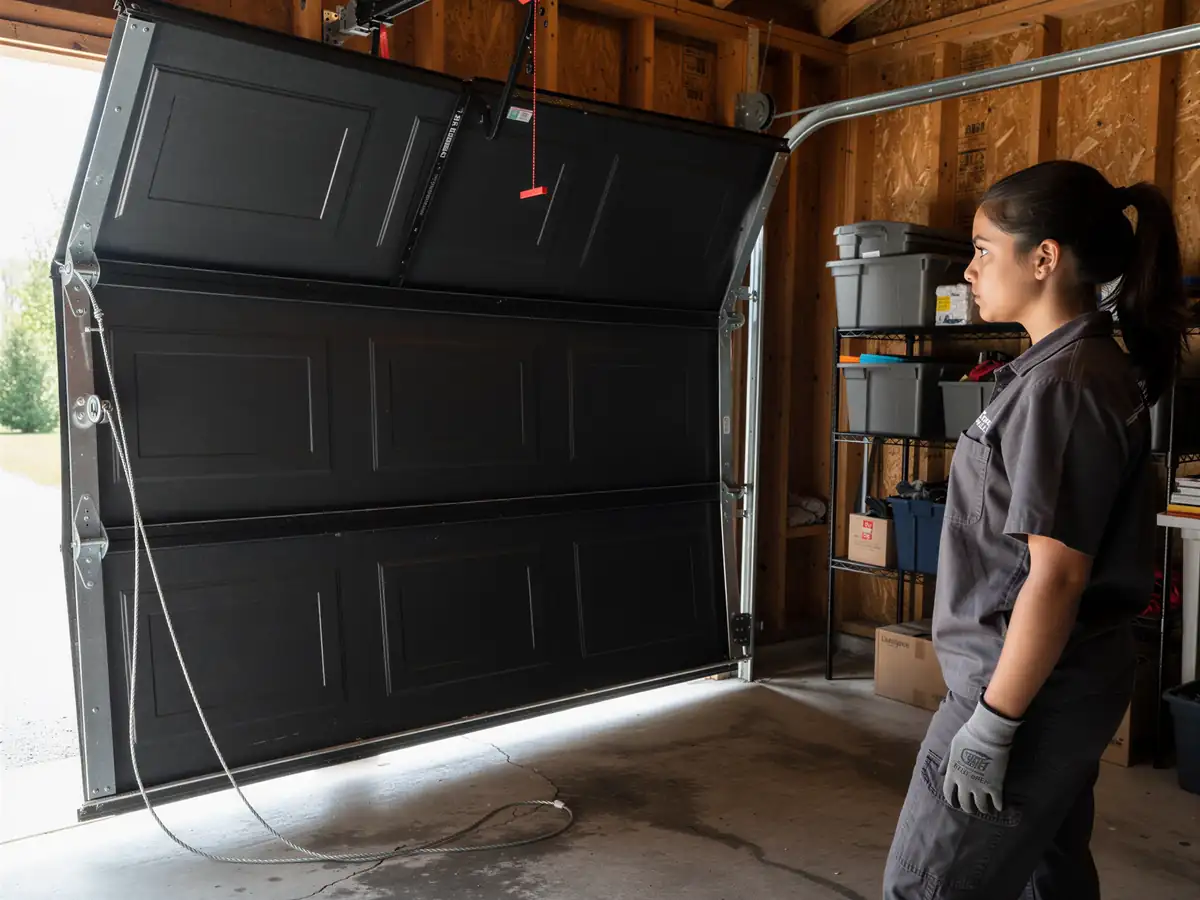
A door built in the late 1970s was engineered to a lighter standard than what gets installed today. Panels were thinner, springs were sized for a lighter door, and insulation, if there was any, was a thin foam liner instead of a real layer. Over 45 years in a cold-moderate climate, that thin panel steel flexes more with every freeze-thaw cycle, and the seams around the panel joints work loose. The spring, even if it's been replaced once, is still often sized to the original lightweight door, not to a modern insulated replacement. Swap in a heavier door on old springs and you've got a door that won't lift right or will wear the opener gears down fast. This is the part homeowners don't see coming when they think of it as a simple swap.
Where This Job Goes Sideways
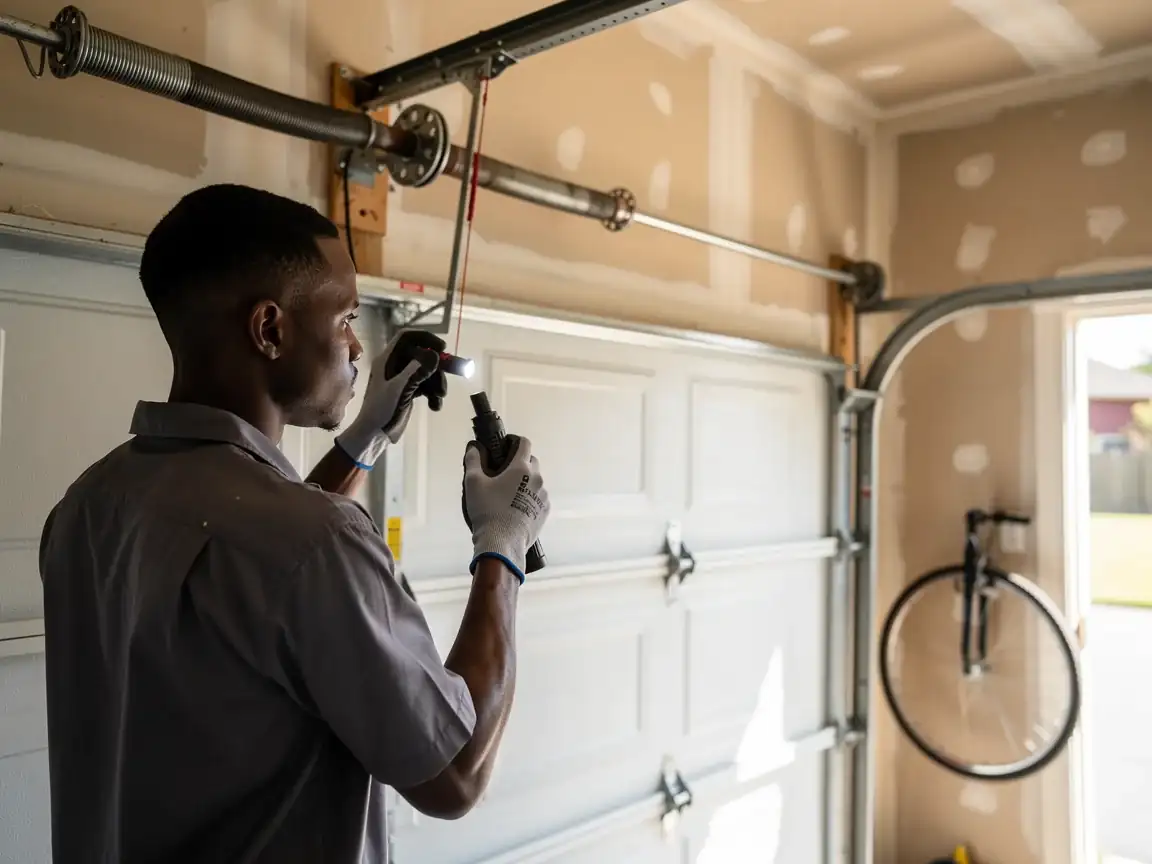
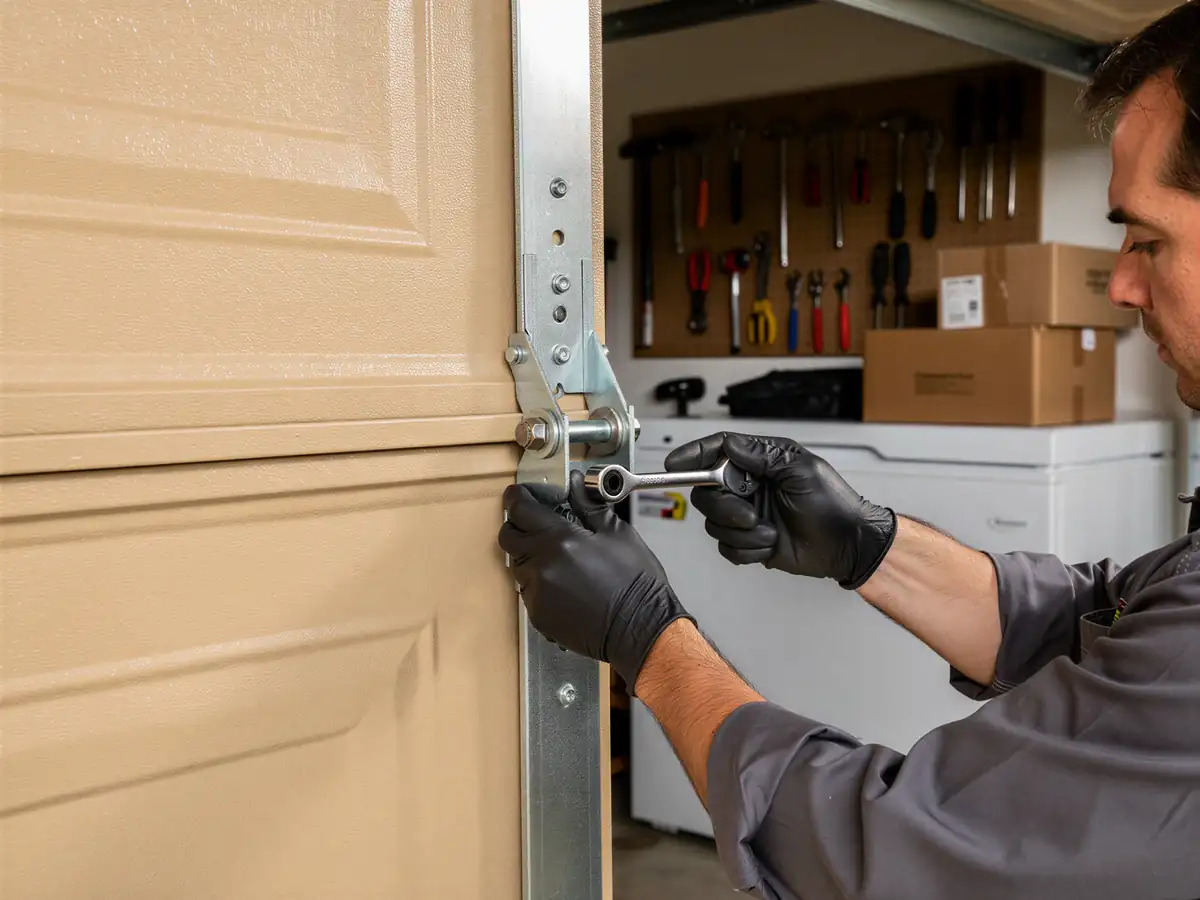
The failure point on a 1979-era Rural Hall garage almost always traces back to the track and header, not the door panel itself. Forty-five years of settling changes how square that opening still is, and a new door hung on an out-of-square frame binds on one side within a season. We've also found that the lag bolts holding the track brackets into header wood from that period have backed out or stripped the original pilot holes, so the bracket isn't actually secure even though it looks fine standing still. Skip checking that and a brand new door can pull loose from the wall under its own spring tension within the first year. This is the step that gets rushed on a fast quote and causes a callback.
What You Pay
Rural Hall's median household income sits at $50,665, noticeably lower than other towns in this service area, and we keep that in mind when we walk through door options rather than defaulting to the top-tier line. A straightforward swap on a square opening with good header wood costs less than a job where we're also rebuilding bracket mounts or correcting an out-of-square frame, and we'll tell you which one you've got before we quote anything. We don't have a flat area-wide price to quote here since job scope varies so much with what we find at the header, but we give a firm number on site before any work starts. If the frame needs more than bracket repair, that's a separate conversation, and sometimes the honest answer is that the opening itself needs carpentry work before a new door makes sense.