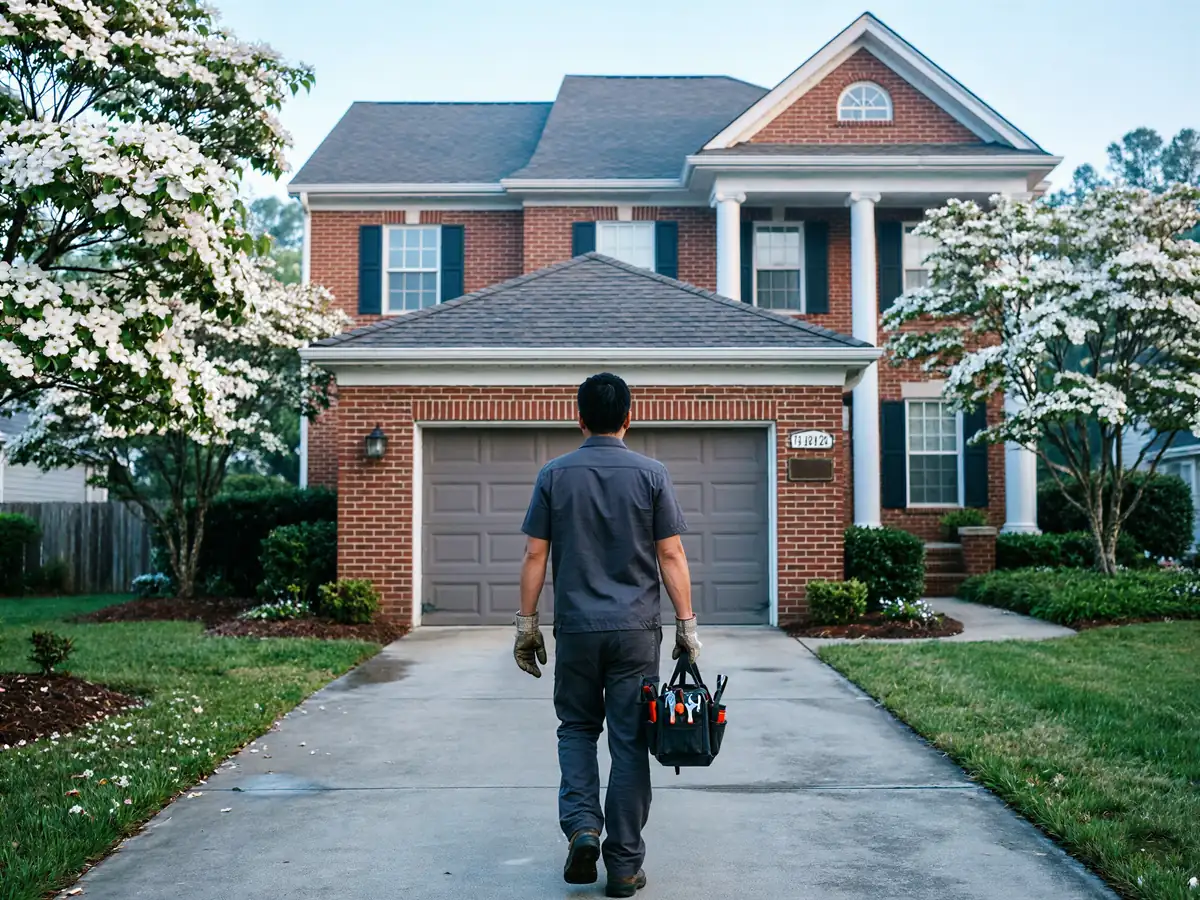
Why This Fails Locally
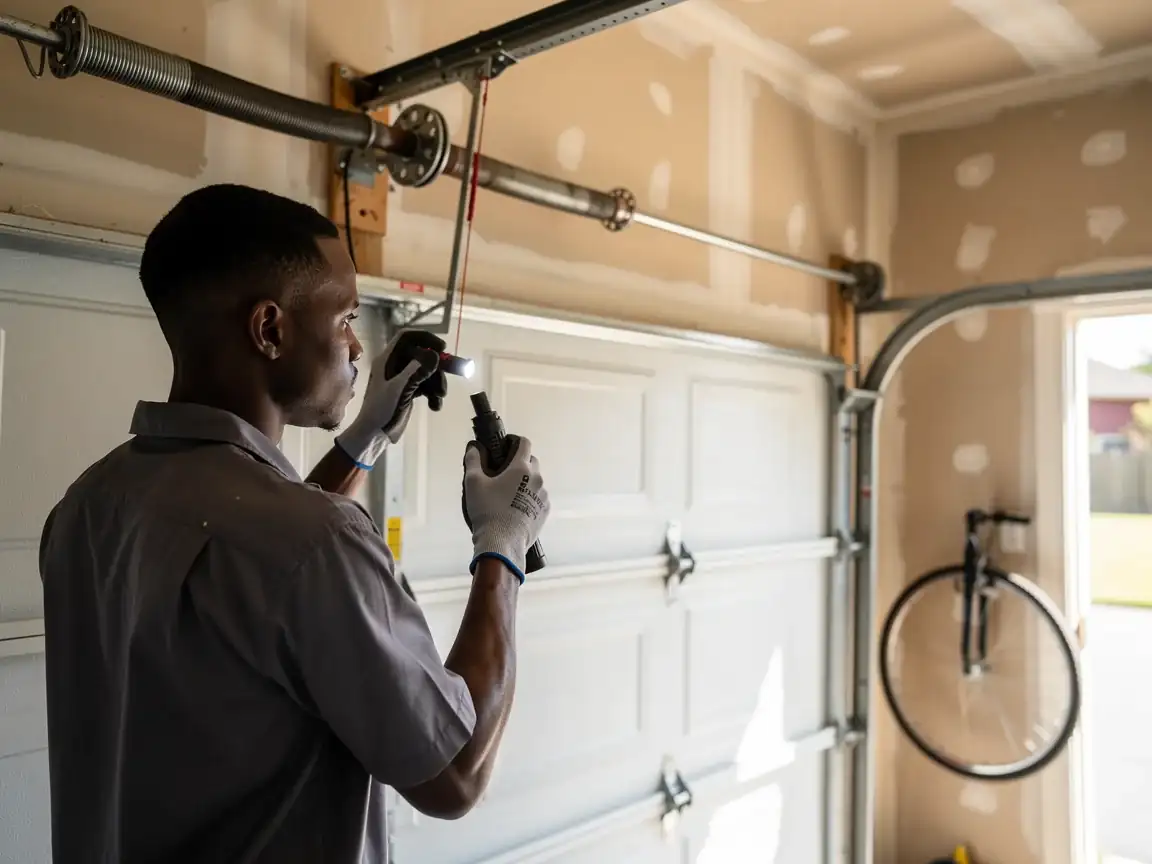
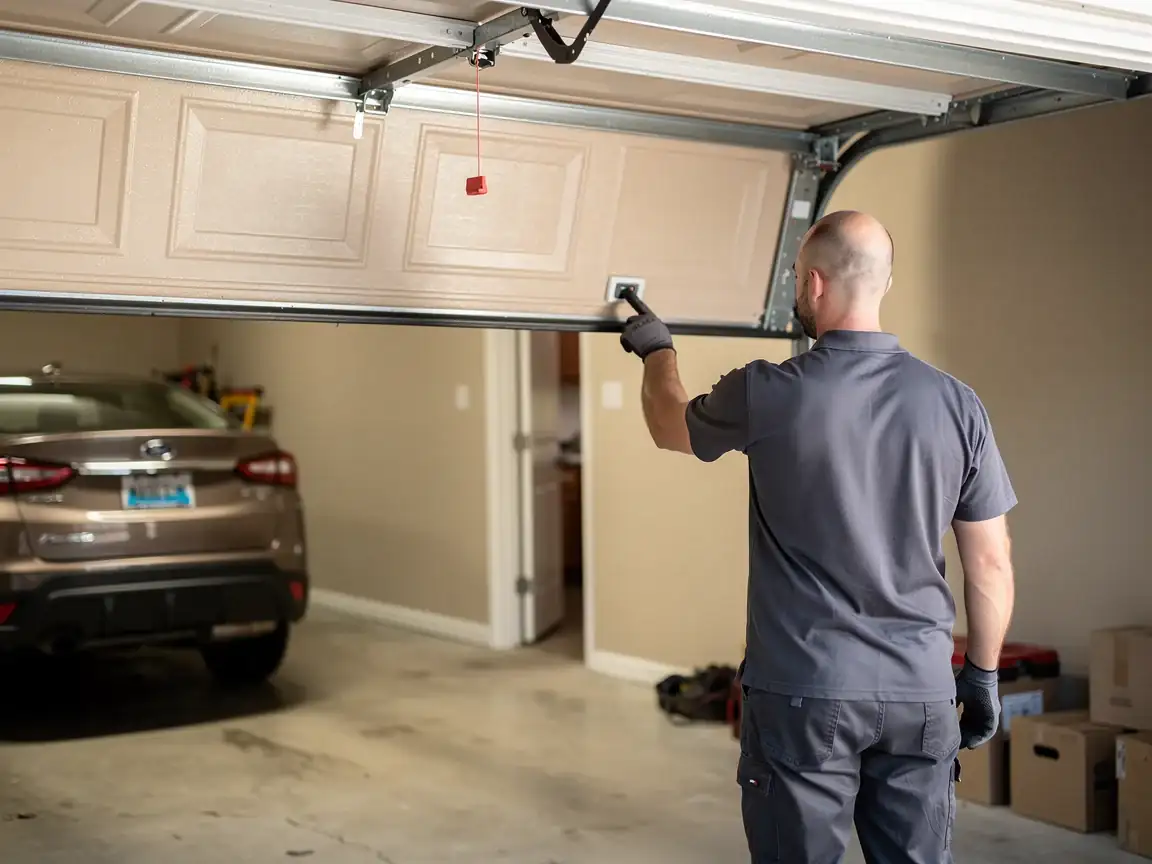
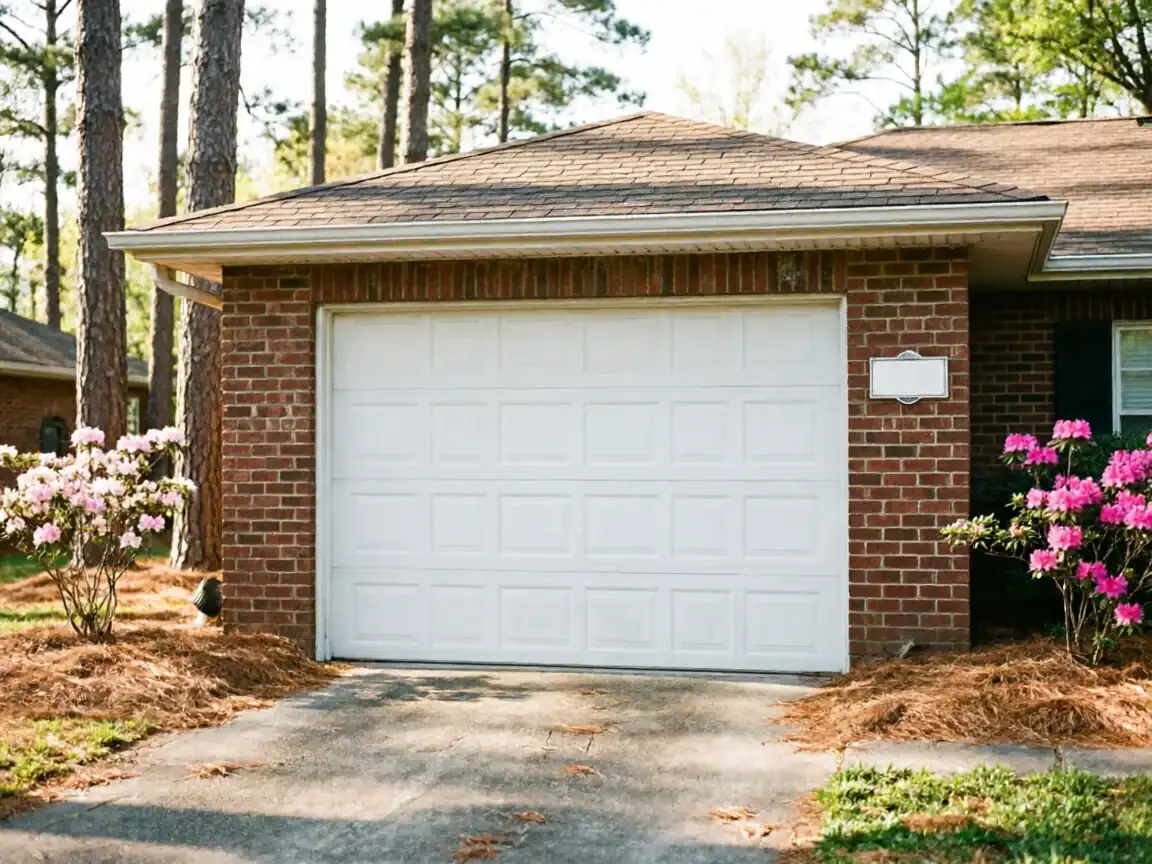
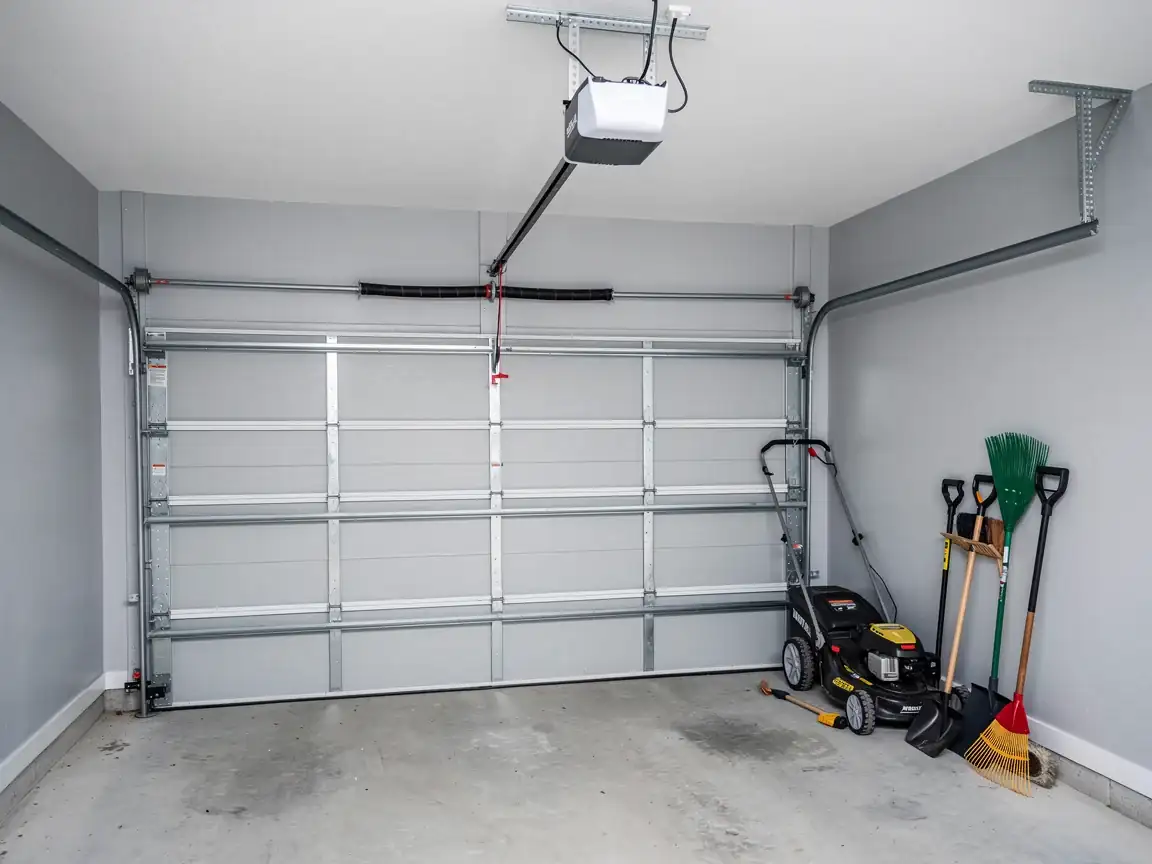
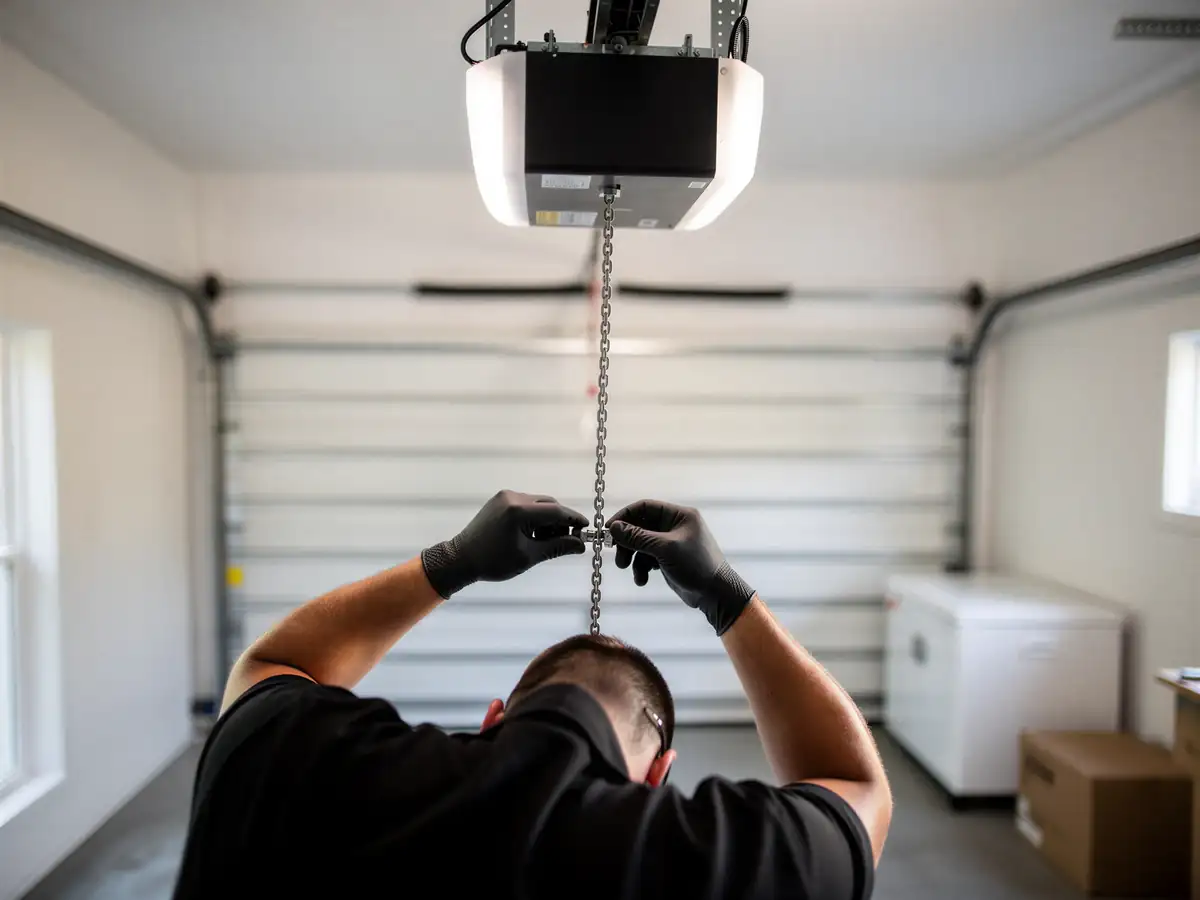
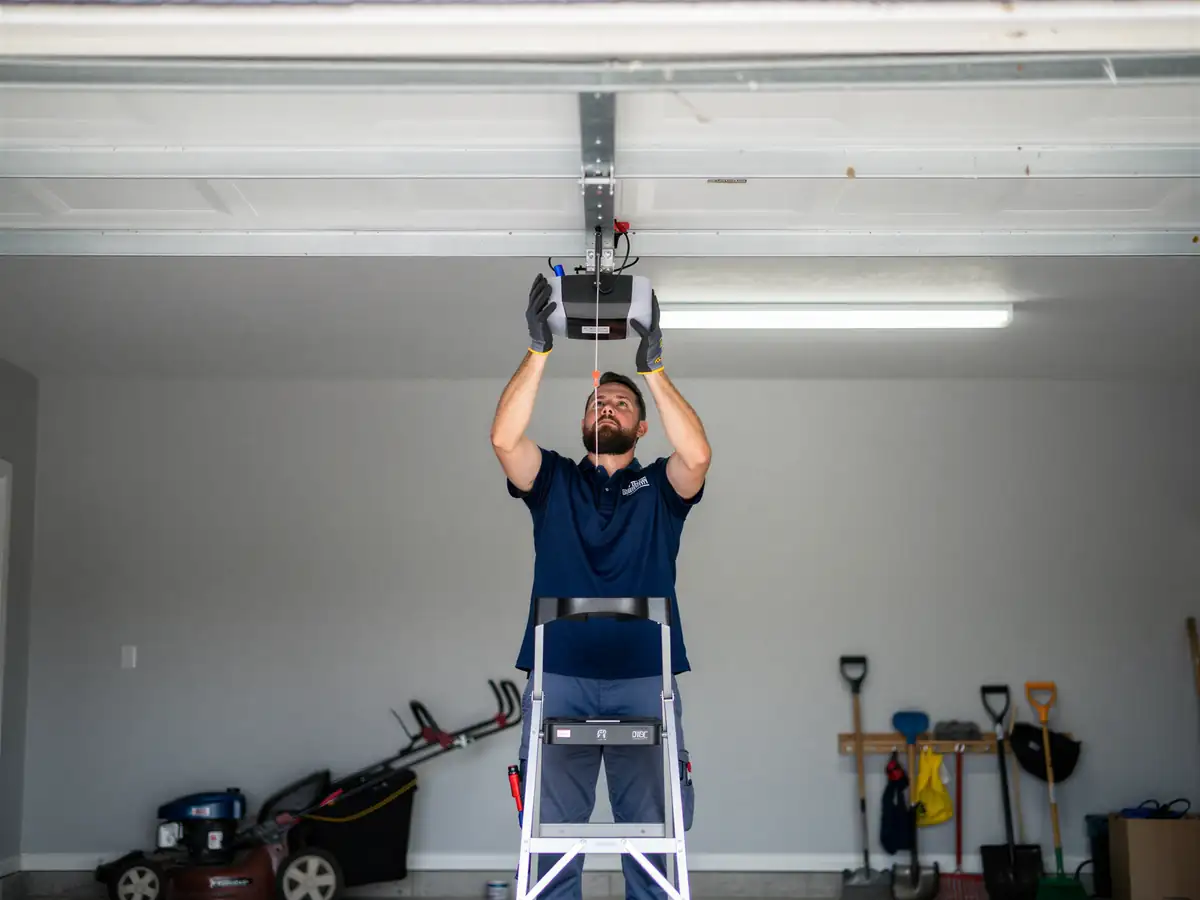
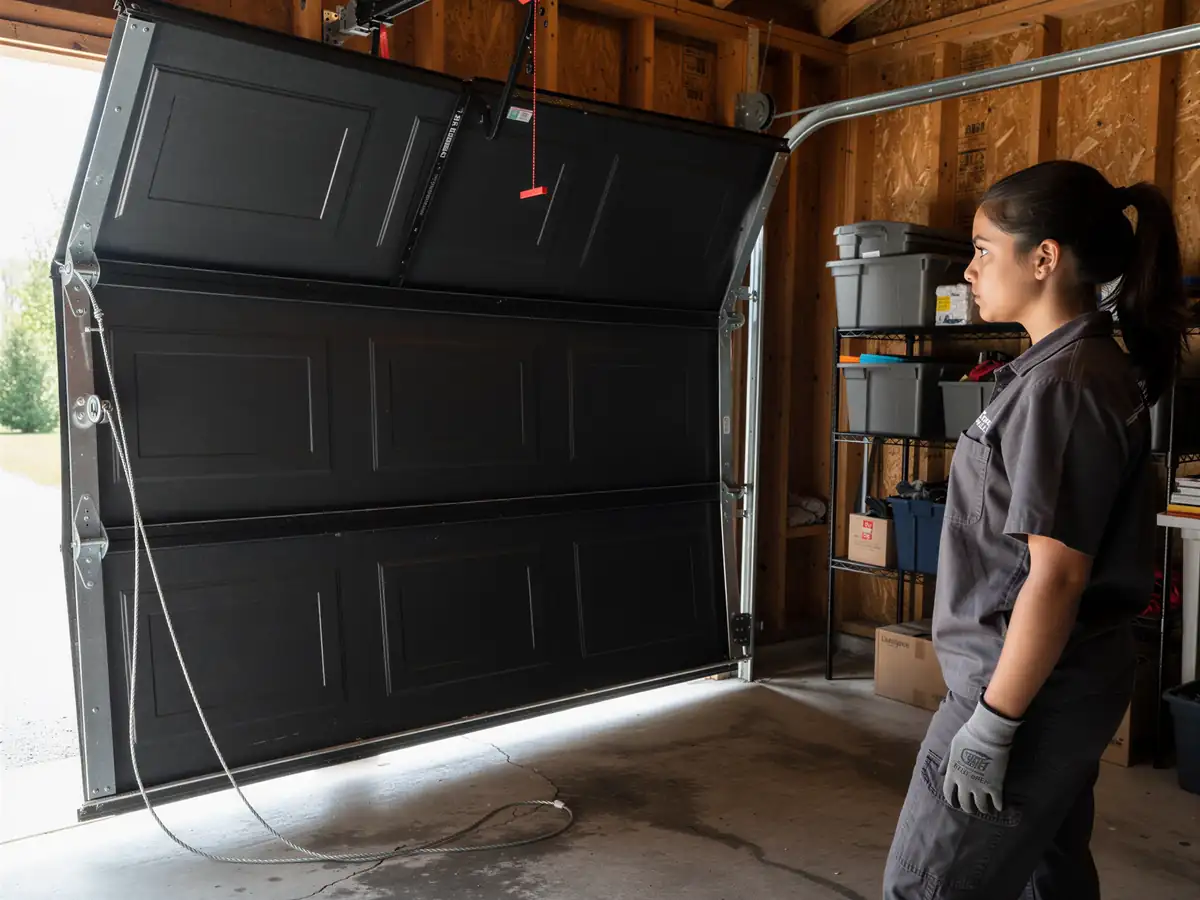
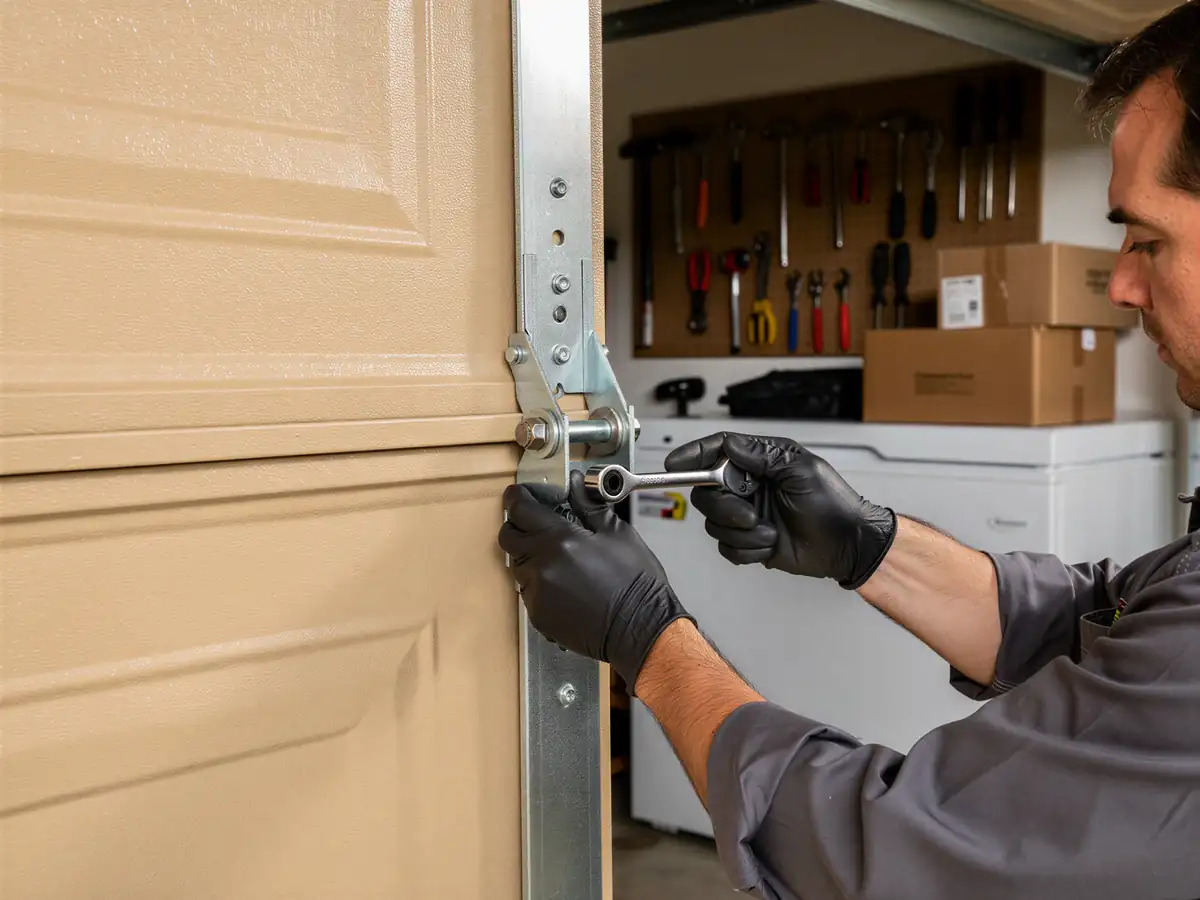
A door built around 1979 has had roughly four decades of cold-season cycling by now. The service area sits in a cold-moderate climate band, which means repeated freeze-thaw swings through the hardware every winter - not brutal cold, but enough temperature change year after year to work-harden old spring steel and loosen fasteners on track brackets that were torqued down before some current owners were born. On a door this age, the failure is rarely one clean break. More often a spring that's been losing tension gradually finally lets go on a cold morning, and the owner notices because the opener strains or the door won't lift past a foot. The same cycling also works on hinges and roller stems, so a spring call on a 1979-era door often turns up worn hinges or a bent track section nearby that a newer door wouldn't show yet.
Where This Job Goes Sideways
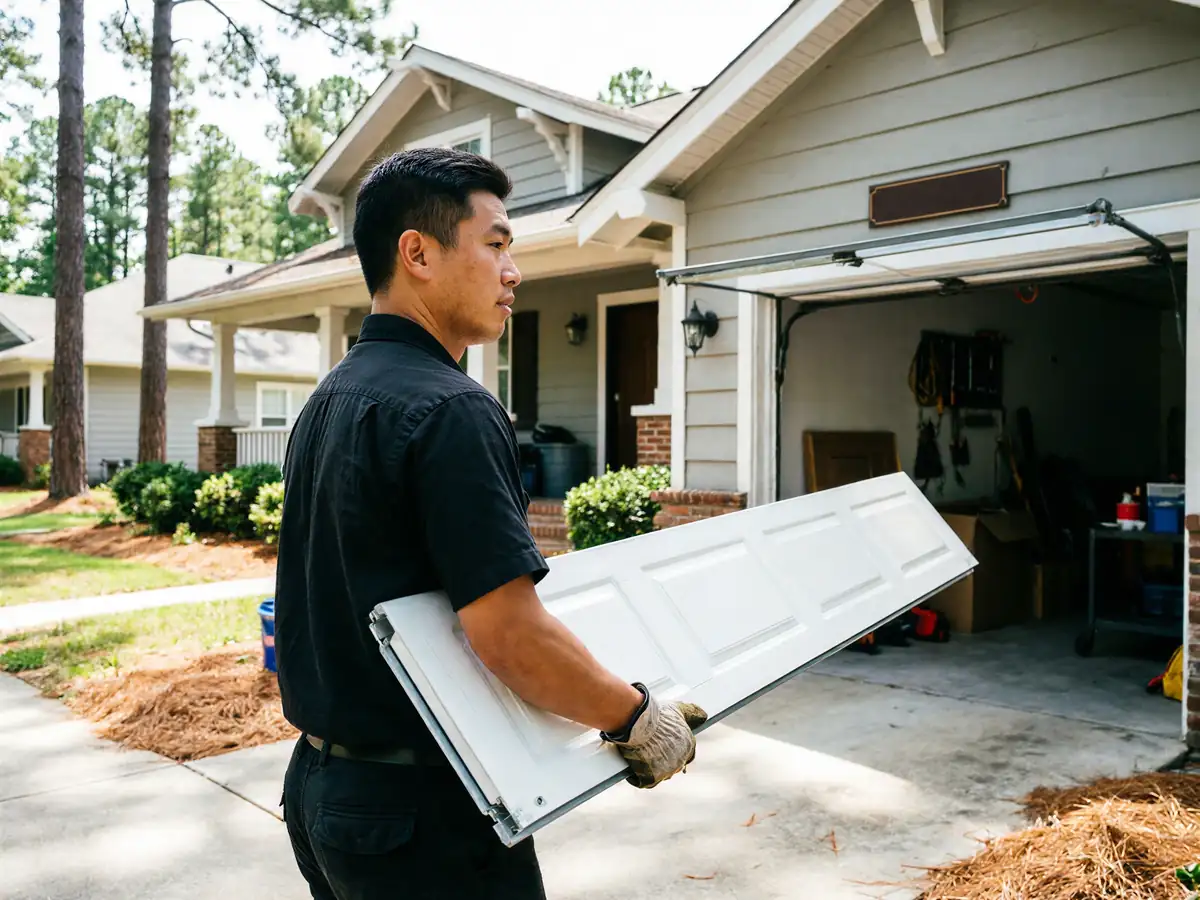
The repair-or-replace line gets drawn differently here than it would in a part of the service area built in the 1990s. Rural Hall's median household income runs $50,665, well under the broader service area's $78,821 median. That's not a judgment on the town - it just means a straight replacement quote that makes sense for a newer, higher-value install elsewhere isn't automatically the right call on a 1979 door in Rural Hall. We've seen jobs where a homeowner was quoted full replacement when the actual problem was a single broken extension spring and a bent roller track, fixable for a fraction of the cost. The flip side: if the door's wood jamb has rotted at the base, or the track is bent beyond pulling straight, replacement is the honest answer regardless of the hardware age, and we'll tell you that too.
What You Pay
We don't post a flat number here because the spread between a broken spring and a bent track with hinge wear is real, and quoting one price for both would be dishonest. What we can tell you is how we price it: diagnosis first, parts and labor itemized before anything gets fixed, and we flag when a repair isn't worth it against a full replacement rather than running up a bill on a door that's past the point of patching. Given the income profile here, we try to lead with the repair option when the hardware supports it, and we're upfront when it doesn't.