Repair or Replace: Older Garage Doors Around Winston-Salem
A look at when a 1970s-1990s Winston-Salem garage door is worth repairing versus replacing, based on local housing stock and this region's cold-moderate climate.
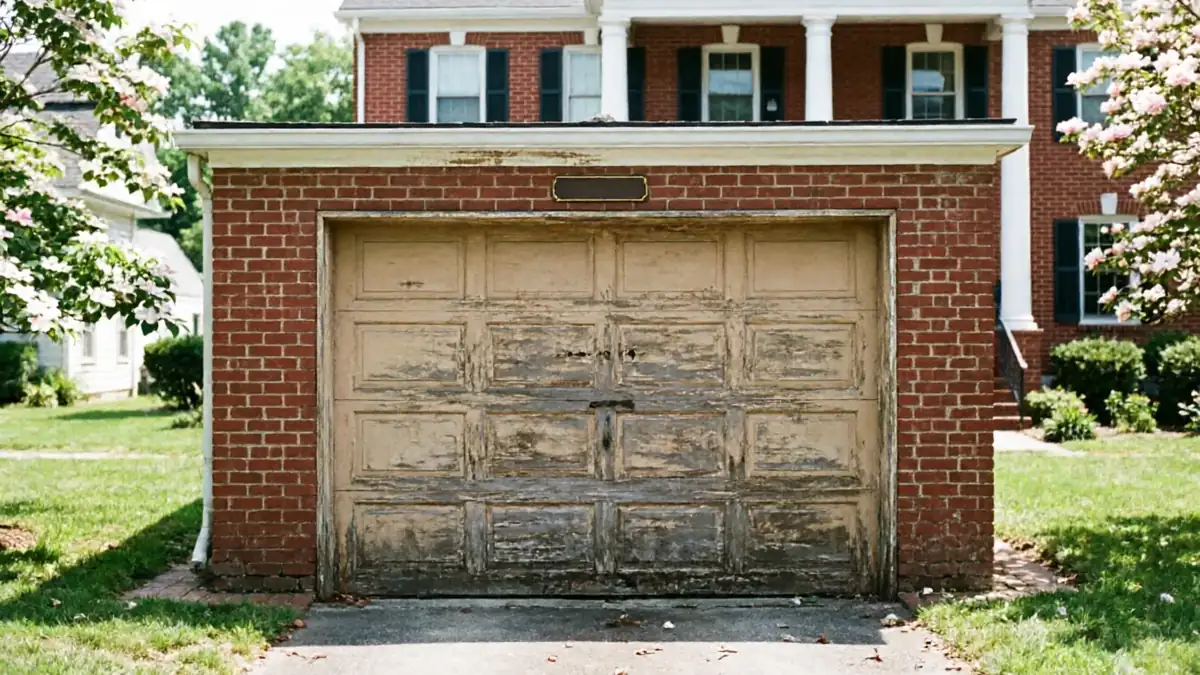
We can't give you a number here, because what a repair costs depends on what's actually wrong and what door you've got - and we don't quote sight-unseen. What we can tell you is how to think about it. Across this service area, most houses went up between 1973 and 2002, with the median landing around 1987. That means a lot of the original doors and openers on these houses are now 30 to 50 years old. At that age, a spring or a roller job is almost always worth doing. A full panel replacement on a door that old is a different conversation, because matching an obsolete panel style can cost more than a new door section by section. The honest answer we give most callers: if the track and hardware are sound and it's just a broken spring or a bad sensor, fix it. If the door itself is from the original build and the panels are dented, rusted, or no longer insulated to any real standard, you're usually better off putting that money toward a new door instead of chasing parts for one that's done most of its service life.
The Situation
Winston-Salem and the surrounding areas we work - Walkertown, Clemmons, Lewisville, Kernersville, and a dozen more named communities within about 20 miles - share a housing pattern: most of the stock dates to the 1980s and '90s. That matters for doors specifically because that era is when steel sectional doors with basic polystyrene insulation became standard, replacing the older solid wood and single-layer steel doors. If your house falls in that window, your door is probably original or a first replacement from the '90s or early 2000s, and the hardware - rollers, hinges, torsion springs - is reaching or past its expected lifespan. We see this constantly on service calls in these neighborhoods: a door that still looks fine from the driveway but is running on 30-year-old springs sized for a lighter door than what's actually hanging on them now, because someone swapped panels at some point without resizing the spring. That's a repair-or-replace call we make in person, not over the phone.
How Local Conditions Play In
This area sits in a cold-moderate climate band, which is a narrower swing than the Deep South but still enough to matter for door hardware. Steel contracts in winter cold and expands in summer humidity, and on a door that's 20-plus years old, that cycle has already worked the fasteners loose and dried out the weatherstripping more than once. It's also why we're cautious about recommending repair on a door whose panels have lost their insulation value - on a house built in the 1980s or '90s with single-pane-equivalent door insulation, that door is working harder in both January and July than a comparable door built to today's foam-core standard. If the springs and opener are the only issue, repair makes sense regardless of the panel's insulation rating. If the panels themselves are failing, that's when the climate argument tips toward replacement rather than patching.
Season by Season
Late fall into winter is when we get the most spring-failure calls in this area, because the cold tightens the steel and adds load right when the door's being used the most. If your door dates from the 1973-2002 build window that covers most of this area's housing, winter is the season that exposes whatever's already marginal - a spring near the end of its cycle count, a roller that's been squealing since summer. Spring and early summer bring opener and sensor calls instead, as humidity swells wood jambs slightly and throws alignment off on doors with aging track. We don't see the kind of sustained extreme heat or ice that would argue for doing major hardware work on a strict seasonal schedule, but if you're on the fence about an older door, late summer - before the winter load cycle starts - is the better time to get it looked at than the middle of a January cold snap.
How it works
From “it’s stuck” to “it’s fixed”
1
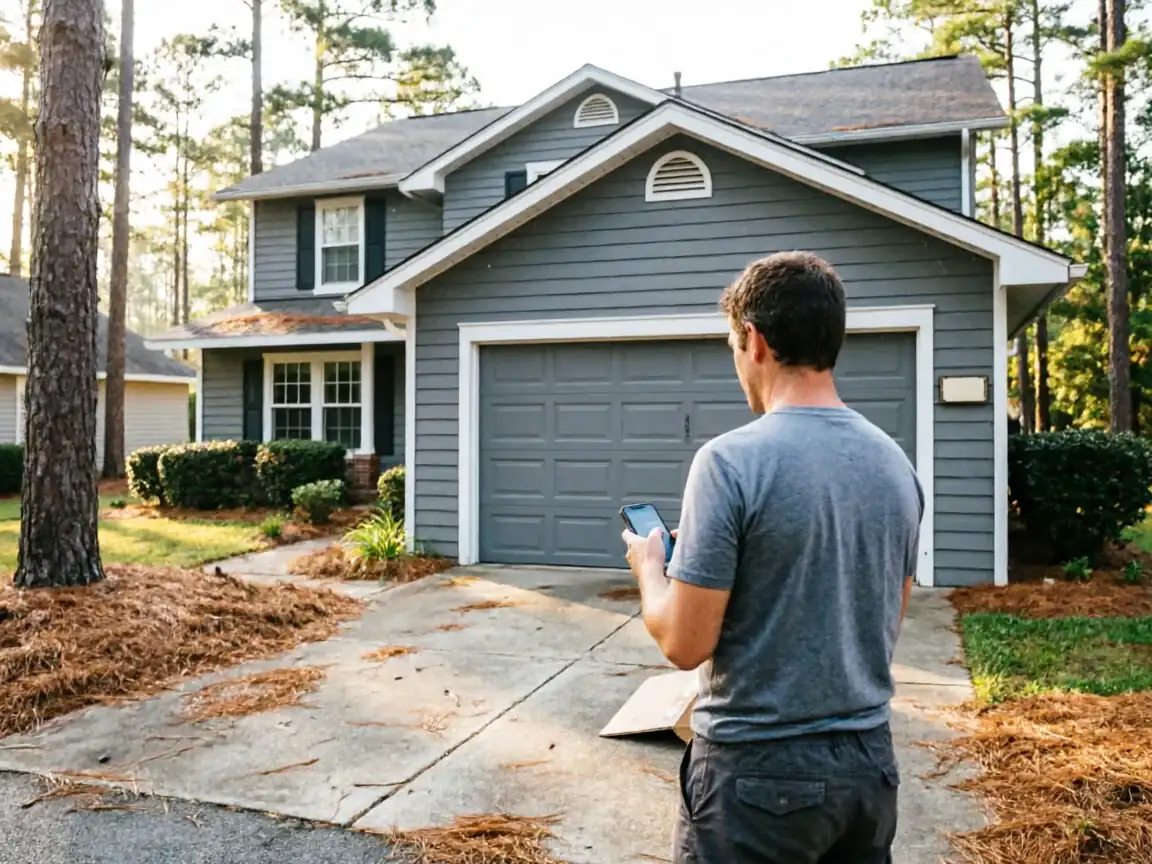
Tell us what’s wrong
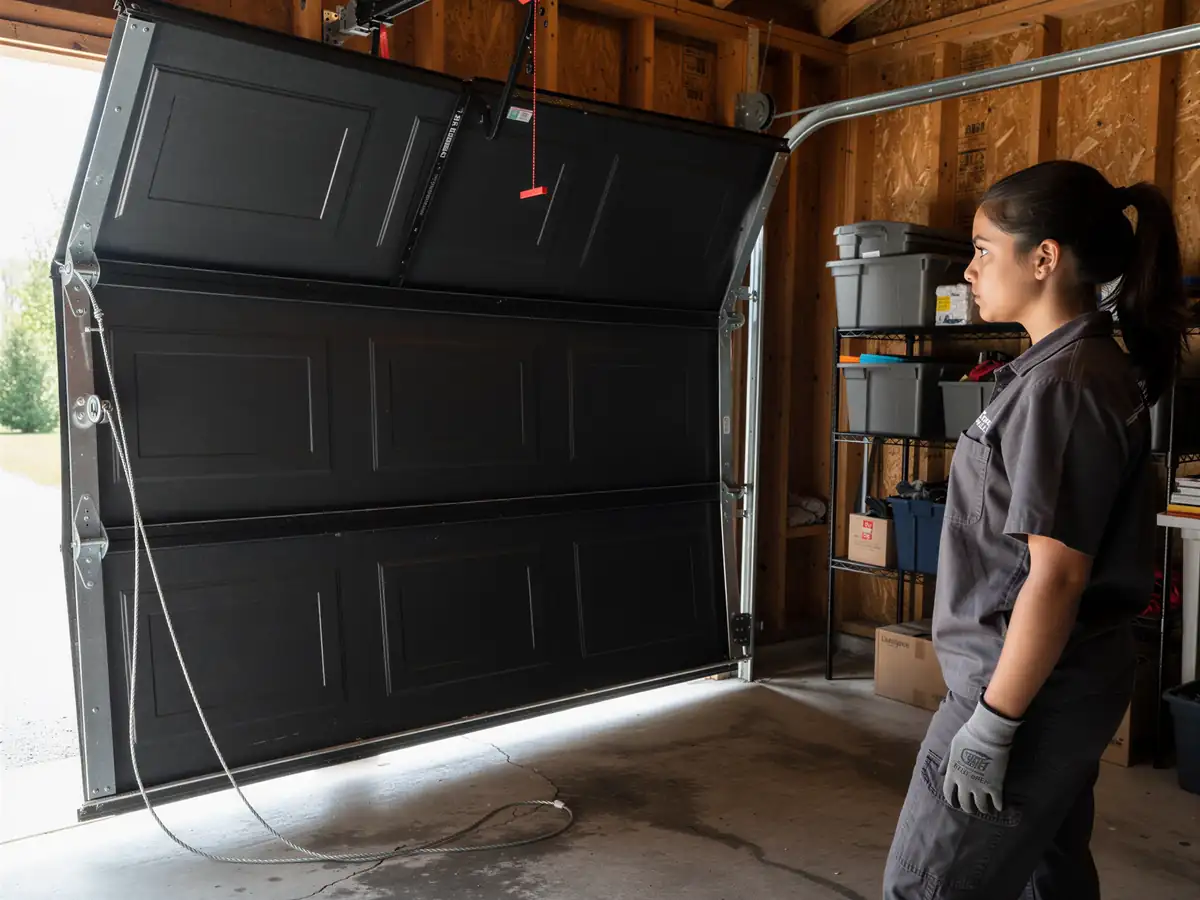
Describe the symptom - won’t open, loud bang, opener runs but the door won’t move.
2
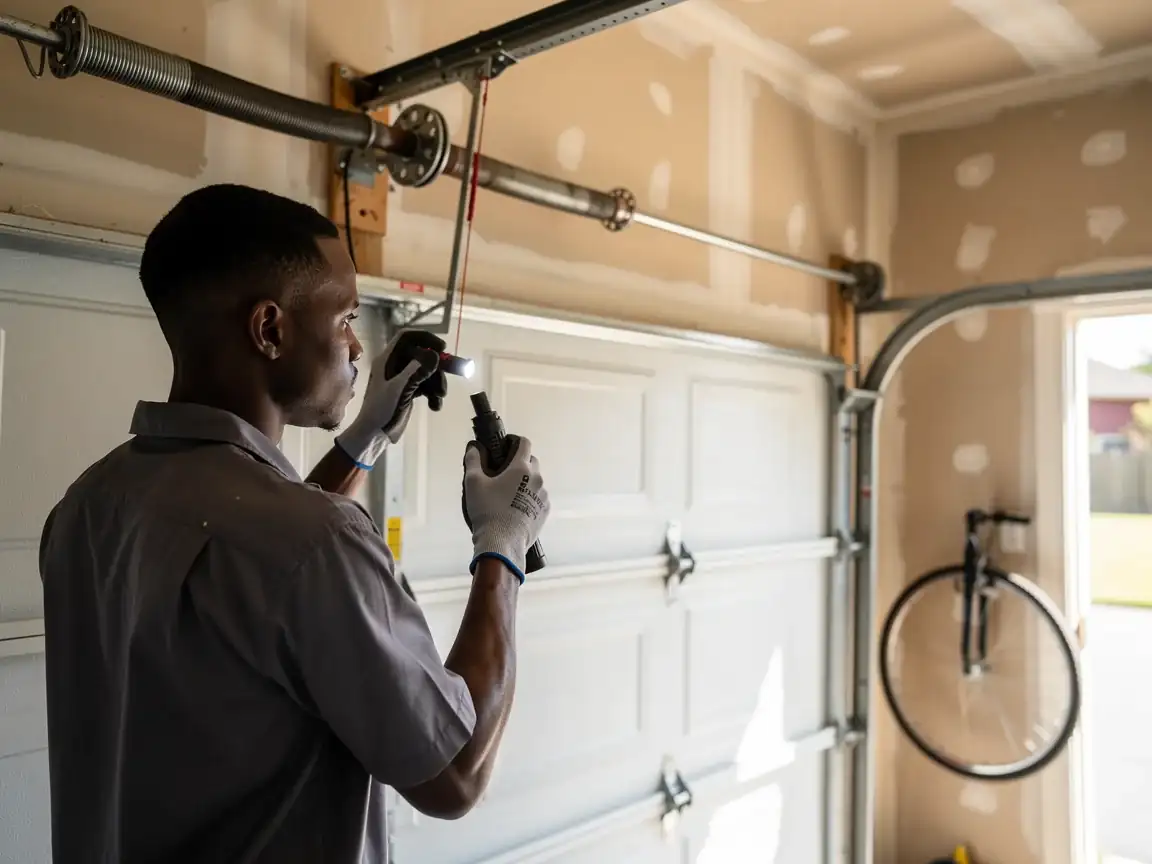
On-site diagnosis
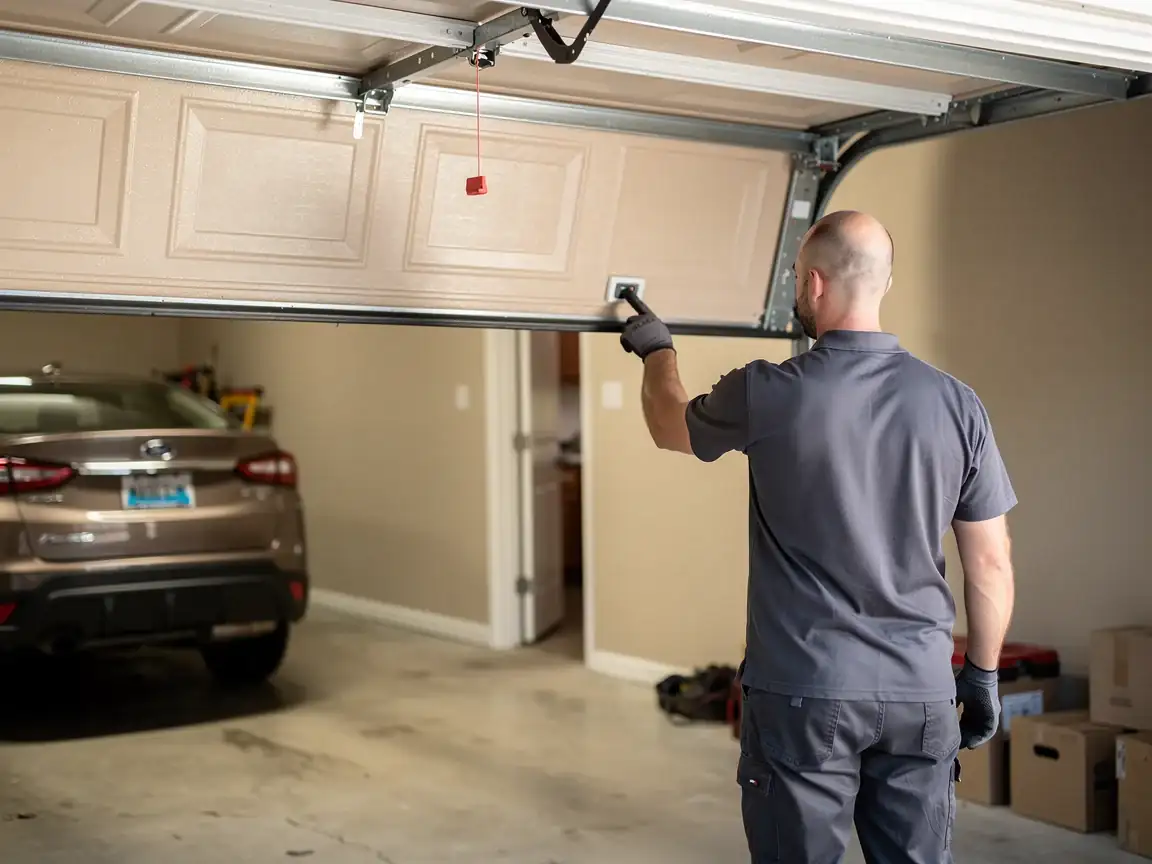
A technician tests the door under power and by hand and finds what actually failed.
3
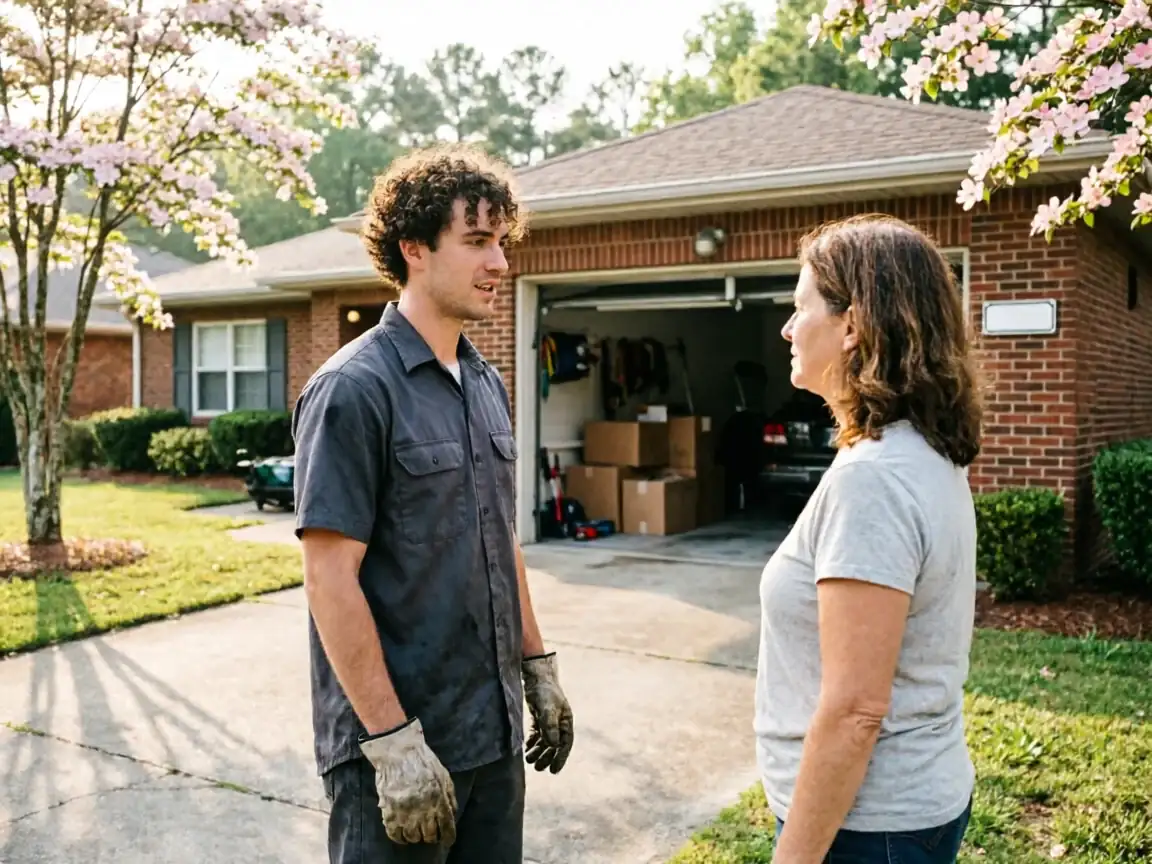
Clear, up-front plan
You get the fix that’s needed and what drives the cost - before any work starts.
4
Repaired & tested
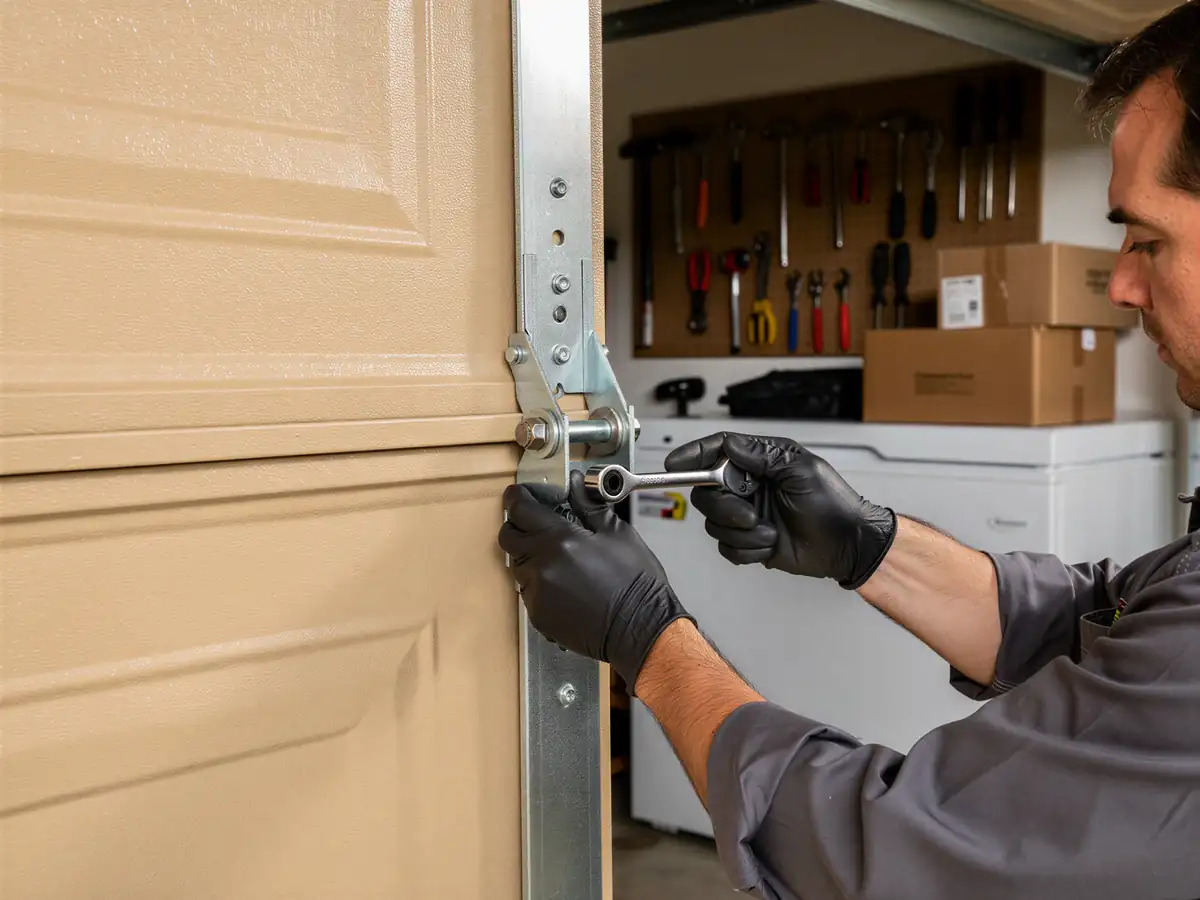
The repair is done, the door is set true and tested, and the work area left clean.
Not sure which repair your door needs in Winston-Salem, NC? Describe what it’s doing - every job starts with a diagnosis.
Is it worth fixing a garage door spring on a house built in the 1980s?
Yes, in almost every case. A torsion spring job is routine hardware work regardless of the door's age, and most houses in this area date to the 1980s and '90s. The spring itself has a service life measured in cycles, not years, so replacing it on an otherwise sound door is one of the best-value repairs there is.
When does it make more sense to replace instead of repair?
When the panels themselves are the problem - dented, rusted through, or insulation long gone - rather than the hardware. On doors original to houses built in the 1973-2002 window common across this area, panel damage usually means replacement, since matching old panel styles is harder and often costs more than a new door.
Does Winston-Salem's climate shorten garage door lifespan?
It's a cold-moderate climate here, not extreme, but the seasonal swing between winter cold and summer humidity still stresses steel panels and weatherstripping over decades. On a door already 25-plus years old, that cycling is usually part of why hardware starts failing, especially heading into winter.
Ready to get your garage door sorted?
Tell us what it’s doing and where you are in Winston-Salem - we’ll take it from there.