What You Are Seeing
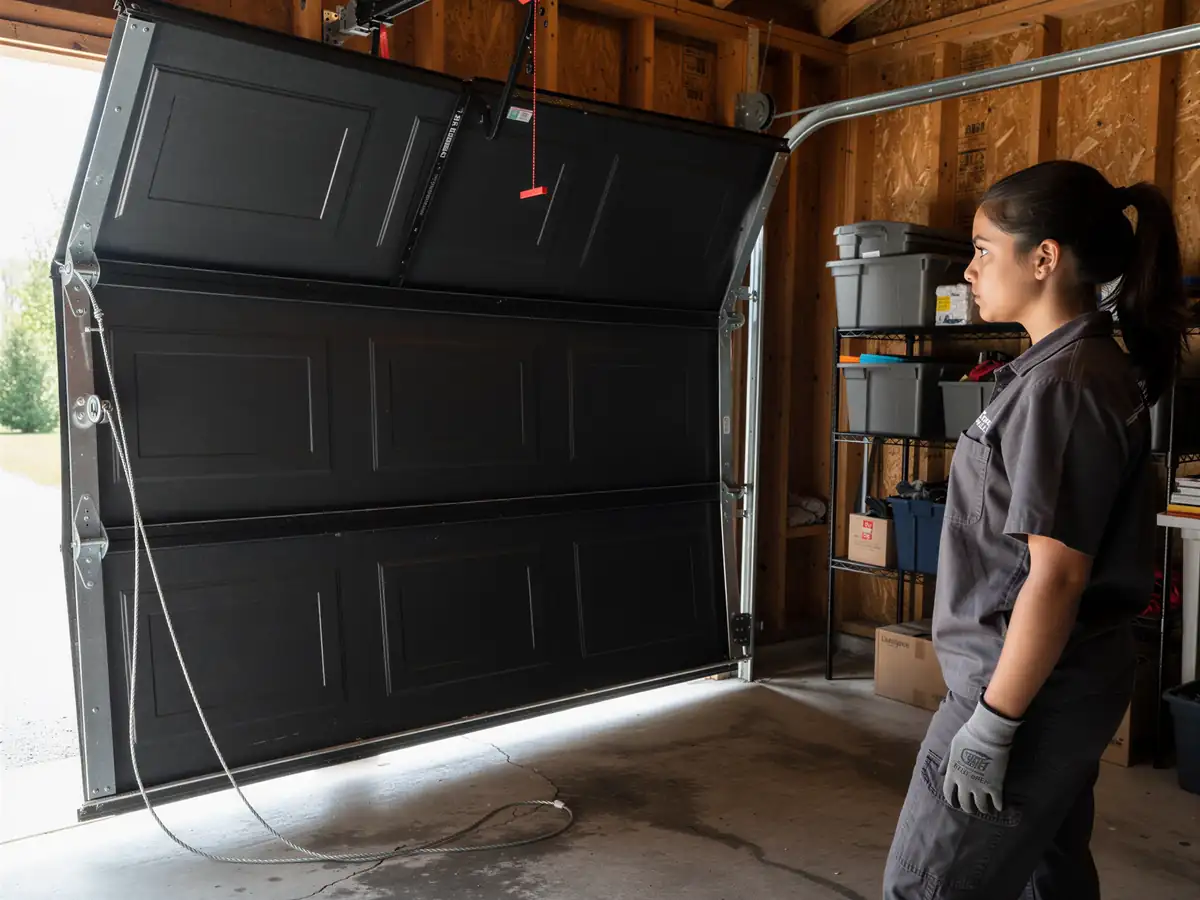
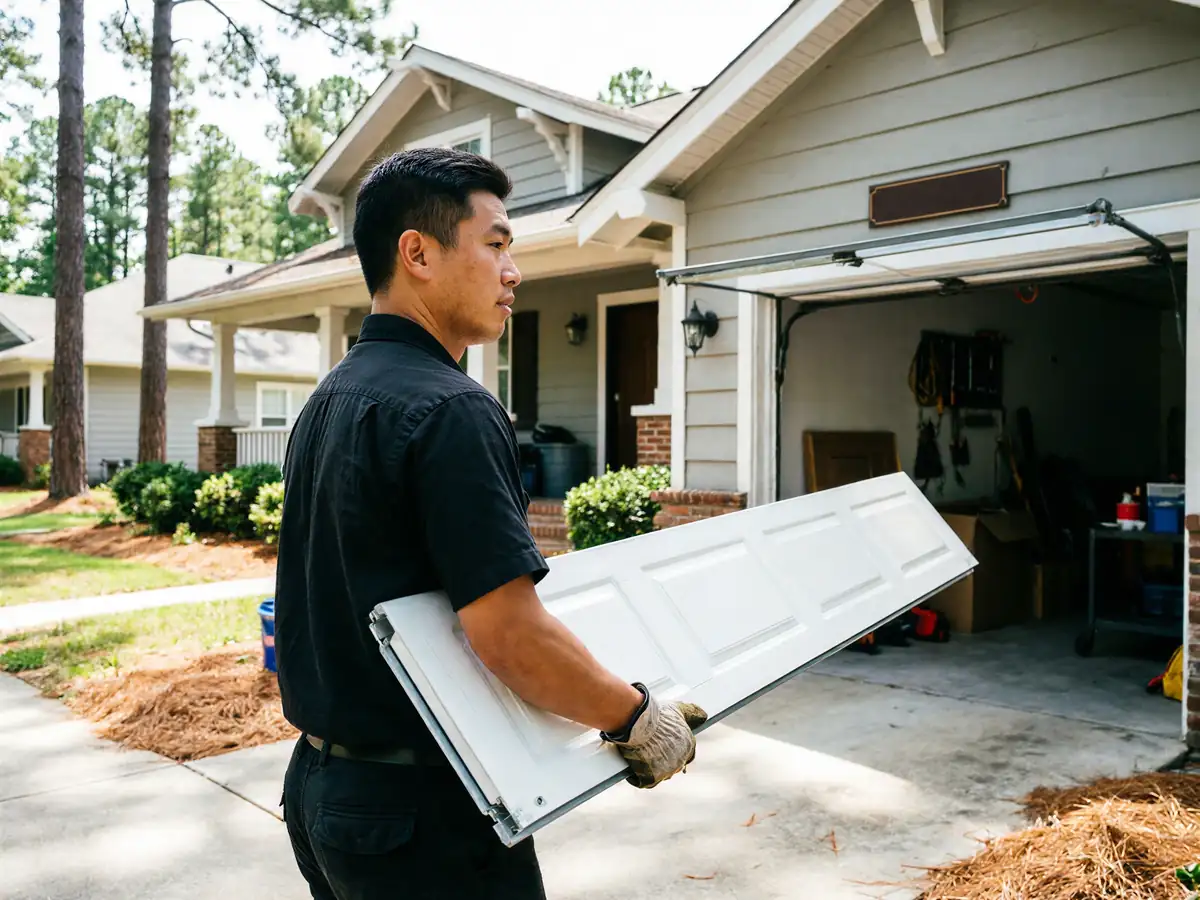
A single bent or cracked panel on a door that otherwise runs fine is one of the most common calls we get
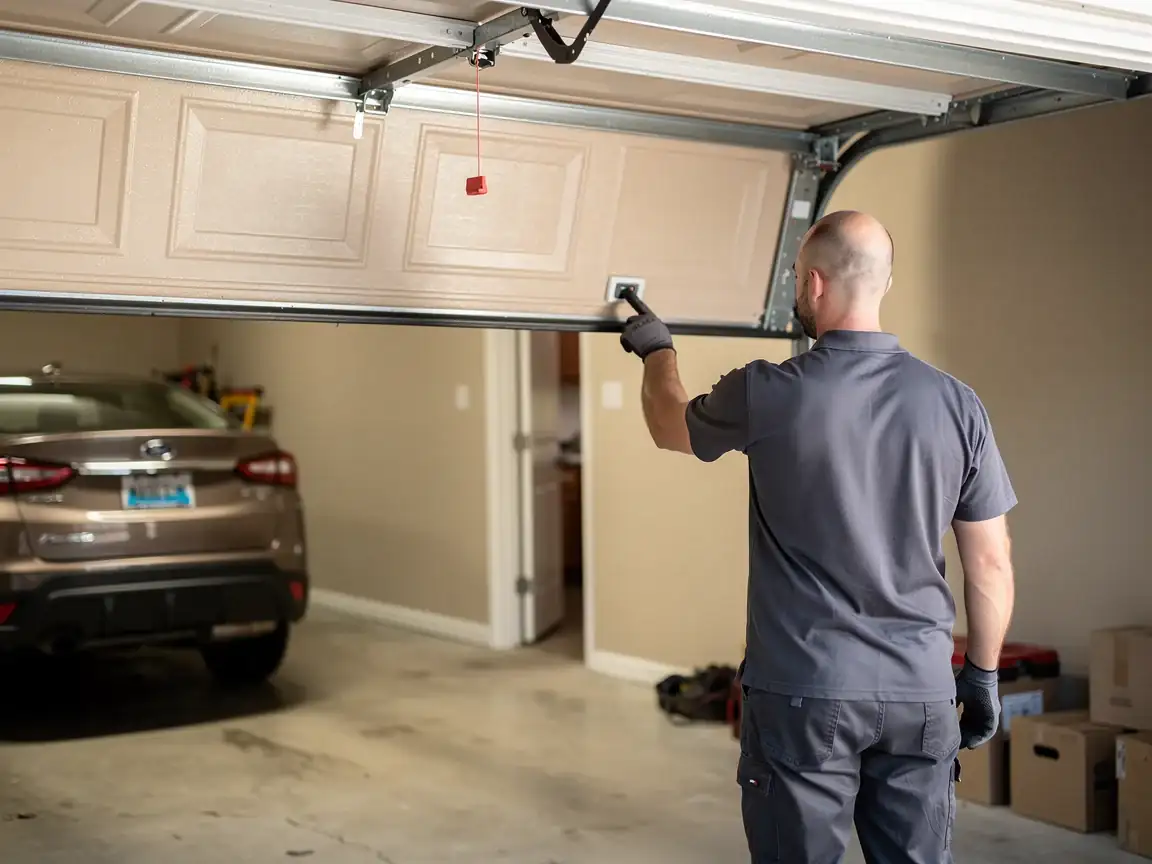
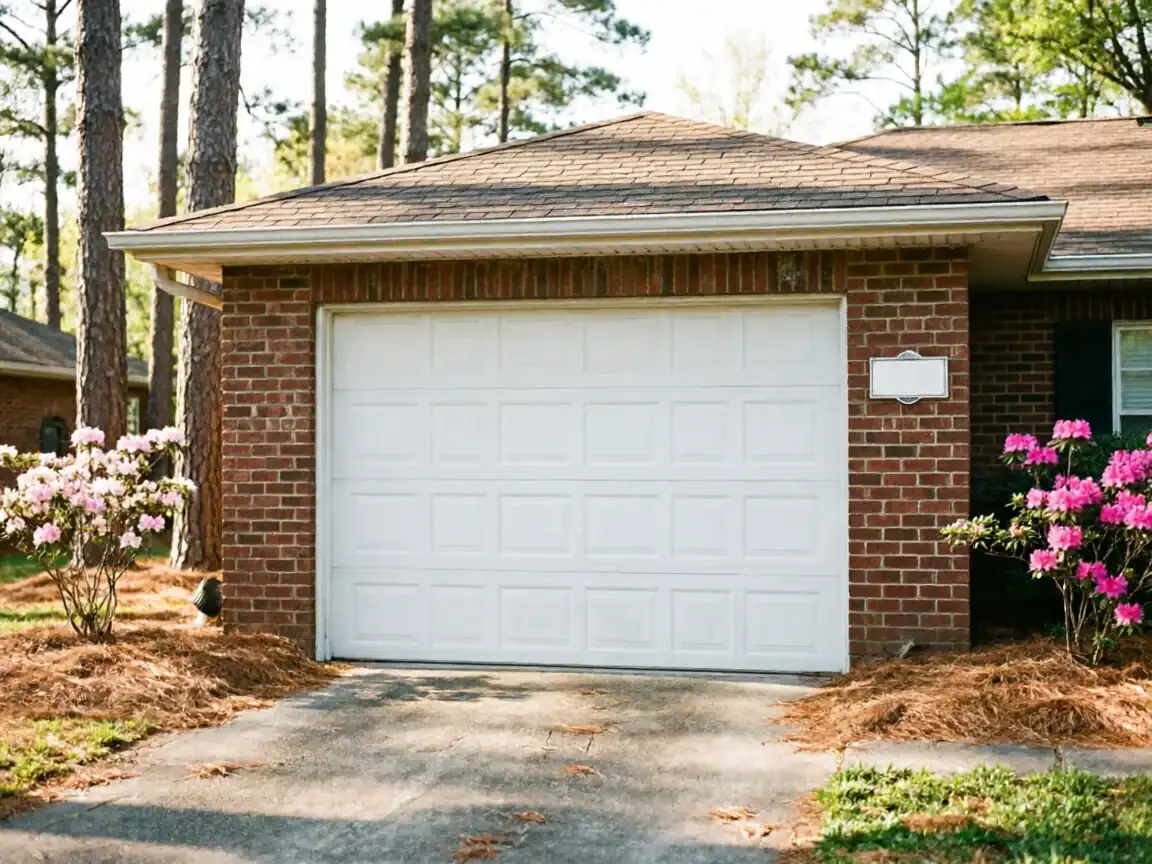
It usually shows up as a visible dent from a backed-into car, a crack that's split along the seam after years of expanding and contracting, or a panel that's gone soft and started to bow in the middle.
Most of the housing stock across this service area went up between 1973 and 2002
With the bulk of it dating to the 1980s and 90s across the 17 communities we cover. Doors from that era were built with steel panel sections that are thinner than what's made today, and after three or four decades of winter cold and summer heat cycling through our climate band, the seams and foam backing start to let go before the rest of the door does.
- 17 communities
That's the pattern worth knowing
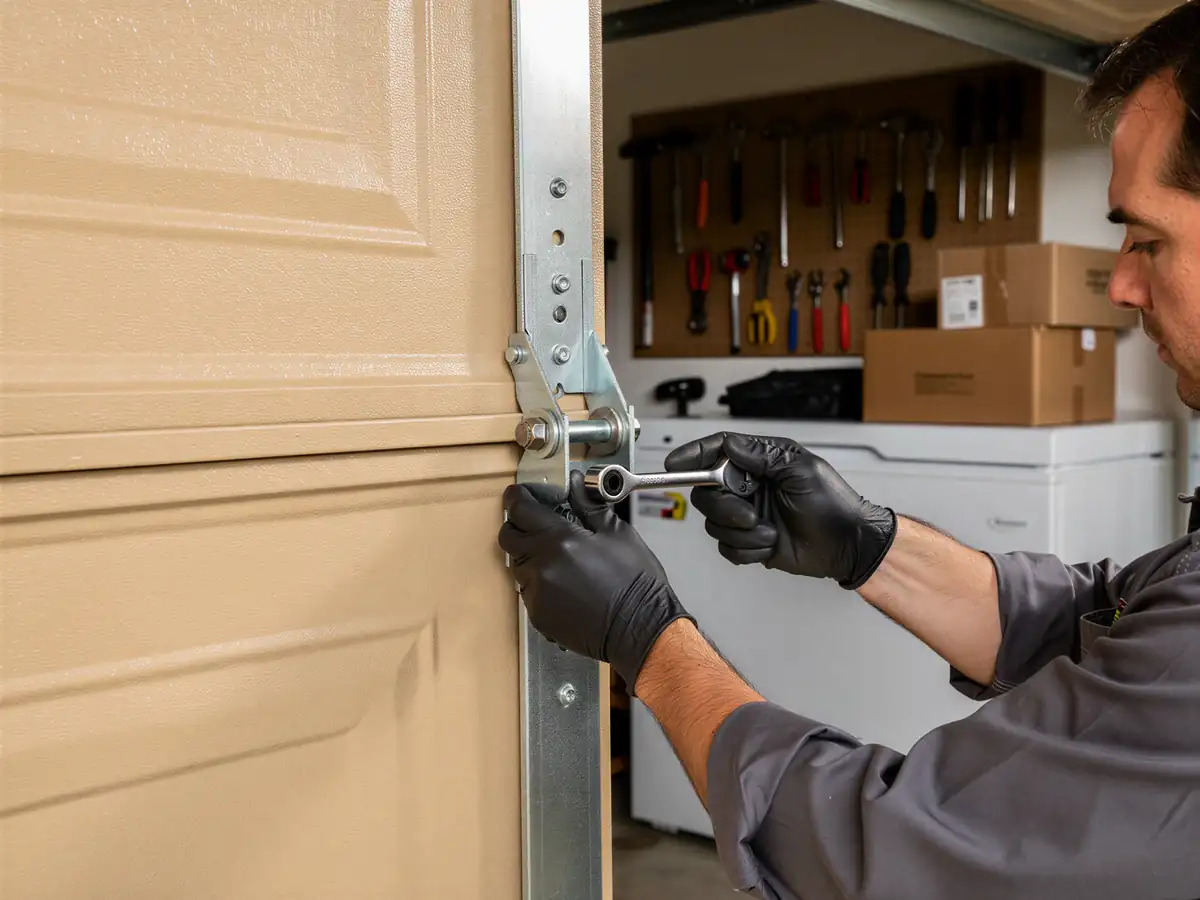
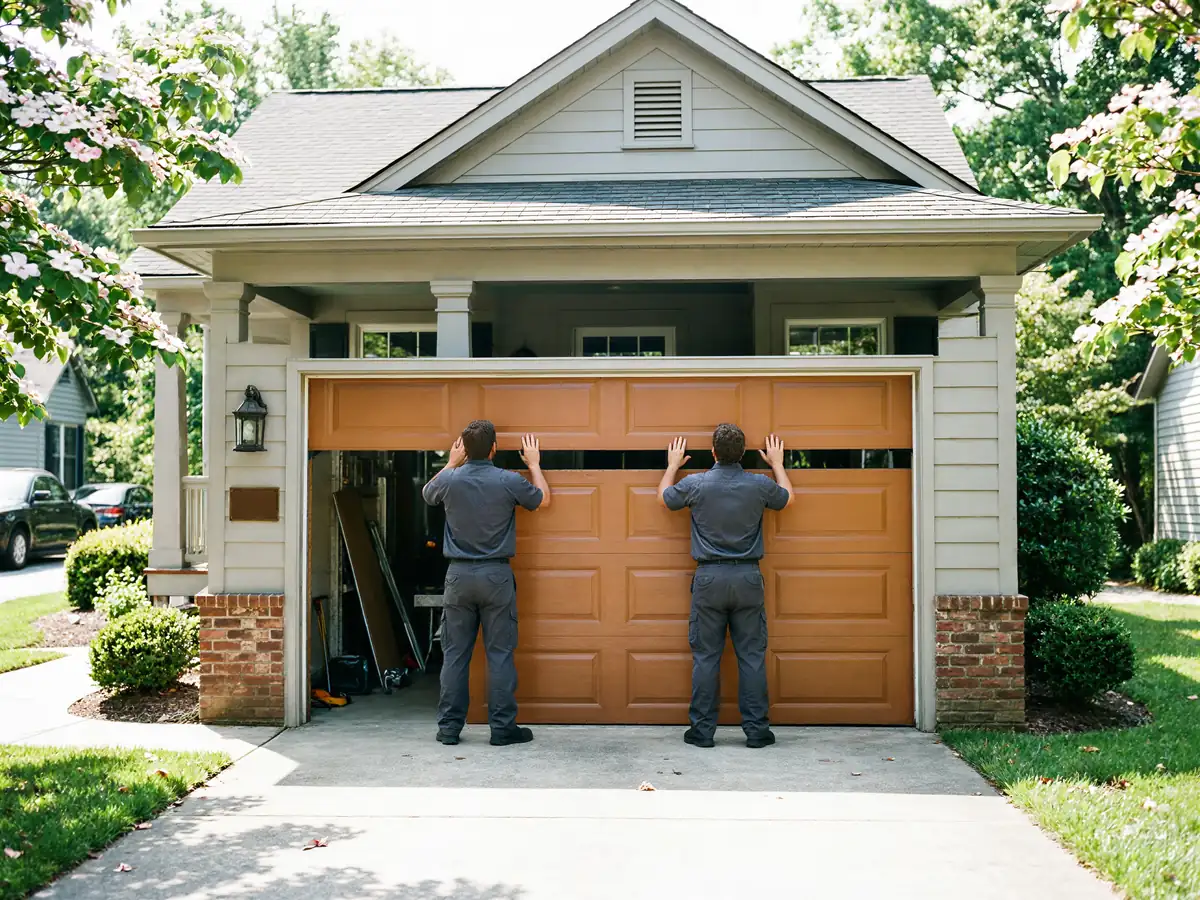
The opener still runs, the springs are often fine, but one or two panels are shot. Replacing just the bad section - instead of the whole door - is usually the right call if the rest of the door is sound and the panel profile is still available. If the door is old enough that the manufacturer has discontinued that panel style, full replacement becomes the more practical option, and we'll tell you that straight instead of chasing down a part that doesn't exist anymore.
Getting It Booked In
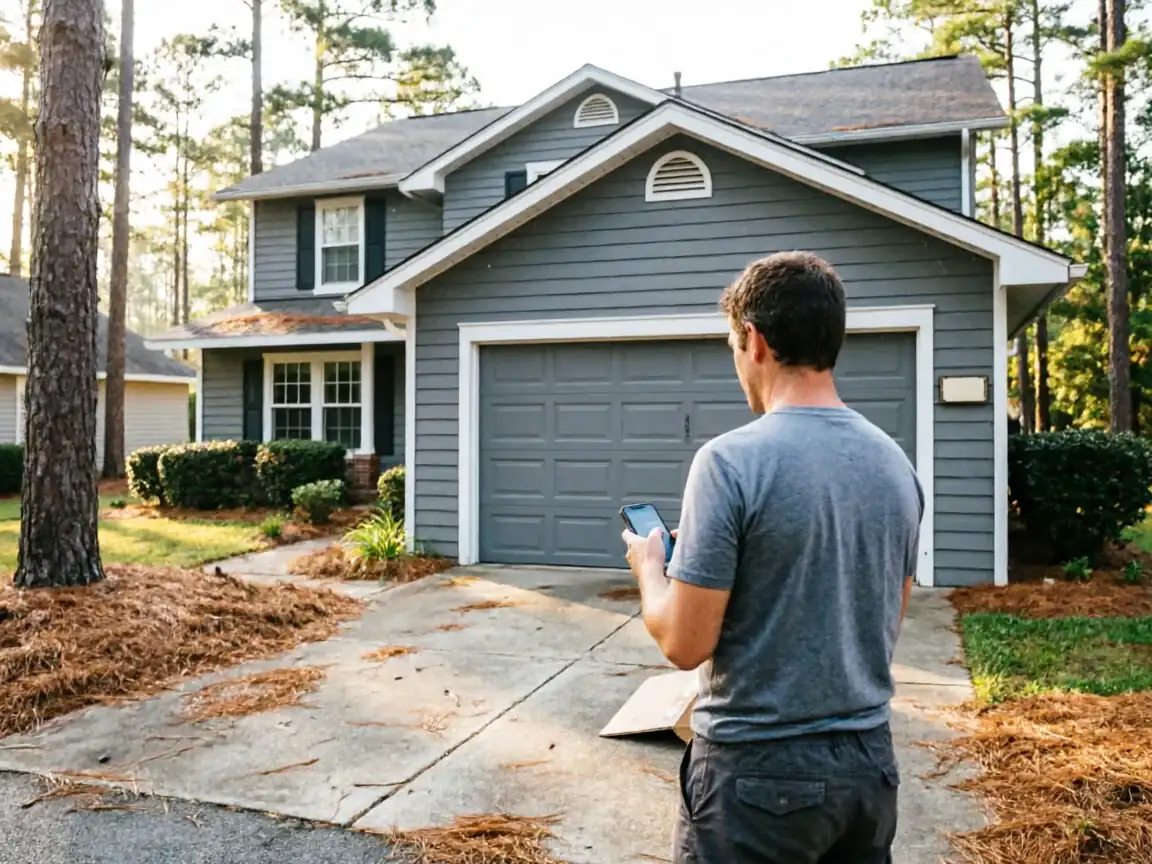
We need a few things before we can quote a panel job with any accuracy: the brand if it's visible on the track or motor unit, the door's approximate age, and photos of the damage from outside and inside the garage. A panel job isn't like a spring repair - we can't always carry your exact section on the truck, so matching it correctly up front saves a second trip.
If the damage is cosmetic only - a dent that hasn't cracked the steel or broken the seal - that's a faster turnaround than a cracked panel that's let moisture or cold air into the garage. We'll ask which one you're dealing with when you call, because it changes what we bring.
One limitation worth saying plainly: on older doors, panel sections sometimes take longer to source than the repair itself takes to perform, especially if the manufacturer has moved on to a new panel profile. We'll tell you that lead time before we book the job, not after.
Why This Fails Locally
This isn't a defect specific to one brand of door - it's a match between housing age and climate. Across the service area, most homes were built between 1973 and 2002, which means a large share of garage doors are now in their third or fourth decade of exposure to a cold, moderate climate band that cycles through freeze and thaw each year.
Steel panels from that construction era flex with temperature swings more than current designs do, and over enough winters the foam-and-steel bond at the seams starts to separate. A bumped panel on a door that's already brittle from age cracks where a newer door would just dent and hold. That's why panel failure clusters so heavily in homes built in the 1980s and 90s specifically, rather than showing up evenly across every house in the area regardless of age.
With 31,728 owner-occupied houses spread across this region, that 1980s-90s concentration means a large number of doors are hitting the age where panel failure becomes likely in any given year, not a rare event.
What You Pay
We don't post flat prices for panel work here
Because the cost depends on whether we're replacing one section or several, whether the panel style is still in production, and whether the door needs a color or texture match to the rest of the sections. A single cosmetic panel on a common profile costs less than tracking down a discontinued match for a 1980s door.
What we can tell you is that median household income across this service area runs close to $78,821
And most of the panel jobs we quote land well under the cost of a full door replacement - that's the whole reason panel repair exists as an option instead of jumping straight to a new door.
We'll give you a firm number after we've seen photos or looked at the door in person
Not a range pulled out of the air over the phone.