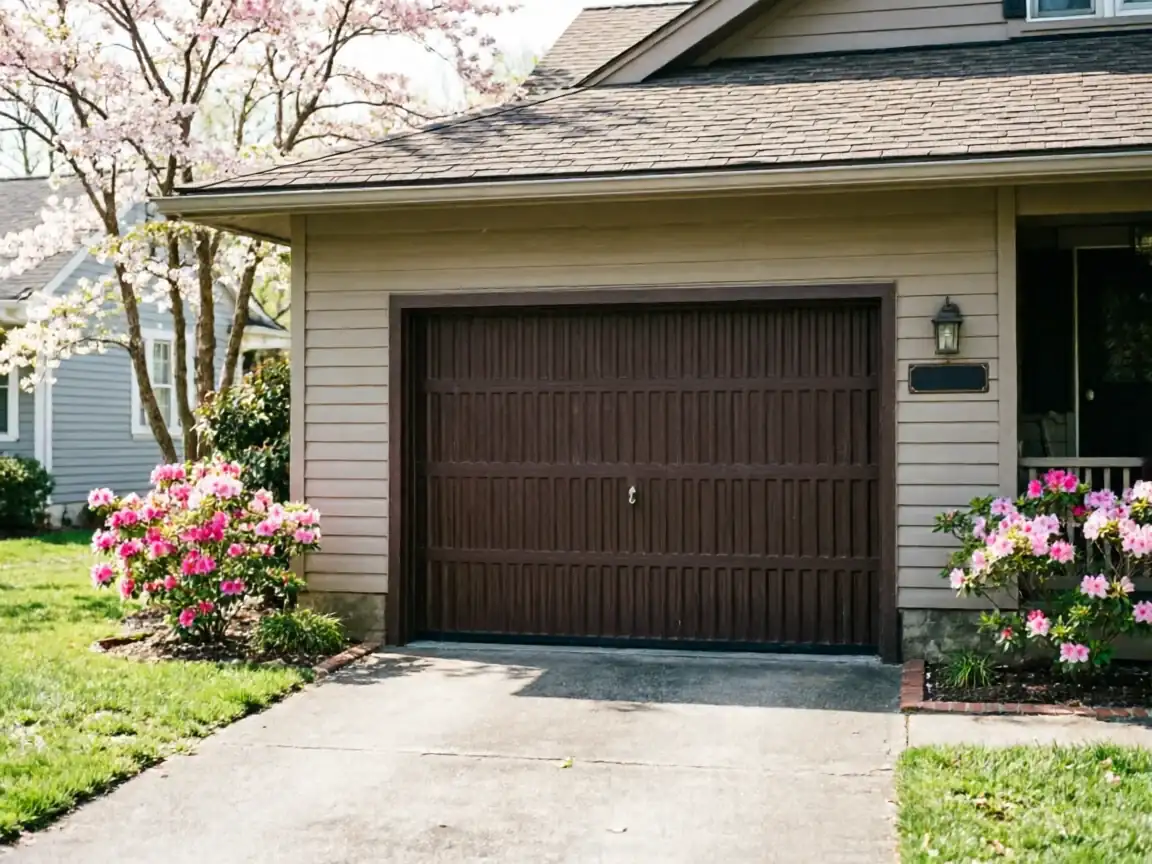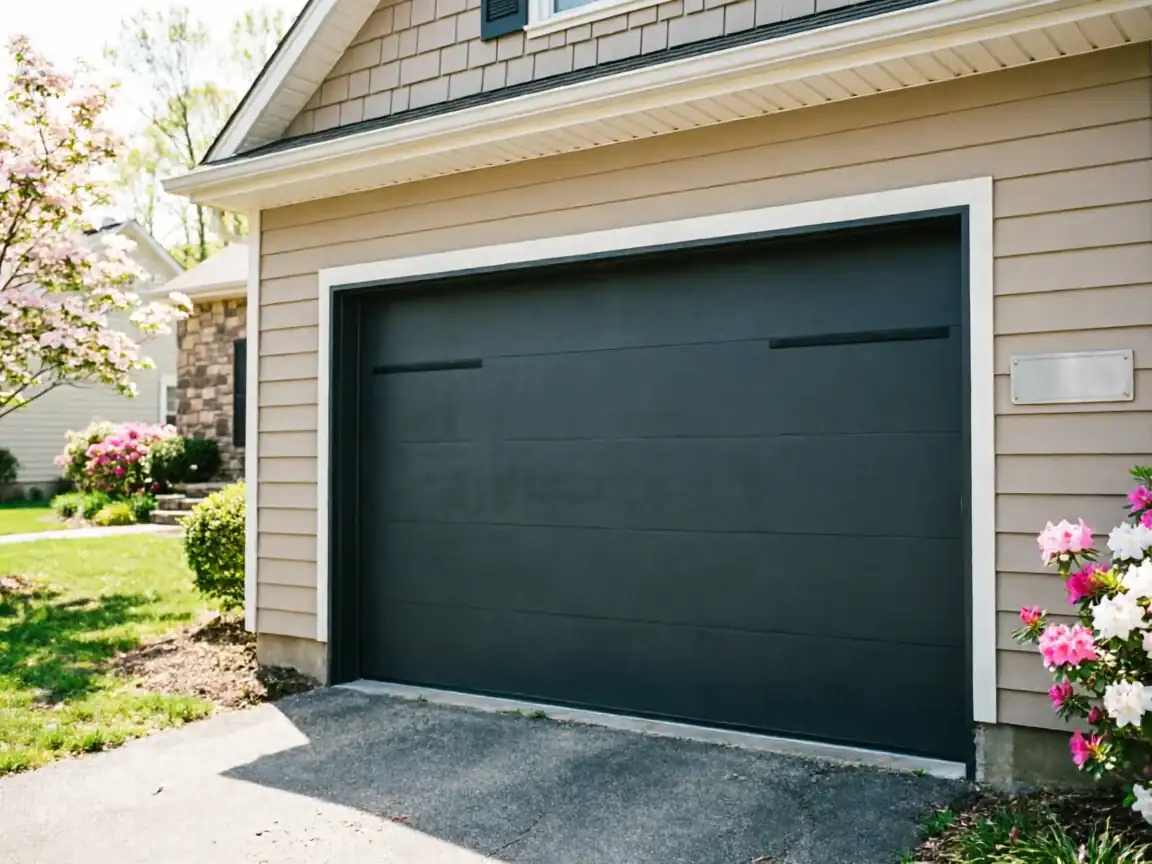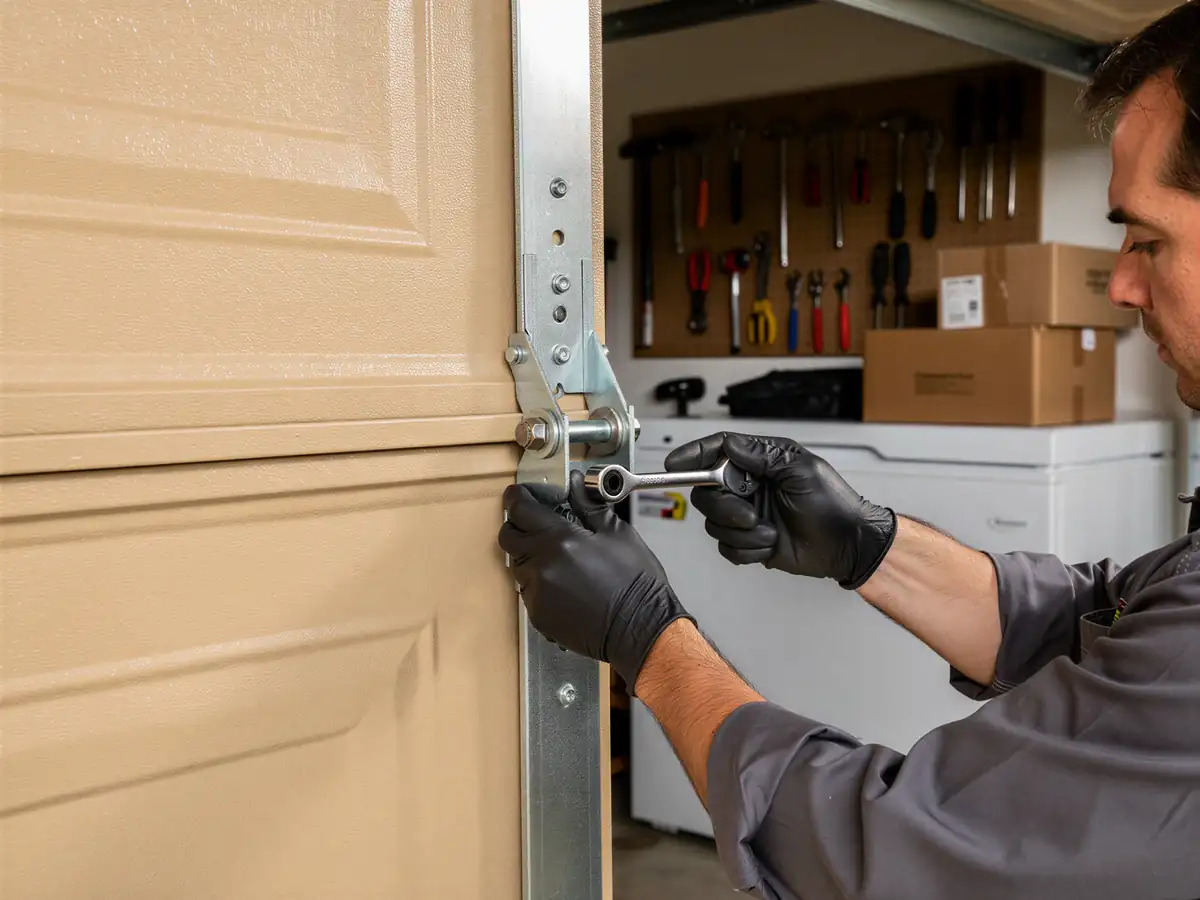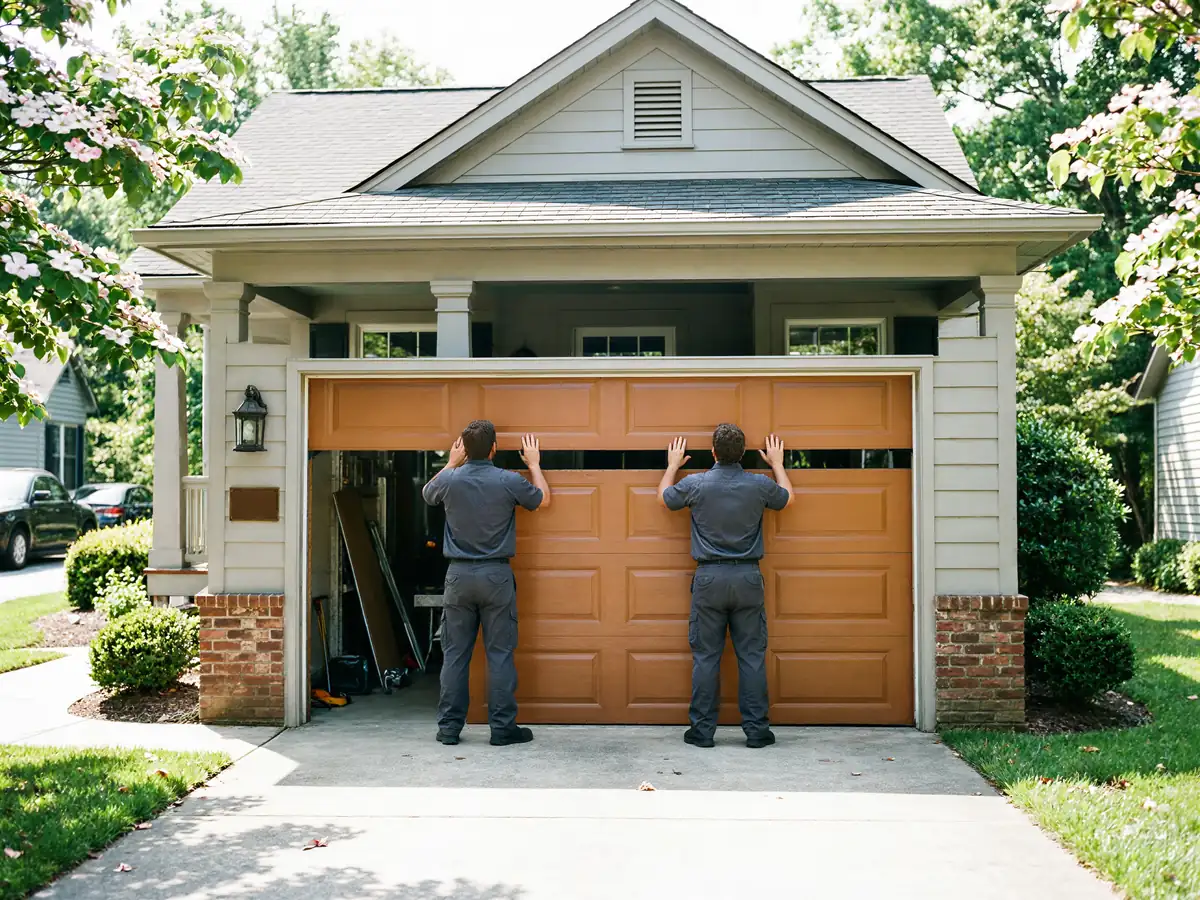
What You Are Seeing
Most calls we get after hours fall into a short list
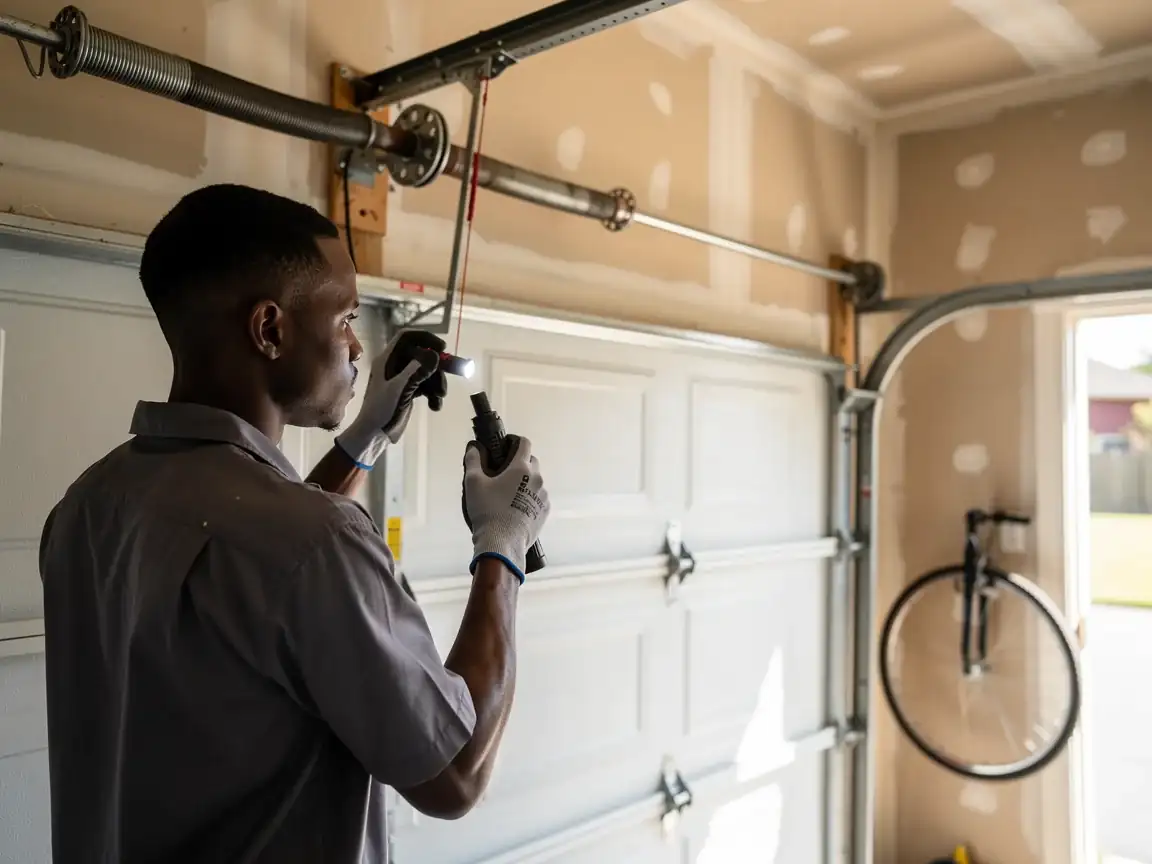
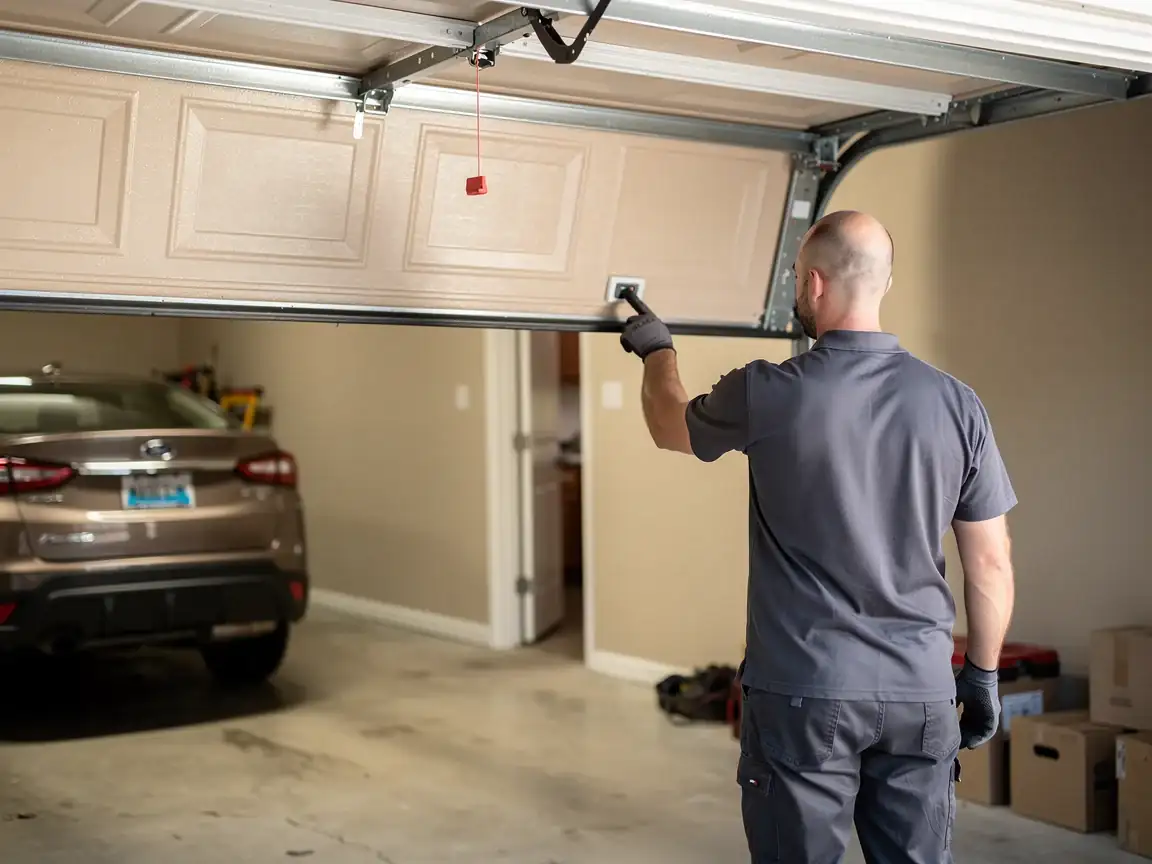
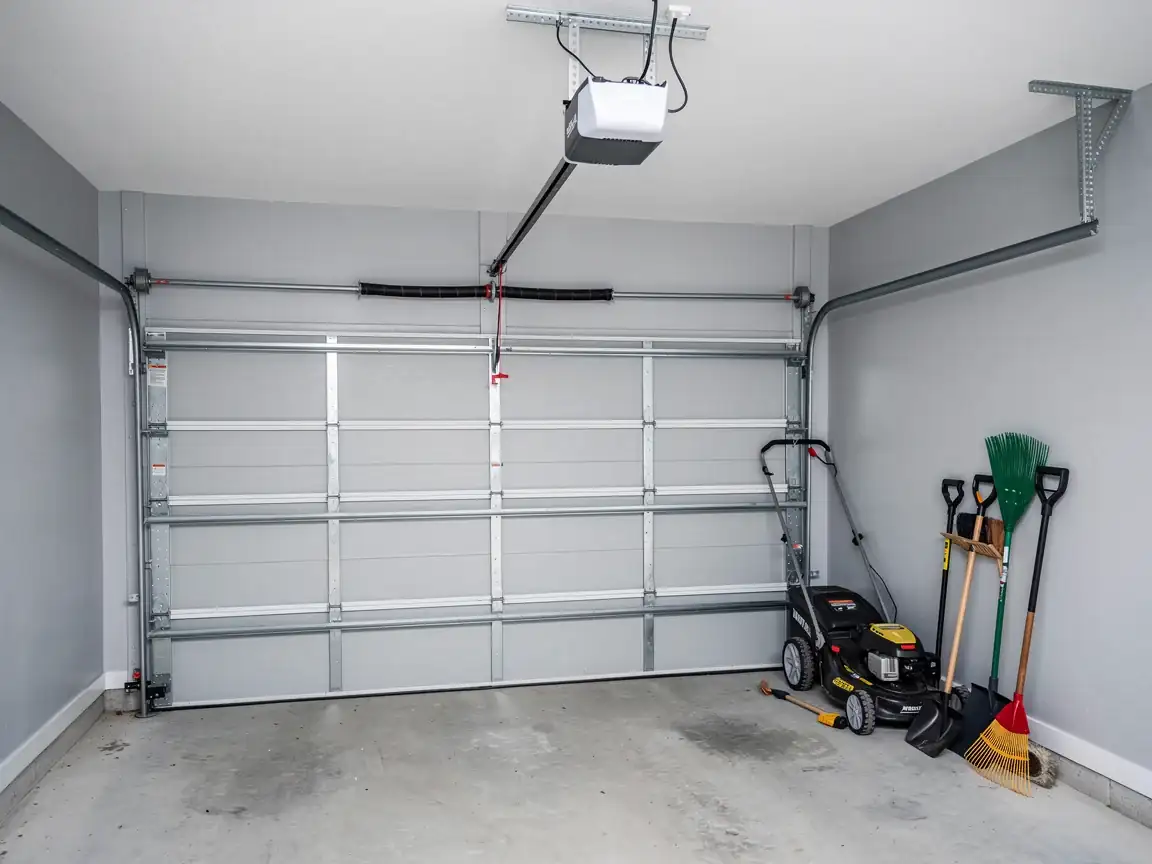
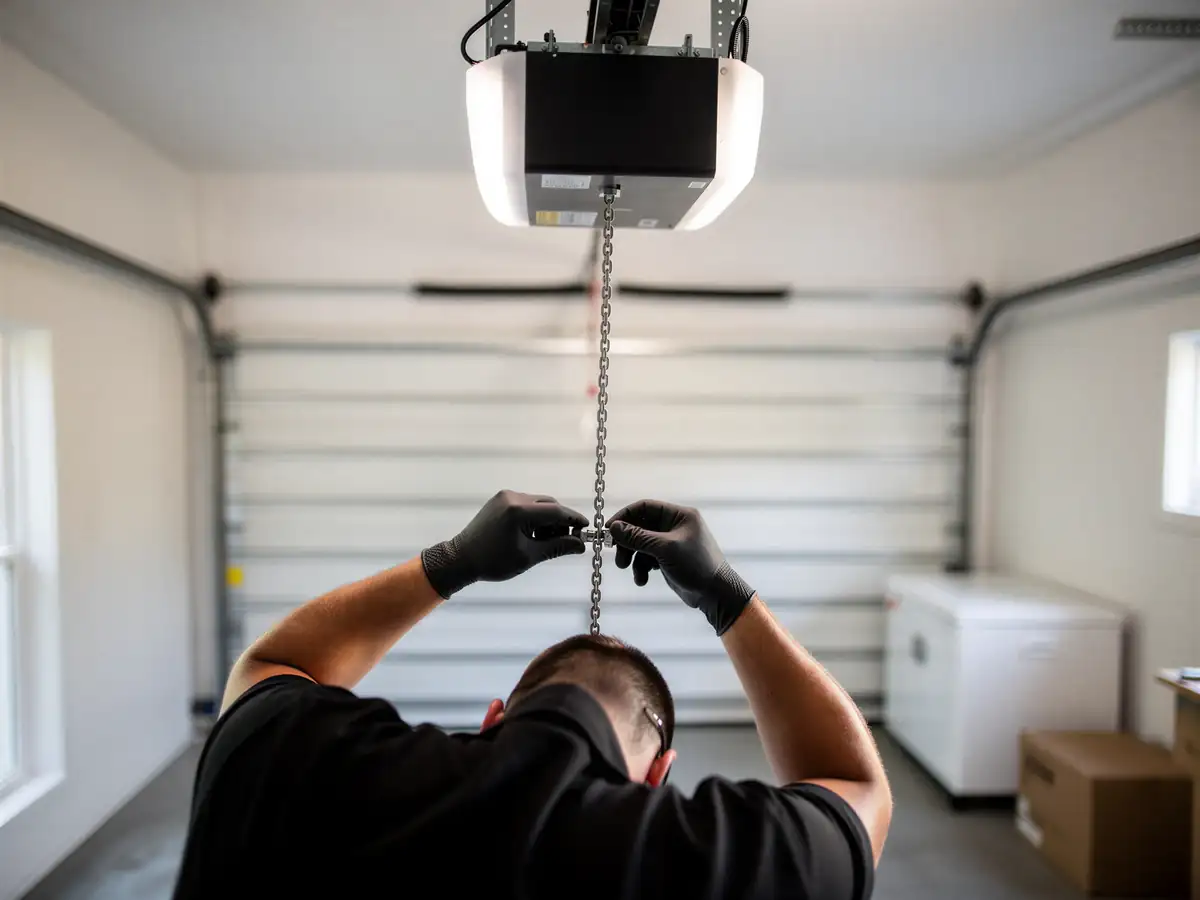
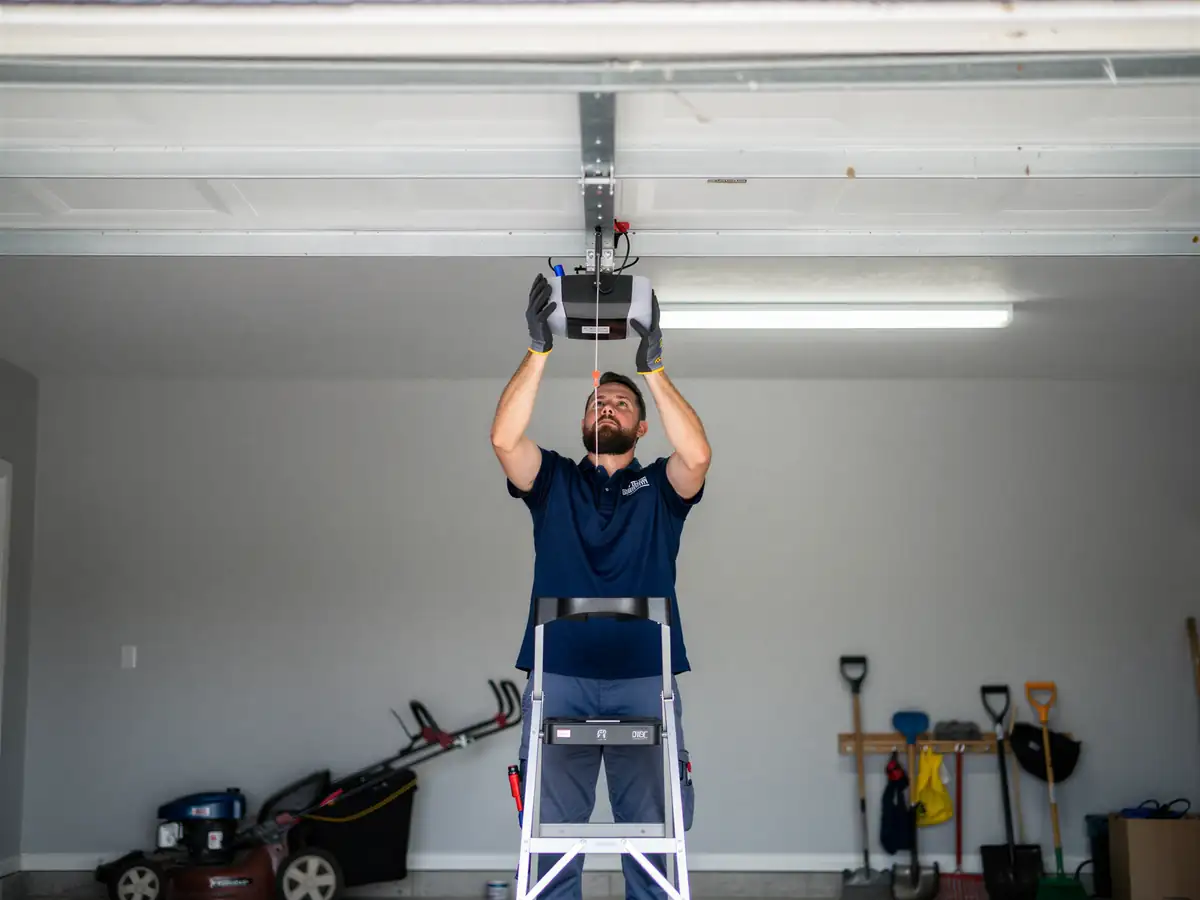
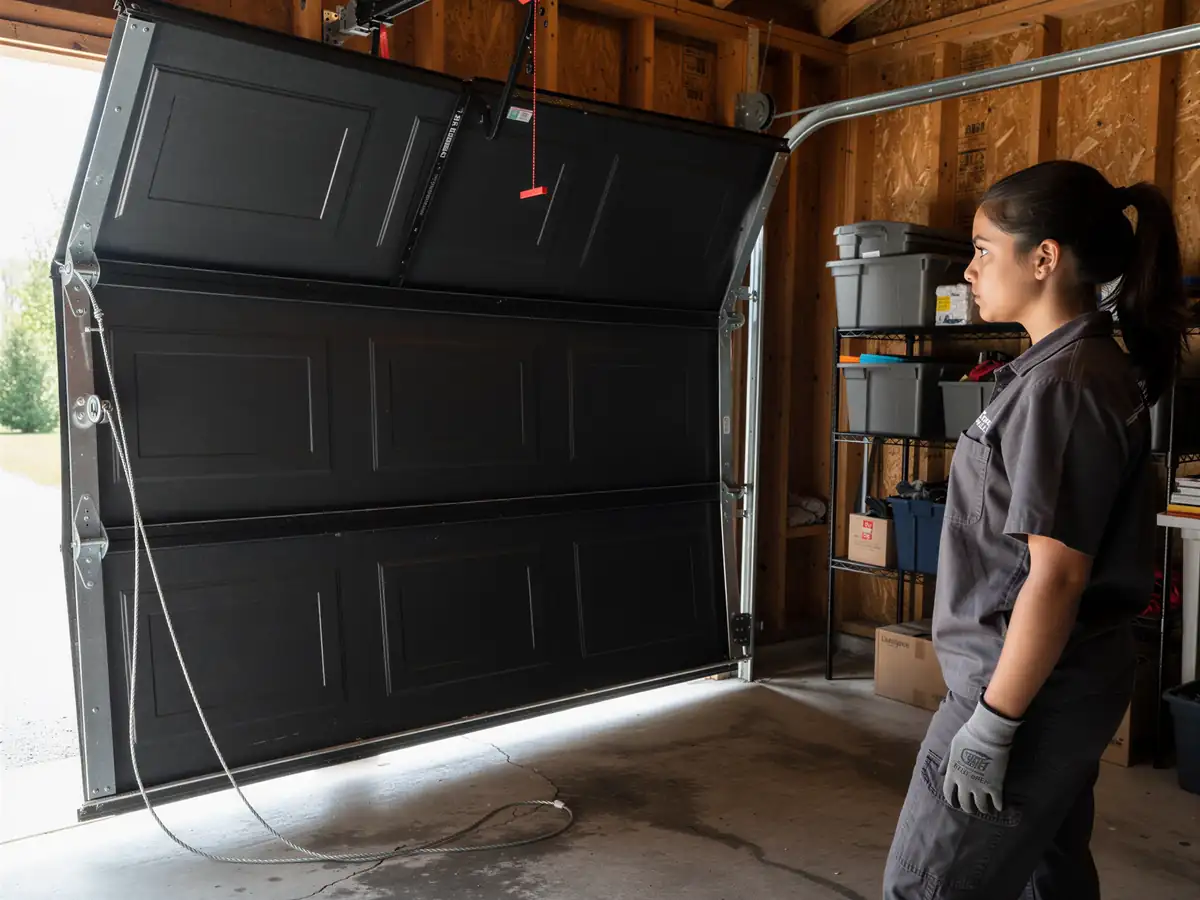
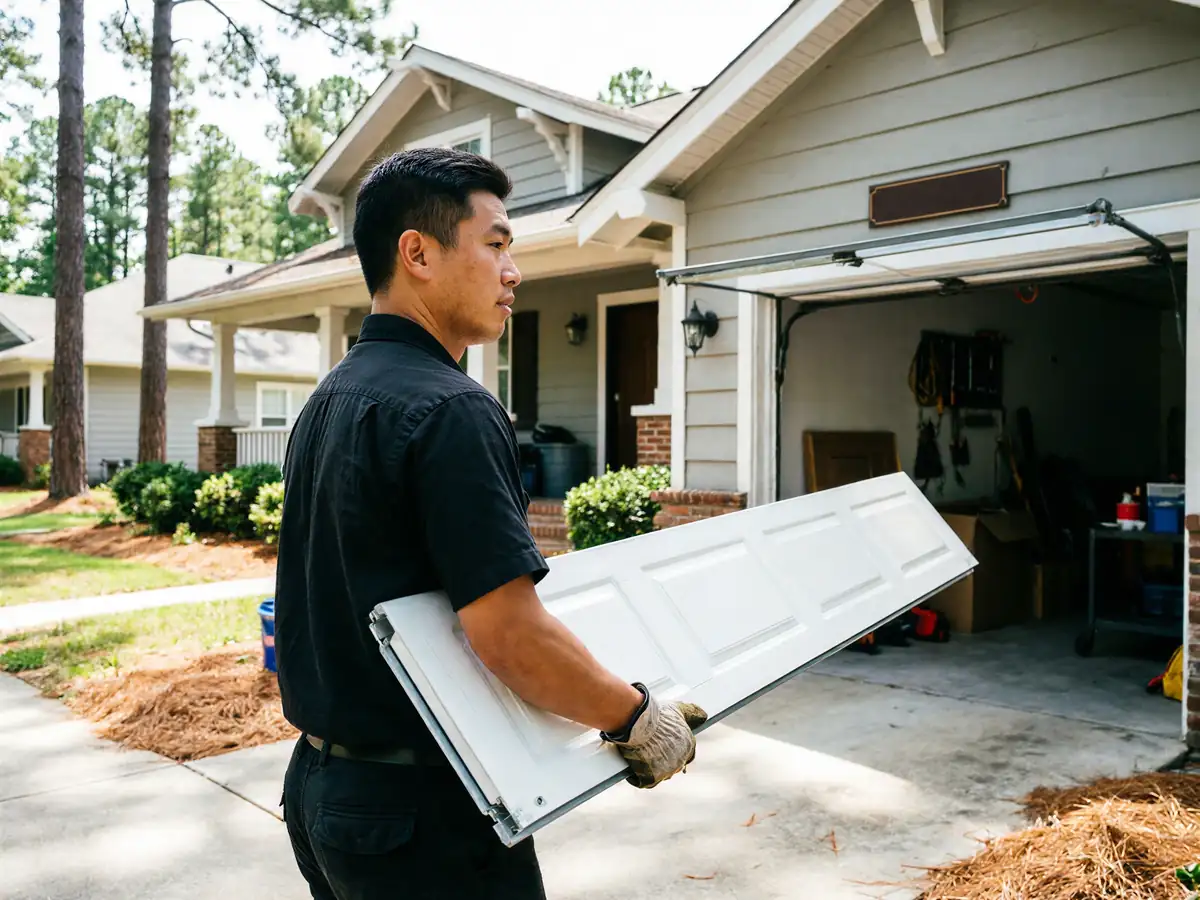
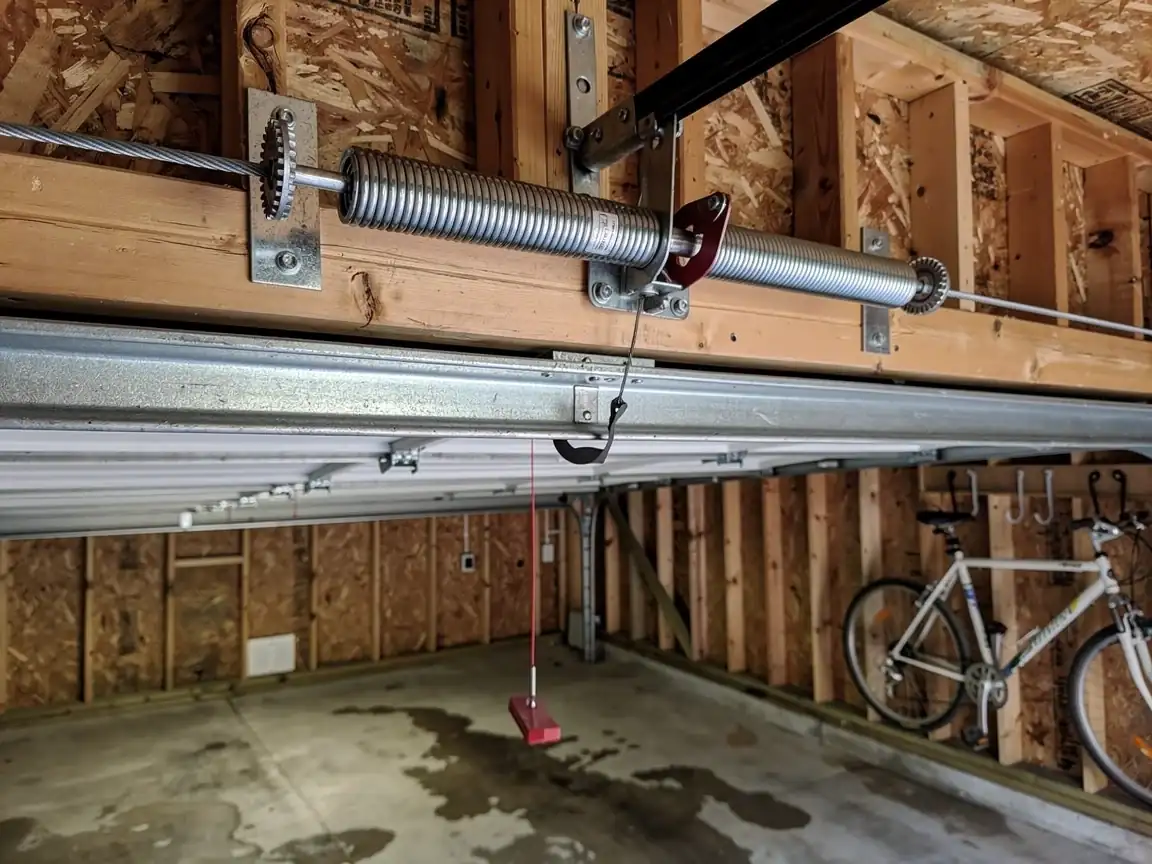
A torsion spring that snapped with a bang, a door that won't move off the floor, an opener that hums but the door doesn't lift, or a cable that's jumped the drum and left one side of the door hanging low. If the door came off track after someone backed into it, that's a different repair than a spring that just gave out from age - but both show up as "my door won't open" when you call.
Around here, a lot of what fails is tied to when the house was built
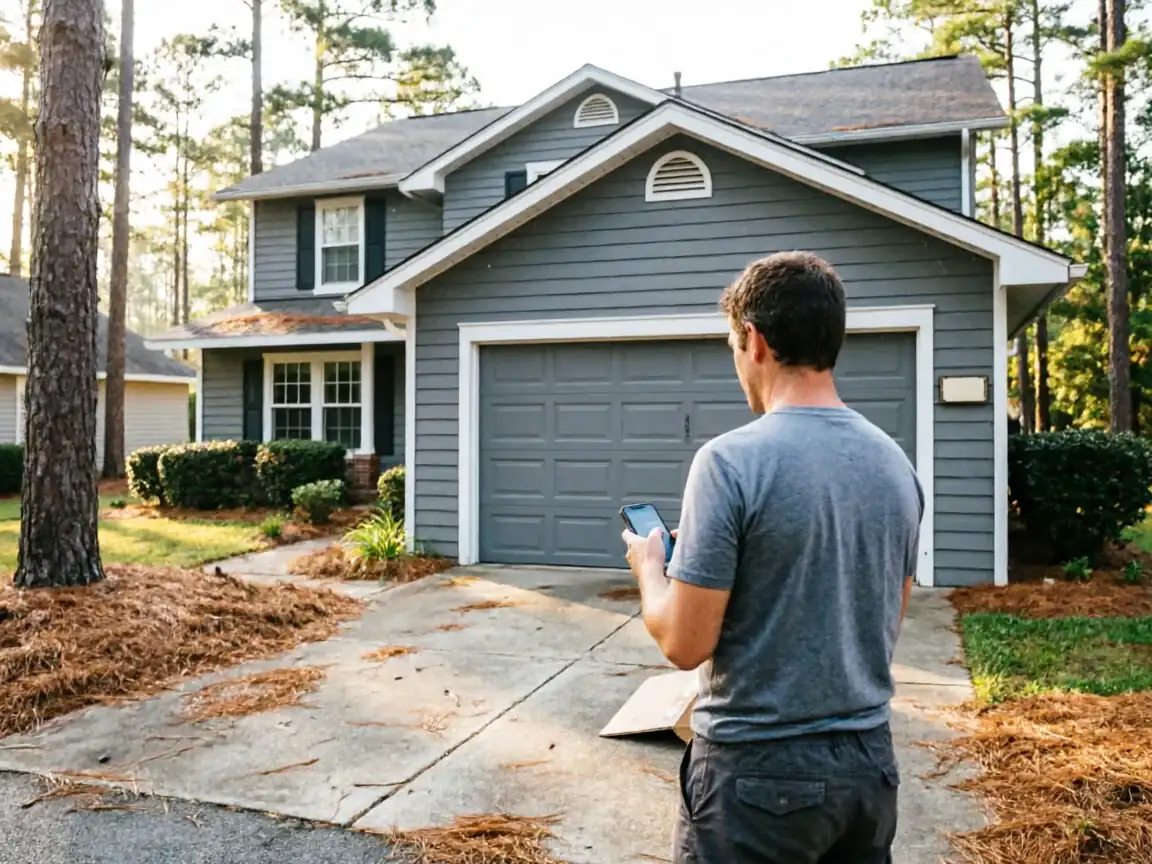
Housing across this service area mostly went up between 1973 and 2002, with the bulk from the 1980s and 90s. Doors and openers from that era are long past their rated cycle count even if they look fine from the driveway. Galvanized torsion springs lose tension gradually, then let go all at once, usually on a cold morning when the steel has contracted and the first lift of the day puts full load on a spring that was already down to its last few hundred cycles.
We can usually tell over the phone whether you're looking at a spring, a cable, or an opener board problem based on what the door does when you try it
Whether it moves at all, whether it's uneven, and whether the opener light blinks a pattern.
Getting It Booked In
When you call, we ask what the door is doing right now - not moving, moving unevenly, making a loud noise and stopping - because that tells us what's riding on the truck. A broken spring job needs different parts than a cable or roller job, and we'd rather show up with the right one than the wrong one twice.
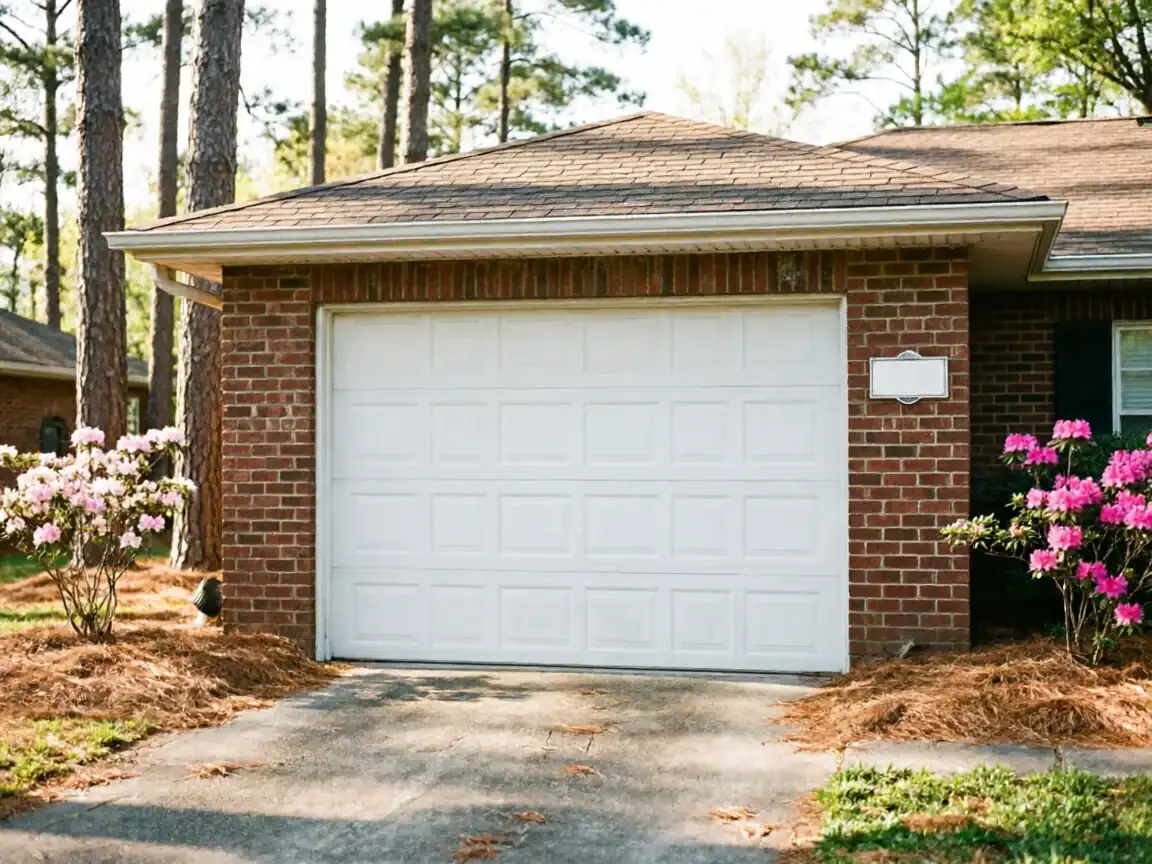
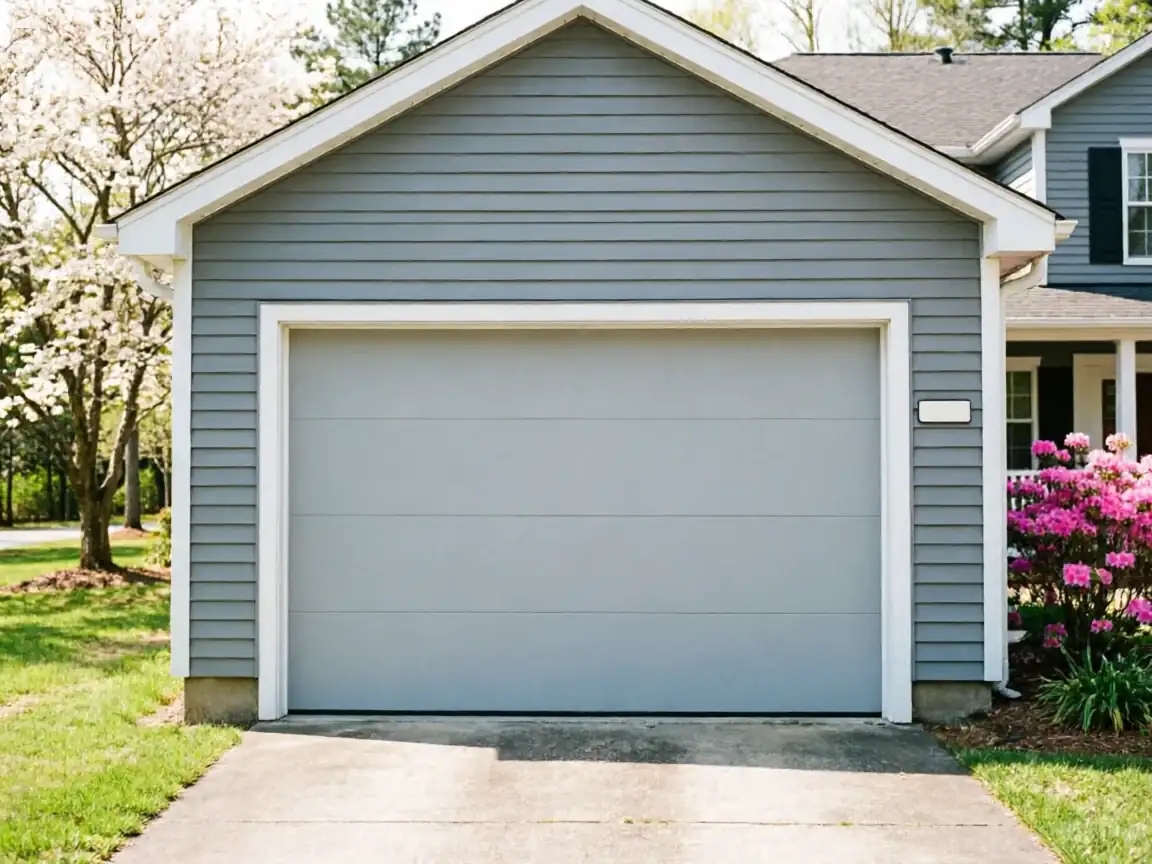
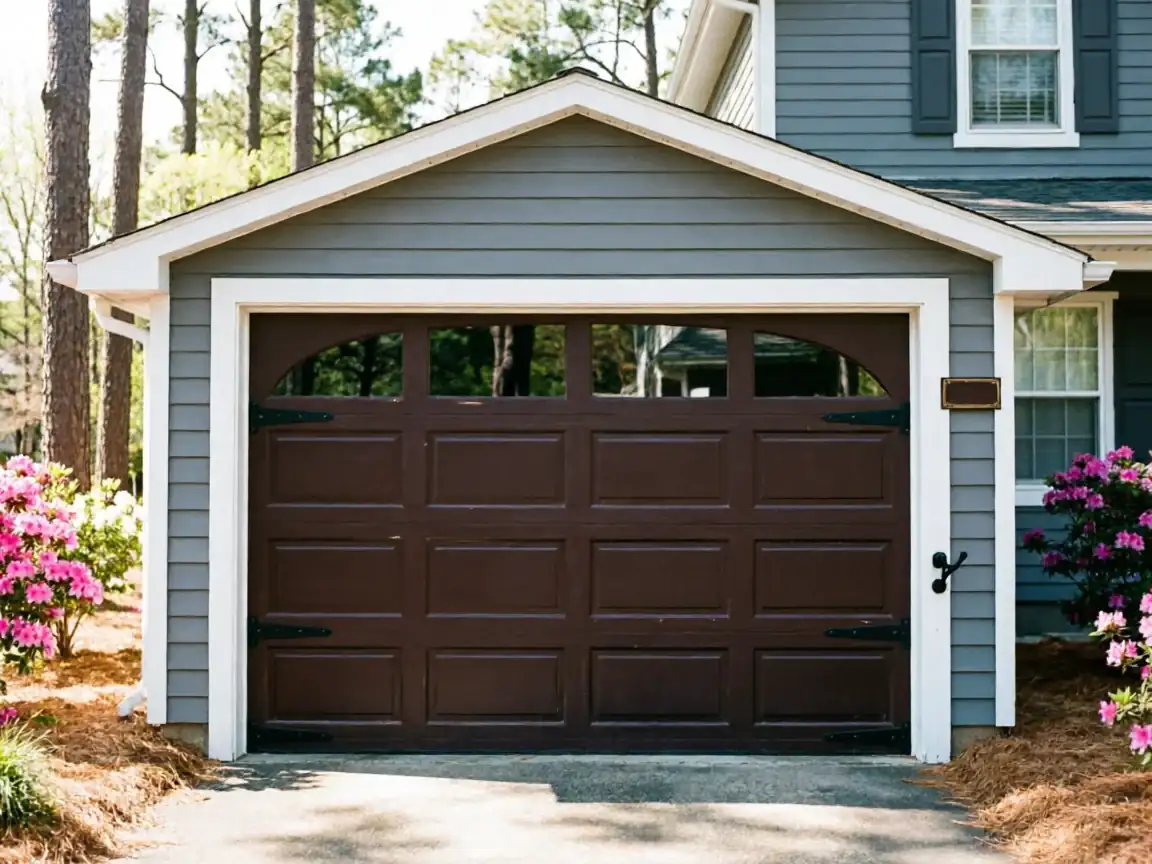
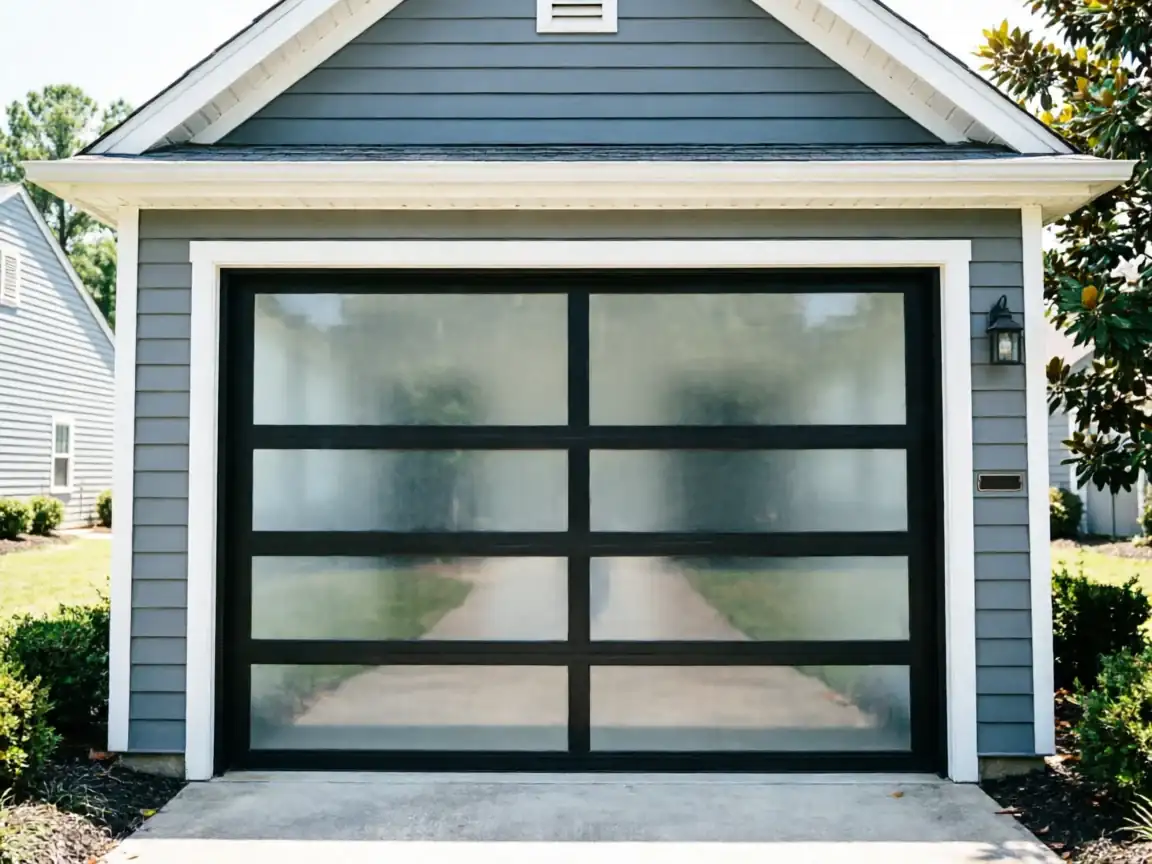
We also ask what the door and opener look like: torsion spring over the header or two side-mount springs, chain or belt opener, steel panel or older wood door. Houses built in the 1980s and 90s across this area often still have their original torsion hardware even where the door itself has been swapped once, and that older hardware sometimes takes a spring size that isn't on the truck by default, so the more you can tell us up front, the fewer surprises on arrival.
A stuck door isn't always a repair that should happen tonight. If the only thing wrong is that the door won't open and nobody needs the car out before morning, we'll tell you that honestly rather than push a rushed job. If a spring has snapped and the door is sitting on the floor blocking a car in or out, that's the one we move on.
Why This Fails Locally
This area sits in a cold-moderate climate band, which means real temperature swings across a winter - not Northern-tier cold, but enough freeze-thaw cycling to matter. Steel torsion springs and galvanized cable lose a measurable amount of tension as they cool, and a spring that was marginal in October can let go in January on the first hard-cold morning of the season.
Combine that with the housing stock: across the 17 named areas this service area covers, most homes date to 1973-2002, with 1987 as the rough median year built. That means a large share of garage doors and their hardware are 25 to 50 years old. Torsion springs are rated in cycles, not years, and a door used twice a day for three decades has already burned through the number most springs are built for. The failure isn't random - it's the predictable end point of age plus cold.
We don't fix every door we're called to. If the door itself is a wood panel door from that same era, badly delaminated or warped, a spring repair on it is a temporary patch, and we'll say so instead of charging you for a fix that won't hold.
What You Pay
We don't post a flat number for emergency work because the job itself decides the cost
A single spring on a standard torsion setup is a different job than two springs, a cable, and a bent track after a car hit the door. What we can tell you is how we price it: we diagnose first, quote the repair before we touch anything, and the quote covers parts and labor for that specific job, no separate trip charge tacked on after.
With median household income in this service area around $78,821
Most of the repairs we run are planned as a one-time fix, not a financed project - spring and cable work is usually the cheaper end of garage door repair compared to a full door or opener replacement. If what you've got is an opener board that's fried along with a spring, we'll tell you which part is worth fixing and which one is close enough to replacement cost that fixing it doesn't make sense.
The honest limitation
If your door or opener is an obsolete model with no parts available, we may not be able to source a same-night fix, and we'll say that on the phone instead of letting you wait up for a truck that can't solve it.