What a Service Call Actually Covers in Winston-Salem
A plain look at what a garage door service call in Winston-Salem actually involves, tied to this area's 1973-2002 housing stock and cold-moderate climate swings.
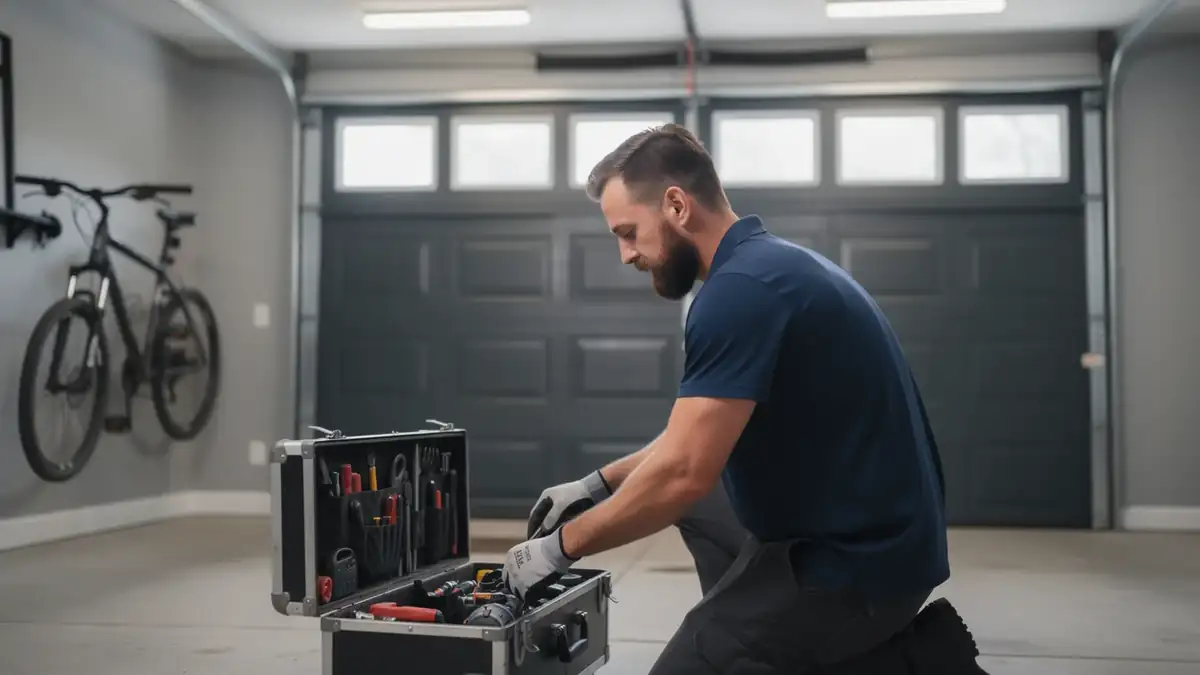
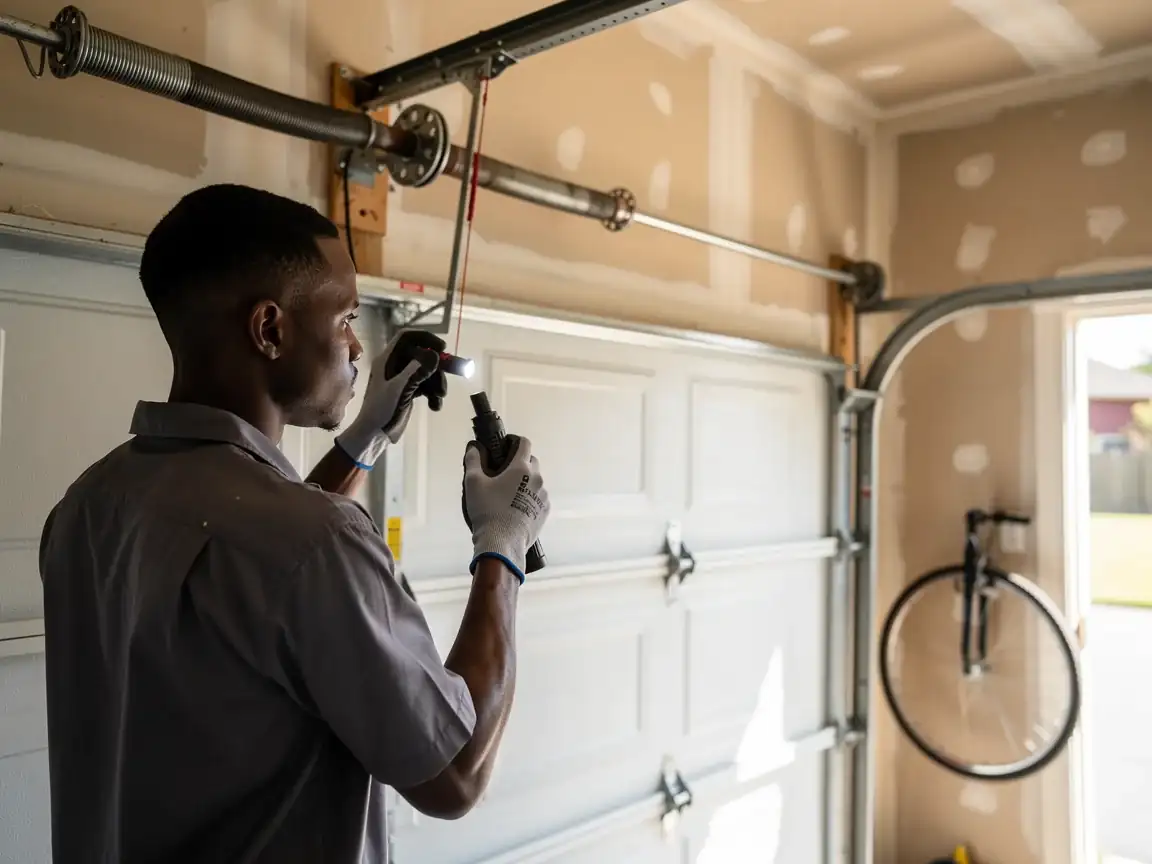
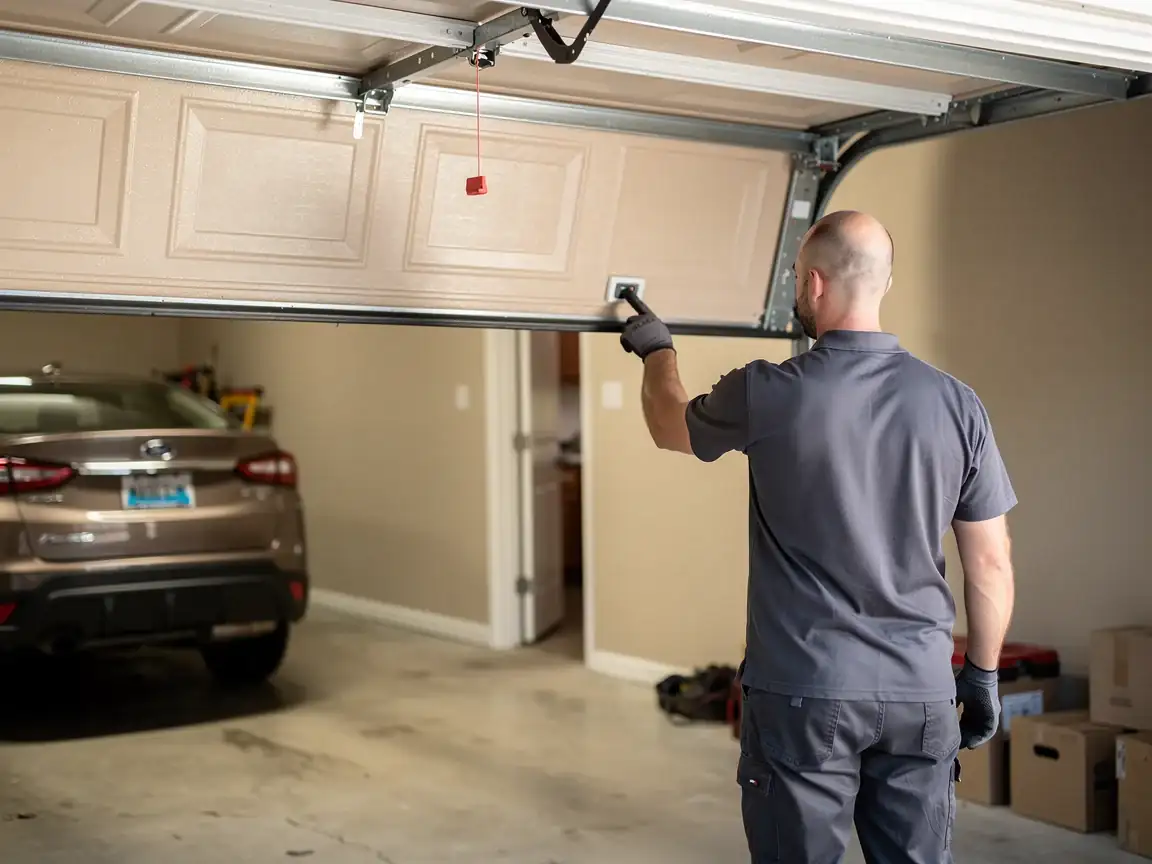
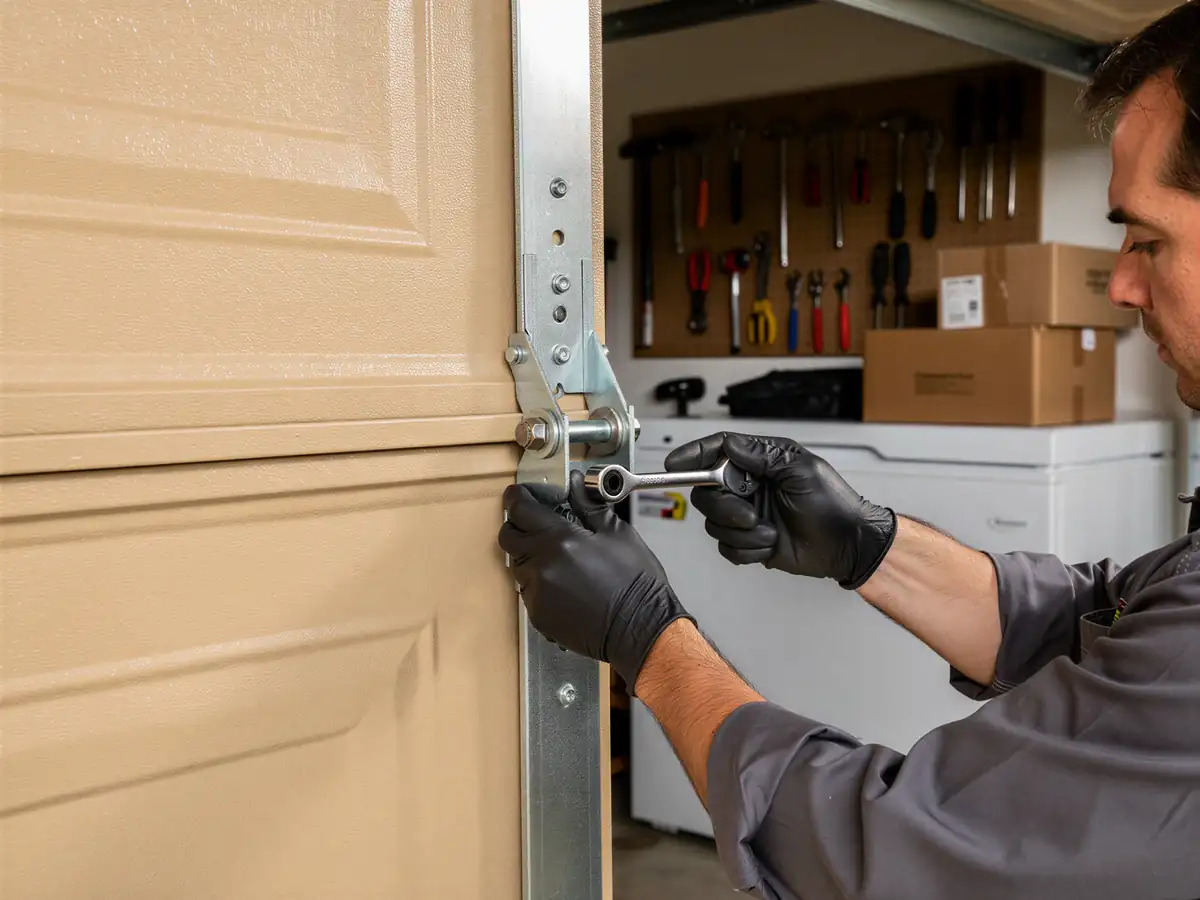
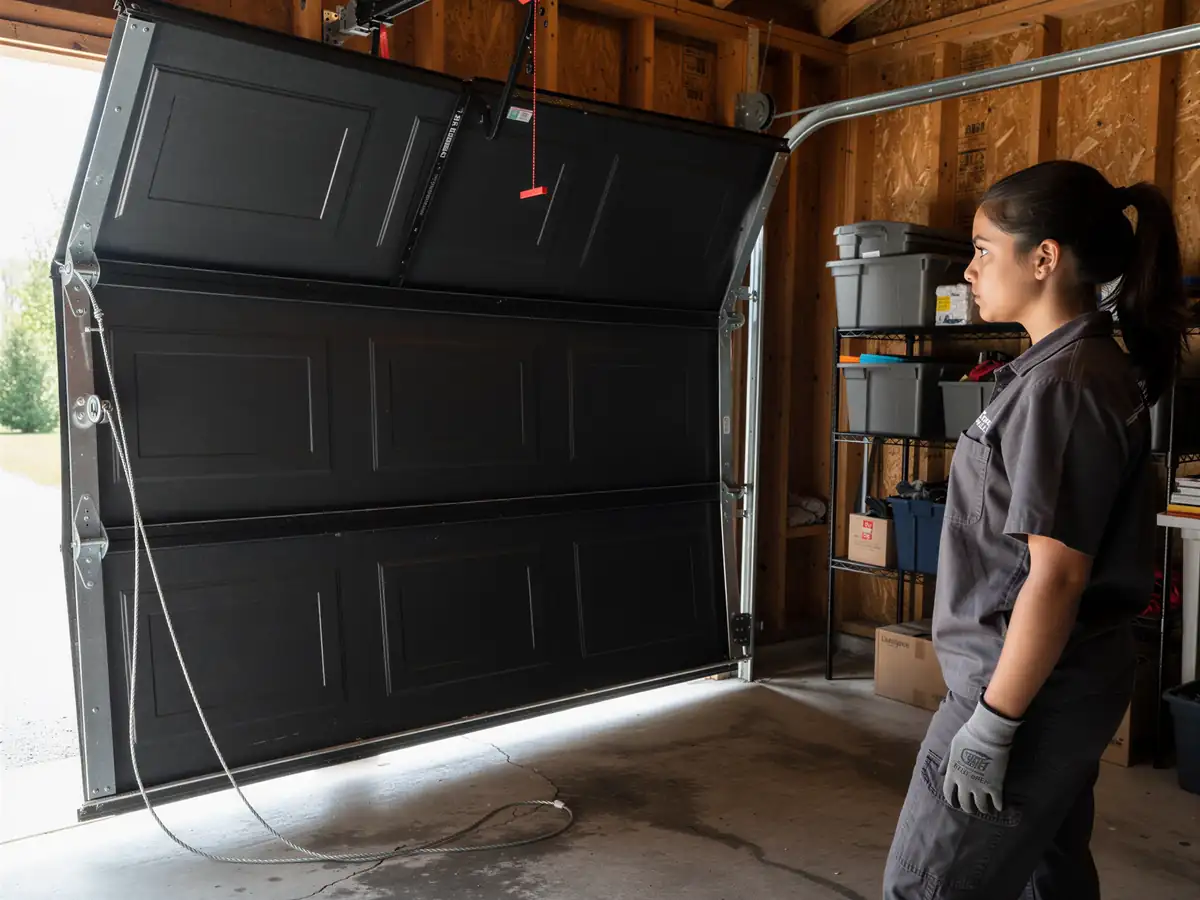
We don't publish a flat price list, because the job in front of us changes what it costs. What we can tell you is what drives the number on most calls here: the age and type of door. Winston-Salem's housing stock mostly went up between 1973 and 2002, with the median build year around 1987, so a huge share of the doors we're called out to are either original builder-grade units from that era or a first replacement installed sometime after. Original hardware from the 1970s and 80s often uses spring sizes and track widths that newer openers aren't built around, so a spring swap on one of these older doors can take longer than the same job on a 2005 build. A service call covers the diagnostic - we open the panel housing, check cable wear, torsion spring condition, and track alignment before we touch anything else. If the fix is a part swap, that's priced separately once we know the part. One honest limit: if your opener logic board is the kind that stopped being made years ago, we may need to replace the whole unit rather than patch it, and we'll tell you that up front instead of billing you for a repair that won't hold.
The Situation
Most of the calls we get across this service area - whether it's a house near Walkertown, out toward Clemmons, or closer in toward Kernersville - trace back to the same root cause: original equipment aging out at roughly the same time, because so much of the stock went up in the same twenty-year window. A torsion spring rated for a door built in 1987 has had decades of cycles on it, and when it goes, it usually goes without much warning - a loud bang, then a door that won't lift past a foot. We also see a steady run of openers from the 1990s that are still running on the original chain drive, no safety-reversal sensors because the house predates that code requirement. That's not a flaw in the house, it's just the calendar. The fix usually isn't cosmetic - it's bringing the lift mechanism and the safety sensors up to what current doors ship with, without replacing a perfectly good panel just because the opener behind it is outdated. We walk that line on almost every call: keep what's sound, replace what's worn, and don't sell a full door when the problem is a $40 roller.
How Local Conditions Play In
Winston-Salem sits in a cold-moderate climate band, not the deep-freeze conditions you'd design a door around in the mountains or the humid-swamp conditions you'd design around on the coast. That matters for what actually fails. We don't see the extreme ice-lock issues that tear torsion springs apart in a single hard winter the way a true cold-climate town would. What we do see is the slower wear pattern that comes from repeated swings - a cold morning that tightens steel, then a mild afternoon that loosens it back up, over and over across a winter. On a door and spring setup already thirty-plus years old because of this area's build era, that cycling adds up faster than on a newer install. Lubrication intervals matter more here than in a stable climate, because the metal is moving more than people expect. We also check weatherstripping condition on these calls - not because the climate is harsh, but because original seals from a 1980s build have usually outlived their flexibility regardless of what the weather did to them. It's wear from decades, not from any one storm.
Season by Season
Late fall through winter is when the oldest torsion springs in this area tend to let go - the metal's been cycling through moderate cold snaps for years, and a spring that was already near its fatigue limit finishes the job on a cold morning rather than a hot one. That's the call where the door drops fast and won't respond to the opener at all. Spring and early summer bring a different pattern: humidity swings after winter can make wood-panel doors from the older end of the 1973-2002 build window stick in their tracks or bind at the bottom corner, especially on houses that haven't had the track realigned in years. Summer itself is usually the quietest season for emergency calls, though it's the best time to get ahead of a winter failure - we'd rather replace a spring that's showing wear in July than get the 6 a.m. call in January. We don't push seasonal maintenance plans as a subscription; if your door and opener are behaving, there's no manufactured reason to bring us out. A service call makes sense when something's actually changed - noise, speed, or a door that won't fully seat.
How it works
From “it’s stuck” to “it’s fixed”
1
Tell us what’s wrong
Describe the symptom - won’t open, loud bang, opener runs but the door won’t move.
2
On-site diagnosis
A technician tests the door under power and by hand and finds what actually failed.
3
Clear, up-front plan
You get the fix that’s needed and what drives the cost - before any work starts.
4
Repaired & tested
The repair is done, the door is set true and tested, and the work area left clean.
Not sure which repair your door needs in Winston-Salem, NC? Describe what it’s doing - every job starts with a diagnosis.
Why does my spring keep breaking when the house isn't that old?
If your house was built in the 1973-2002 window that covers most of this area, 'not that old' can still mean a spring with thirty or more years of cycles on it. Torsion springs have a rated cycle life, not an age limit tied to the calendar, and original hardware from that build era is usually well past it.
Does the service call include checking the opener's safety sensors?
Yes, that's part of the standard diagnostic on any call, especially on openers from the 1980s-90s stock common here, some of which predate current safety-sensor requirements. We check whether sensors exist, whether they're aligned, and whether they're wired correctly before we move on to anything else.
Will you replace my whole door if the opener is the real problem?
No. We separate the door from the opener in every diagnosis. A lot of houses in this area have a sound original panel paired with a worn-out 1990s opener, and the fix is swapping the opener, not the door. We'll tell you plainly if a repair isn't worth it, but we won't upsell a door you don't need.
Ready to get your garage door sorted?
Tell us what it’s doing and where you are in Winston-Salem - we’ll take it from there.