What That Means for Doors
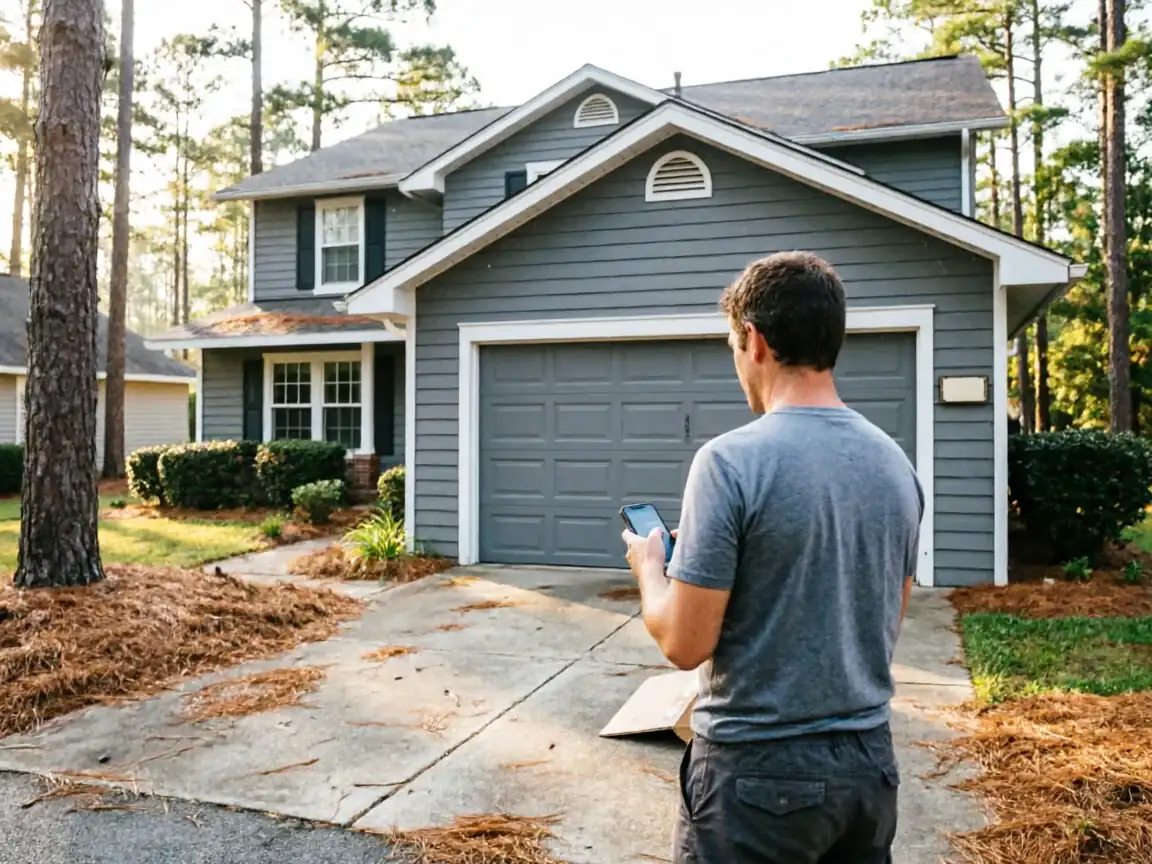
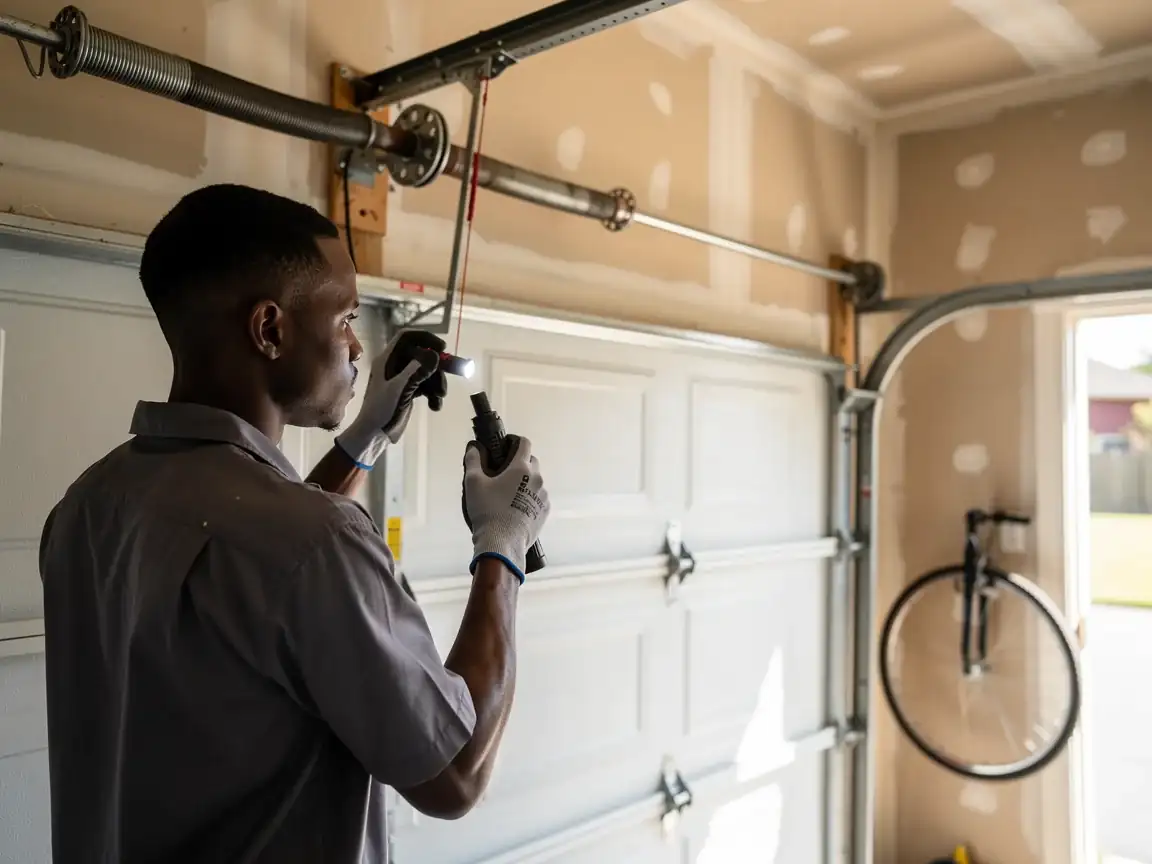
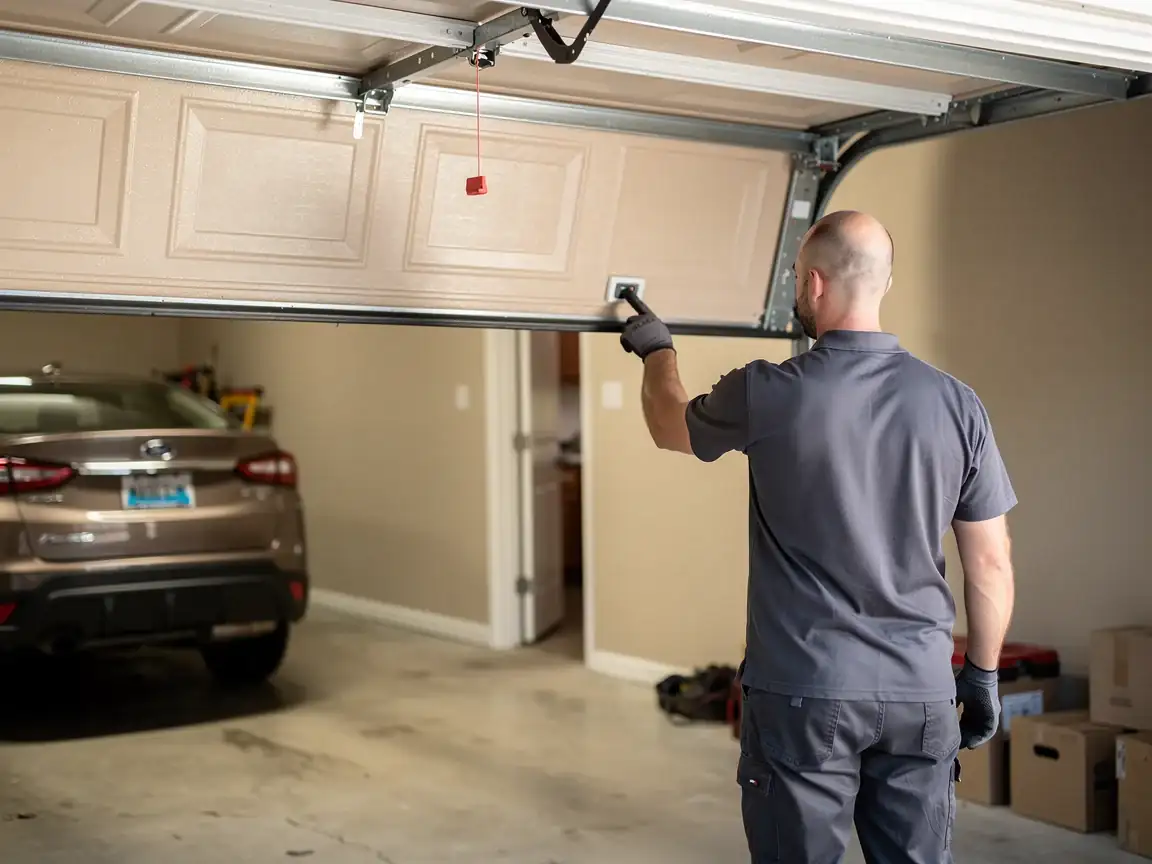
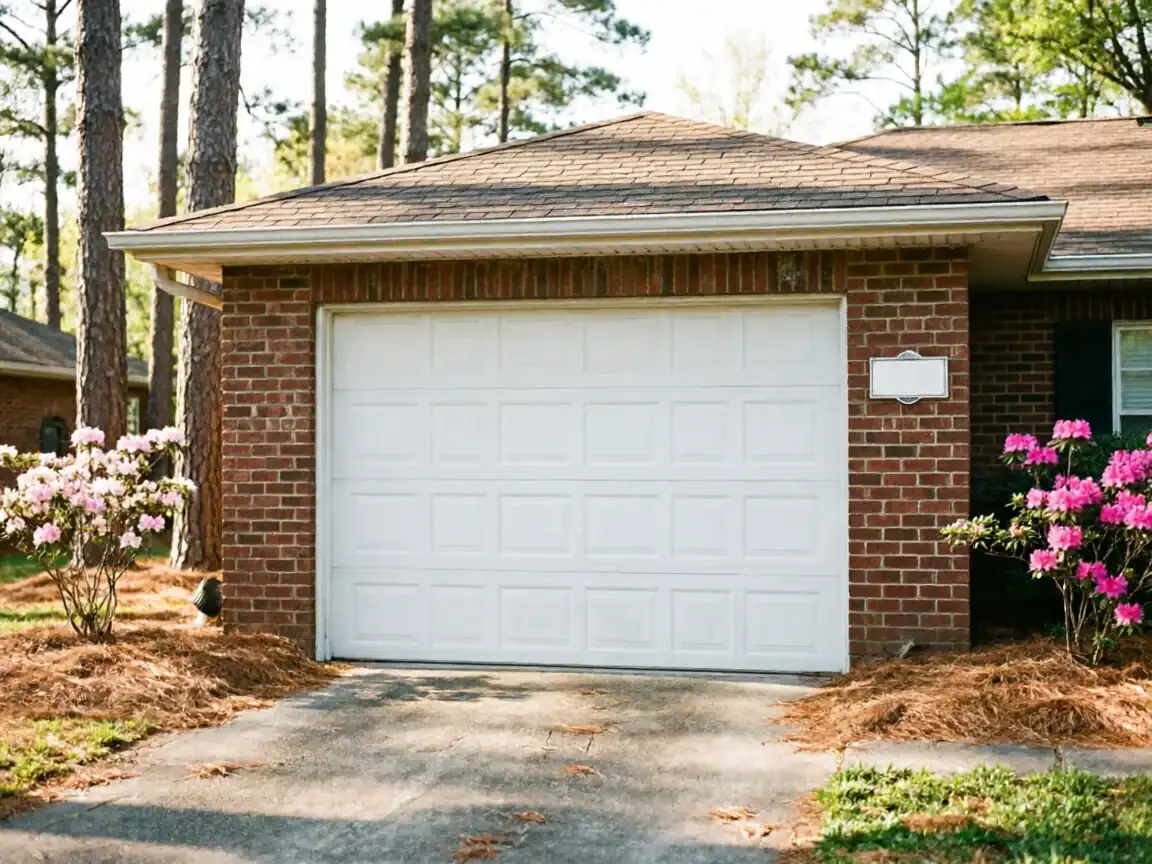
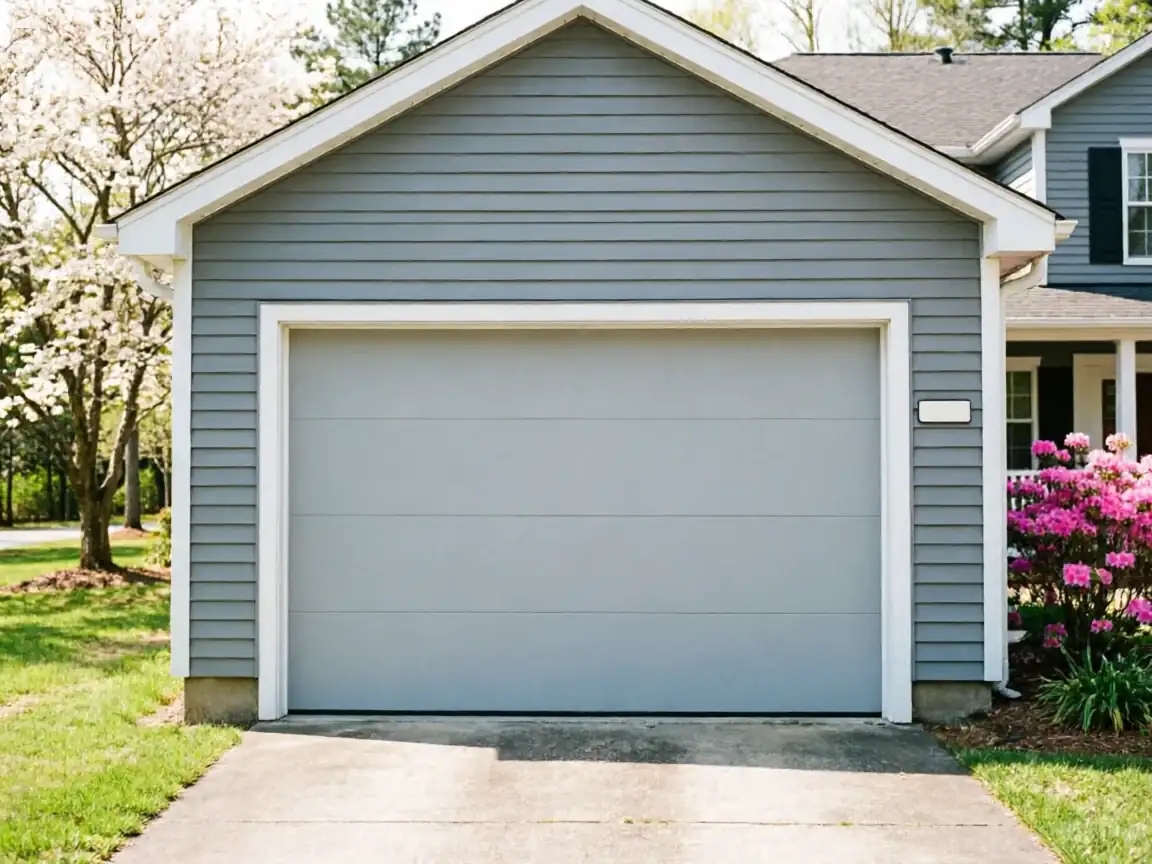
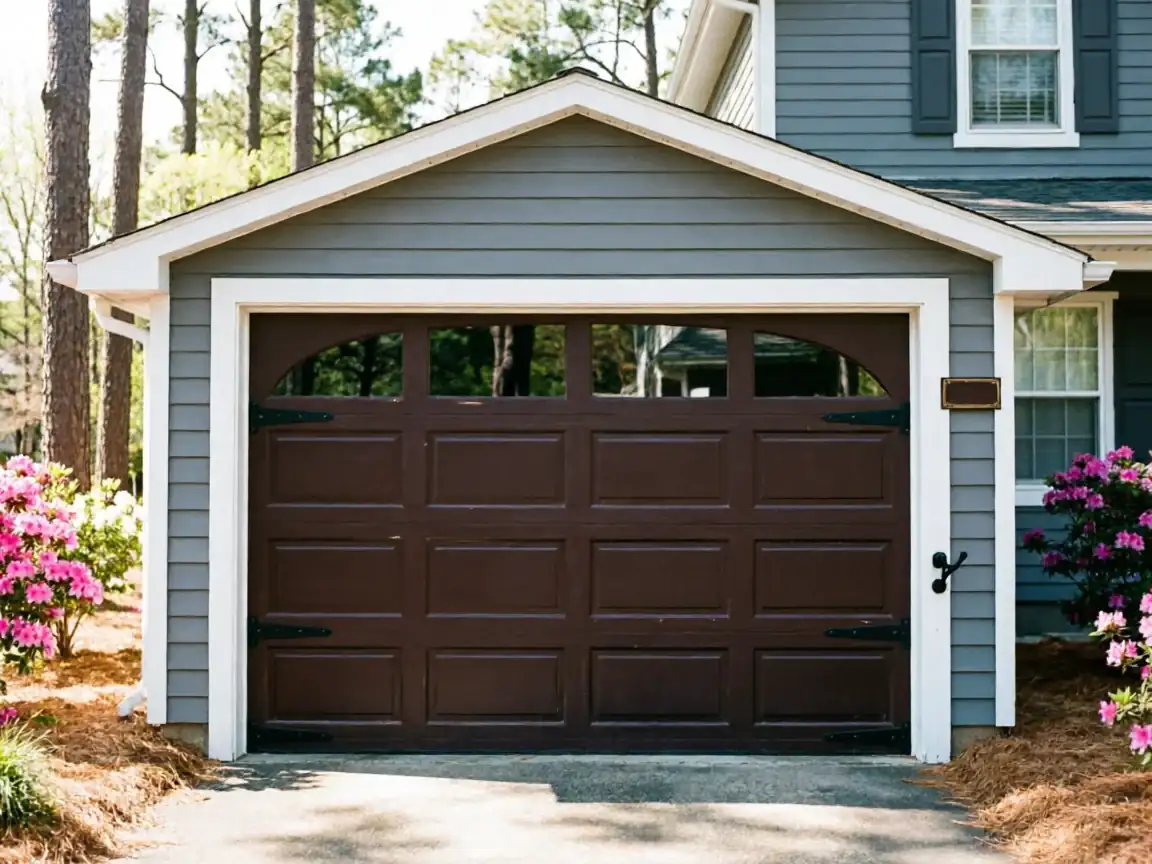
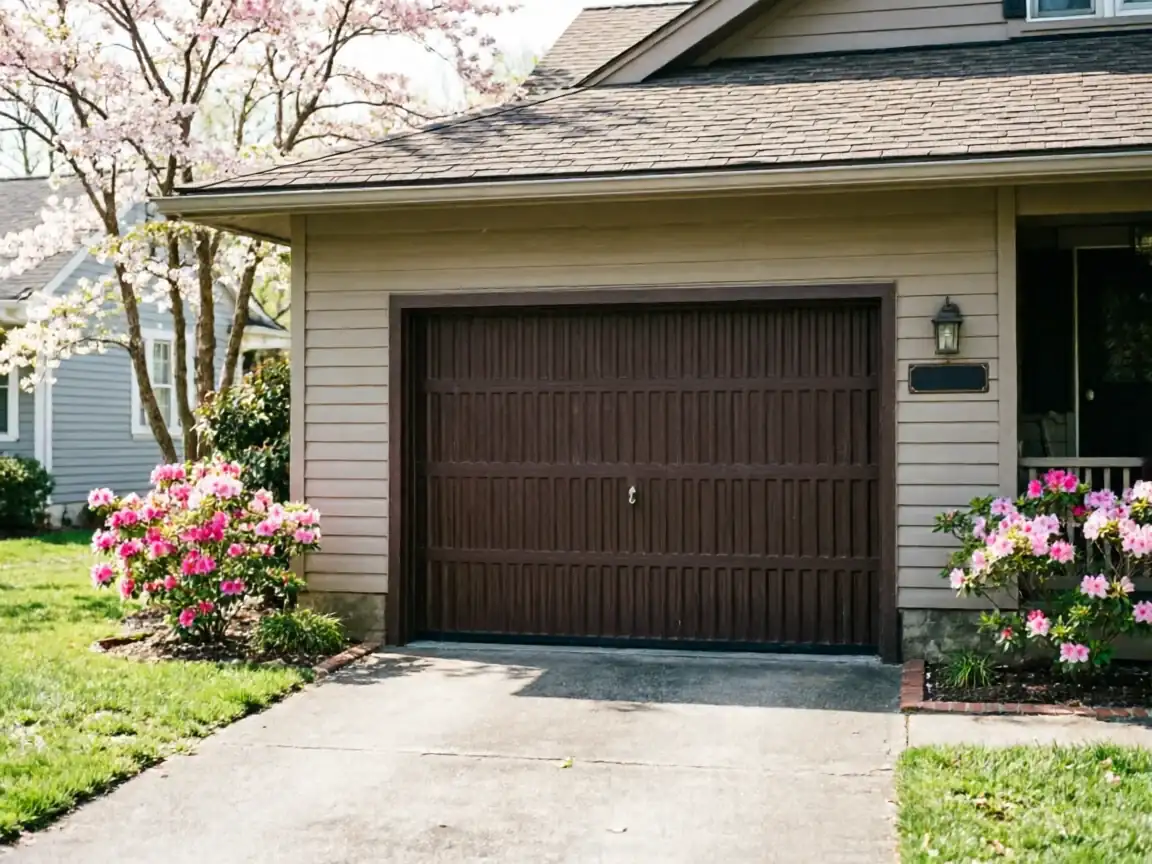
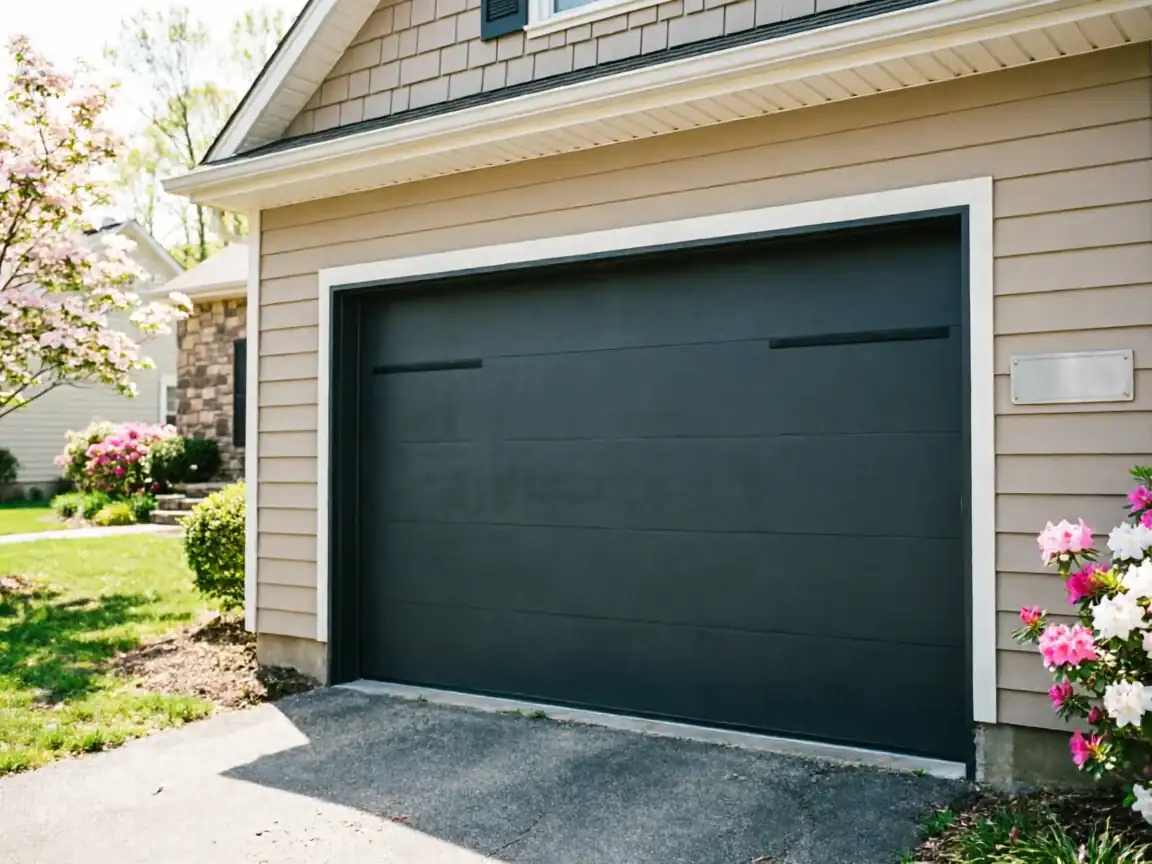
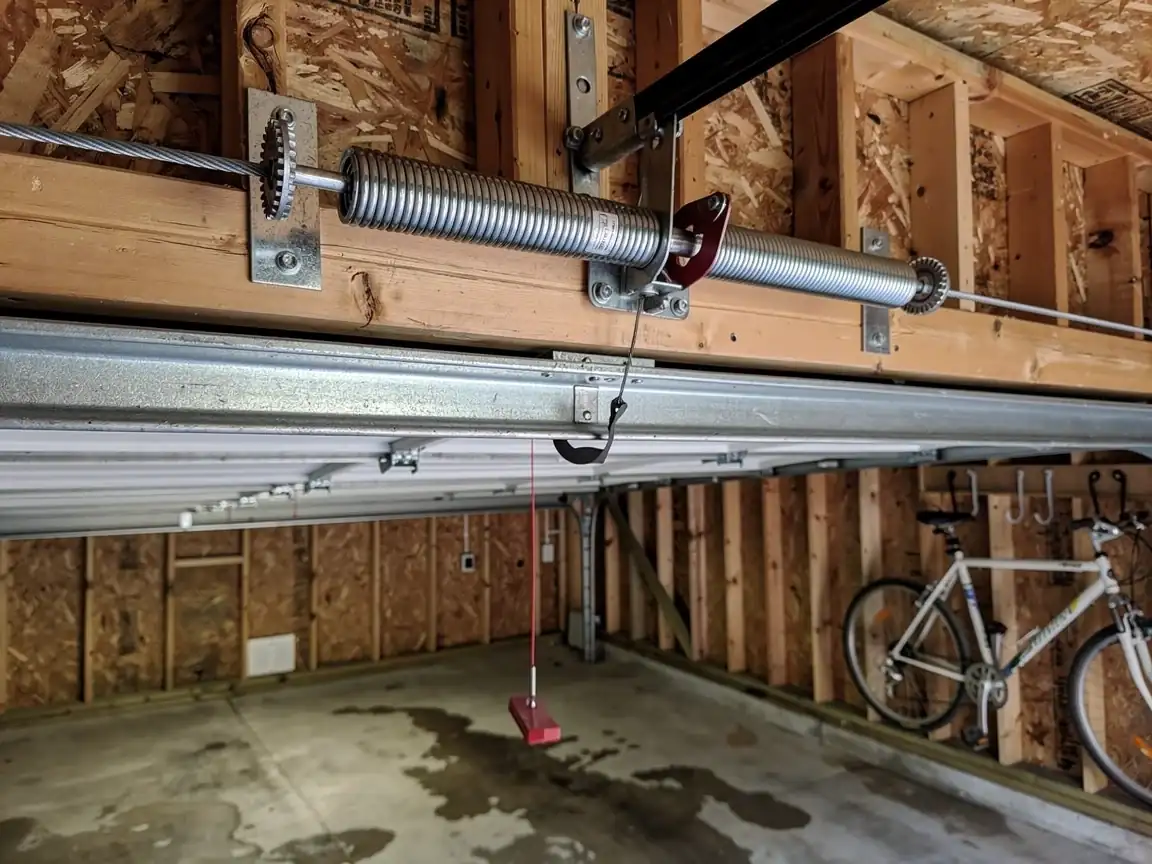
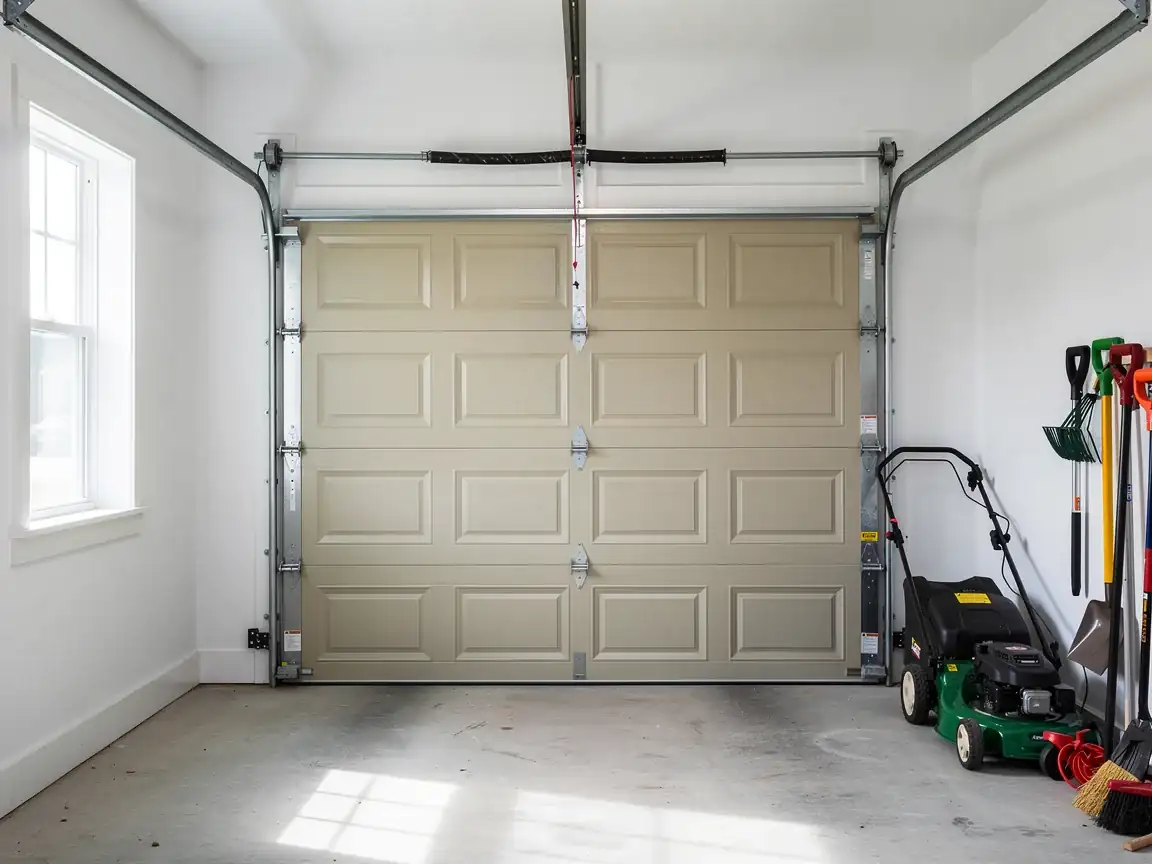
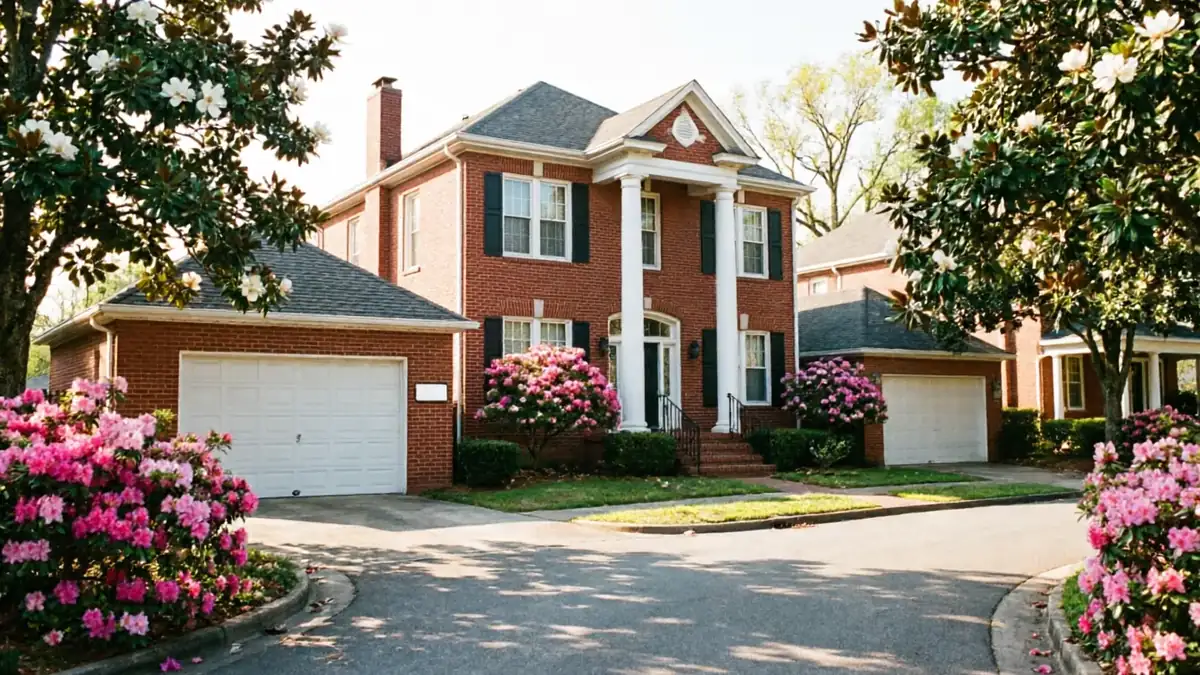
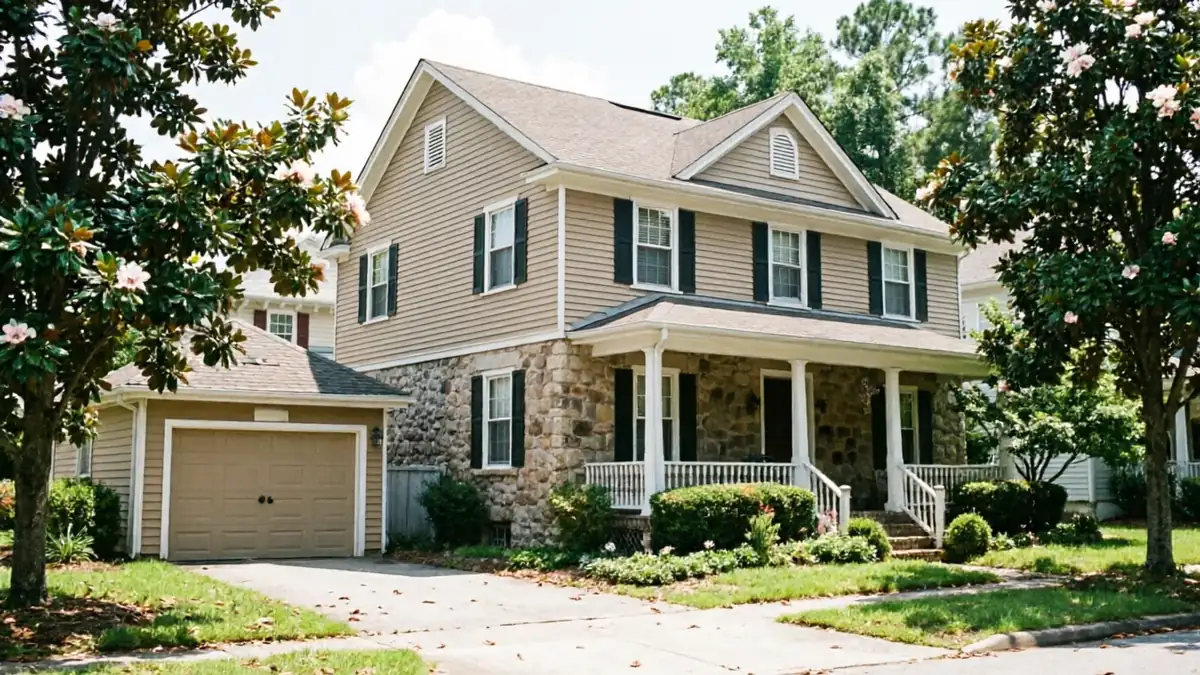
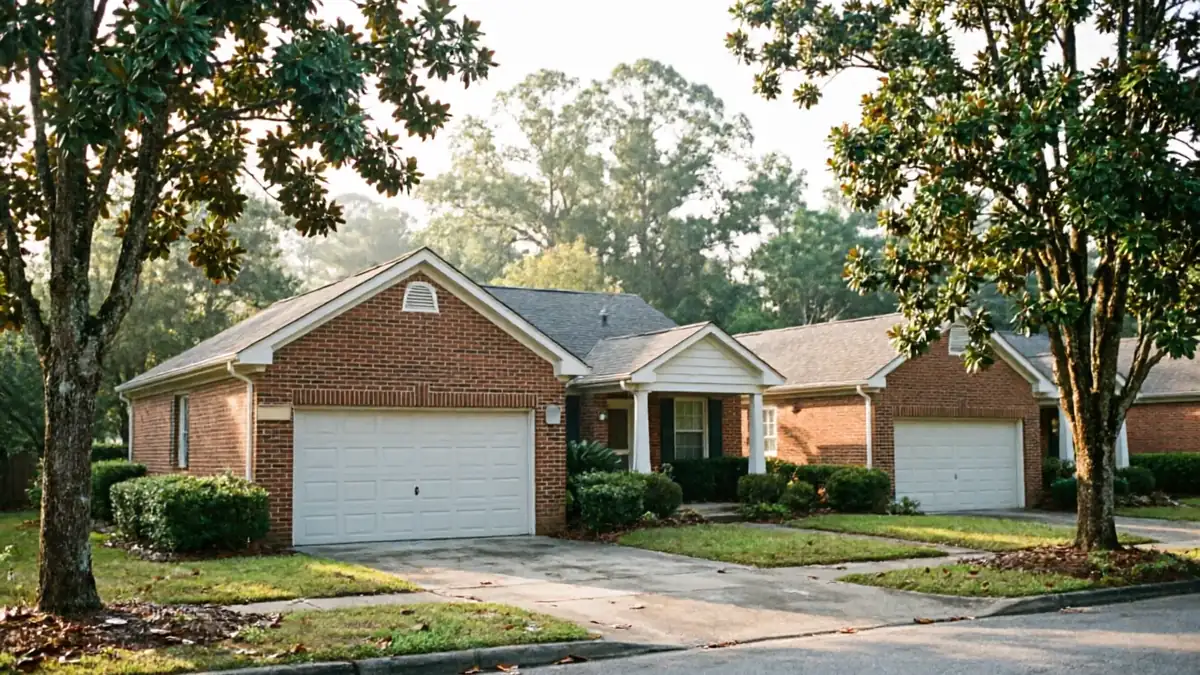
Clemmons homes run newer than a lot of the rest of the service area - the typical house here went up around 1993, compared to a median closer to 1987 across the broader 17-area footprint we cover. That six-year gap matters more than it sounds. Early-90s construction almost always means the door and opener were installed to match that era's standard: steel sectional doors, torsion springs sized for lighter insulated panels, and chain-drive openers that are now entering their third or fourth decade of service. You're less likely to run into the one-piece tilt-up doors and the oddball hardware that shows up in older pockets of the service area, and more likely to be dealing with a worn torsion spring that's simply reached the end of its cycle count, or an opener board from the 90s that's finally quit holding a signal.
What Was Built Here
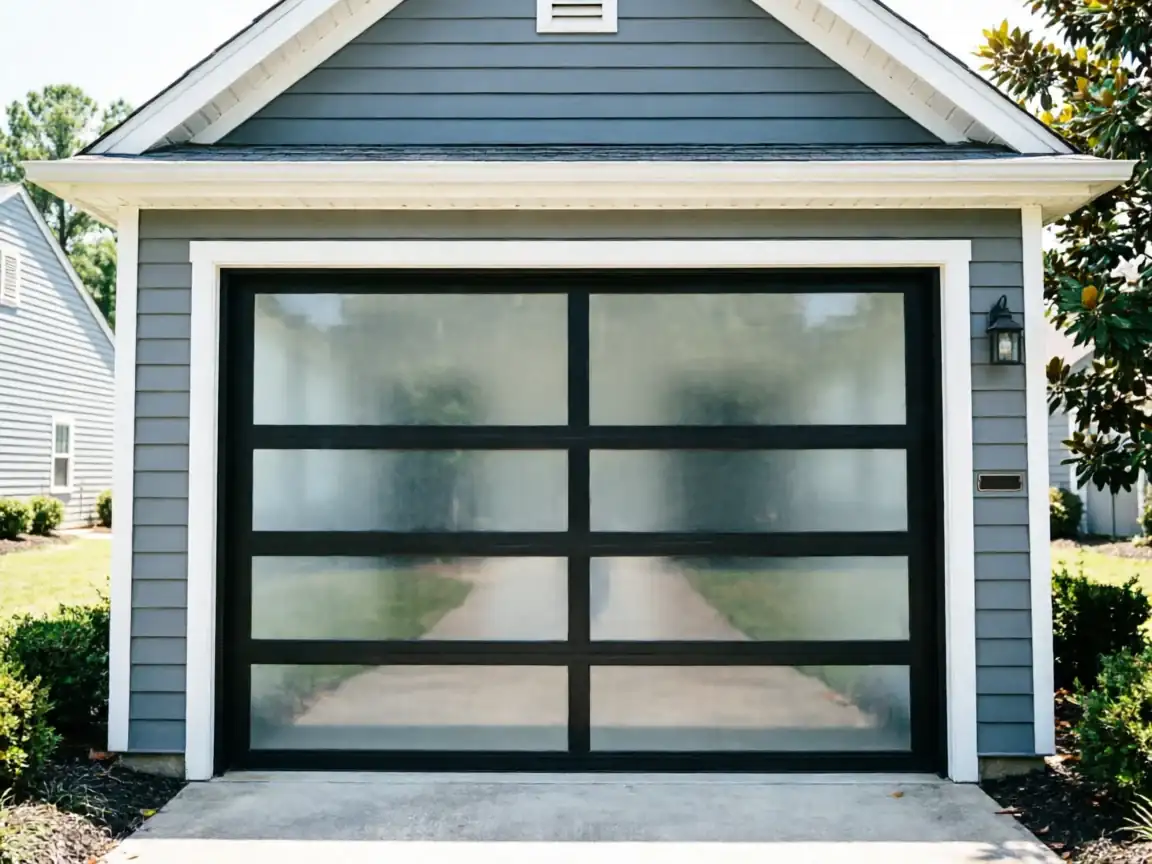
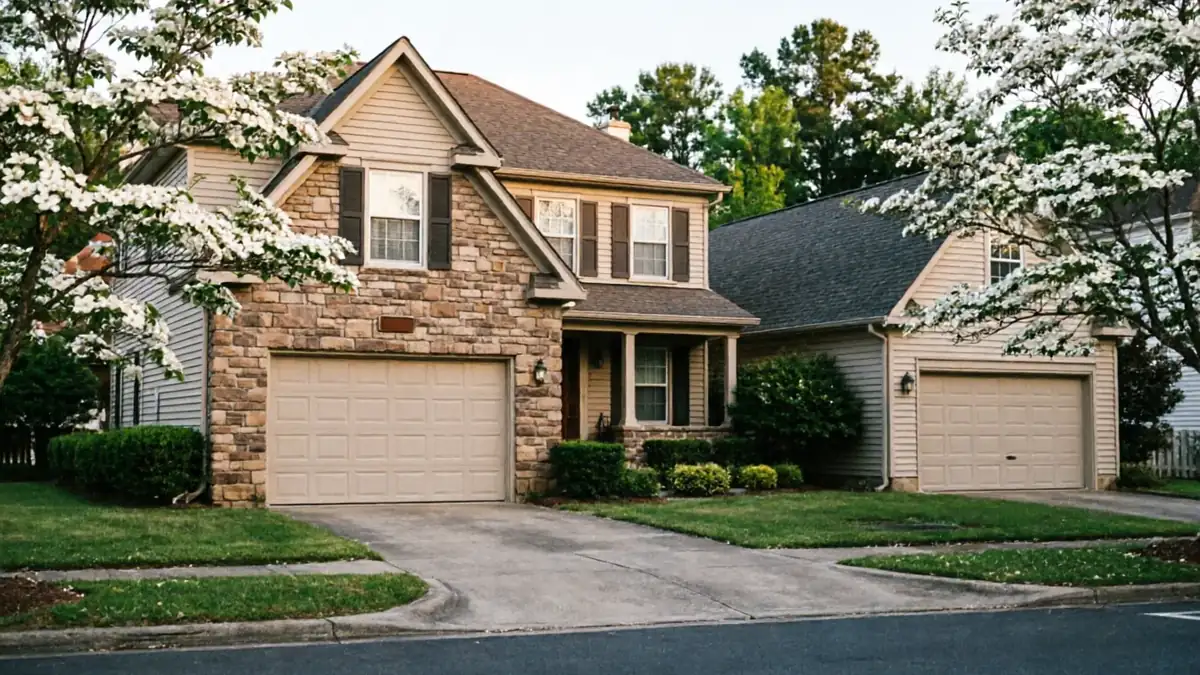
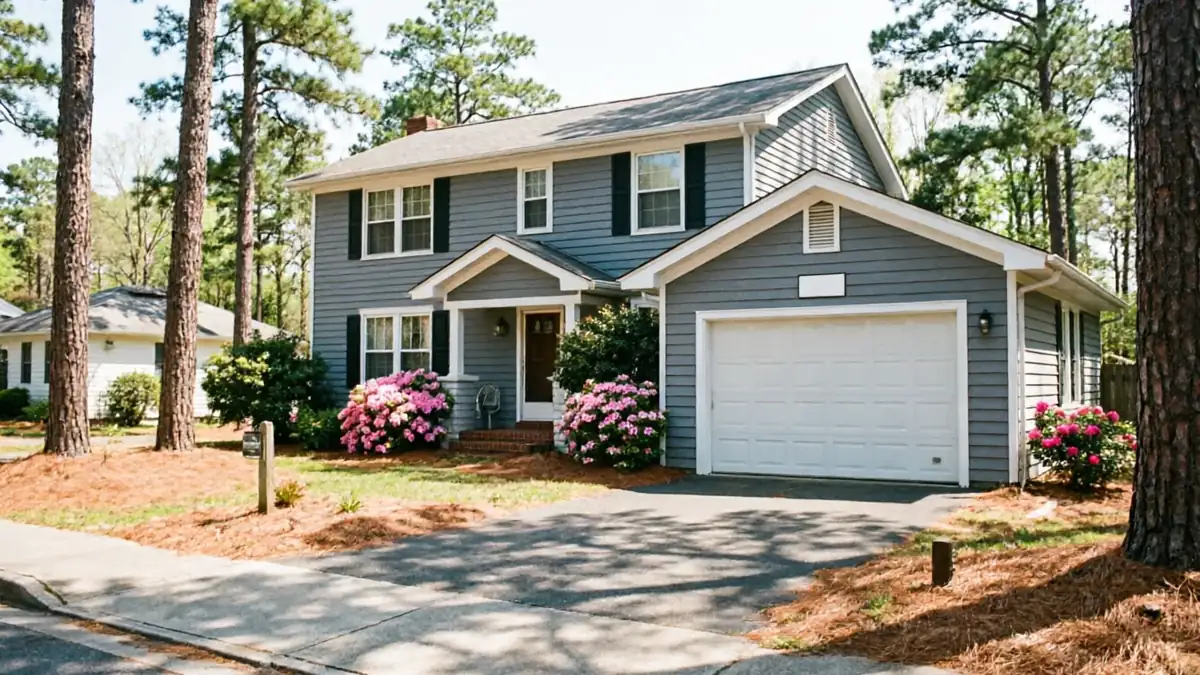
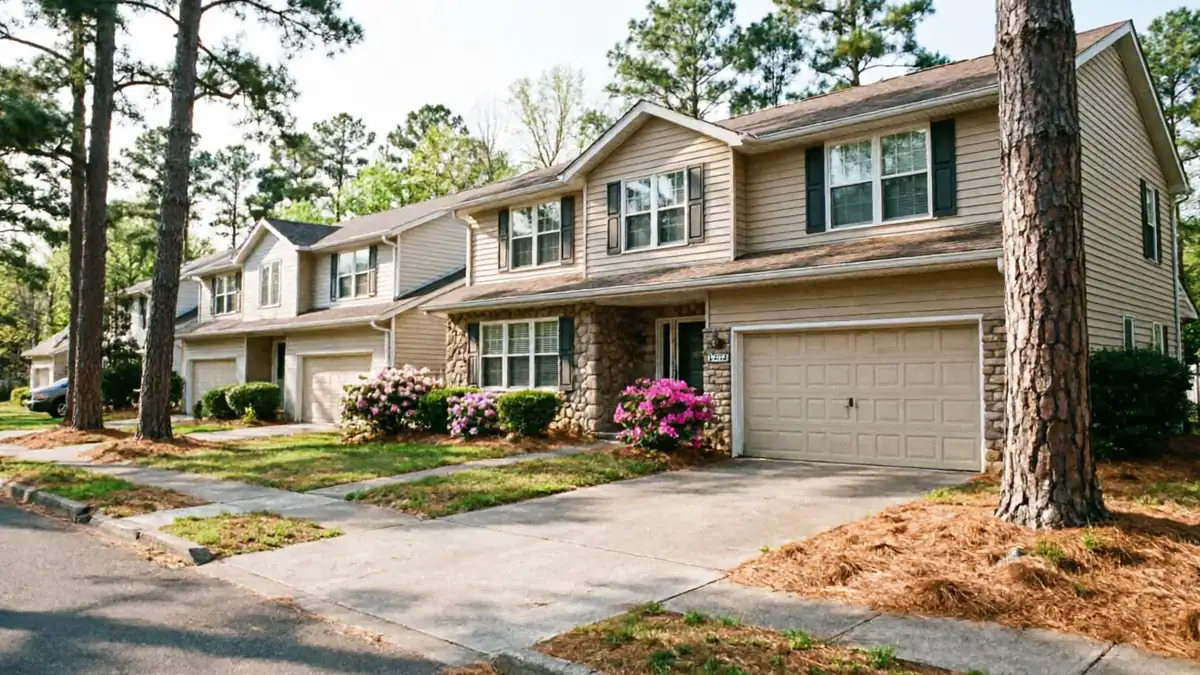
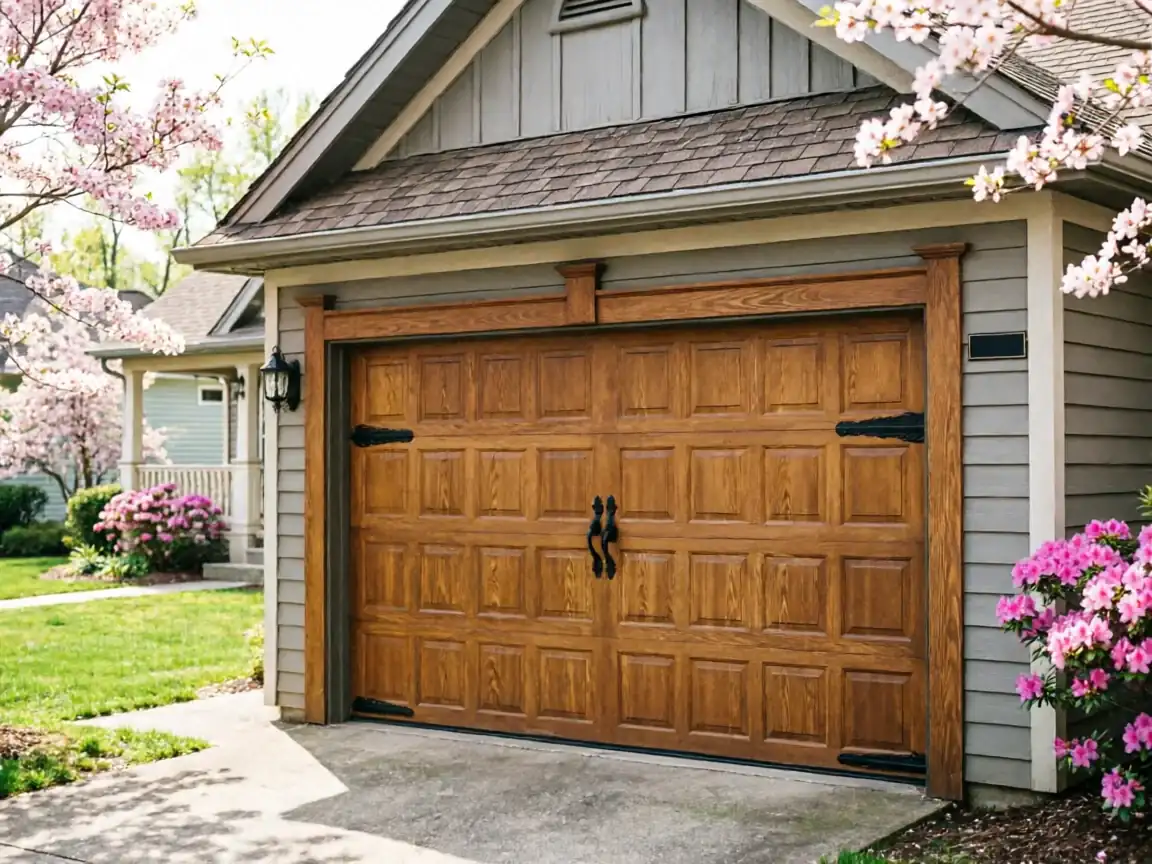
With roughly 8,978 households in Clemmons, this is a mid-size pocket of a service area that spans 56,928 households total, and the housing stock here sits toward the newer end of that 1973-to-2002 range. Median household income in Clemmons runs about $84,326, noticeably above the $78,821 median for the wider area, and that tends to show up in the doors themselves - more insulated steel and composite panels, fewer bare single-layer doors, more openers with battery backup added on at some point. The region sits in a cold-moderate climate band, which over 30-plus years means steady freeze-thaw cycling on hardware and seals rather than any one dramatic event. None of that is unique to Clemmons on its own, but paired with the build era, it points toward specific failure points: spring fatigue before panel failure, and weatherstripping that's usually been replaced at least once already.