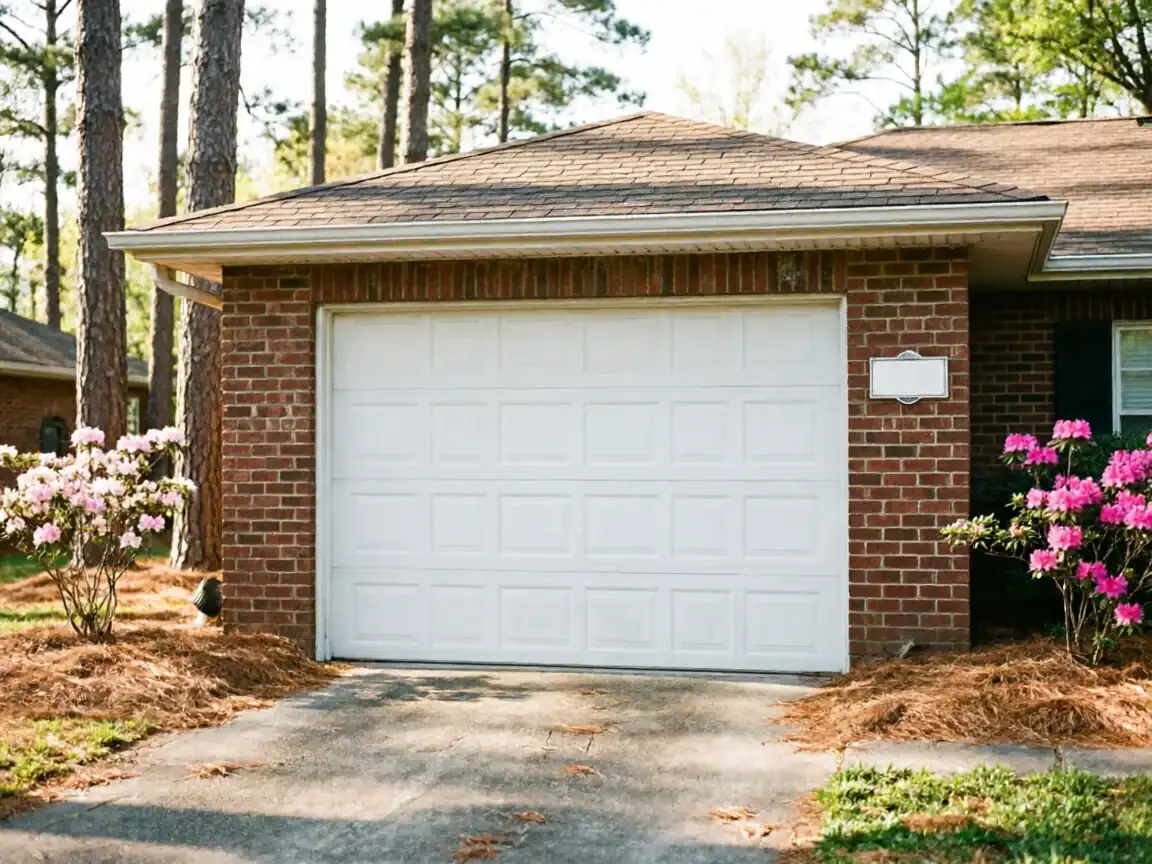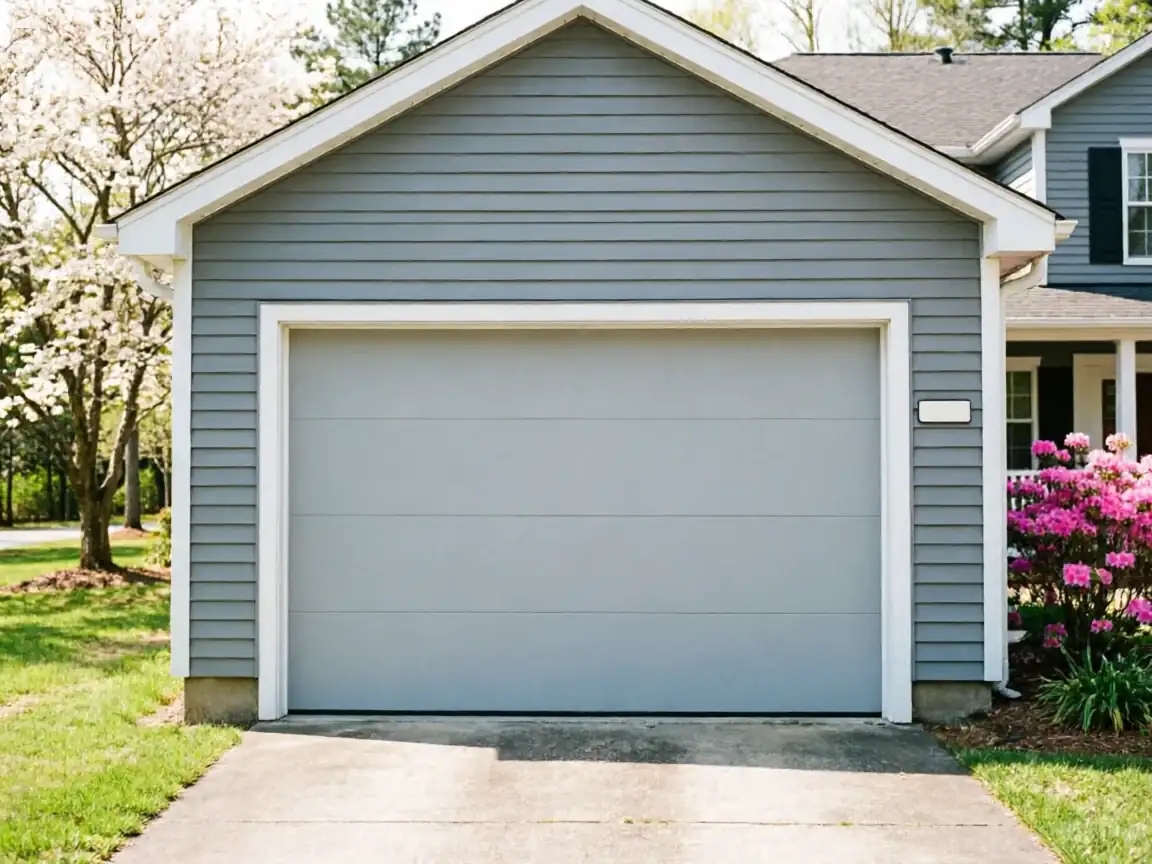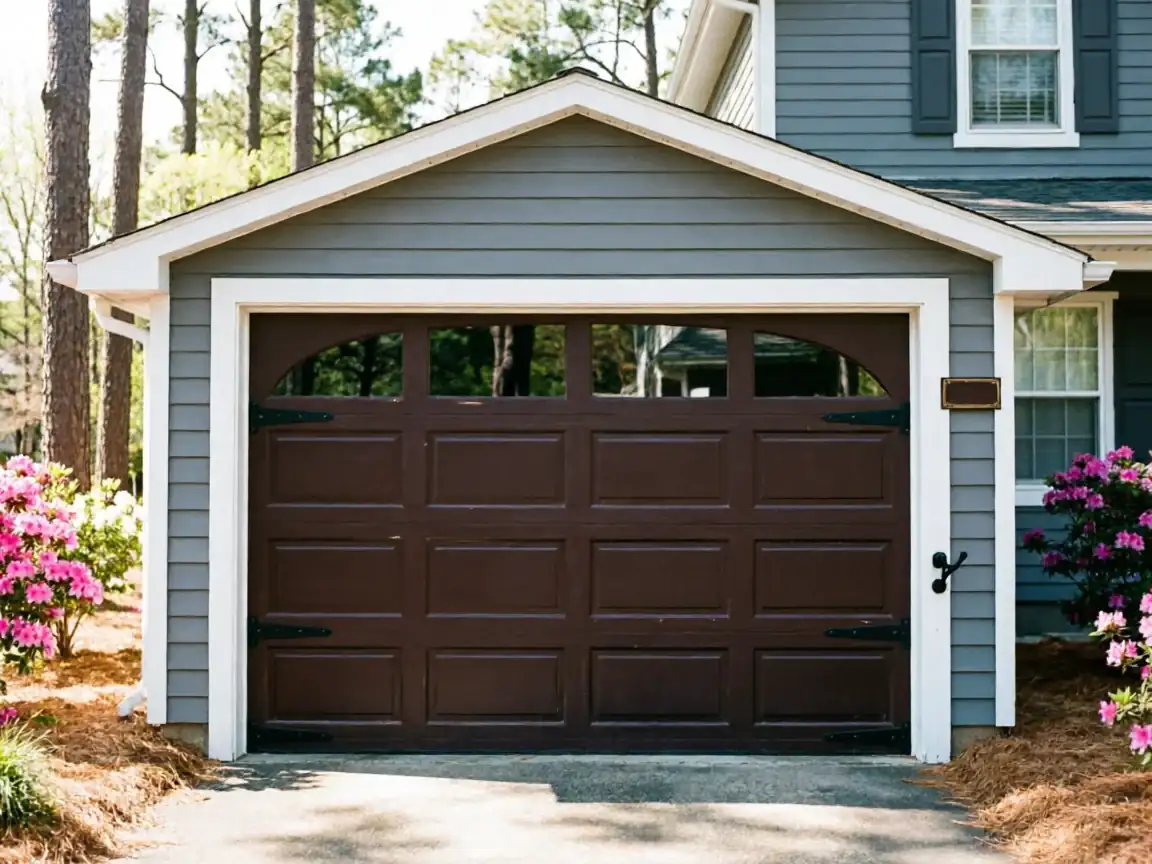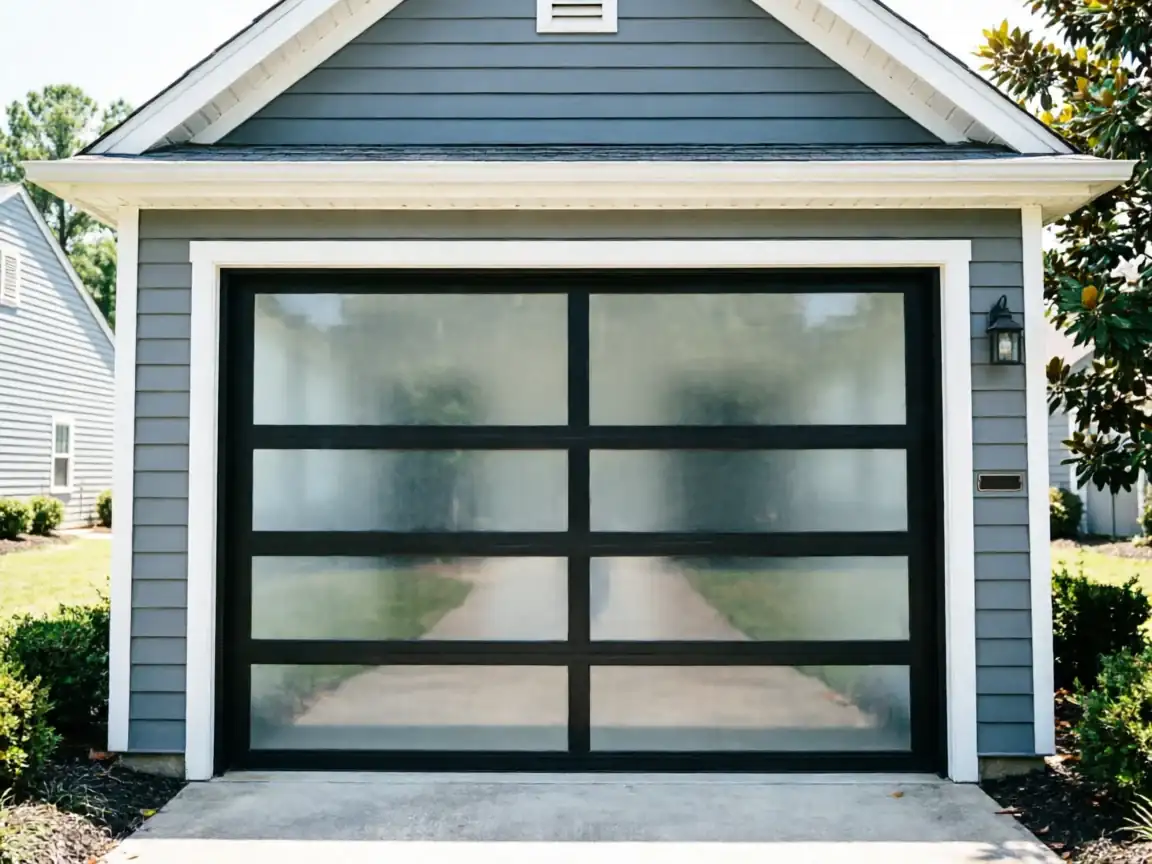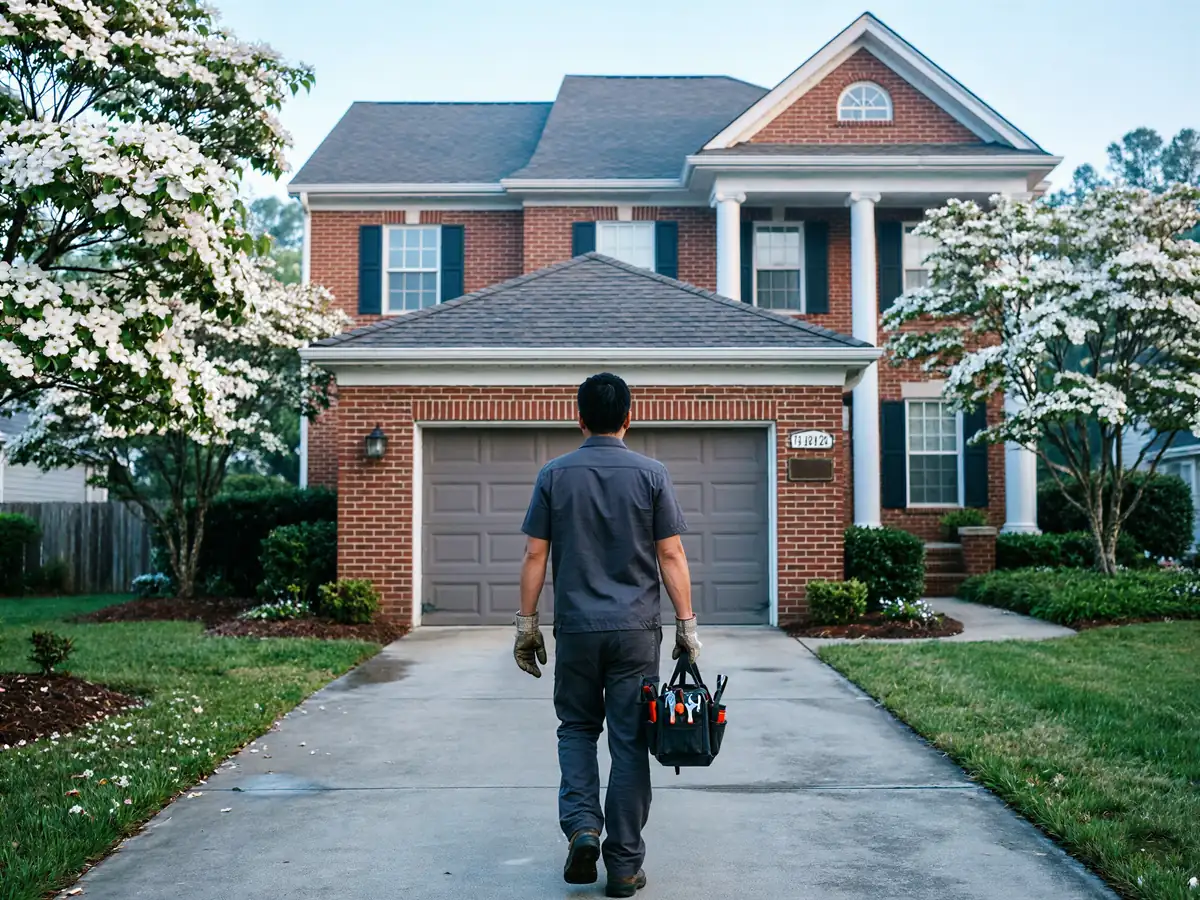
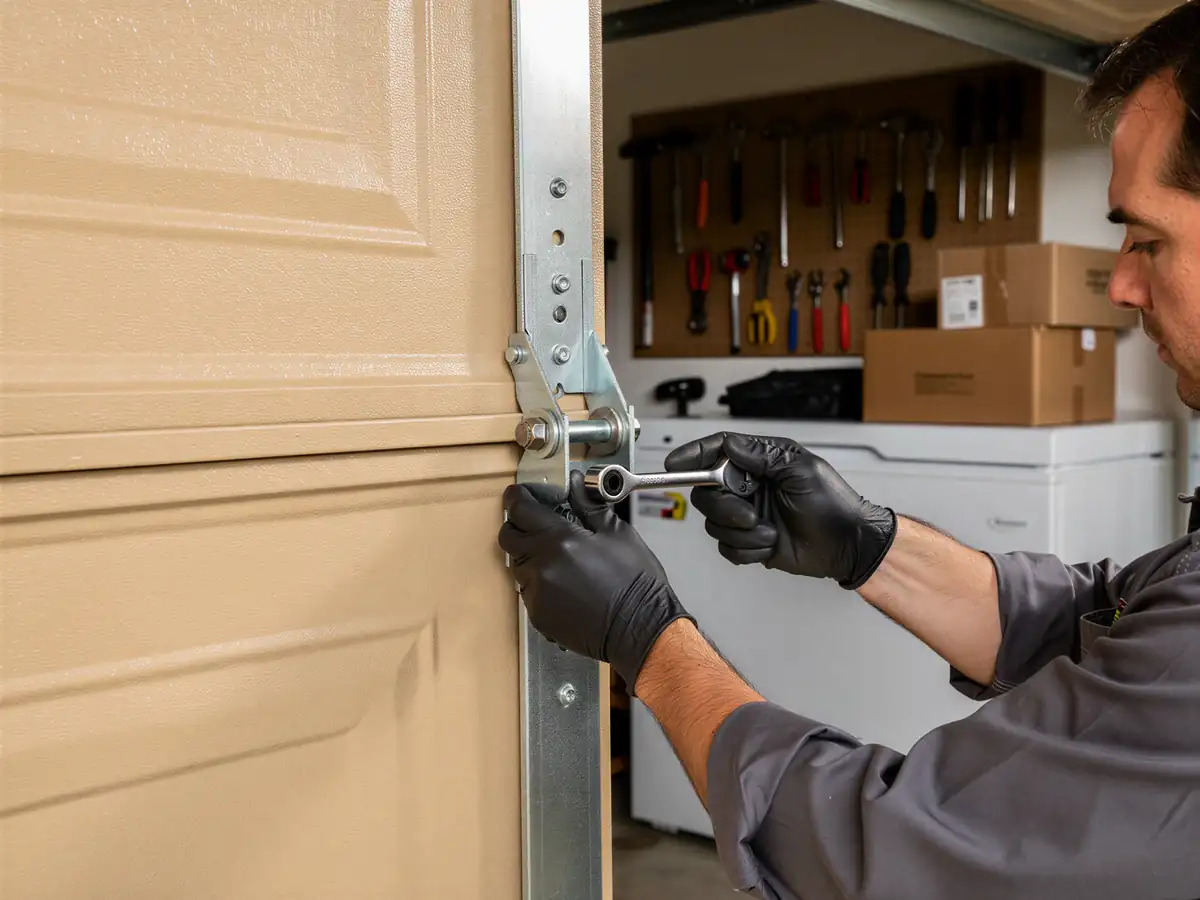
What You Are Seeing
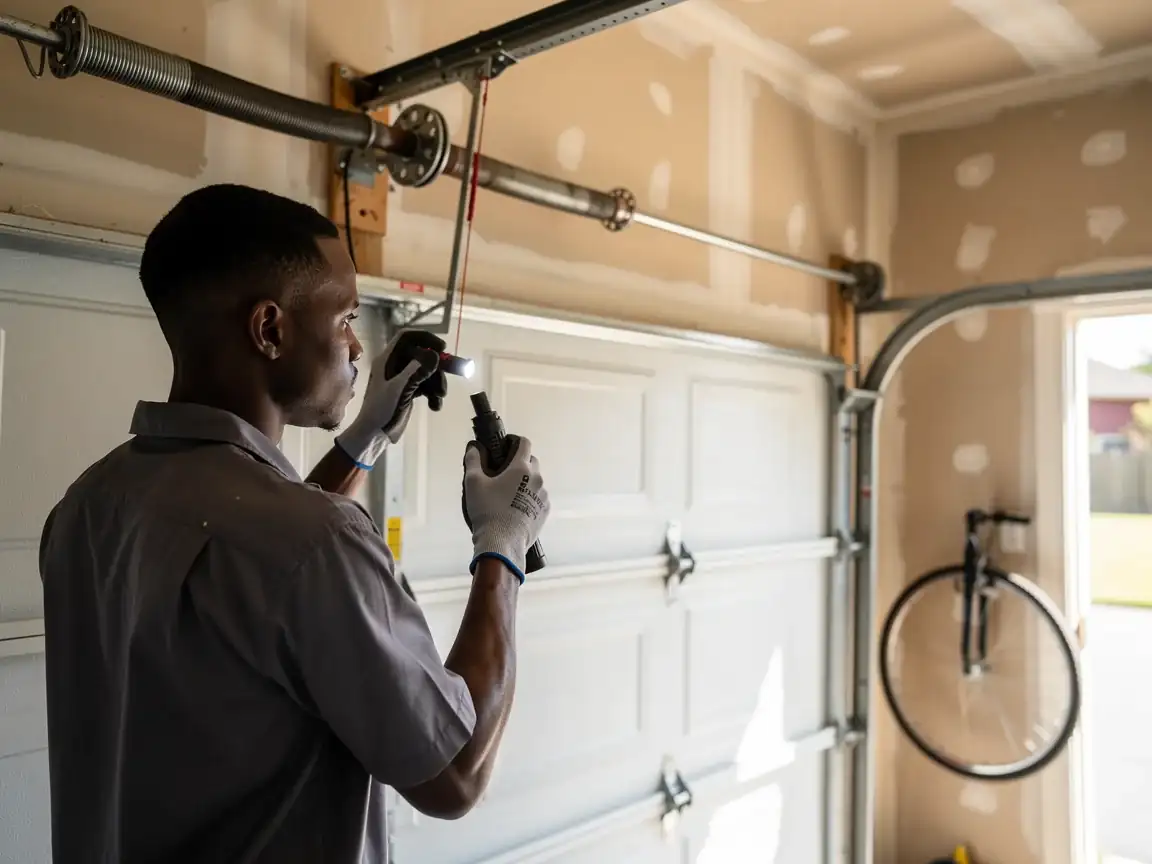
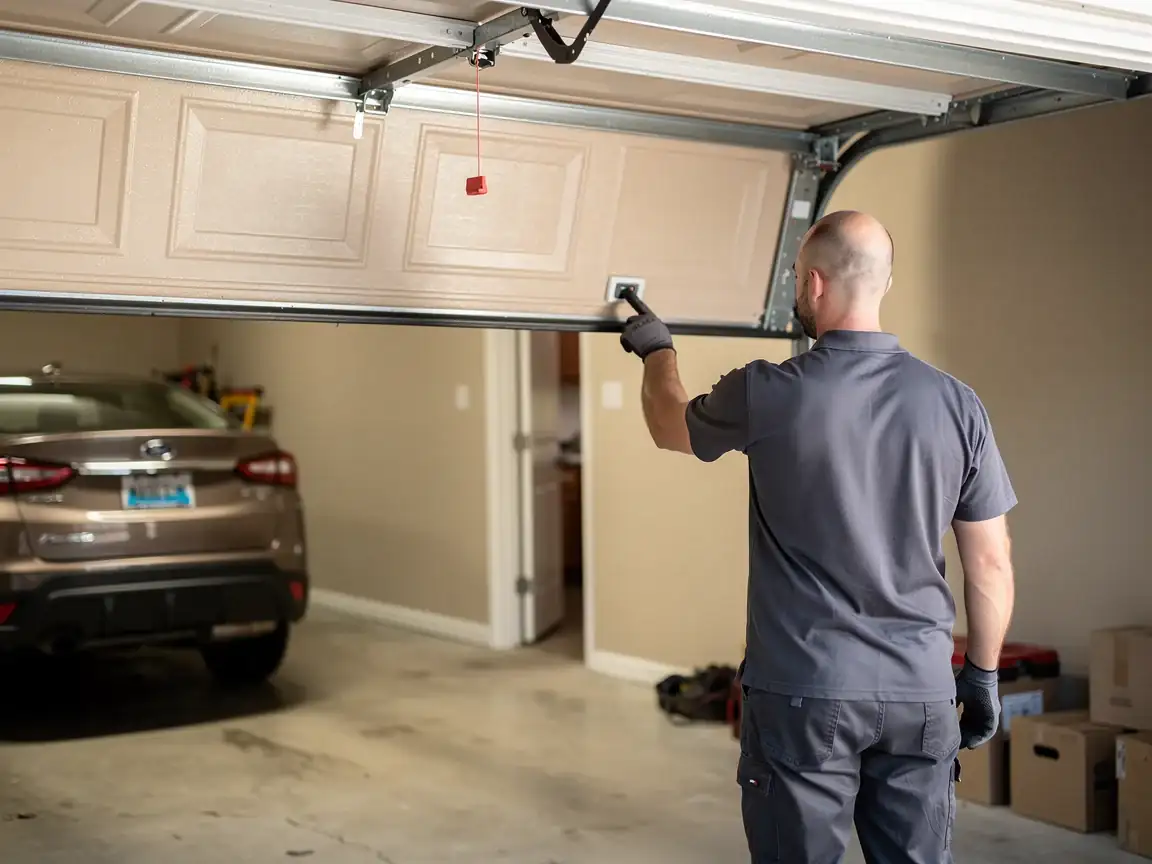
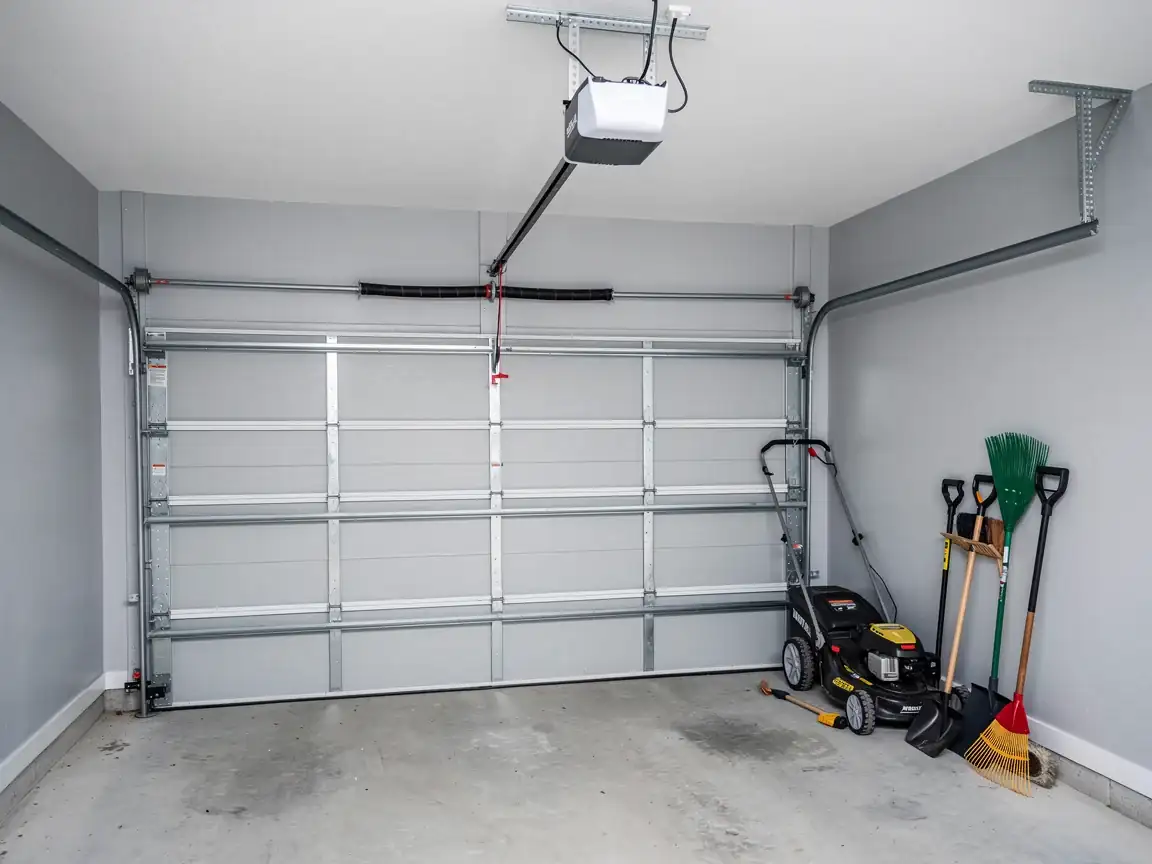
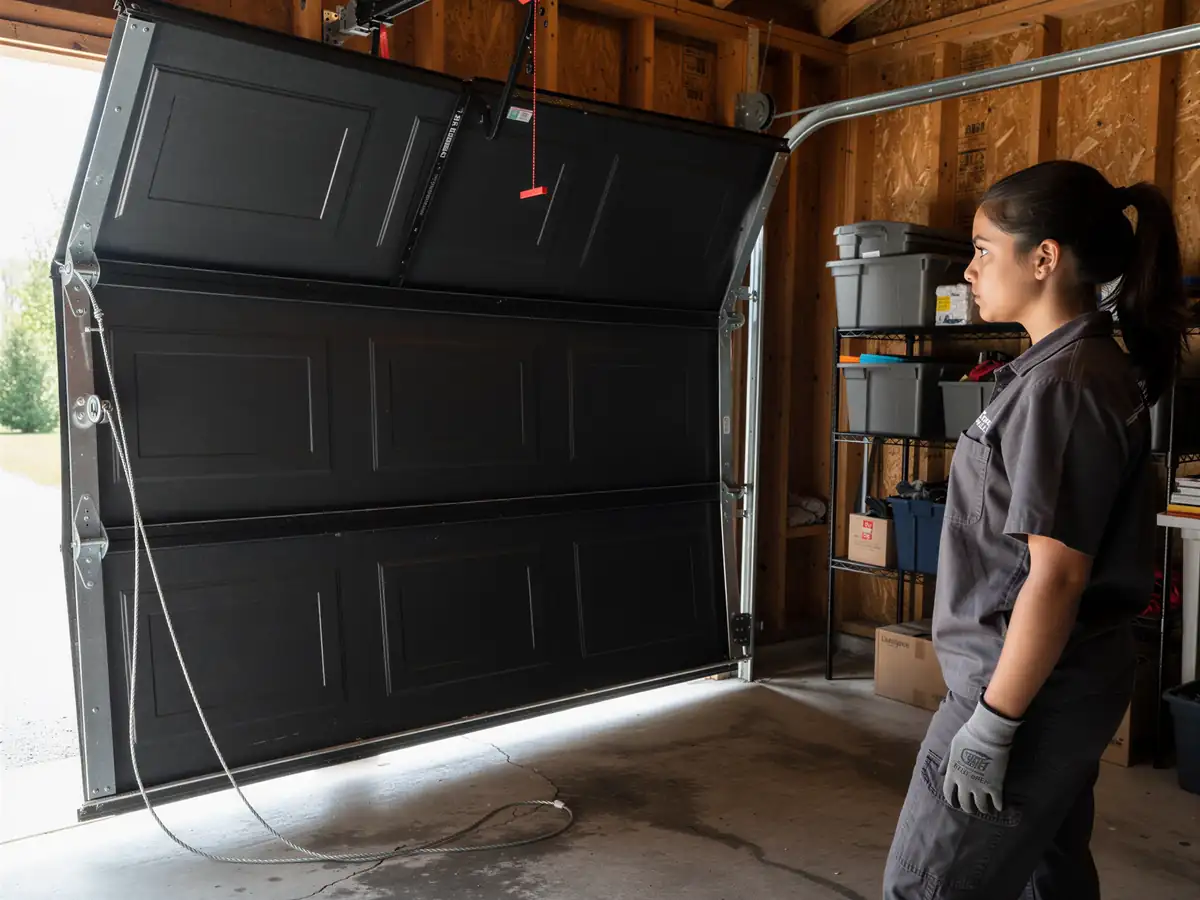
If the door is heavy to lift by hand, or the opener strains and reverses halfway up, that's a spring losing tension rather than a motor failing. A door that drops fast the last foot or two, with a bang, points to the same cause - the spring isn't holding the weight anymore. Cables that look frayed or kinked near the bottom bracket need replacing before they snap, not after; a snapped cable under tension can whip hard enough to dent a panel or hurt someone standing close. Rollers from this build era are often the original nylon ones, and at thirty years they're usually cracked or chipped, which shows up as a grinding or clunking sound as the door travels. None of this is dramatic until the day it is - a slow fray becomes a sudden stop.
Getting It Booked In
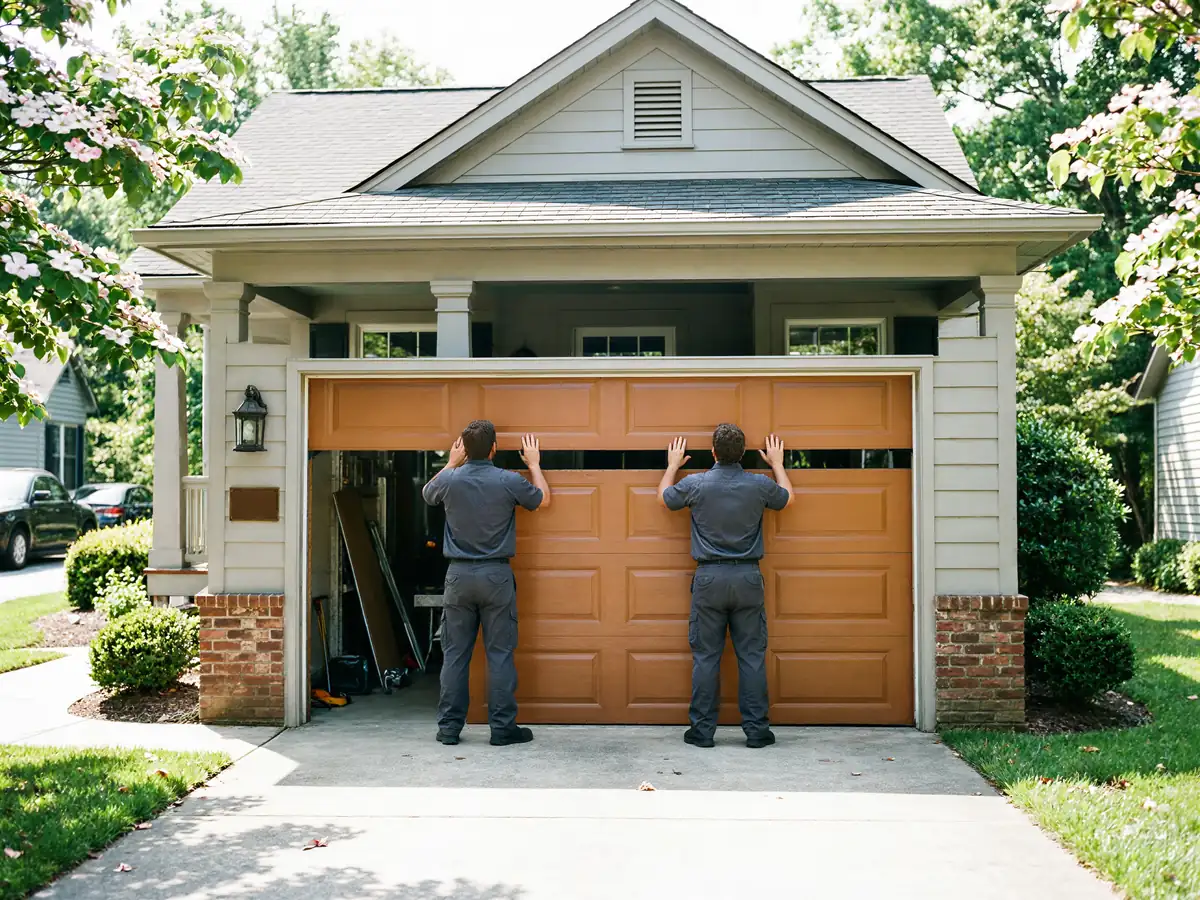
We don't keep a branch in Clemmons - the truck comes out of Winston-Salem, about 8 miles up the road. That's close enough that it doesn't change your options much; it just means we ask a few questions up front - what the door is doing, roughly how old the house is, whether it's a single or double door - so the truck that shows up has the right spring size and cable length on board rather than guessing. For a double door on original 1990s hardware, we usually know what we're walking into before we get there.
What You Pay
Clemmons runs a median household income of $84,326, noticeably above the wider service area's $78,821, and that changes the repair-or-replace conversation more than people expect. At that income level, a homeowner with a thirty-year-old steel door and original hardware is often better served putting the money into a new door and opener rather than patching a spring this year and a cable next year. We don't have a set price to quote in general terms - it depends on the door, the spring size, and whether the opener needs work too - but we'll tell you plainly, on site, whether you're looking at a repair that's worth doing or a door that's at the end of its useful life.
Why This Fails Locally
The region sits in a cold-moderate climate band, and that matters more for a 1993-built door than people think. Steel panels and galvanized hardware from that era weren't built with today's weatherstripping or insulation standards, so temperature swings through the year work on the metal and the seals a little more than they would on a newer door. Combined with roughly thirty years of cycling, that's why Clemmons calls skew toward spring fatigue and roller wear rather than, say, a brand-new opener board failing. It's less about any one dramatic event and more about an ordinary door reaching the end of what 1990s-grade hardware was built to handle.