What You Are Seeing
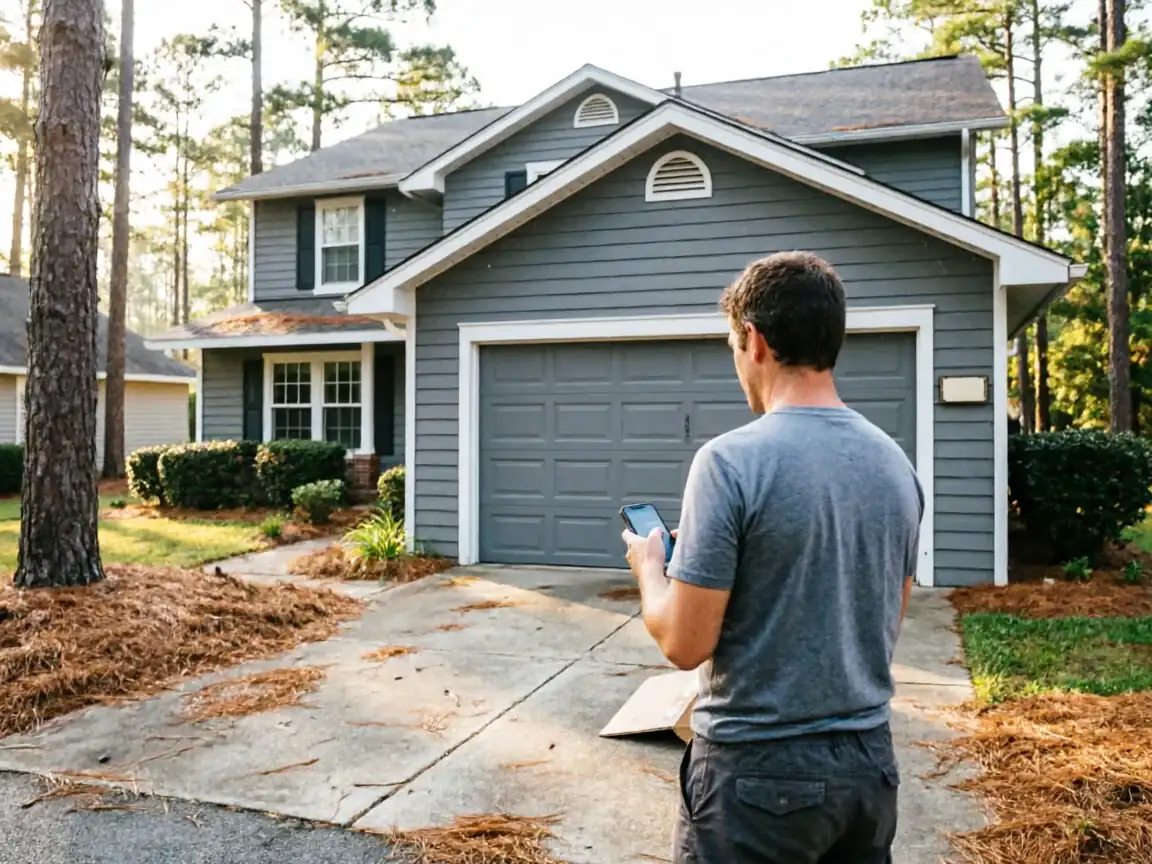
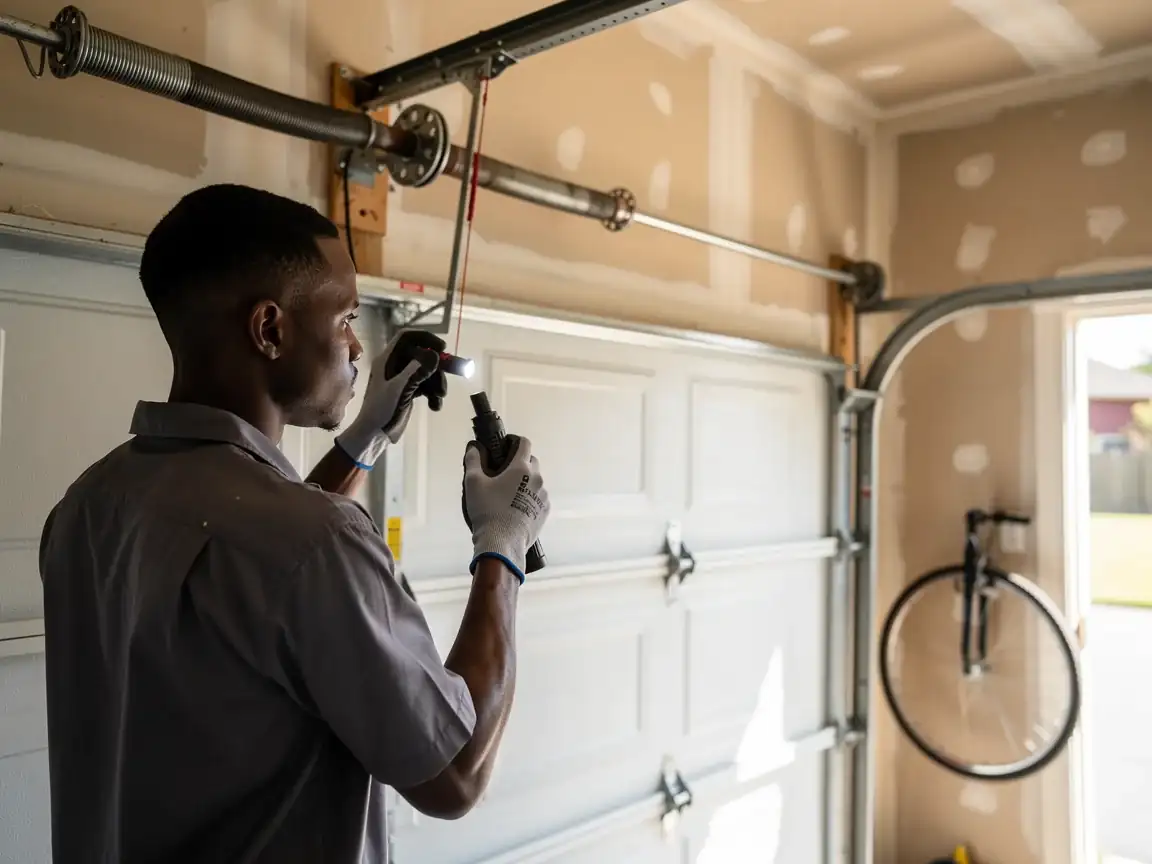
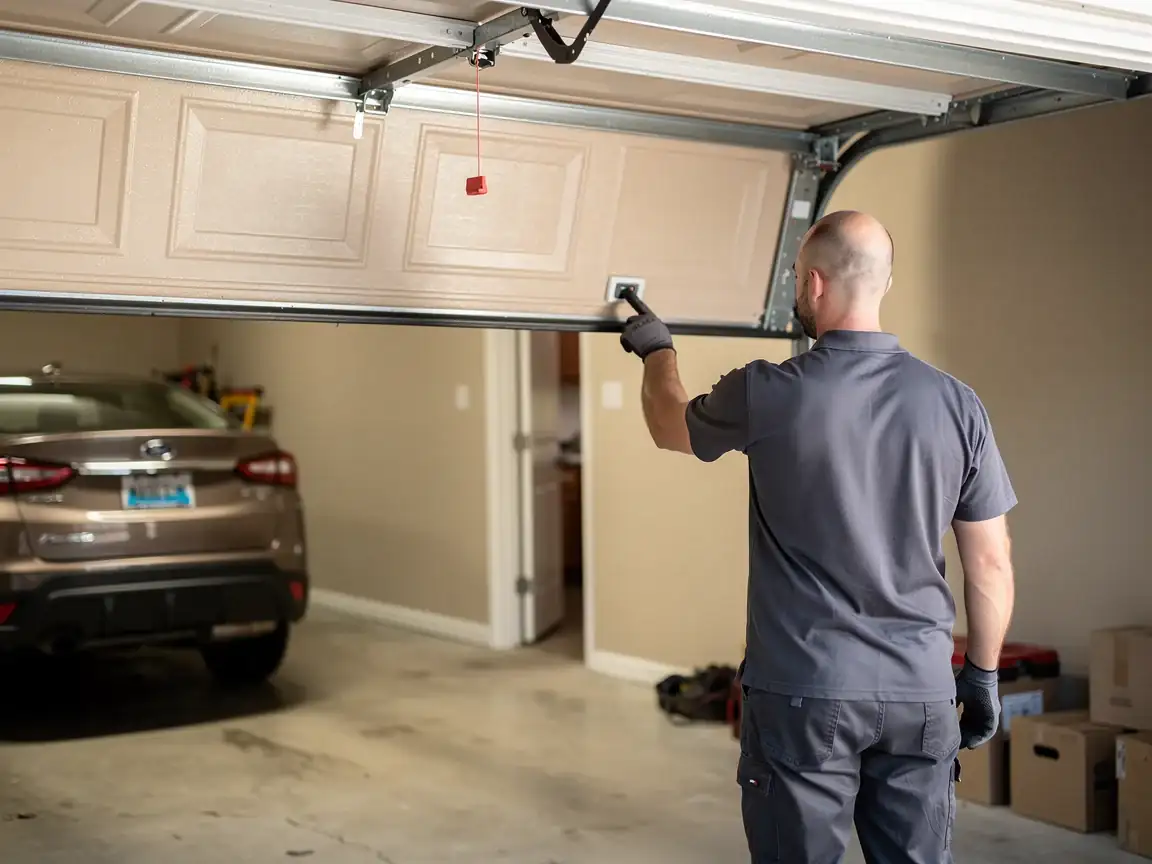
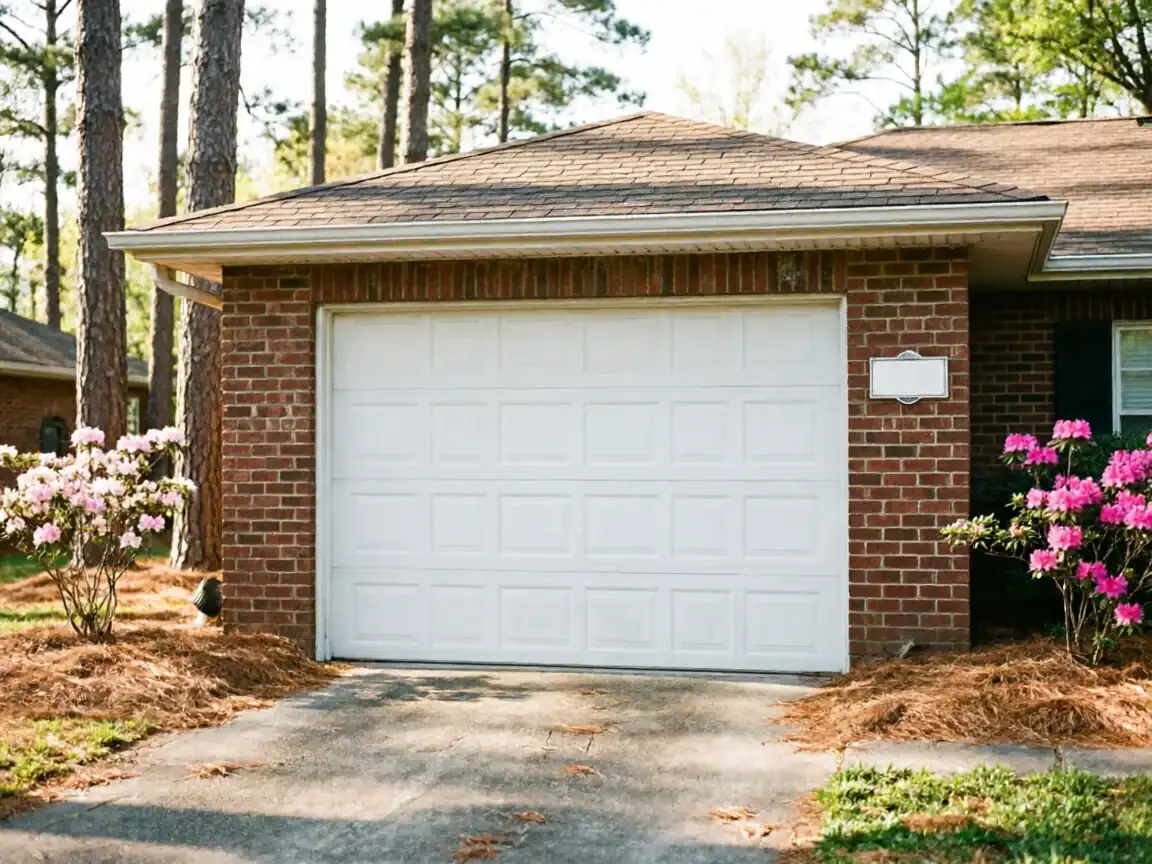
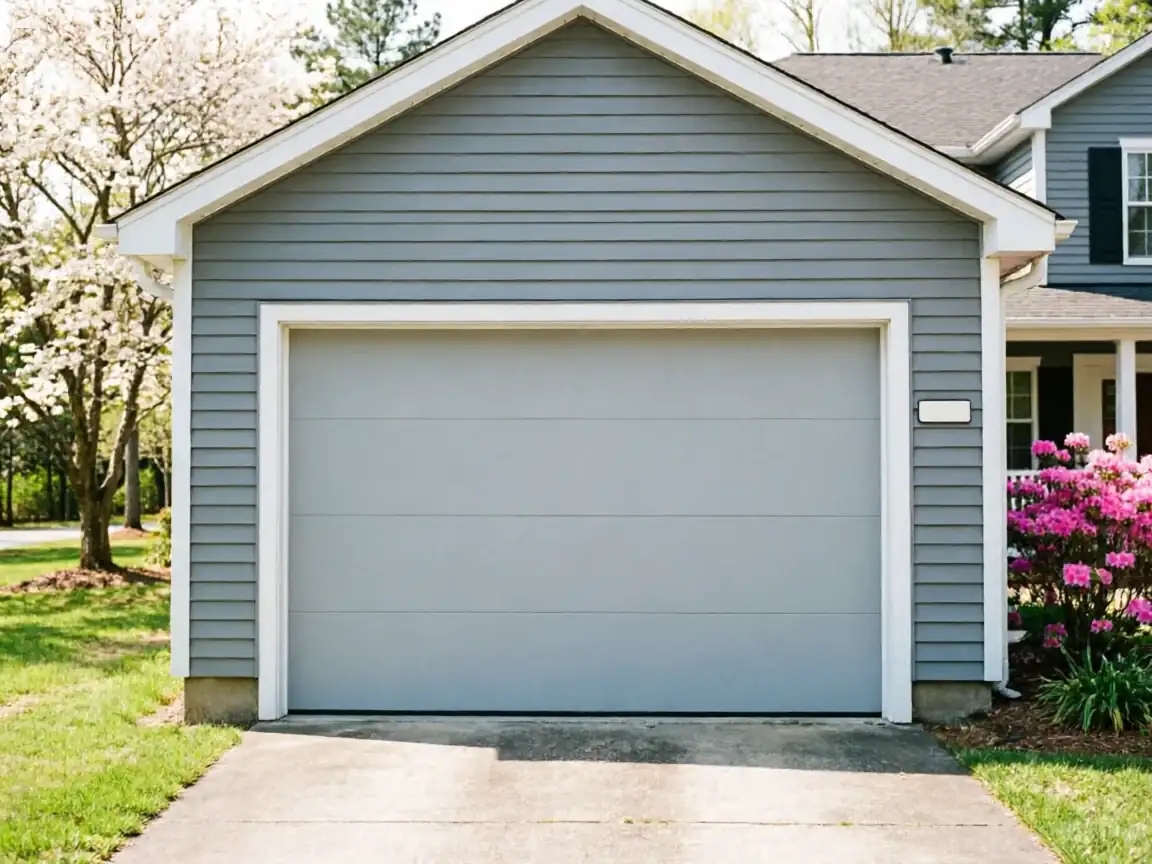
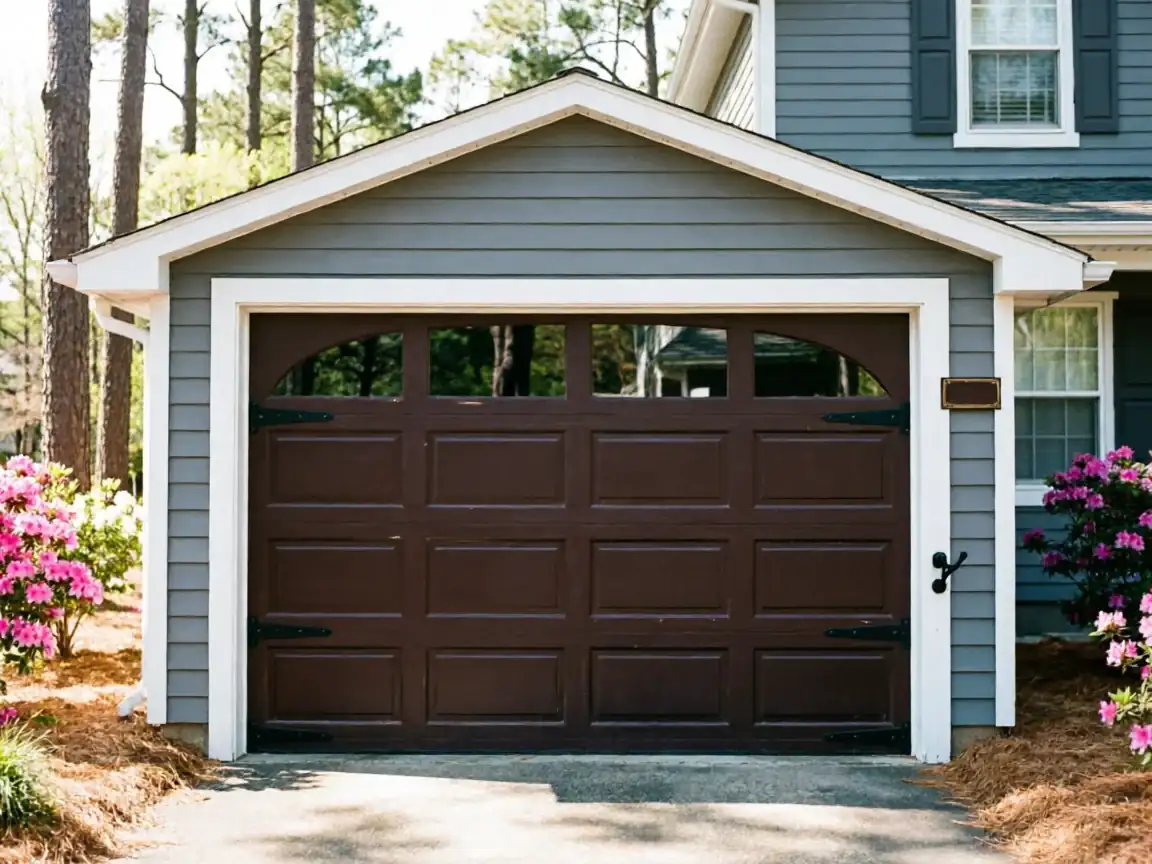
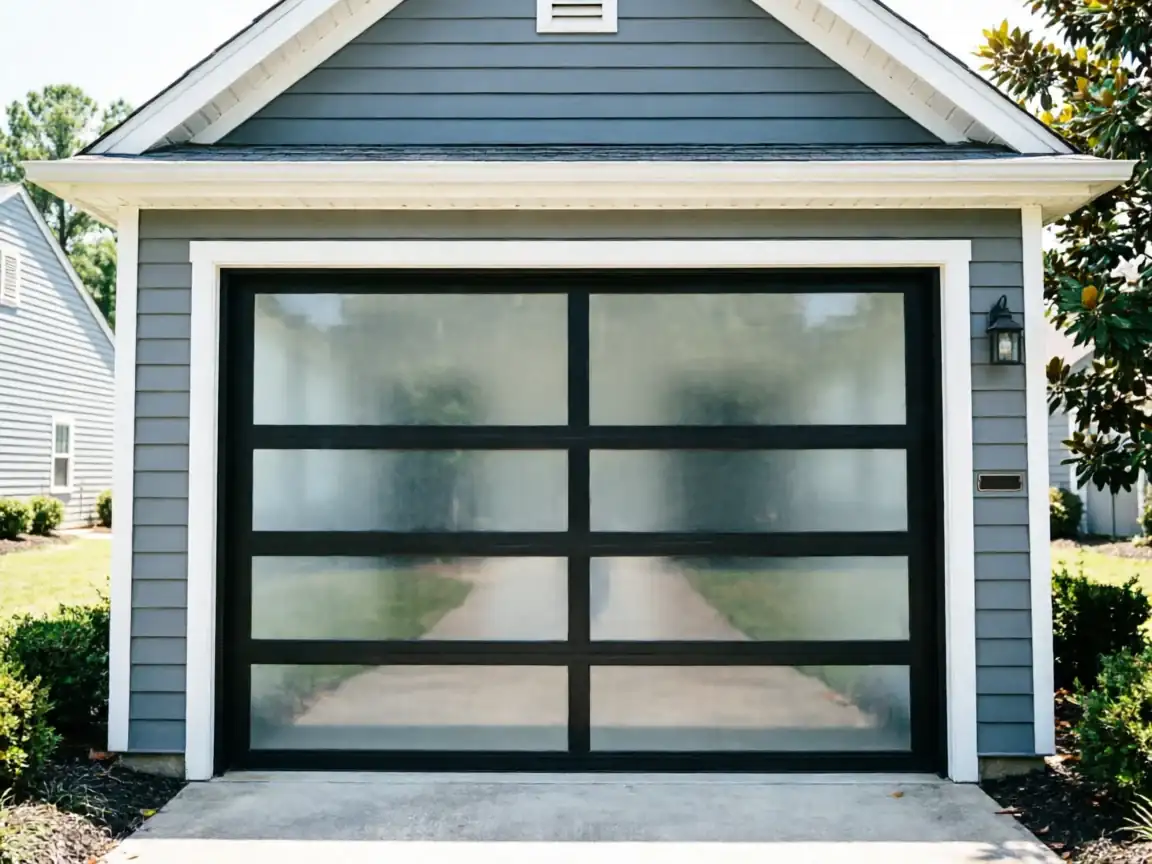
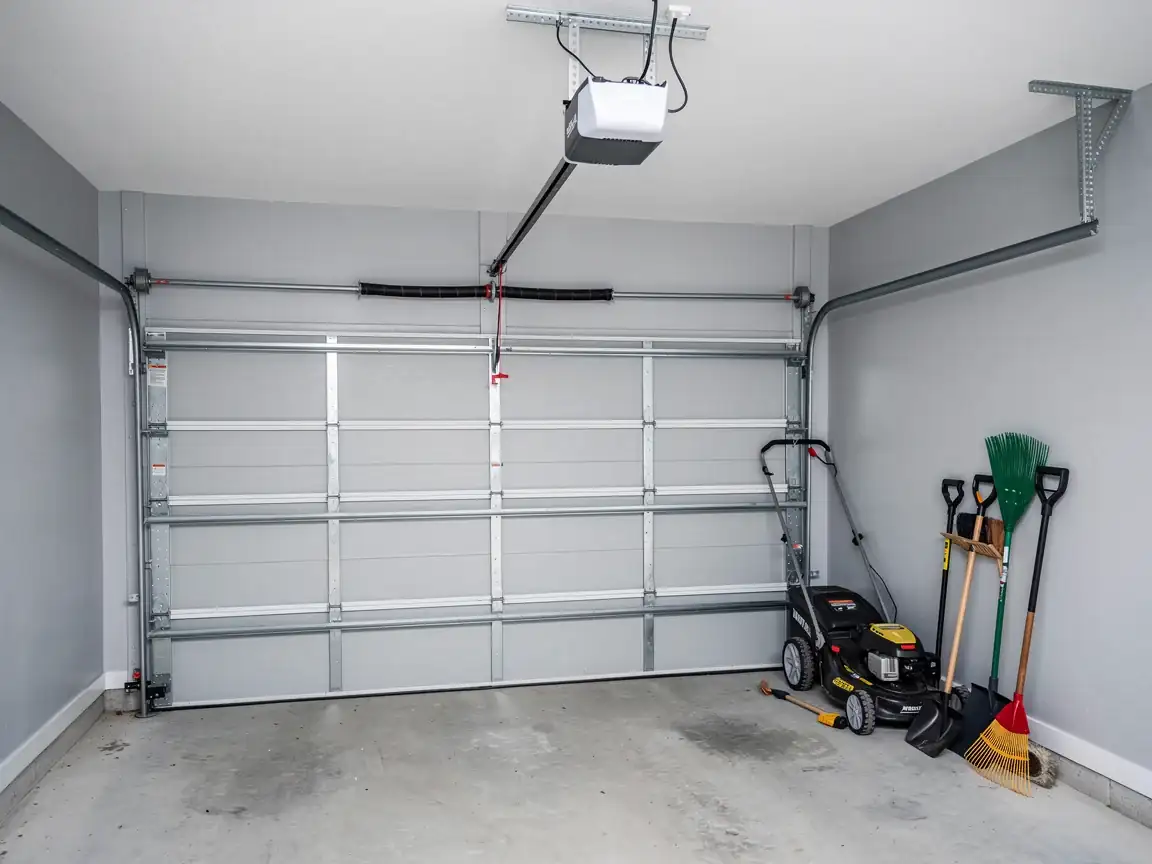
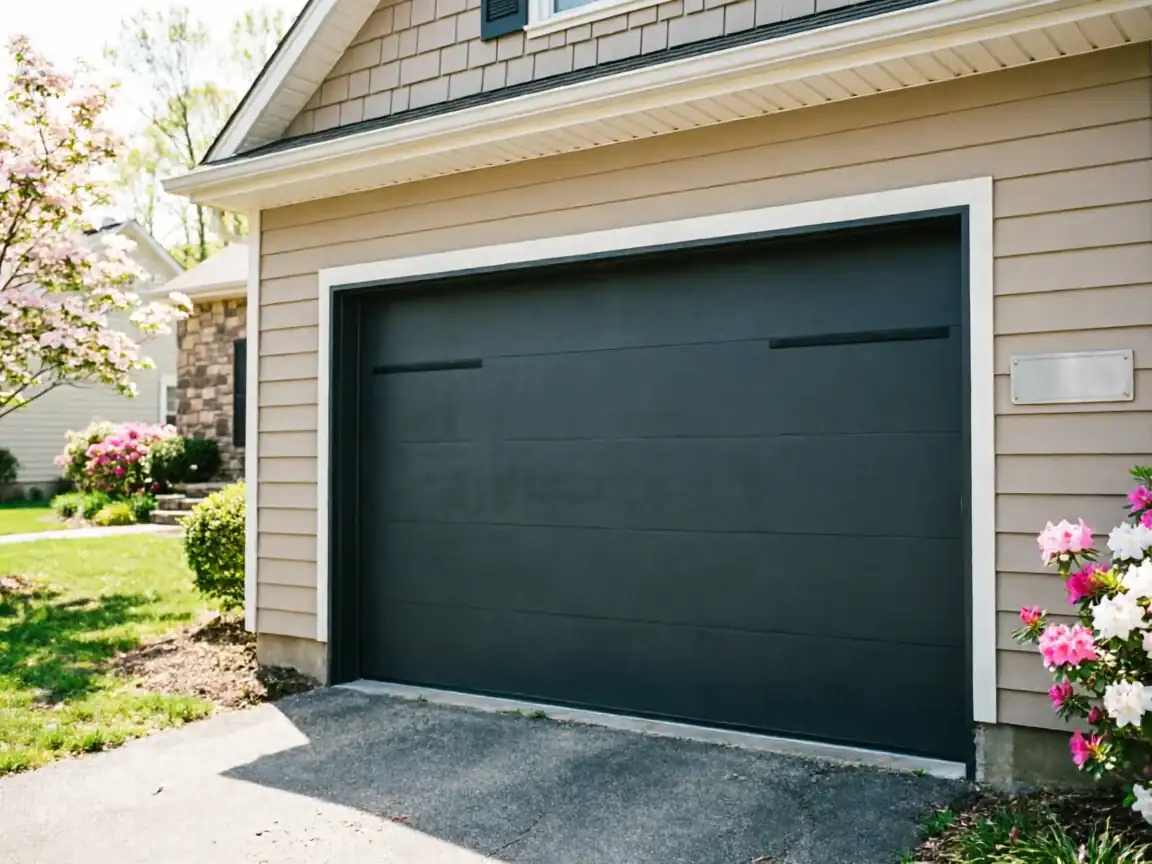
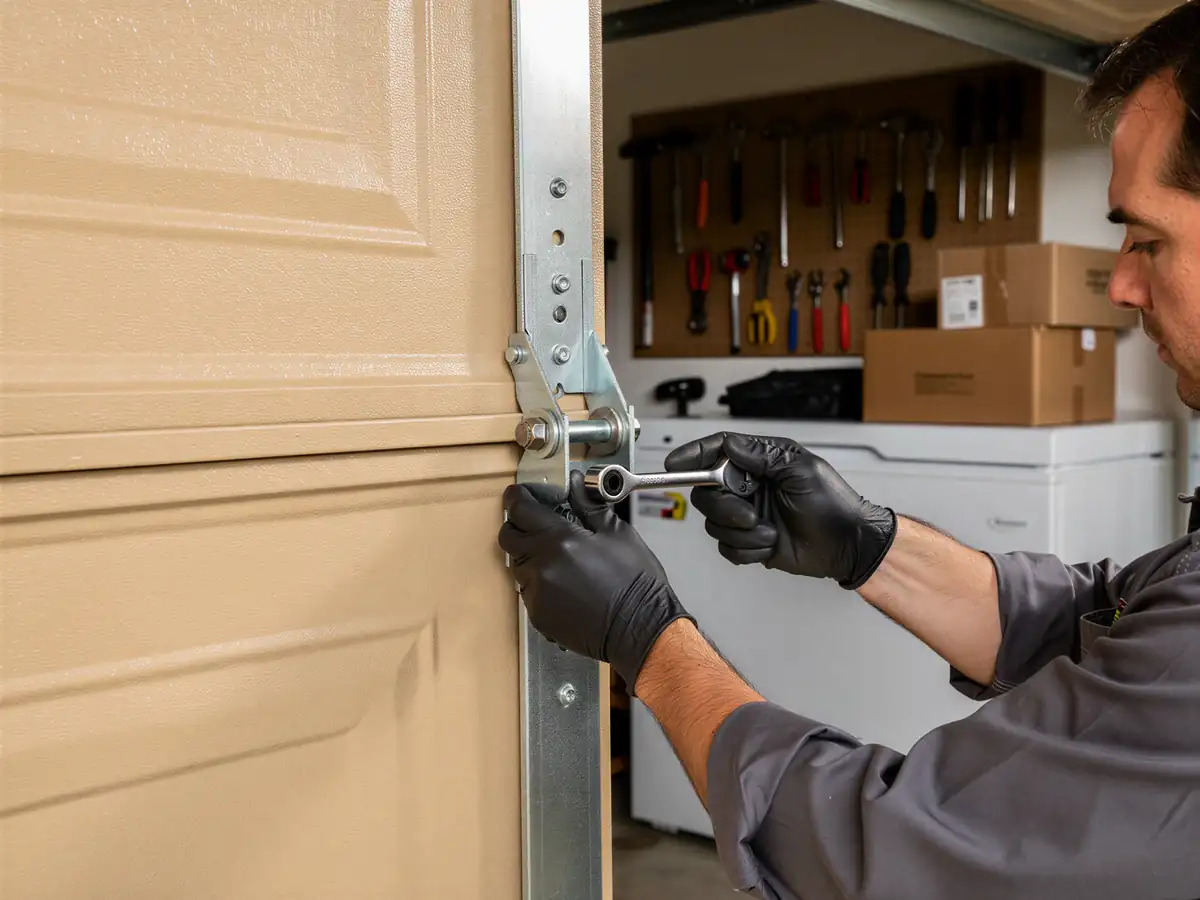
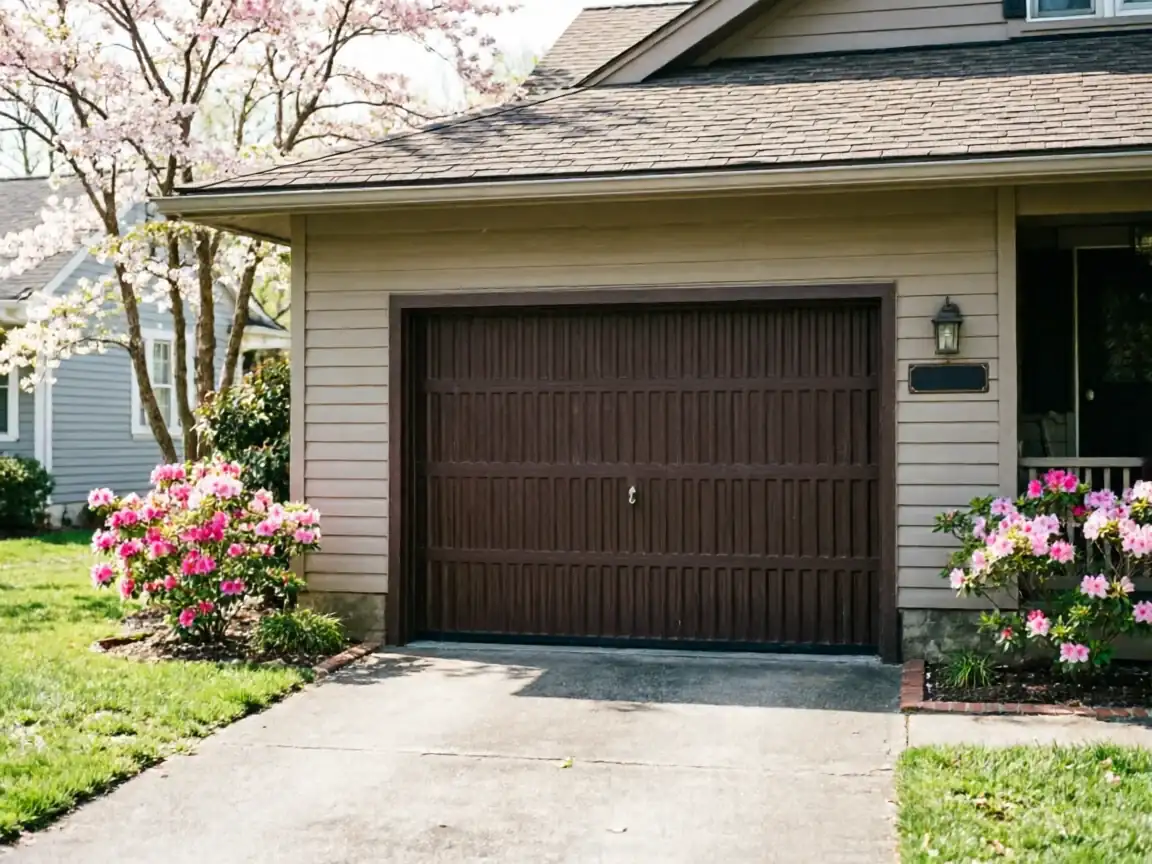
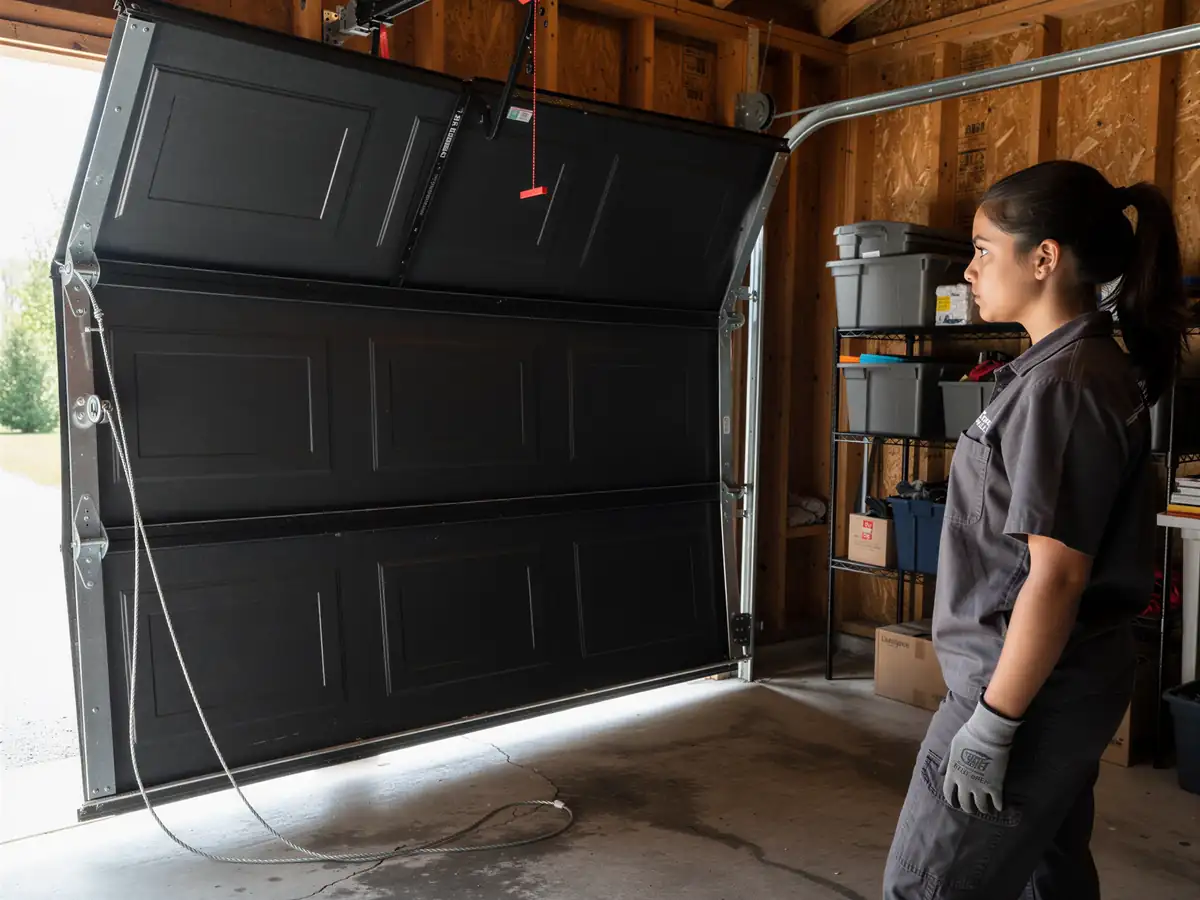
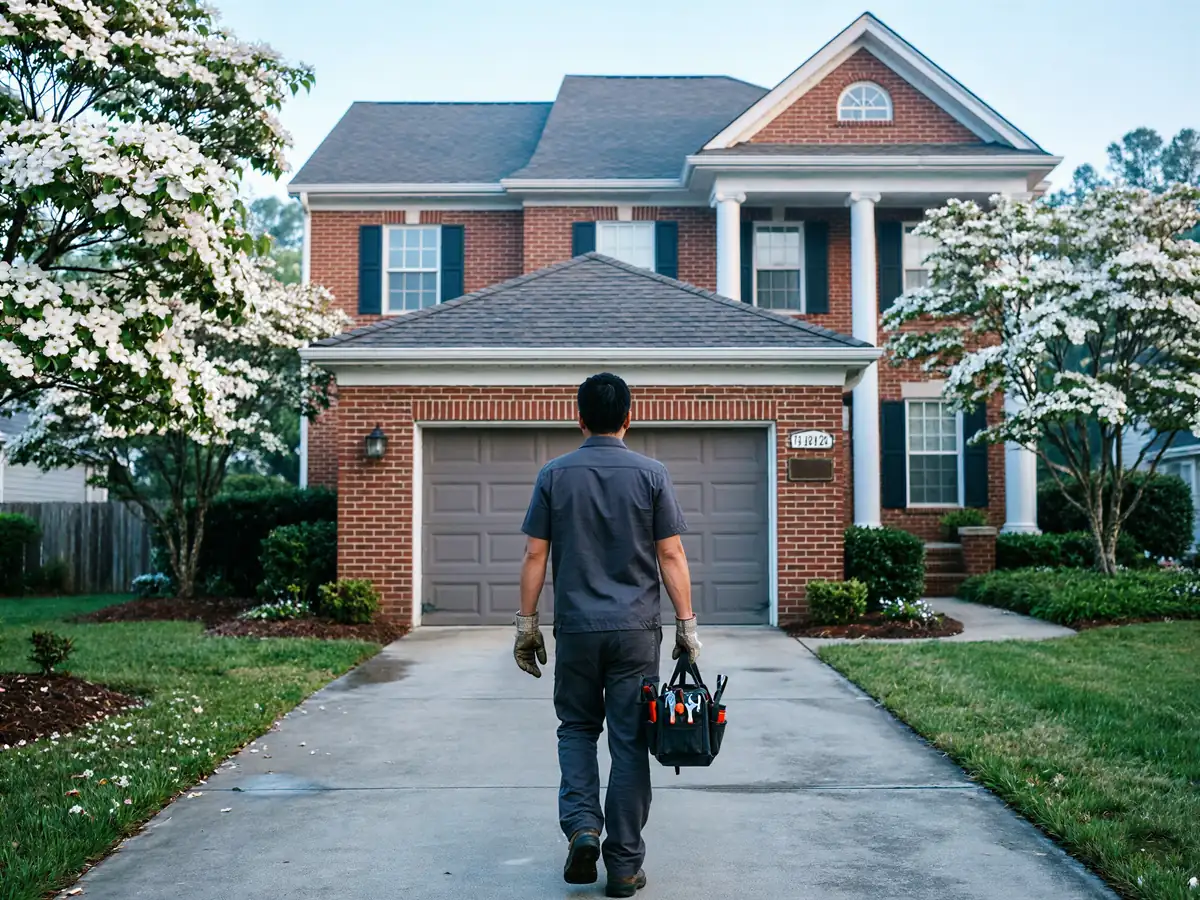
The median home in Clemmons was built around 1993, which puts most of the stock squarely in the 1973-2002 range that shows up across this service area generally. Doors from that era are steel, usually two or three panels thick, with a foam core sandwiched between layers that were thinner than what's sold now. That construction dents rather than flexes back, and once a panel's bowed, the track alignment goes with it. You'll notice it as a door that catches partway up, or rollers that chatter in the track even though nothing looks broken from the ground. Rust at the bottom panel seam is common on doors from this window too, since the galvanizing on builder-grade steel from those years wasn't heavy. The climate here runs cold-moderate, so panels go through real freeze-thaw cycling each winter, and a paint seam that's already stressed from age opens up faster than it would somewhere milder. None of that means the whole door is junk. It means the panel doing the damage is usually identifiable from the outside, and the rest of the door is often fine once that one section is swapped.
Getting It Booked In
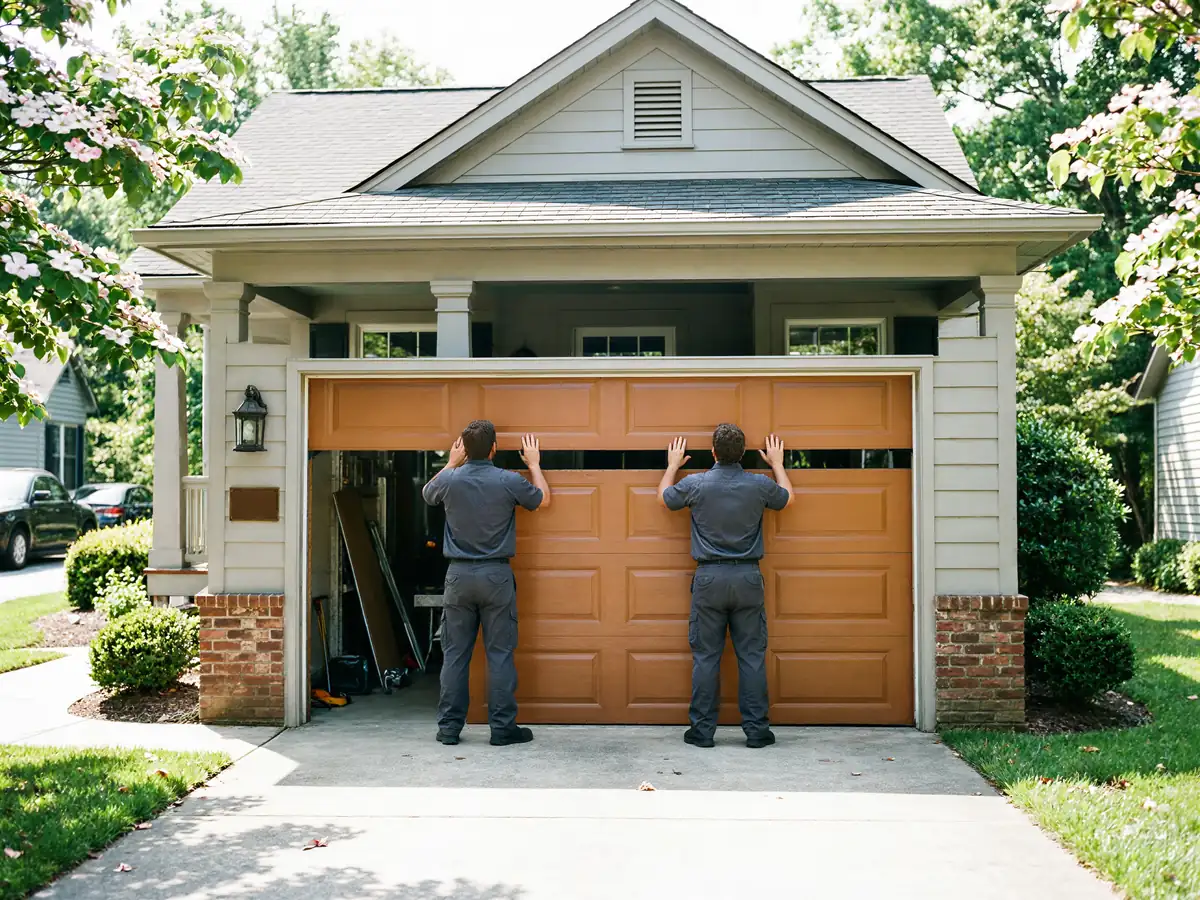
We run this job out of Winston-Salem, about 8 miles from Clemmons, so there's no separate branch or crew stationed locally. That distance doesn't change what we bring on the truck or what we can quote over the phone once you tell us the door's width, panel count, and roughly how old the house is. What it does mean is we ask more up front, because showing up without the right panel on hand wastes your morning and ours. If you know the builder or the approximate age of the house, that's often enough for us to narrow down the panel profile before the truck leaves. We don't keep every discontinued panel style in stock, and we'll tell you plainly if yours is one we need to source rather than one we're carrying already. That's not a stall tactic, it's the honest version of how parts availability works on doors from the 1980s and 90s.
What You Pay
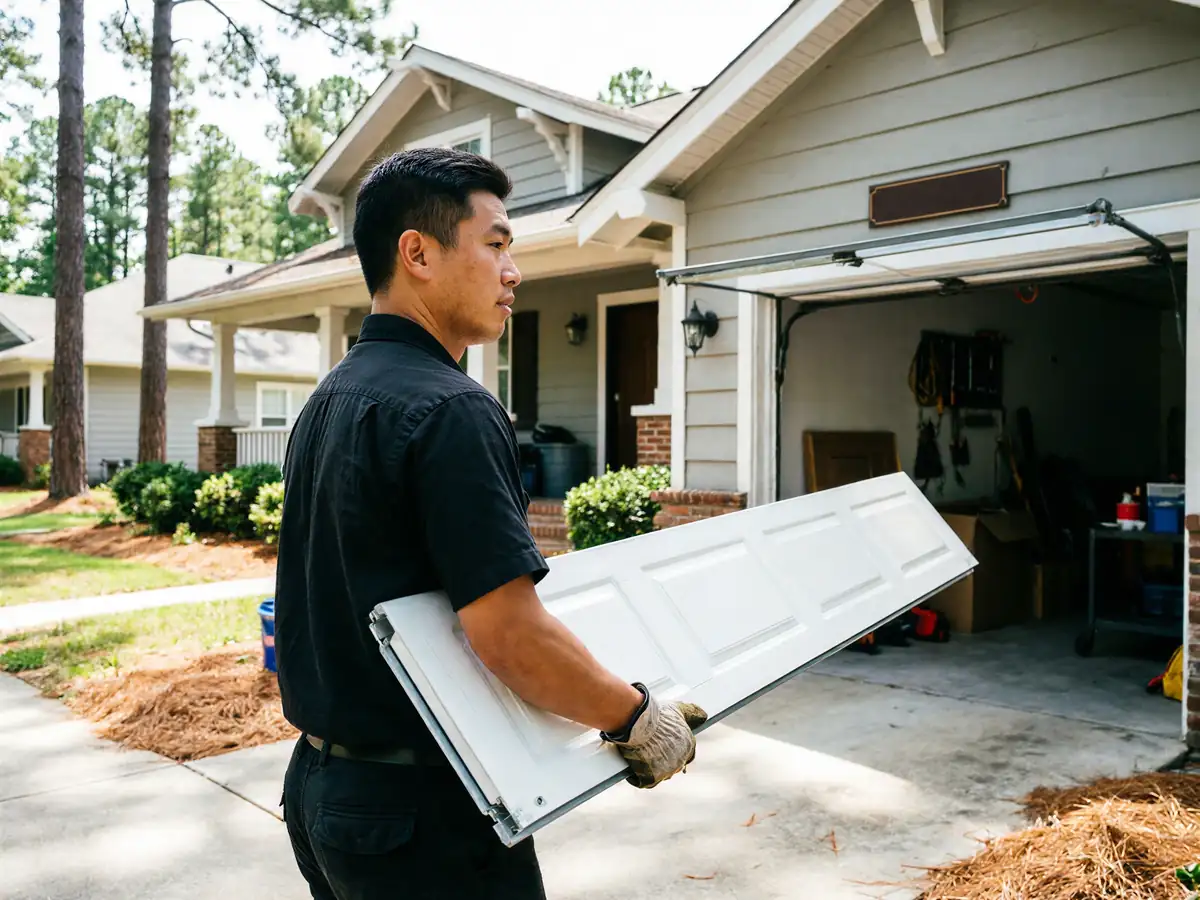
We don't have a published price list specific to Clemmons jobs, and we're not going to invent a number here just to fill the section. What we can tell you is that household income in this town runs around $84,326, higher than the roughly $78,821 median across the broader area we cover out of Winston-Salem. In practice that shows up in the choices people make on site: more owners here opt for full-panel replacement with better insulation and heavier gauge steel rather than patching a panel to match an aging door. That's a preference, not a requirement, and a straight single-panel swap on a sound door is almost always the cheaper path if the part is available. We'll give you both numbers, patch versus replace, before any work starts, so you're deciding with real figures instead of guessing.
Why This Fails Locally
The reason panel jobs in Clemmons fail more often than they should comes down to two things stacking on each other: a housing stock built mostly between the 1970s and early 2000s, with a median right around 1993, paired with a cold-moderate climate that puts real freeze-thaw stress on steel and foam-core panels every winter. A panel that's already thinned by age and rust doesn't hold its shape through that cycling, so a repair that looks solid in October can be bowing again by February. We've also seen owners buy a generic replacement panel online that's close in size but off in profile, which leaves a visible seam mismatch and a door that doesn't seal the same way it did before. The honest fix is matching the panel to the door's actual age and build, not just its width and color, and being upfront when that match isn't sitting on a shelf anywhere nearby.