Why This Fails Locally
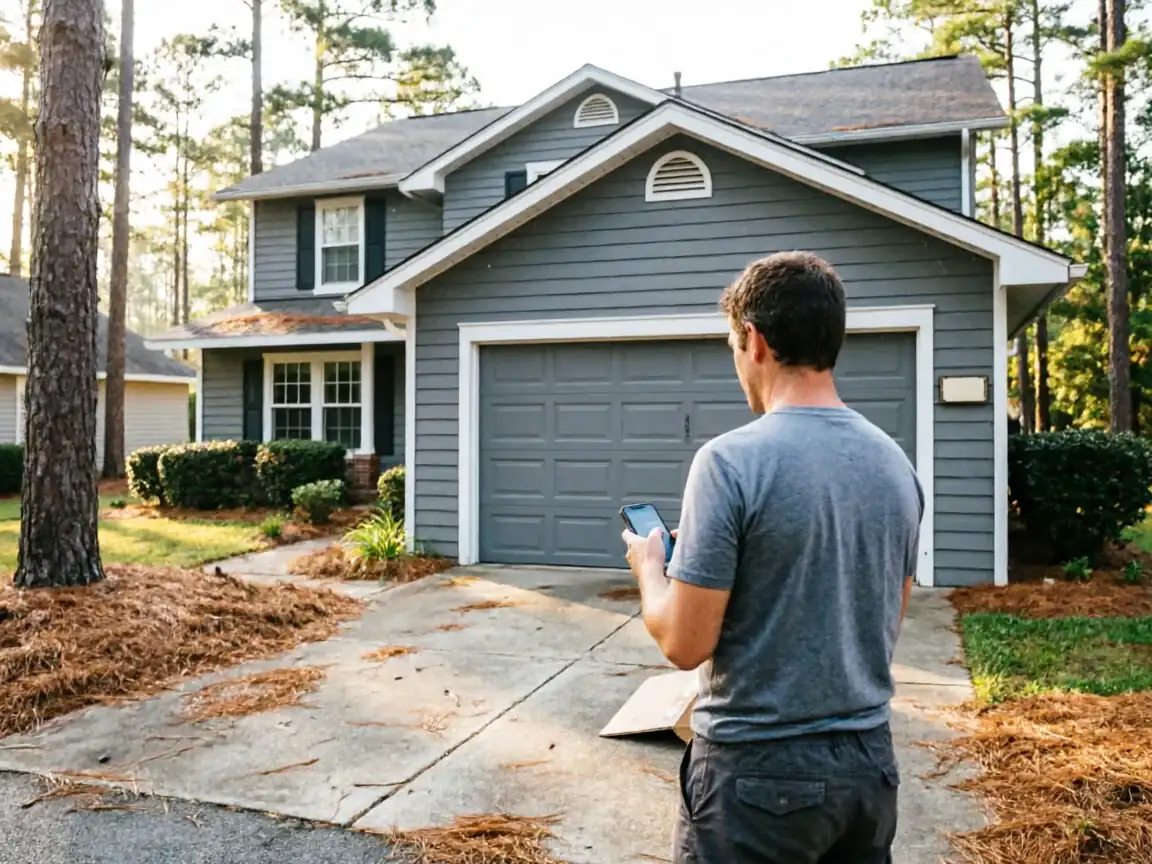
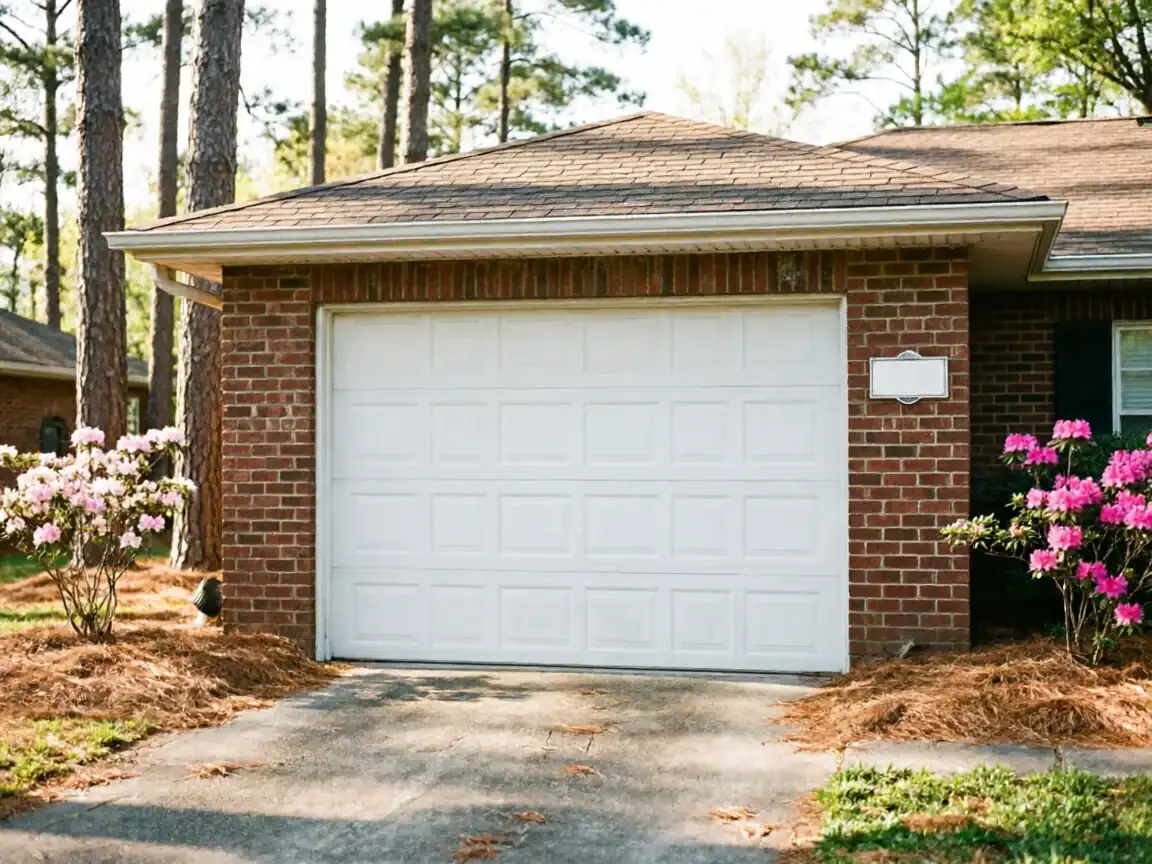
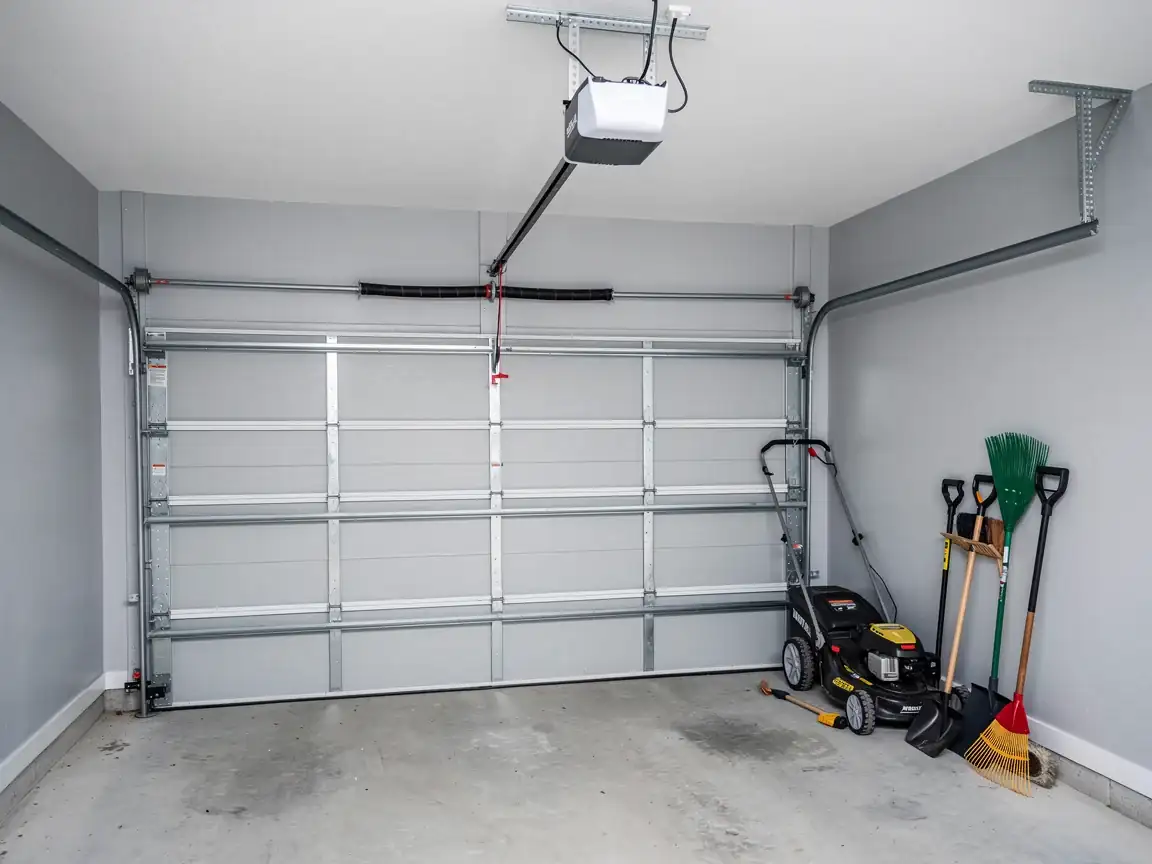
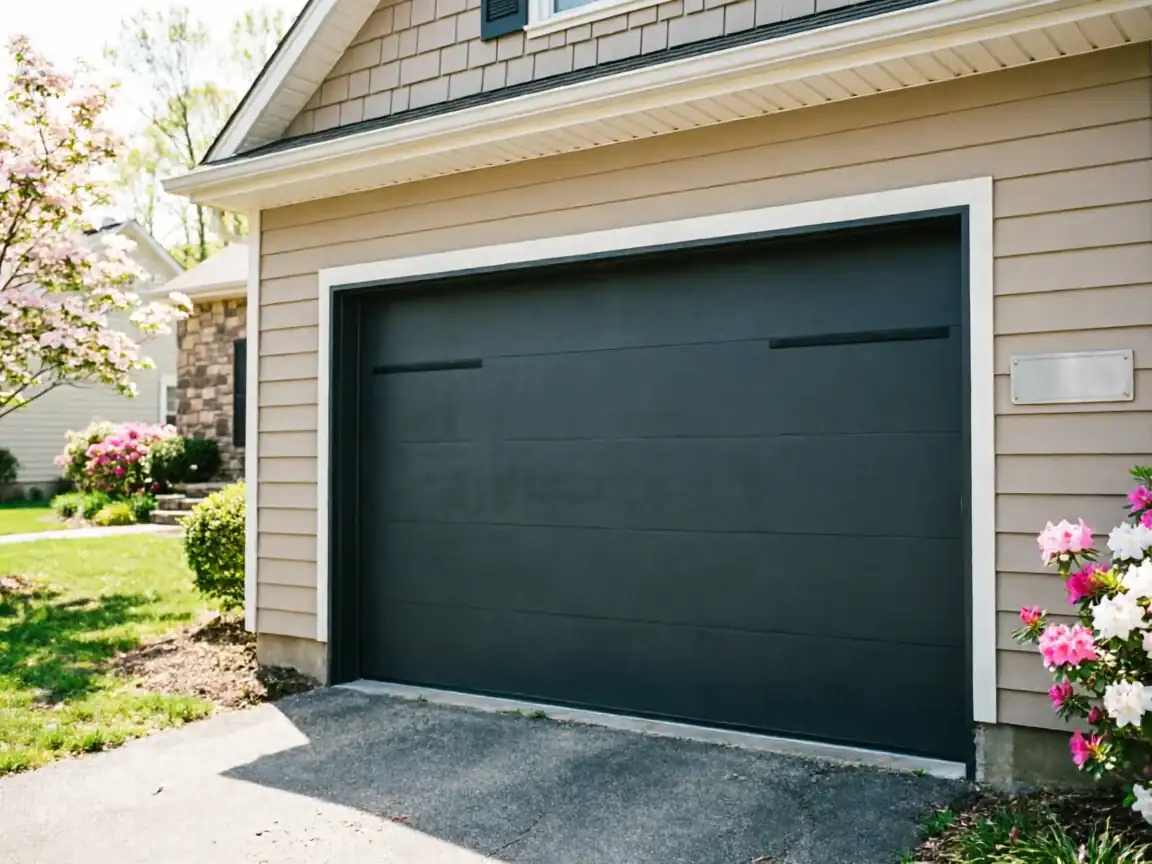
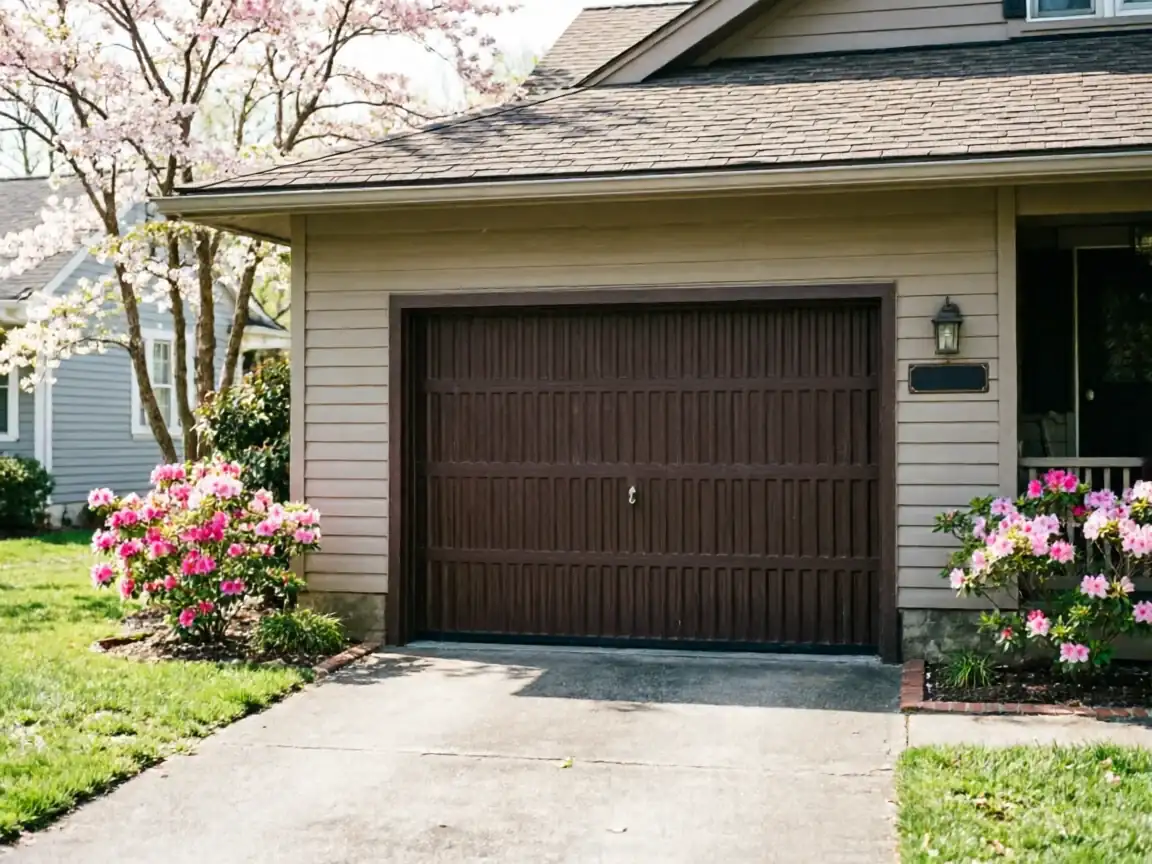
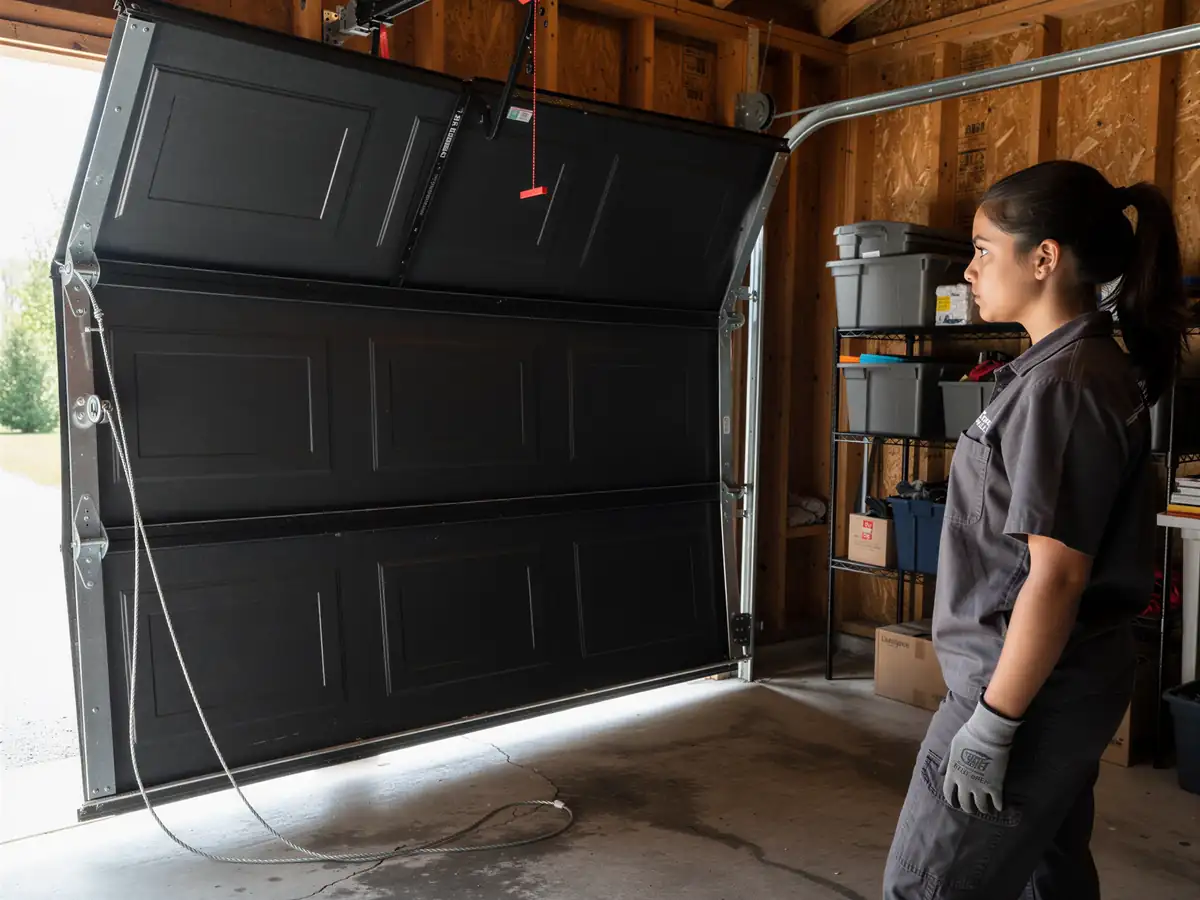
Houses in this part of the service area were mostly built around 1979, on the early side of the 1973-2002 stretch that covers the broader 17 named areas we work. That earlier build date usually means a steel sectional door from before the thicker, dual-layer insulated panels became standard - thinner single-layer steel that dents easier from a car bumper tap or a wind-driven branch, and that telegraphs rust along the bottom panel seam faster than newer stock. The service area sits in a cold-moderate climate band, and on these older single-skin panels that temperature swing shows up as panel warp at the seams before it shows up anywhere else on the door. A homeowner here is more likely to be looking at a cracked or bowed bottom panel on an otherwise working door than a full system failure, which is exactly the job where panel-only replacement makes sense instead of a full door swap.
Where This Job Goes Sideways
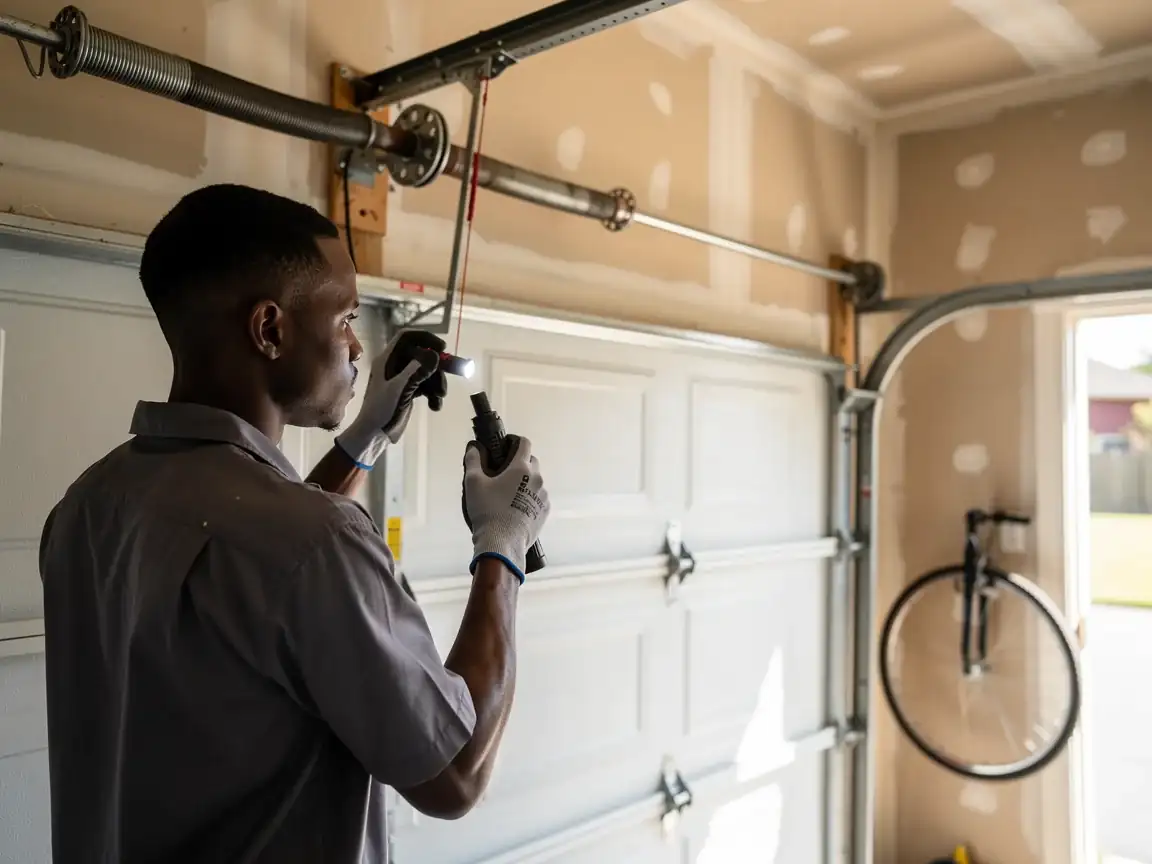
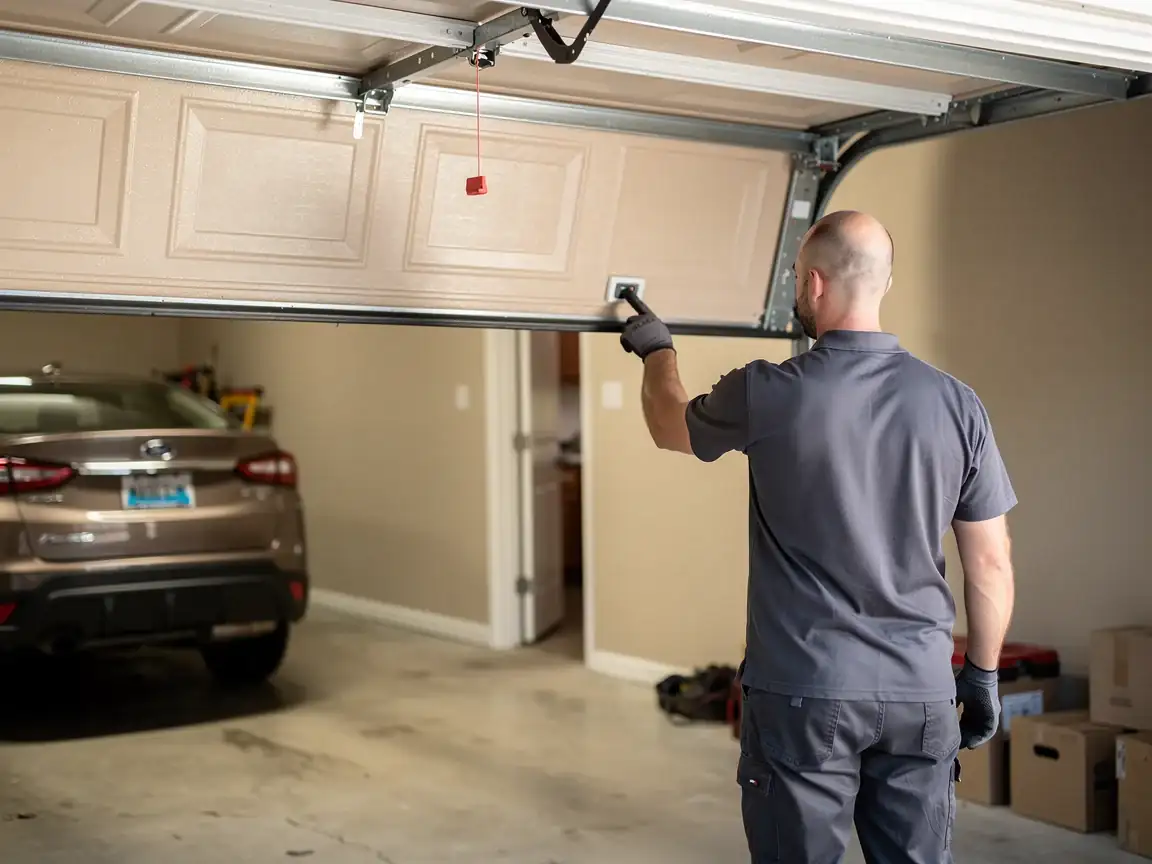
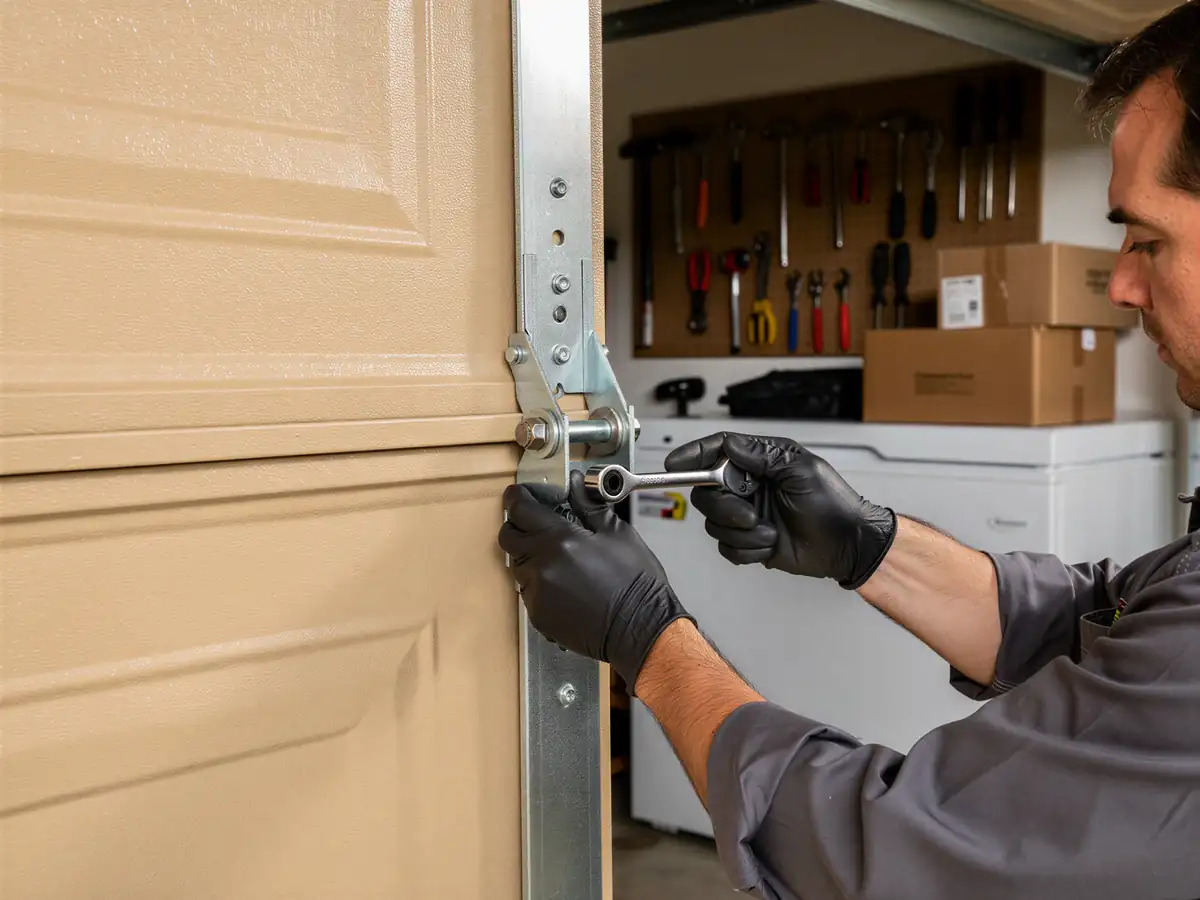
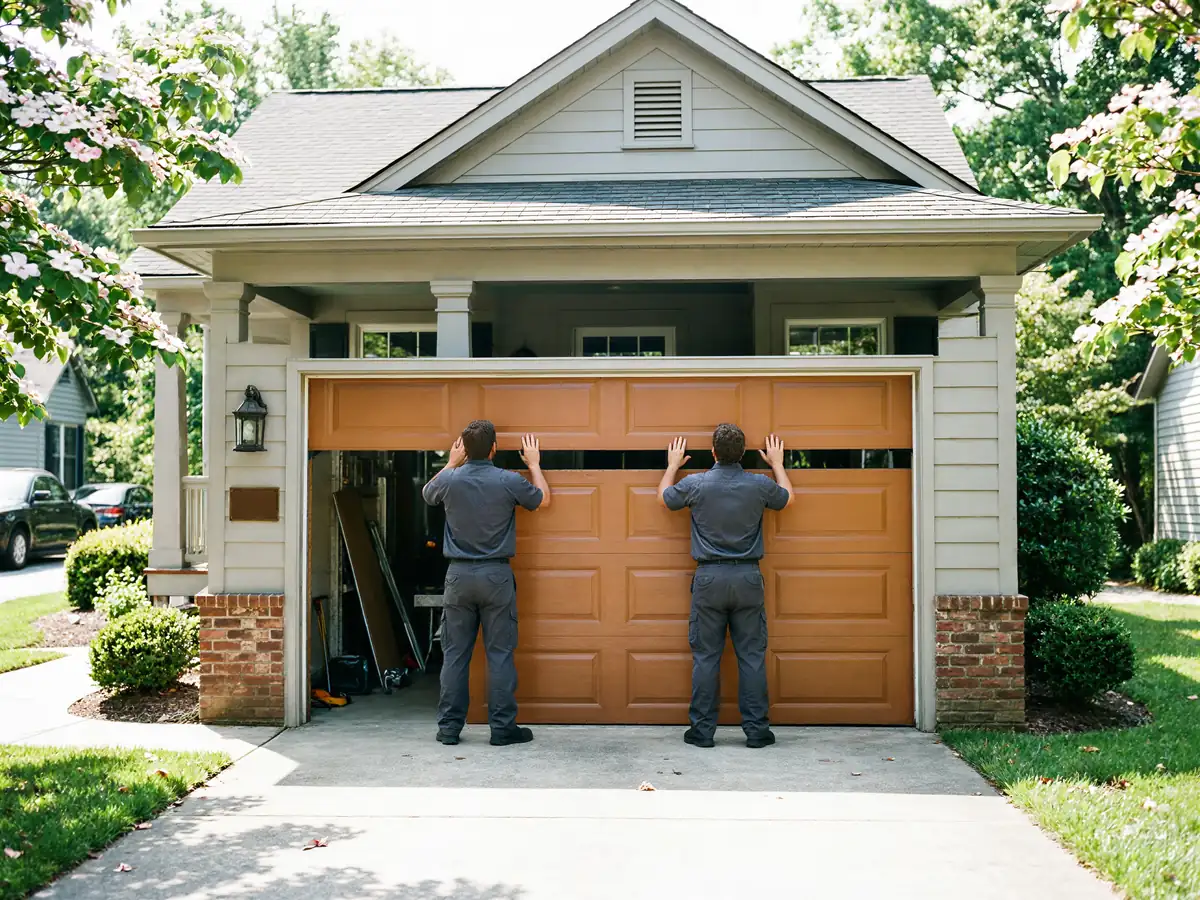
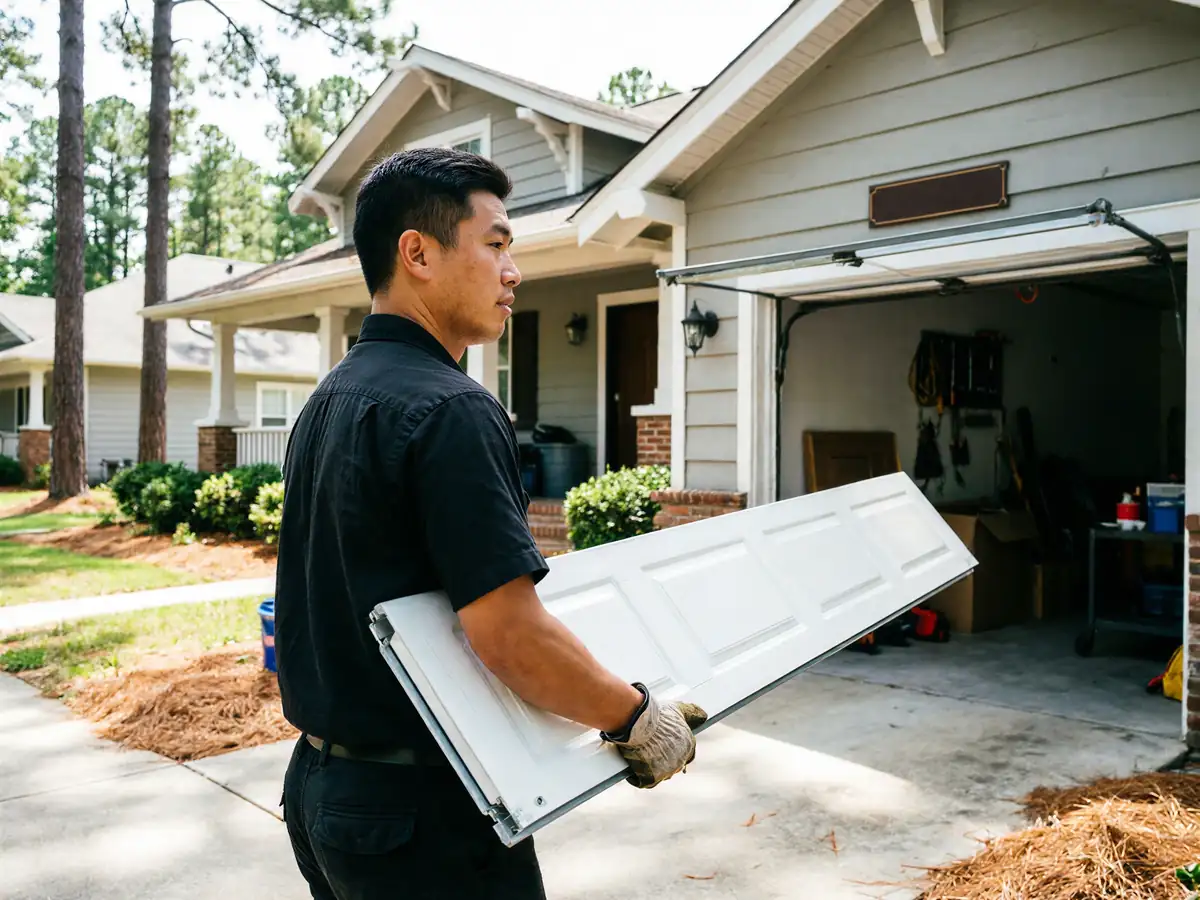
The trouble starts when a single panel gets replaced without checking the rest of the door against it. On a door built around 1979, the remaining panels have had over four decades of sun and cold-cycle exposure, and a brand-new panel bolted next to faded, slightly warped originals can bind the rollers or stress the track alignment even if it looks fine the day we install it. We've also seen owners order a panel online based on door width alone, without matching the groove pattern or the hinge spacing, and end up with a piece that doesn't seat right. On a 1,543-household town like Rural Hall, with income levels that make a full door replacement a harder sell, the temptation is to patch the cheapest way possible - but a mismatched panel that stresses the opener's travel limits usually costs more in a service call two months later than it saved up front.
What You Pay
We don't post a flat panel price here because it depends entirely on whether your door takes a stock panel or needs an ordered match, and that's driven by the door's age and brand, not by the town. What we can tell you is how we price the decision: given the income range typical of Rural Hall households, we'll usually recommend panel-only repair first on a door built in the late 1970s or 1980s unless the opener hardware or track is also failing, in which case a full door often costs less over time than chasing parts for an aging system. We'll give you both numbers before any work starts so you're deciding with real figures, not guessing.