Why This Fails Locally
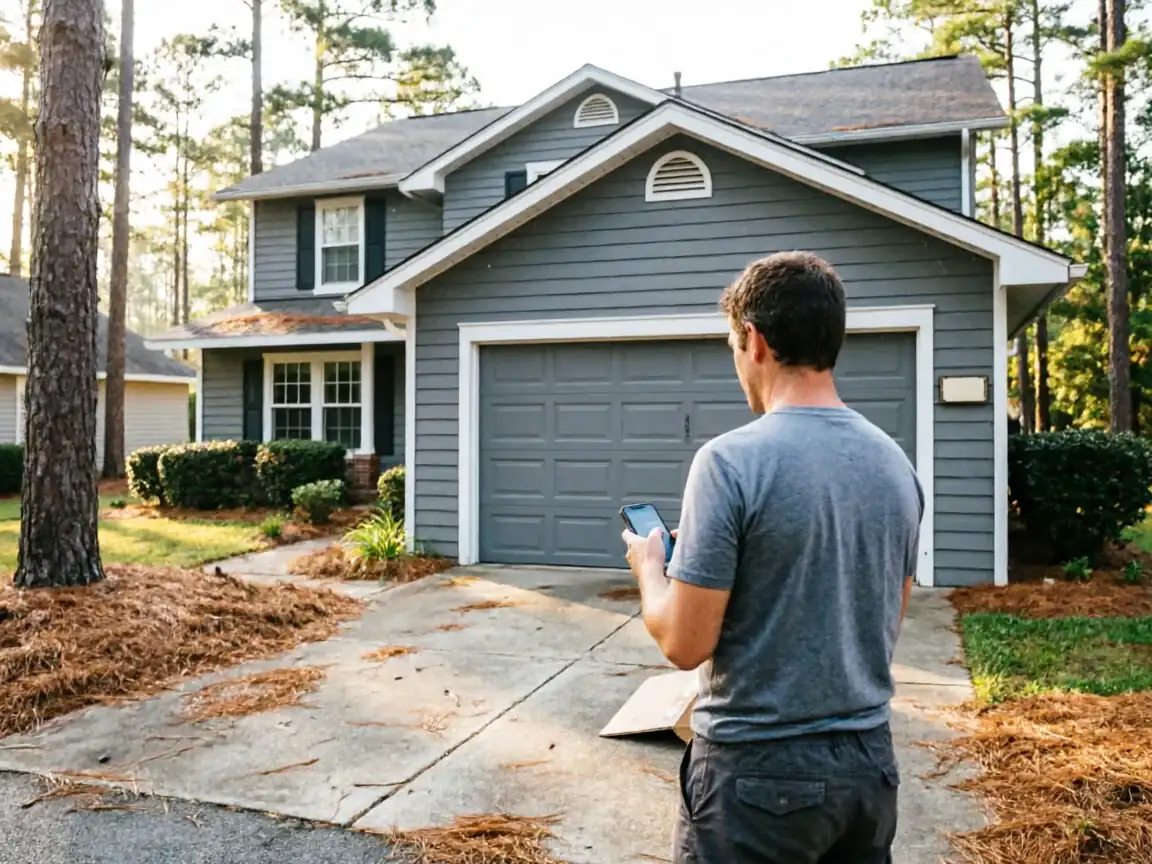
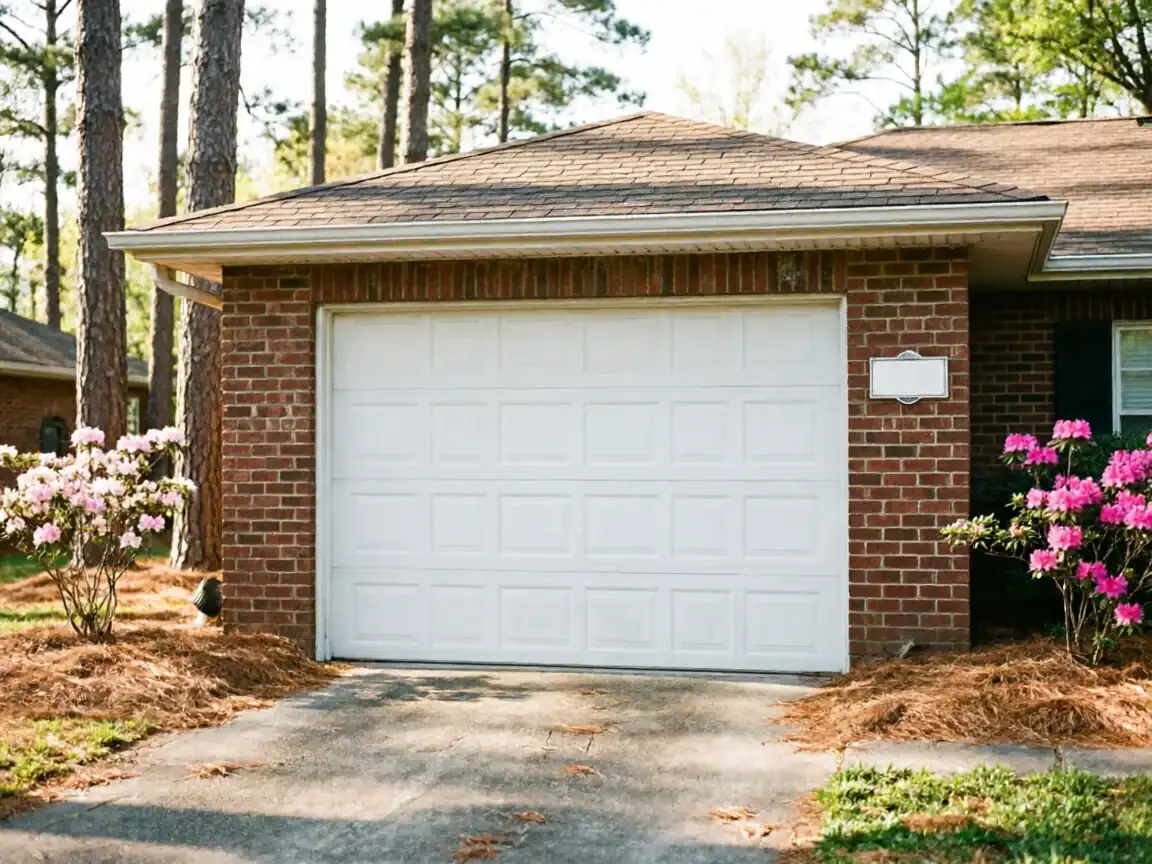
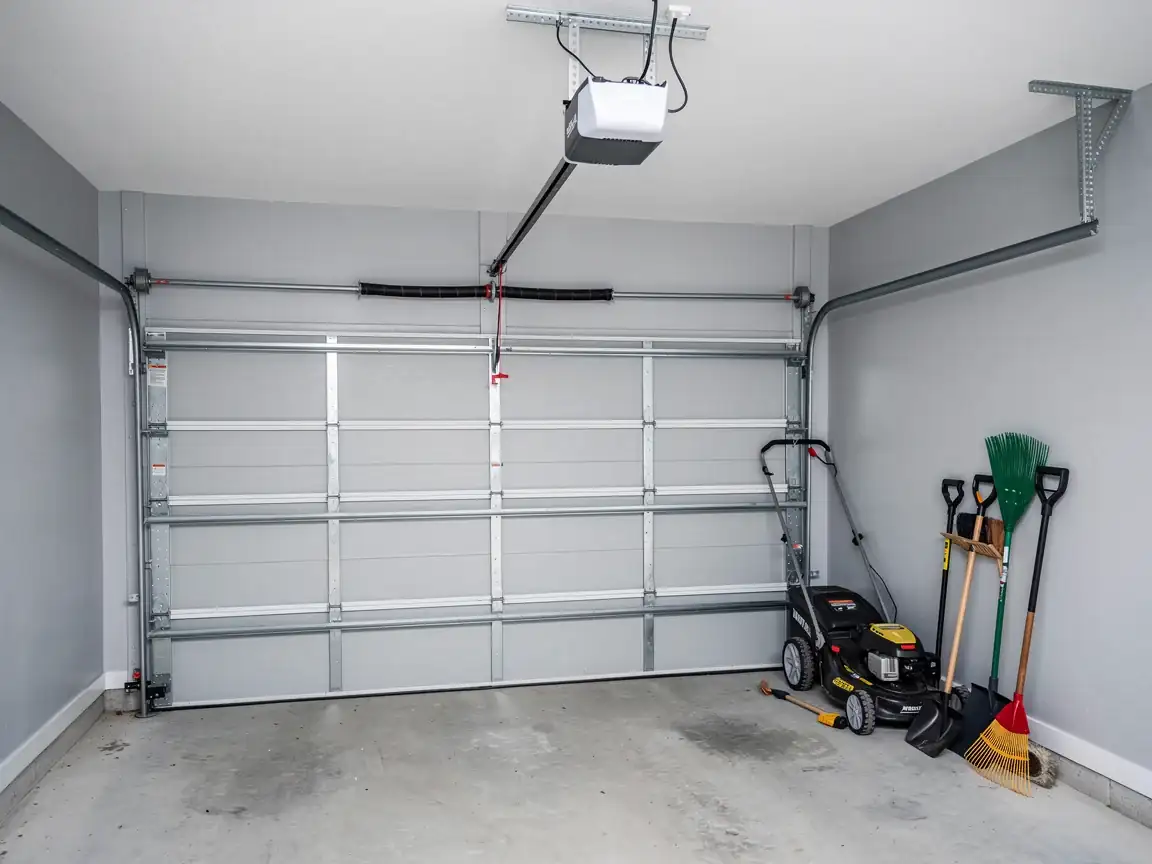
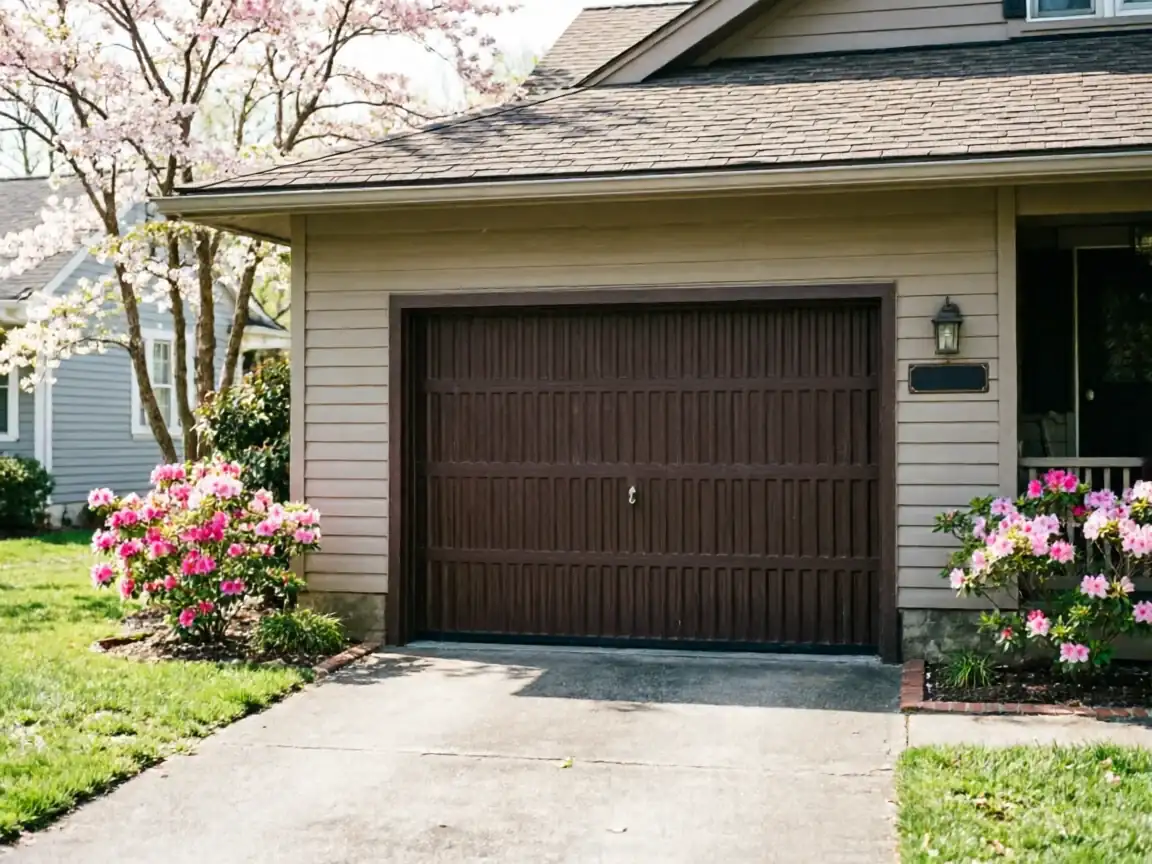
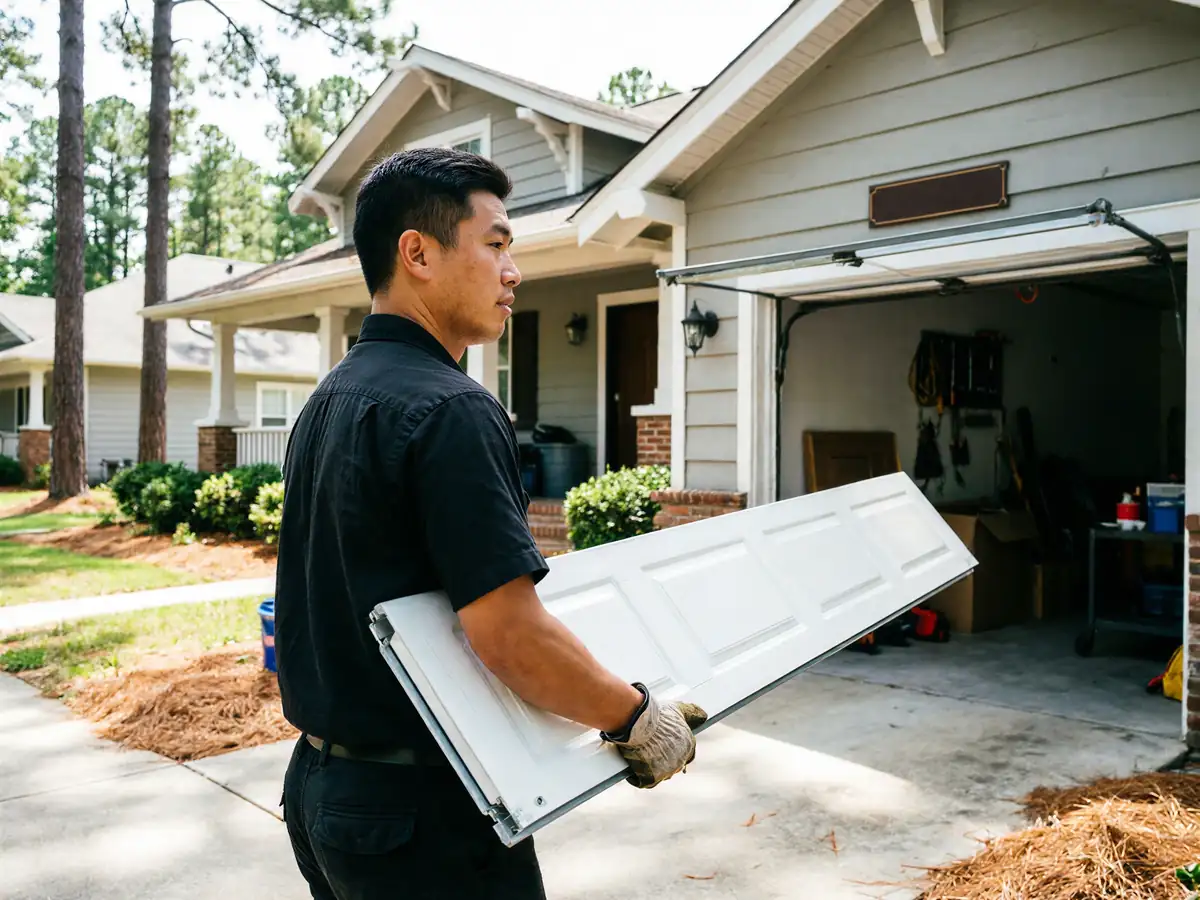
A door built or replaced in the late 1970s is now decades into a spring's rated cycle life, and extension springs don't give much warning before they let go - one coil fatigues, the door drops crooked, and the opener strains against a door that's no longer balanced. In a town of roughly 1,543 households, a lot of these garages are original, one-car or narrow two-car builds, and the hardware inside hasn't been touched since the house was framed. Cold-climate swings also matter here: steel contracts in hard overnight cold, and an extension spring sitting right at end-of-life will often choose that kind of morning to snap. It's not dramatic engineering, it's just old steel meeting a cold snap at the wrong moment.
Where This Job Goes Sideways
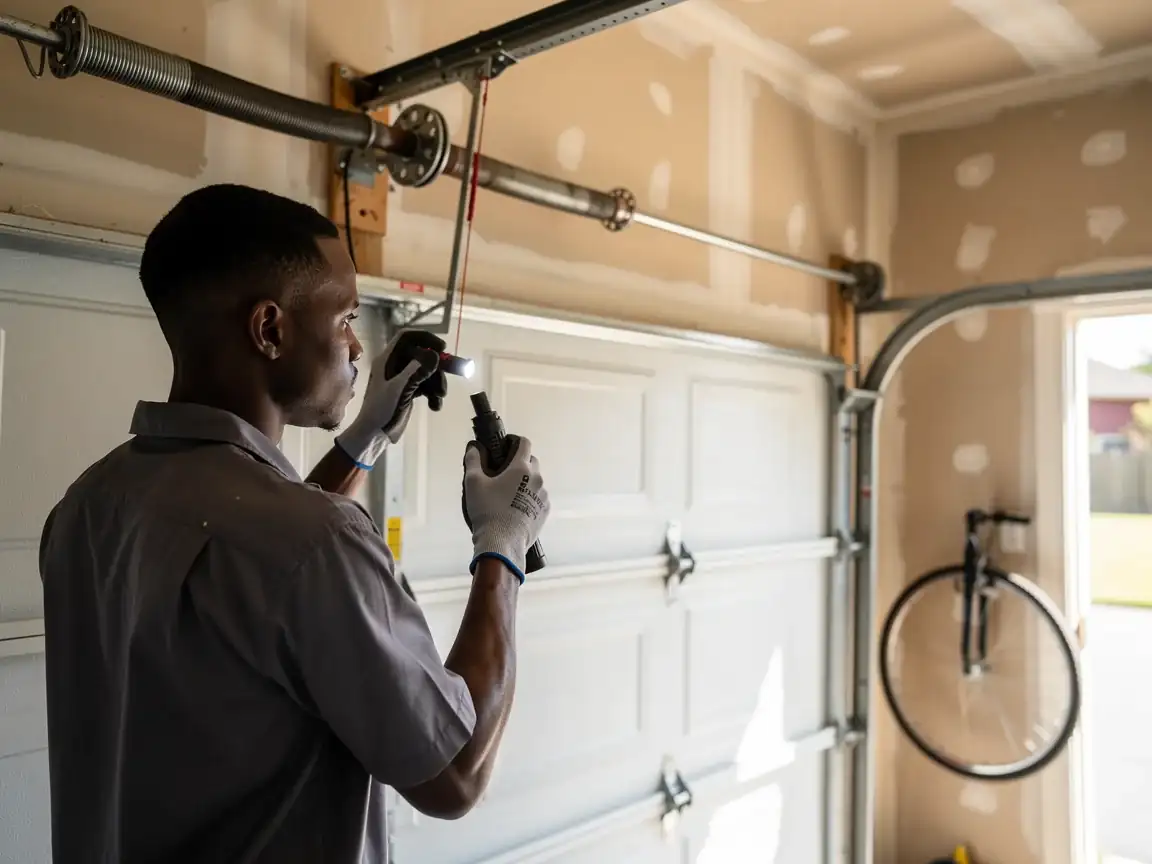
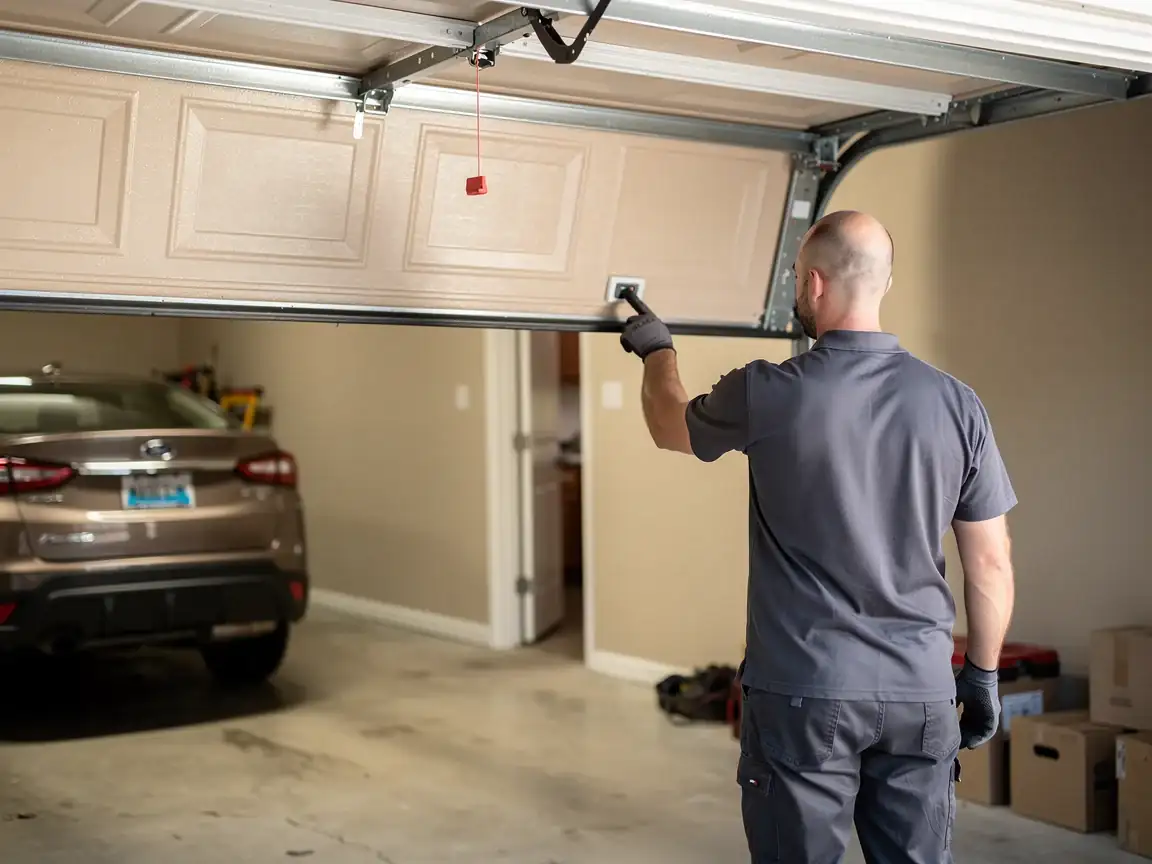
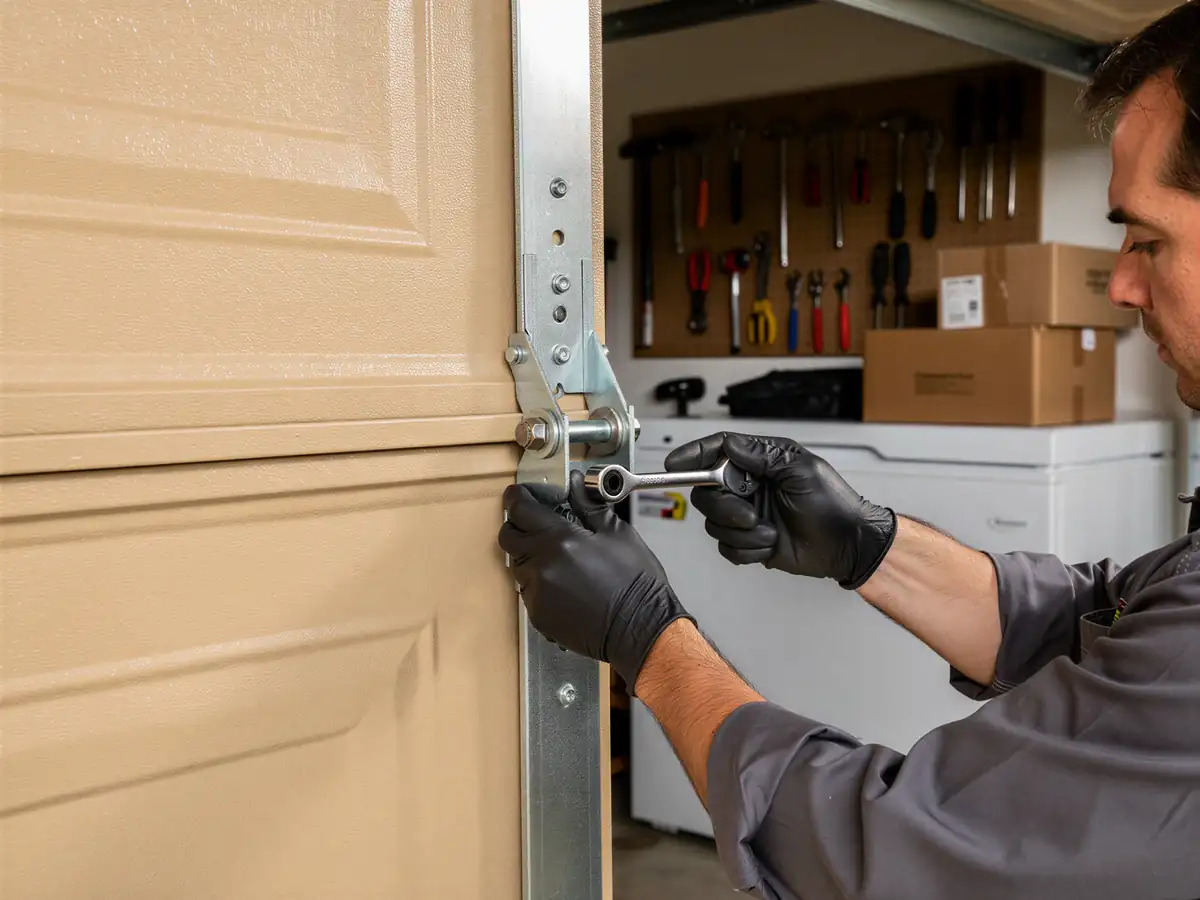
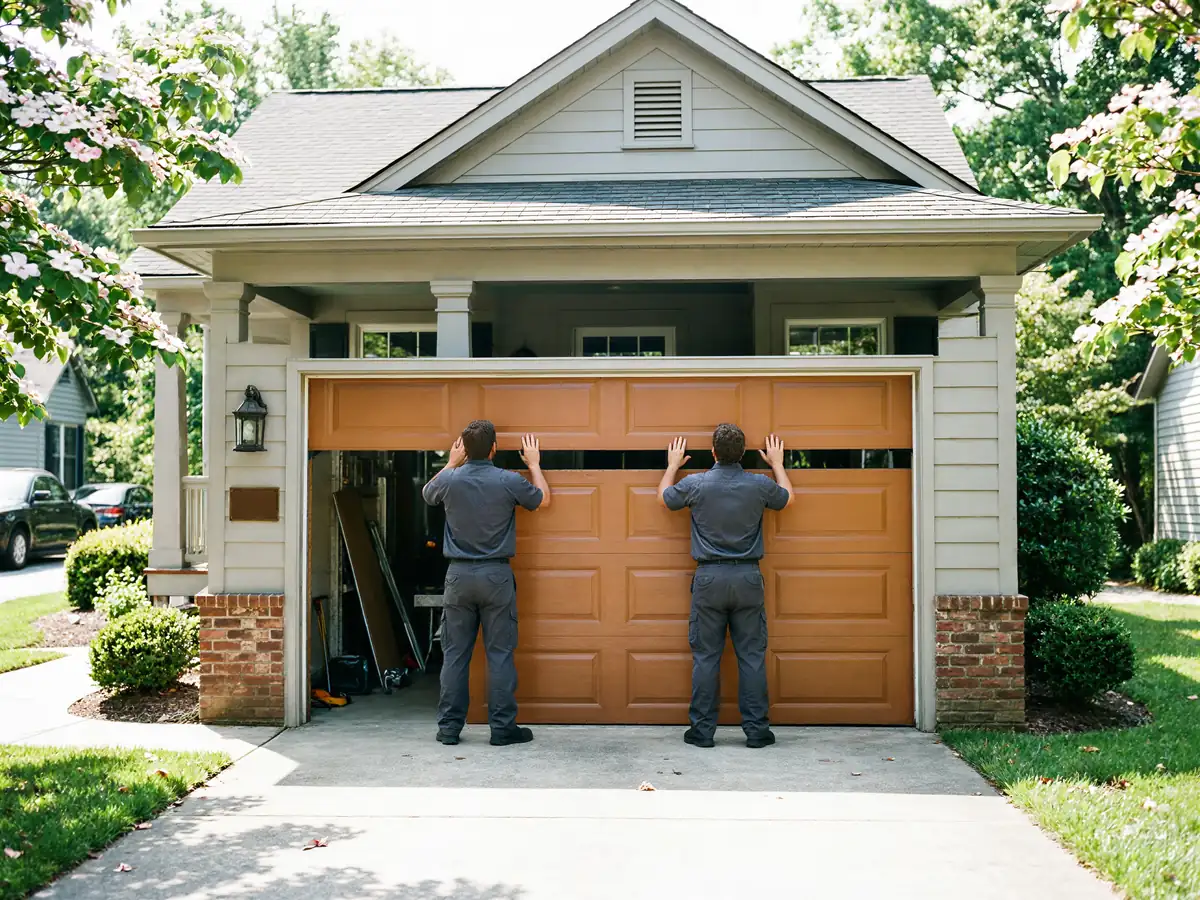
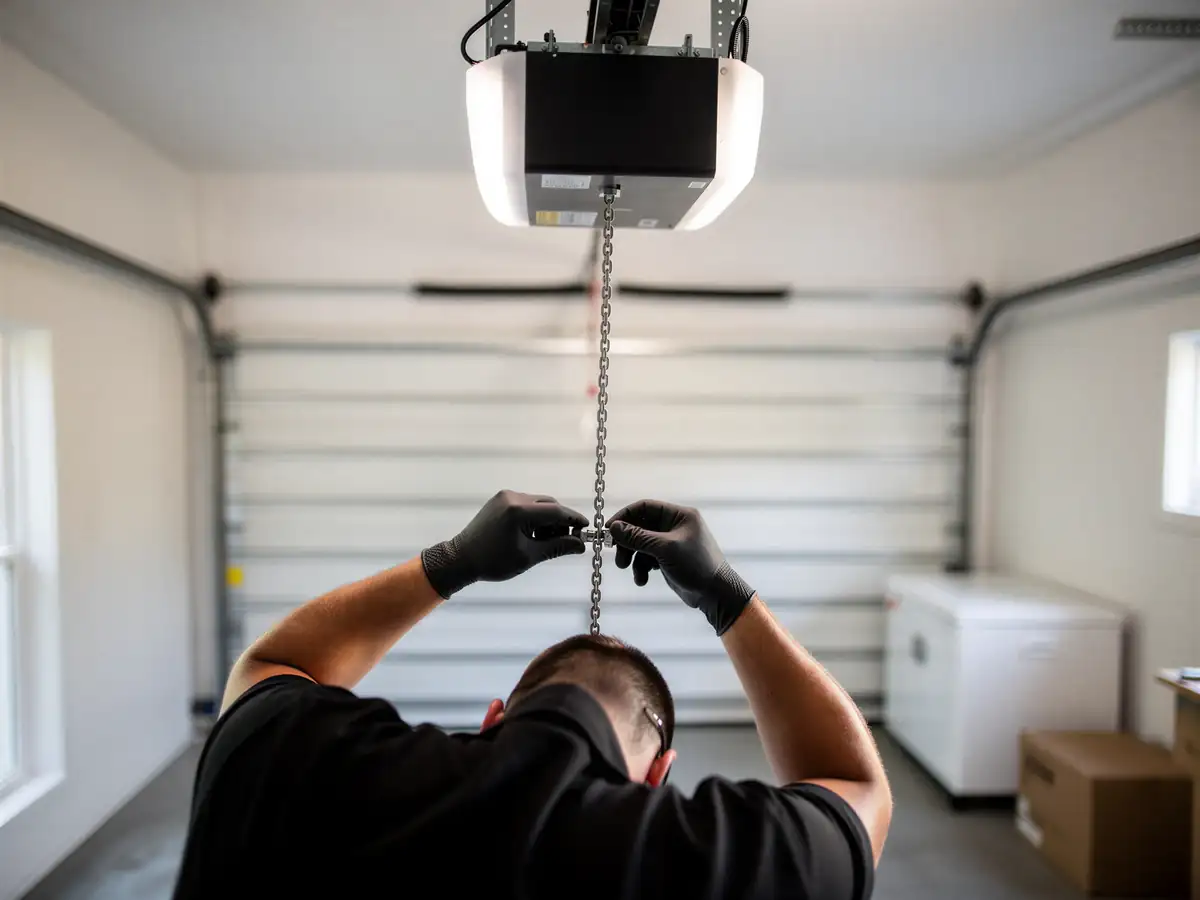
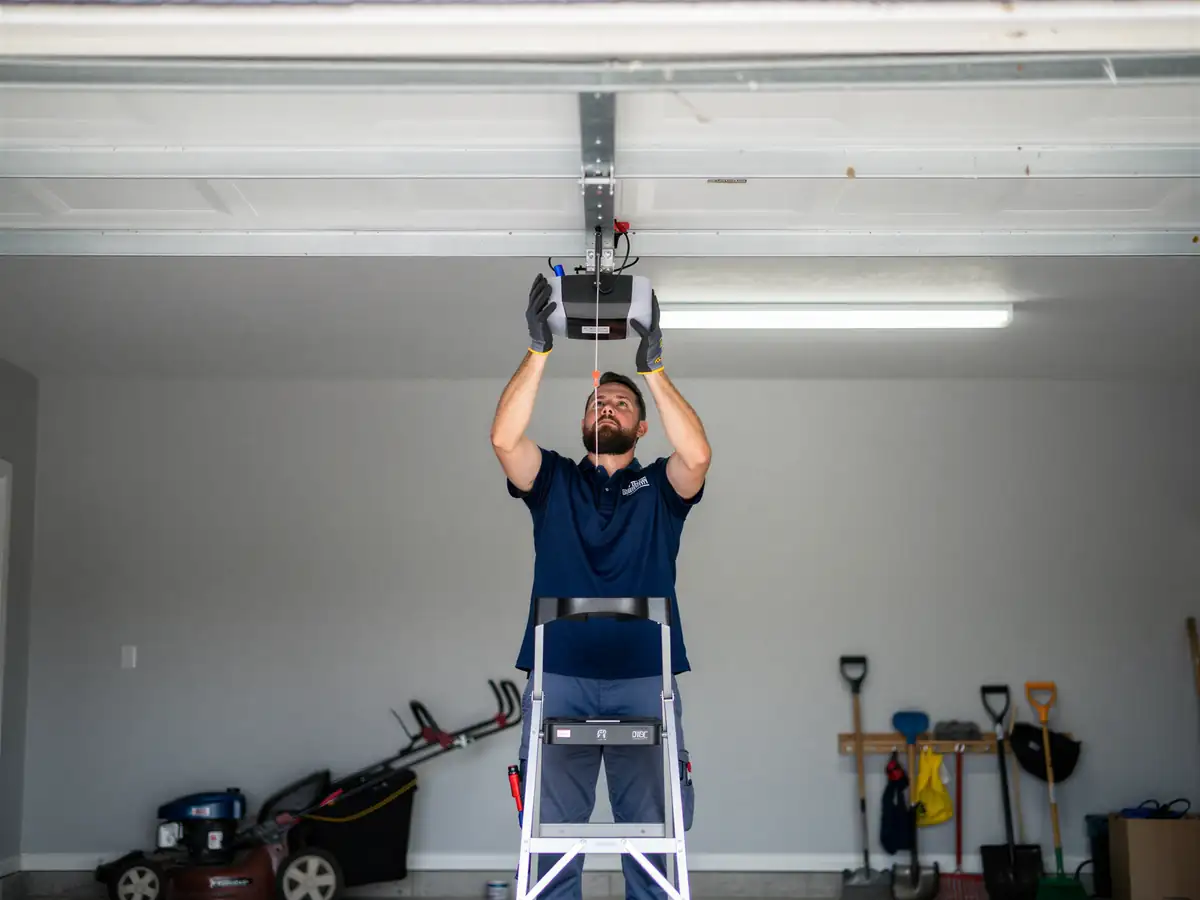
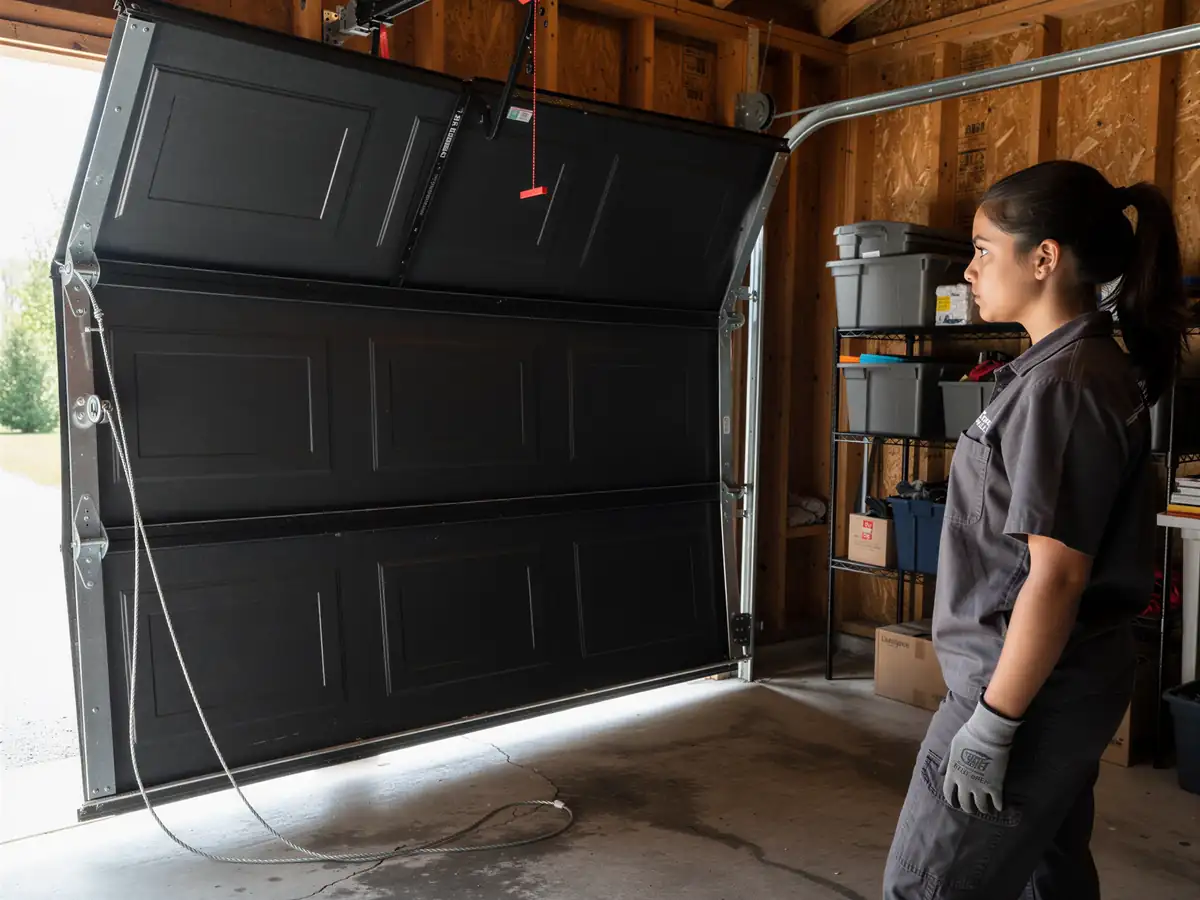
The call we get is usually "the door won't move" or "it's hanging on one side," and on a 1979-era extension system, that's almost always a broken spring or a frayed lift cable, not the opener. The sideways part is when someone tries to force the door up by hand or runs the opener repeatedly against the stuck weight - that bends track, strips the drive gear, or pulls the cable drum loose from its bracket. On these older extension setups without safety cables, a snapped spring can also whip loose and hit a windshield, a wall, or a person standing nearby. If your door won't move, the right move is to stop pulling the opener cord and call, not to keep testing it.
What You Pay
Rural Hall's median household income runs lower than the broader service area's $78,821 figure - closer to $50,665 - and we price repairs the same way across every town we drive to, based on the part and the labor, not the zip code. A straight spring or cable replacement costs less than an opener board swap, and a board swap costs less than a full door replacement. We don't have a fixed emergency callout fee to quote you here, so we won't invent one; if you want a number before we load the truck, ask when you call and we'll tell you straight.