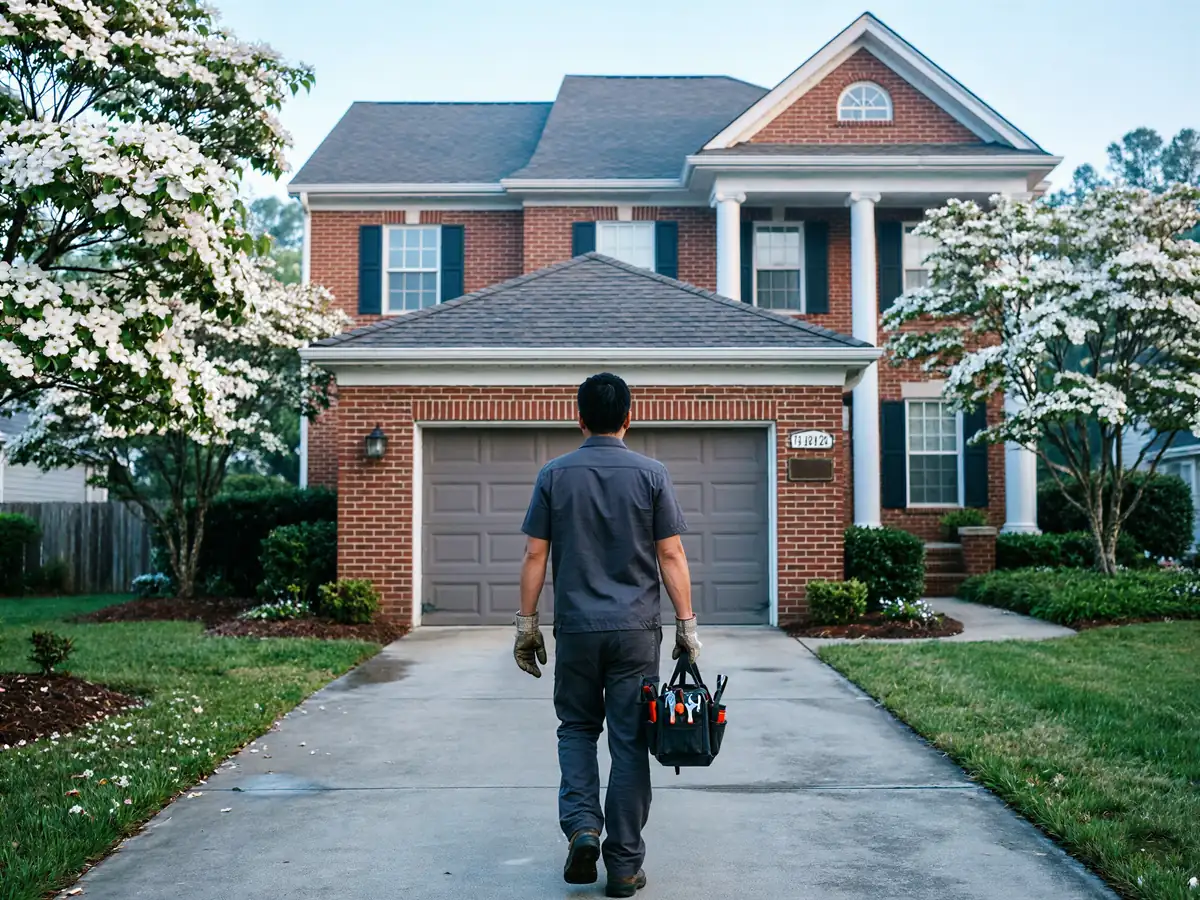
What Is on the Truck
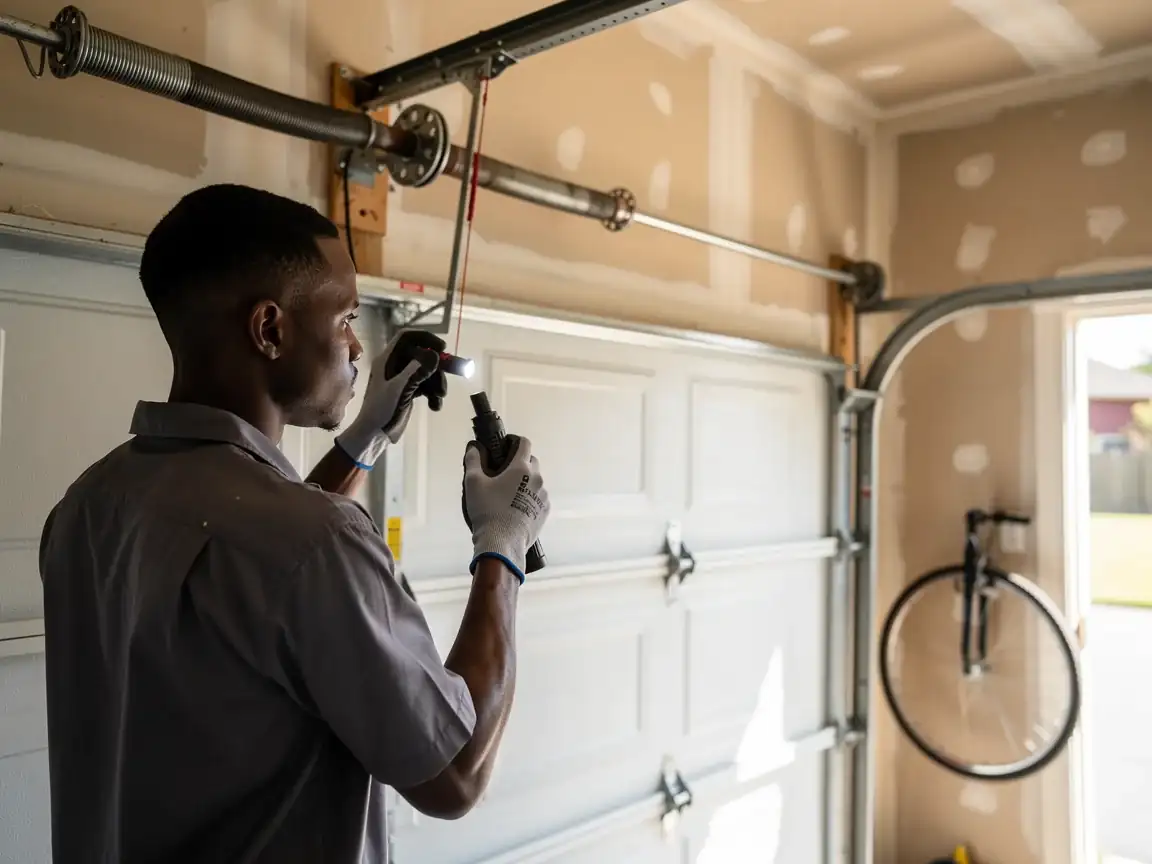
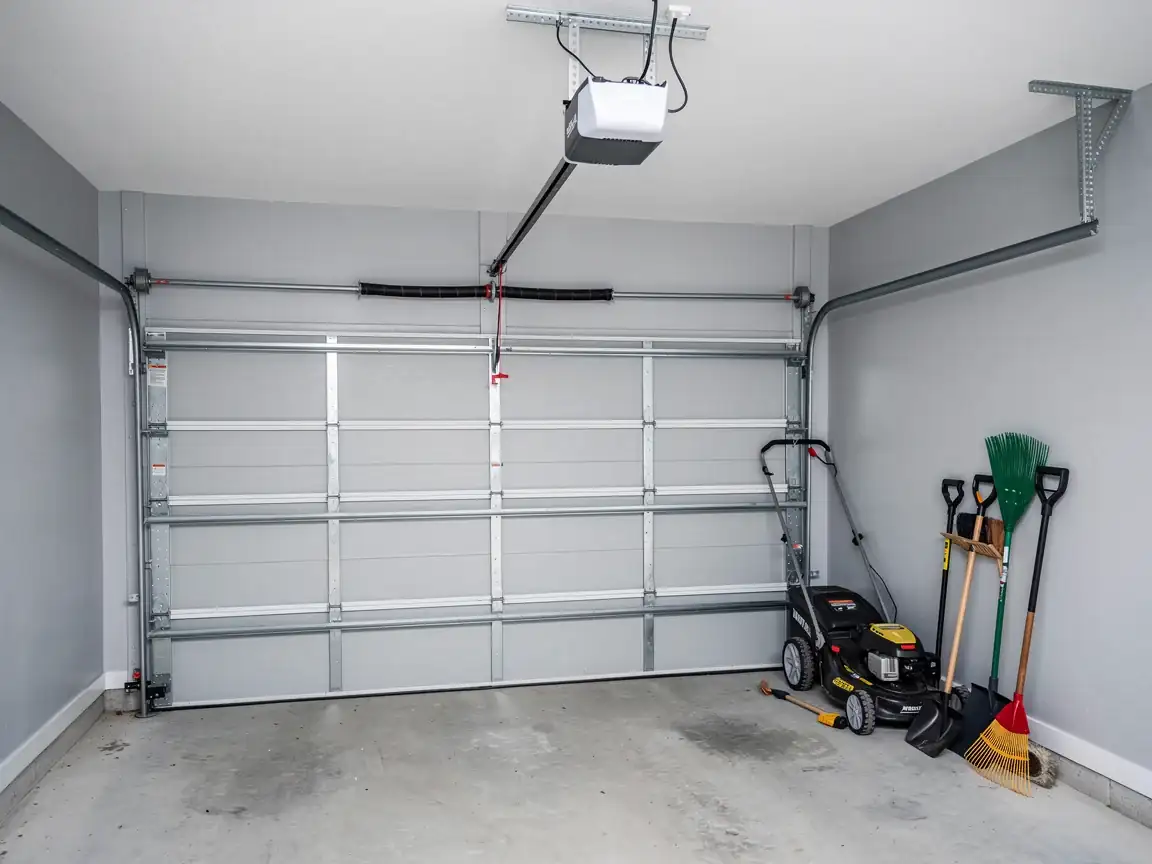
We carry a range of cable lengths and gauges to match both torsion and extension setups, plus replacement drums, since a cable rarely fails on its own without taking a little wear off the drum it rides on. Housing stock through this part of the service area went up mostly in the 1973-2002 window, with Tobaccoville's own build-out clustered close to 1980, which means a lot of doors out here are running original or first-generation extension-spring hardware rather than the torsion bars more common on newer construction. That's a different cable geometry and a different drum size than what you'd find on a house built in the 2000s, so we stock for both rather than assuming one. We also carry safety cables for extension systems that don't have them yet - an easy add when we're already in there replacing a broken one. What we don't carry is custom or oversized cable for commercial doors; this truck is set up for standard residential garage doors, not warehouse-grade equipment.
Can You Do This Yourself
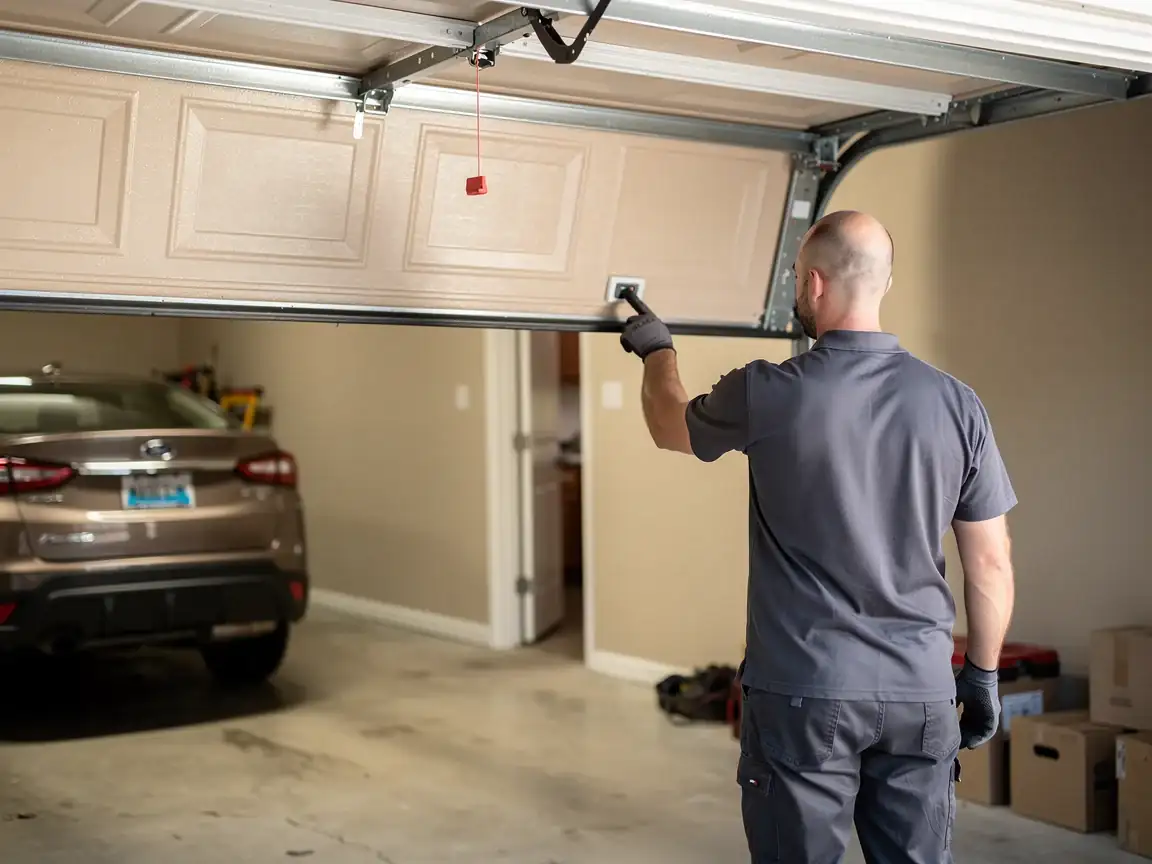
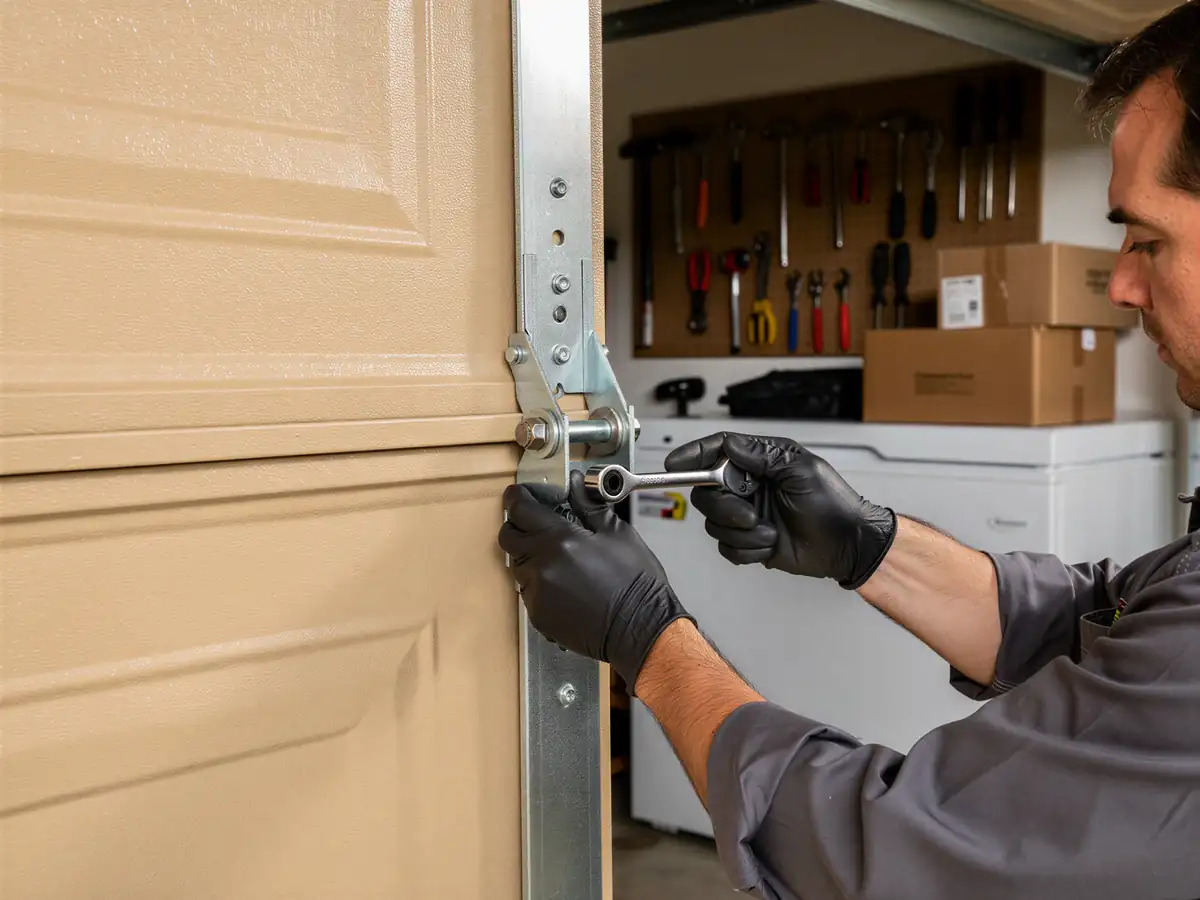
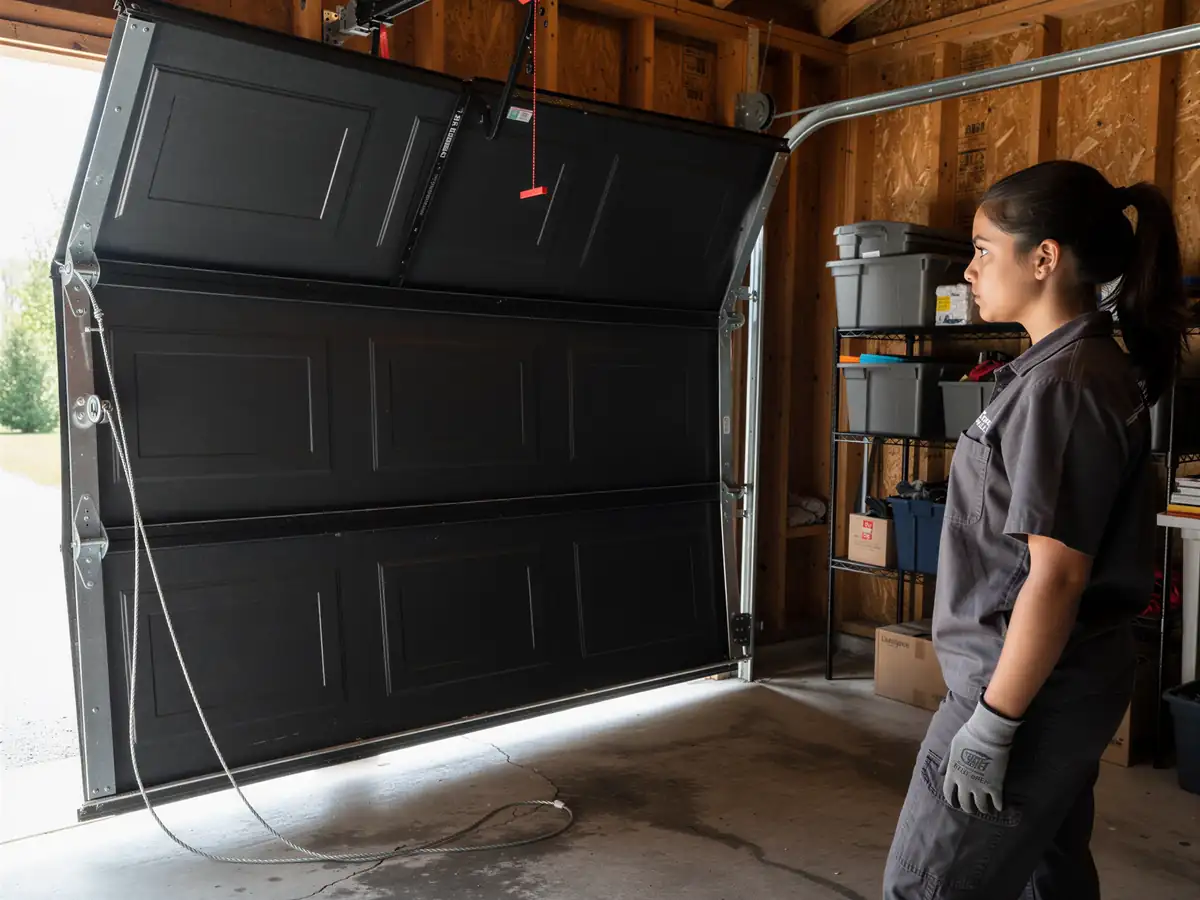
A broken cable on a torsion system means the spring is still under load, and that load is exactly what makes this one of the more dangerous DIY repairs in the garage. Even on an extension system, where the tension is lower, cables can whip when they let go, and drums that have been grinding against a frayed cable for weeks are often sharp-edged where they've worn. If the door is stuck halfway and you can see slack cable looped at the bottom bracket, the safest move is to leave the opener disconnected and the door where it is until someone can look at the drum and track alignment, not just the cable. We'll say plainly: a cable swap is simple in skilled hands and a trip to urgent care in unskilled ones. This isn't a job to learn on your own door.
Where This Job Goes Sideways
The complication isn't usually the cable - it's what the cable was hiding. On doors from this area's 1980-ish build era, we often find the drum itself scored or the bottom bracket bent from years of a door running a little off-level before the cable finally gave out. That turns a cable swap into a drum-and-bracket job, and sometimes into a full hardware replacement if the track has been bent long enough to wear unevenly on both sides. Cold-moderate winters also take a toll on galvanized cable coating over time, and a cable that looks fine coiled up can be pitted enough underneath to be close to its own failure. We'll always tell you up front if we think a second part needs replacing rather than quietly swapping it and surprising you on the invoice. One honest limit: if the opener itself has been straining against a misaligned door for a long stretch, cable repair alone won't fix the underlying wear, and we'll say so rather than patch it and send you on your way.