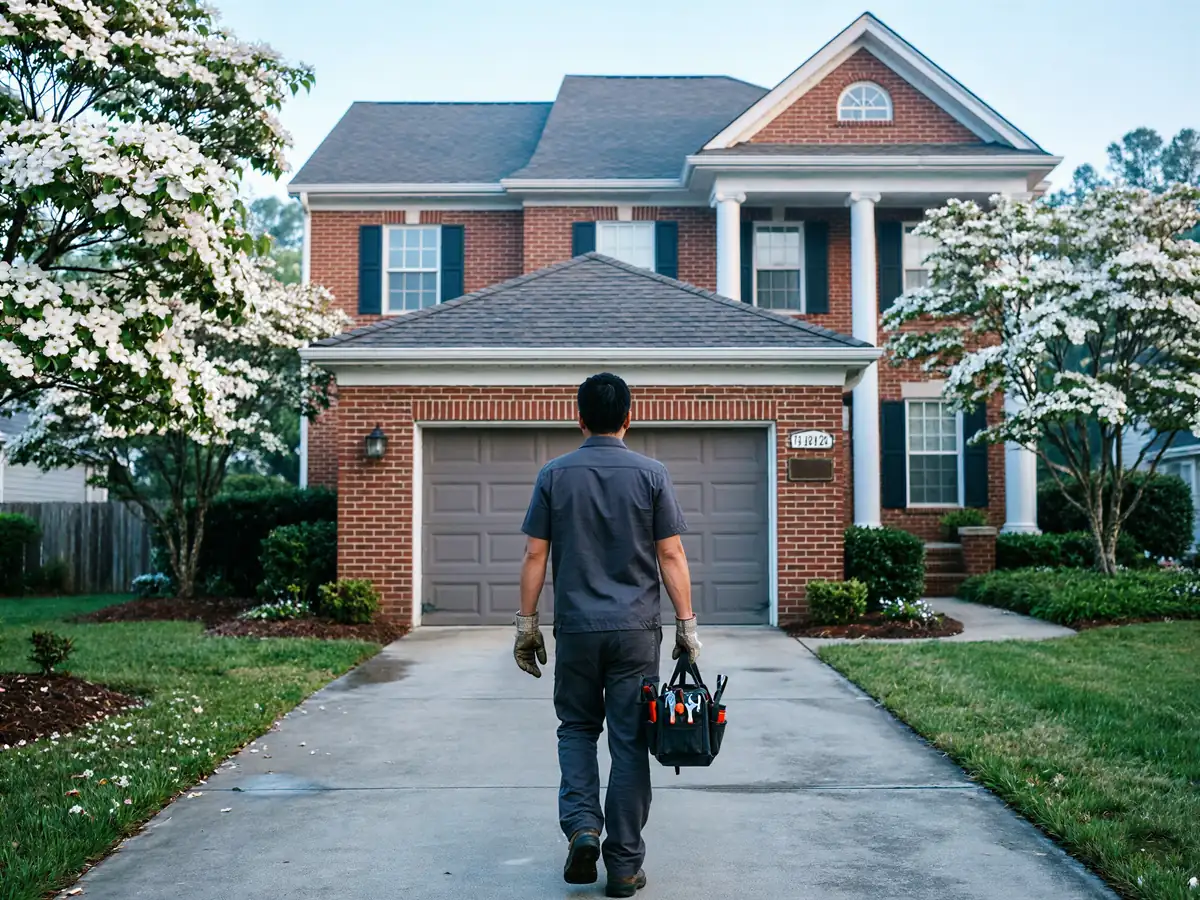
What Is on the Truck
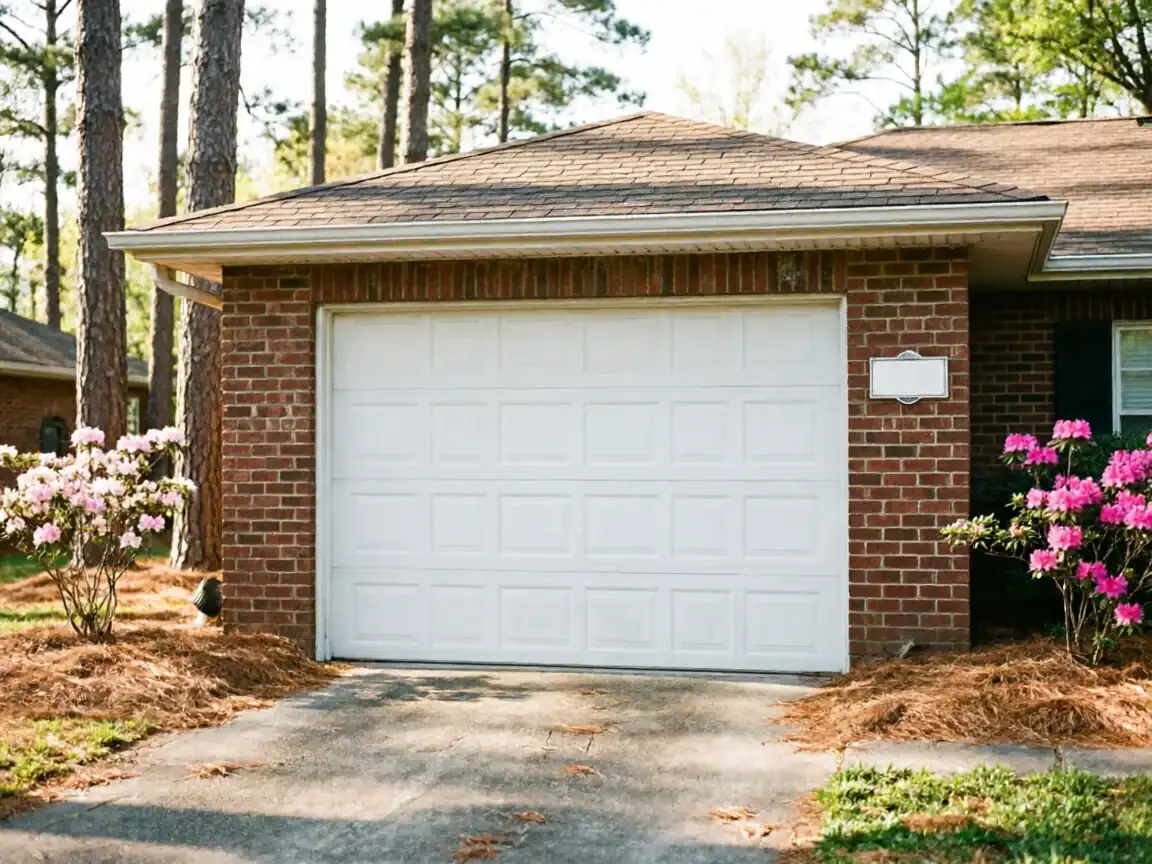
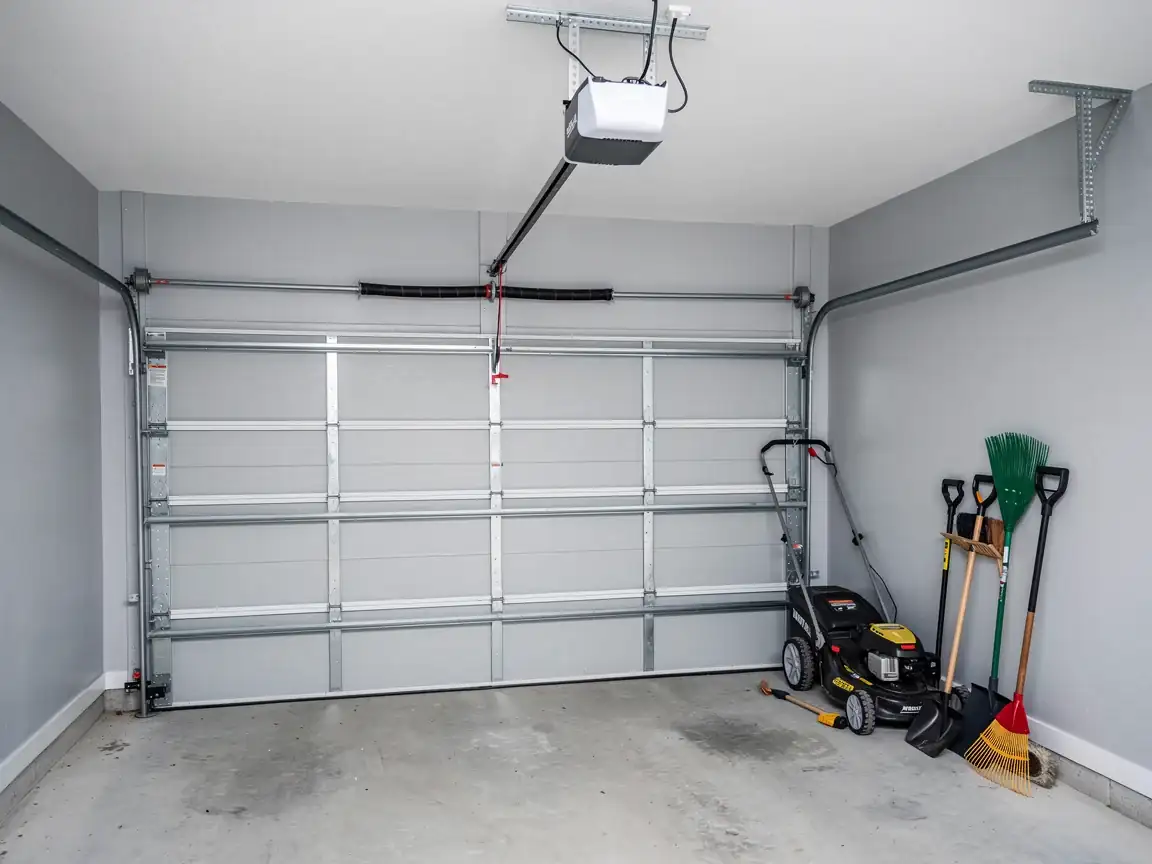
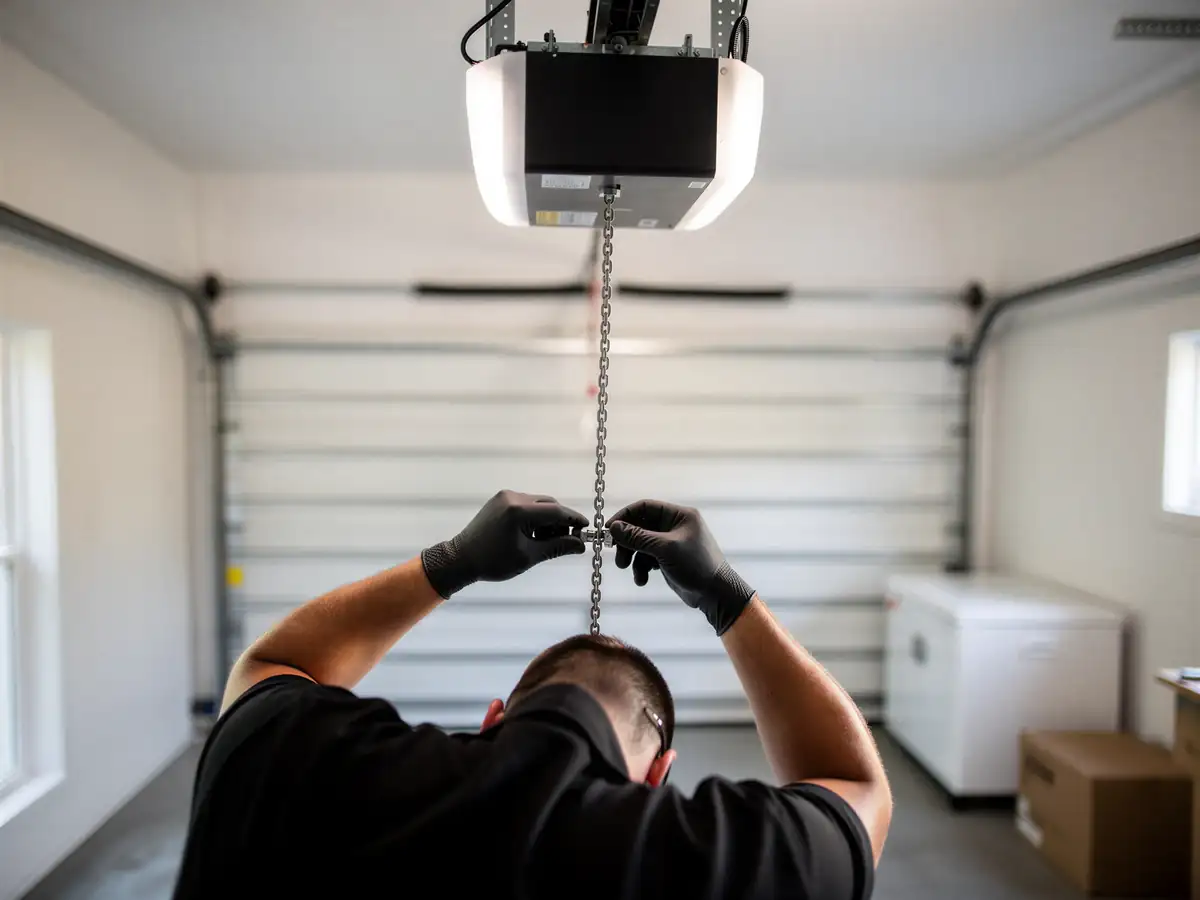
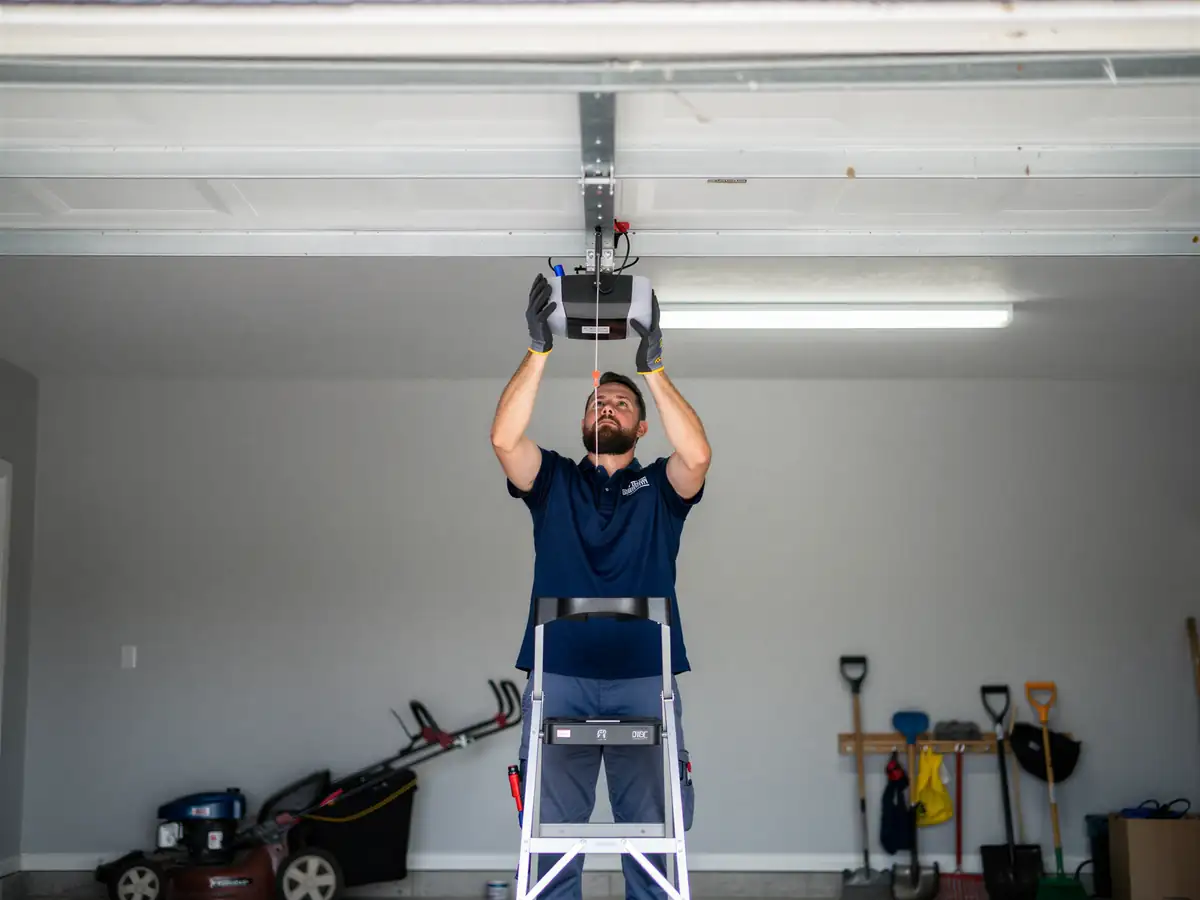
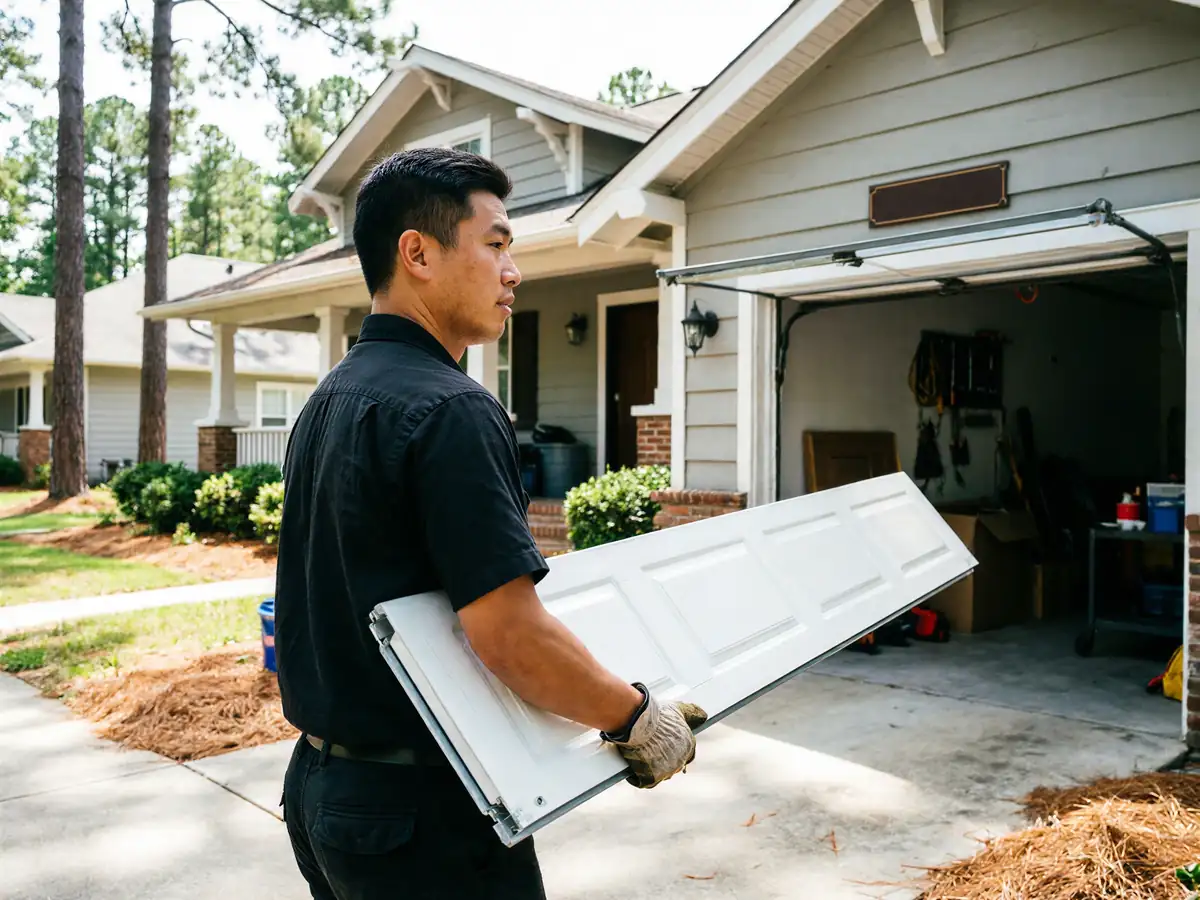
Houses in Tobaccoville mostly went up around 1980, which means a lot of the doors and openers still in service are original or one replacement removed from original. That matters for what rides on the truck: torsion springs sized for the lighter steel sectional doors common to that build era, the chain-drive opener parts that were standard through the 80s and 90s, and galvanized cable sized to match. Newer belt-drive openers and insulated panel stock come out when a job calls for it, but the stock on hand leans toward what a 1980-built garage actually has hanging in it. Cold snaps in this part of the state stiffen old lubricant and make brittle springs let go sooner than they would in a mild month, so winter runs tend to be spring-heavy. One limit worth saying plainly: if a part is a discontinued match for an old opener board, we carry a compatible replacement, not an identical one - exact-match boards for some 1980s openers aren't something any truck stocks anymore.
Can You Do This Yourself
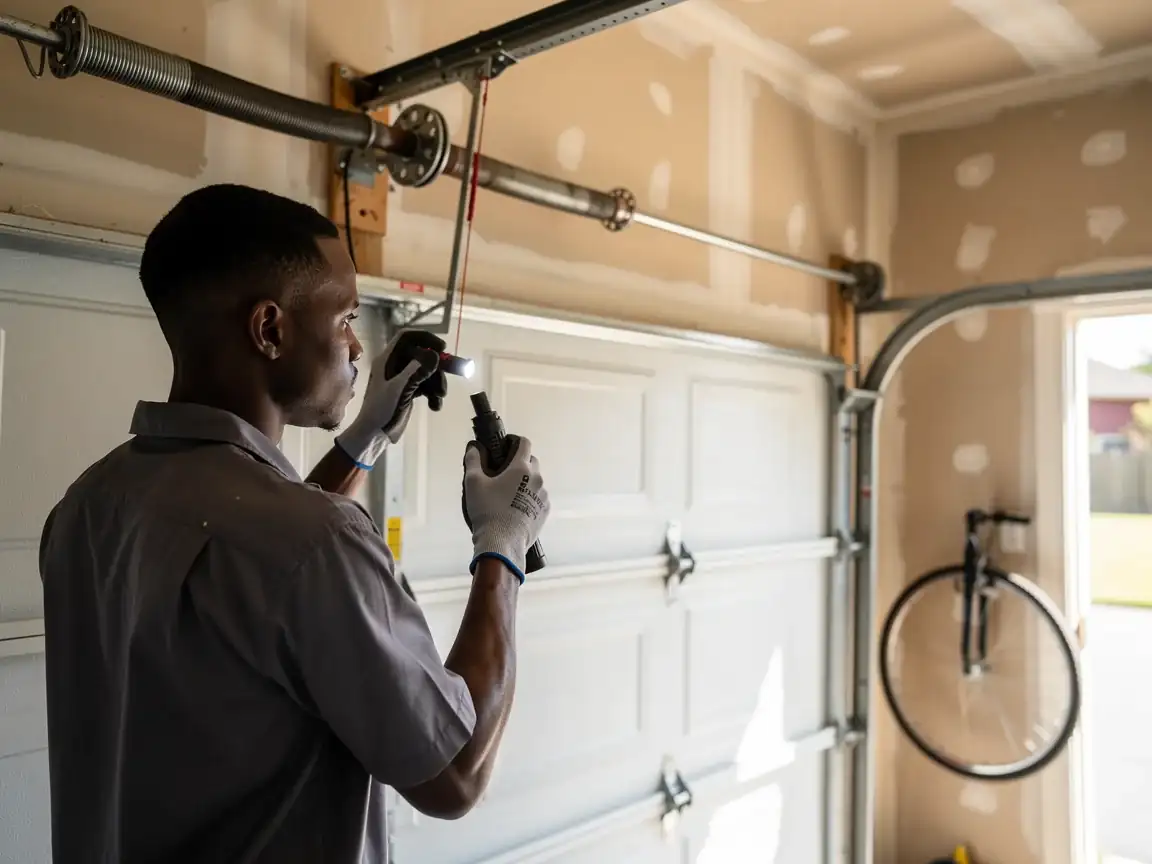
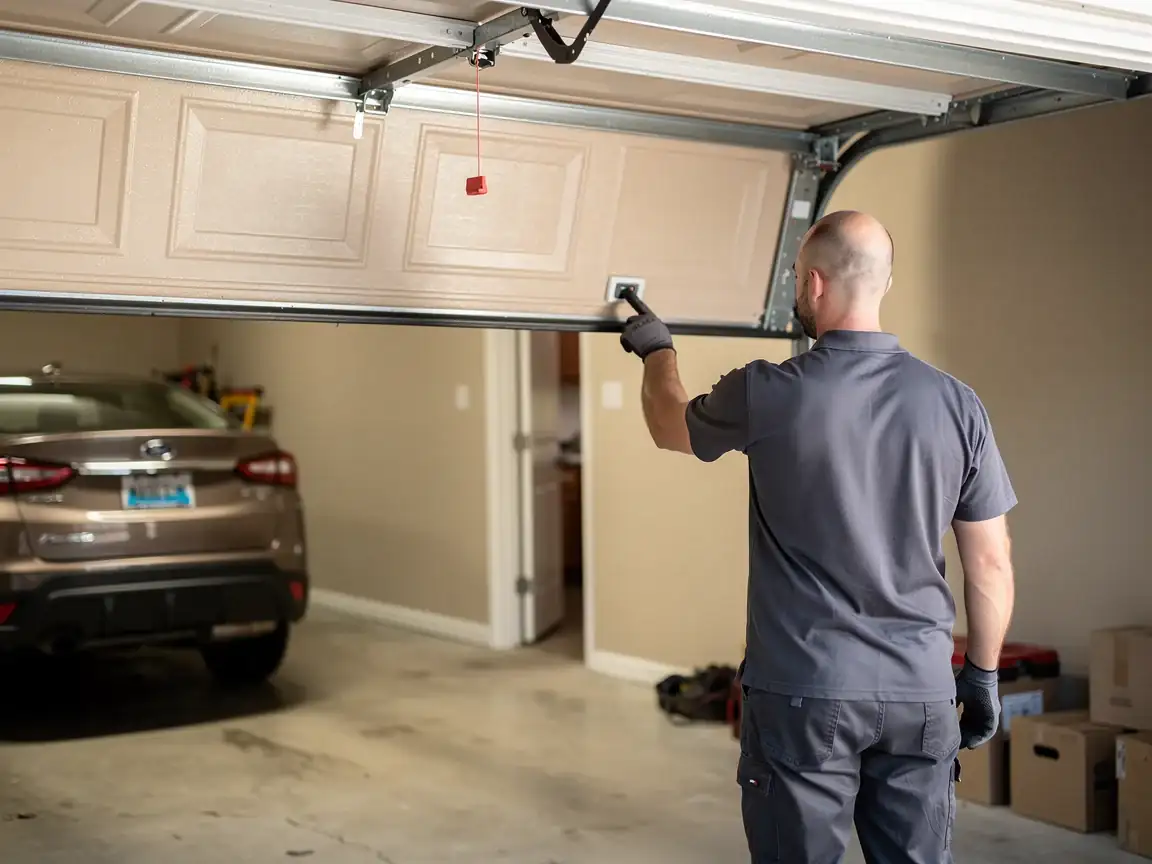
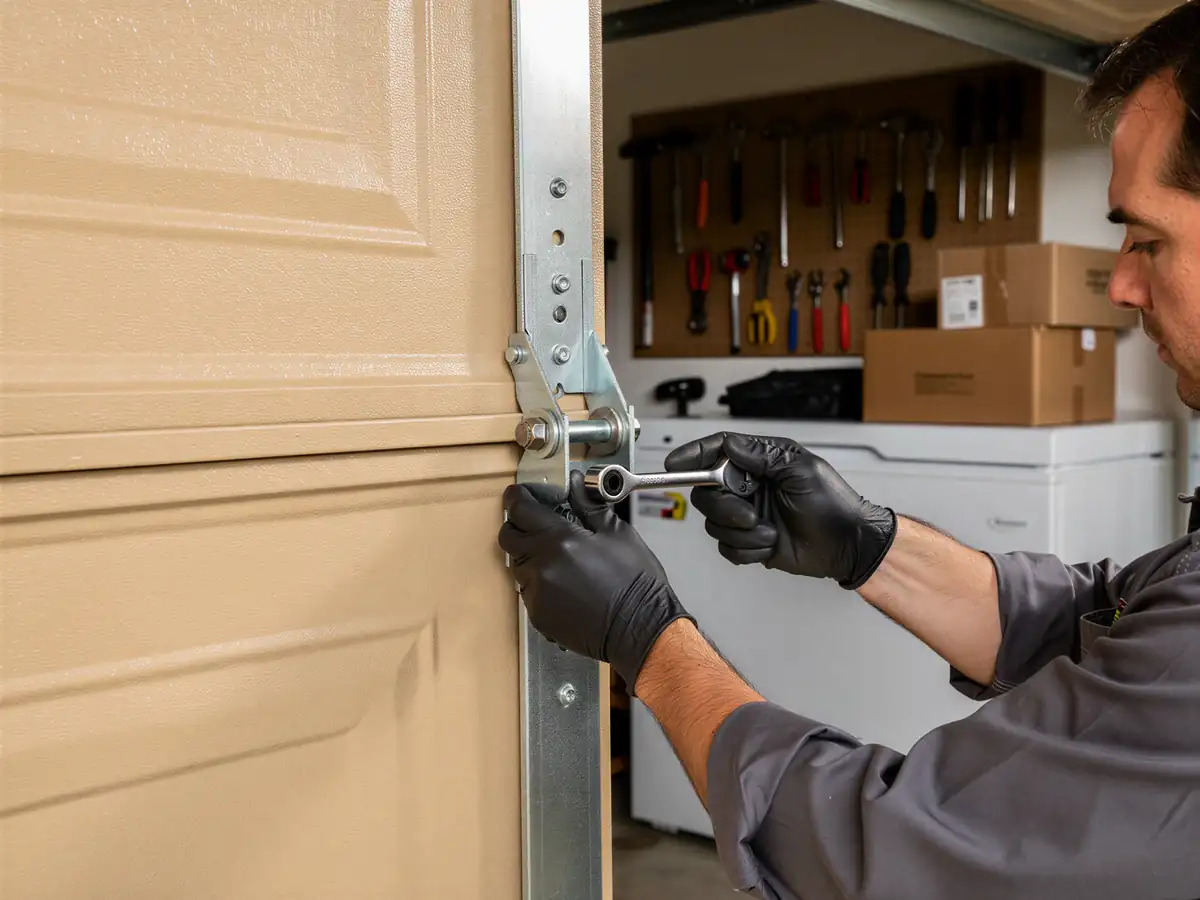
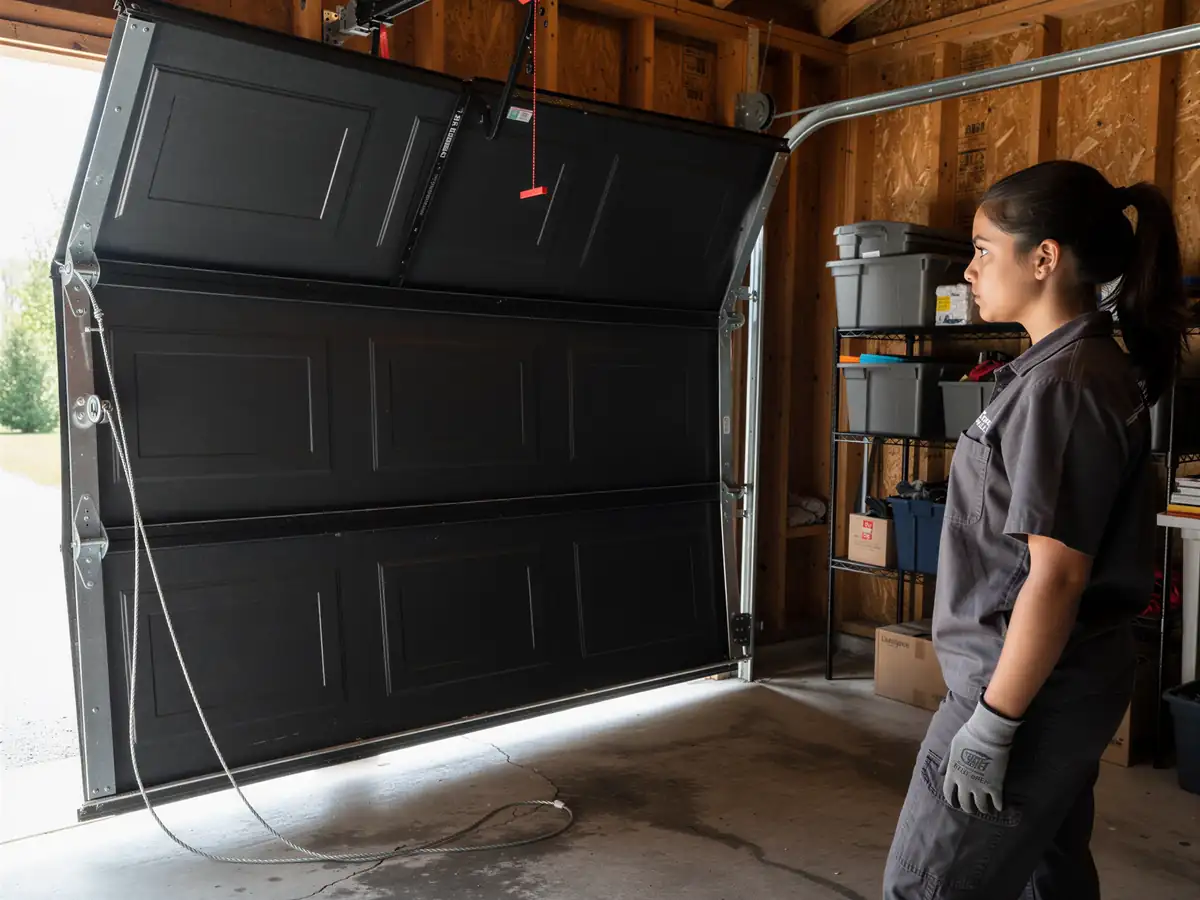
Some of this is fair to tackle on your own. A door that won't respond to the remote but will run off the wall button is usually a battery or a sensor alignment issue, and you can check both before calling anyone. A door that's gone quiet and heavy, dropping fast or not moving at all, is a torsion spring problem, and that one isn't a weekend project - the spring is under enough tension to break a bone or worse if it lets go while you're working near it. Houses built around 1980 in this area often still run the original spring sizing, which means the spring has had decades to fatigue even if it looks fine. If the door is off its track or a cable has come loose from the drum, leave it alone and call it in. The honest line: anything involving the spring or the cables under tension is not a DIY repair, full stop, no matter how simple it looks from the garage floor.
Where This Job Goes Sideways
The complication that shows up most in older housing stock like Tobaccoville's is a door that's been limping along for years with a mismatched part from a prior fix - a spring that's close enough in size but not quite right, or a cable drum swapped off a different model. Those jobs take longer because the first step is untangling what's actually installed before fixing what's broken. Another one: openers from the 1980s and 90s sometimes run proprietary logic boards that are no longer made, so a motor failure on one of those can mean a full opener swap even when the rest of the door is sound. And with a travel distance of 10 miles from Winston-Salem, a job that turns out to need a part not on the truck means a second trip rather than a same-visit fix - we'll tell you on the spot if that's where it's headed instead of letting you assume otherwise.