How We Fix It
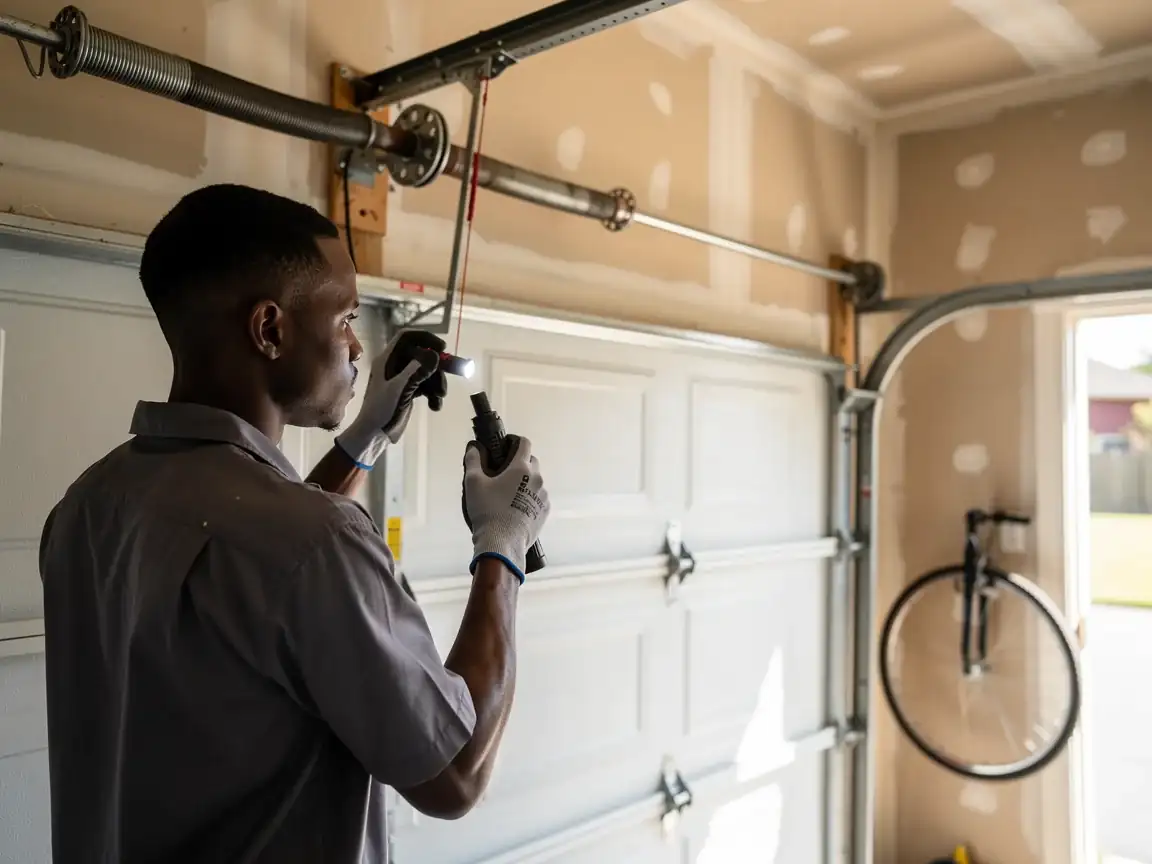
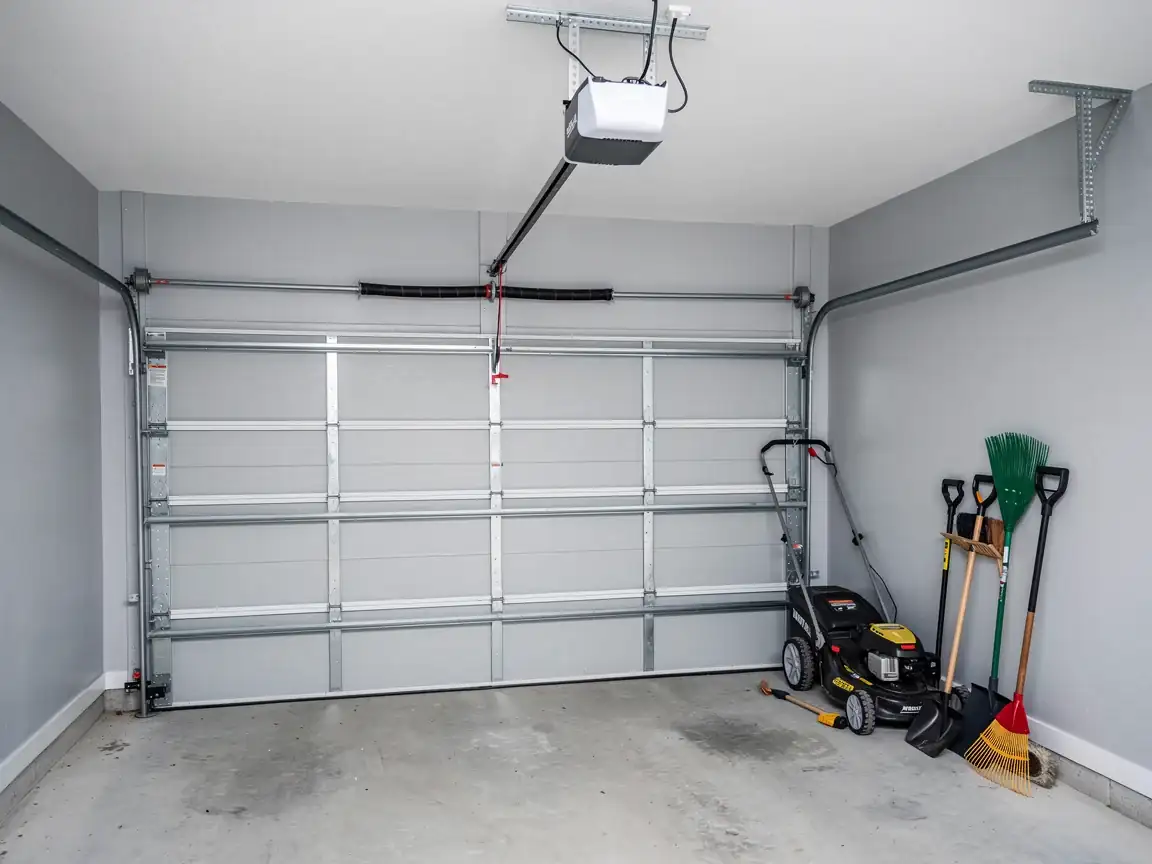
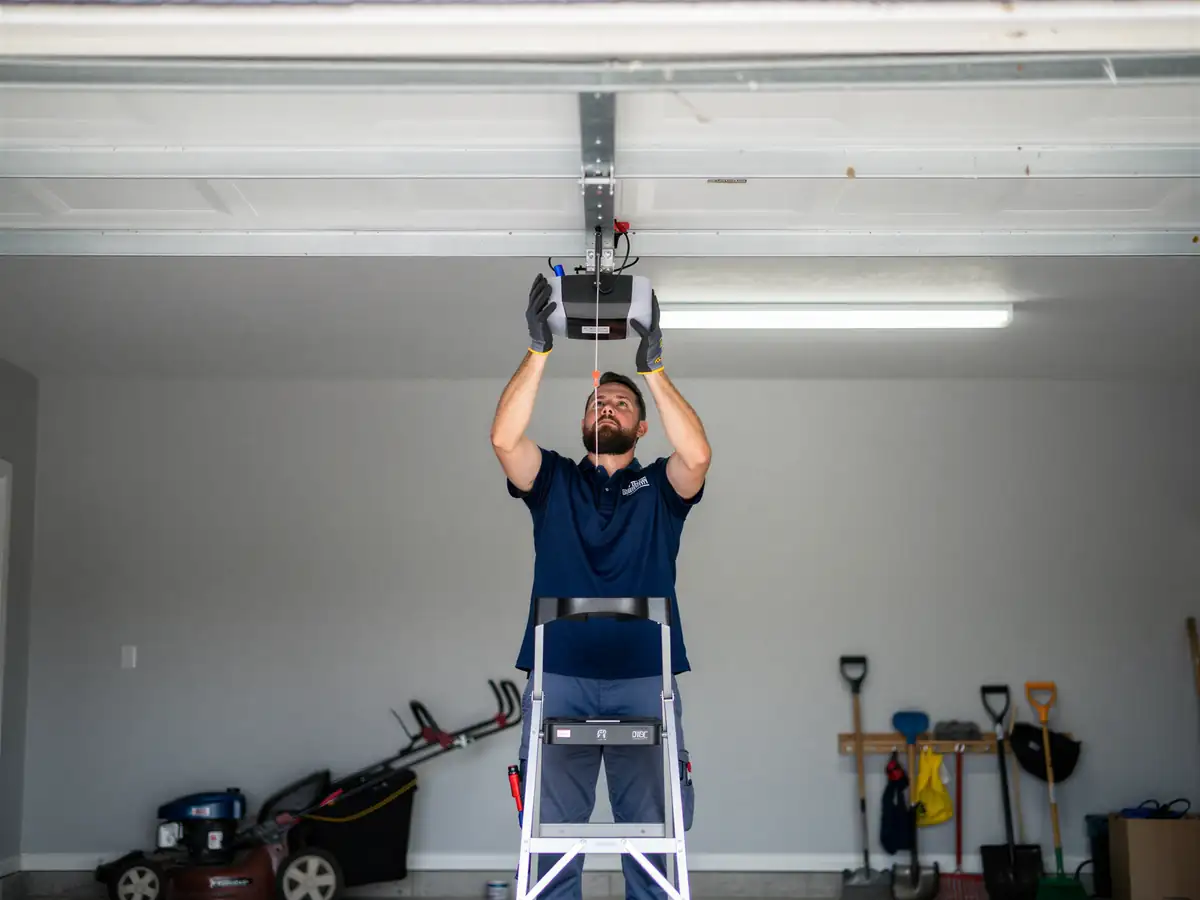
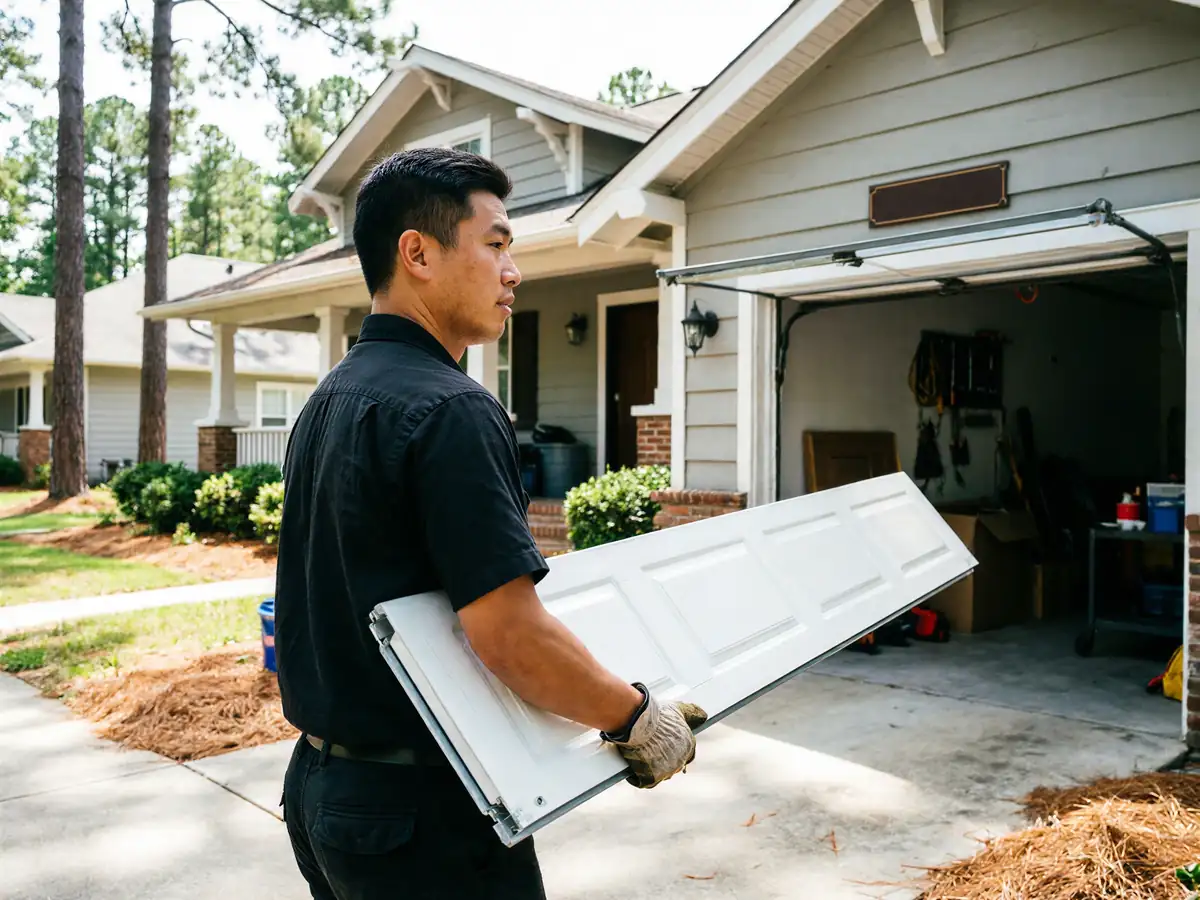
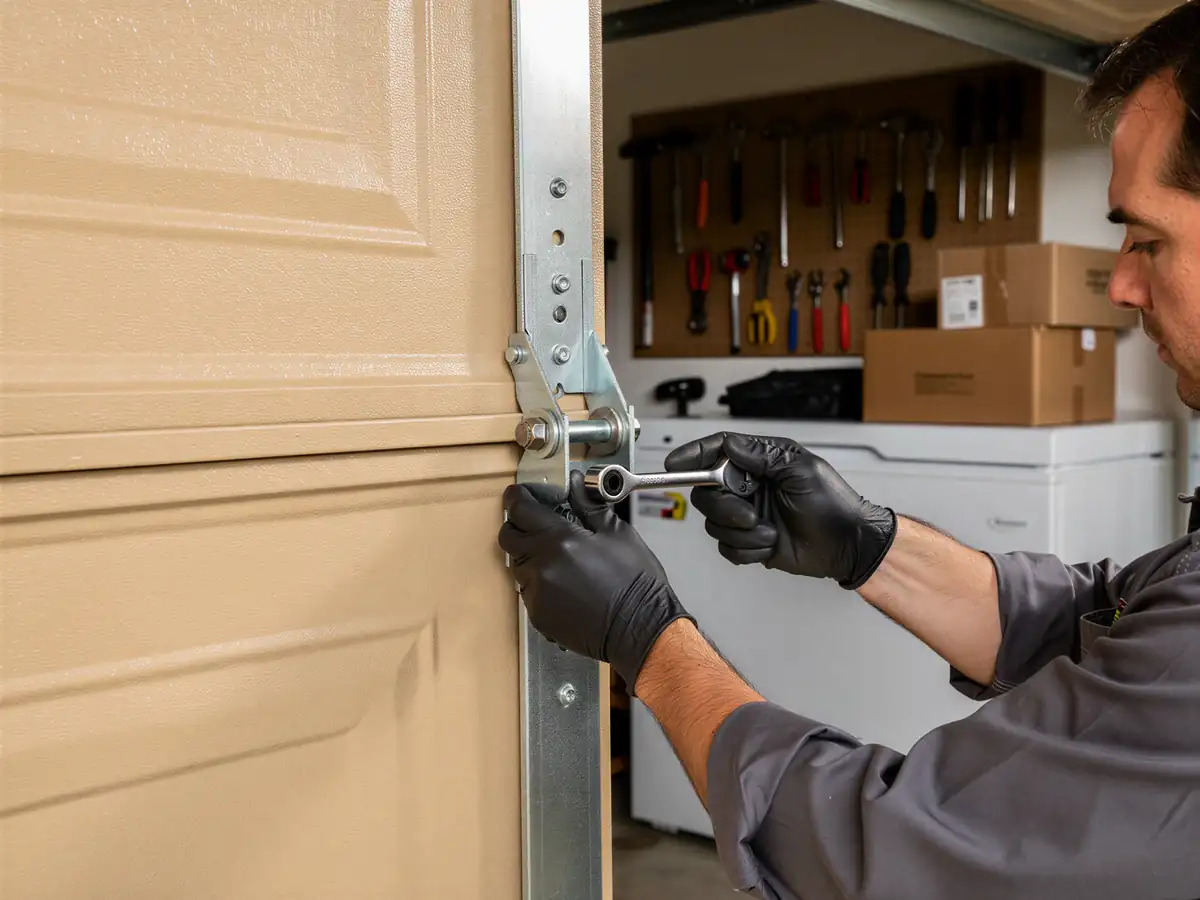
A door from the early-to-mid 1990s has usually had one spring replacement already, maybe none, and the steel sectional panels hold up fine in this climate as long as the bottom seal and the rollers get attention. Winston-Salem's service area sits in a cold-moderate climate band, which doesn't mean brutal winters, but it does mean enough freeze-thaw cycling each year to work moisture into unlacquered spring coils and swell wood jambs where the track bolts anchor. On a Walkertown door, we check torsion spring wind first since that's the age-appropriate failure point, then move to roller wear and track alignment, and finally the opener's drive gear if the door is noisy going up. We replace in kind where the original hardware is still a reasonable match, rather than selling a full teardown on a door that's structurally sound. If a panel's rusted through at the bottom or the track is bent beyond pulling straight, that's a different job, and we'll say so before we start charging for parts that won't fix it.
What You Are Seeing
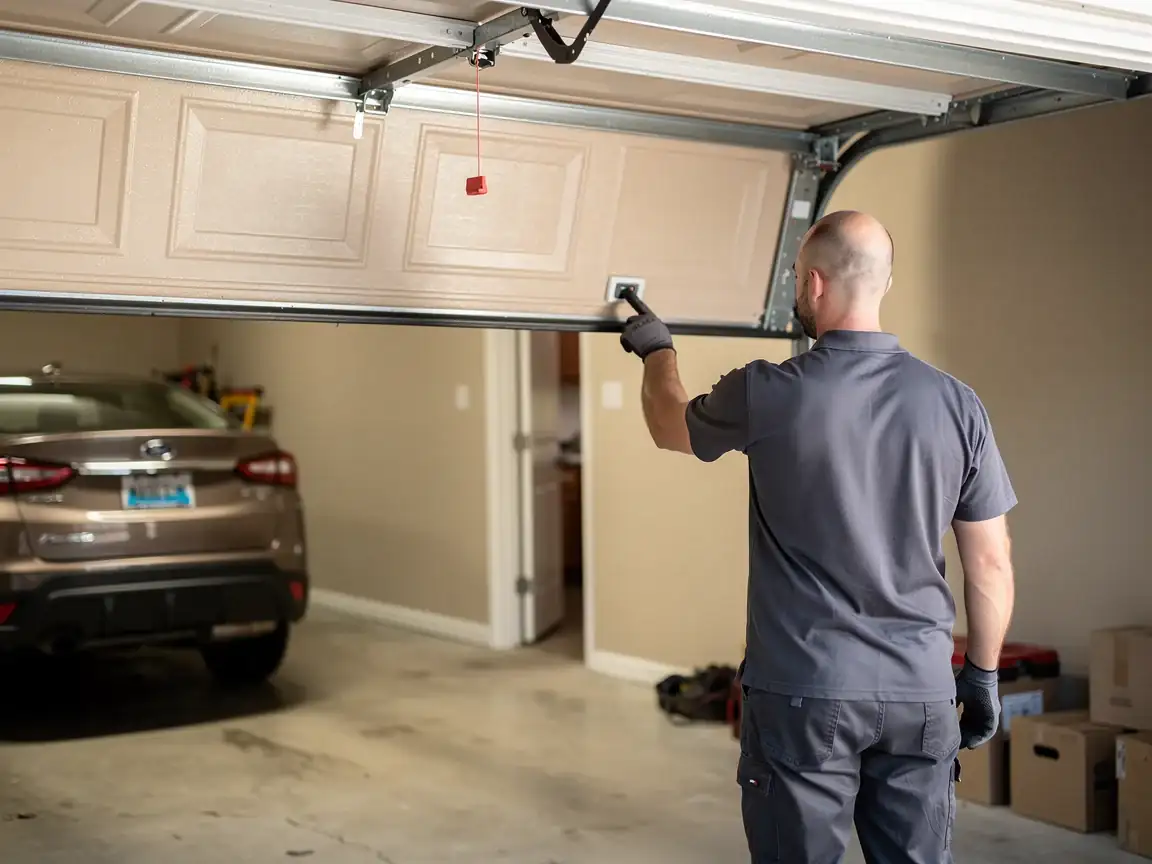
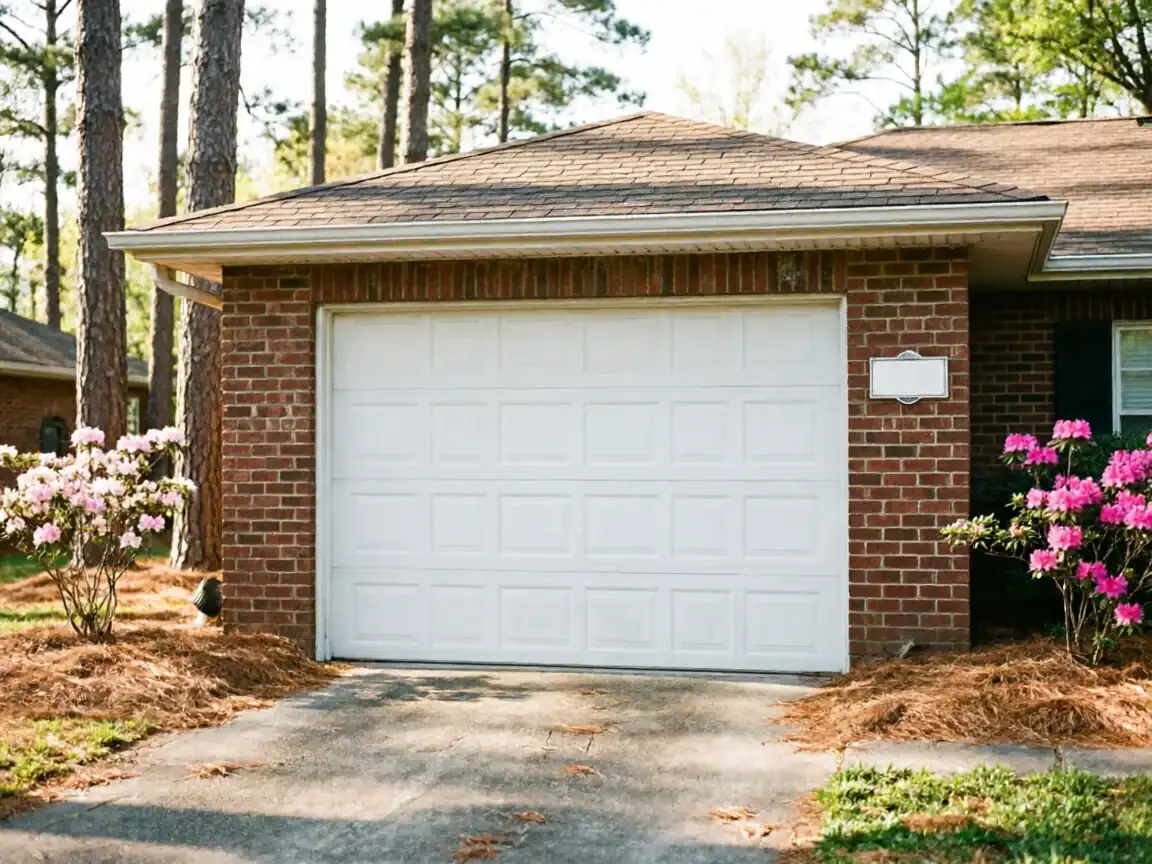
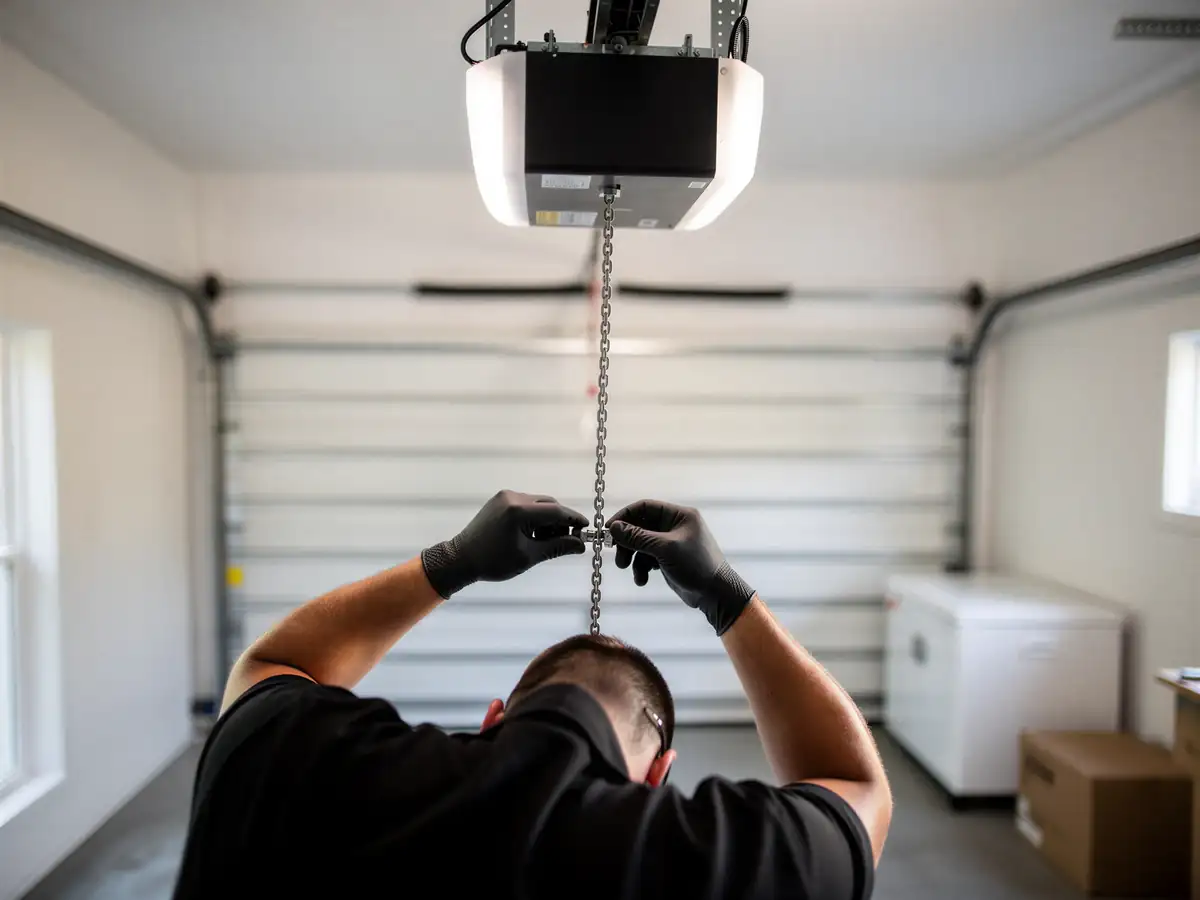
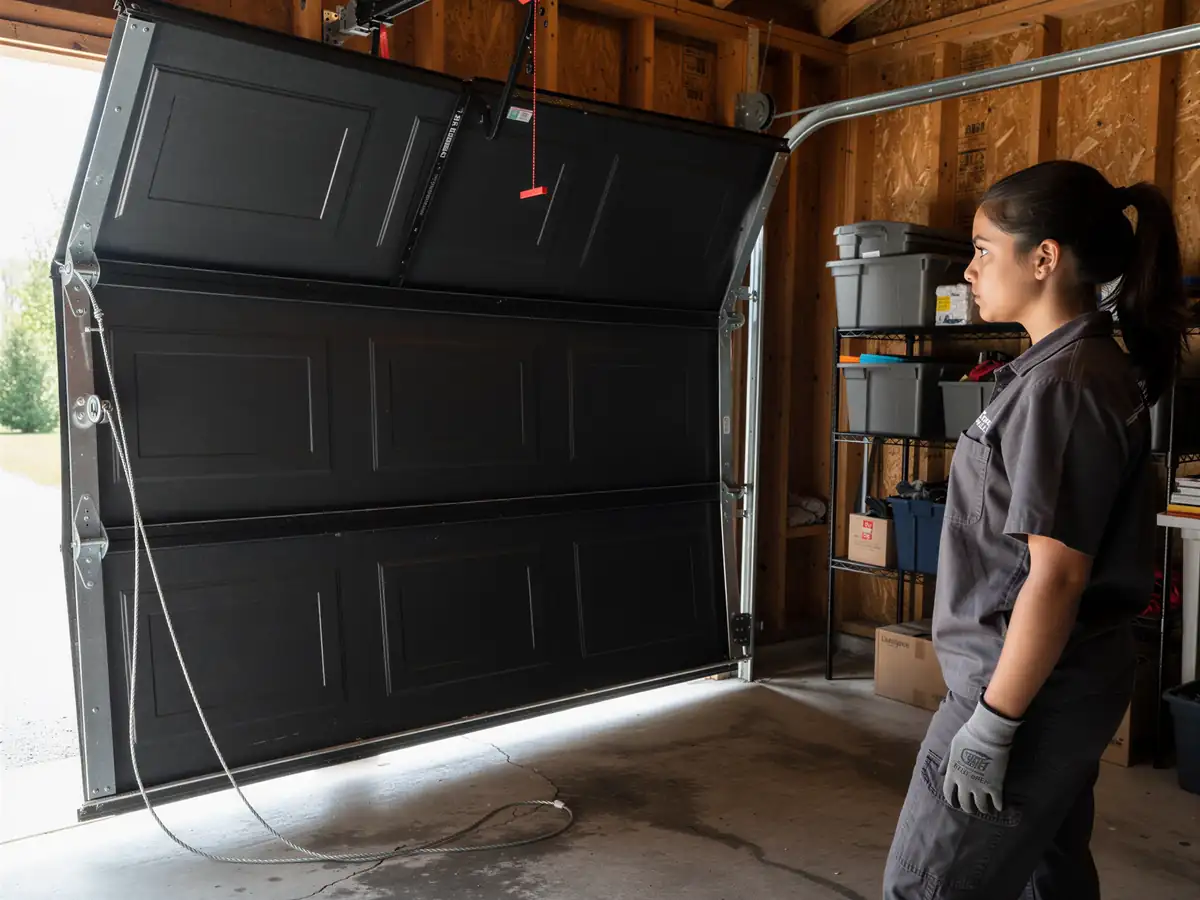
If your door is loud, slow, or catching partway up, the likely cause depends on when the house was built, and Walkertown's housing stock points toward a short list. A door that's suddenly heavy to lift by hand, especially with the opener disconnected, usually means a torsion spring has lost tension or snapped outright, which is common on doors installed around 1993 that are now at the end of a typical spring's duty cycle. A door that opens but grinds or skips is more often worn rollers or a stretched chain on the opener, not the spring at all. Gaps along the bottom seal that let in daylight point to a settled slab or a seal that's shrunk and hardened, which is a cheap fix compared to the other two. None of these are exotic problems. They're the predictable wear pattern of a door in its late twenties or early thirties, running in a household in a town built mostly in one tight stretch of years rather than a mixed-era neighborhood.