How We Fix It
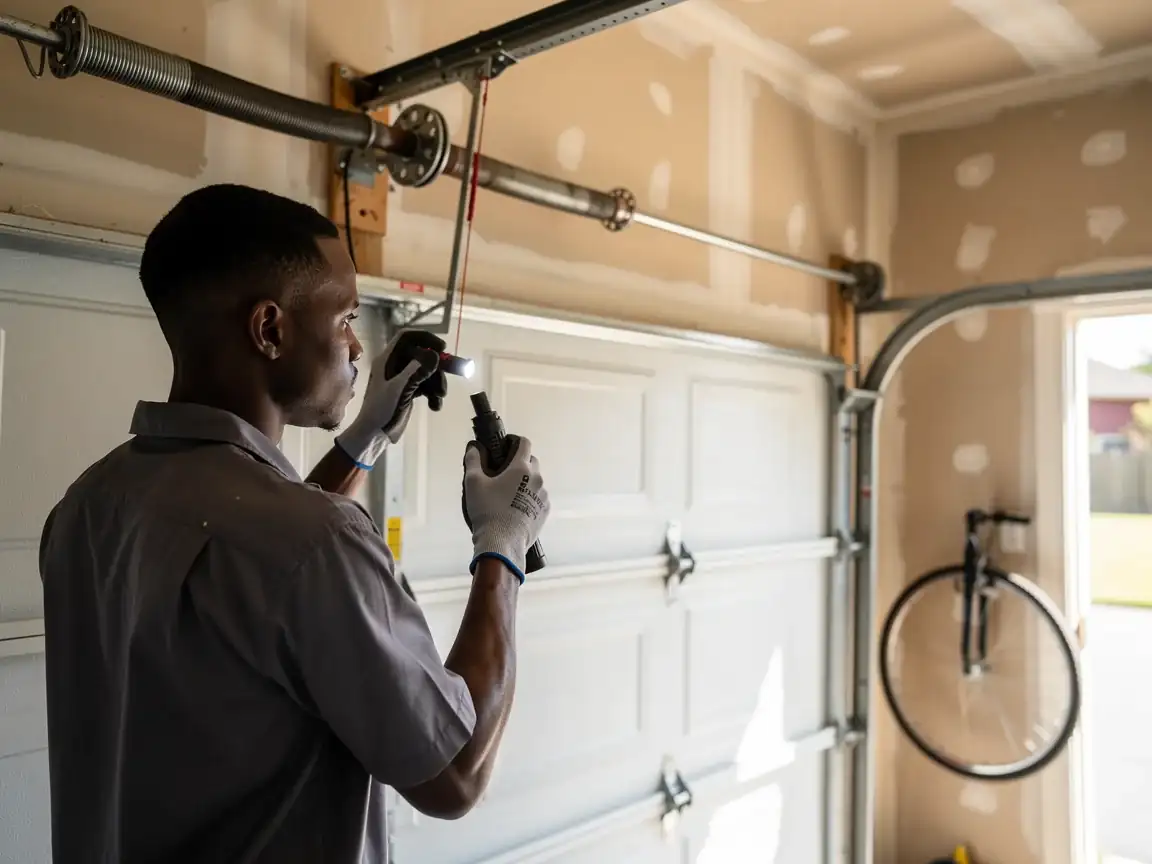
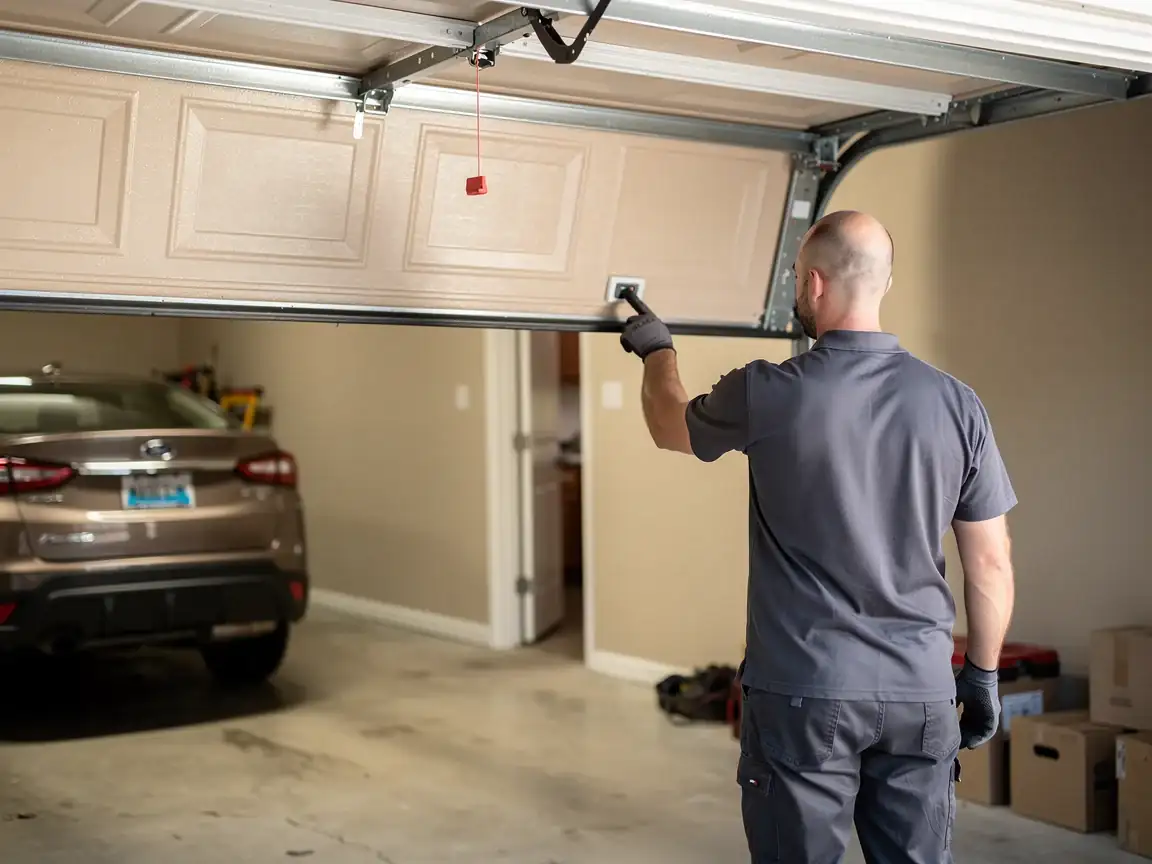
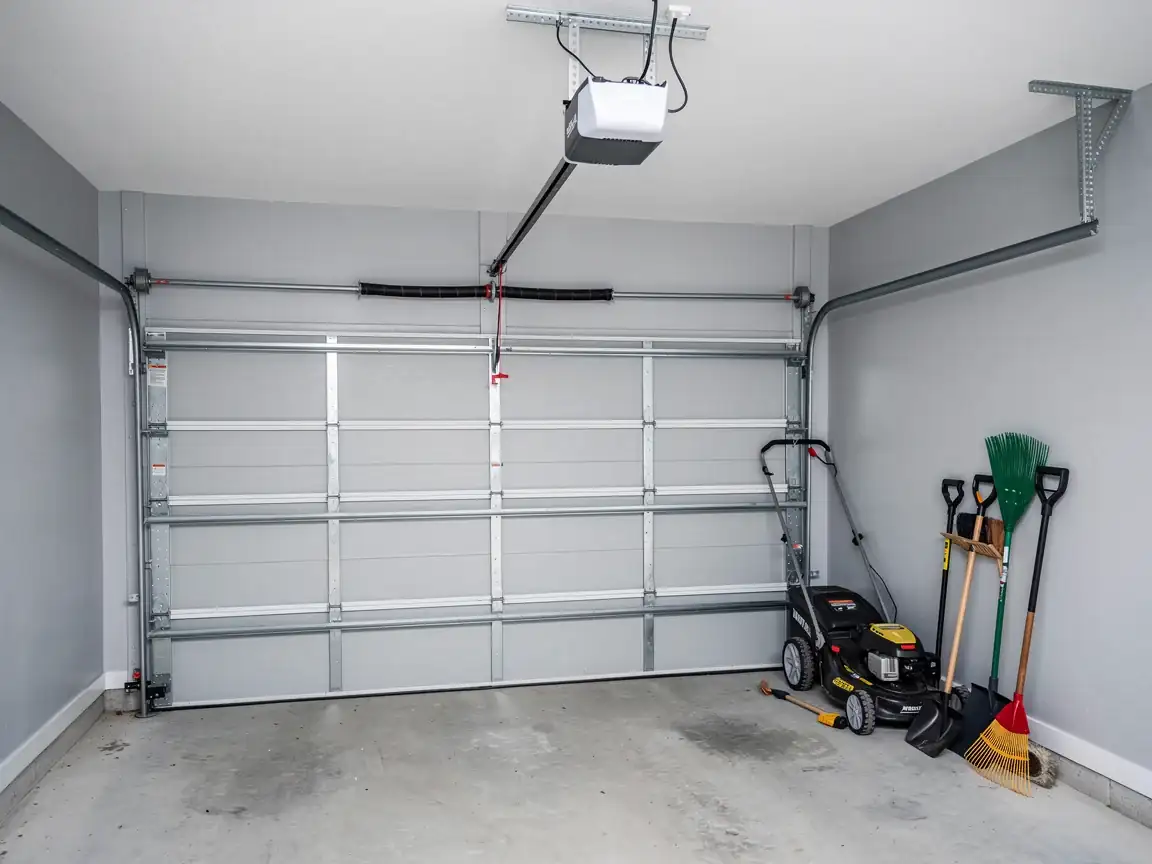
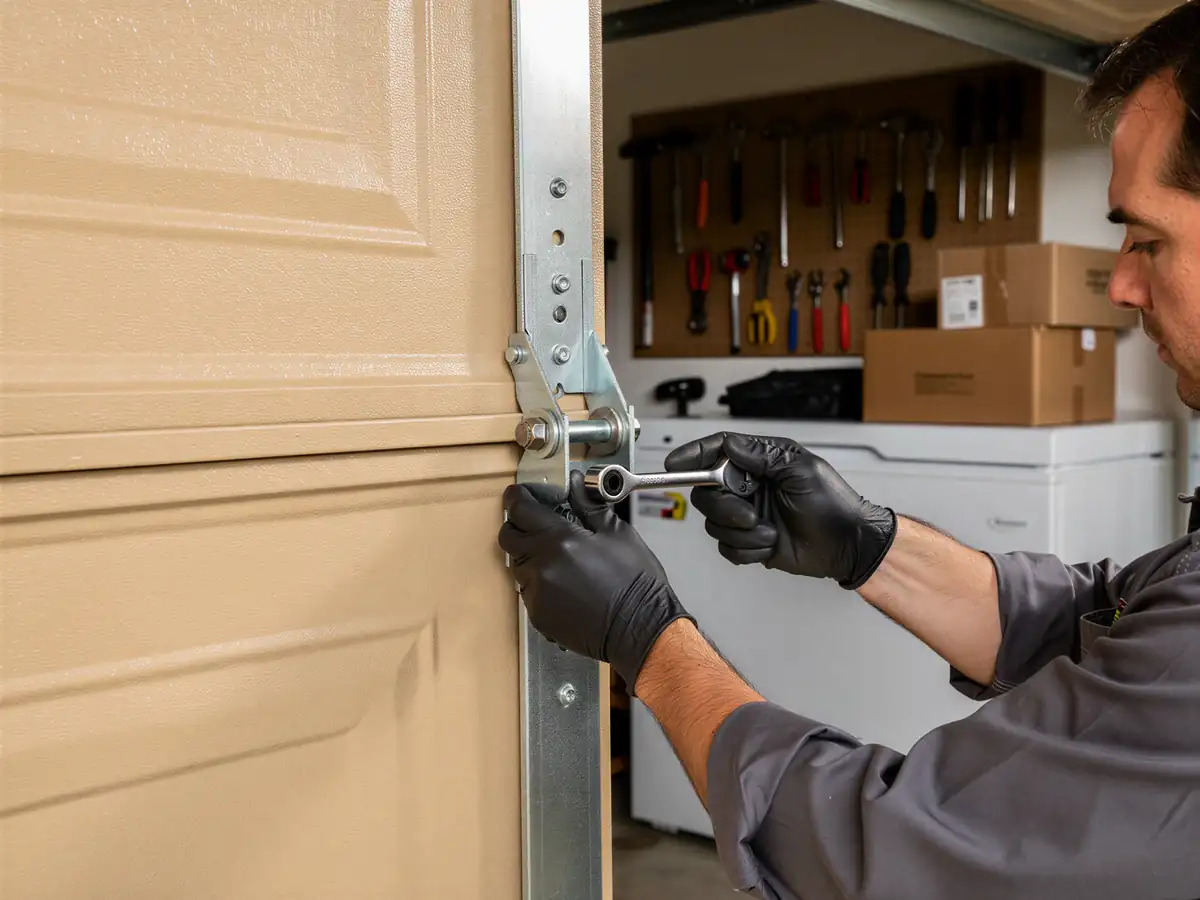
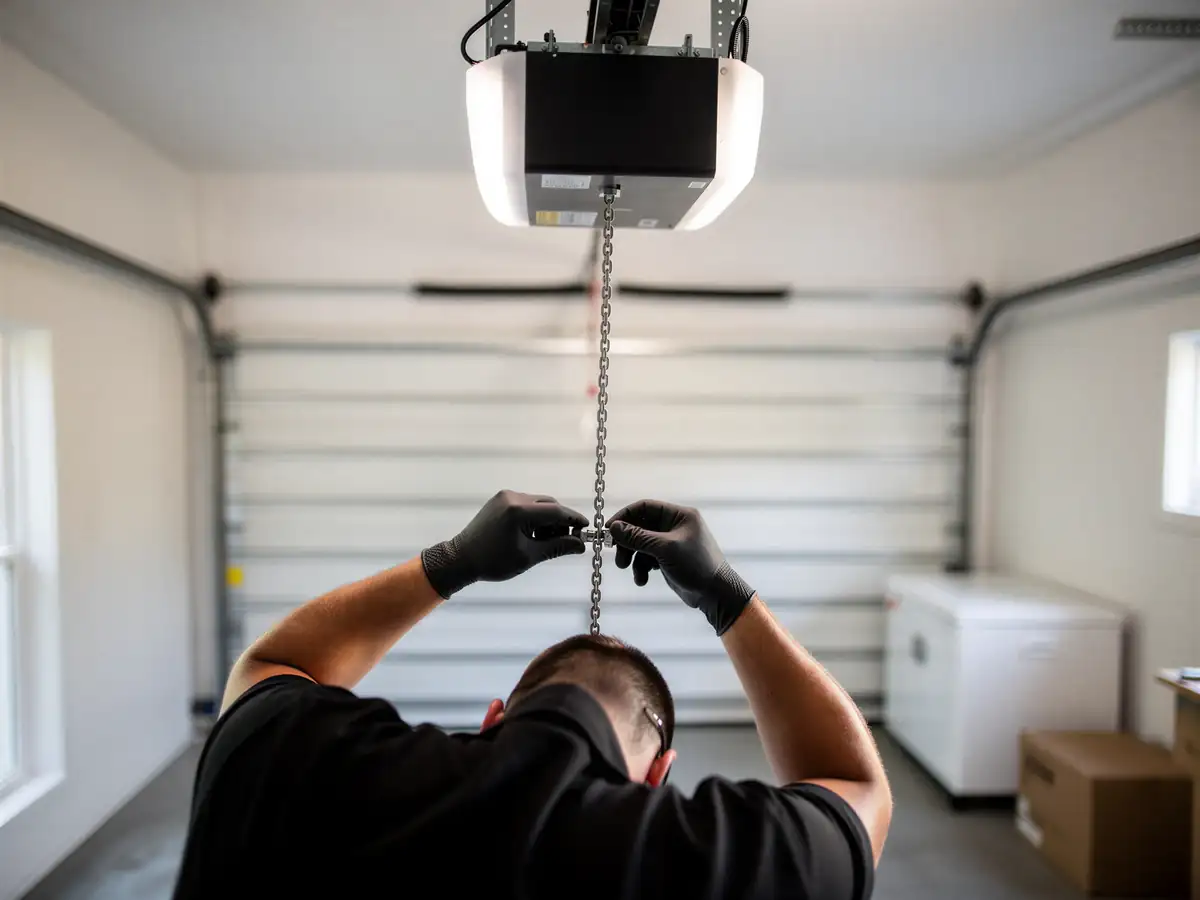
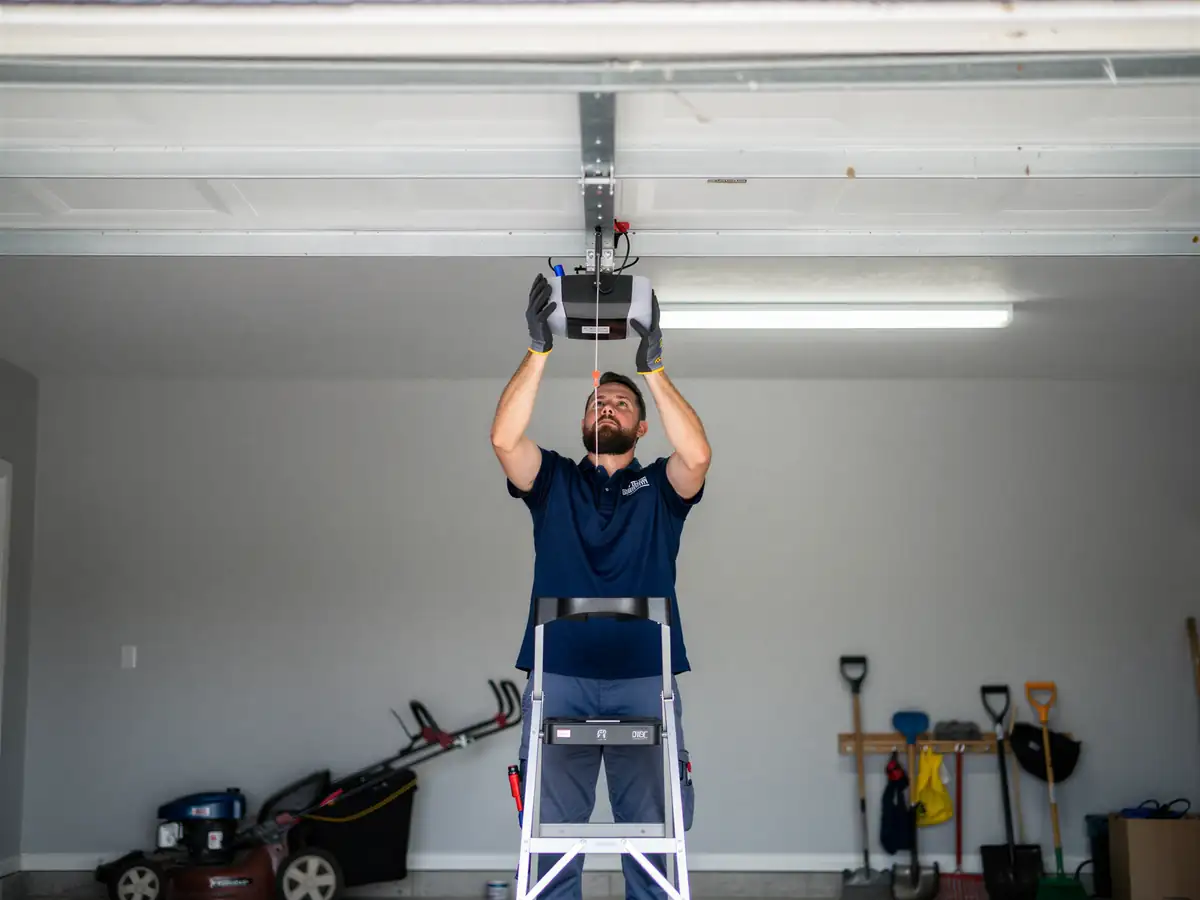
Installation starts with checking what's already bolted to the header - a lot of Walkertown garages built around 1993 still have the original 1/3 horsepower chain unit, and the mounting bracket for that generation of opener doesn't always line up with today's rail systems. We re-drill or add backing where needed rather than forcing a new unit onto old lag points. Next is balancing the door itself; an opener fights a poorly balanced door every single cycle, and on a 30-year-old torsion spring that's often already worn soft, that fight burns out the new motor fast. We set spring tension before we ever power up the opener. Once it's mounted, we run the travel limits, test the force settings against the door's actual weight, and confirm the safety reversal sensors are aimed correctly - older installs in this area sometimes have the sensors just high enough off the slab to miss a stray gym bag or toy, which fails a basic safety check. We finish with a full cycle test, not just a single open-close.
What You Are Seeing
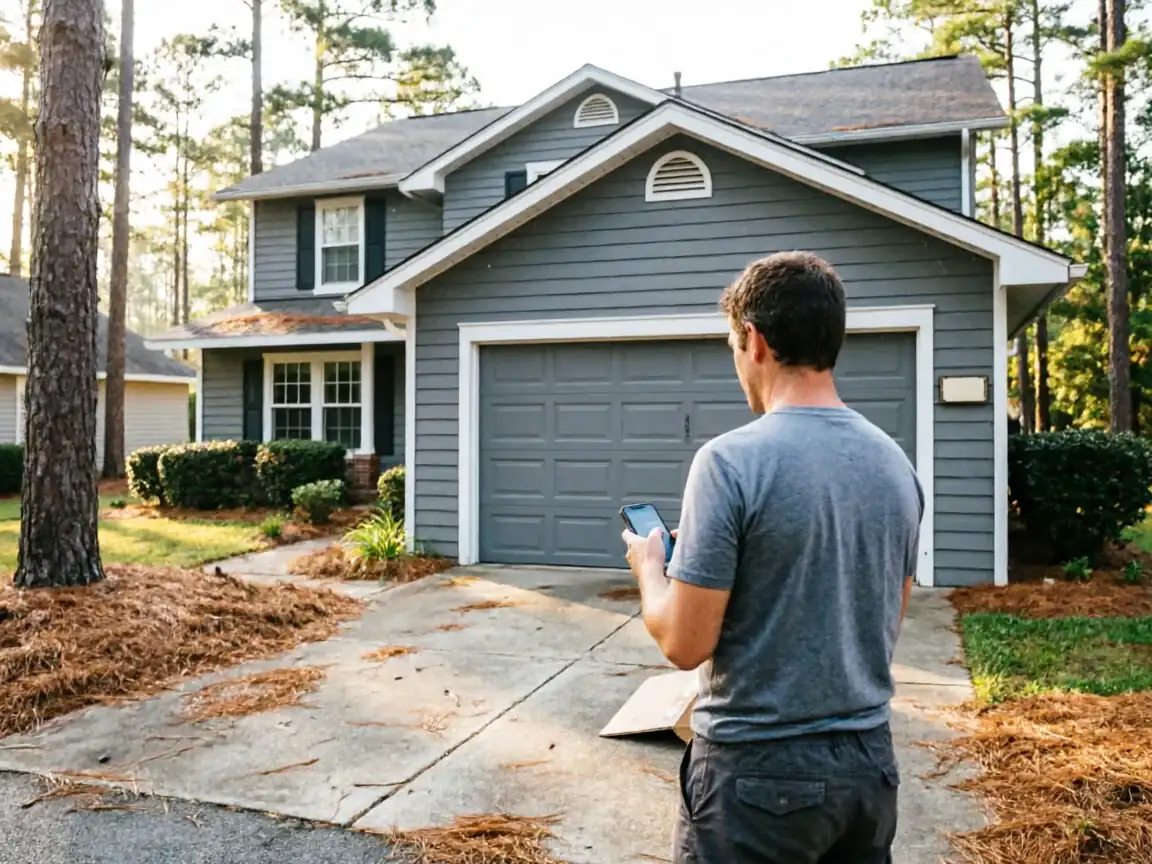
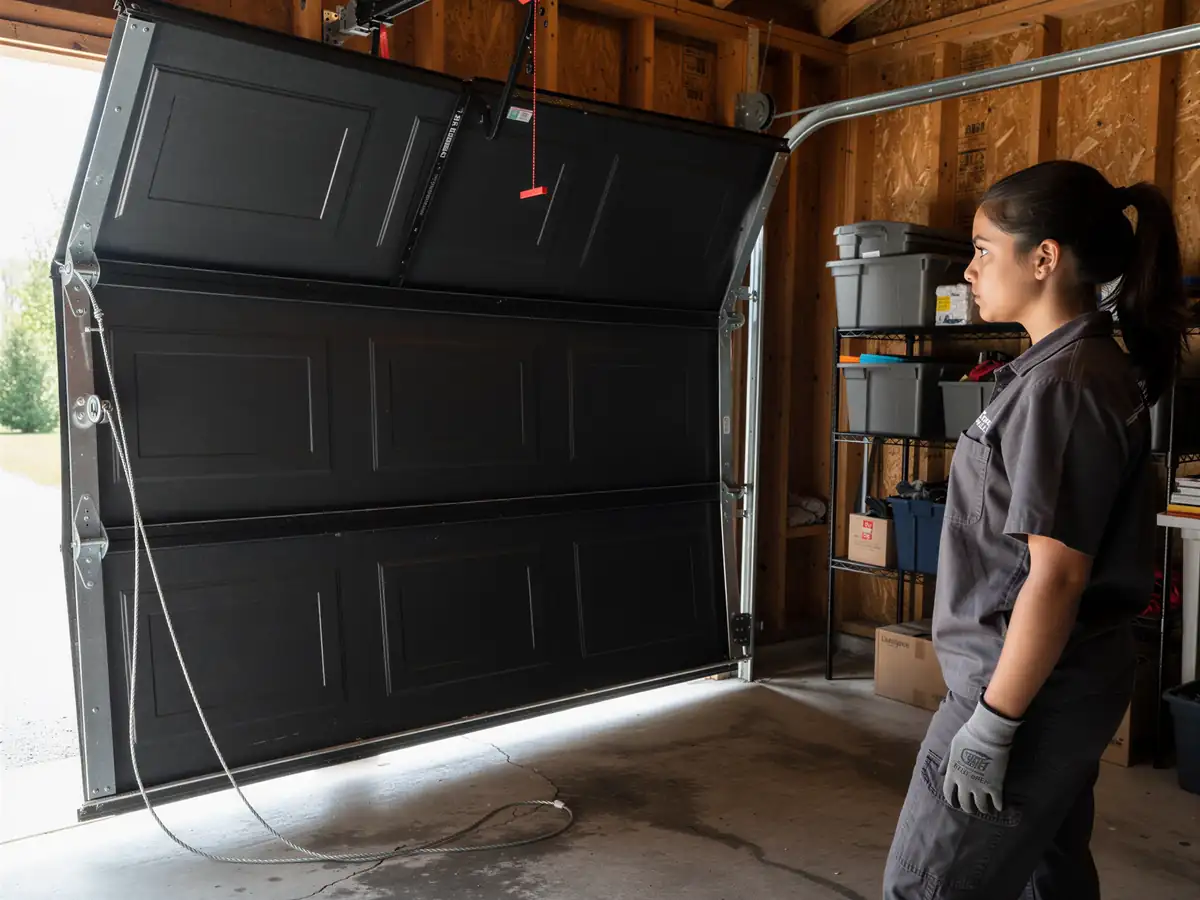
The usual call from this area is an opener that runs louder than it used to, or one that reverses halfway up for no clear reason. On a door from the early-90s building wave, that's often the opener's gears wearing out, not the door - chain-drive units from that period used nylon gears that strip after enough winters. Cold mornings make it worse; a stiff, cold torsion spring makes the opener work harder right at the point in its cycle when a worn gear is most likely to slip. Another pattern: openers that open fine but won't close without someone holding the wall button, which usually means a safety sensor has drifted out of alignment or a sensor wire has corroded at a splice - more common in garages that see damp winters. If your opener is original to a mid-90s build in Walkertown, replacing it before it fails completely is usually the better move; patching a 30-year-old circuit board rarely holds.