How We Fix It
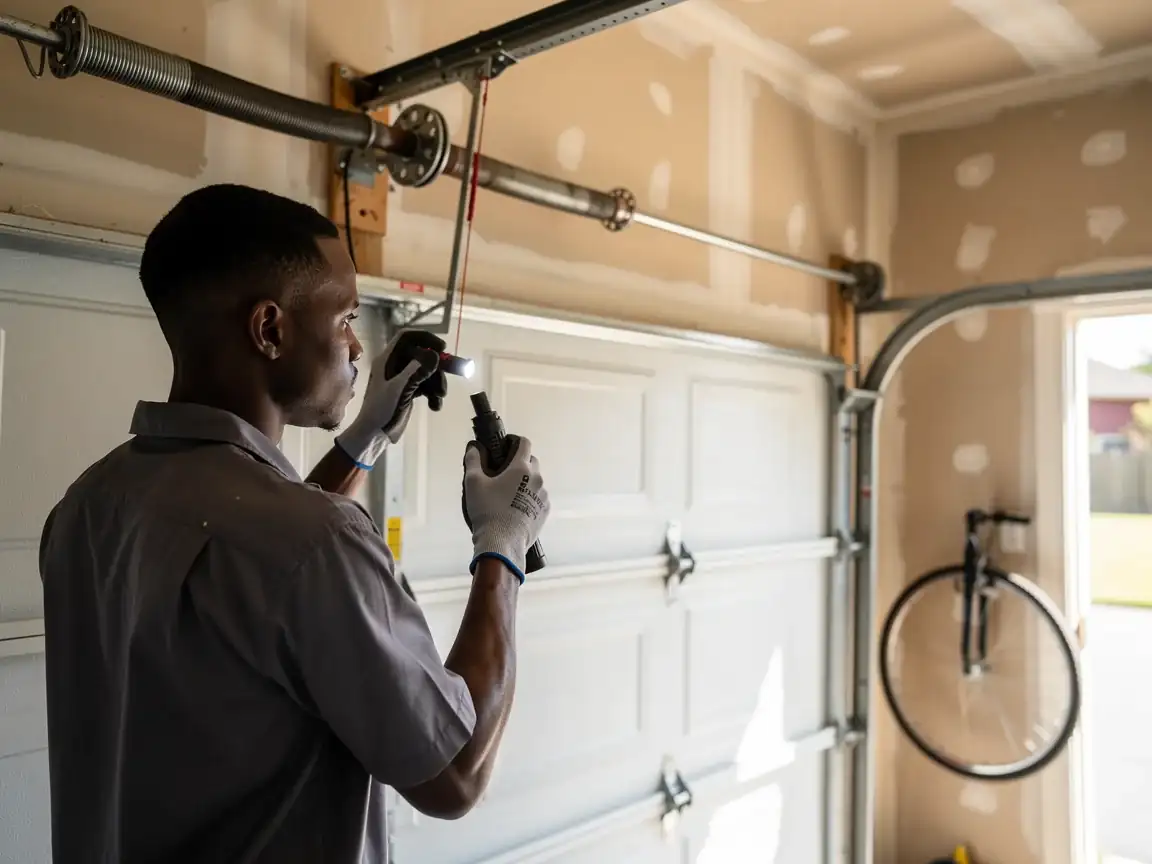
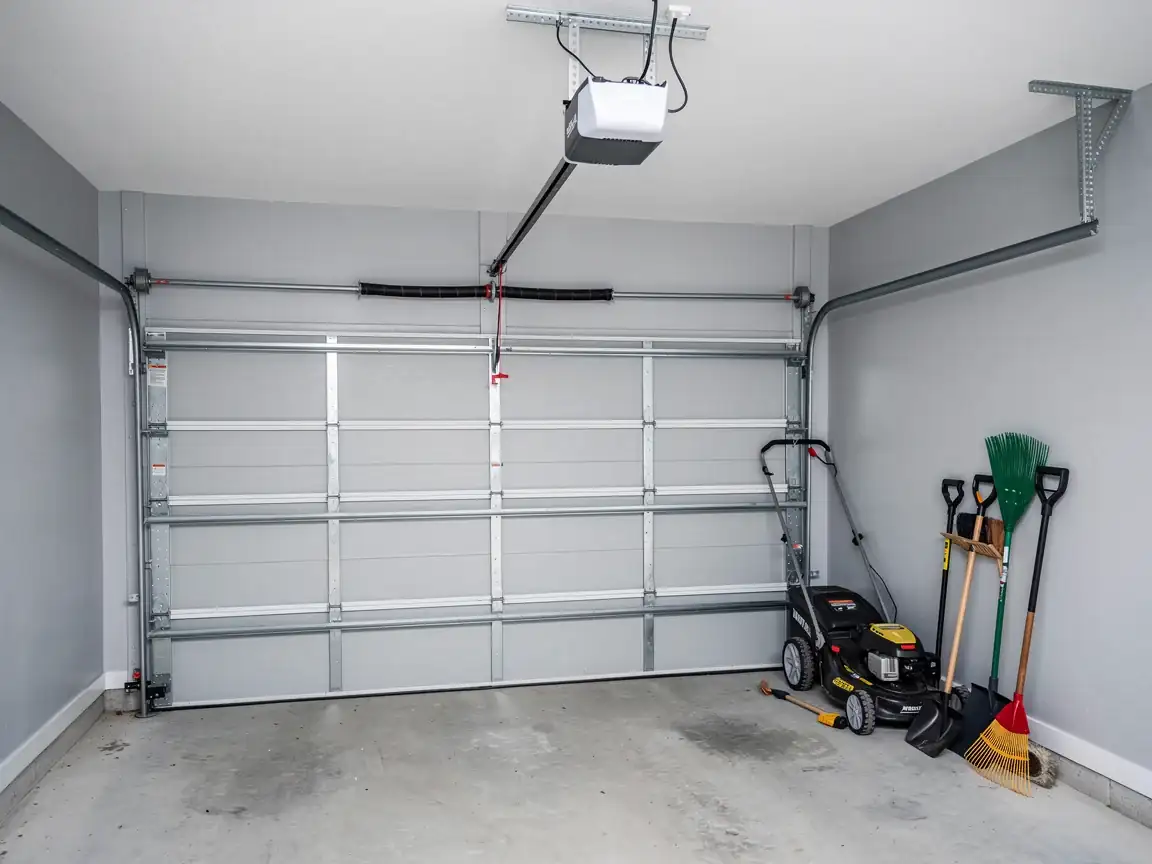
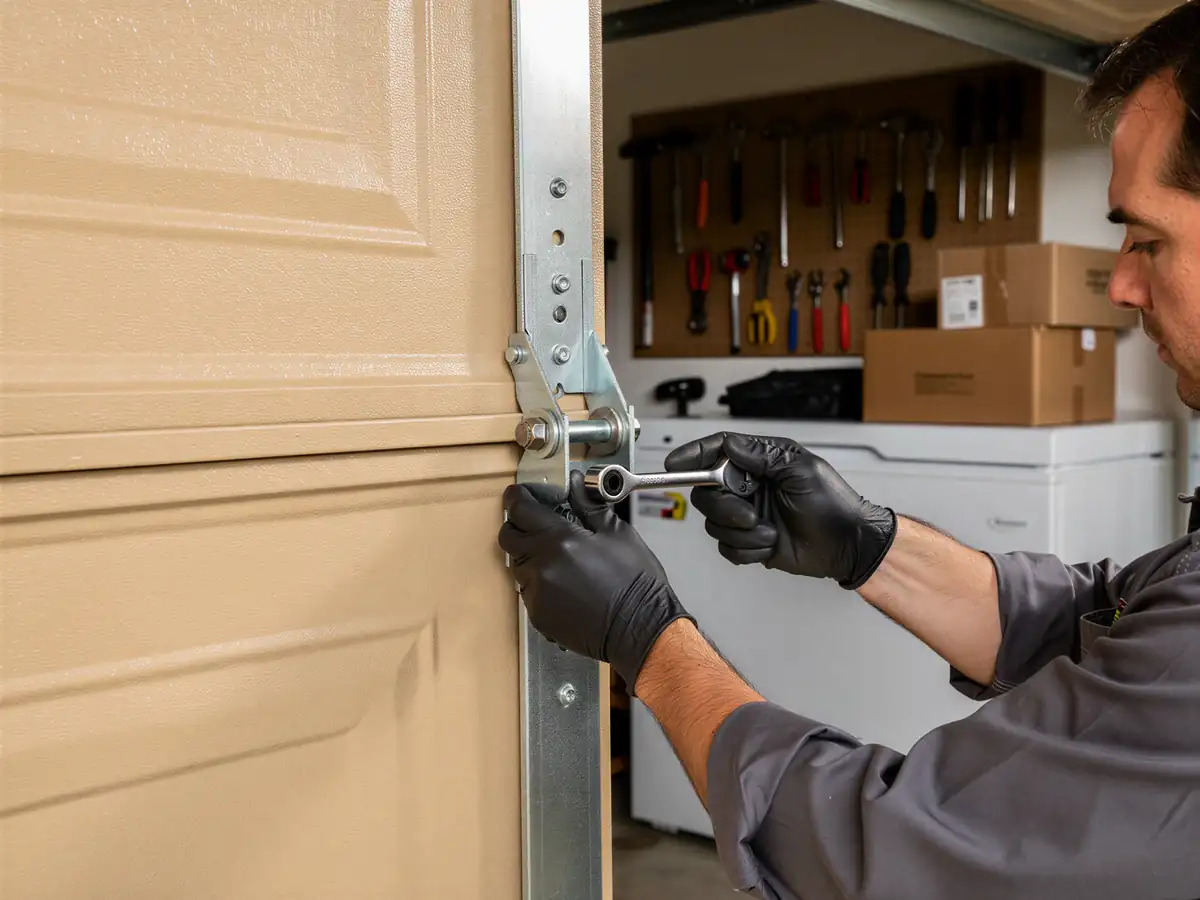
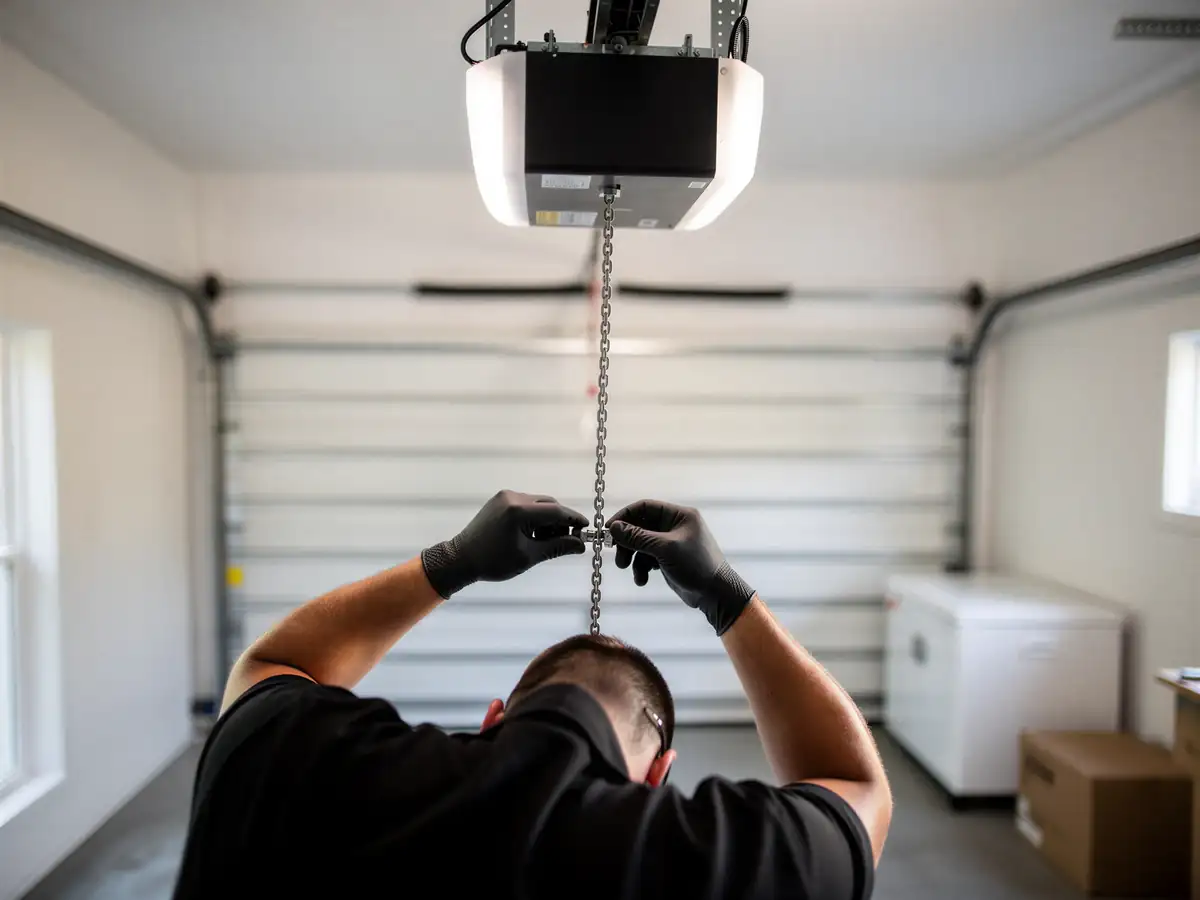
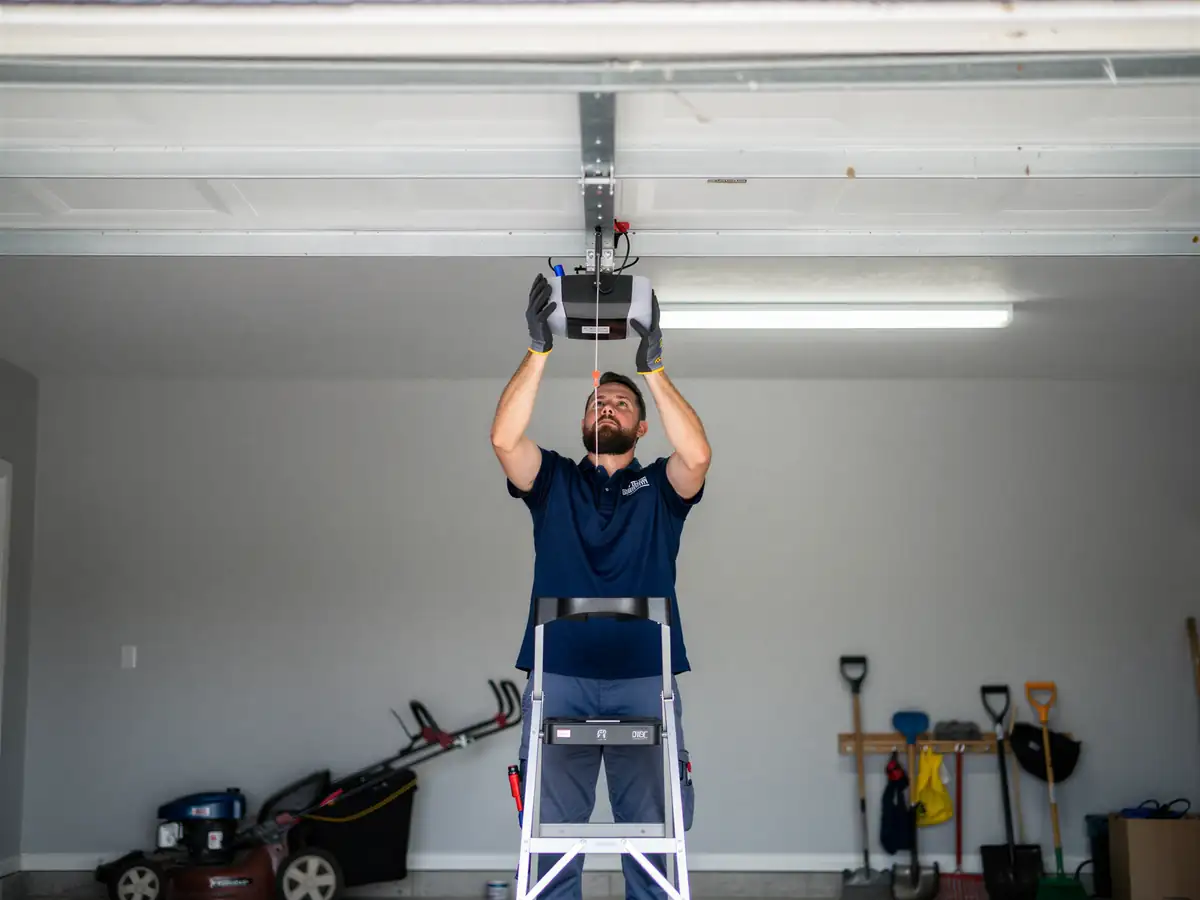
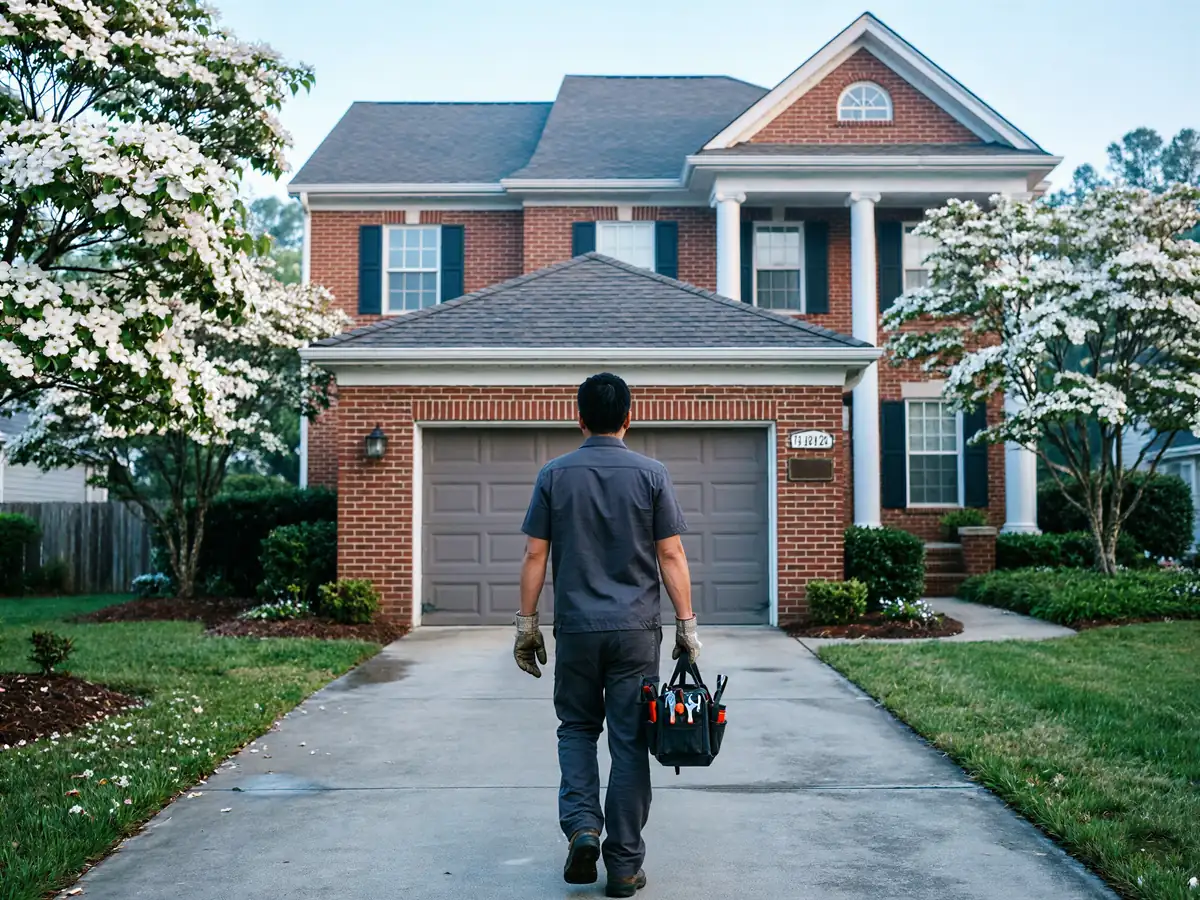
We come from our Winston-Salem shop, about 12 miles out, so the job gets scheduled around the drive, not worked in on a whim. On site, the first thing we check isn't the door panel - it's the spring and the track mounting, since a lot of late-90s builder installs used lighter hardware that wasn't meant to carry a heavier replacement door. If you're staying with a similar-weight door, we pull the old one, check the track for square, and set the new door on the existing hardware where it's still sound. If you're going heavier or adding insulation, we requote the spring and sometimes the opener before we order anything, because an opener rated for a 90-pound door won't lift a 130-pound one safely for long. We measure the opening on site rather than going off builder specs, since even same-era subdivisions vary by a few inches. One thing we won't do: install a heavier door on hardware we haven't verified can take it. That's not us being cautious for no reason - it's the fastest way to end up back at your house in six months.
Why This Fails Locally
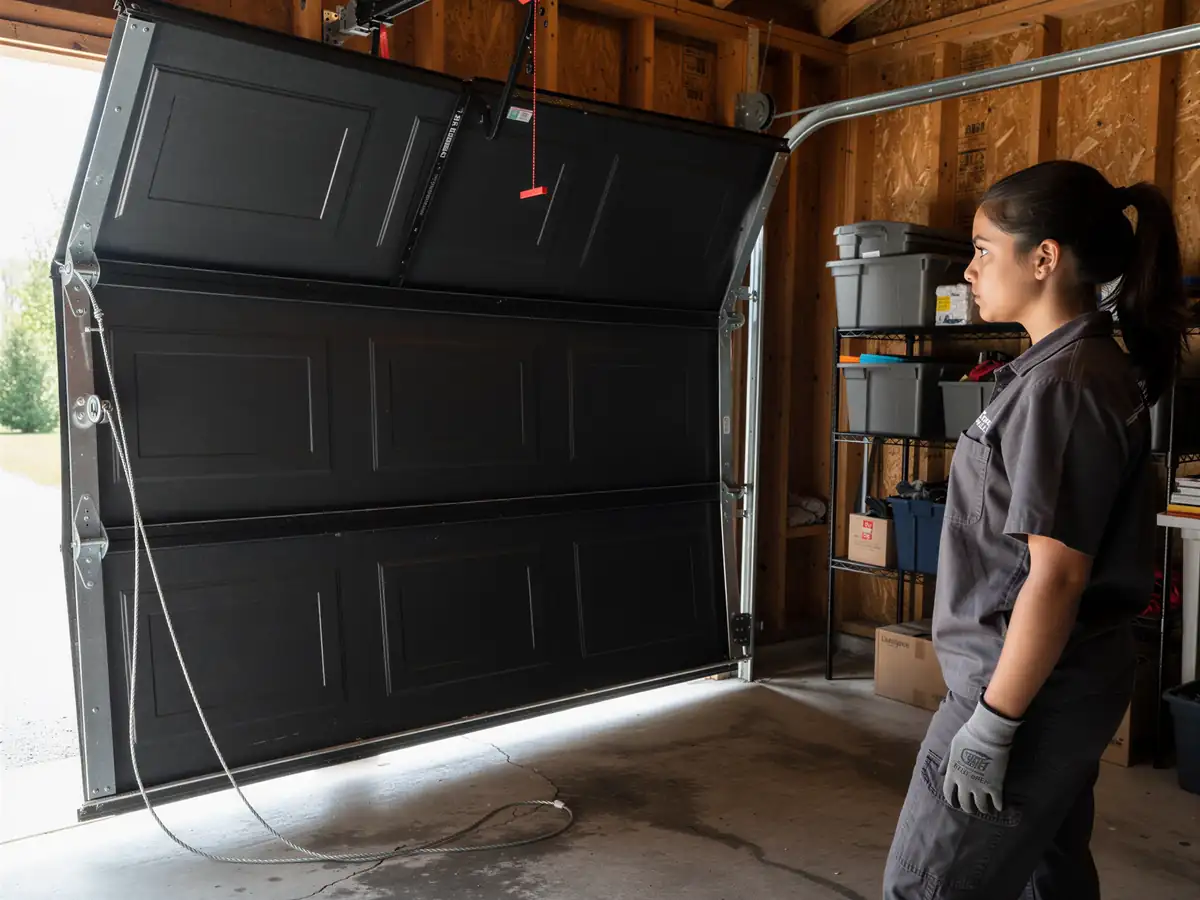
A door going up in 1998 was built to the energy and hardware standards of that year, not today's. In a cold-moderate climate like this one, builder-grade doors from that period usually shipped uninsulated or with a thin foam layer that's since sagged or come loose from the panel backing - you can often feel it flex if you push on the middle of a panel. The springs are the other weak point: torsion springs are rated for cycle counts, and a spring installed when the house was built has had two and a half decades of openings and closings on it. It doesn't announce itself failing - it just lets go, usually on a cold morning when the steel is tightest. None of this is a Bermuda Run-specific defect; it's what happens to any door built to late-90s spec in a climate that swings cold. The fix isn't a patch. Once a spring from that era goes, we replace it rather than try to match it, since matching old coil stock to today's door weights is rarely worth the risk.
How Long You Are Without the Door
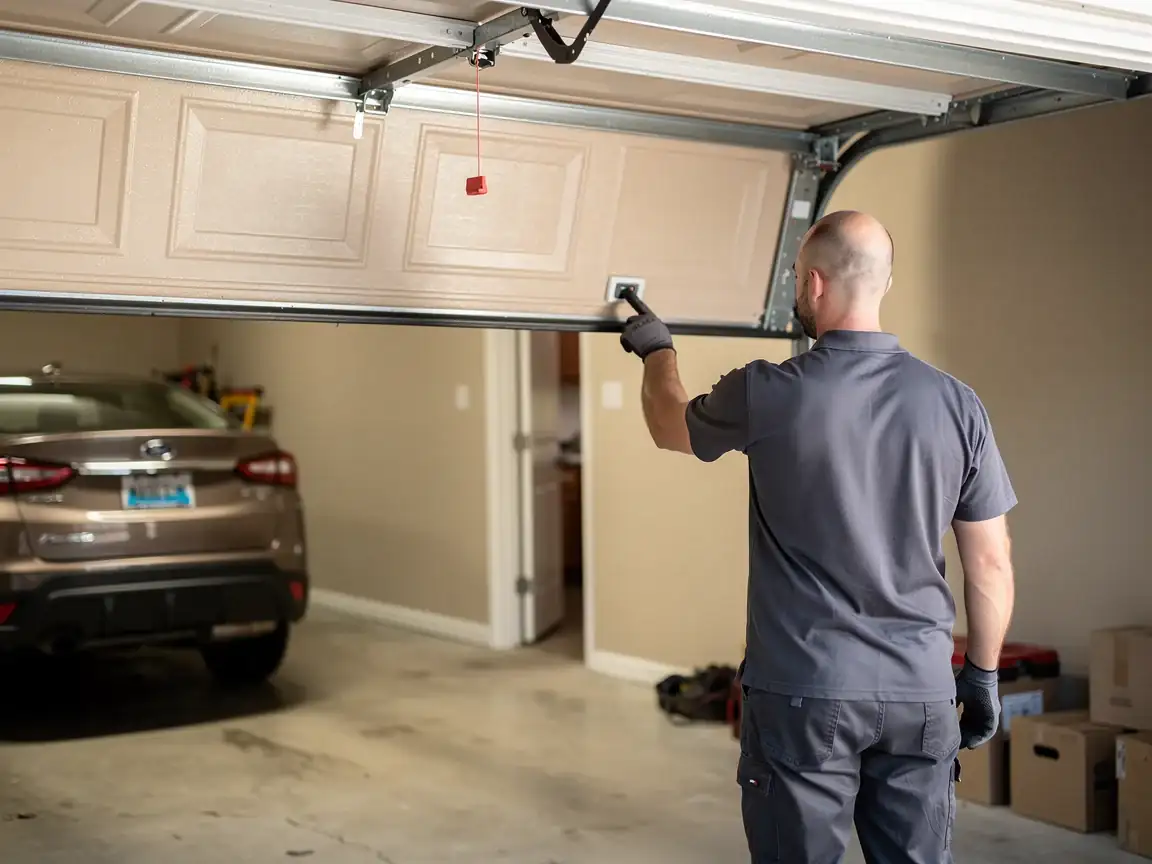
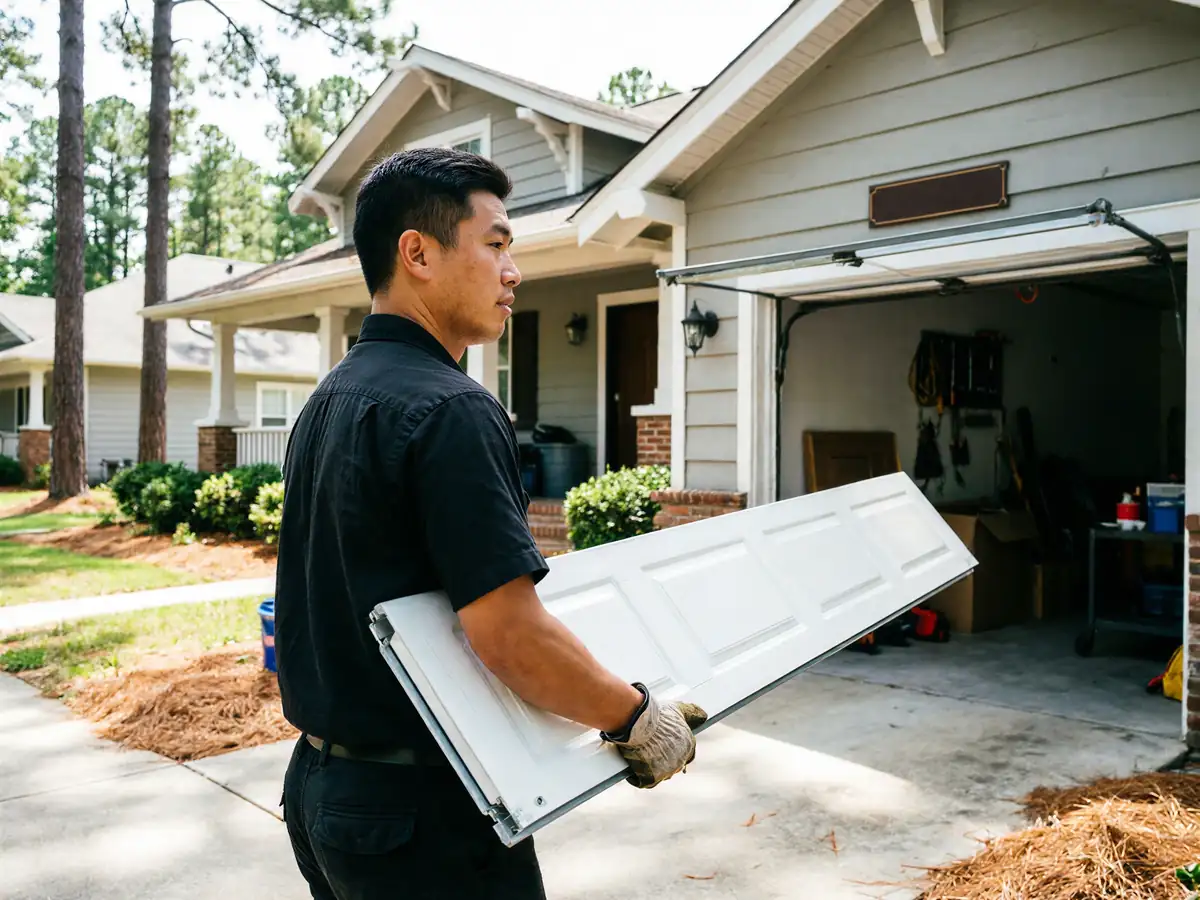
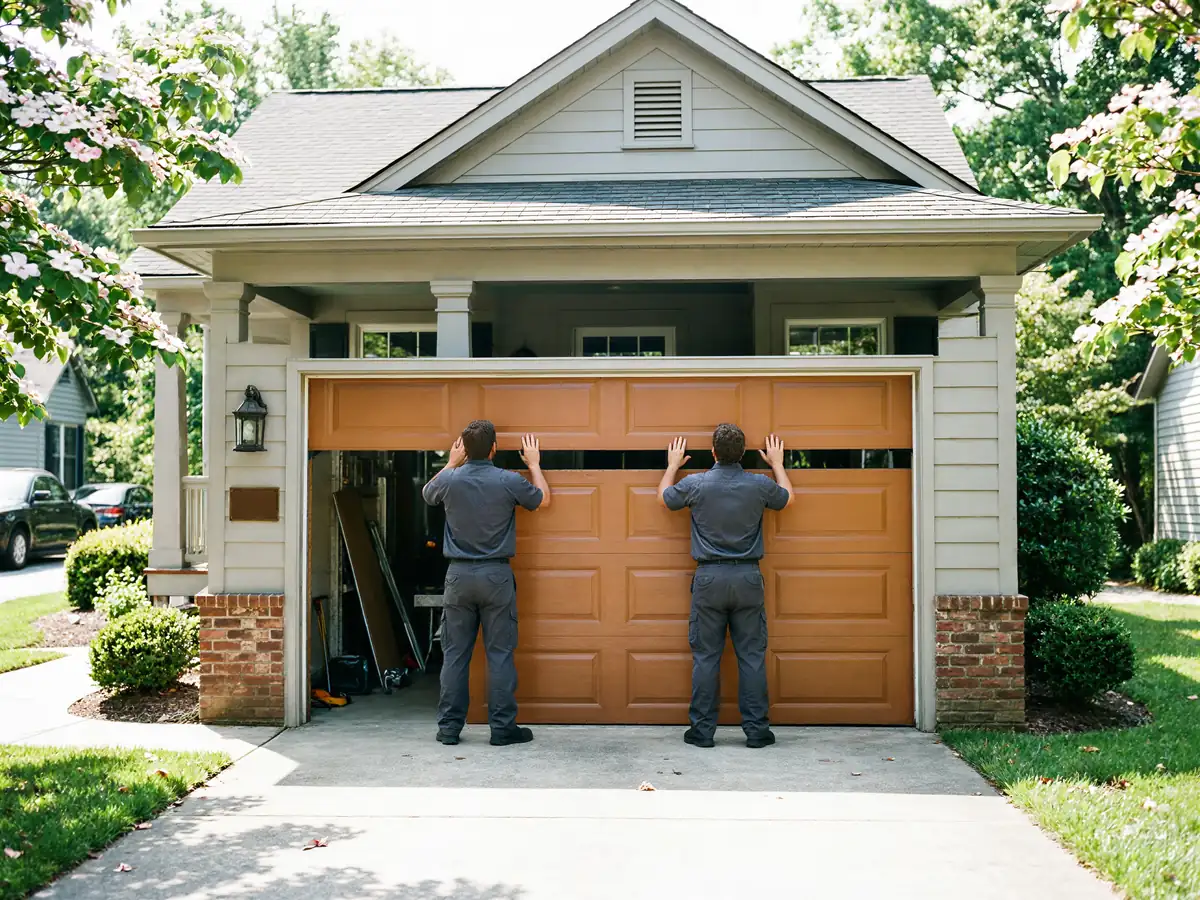
A straight swap - same size, similar weight, existing track in good shape - is usually done in a single visit once we're on site, door off and new one hung the same day. Where it stretches out is parts: if your opening needs a non-stock size, or you're upgrading to an insulated door that has to be special-ordered, that lead time sits outside our control and can add time before we're even scheduling the install. We'll tell you at the quote stage whether your door is a stock size or a special order, so you're not guessing. Worth saying plainly: if your spring has already failed and the door won't open, we're not going to leave your garage exposed for days waiting on a custom order - we'll talk through a stock door that fits now, with the option to upgrade later, rather than leave a 12-mile round trip hanging on backordered hardware.