Getting It Booked In
Kernersville sits about 10 miles from our shop in Winston-Salem
Which is close enough that an opener install doesn't turn into an all-day affair, but it does mean we schedule the truck for the job rather than swinging by on a whim between calls closer to home. When you call, we ask for the brand and age of your current opener, whether the door is single or double, and if you know the horsepower on the unit now. That lets us load the right opener, rail length, and mounting hardware before we leave, instead of guessing and driving back. Most Kernersville installs are straightforward because the housing stock here is fairly uniform in age, which means the bracket and header clearance problems we run into are predictable rather than one-off surprises.
- 10 miles
We don't keep a branch or a dispatcher stationed in Kernersville itself
Every job here is run out of Winston-Salome, so if you're calling at the end of the day hoping for a same-hour fix, say so up front and we'll tell you honestly whether that's realistic given the drive.
How Long You Are Without the Door
A straight-up opener swap, where the rail, header bracket, and wiring are already in decent shape, usually doesn't leave your door stuck open or closed for long once the truck is on site. The 10-mile drive from Winston-Salem adds to the front end of the appointment window, not to the work itself. Where it stretches out is when the header bracket behind the opener has to be replaced too - common on houses built around 1993, which is the median build year for homes in Kernersville - because the original wood backing has often dried and split after three decades, and that's not something you spot until the old unit comes down.
If we hit that, we'll tell you on the spot rather than leave the opener half-mounted. It's a short extra task, not a second visit, but it does add time to the job that a straight swap wouldn't need.
What Is on the Truck
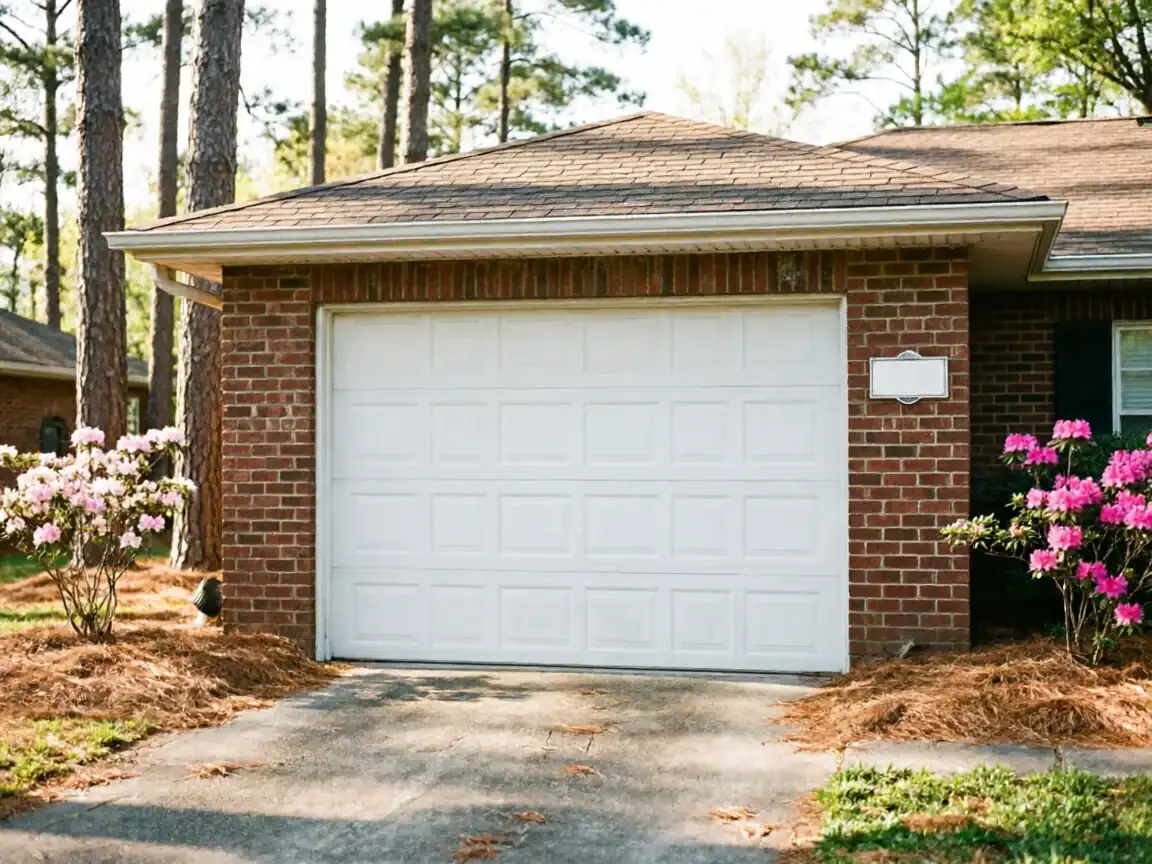
Because so much of Kernersville was built in a fairly tight window around 1993, the trucks running out here carry openers and rail kits sized for the standard 7-foot door height and the bracket spacing common to that era, rather than the mixed inventory we'd pack for an older part of the service area with houses from the 1970s. We also carry extra bolts and lag screws sized for wood header framing, since steel reinforcement plates weren't standard in garages built then.
Winters in this area run cold enough that we also bring weather-rated wiring and cold-tolerant drive belts rather than the cheapest chain-drive units, since a chain that's been sitting in an unheated garage through a hard freeze can bind on start-up. We don't carry every opener brand on the market - if you want a specific smart-home integration that isn't one of the two or three lines we stock, we'll need to order it, and that adds a few days.
How We Fix It
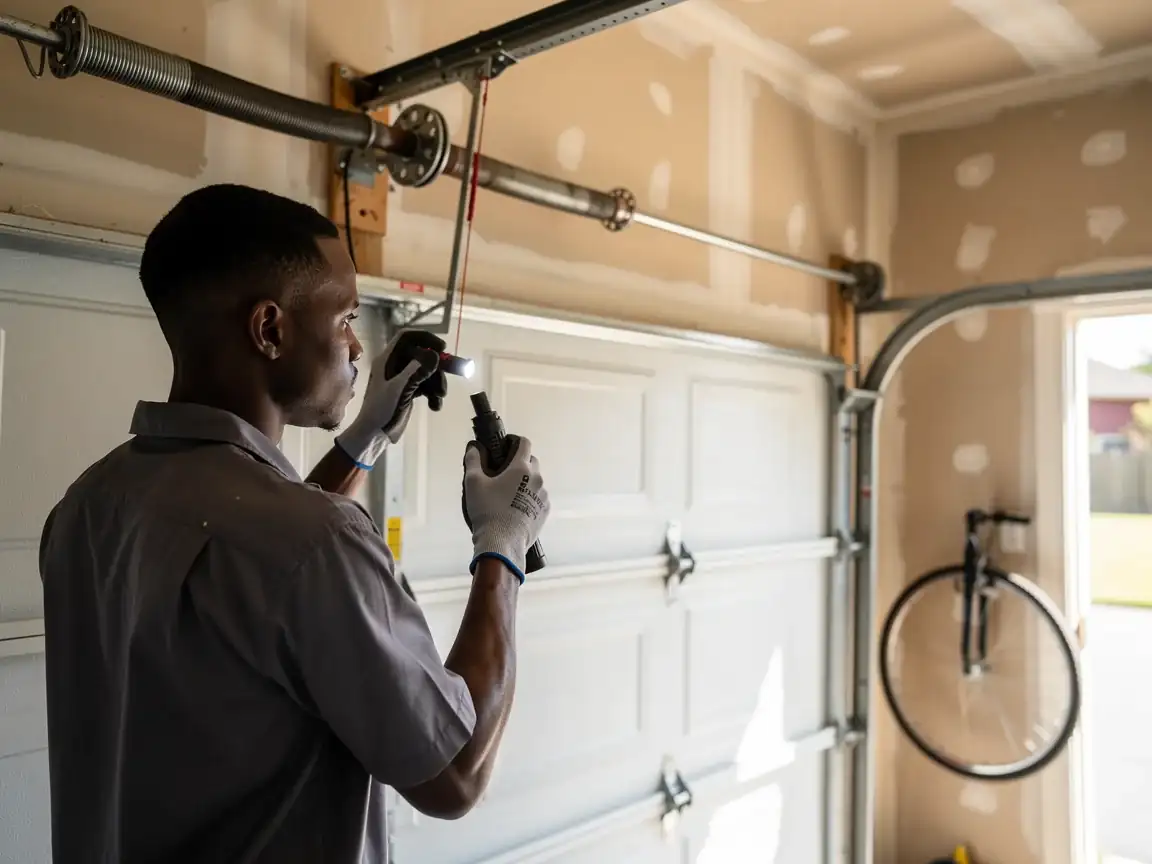
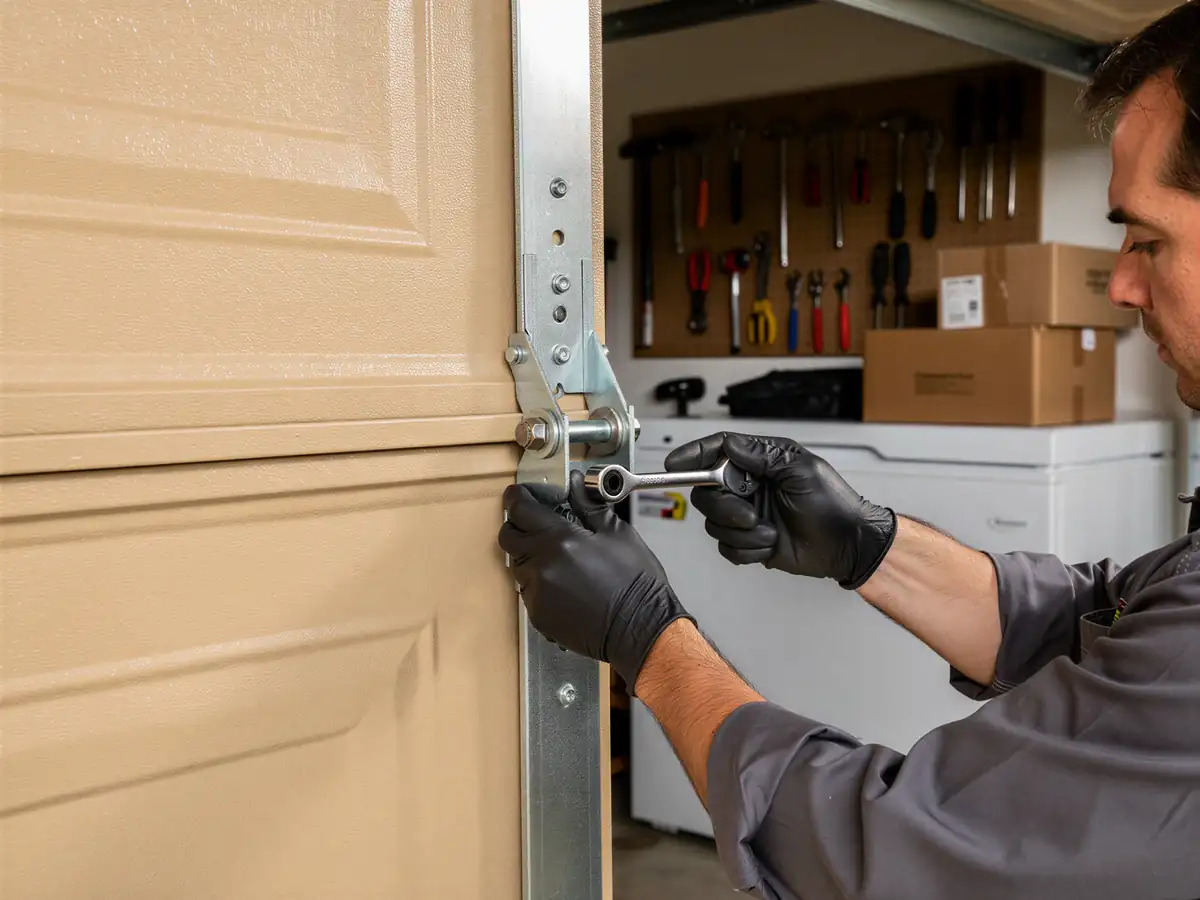
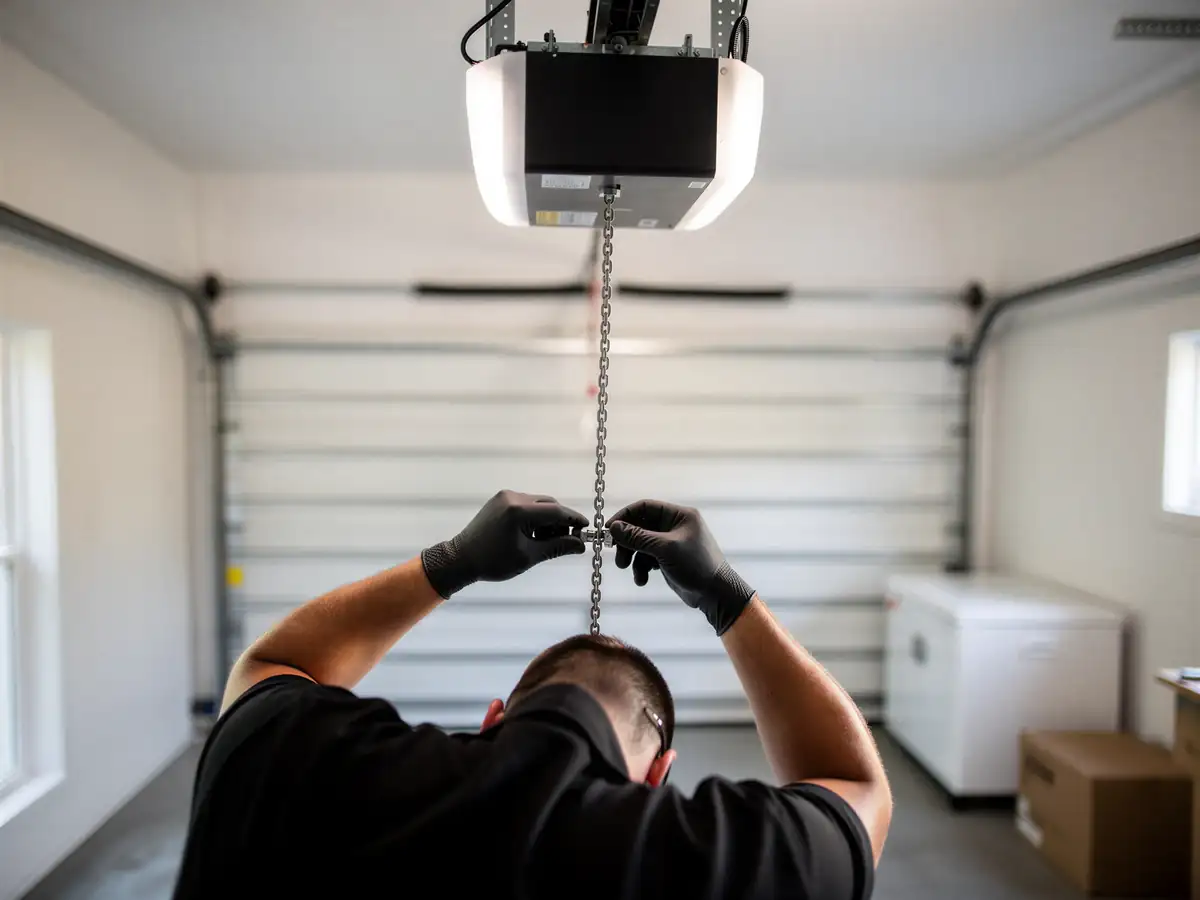
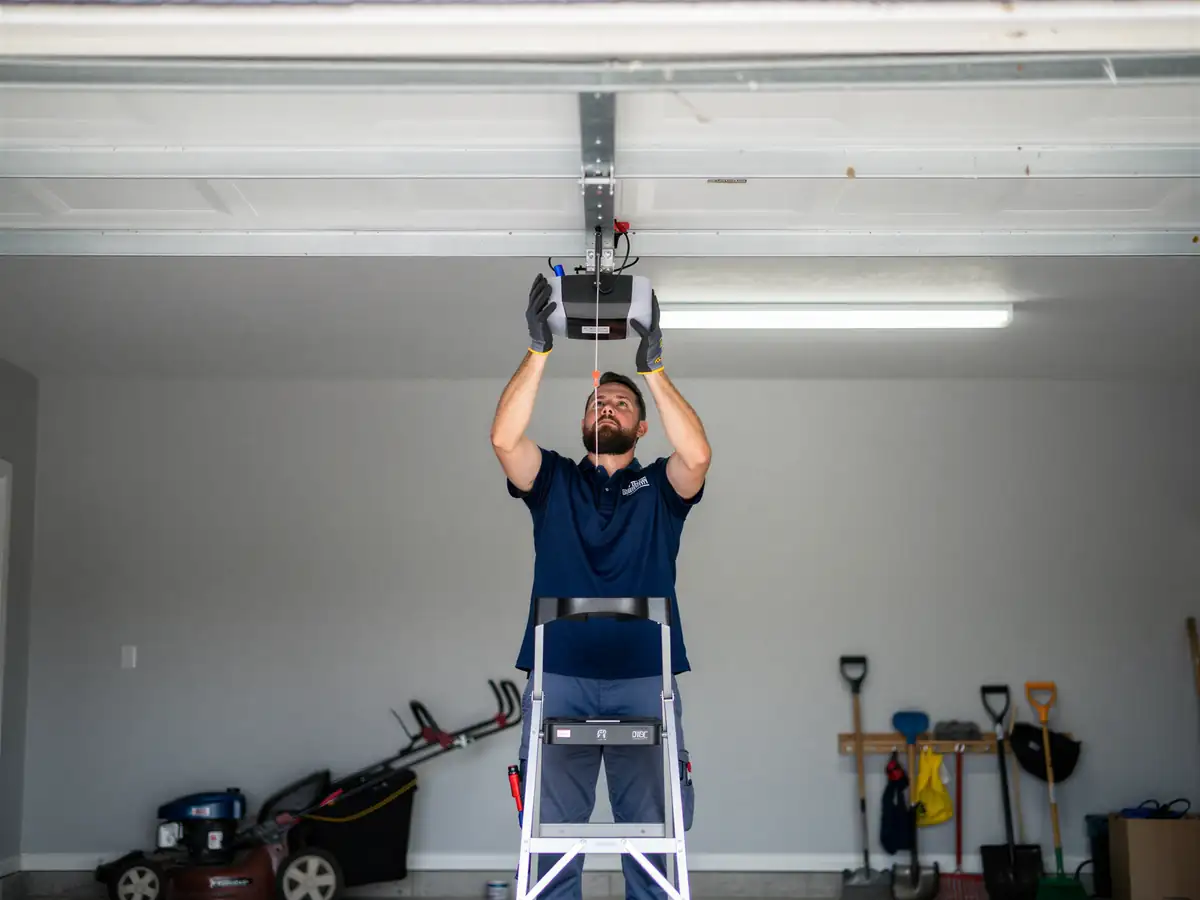
On a typical Kernersville install, we start by pulling the old unit and checking the header bracket and the track alignment before anything new goes up
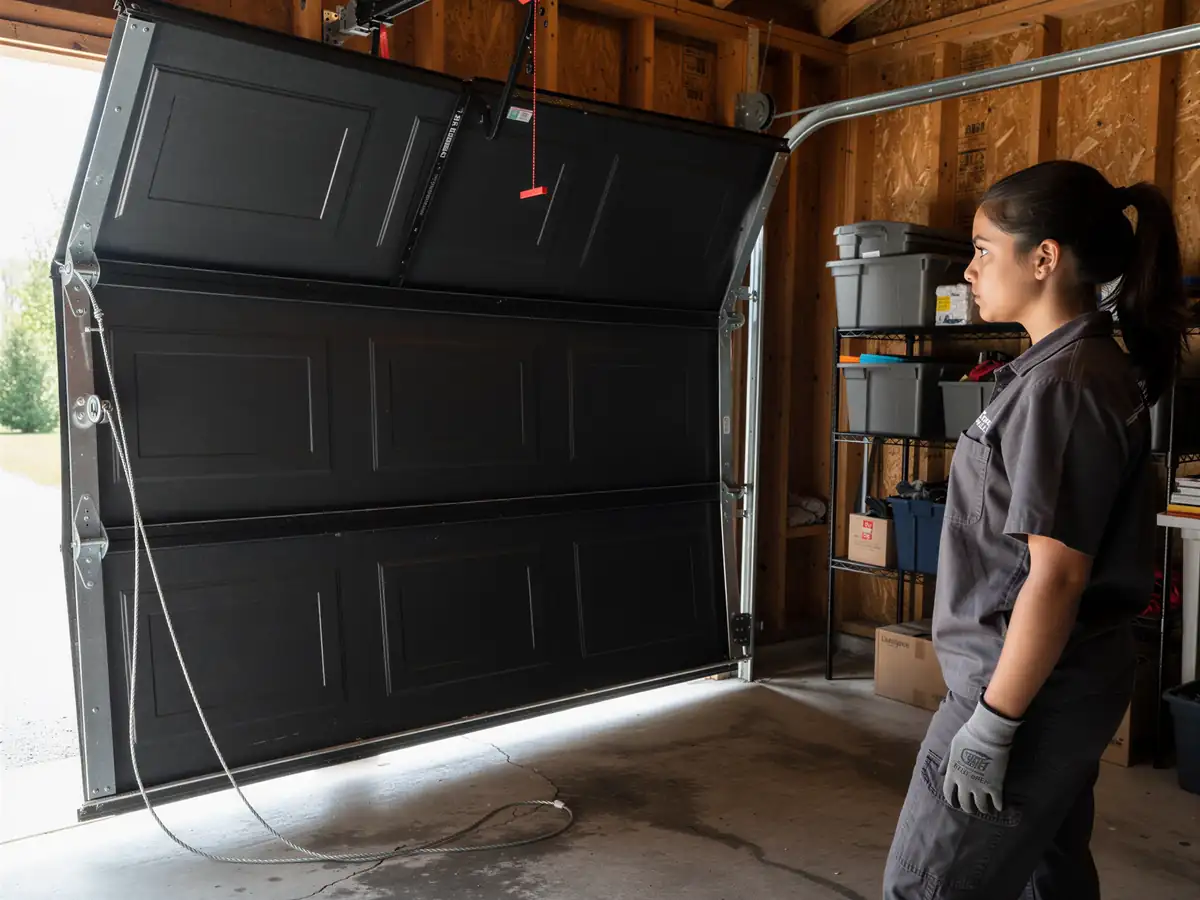
Skipping that step is how you end up with a new opener straining against an old, slightly bent track. We set the force and travel limits by hand rather than trusting factory defaults, since a door that's been running on worn rollers for years often needs more force to clear the same distance than a brand-new door would.
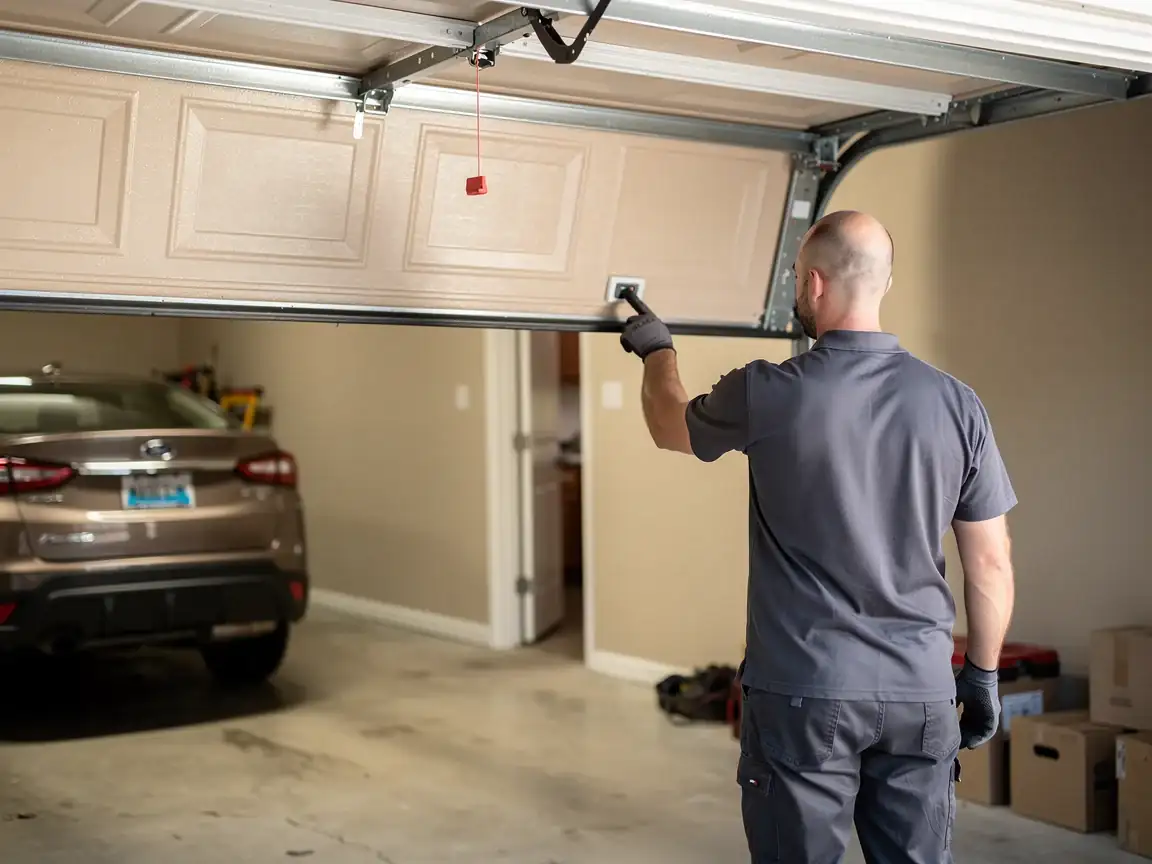
We test the auto-reverse safety sensors every time
Not just on install day but by walking you through how to check them yourself afterward, since that's the one safety feature homeowners forget exists until something goes wrong. If your door panels themselves are original to a 1993-era build, we'll flag if they're too heavy or warped for a standard opener motor to handle well long-term - sometimes the honest answer is that the opener isn't the problem, the door is.
Why This Fails Locally
The opener failures we see most in Kernersville trace back to two things: the age of the housing stock and a winter that gets cold enough to matter. Garages built around 1993 often have openers that are themselves original or close to it, meaning the drive gear, the capacitor, and the logic board are all pushing 30 years old at once - when one part goes, the others usually aren't far behind, which is why a repair call out here often turns into a full install instead.
Cold also plays a role nobody expects until it happens to them: a chain-drive opener that's fine in July can struggle to pull a door through a stiff, frozen track in January, especially on doors that haven't had their rollers lubricated in years. With median household income here running a bit under the wider service area average, we try to be upfront when a $40 roller and track service would solve the problem instead of a full opener replacement - it doesn't always, but it's worth ruling out first.