Getting It Booked In
King sits 13 miles out from our Winston-Salem shop
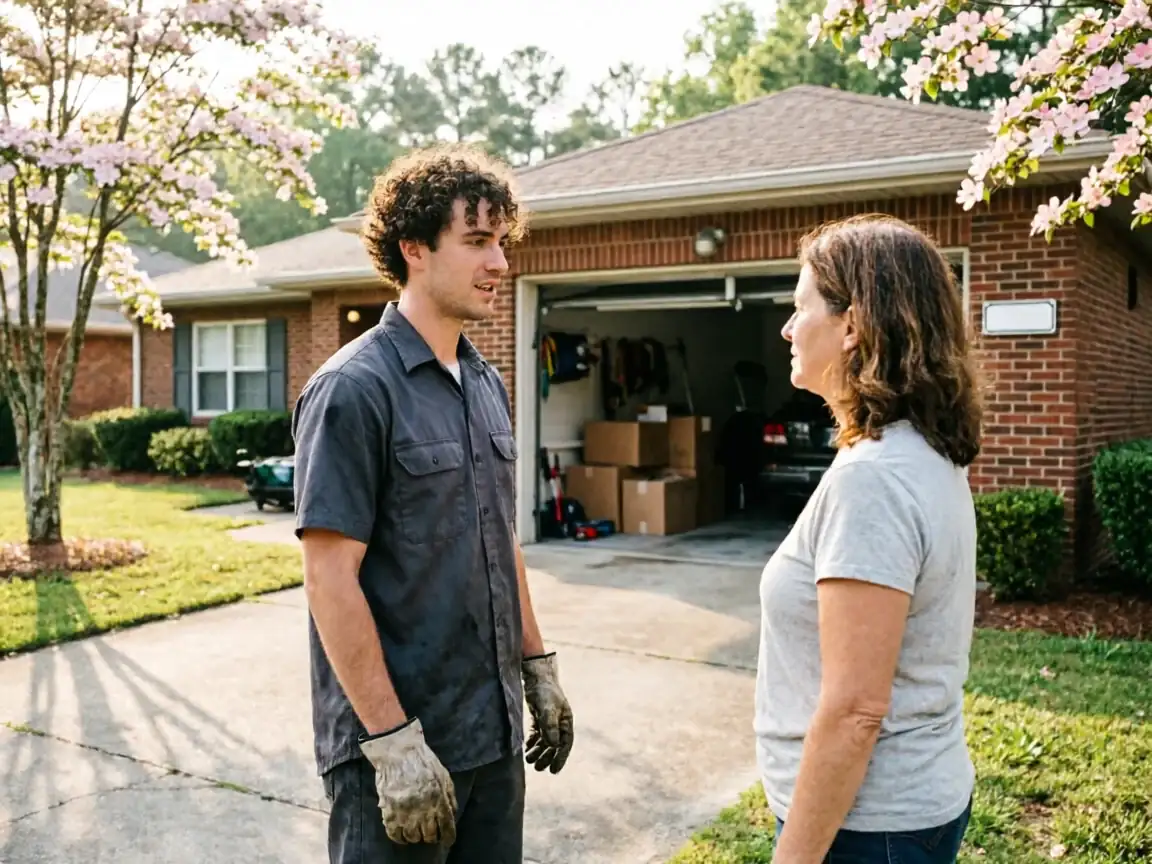
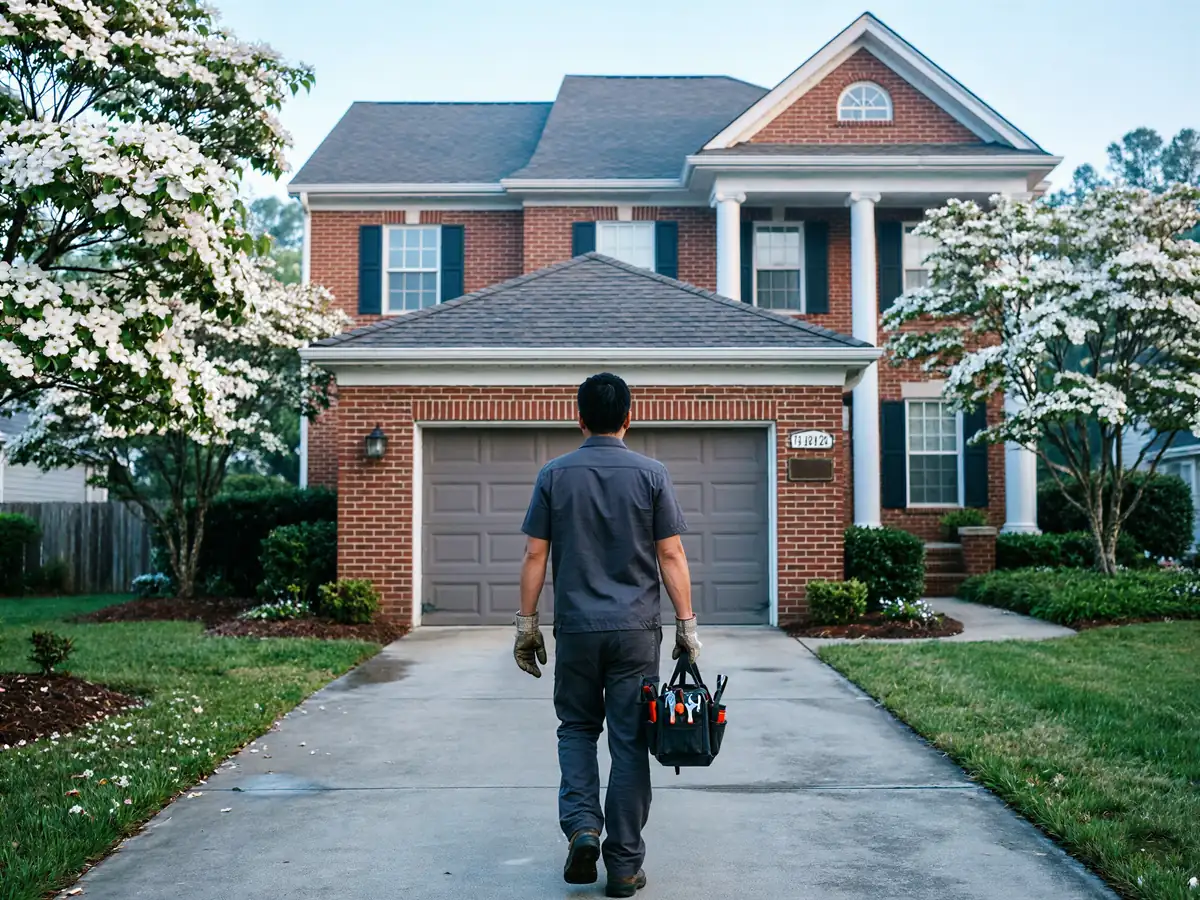
Which is close enough that an opener install doesn't turn into an all-day affair, but far enough that we plan the truck's route for the day rather than treating it as a drop-in stop between closer jobs. When you call, we ask what you're replacing and whether the door itself is original, because that changes what we load before we leave. A chain-drive swap on a door that's still square is a different truck load than a full bracket rebuild on a header that's sagged.
- 13 miles
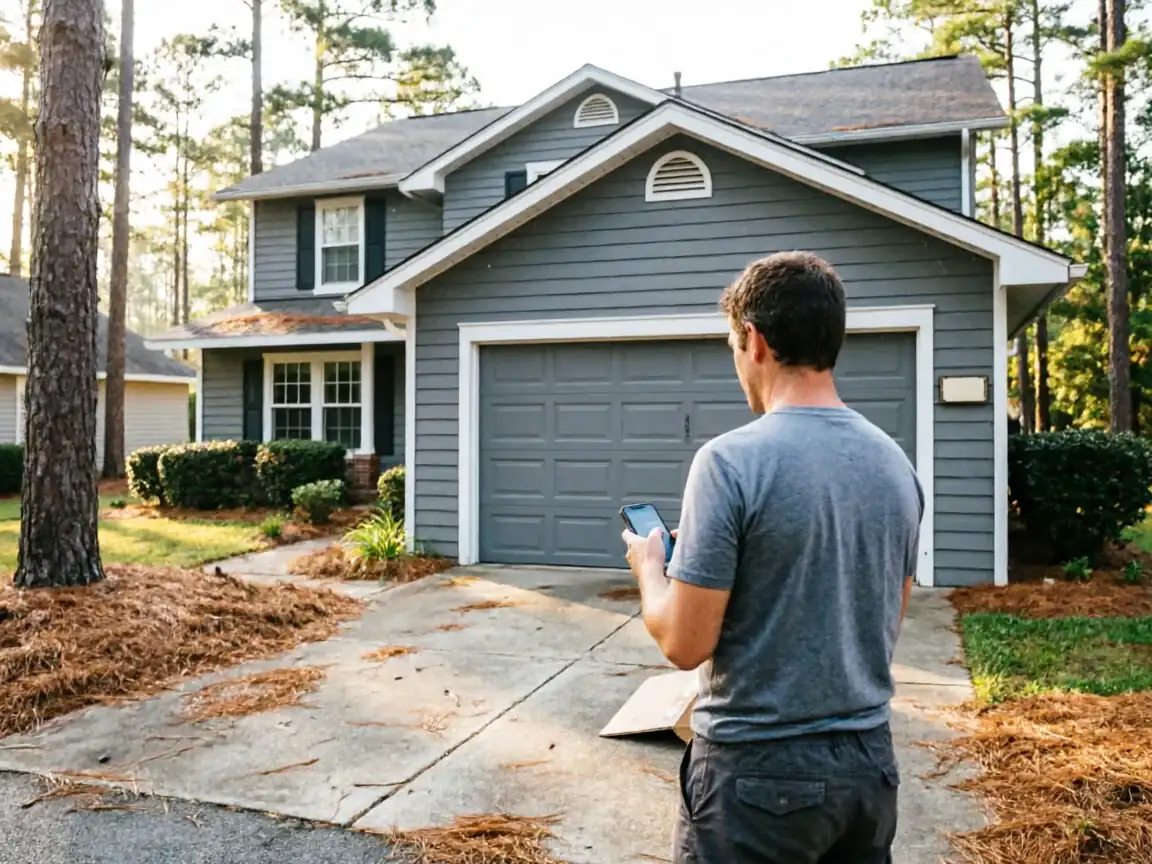
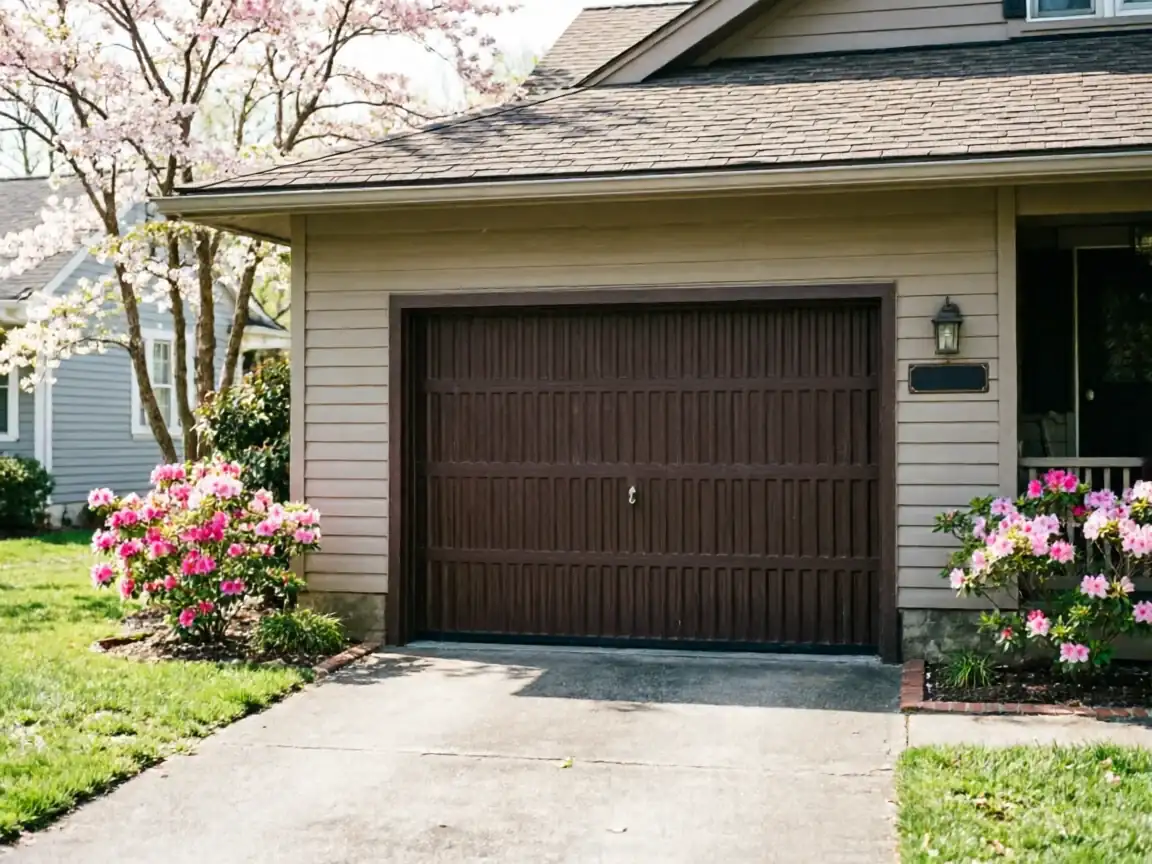
Most of the houses we go out to in King were built around 1986
Which lines up with the wider service area's 1973-2002 stock. That era matters more than people expect for opener work - the framing, the header clearance, and the kind of bracket already up there all follow from when the house went up. We'd rather know that before we're standing in the garage than find out once we're there and have to make a second trip for a part.
We don't keep a branch in King itself
Every job here is a trip from Winston-Salem, so if you need a specific day or a tight morning window, say so when you call and we'll tell you straight whether it fits the route that day.
Can You Do This Yourself
A new opener unit itself isn't the hard part - most come with a reasonable install guide and the electronics are plug-and-play compared to what they were years ago. Where people in King get into trouble is the bracket and header work on houses from the 1980s stock, where the original framing wasn't built with today's heavier opener units in mind. Mounting a new unit to a header that's already flexed, or reusing a bracket that's rusted at the weld, is how you end up with an opener that works for six months and then starts grinding.
If your garage is a straightforward single door, the track is straight, and you're comfortable with basic wiring and ladder work, a lot of owners manage a opener swap themselves. What we'd tell you to stop and call for: if the existing unit is hardwired into an older breaker setup, if the header looks soft or has any visible crack, or if you're not sure the current bracket can take a new motor's weight. Those aren't places to guess. We'll say plainly when a job is simple enough to skip the call - not every opener swap needs us.
How We Fix It
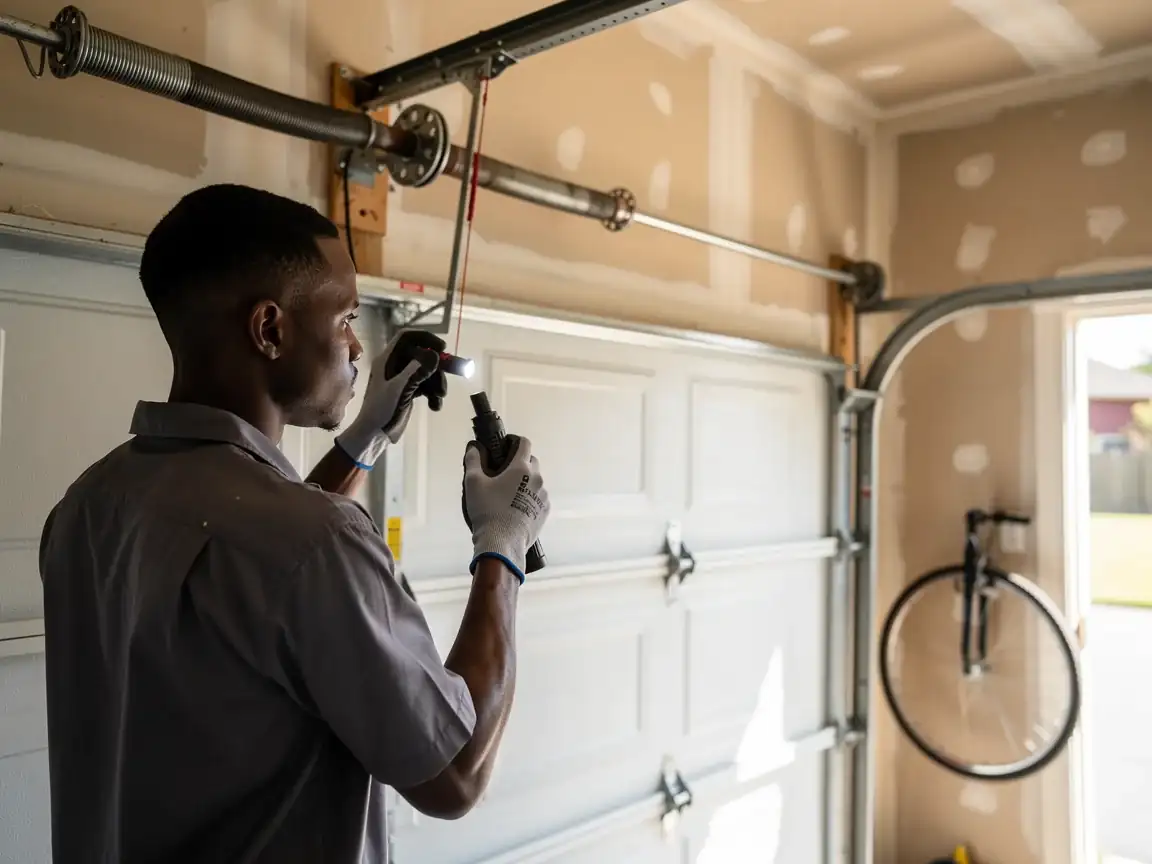
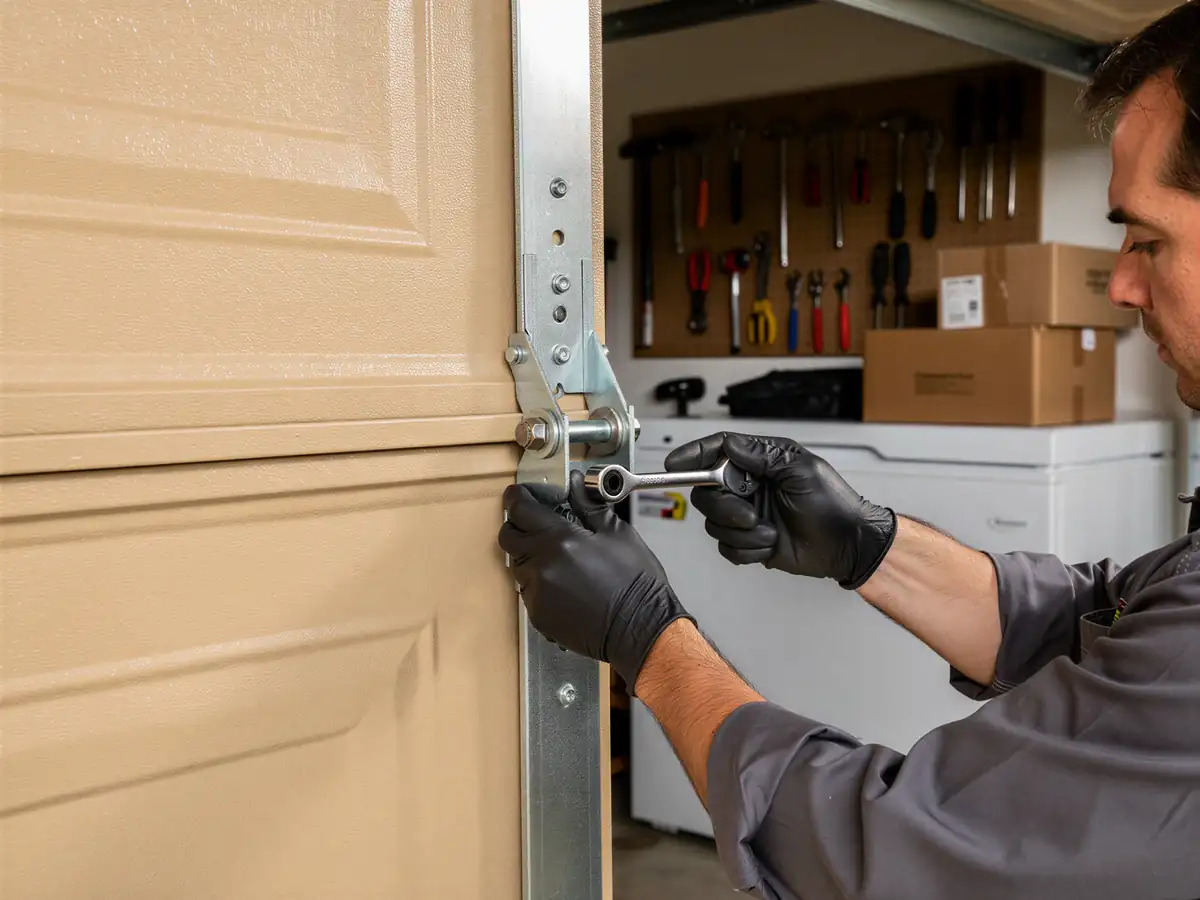
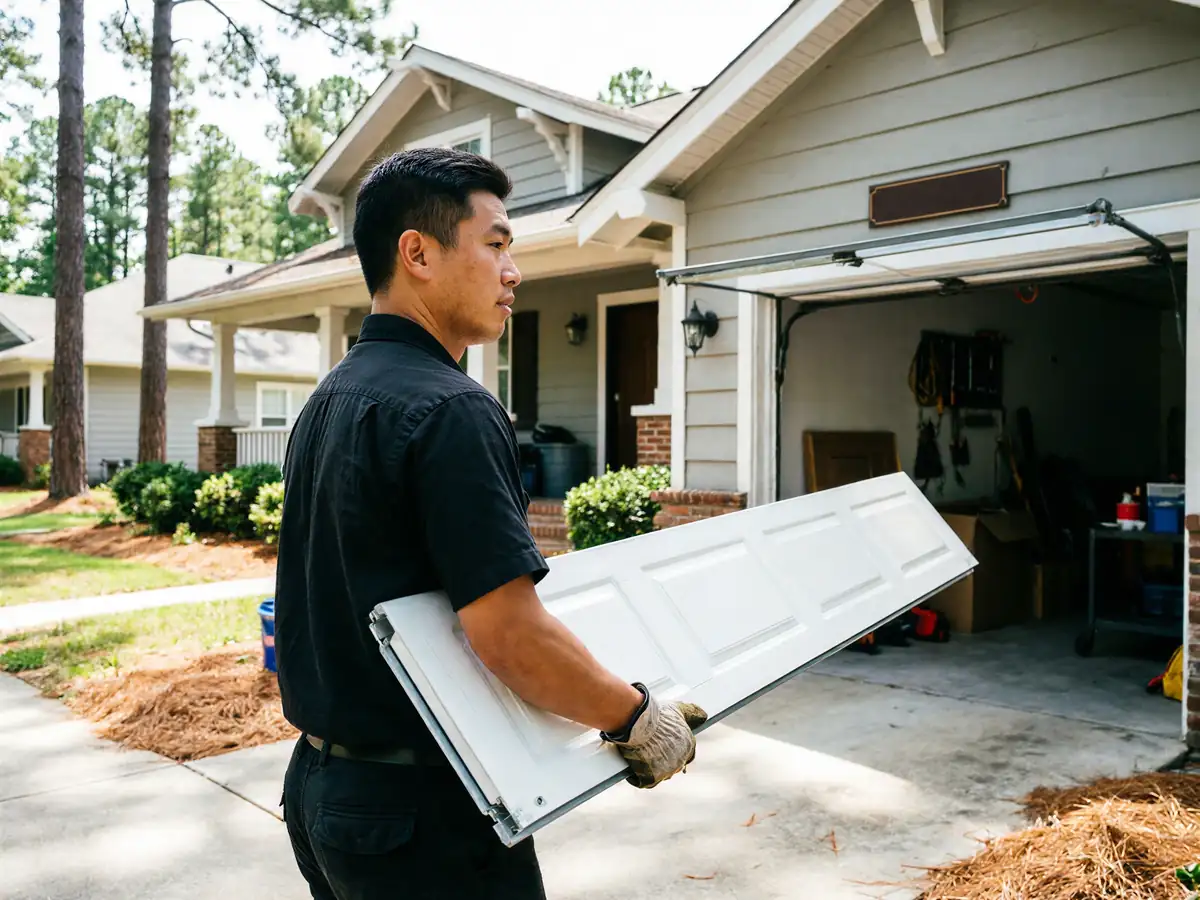
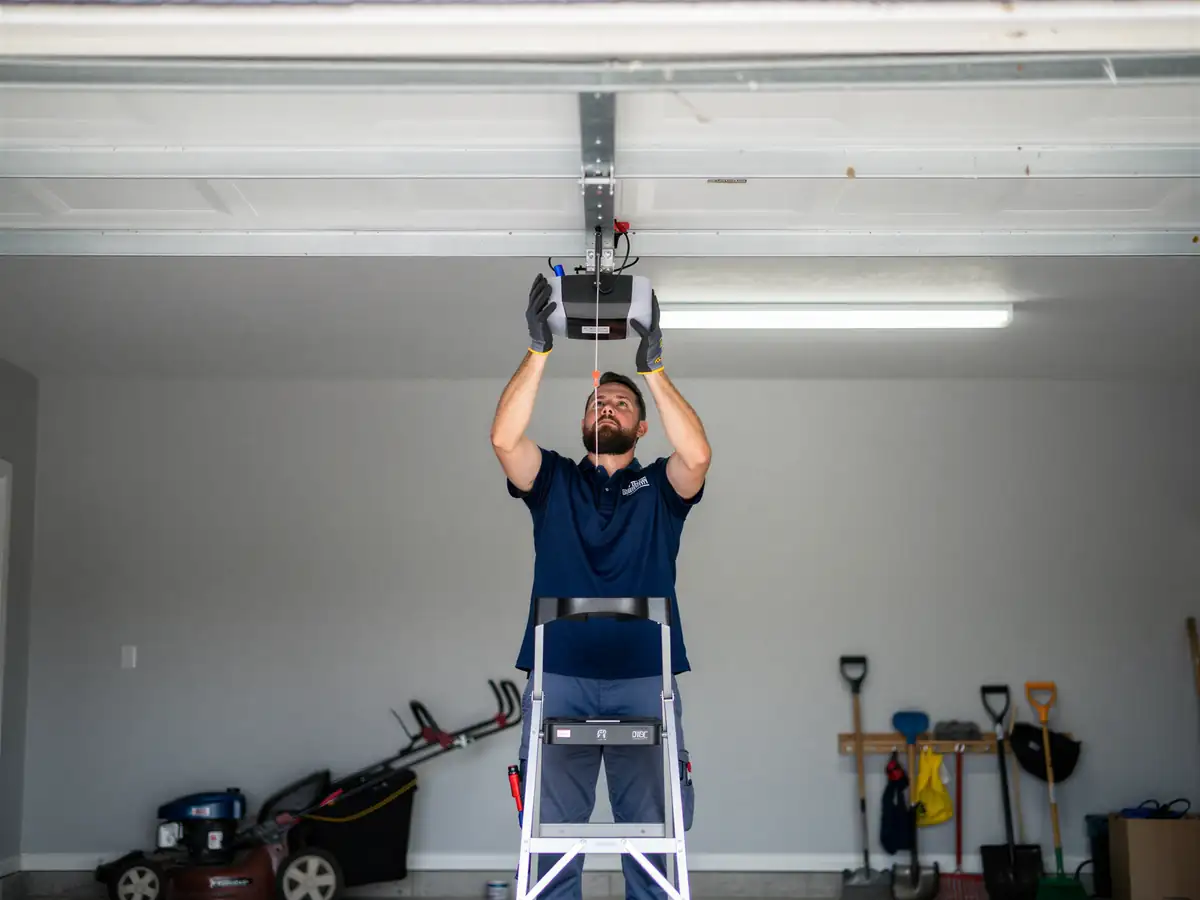
On a straightforward swap, we pull the old unit, check the header and bracket condition, and mount the new opener to hardware that's actually rated for it - not just whatever's already screwed in. If the header's original 1980s lumber has softened, we reinforce before the new unit goes up rather than hanging a heavier motor off it and hoping.
Winter matters more here than people think. This area sits in a cold, moderate climate band, and opener electronics and travel limits can drift when temperatures swing hard through the season. We set travel limits and force settings with that in mind rather than defaulting to a summer calibration that'll need a second visit come January.
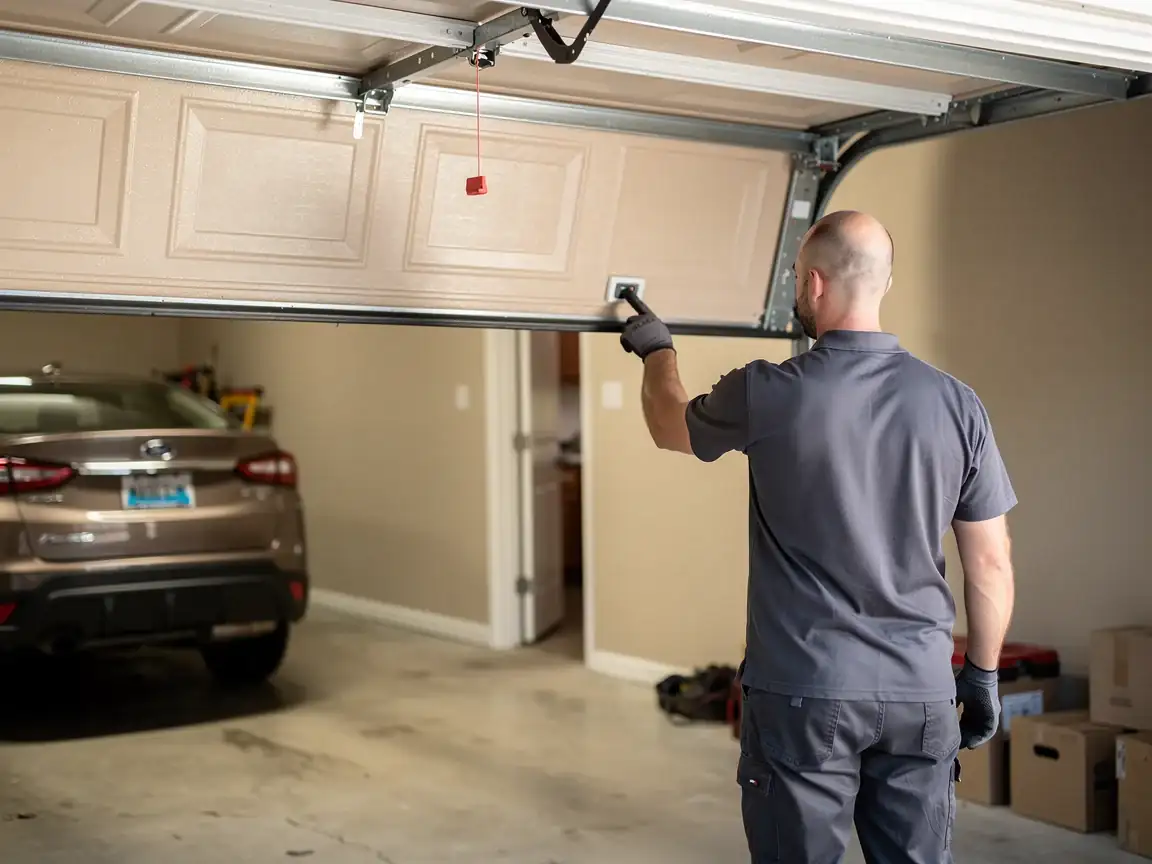
We test the safety reverse and photo-eye alignment every time, not as an afterthought. On King jobs specifically, where we're not swinging back through on a whim, we'd rather spend the extra ten minutes getting the close-force and limit settings right the first time than have you troubleshooting a nuisance reversal alone two weeks later.
What You Are Seeing
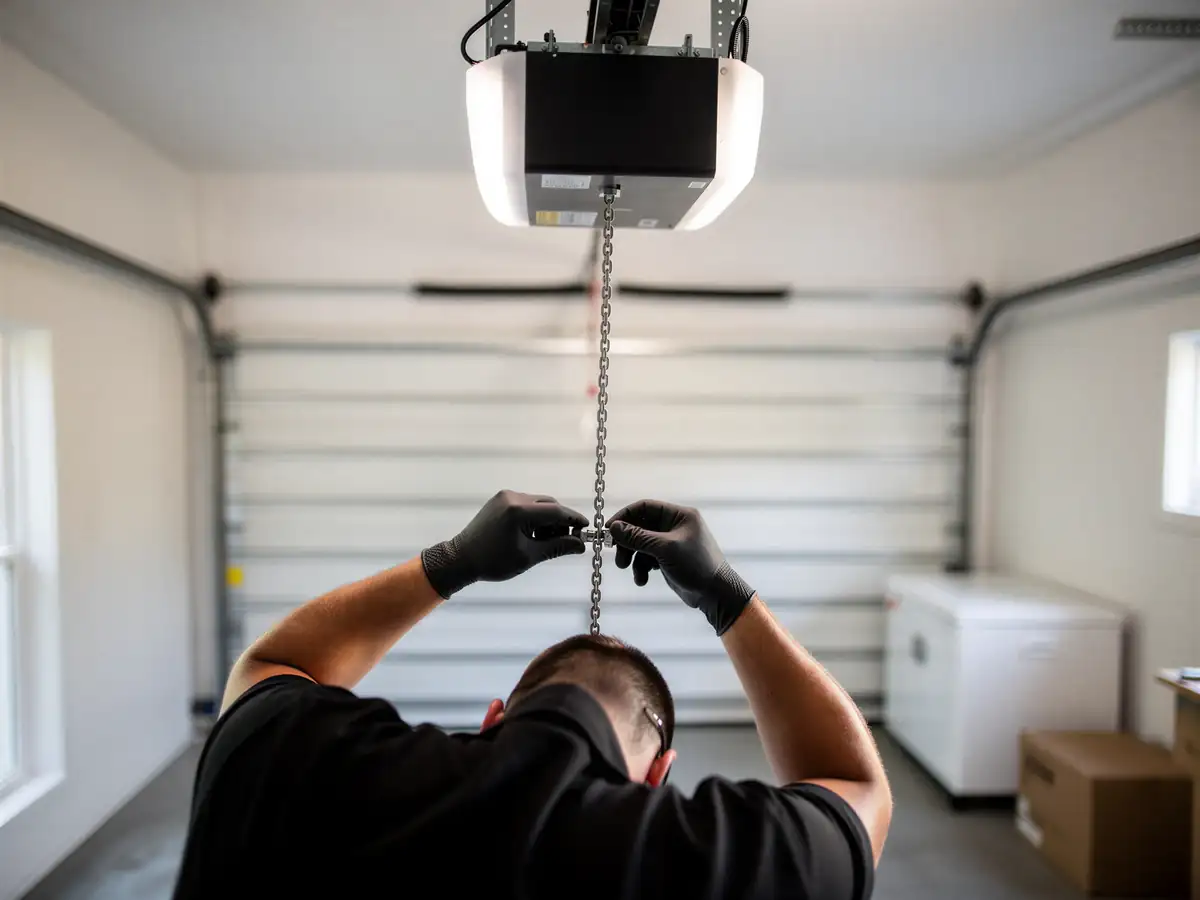
If your opener's chain or belt is slapping, that's usually slack in the drive, not a failing motor
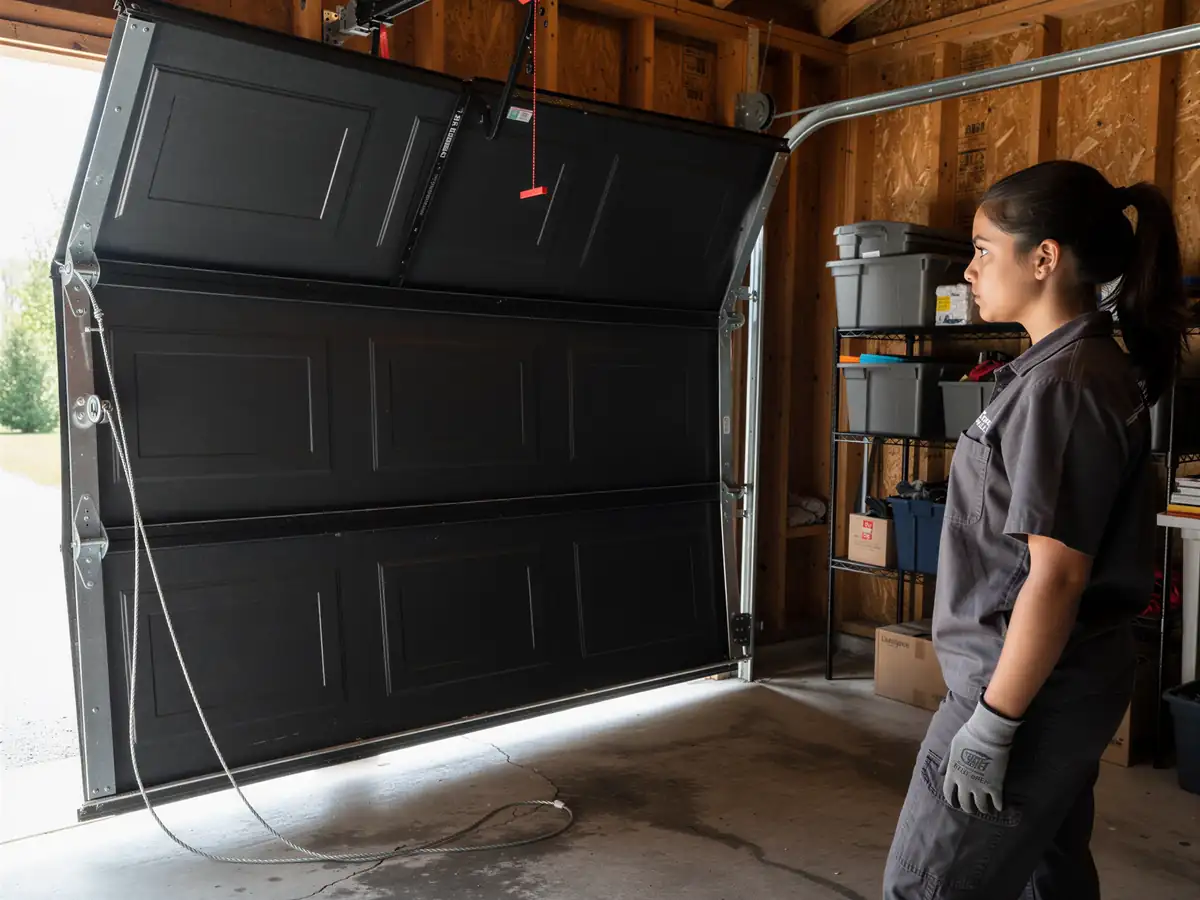
An easy adjustment. If the door reverses right before it closes or won't close at all, check the photo-eye sensors first; dust or a knocked-out-of-alignment eye causes more false reversals than any actual mechanical fault. A unit that hums but doesn't move the door is often the capacitor giving out, which on an older motor usually means replacement is the better call than a repair, since parts for discontinued motor models aren't always stock items.
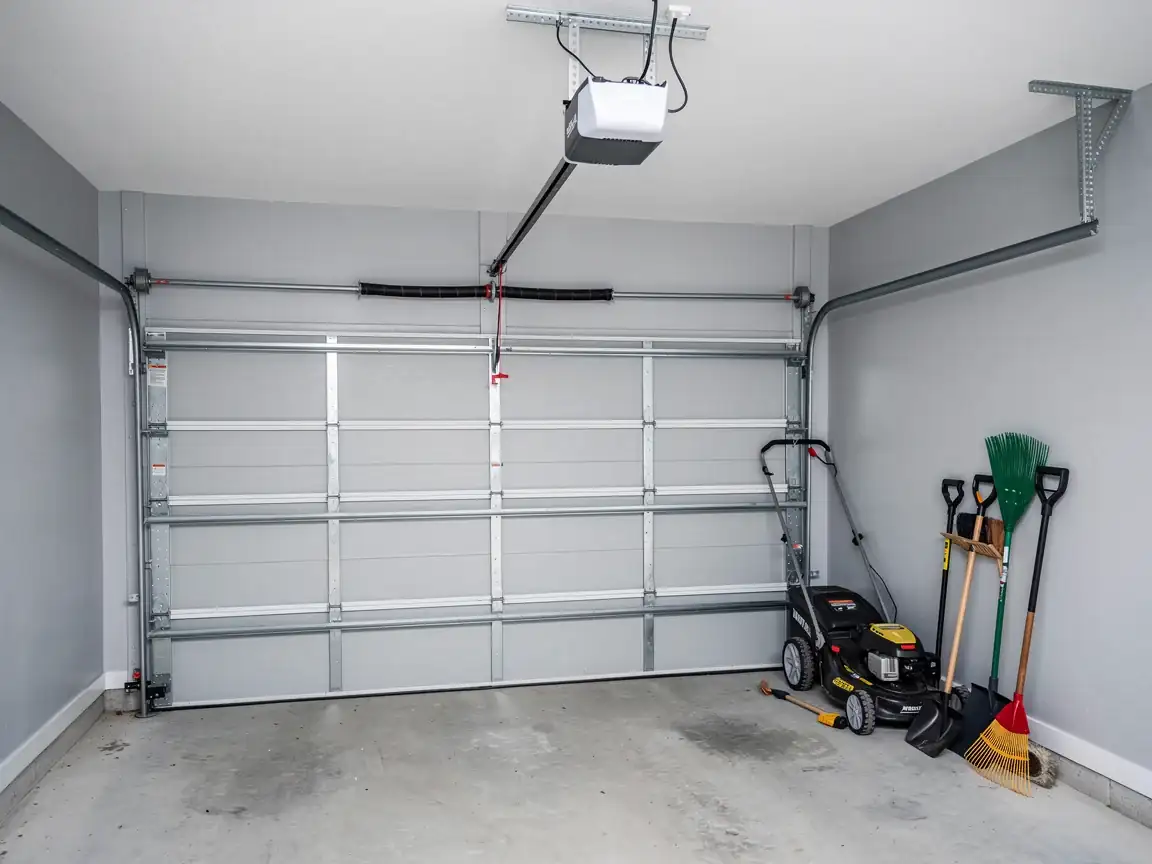
Houses in King built around the mid-1980s often still have the original drive rail and mounting hardware even after the motor's been swapped once already
If your opener is the second or third unit on the same old rail, that rail and its mounting plate are worth a look too - reusing decades-old hardware under a new motor is one of the more common reasons a fresh install starts acting up within the year.