Getting It Booked In
King sits 13 miles from Winston-Salem
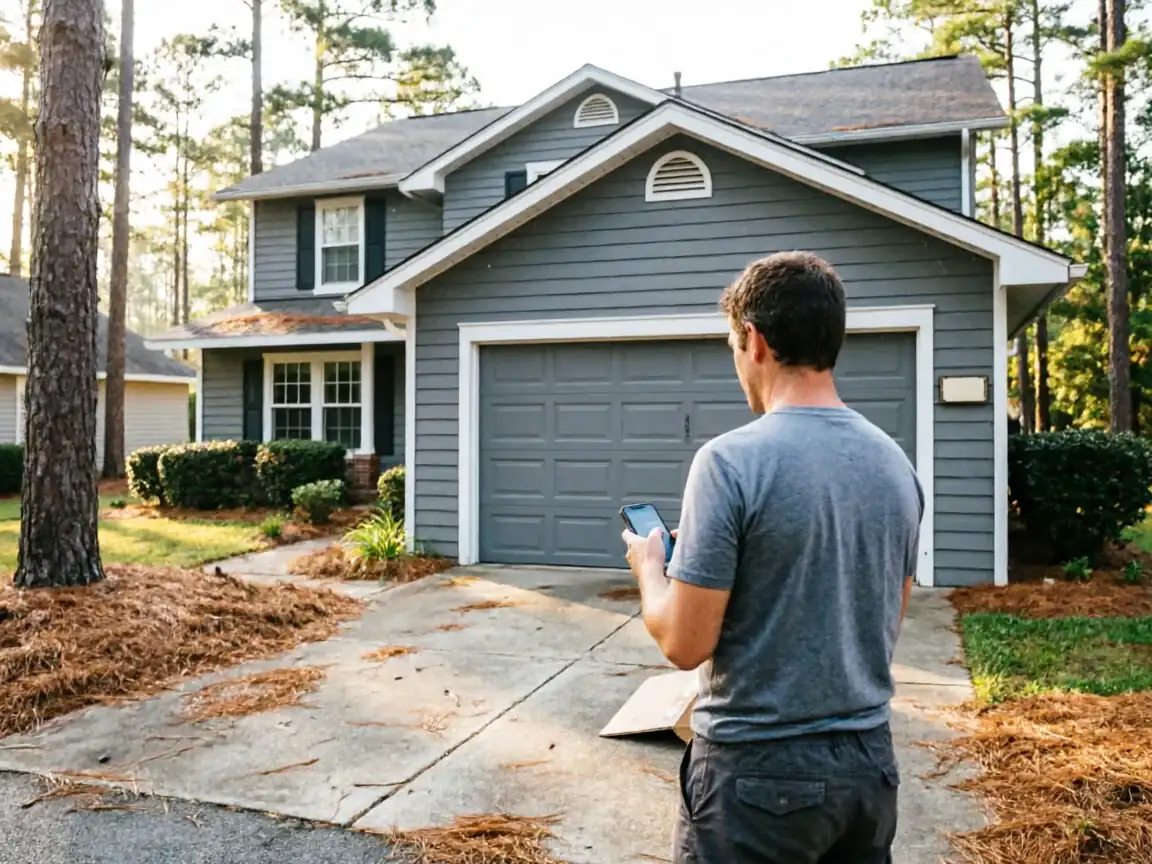
So we schedule the trip out rather than keeping a truck idling nearby. That's a trade-off worth saying out loud: we don't run a branch in King, and we can't promise a same-hour arrival the way a company based in town might. What we can do is price the job accurately before we drive out, because panel damage is usually visible in a photo you send us - a dented bottom section from backing into it, a cracked panel from a storm branch, rust bubbling through the paint on an older steel door. Tell us the door's approximate age and how many panels look bad, and we'll bring the right stock section instead of guessing.
- 13 miles
The median household income in King is $60,451
Noticeably lower than the $78,821 median across the rest of the territory we cover. That gap matters for this job specifically, because panel replacement sits right on the edge between cheap and not-worth-it. One dented section on a door that's otherwise sound is an easy, inexpensive fix. A door with three mismatched panels, faded paint, and a frame that's starting to rack is a different conversation - we'll tell you straight if a full door costs less over five years than patching a dying one panel at a time.
Can You Do This Yourself
A single garage door panel isn't bolted in like a car fender - it's hinged to the panels above and below it, under spring tension transmitted through the whole section, and it has to match the exact width, rib pattern, and hinge spacing of the rest of the door. Order the wrong size and it won't seat in the track. On doors from King's mid-1980s building wave, a lot of the original panel profiles aren't made anymore, which means a pull section has to come from a reclaimed door or a close match gets re-painted to blend in.
If you're handy and the door is unlocked from the opener, swapping a bottom panel on a lighter residential door is within reach for some owners - it's mostly end hinges, carriage bolts, and patience. What gets people hurt is doing it with the spring still wound, or on a double-wide door where one section weighs more than it looks like it should. If you're not sure which panel carries load from the opener arm, that's the one to leave alone and call for.
How We Fix It
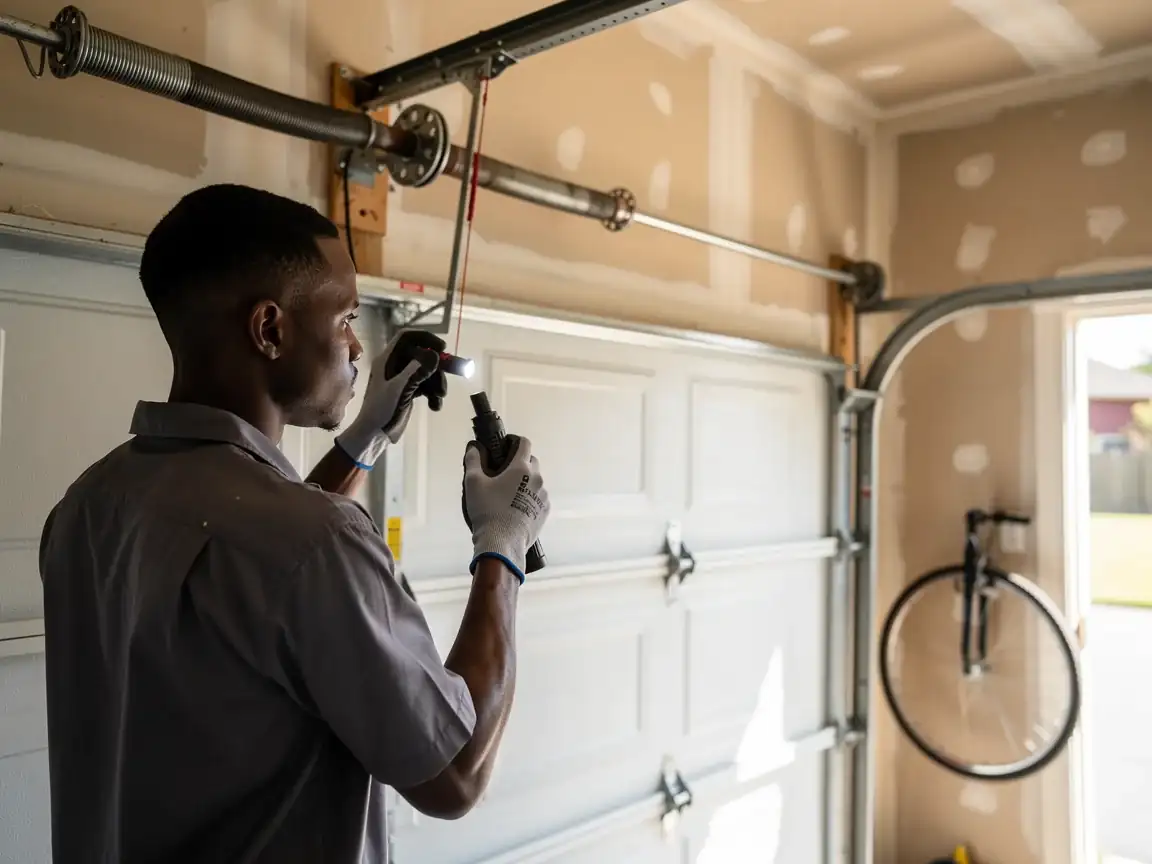
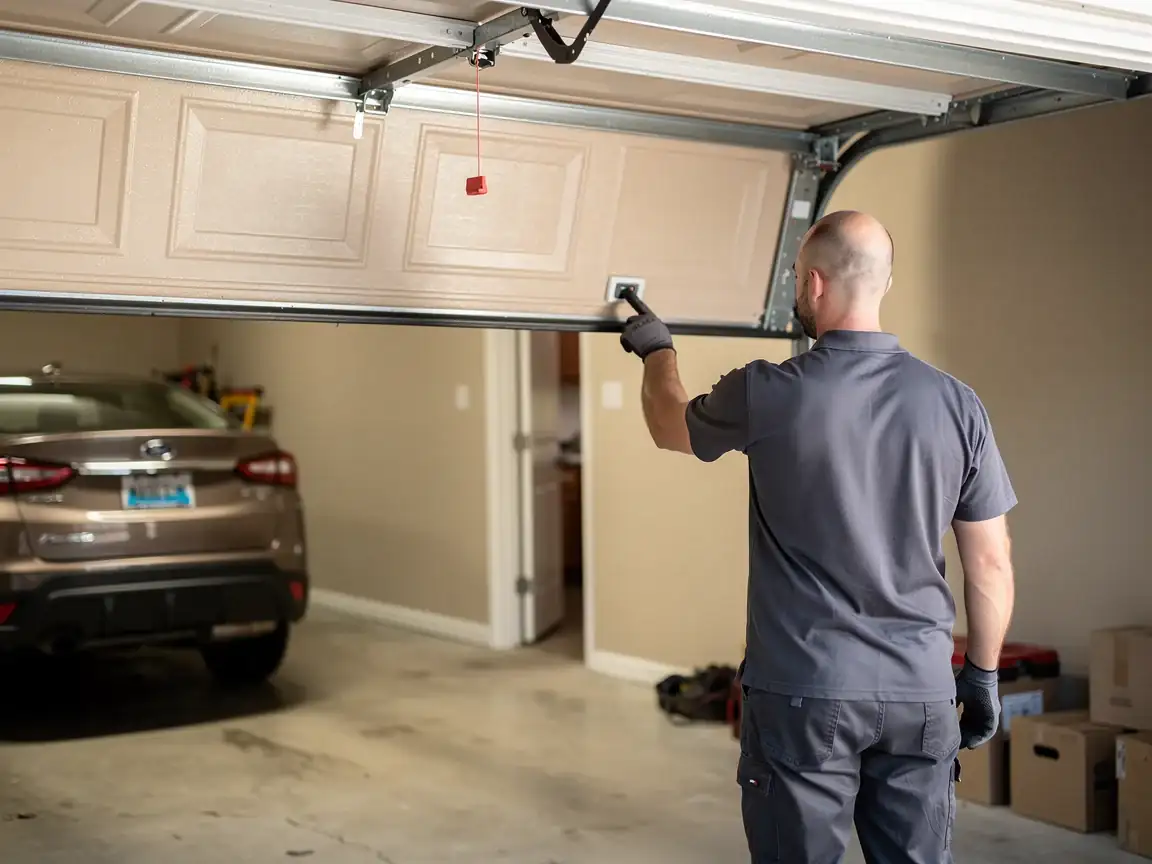
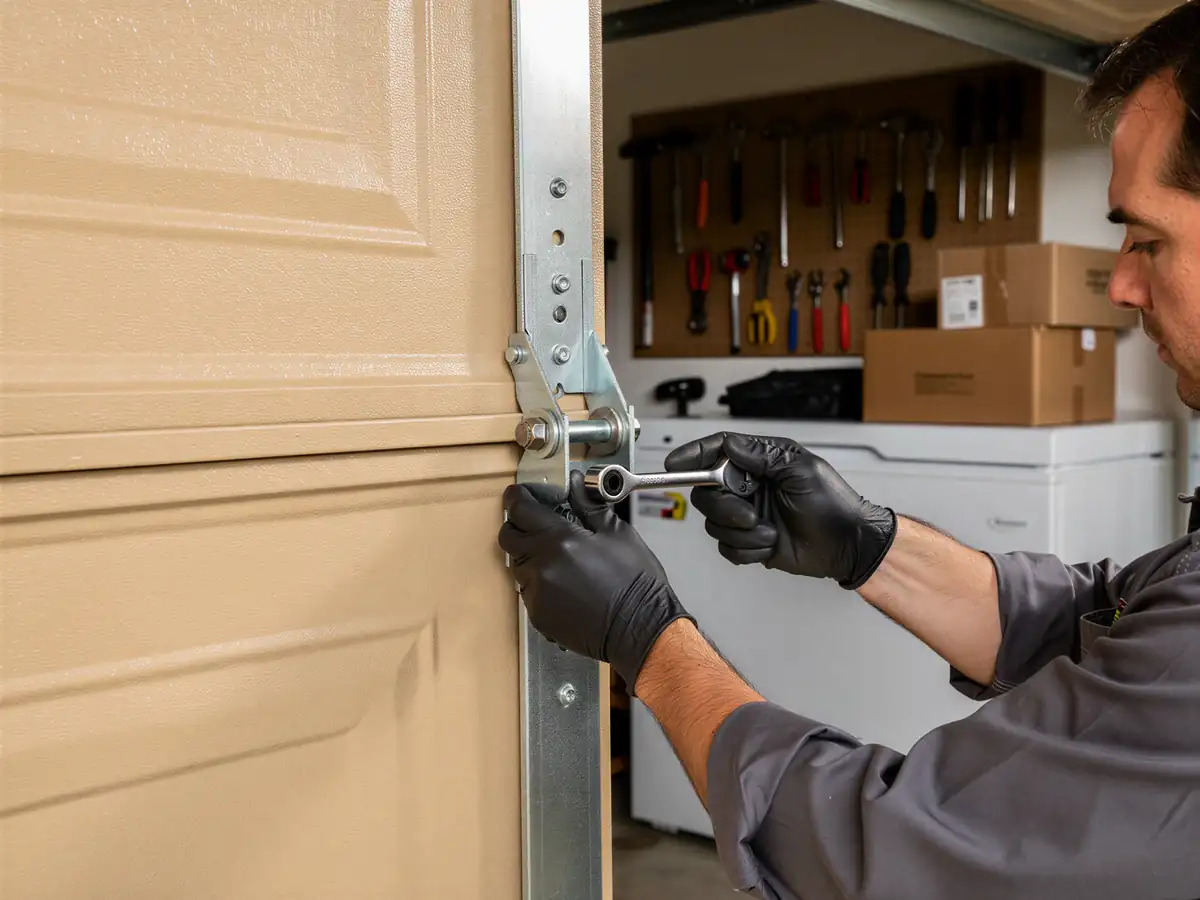
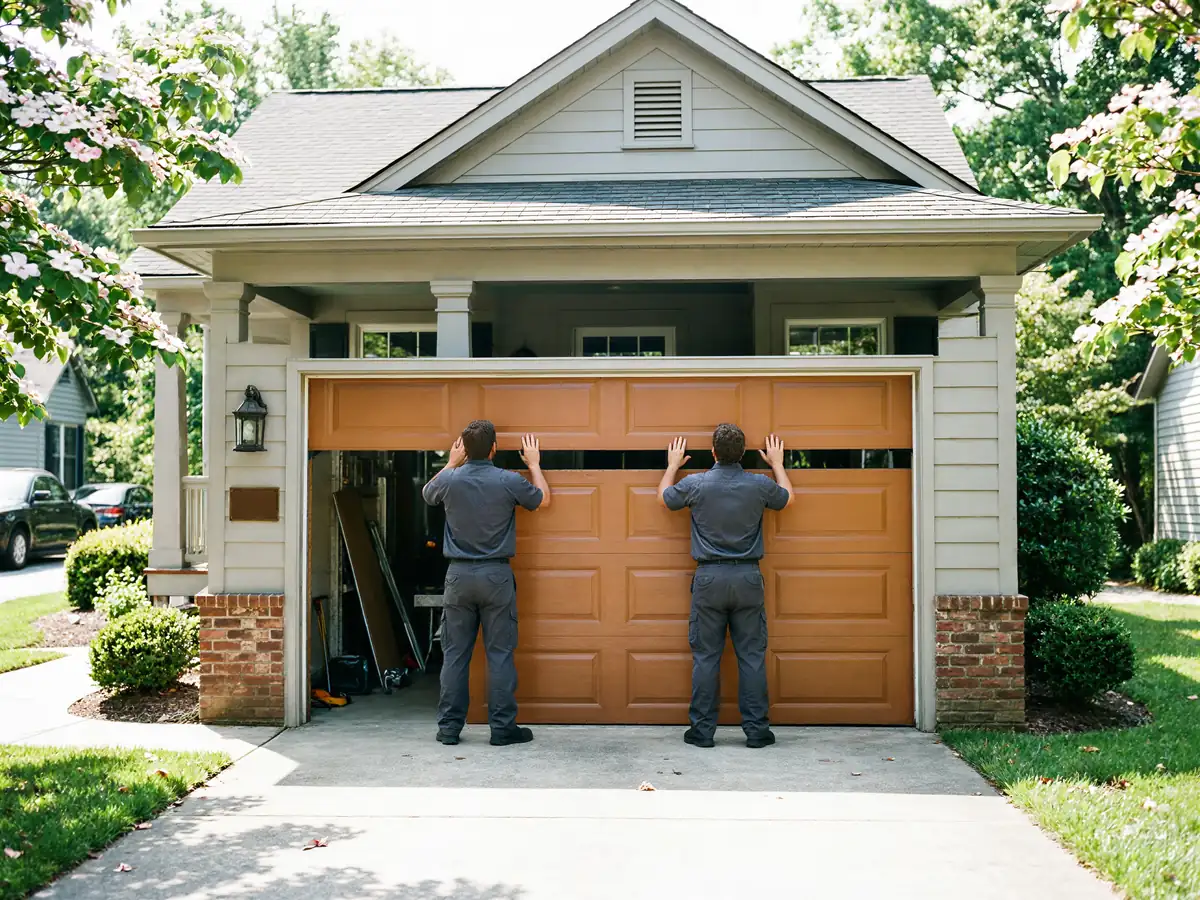
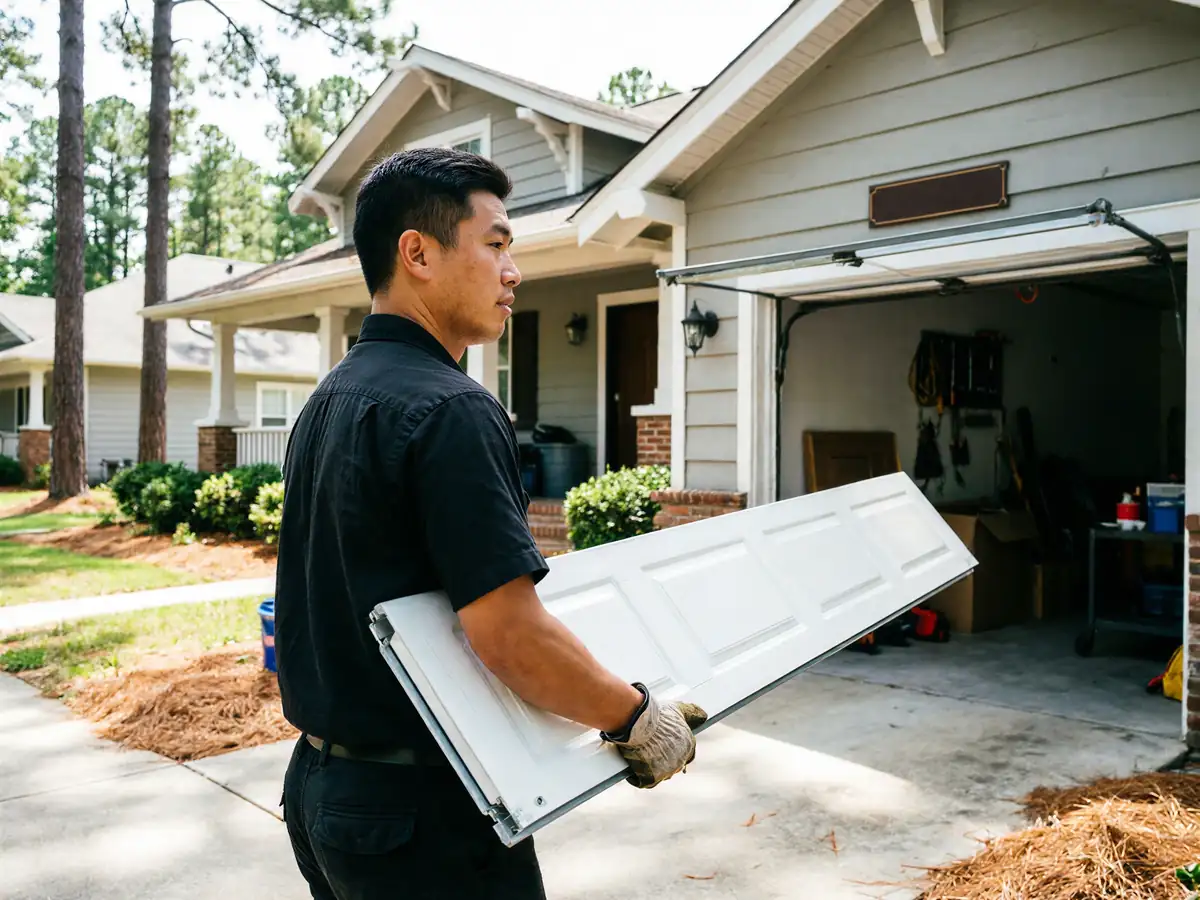
We start by matching the panel - width, rib count, and whether the door uses a raised or flush profile - against what's already hanging. Houses in King built around 1986, like most of the broader 1973-2002 stock across this area, tend to run either steel with foam-backed insulation or a plain non-insulated steel section, depending on when the door itself was last replaced. We pull the damaged section's hinges, disconnect it from the track rollers, and swap in the new or reclaimed panel before re-hanging and checking the door travels square in the track with no binding.
If the color doesn't match after twenty-plus years of UV exposure, we'll say so before we start - a close-enough match on a faded door is common and isn't something paint touch-up always fixes. We also check the hardware the panel bolts to: hinges and rollers from that era are often worn enough that reusing them on a new section just transfers the problem. Replacing those at the same time usually costs little extra and the door holds up a lot longer. In this climate band, a panel that doesn't seal tight against its neighbor lets cold air load the opener harder than it should.
What You Are Seeing
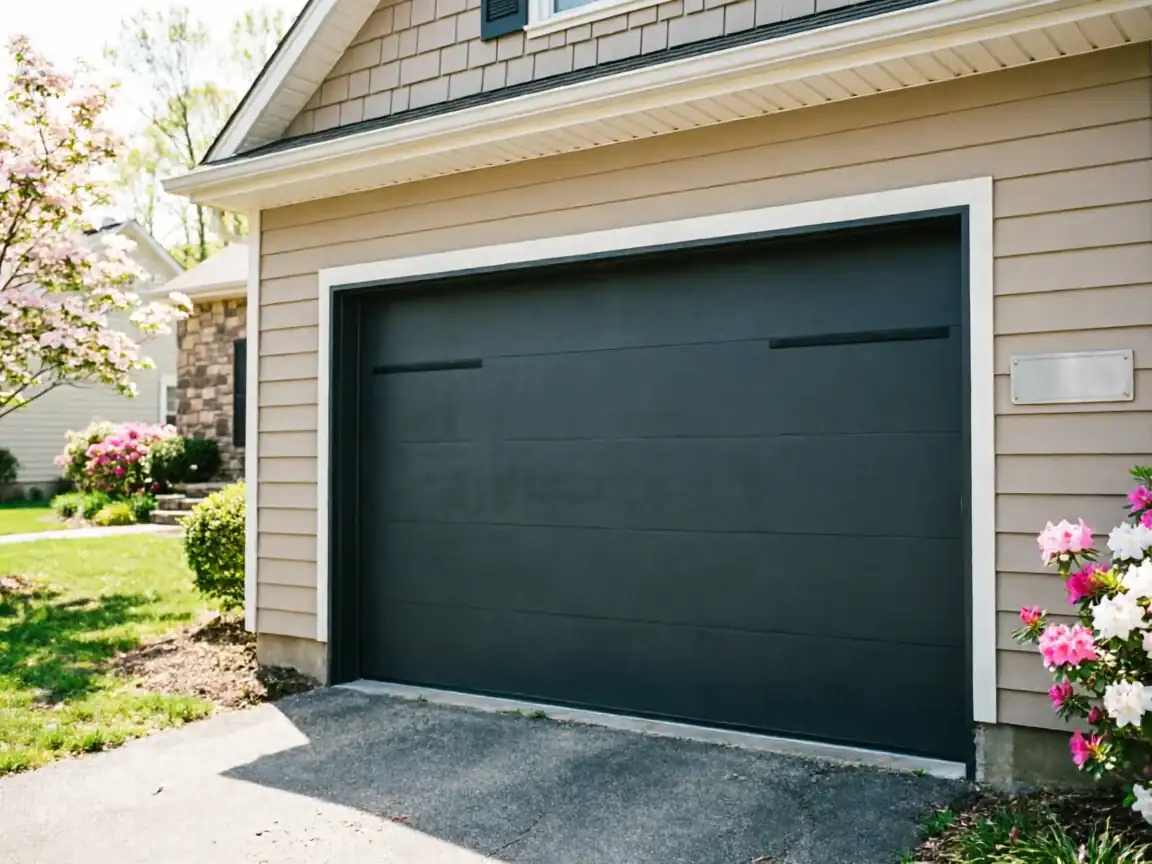
A dented or buckled panel is usually obvious
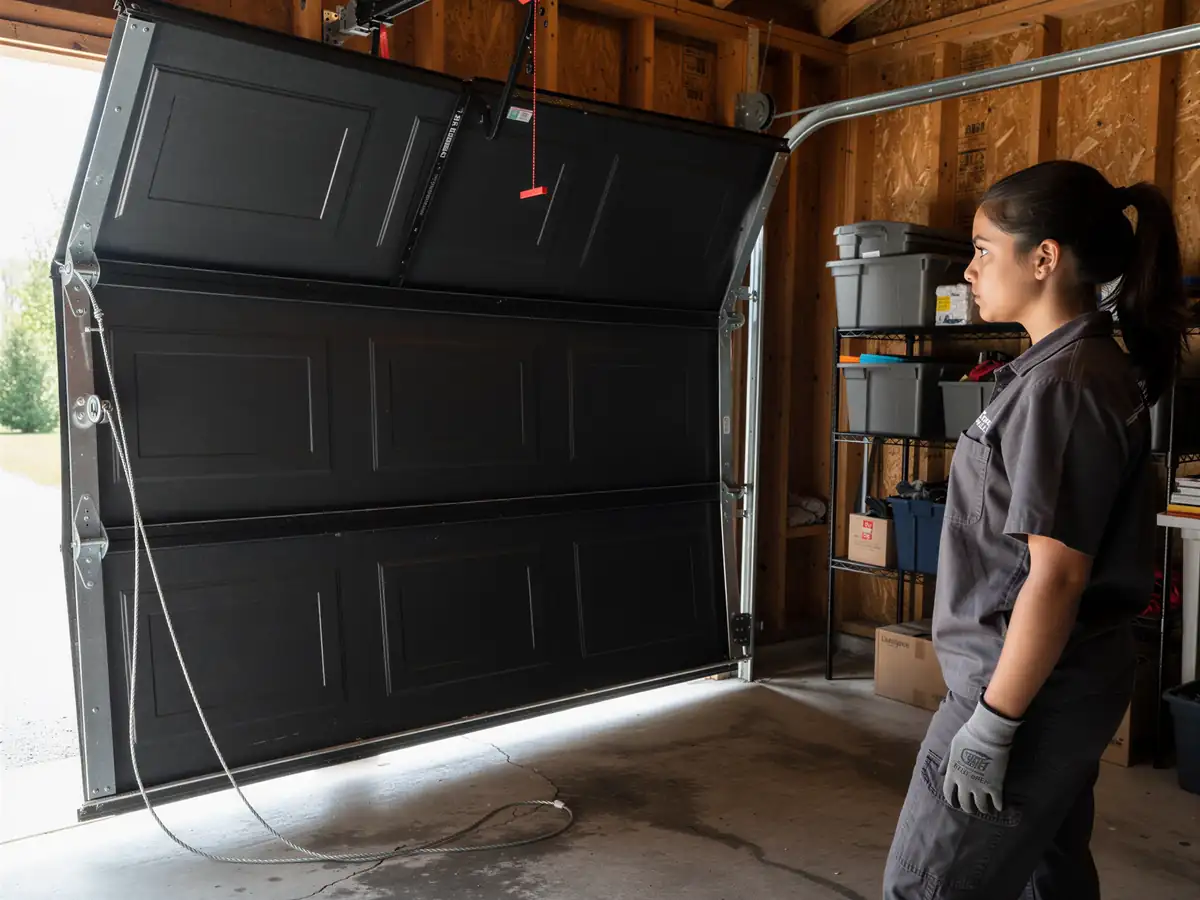
A flat spot where the door used to curve, visible from the driveway. Less obvious is a panel that's cracked along a seam but still looks straight; run your hand along the inside in daylight and you'll feel the gap. On steel doors from King's 1980s construction wave, rust starting at the bottom panel's lower edge is common, since that section catches the most moisture runoff and road splash over the decades.
Another sign: if the door shudders or hesitates partway up
One panel's rollers may be binding in the track even though the panel itself looks fine. That's not strictly a panel problem, but it often gets misdiagnosed as one. With roughly 3,074 households in King, most sitting on housing from that same late-1980s window, we see the same handful of failure patterns repeat - it's less about bad luck and more about every door in a neighborhood aging out at the same rate.
- 3,074 households