Can You Do This Yourself
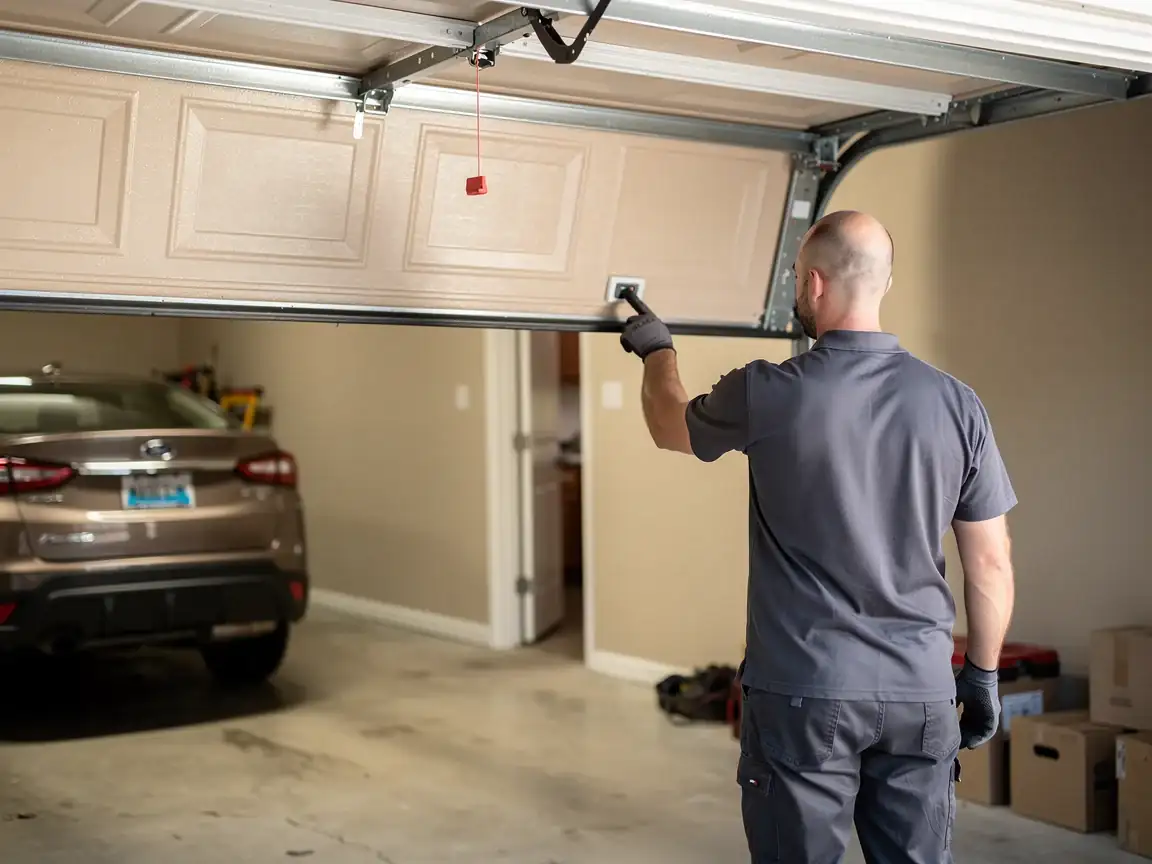
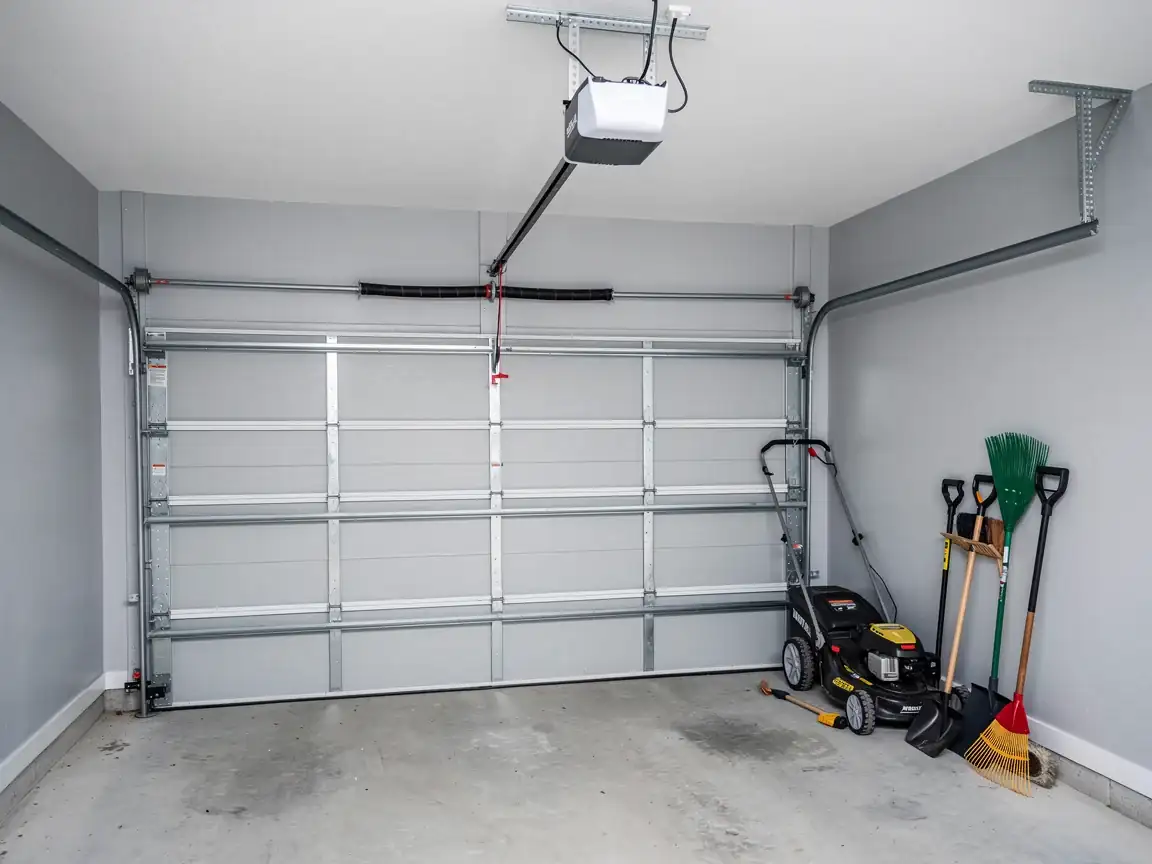
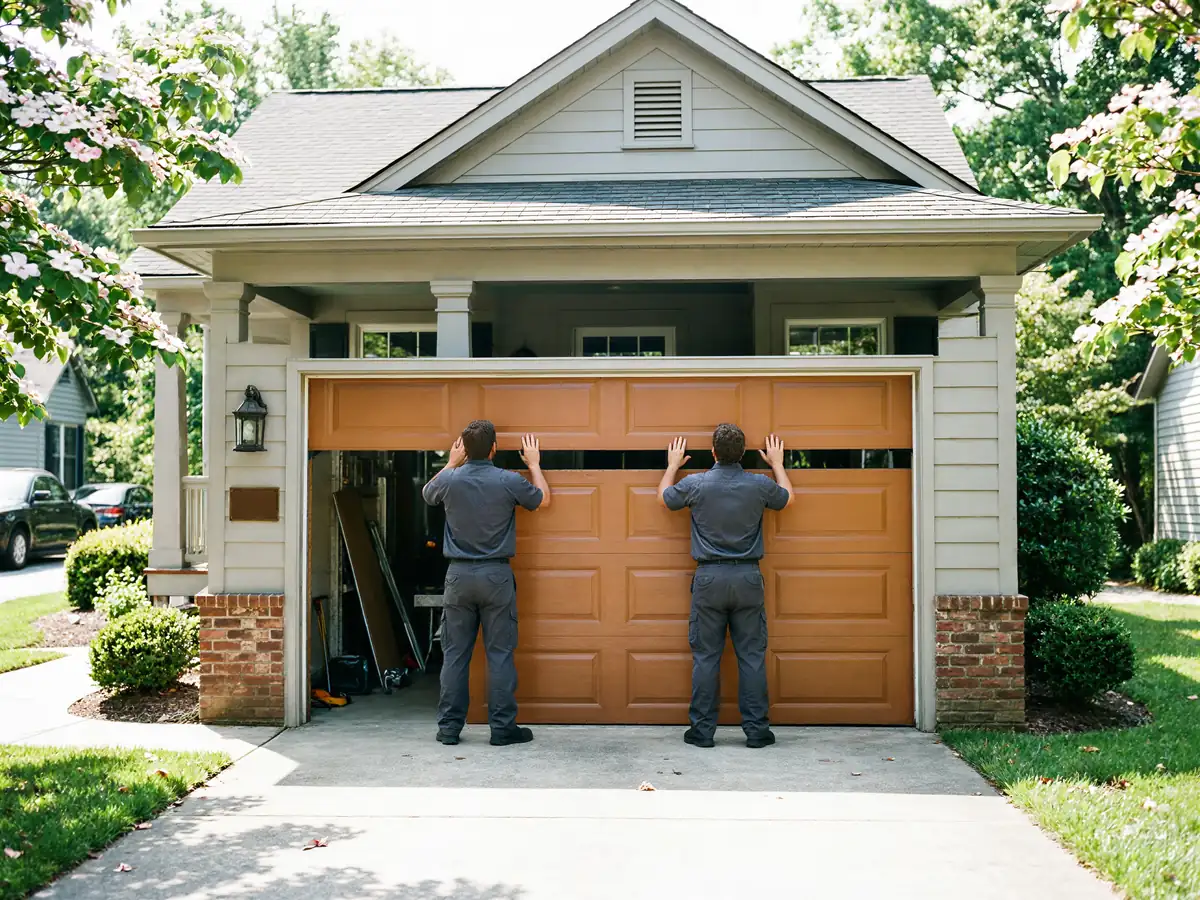
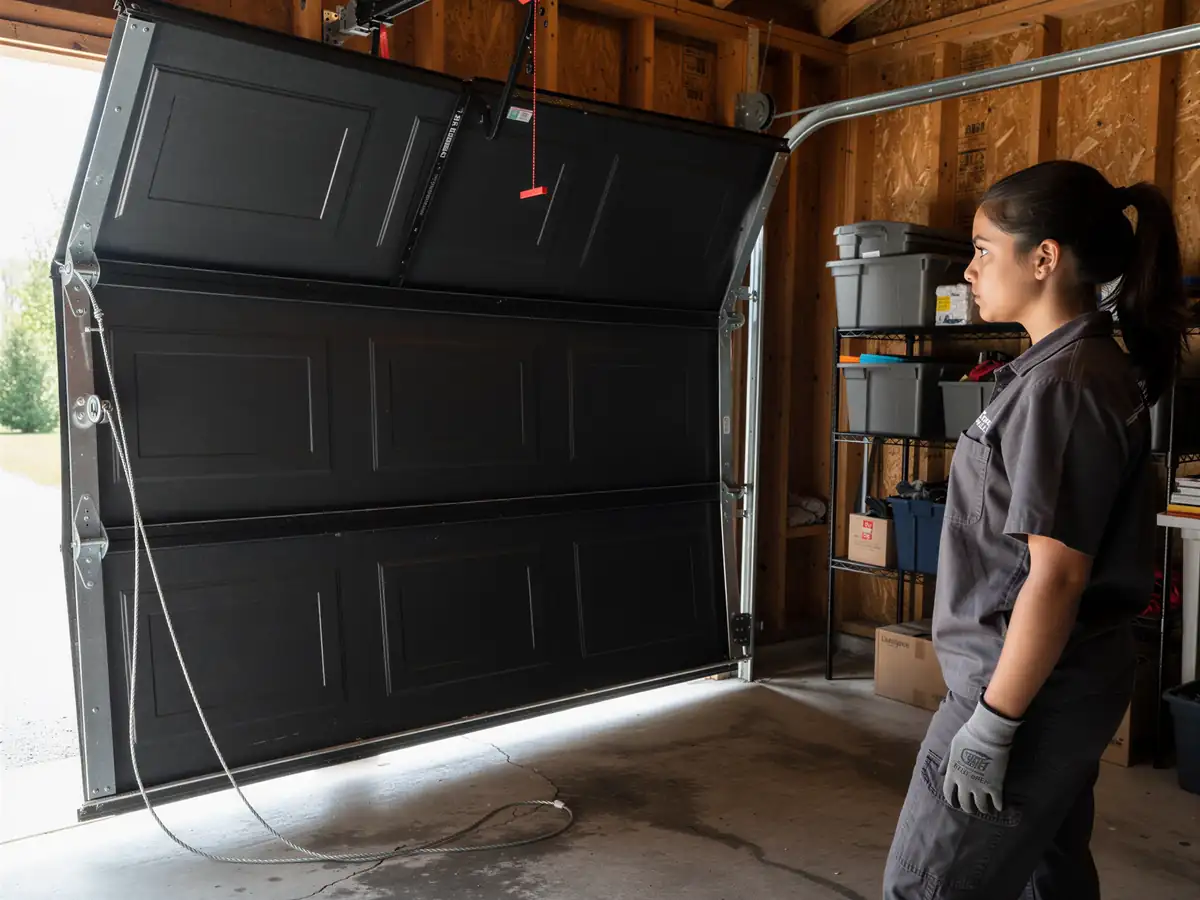
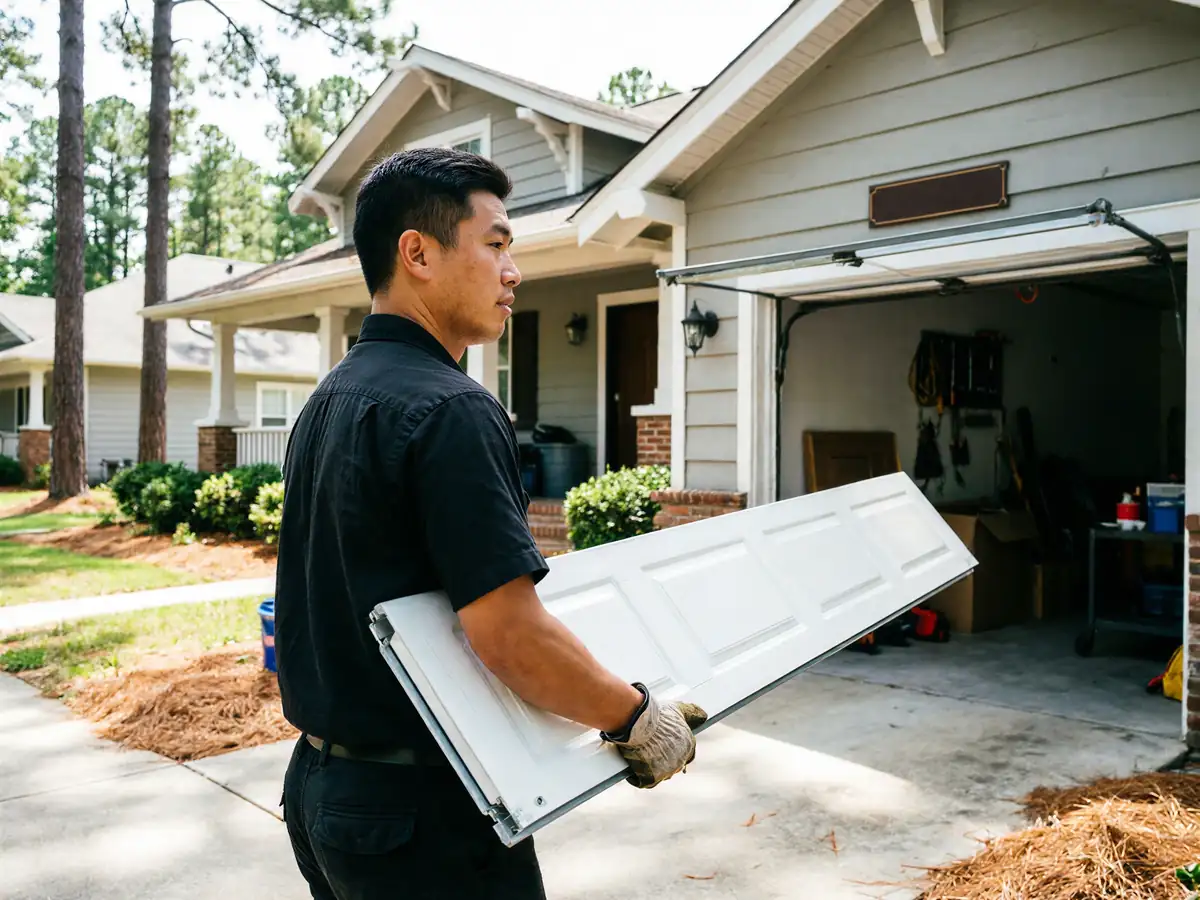
A garage door spring under tension is not a DIY repair - full stop, regardless of how it looks. If your door is stuck open or shut, the safe move is to leave the opener alone, don't force the door by hand, and keep people and cars clear of the track. Checking the obvious stuff costs you nothing: make sure the opener isn't unplugged, check if a breaker tripped, and look at the sensor eyes near the bottom of the track for a blinking light, since a dirty or knocked-loose sensor is a common reason a door won't close and it's something you can wipe clean yourself. Beyond that, the honest limit is this - we don't talk homeowners through spring or cable repairs over the phone, because a 1980s torsion setup under load can do real damage to a hand or a knee. If the door is off its track or a cable has snapped, treat it like a closed door until someone with the right bars and clamps gets there.
How We Fix It
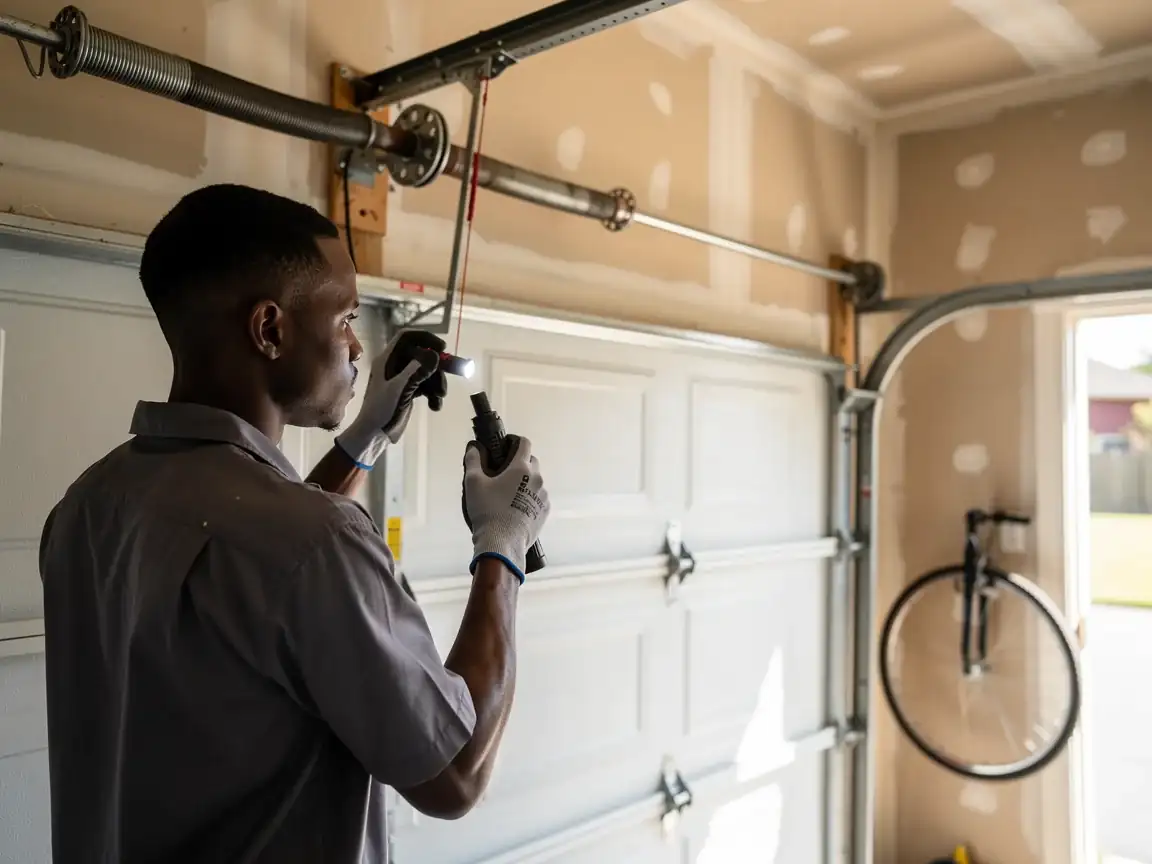
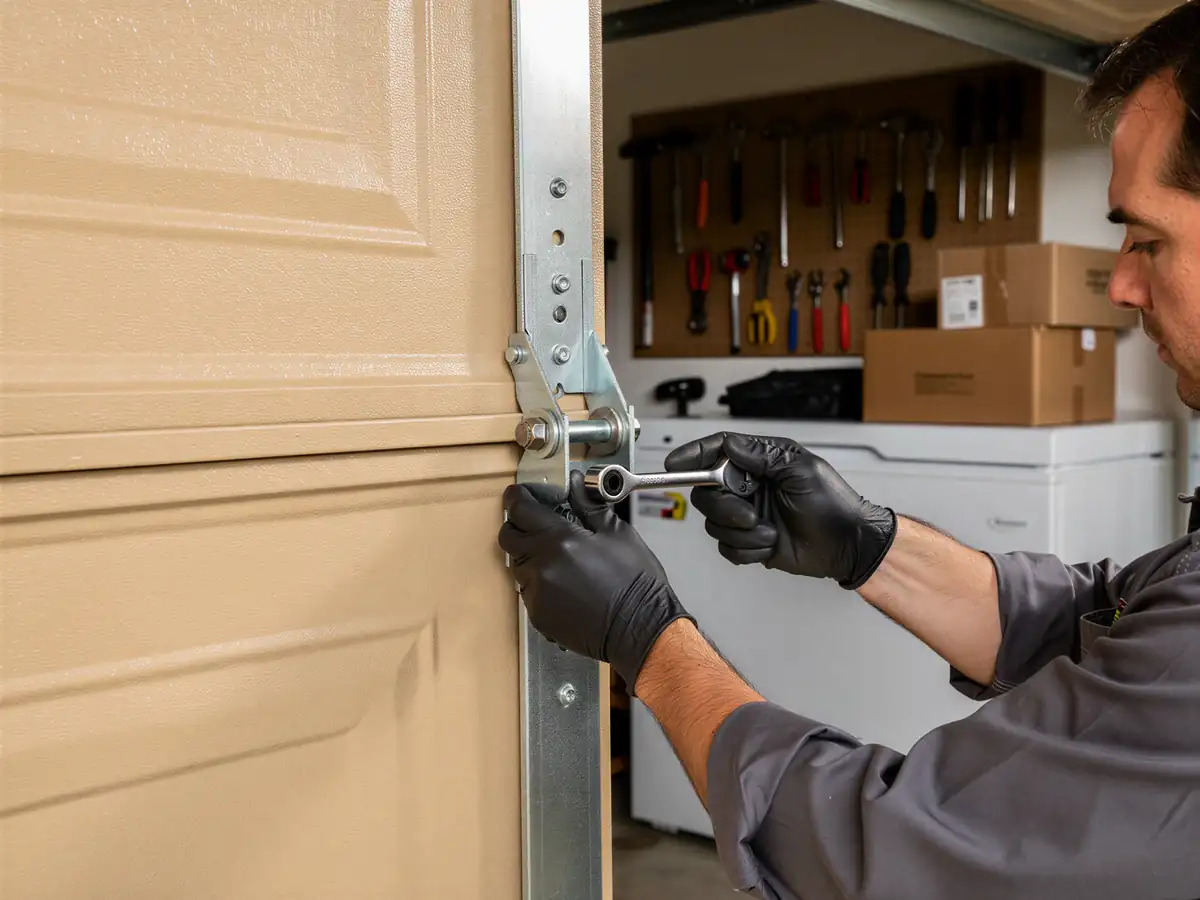
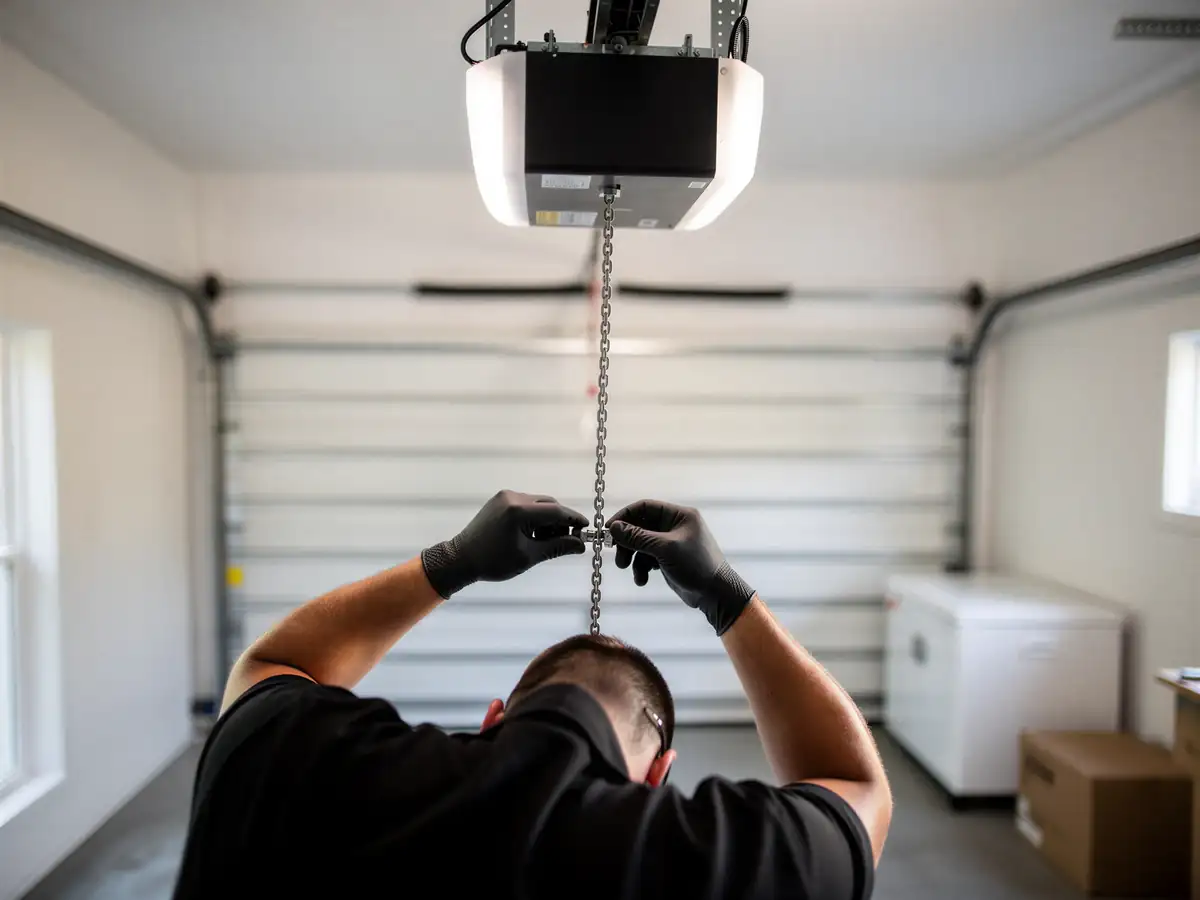
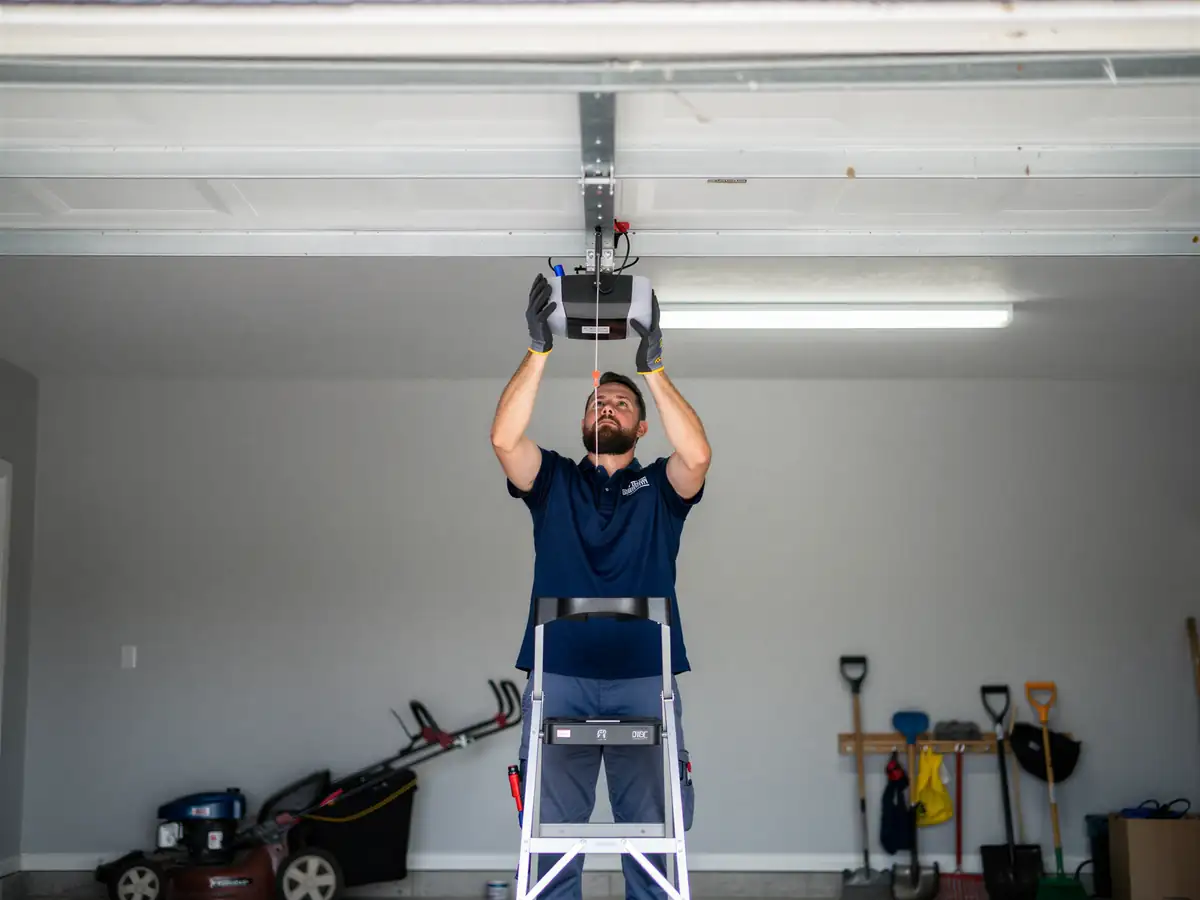
Most of King's housing went up with the mid-1980s standard: a 1986 median build year means a lot of these doors run on torsion springs sized for the lighter panel stock of that era, paired with openers that have likely been swapped out at least once since. When we get a call for a dead door, we check the spring first - it's the most common failure on a house this age - then the cables, then the opener's drive gear if the door moves but won't fully open or close. On a 13-mile call like this one, we bring spring stock sized for both older torsion setups and newer extension-spring conversions, since King's stock mixes both depending on when a given door was last replaced. We don't carry every obscure part on the truck; if a door needs a specialty panel or a discontinued opener board, that's a return trip once we've ordered it, and we'll tell you that straight rather than stall on your driveway.