Getting It Booked In
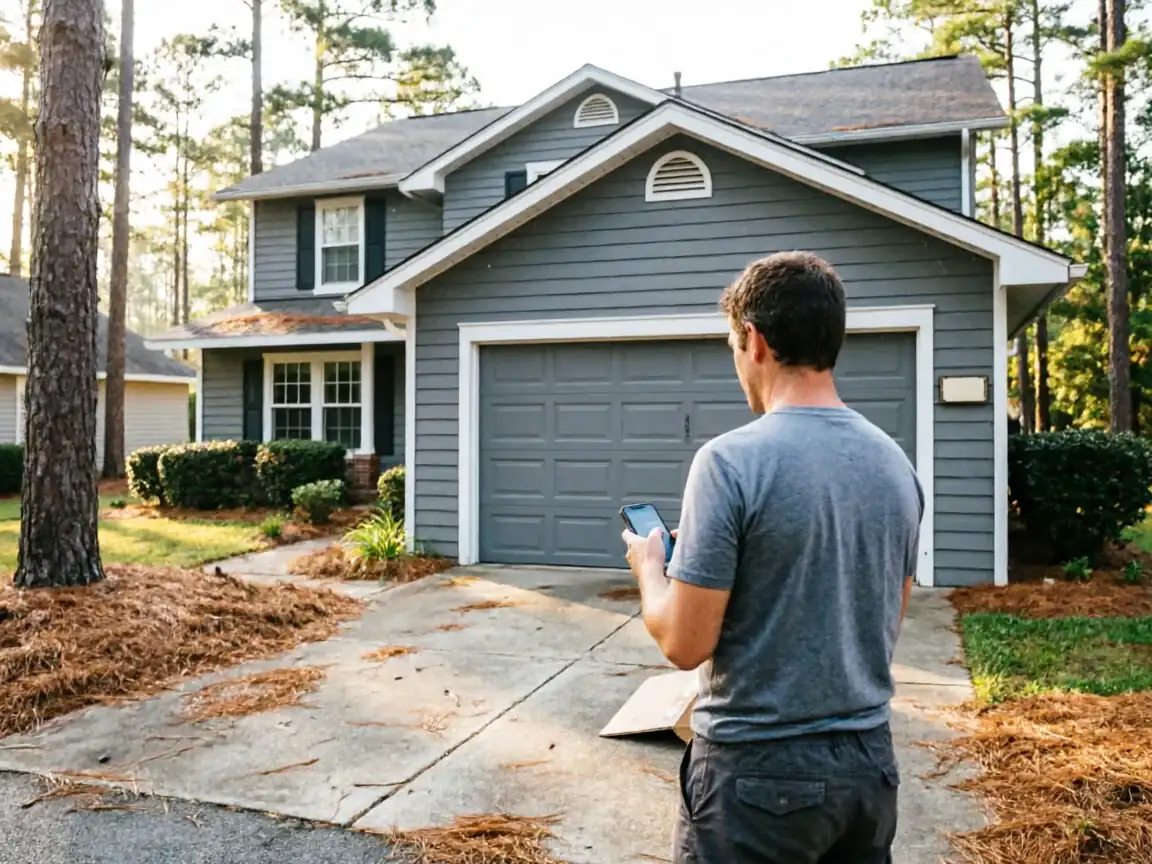
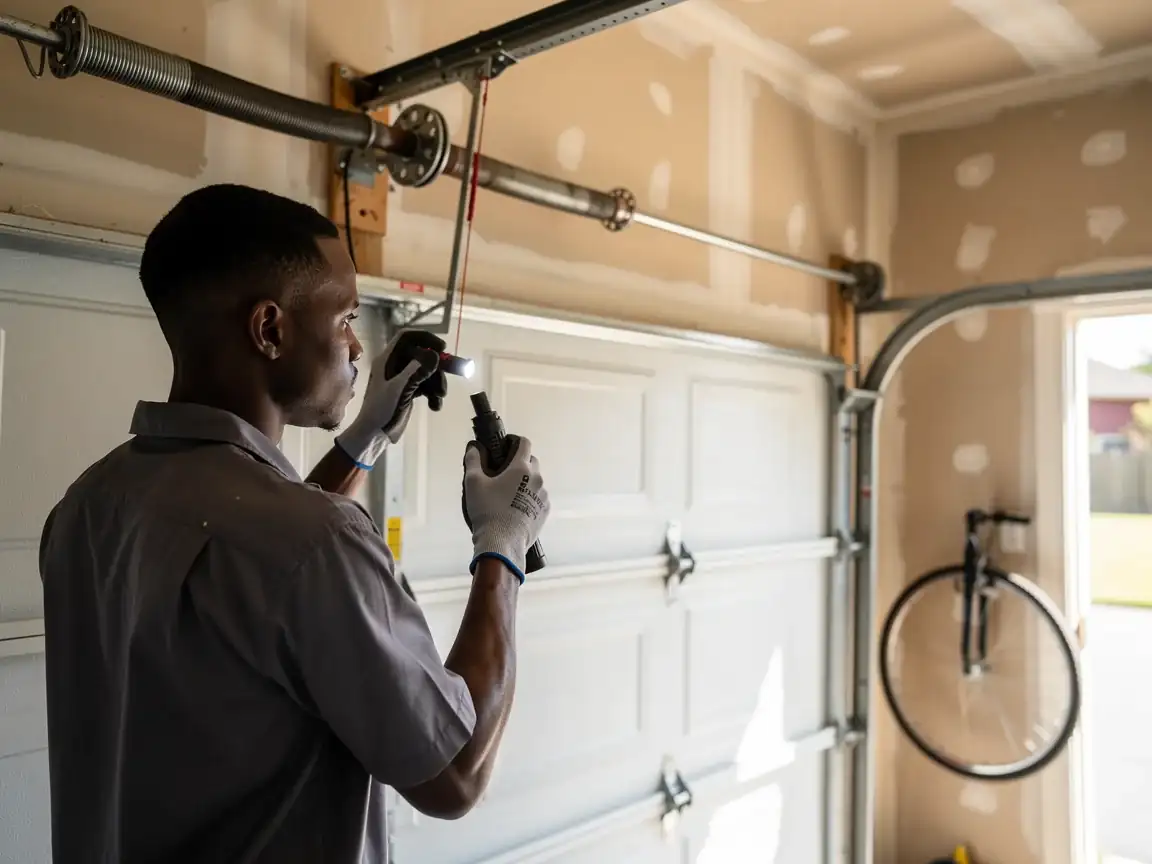
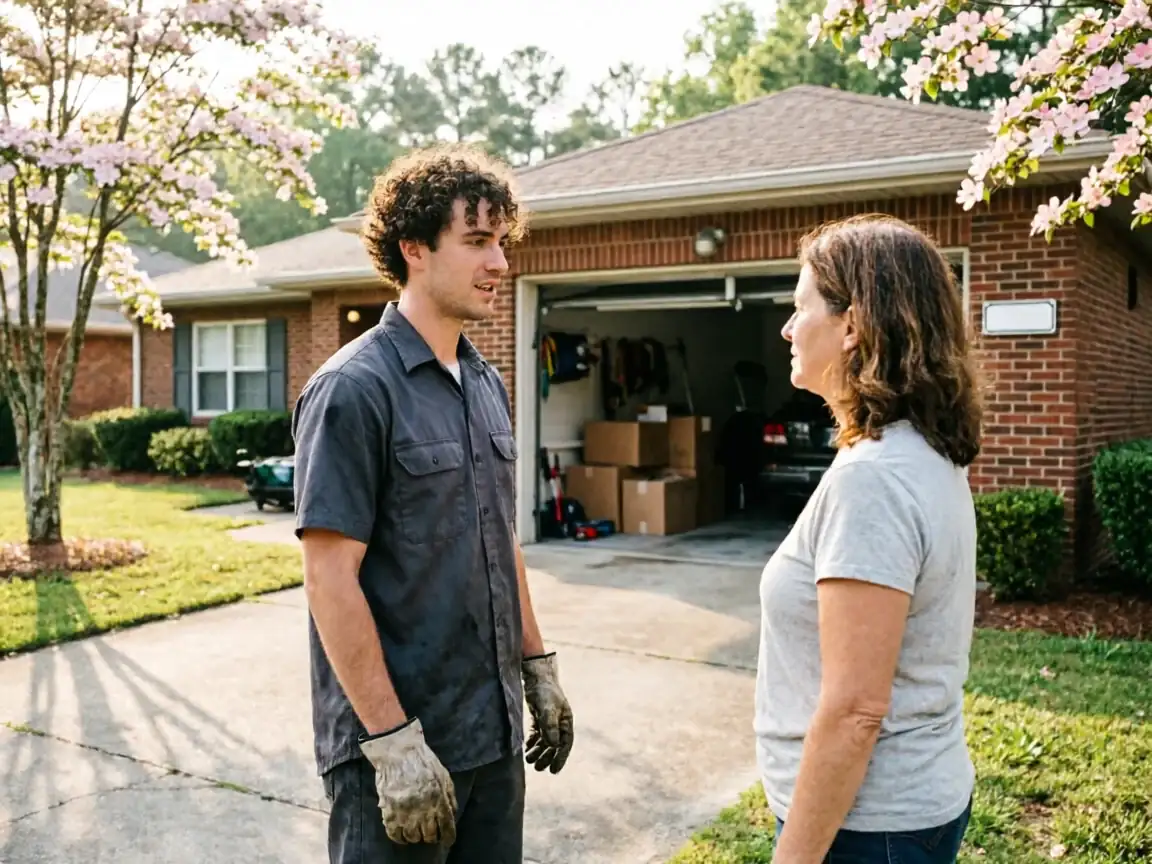
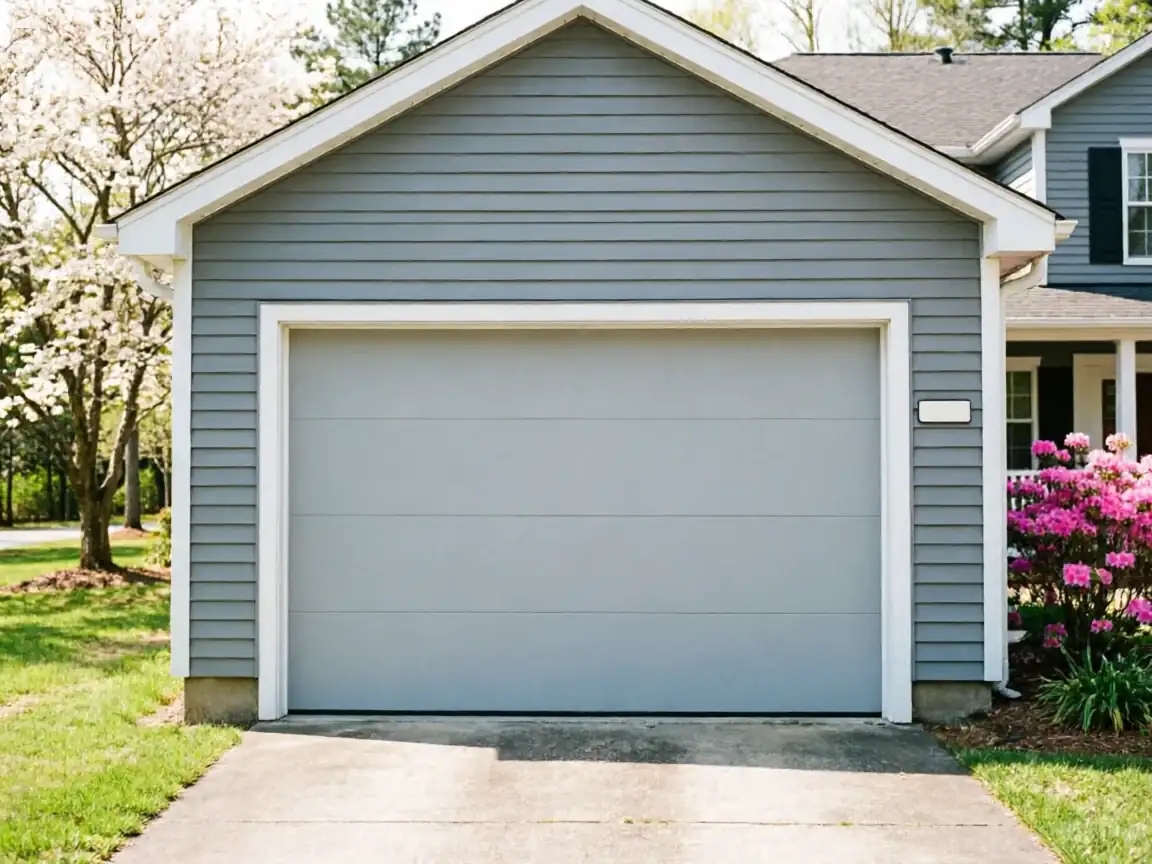
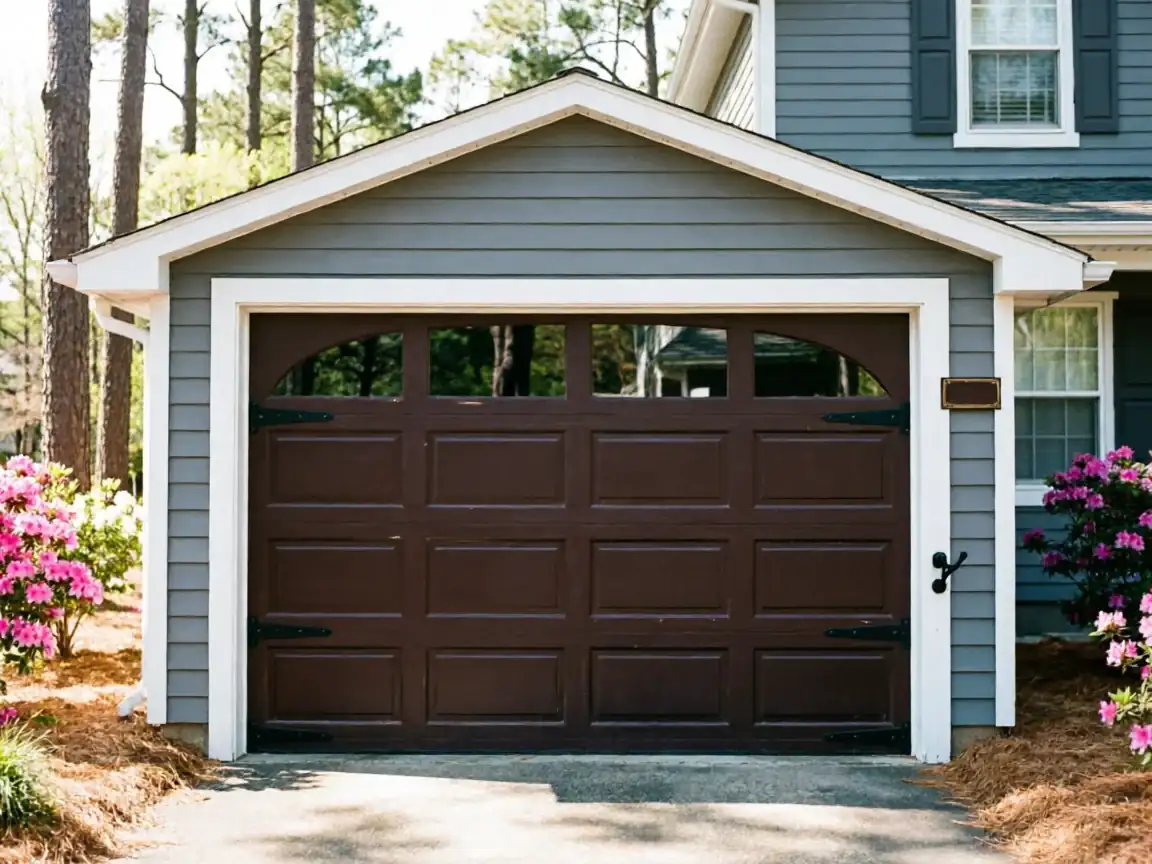
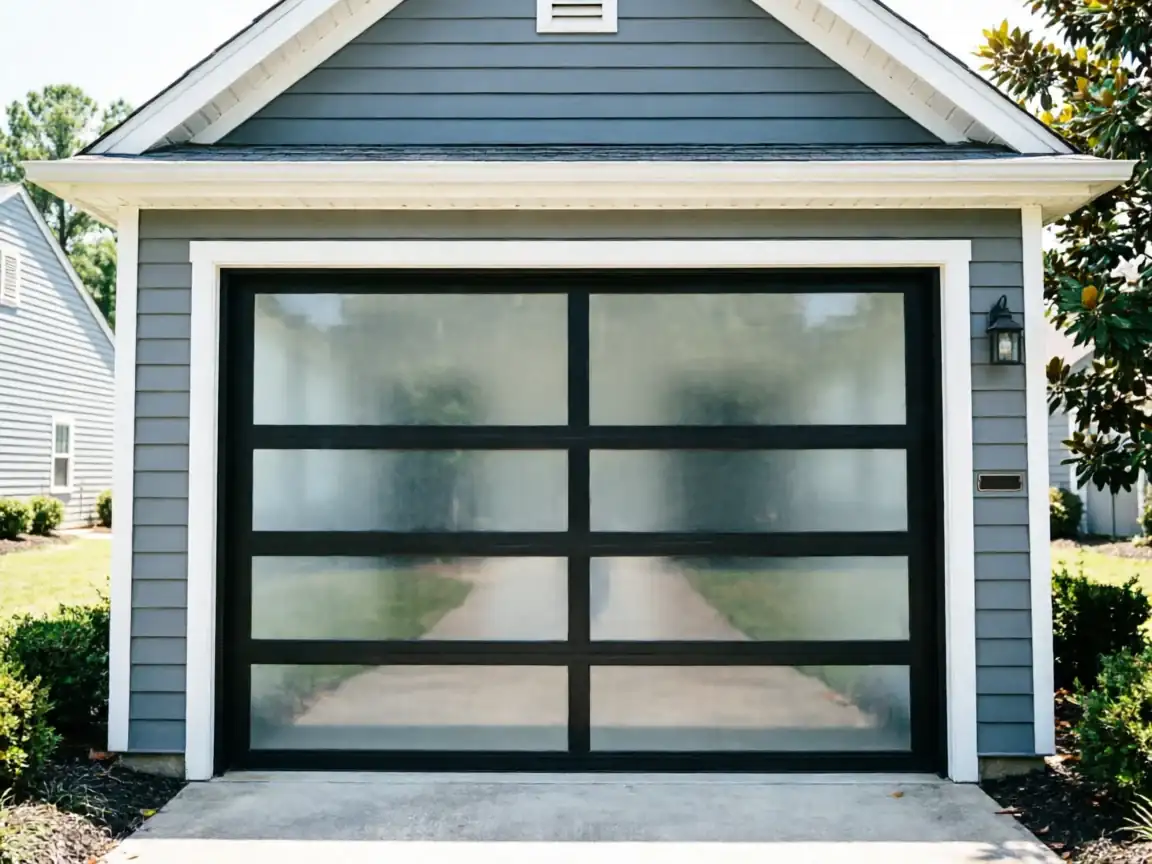
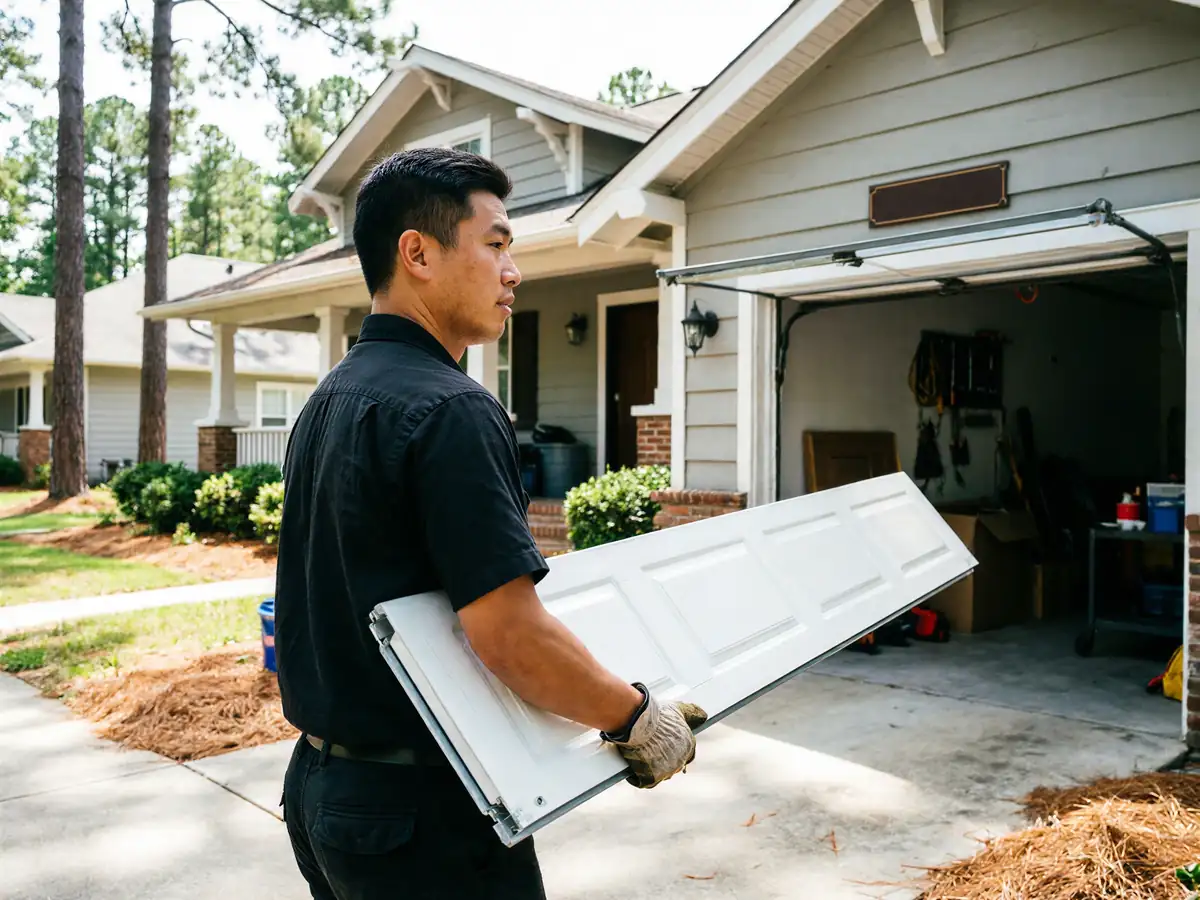
We run out of Winston-Salem, and Lewisville sits about 9 miles out - close enough that a measure-and-quote visit doesn't eat the whole afternoon, but far enough that we don't treat it as a drop-in stop between other jobs. Scheduling an install here usually means we're also routing through Clemmons or Walkertown the same day, since both sit in the same 8-to-6-mile band. We don't carry every door size and panel style on the truck - full custom orders get placed with the supplier once you've picked a door, and that lead time runs on the manufacturer's schedule, not ours, so we won't promise a date before the order's confirmed. What we can commit to is a firm measurement and a written quote before anything's ordered, so you're not guessing at what fits your opening. For general installation details that apply across the wider Winston-Salem area, the installation page covers door types and material options in more depth than we'll repeat here.
Why This Fails Locally
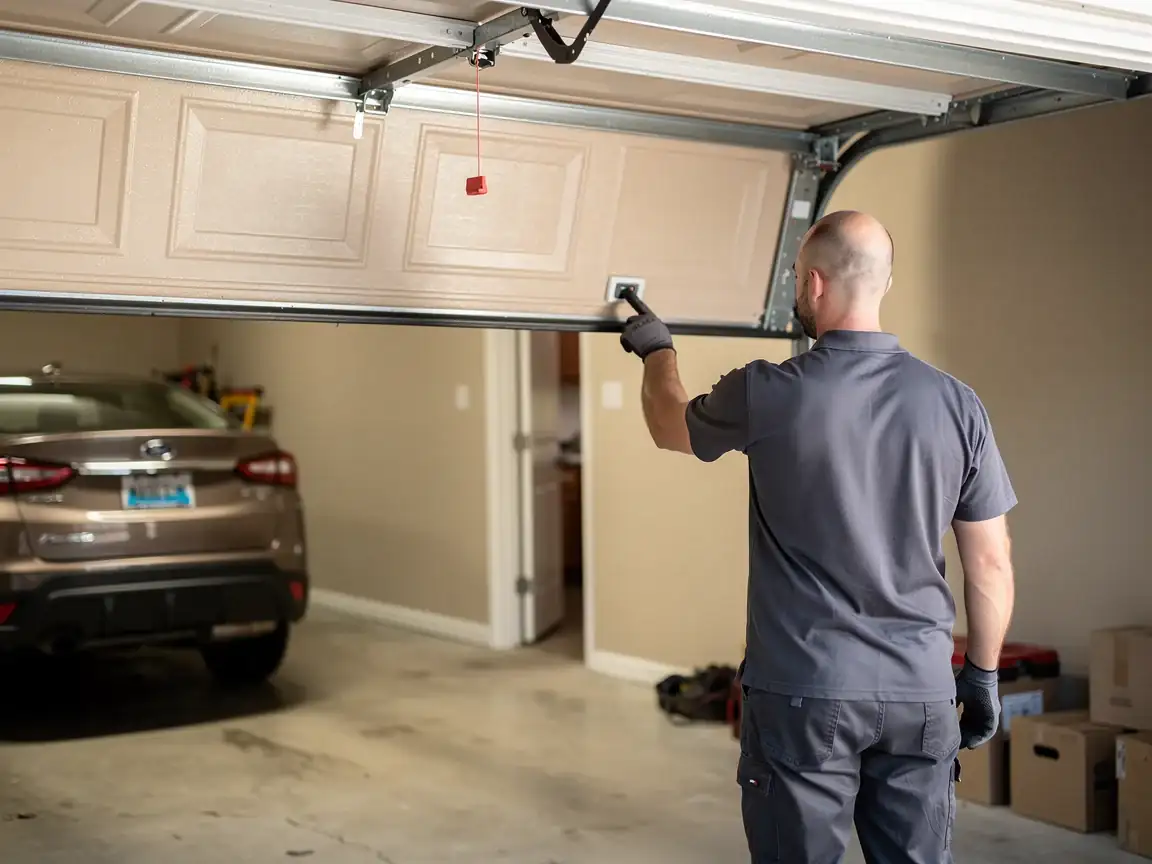
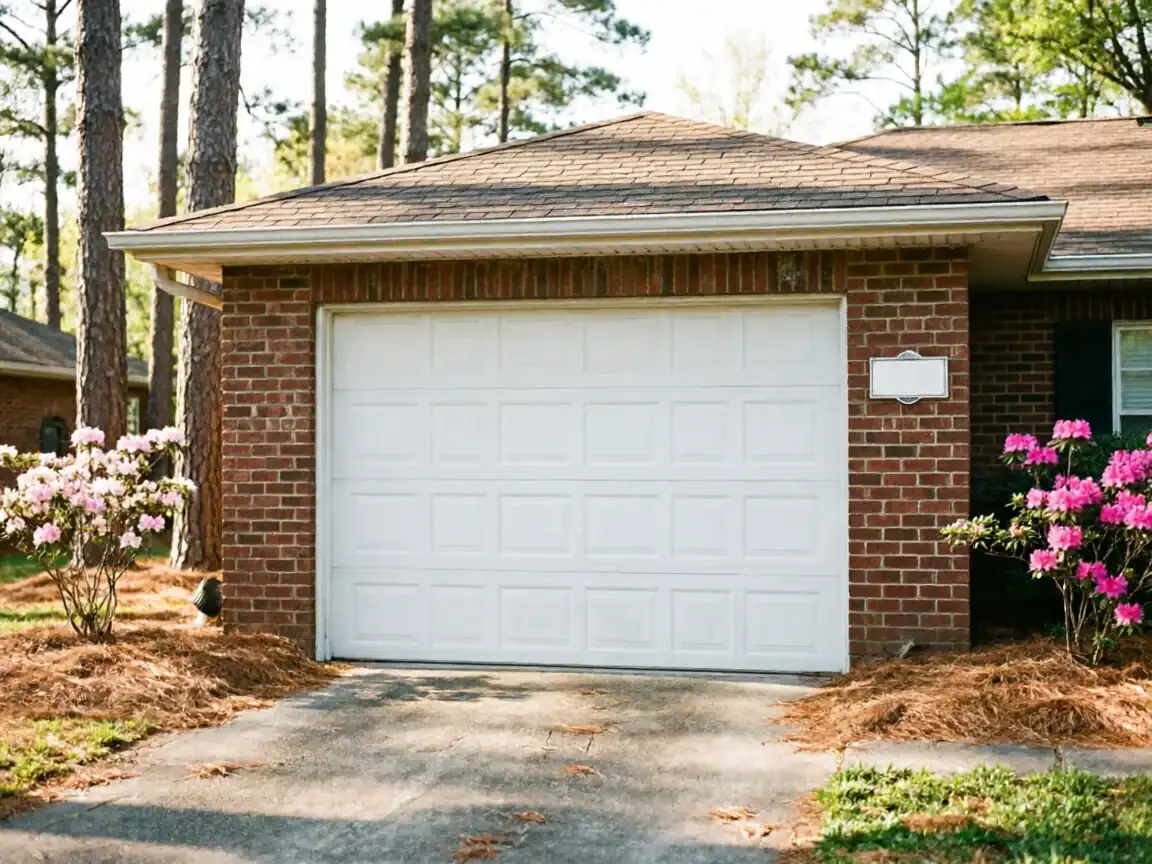
This area sits in a cold-moderate climate band, which means the garage isn't just storage for half the year - it's an unheated room attached to a heated house, and the door is the biggest gap in that envelope. A door installed in the 1970s or 80s rarely has any insulation value built in; it's a single skin of steel over an open frame. Replacing it is often the single biggest insulation upgrade available in houses from that era, bigger than most people expect from one panel swap. Median household income in Lewisville runs $84,424, a few thousand above the area-wide figure of $78,821, and in practice that shows up as more owners here opting for insulated steel or a polystyrene-core door instead of the cheapest bare panel - not because it's required, but because the budget for it is there. We'll quote both and tell you honestly where the insulated option pays for itself and where it doesn't, which depends more on how the garage is used than on anything else.