Where This Job Goes Sideways
The cable failure we see most in Lewisville isn't a dramatic snap
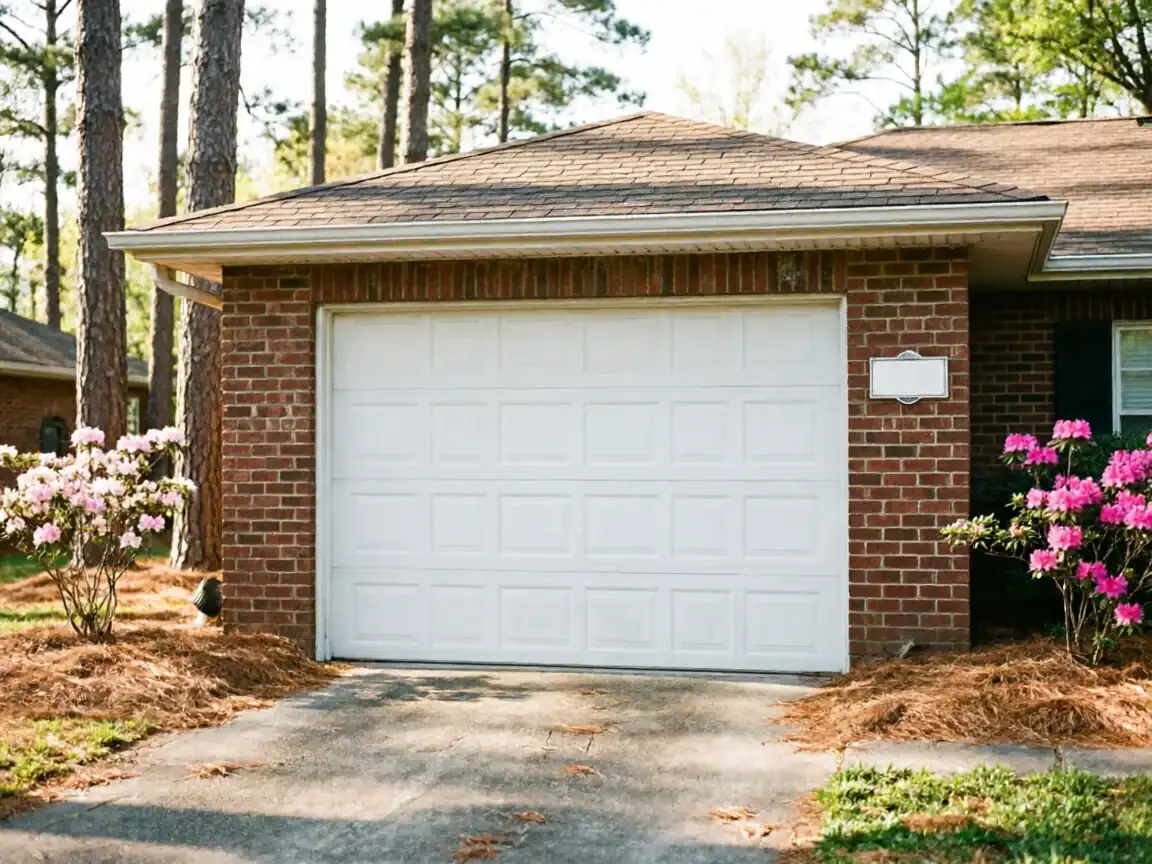
It's a slow unwind off the drum. Most houses in this part of the service area were built between 1973 and 2002, with the typical build year sitting around 1987 - meaning the lift cables on a lot of these doors are original equipment that's been through close to forty winters.
A cable that old doesn't just wear thin, it wears unevenly
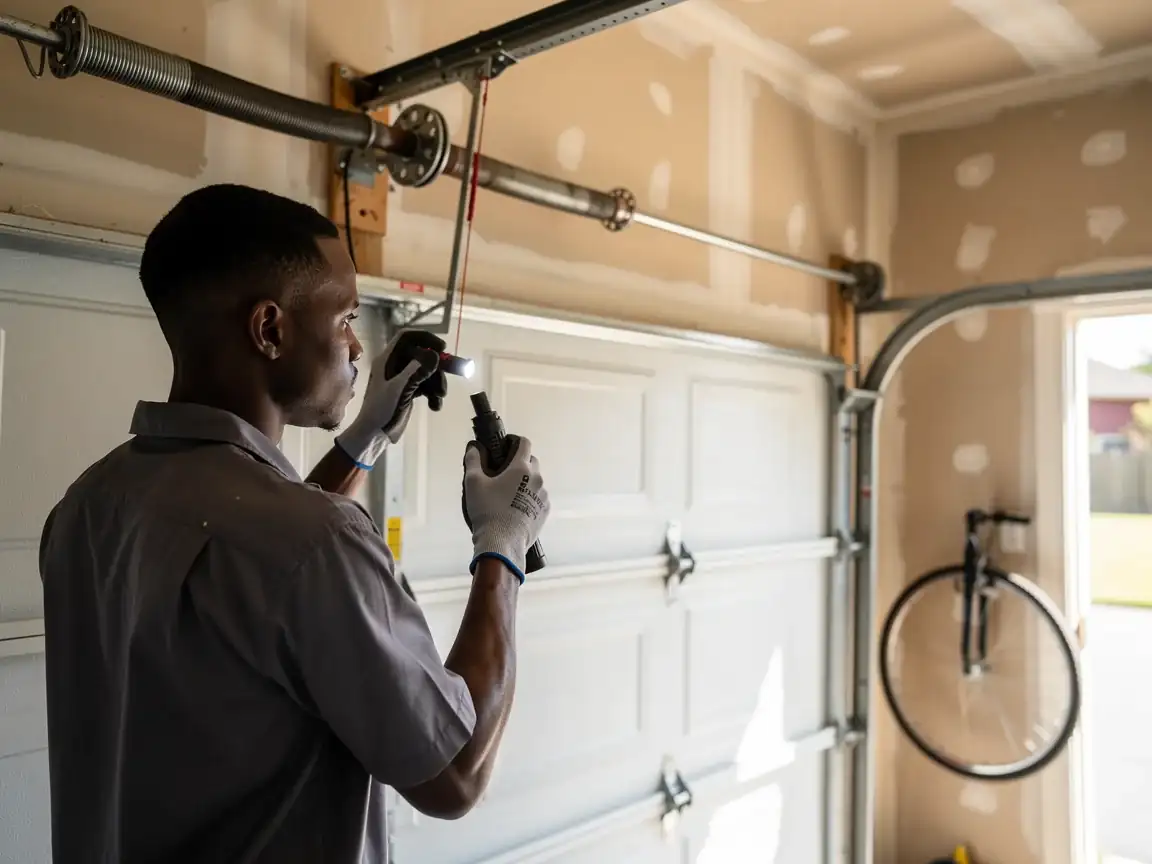
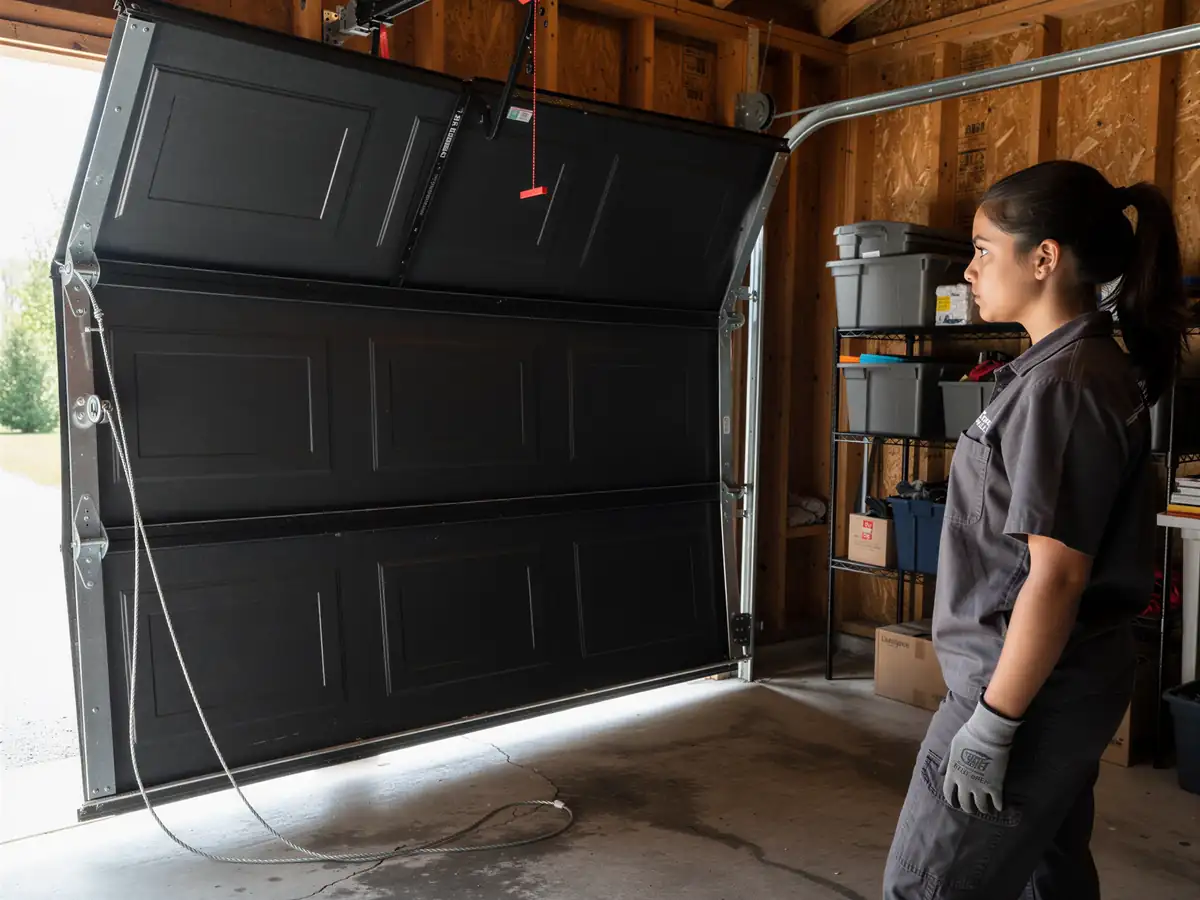
The strands at the drum end take the most abuse every time the door cycles, and galvanized cable from that era wasn't spec'd for the kind of repeated cold-to-warm swings this region gets. You get a few strands popping loose before the whole thing lets go, and usually the first sign is the door hanging crooked on one side, not a cable lying on the floor. By the time an owner calls, the door's often already jammed in the track or leaning hard on the one cable still holding.
We're not guessing at this pattern
It's the same hardware generation across most of the housing stock here, which is exactly why the fix looks different than it would on a newer build with factory nylon-coated cable and a sealed drum.
Getting It Booked In
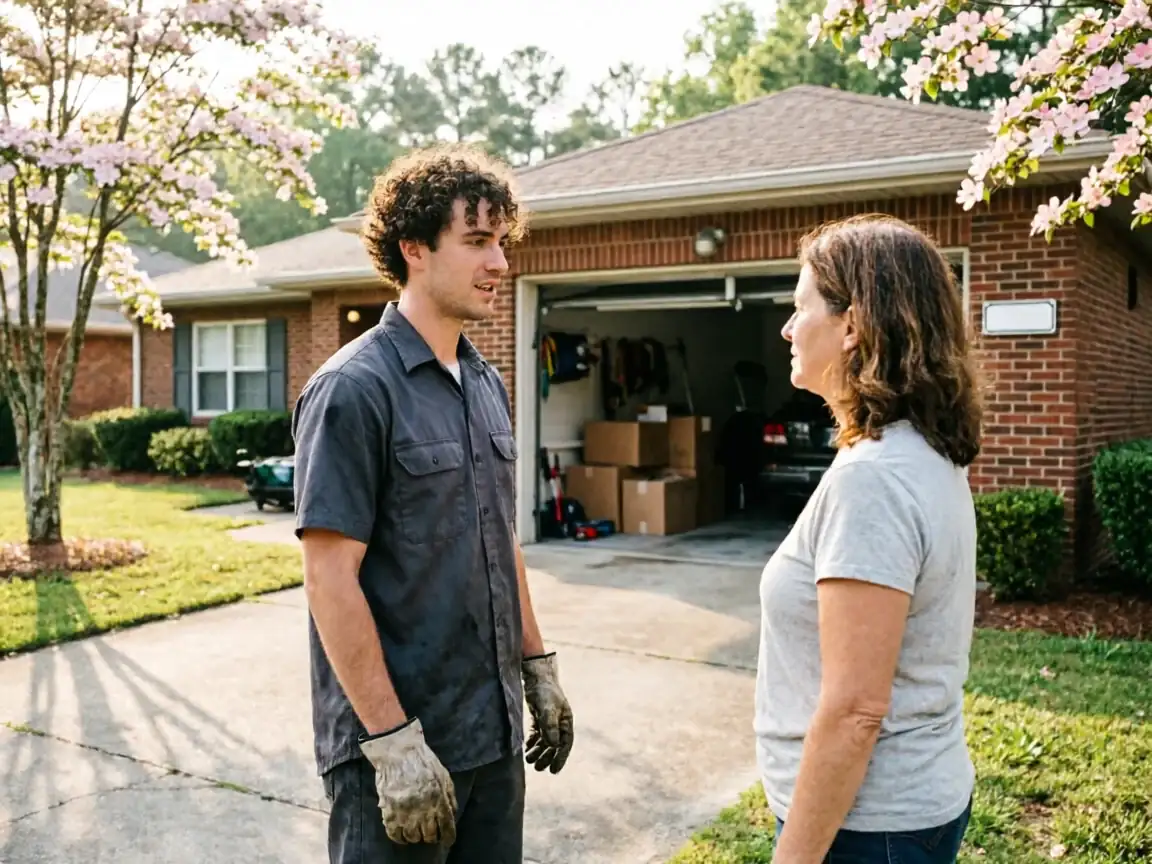
We run this job out of Winston-Salem, about 9 miles from Lewisville, so there's no local branch to call - just one truck coming from the shop with the parts for the job already identified before we leave. Because the housing stock here skews toward that late-70s-to-early-2000s window, we stock cable and drum sizes that match what actually shows up on these doors instead of carrying a generic assortment and hoping.
If you can get a photo of the drum and the broken cable to us ahead of time, we can confirm the cable gauge and drum pitch before the truck rolls, which cuts down on a second trip. That matters more here than it would on a newer subdivision, because older drums sometimes have grooves worn from decades of the original cable, and a straight swap with modern cable can bind if the drum itself needs replacing too.
We don't keep a Lewisville-specific stock of every size on hand - some odd drum pitches from the 1980s take an extra day to source. That's the one honest limit here: if your hardware is a less common size, the repair isn't same-day, and we'll tell you that up front rather than promise a truck roll we can't back up.
Why This Fails Locally
Cold-moderate winters matter more to cable life than most owners expect. Cable doesn't rust through in a season, but repeated freeze-thaw cycling works moisture into the strand gaps at the drum, and over a few decades that's enough to turn a smooth-running cable brittle at exactly the point where it takes the most load. Combine that with doors original to houses built in the 1980s and 90s, and you've got hardware that was never going to last indefinitely, just longer than it looks like it should.
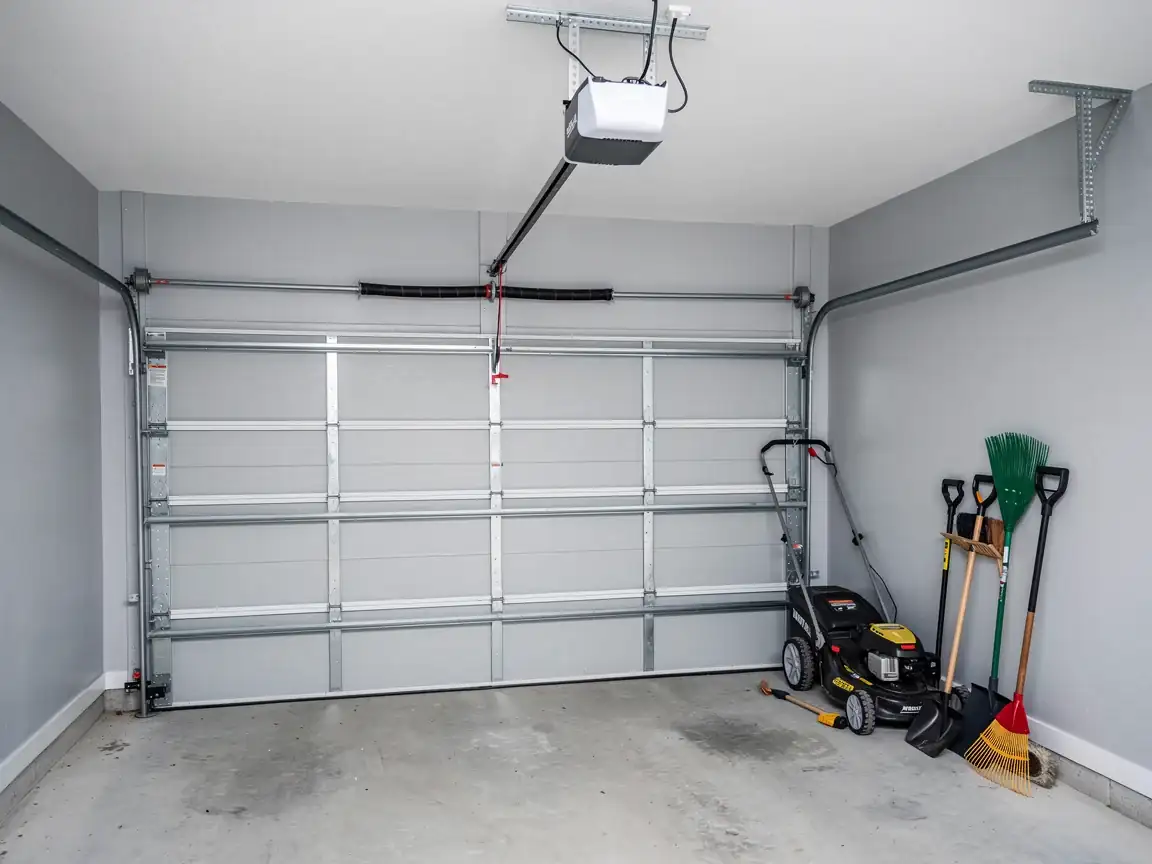
The other local factor is spring balance. A lot of these original systems paired cables with torsion springs sized for the door weight at installation, and over the years springs lose tension gradually while cables wear independently. When one side's cable finally gives, it's often because the spring on that side had already been carrying slightly less than its share, putting more strain on the cable to compensate. That's not something you can see by looking at the door from the driveway - it only shows up once something fails.
How Long You Are Without the Door
A single snapped cable on a door that's otherwise sound is usually a same-day fix once the right cable and drum size are confirmed
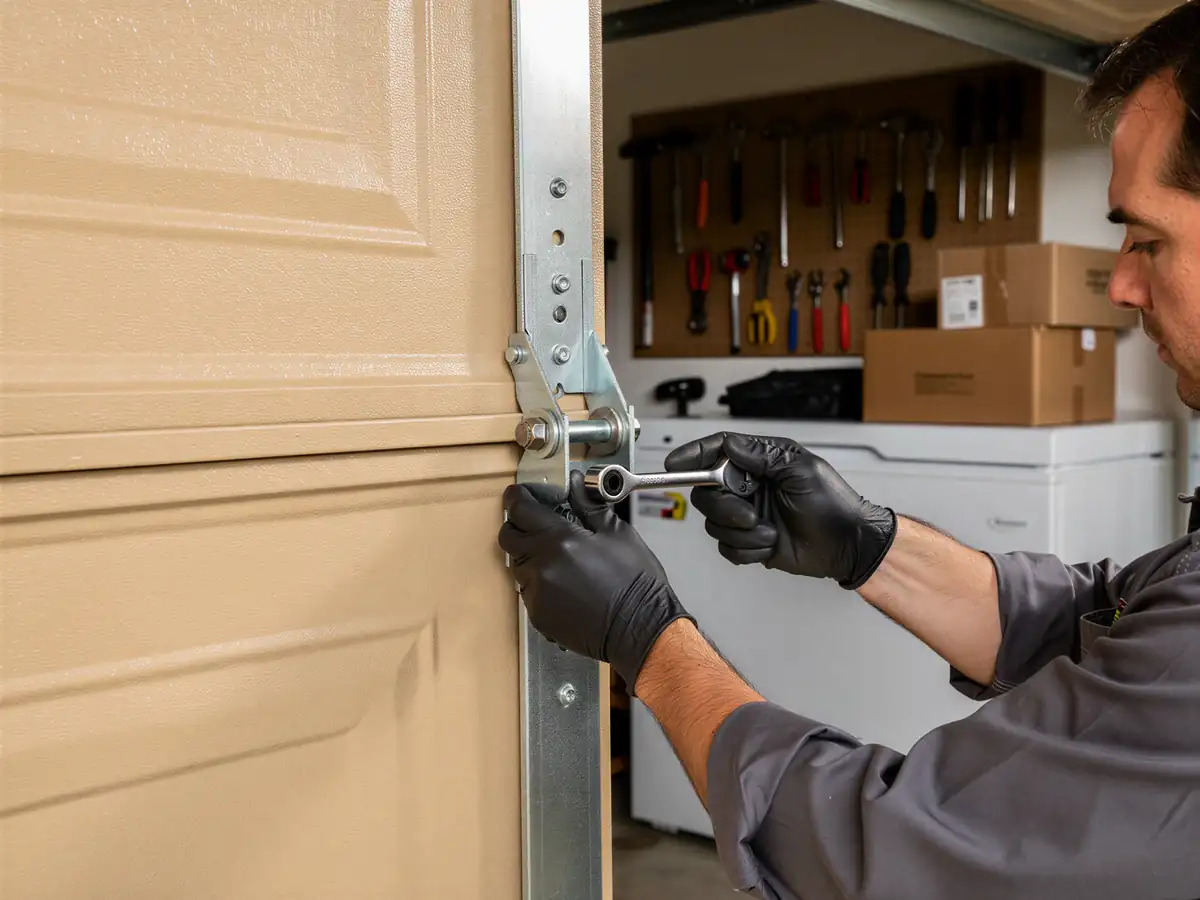
The door comes down, the old cable and any worn drum come off, new cable gets wound and tensioned to match the opposite side, and the door goes back up tested.
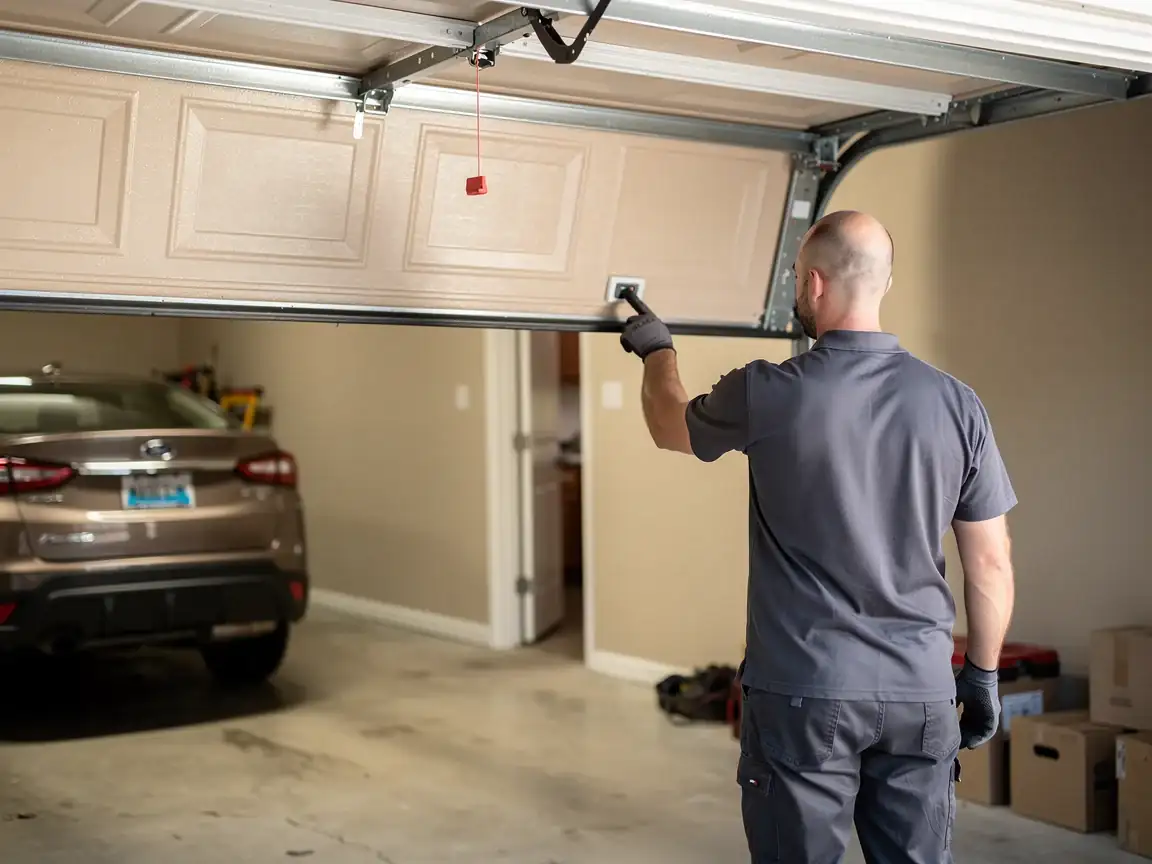
Where it runs longer is when the cable failure has let the door drop hard enough to bend a track or crack a panel on the way down
Not uncommon on doors from the 1987-era stock here, since the panels themselves are original and more brittle than anything made today. In that case the cable repair is the easy half of the job, and the track or panel work is what adds the extra time.
If you're not sure which situation you've got, the safest move is to leave the door down and not force the opener
Running it against a compromised cable or a bound track usually turns a one-visit job into a bigger one.